REVIEW · EVEREST BASE CAMP TREKS
Everest Base Camp Trek
Book on Viator →Operated by Outfitter Nepal · Bookable on Viator
Lukla turns plans into reality. This Everest Base Camp trek in Nepal takes the hard work out of planning, with permits and paperwork handled and guides and porters included so you can focus on the walk. The main catch is cost creep: the trip price does not include the Nepal visa or the Everest Base Camp entrance fee, plus most drinks and personal extras.
I like that the logistics are built around how Everest trips actually work. You get domestic flights (Kathmandu–Lukla–Kathmandu), lodge stays on the trail, and meals on trek days, so you are not constantly figuring out what comes next. You’ll also spend four nights in Kathmandu, which gives you real breathing room before and after the mountains.
If you prefer a very free, do-it-yourself vibe, this is not that kind of trip. It’s a guided group trek (up to 14 people) that starts early at 6:15 am from Tribhuvan Airport, and you’ll be on a set schedule through the high-altitude days.
In This Review
- Key Things I’d Pay Attention To
- Why This Everest Base Camp Trek Works for First-Timers
- Price and What It Really Covers (And What It Doesn’t)
- Kathmandu Morning at 6:15 am: Your Big Logistics Day
- From Lukla to Phakding: Day 1 Sets the Tempo
- Namche Bazaar and a Real Acclimatization Rest (Days 2 and 3)
- Tengboche to Dingboche: The Route Gets Serious (Days 4 to 6)
- Lobuche, Gorakshep, and Everest Base Camp (Days 7 to 8)
- Kala Patthar at 5,545 m: Your Viewpoint Finish (Day 9)
- Back Down to Namche and Lukla (Days 10 to 11)
- Flight Home and Kathmandu Transfer on Day 12
- Kathmandu Buffer Nights: A Smart Place to Recover
- Guides, Porters, and Safety as a System
- Lodges, Tea Houses, and Meals That Keep You Moving
- Gear Provided: Less Packing, More Focus
- Weather, Flights, and the Reality of Lukla
- Group Size and Pace: What Max 14 Changes
- Who Should Book This Everest Base Camp Trek (And Who Should Rethink It)
- Should You Book Outfitter Nepal for Everest Base Camp?
- FAQ
- Where does the trek start and what time?
- How many days is the Everest Base Camp trek?
- What’s the maximum group size?
- Are domestic flights included?
- Do I need travel insurance?
- Are guides and porters included?
- What permits or paperwork are handled?
- Are Kathmandu hotel nights included?
- What is not included in the trip cost?
- How does the itinerary handle acclimatization?
Key Things I’d Pay Attention To
- Permits and paperwork taken care of: you won’t be scrambling for forms at the last minute.
- Guides and porters included: support is part of the plan, not an add-on you must chase.
- Flight day logistics are included: Kathmandu–Lukla–Kathmandu is part of the package.
- Acclimatization rests are built in: full rest days at Namche Bazaar and Dingboche help you adjust.
- You get core cold-weather gear: sleeping bag and a down jacket are provided for the trek.
- Budget for extras: visa, the Everest Base Camp entrance fee, tips, and personal drinks can add up.
Why This Everest Base Camp Trek Works for First-Timers
Everest Base Camp is the kind of goal that can turn into stress if you try to plan it alone. Here, you get a guided route with the big-moving pieces handled: permits, meals on trek days, lodge/tea house sleeping, and the core mountain schedule. That matters because the mountains are not the place to learn logistics by trial and error.
What you’re really paying for is time and risk reduction. A guide sets expectations and keeps you moving at a pace that makes sense for altitude, while porters help take the weight that can slow you down. You still do the walking, of course, but the trip design removes a lot of the planning headache.
The other big plus is the mix of mountain days and Kathmandu time. You are not thrown straight into high altitude with zero buffer, and you get time back in the city after you finish the trek. That rhythm makes a tough journey feel more manageable.
You can also read our reviews of more hiking tours in Kathmandu
Price and What It Really Covers (And What It Doesn’t)
The price is $1,300 per person for about 12 days. That number looks simple until you map it to what’s actually included and excluded.
Included basics that carry real value:
- Domestic flights with airport tax: Kathmandu–Lukla–Kathmandu
- Private vehicle airport/hotel transfers in Nepal
- Lodges/tea houses during the trek
- Breakfast, lunch, and dinner during trek days
- An experienced guide, plus the guide’s support (food, accommodation, insurance)
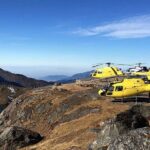
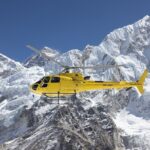
- Emergency helicopter service arranged through your insurance company
- Trek gear: sleeping bag, down jacket, and duffle bag, plus a trekking map (returned after)
What’s not included (so plan ahead):
- Nepal visa: $40 USD for a 1-month visa, and you need 2 passport photos
- Everest Base Camp entrance fee: $40 per person
- Travel insurance (listed as compulsory)
- Hotel and food in Kathmandu
- Tips for guide and staff
- Personal expenses and most drinks
- Hot showers and sweets (listed as not included)
- Porter service if you personally want one: $20 per day (listed as an add-on)
If you’re budgeting carefully, this trek can feel like good value because the expensive parts (flights, guide, core sleeping and meals) are baked in. If you go in thinking everything is included, you’ll likely be surprised by the visa, entrance fee, and the daily small purchases.
Kathmandu Morning at 6:15 am: Your Big Logistics Day
The trek kicks off at Tribhuvan Airport in Kathmandu with a 6:15 am start. That early timing is not random; it lines up with how tight your connection to Lukla can be. You’ll also have private vehicle transfers included, so you’re not coordinating rides at the last minute.
Once you’re in the flight rhythm, the trek becomes far more predictable. You’ll fly to Lukla and then transition into the walking days without needing to figure out transport day-by-day. For a trip like this, that structure reduces the mental load.
One practical note: the experience depends on weather and flight conditions. That’s not something your guide can control, but it is the reality of flying in and out of Lukla. If weather slips, you should expect the trip to follow the provider’s weather rules rather than your personal timetable.
From Lukla to Phakding: Day 1 Sets the Tempo
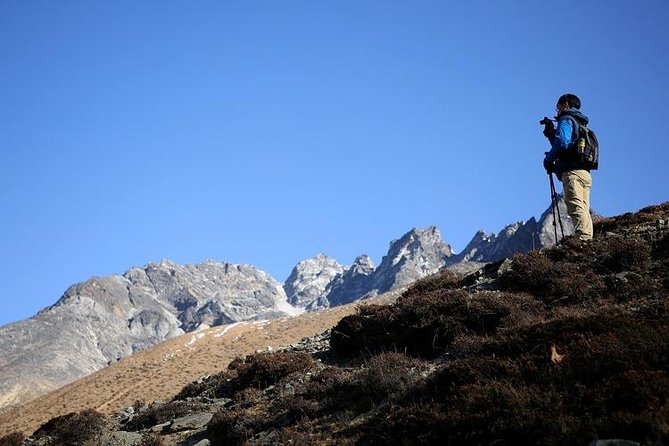
Day 1 is a two-part hit: fly from Kathmandu to Lukla (2,886 m), then trek to Phakding (2,610 m) for about 4 hours, with lunch and dinner included. This is the “wake up the legs” phase, not a grind.
Phakding is close enough to the start that you can settle in without feeling crushed by altitude yet. The goal is simple: keep moving steadily, hydrate, and get comfortable with the lodge/tea house routine.
This is also the day where guides earn their keep. With porters and paperwork handled, your job is basically to walk, eat, and follow instructions. On a first Everest trek, that’s a huge quality-of-life upgrade.
Namche Bazaar and a Real Acclimatization Rest (Days 2 and 3)
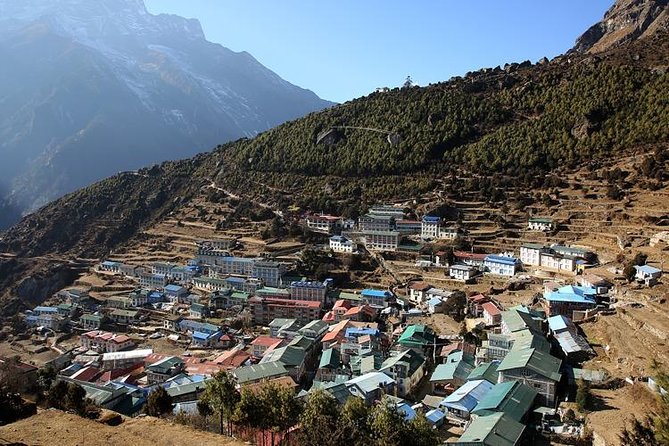
Day 2 climbs from Phakding to Namche Bazaar (3,440 m), about 6 hours. It’s a long walking day, so pace matters. Plan to feel like you’re working, not like you’re racing. Your guide’s job is to help you find that steady effort level.
Then you get an important gift: a full rest day in Namche Bazaar for acclimatization. Day 3 is not just a free day. It’s built into the plan because altitude takes time to adjust to, and the Namche stop is a classic place to settle your breathing.
This is where the guided structure pays off. You’re not just “taking a rest,” you’re taking it at a strategic altitude point that supports later climbs. If you’re the type who feels restless on rest days, consider using the time to explore nearby areas at a relaxed pace and check in with your guide on how your body feels.
Tengboche to Dingboche: The Route Gets Serious (Days 4 to 6)
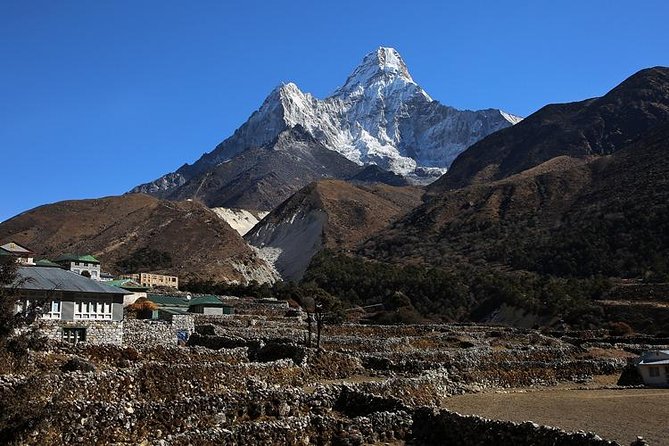
Day 4 goes from Namche Bazaar to Tyangboche (3,867 m) for about 5 hours. The trail starts to feel more alpine, and the day’s work is more about balance—good steps, steady breathing, and not pushing to prove anything.
Day 5 continues to Dingboche (4,260 m) for about 5 hours. This is a higher altitude day, so your energy management matters. By now, you’ll likely feel the mountain through your legs and your sleep.
Then you get another acclimatization rest: Day 6 is a rest day in Dingboche for acclimatization. Two rest points in a 12-day schedule is a big deal. It’s often the difference between feeling rough and feeling ready for the high segment ahead.
Lobuche, Gorakshep, and Everest Base Camp (Days 7 to 8)
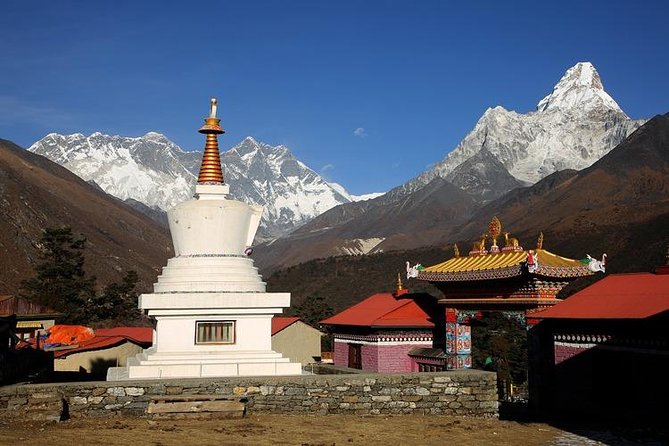
Day 7 runs from Dingboche to Lobuche (4,930 m) for about 5 hours. This is a step-up day where the air feels thinner. The upside is that you’re building toward the most meaningful goal in the whole trek: being at Everest Base Camp.
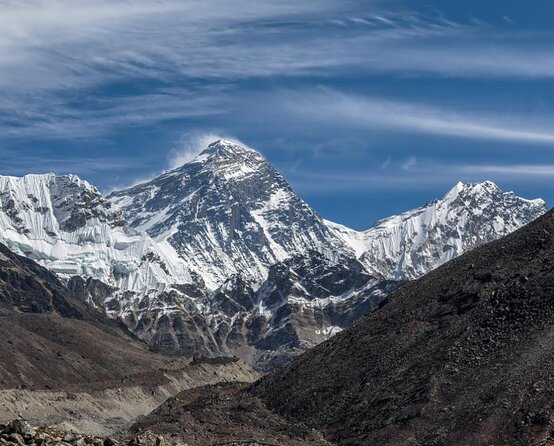
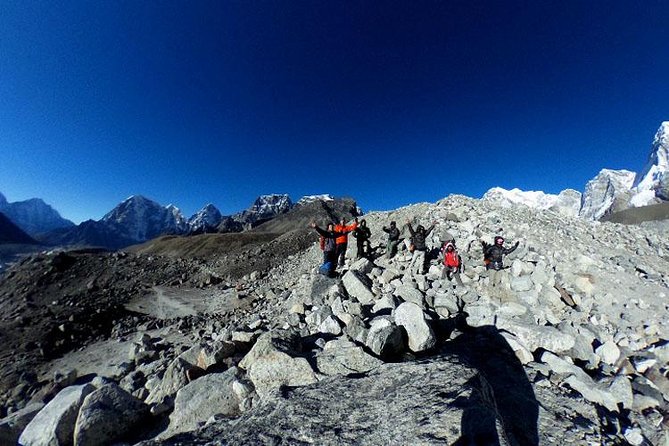
Day 8 is the big one. You trek from Lobuche to Everest Base Camp via Gorakshep, for about 6–7 hours. You’ll also be moving at high altitude for part of the day, so your guide’s pacing strategy really matters here. The goal is to arrive feeling like you had a smart day, not like you fought the trail the whole way.
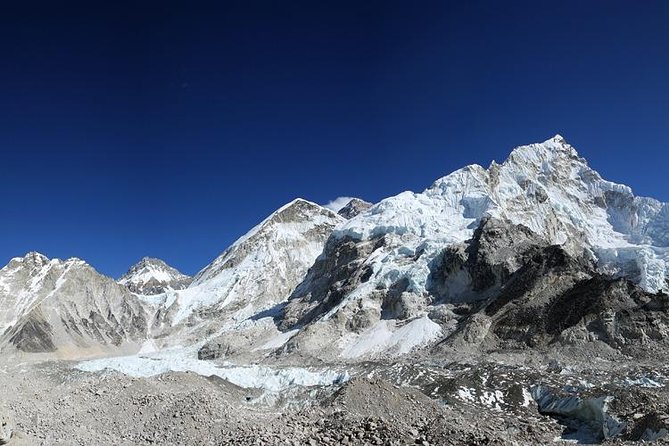
Everest Base Camp itself is more than a dot on a map. It’s the end of the walking effort and the place where logistics, manpower, and the mountain all meet. You’ll also likely feel a mix of emotion and fatigue, because those are both normal at this point.
Kala Patthar at 5,545 m: Your Viewpoint Finish (Day 9)
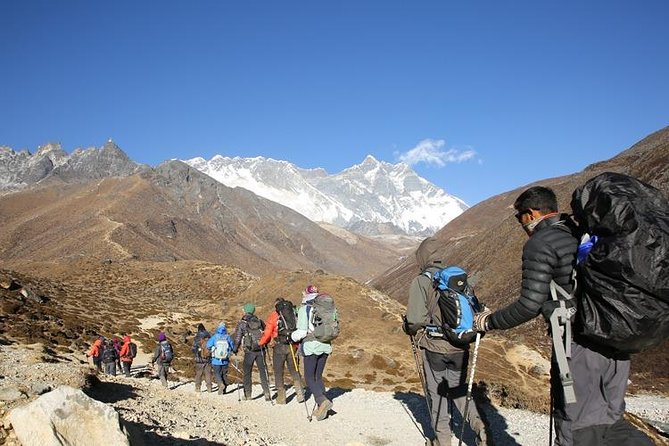
Day 9 is a long, high-altitude day: Gorakshep to Kala Patthar (5,545 m) and then trek to Pheriche (4,243 m) for about 7 hours, with breakfast, lunch, and dinner included.
Kala Patthar is the highest viewpoint stop listed in the schedule. Expect this day to be physically demanding because you’re working near thin air while also trying to stay focused and steady on the trail.
Once you reach Pheriche, the vibe shifts. You’ve done the highest work, you’re now coming down, and your body gets a chance to breathe a little easier. It’s a big psychological marker: you’re not just in the middle of the trek anymore—you’re on the way back.
Back Down to Namche and Lukla (Days 10 to 11)
Day 10 drops from Pheriche to Namche Bazaar (3,441 m) for about 6 hours. Going downhill is not always easy on the knees, but it often feels better for breathing. Use the day to manage your pace and keep your legs under control.
Day 11 goes from Namche Bazaar to Lukla (2,886 m) for about 6 hours. This is your last long walk before flying back to Kathmandu. It’s a good time to keep expectations realistic: you’re tired, but you still have to finish the circuit.
The payoff is that the itinerary is clearly designed for that turn-around. You don’t get stuck guessing whether you can make it; the plan is built around returning to Lukla for flight day.
Flight Home and Kathmandu Transfer on Day 12
Day 12 is straightforward: fly from Lukla to Kathmandu and transfer to your hotel (with breakfast included). This is when you finally get a real bed and a break from trekking schedules.
You’re also told that accommodation in Kathmandu is included for four nights. That’s a comfort factor, because Kathmandu is where you want time to eat normally, wash your clothes, and recover without rushing. Just remember: hotel and food in Kathmandu are also listed as not included—so you’ll want to confirm exactly how that Kathmandu package is structured for meals versus lodging.
Kathmandu Buffer Nights: A Smart Place to Recover
A high-altitude trek is not just about what happens on the trail. It’s also about the days around it, especially sleep, hydration, and normal meals.
Since you have four nights in Kathmandu included, you’re not stuck in “tour mode” immediately after the trek. You can also use that time to settle any gear issues and get your body back to baseline.
And because hotel and food in Kathmandu are listed separately as not included, it’s smart to plan a simple daily budget for meals and drinks in the city. Trek days include meals; city days may not.
Guides, Porters, and Safety as a System
This trek is built around the idea that you shouldn’t be alone with the planning and the risk. You get an experienced guide, plus porters included in the trekking support plan.
Guides named Kiran, Dinish, and Arjun have come up in past experiences, and the common thread is supportive guidance. Kiran is praised for handling problems openly when situations got messy due to road and travel disruptions. Dinish is praised for helping during the trek days. Arjun is noted for patience and even bringing fresh fruit for dessert.
That may sound like small stuff, but it’s not. On a hard trek, small comforts help you keep your mood up, and patience helps you manage the hardest moments without panicking. When you’re at altitude, mental steadiness matters.
You’ll also want to know about emergency support. The trek includes an arrangement for emergency helicopter service, paid by your travel insurance company. That’s a big reassurance if something goes wrong, though it still depends on real-world circumstances.
Lodges, Tea Houses, and Meals That Keep You Moving
Accommodation during the trek is in lodges/tea houses, and you’ll get breakfast, lunch, and dinner during trek days. That’s a practical inclusion because it keeps you from having to search for food after you’re tired and cold.
At the same time, you should assume comfort comes with trade-offs. The trek package lists hot shower, chocolate/sweets, and many drinks as not included, along with drink water and battery charging. So you’ll want to carry some cash for the small purchases that make long days easier.
I like that the “must-have basics” are covered: warm lodging and full meals. That’s what you need most at altitude.
Gear Provided: Less Packing, More Focus
The package includes key cold-weather gear: a sleeping bag, down jacket, and duffle bag, plus a trekking map that’s returned after the trek.
That matters for real-world packing. With a down jacket and sleeping bag covered, you can pack more efficiently for a short trip. It also makes it more likely you’ll have the right warmth for nights in the higher elevations.
You’ll still want your own personal items for the day: layers you can adjust while walking, plus your essentials for cold weather. The listing doesn’t spell out every personal gear item, so focus on what you need to stay warm and hydrated through long, high-altitude days.
Weather, Flights, and the Reality of Lukla
This experience requires good weather. If it’s canceled due to poor weather, you’ll be offered a different date or a full refund. That’s helpful, because weather isn’t a rare event.
Flights are part of the plan, and Lukla operations can be weather-sensitive. So you should build flexibility into your mindset even if your dates are firm.
As for emergencies, the helicopter arrangement is there through insurance. You still need travel insurance, listed as compulsory, because it is what pays out that safety net if it’s needed.
Group Size and Pace: What Max 14 Changes
The group size cap is 14 travelers. That’s small enough that you’re unlikely to feel lost, but large enough that logistics and staffing make sense on the ground.
A small group also tends to keep daily pacing smoother. You’ll often follow the same general schedule and trail rhythm, which helps you build routine on days when altitude and fatigue are already messing with your plans.
If you like structure and a steady rhythm, this group size is a good match. If you hate being guided, you may feel constrained even though the walking itself is independent.
Who Should Book This Everest Base Camp Trek (And Who Should Rethink It)
This trek is suited to people with moderate physical fitness who want a guided Everest Base Camp experience with the planning handled. If your dream is Everest but your weakness is logistics, this is exactly the kind of trip that reduces stress.
It’s also a strong choice if you want support for safety and pacing. The itinerary includes acclimatization rest days in Namche Bazaar and Dingboche, which shows the route is designed with altitude in mind.
You might rethink booking if you are looking for an entirely independent hike, or if you cannot plan for extra costs like visa, the entrance fee, tips, and personal purchases. The trip gives a lot, but it’s not a full spend-everything-included package.
Should You Book Outfitter Nepal for Everest Base Camp?
If you want Everest without building every piece yourself, this package is a solid value. The big ticket items—flights to Lukla, trek lodging, guide support, and a clear acclimatization route—are included. You also get real help with cold-weather trekking through the sleeping bag and down jacket.
Before you book, do two things:
- Budget for the add-ons: Nepal visa ($40), Base Camp entrance ($40), tips, and most drinks/snacks.
- Make sure your travel insurance covers emergencies, since the helicopter arrangement depends on it.
If those boxes are checked, you’ll spend your energy where it belongs: on the climb, the rhythm of the trail, and the moment you reach Everest Base Camp.
FAQ
Where does the trek start and what time?
It starts at Tribhuvan Airport in Kathmandu, Nepal, with a start time of 6:15 am.
How many days is the Everest Base Camp trek?
It’s listed as 12 days (approx.).
What’s the maximum group size?
The tour/activity lists a maximum of 14 travelers.
Are domestic flights included?
Yes. Flight fare for Kathmandu–Lukla–Kathmandu is included, including domestic airport tax.
Do I need travel insurance?
Yes. Travel insurance is listed as compulsory, and the emergency helicopter service is arranged through your travel insurance company.
Are guides and porters included?
An experienced guide is included. Guides and porters are also listed as included in the features, with an additional porter fee noted if you require a porter.
What permits or paperwork are handled?
All paperwork and permits are taken care of.
Are Kathmandu hotel nights included?
Accommodation in Kathmandu for four nights is included, but hotel and food while you are in Kathmandu are listed as not included.
What is not included in the trip cost?
Not included: Nepal entry visa fee ($40 for 1 month), international airfare, travel insurance, tips, personal expenses and drinks, hot shower and sweet items, and the Everest Base Camp entrance fee ($40 per person). A porter (if you need one) is listed at $20 per day ($220 total).
How does the itinerary handle acclimatization?
There are scheduled rest days for acclimatization in Namche Bazaar and Dingboche.