REVIEW · EVEREST BASE CAMP TREKS
Everest Base Camp Trekking – 2025/2026
Book on Viator →Operated by Alpine Ramble Treks · Bookable on Viator
Everest Base Camp feels real the moment you board the plane to Lukla. I like that this trek is built for moderate hikers (no technical climbing), and that you’re not left to guess your route because a guide keeps the days organized. I also like the value of having domestic flights, park fees, TIMS, and most meals wrapped into one plan. One thing to consider: you’ll be moving at high altitude on mostly basic lodge days, so cold, shared facilities, and a slower pace are part of the deal.
In This Review
- What I’d book for, day after day
- A realistic caution before you commit
- Key highlights you’ll feel quickly
- Why Everest Base Camp hits hard from the first flight
- Kathmandu: your first night, your first plan for altitude
- Lukla to Phakding (2,652 m): the gentle start that protects you later
- Namche Bazaar days: your culture stop and your altitude reality check
- Pangboche, Lobuche, and the Gorakshep to base camp arc
- The return rhythm: how the trek stays manageable on the way back
- Your day on trek: the schedule that keeps you from burning out
- Lodges, meals, and water: what you’ll actually live on
- Meals you can expect
- Water rules that keep you safer
- Lodge comfort: basic but workable
- Guides, porters, and why this private setup feels different
- Gear list essentials: cold, sun, and the small items that save days
- Price and value for 2025/2026: what $1,339.20 buys you
- Who should choose this Everest Base Camp trek?
- Should you book Alpine Ramble for Everest Base Camp 2025/2026?
- FAQ
- What’s included in the Everest Base Camp package?
- Do I need a climbing route or technical gear?
- What’s the typical daily schedule on the trek?
- What kind of accommodation will I get?
- How is water handled while trekking?
- Are porter services included, and can they carry my bag?
- What’s the cancellation policy and what happens with weather?
What I’d book for, day after day
Two things stand out for me. First, the daily rhythm is structured: wake-up tea around 6 am, breakfast about 7 am, then steady walking with breaks, lunch around 12–1, and camp time built in. Second, the experience is private guided, so you can go at your own pace without feeling rushed (or worried you’re too slow). You’ll also get more than route navigation—your guide is there for culture and nature context as you pass Sherpa villages and monasteries.
A realistic caution before you commit
The other side of this trek is logistics and comfort at altitude. Lodges are basic, hot showers and extras aren’t included, and bathroom situations can be shared where there’s no space for attached facilities at higher elevations. If you know that going in, you’ll be happier. If you’re expecting a hotel-standard trek, you’ll likely feel disappointed.
You can also read our reviews of more hiking tours in Kathmandu
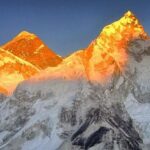
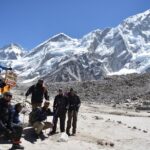
Key highlights you’ll feel quickly
- Flights to and from Lukla are included, saving you time and planning stress
- Permits plus national park fees and TIMS are included, so you won’t scramble at the last minute
- A private guided trek means safer navigation and pacing that fits your body
- All lodge stays on the trek are included, usually on a twin-sharing basis
- Water purification tablets are provided, which helps you drink with confidence
- One porter is included for luggage, and additional porter support may be available
Why Everest Base Camp hits hard from the first flight
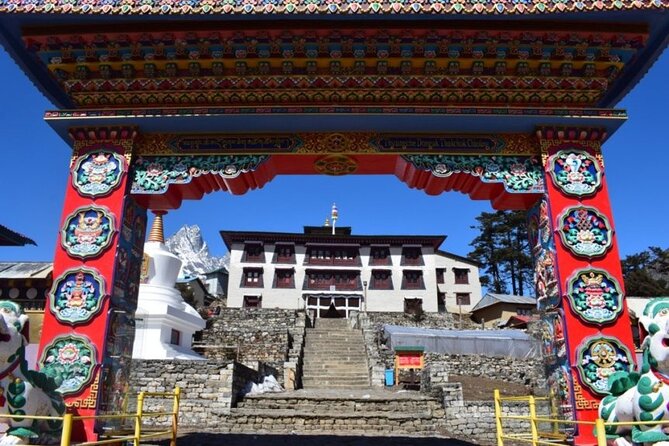
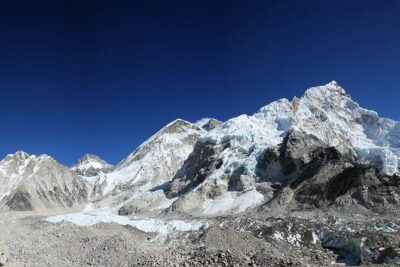
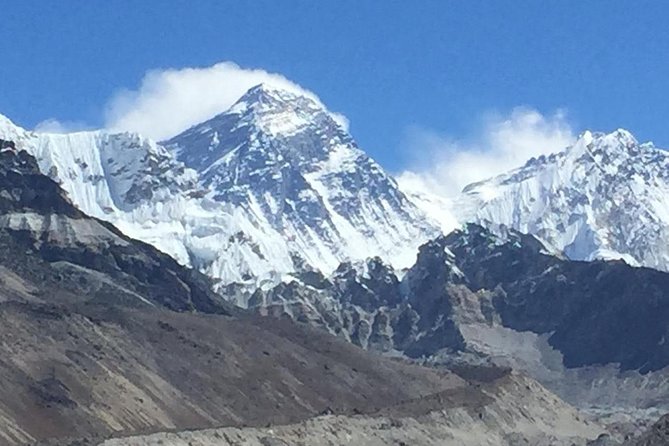
This route works because it compresses the Everest story into a tight arc of days: Kathmandu to Lukla, villages to bazaars, then higher and quieter terrain until the mountains start dominating everything you look at. The Lukla flights included here matter more than you might think. They’re not just transportation—they’re the difference between seeing Everest as a fantasy and seeing it as a place with gravity, weather, and real elevation.
And from the start, the trek is framed as a guided experience. You don’t have to constantly worry about which way to go, what time to leave, or whether you’re pushing too hard. That’s a big deal on routes that can look straightforward on a map but feel very different on the ground.
Kathmandu: your first night, your first plan for altitude
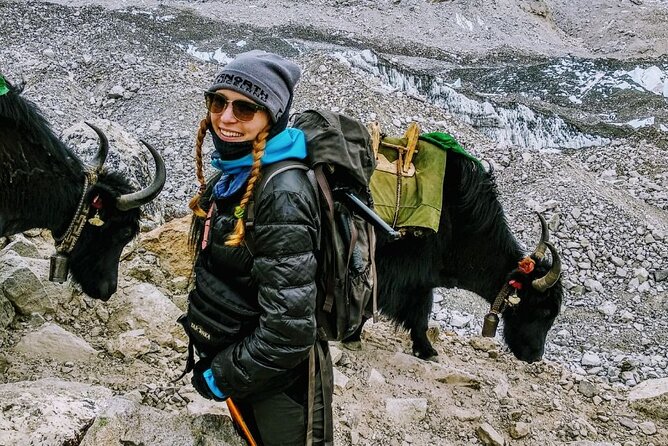
Day 1 is a classic Nepal landing day: airport representative meets you and transfers you to your Kathmandu hotel, then you’re introduced to the tour team in the evening. That setup is helpful because it reduces the first-day chaos when jet lag and paperwork already have you busy.
A couple practical notes:
- You’ll be dealing with cold-weather conditions later, so don’t treat Kathmandu as “the real trip” and forget what’s coming.
- The tour includes private transportation and pickup support, so getting to and from your starting points is easier than trying to coordinate taxis and timing on your own.
Also, there’s a start time listed for the experience—7:15 am—so be ready for an early morning schedule when the trek portion begins.
Lukla to Phakding (2,652 m): the gentle start that protects you later
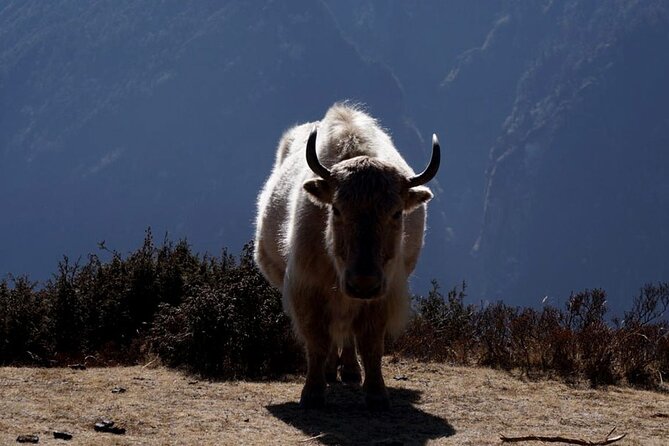
The first trekking leg goes from Lukla to Phakding at about 2,652 m. The walk time is listed as around 3 hours in one place, and the day is framed as an easy first step. Either way, this is the “wake up your legs” day, not the day to prove fitness.
Why I like this early transition:
- It gets you into walking rhythm immediately after the flight.
- It helps you settle into lodge life—tea houses, menus, and the familiar pattern of short stretches and breaks.
What to watch:
- Even though this is an easier start, altitude is still altitude. Keep your effort controlled and don’t sprint up switchbacks just because the weather feels fine.
Namche Bazaar days: your culture stop and your altitude reality check
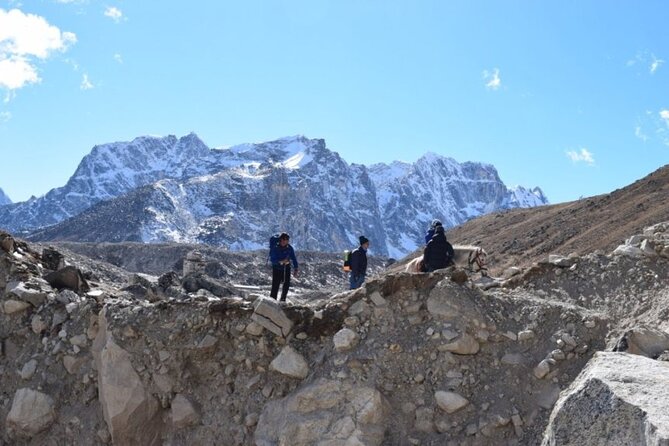
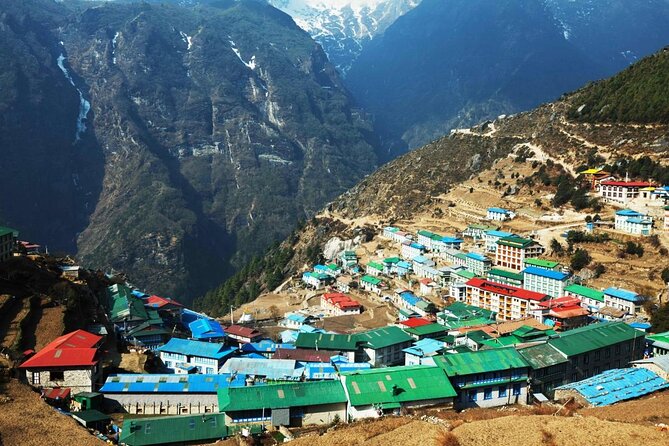
From Phakding to Namche Bazaar (listed at 11,283 ft) you’ll cover roughly 10 to 12 km and about 5 hours of walking. Namche is where the Everest story starts turning from “trail” into “place.” You’re in Sherpa country, with monasteries and village life woven into everyday trekking routes.
If you’ve never been at high altitude before, Namche is where you’ll feel the difference. Your body is still learning how to work with less oxygen, even if your legs feel okay.
A smart way to handle Namche:
- Treat it as a slow-down moment, not a sightseeing sprint.
- Use the lodge and tea-house rhythm to rest between walks.
- If your guide suggests time for local exploration, it’s usually not just cultural—it’s also an acclimatization tool.
One small bonus this trek offers is the way your guide builds in culture learning, not just logistics. Passing monasteries and Sherpa settlements becomes part of the day rather than an optional detour.
Pangboche, Lobuche, and the Gorakshep to base camp arc
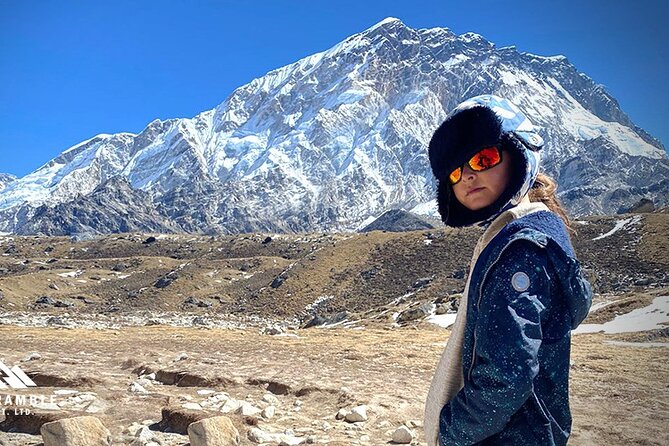
After Namche, the route moves toward Pangboche, then continues on to Lobuche, and finally to Gorakshep, with the Everest Base Camp area reached during the Labuche to Gorakshep / base camp day segment.
Here’s what this progression means for you:
- Pangboche is typically a “higher village” feeling—staying close to Sherpa settlements as altitude rises.
- Lobuche shifts the mood. It’s more stark, more exposed, and it reminds you that you’re near the terrain where weather can turn quickly.
- Gorakshep and the base camp day are the emotional peak. The mountain focus gets intense, and your pacing needs to be conservative because you’re already high.
The day-by-day walking durations are listed around 5 hours for the mid-route legs (Namche to Pangboche, Pangboche to Lobuche, and onward to the Gorakshep/base camp area). That consistency is good. You’ll be able to plan your energy without guessing.
What can be tough:
- You’re not just walking for the goal—you’re walking while your body is spending energy on altitude adaptation. Even if the trek isn’t technical climbing, it can still feel like hard work.
The return rhythm: how the trek stays manageable on the way back
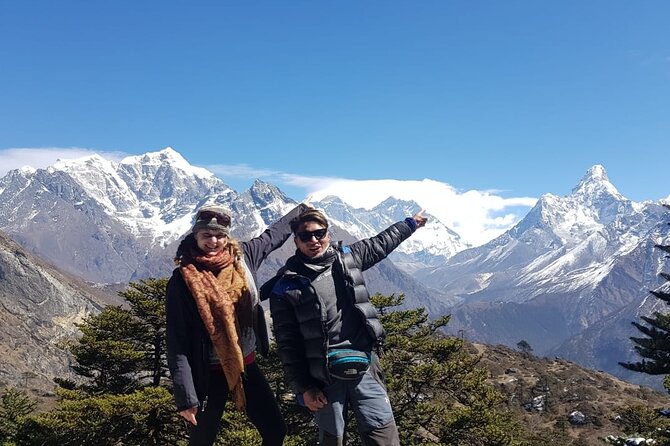
The route then works back toward Namche and Lukla. One stop listed shows Pangboche to Namche with about 4 hours. Another shows Namche Bazaar to Lukla as about 5 hours, followed by your flight back to Kathmandu.
This back-half matters because it changes how you’ll feel:
- The first half tends to be about acclimatizing and learning the routine.
- The return is often more mental than physical. You’ve got the mountain memories already, so you’re moving with a purpose that can make the days feel shorter.
But don’t relax your pacing just because you’ve already “done the hard part.” Altitude fatigue doesn’t care about mood.
Your day on trek: the schedule that keeps you from burning out
This tour’s daily structure is one of its strongest practical features. You’ll typically follow a routine like this:
- 6:00 am wake-up tea
- ~7:00 am breakfast
- A short stretching and warm-up period before walking
- Walk roughly 2–3 hours to the lunch camp
- Lunch around 12–1 pm, typically 40 minutes
- After lunch, walk another 2–3 hours to reach the trekking lodge
- Rest, then tea and dinner logistics
- Dinner orders are set before 5 pm, and you’ll eat together with the team
- After dinner, you get a briefing for the next day
I like this because it reduces decision fatigue. On long treks, the hardest part can be not knowing what comes next. Here, you can focus on walking, hydration, and slowing down when you need to.
Another thoughtful touch: your guide may encourage you to visit local Sherpa settlements during the day, including moments while meals are being prepared or if you prefer to read and reset. That’s one of those “small” experiences that makes the trek feel like living in the region instead of checking boxes.
Lodges, meals, and water: what you’ll actually live on
This trek is set up as full-board while you’re on route: breakfast, lunch, and dinner are included, and the main course meals are part of the plan. In Kathmandu and before/after the trek, you’d handle extra lodging and meals yourself.
Meals you can expect
Lodges offer a menu, and the trek includes meals served in the tea-house where you stay. Choices include both Nepali and Western options—things like dal bhat, soups, noodles, eggs, rice items, handmade bread options, and even apple pie. In the higher region, you’ll want to lean on foods that sit well in cold conditions.
A caution the plan calls out: meat items aren’t recommended in the Everest region, mainly for health and hygiene reasons. I agree with that approach. When your immune system is under altitude stress, you want simple and reliable.
Water rules that keep you safer
You can find water everywhere on the route, and bottled water may cost around $2–3 per liter. Tap water is available for free, but you’ll need purification tablets to make it drinkable. The plan also points out using a separate bottle for hot water because cold water doesn’t work well at high altitude.
If you do this well, you’ll feel better—less dehydration, fewer headaches, and fewer energy dips mid-day.
Lodge comfort: basic but workable
In the mountains, don’t expect the standard you’re used to at home. You’ll have warm blankets, pillows, and comfortable mattresses, but facilities are basic. Some places won’t have attached bathrooms, and you may share depending on where you are.
Hot showers and Wi‑Fi are listed as extras not included, so pack accordingly.
Guides, porters, and why this private setup feels different
This is a private guided trek, meaning it’s just your group, not a mixed group shuffle. For me, that changes the experience right away. It’s easier to set your own pace when someone can adjust without waiting on other hikers.
You’ll have:
- A government-licensed, English-speaking local guide (they cover meals, flight coordination, and the day’s plan)
- Porter support (the plan describes one porter to carry luggage, and the porter allocation can depend on how many trekkers you have)
- A luggage guideline that your bag shouldn’t exceed 18 kg per person/porter system
When you read names in the operator’s history—like guides such as Sujal, Samir, Hairy, Krishna, or Prabin Tamang (seen in other routes connected to this company)—the consistent theme is communication and care. I’d still treat guide style as individual, but the operator clearly invests in the human side.
What matters most: your guide helps you avoid getting lost, and helps you pace the hike so you don’t gamble with altitude.
Gear list essentials: cold, sun, and the small items that save days
The packing list here focuses on what you’ll actually use on route:
- Headlamp
- Warm hat, scarf, and sun hat
- Gloves (warm)
- Sunscreen SPF +40 and sunglasses
- Face wipes and towels
- Down or fiber jacket and thermal layers (the company states it can provide warm down jackets and sleeping bags if you don’t have your own)
- Poncho and rain jacket
- Trekking boots
- Day backpack above 30 L
- Thermal bottle and water purification supplies
I also like that the list includes practical altitude/health items:
- Diamox (acetazolamide) is listed as part of the medical kit suggestions
- Oral rehydration salts
- Anti-nausea and anti-diarrhea support
- Bandages, moleskin, and antiseptic options
You should still follow your own medical advice and comfort level, but at least you’ll know the operator expects real-world altitude issues, not just scenic walking.
Optional add-ons like trekking poles are also mentioned. If you’ve used poles before, they can help on descents.
One more key tip: the plan recommends keeping a separate proper bottle for hot water because cold doesn’t work at altitude. That’s the kind of detail people only learn the hard way.
Price and value for 2025/2026: what $1,339.20 buys you
The price is $1,339.20 per person for an approx. 14 days trek. For Everest Base Camp, that can be good value when you look at what’s bundled:
Included:
- Domestic flight(s) Kathmandu/Manthali to Lukla and return
- Everest National Park fees and TIMS card
- Accommodation in trekking lodges during the trek
- Most meals (breakfast, lunch, dinner)
- Government-licensed English-speaking local guide
- Water purification tablets
- Private transportation and pickup support in Kathmandu
- Porter support for luggage
Not included:
- Visa fee, international flights, travel insurance, extra Kathmandu meals/lodging
- Extras like hot shower, snacks, alcohol, Wi‑Fi
Here’s how I’d judge value if you’re shopping: if you can’t (or don’t want to) manage Lukla flights, permits, and daily meal/lodge logistics yourself, the bundled price reduces stress and likely keeps you safer with less guesswork.
If you already have flexible flight plans, a strong support network, and you’re comfortable handling permits and daily logistics solo, you might compare costs. But for most people, this package is paying for time, certainty, and fewer moving parts.
Who should choose this Everest Base Camp trek?
This trek is described as a moderate destination for hikers who can do 3–5 hours a day and handle cold, rugged terrain at altitude. It’s not technical climbing, and it doesn’t require crampons or rope systems. The plan emphasizes that you should be able to hike for multiple days with a basic fitness base.
It’s also described as possible for a wide range of ages and body types—so long as you can follow a steady pace and manage altitude responsibly.
I think it’s especially well-suited for:
- First-time Everest-route hikers
- People who want private guidance and not a group chaos vibe
- Anyone who values structured meal times and clear daily planning
- Travelers who want Sherpa culture context, not just views
Should you book Alpine Ramble for Everest Base Camp 2025/2026?
If you want an EBC trip that’s organized, guided, and built around practical daily pacing, I’d say yes. The combination of Lukla flights included, permits covered, lodge stays handled, and a guide whose job includes safety and culture learning is the core strength.
Book if:
- You want a private guided experience
- You prefer not to manage permits, lodge bookings, and meal planning yourself
- You’re willing to accept basic lodge comfort and cold conditions at elevation
Think twice if:
- You need hotel-grade amenities and private bathroom comfort the whole way
- You’re hoping to move fast without altitude impacts
If you’re a moderate hiker with solid stamina and you’re okay traveling the “real trek” way, this is a strong plan to get you to Everest with less uncertainty and more mountain time.
FAQ
What’s included in the Everest Base Camp package?
It includes domestic flights to and from Lukla, trekking lodge accommodation during the trek, most meals (breakfast, lunch, dinner), Everest National Park fees and TIMS card, an English-speaking government-licensed local guide, water purification tablets, and private transportation in Kathmandu.
Do I need a climbing route or technical gear?
This is described as a non-technical trek. It does not require climbing skills, crampons, oxygen cylinders, or ropes. A down jacket and sleeping bag may be provided if you don’t have your own.
What’s the typical daily schedule on the trek?
You’ll typically have wake-up tea around 6 am, breakfast around 7 am, then stretch and start walking. Lunch is usually around 12–1 pm for about 40 minutes, and then you hike another 2–3 hours to reach the trekking lodge. Dinner is ordered before 5 pm, and the guide briefs you after dinner.
What kind of accommodation will I get?
In Kathmandu you’ll stay in your selected lodging on a twin-sharing basis (single supplement may apply). During the trek you’ll stay in basic trekking lodges with warm blankets and mattresses. Attached bathrooms are not guaranteed at higher elevations.
How is water handled while trekking?
Water is available along the route. You’ll use purification tablets to drink safely, and tap water is free but needs purification. The plan also suggests using a separate bottle for hot water in colder altitudes.
Are porter services included, and can they carry my bag?
Yes, the trek includes porter support. There is a stated limit guideline that your luggage should not exceed about 18 kg. Additional porter support may be available depending on how many trekkers you have.
What’s the cancellation policy and what happens with weather?
You can cancel for a full refund if you cancel at least 24 hours in advance. If the trek is canceled due to poor weather, you’ll be offered another date or a full refund.