Everest Base Camp starts with a 40-minute flight. This private 14-day trek links Kathmandu pickup with high-altitude days through Buddhist monasteries, Sherpa villages, and big mountain scenery. I also like the porter setup for heavy gear, which makes it easier to focus on your steps and your breathing.
The main thing to consider is that the whole plan depends on good weather, especially the Lukla flight days. If conditions are rough, you may need to be flexible and go with your guide’s guidance.
In This Review
- Key takeaways
- Kathmandu Setup: Hotel Nights, Airport Pickup, and Permits Handled
- Lukla Flight to Your First Khumbu Trail Day
- Namche Bazaar Acclimatization: Suspension Bridges and Sherpa Town Life
- Tengboche and Dingboche: Forest Trails, Mani Stones, and Controlled Effort
- To Lobuche, Gorak Shep, and Everest Base Camp: The Moment You Train For
- Kala Patthar Sunrise and the Long Return Down: A Payoff for Your Legs
- Getting Home: Kathmandu Flight, Farewell Dinner, and Your Trek Certificate
- Guides, Porters, and “Private” Value That Matters
- Price and Value: What $1,600 Really Covers
- Packing and Pace Tips for a 14-Day Schedule Like This
- Should You Book This Private Everest Base Camp Trek?
- FAQ
- Where does the tour start?
- How long is the Everest Base Camp trek?
- Are flights included?
- What about guides and permits?
- Is accommodation included?
- Do I need a porter?
- What meals are covered?
- Is travel insurance included?
- What fitness level is expected?
- Is the trek dependent on weather?
Key takeaways
- Private pacing with an English-speaking guide who manages permits, lodging, and daily trekking flow.
- Lukla flights (40 minutes each way) that turn the whole trek into a true Everest route without extra driving time.
- Acclimatization days in Namche Bazaar and Dingboche built into the schedule.
- Everest Base Camp + Kala Patthar moments that make the effort feel real.
- Lodge and tea house stays plus two hotel nights in Kathmandu for a smoother start and finish.
- Meals mostly covered (12 breakfasts, 10 lunches, 10 dinners), so you can plan your spending.
Kathmandu Setup: Hotel Nights, Airport Pickup, and Permits Handled
Your trip begins in Kathmandu with a straightforward welcome and transfer to your hotel. If you land at Tribhuvan Airport, you meet the team on arrival, get the program explained, and then settle in for the first night.
I like the practical side of this part: you get airport or hotel pickup and drop-off by private vehicles, plus support with the paperwork. Your guide arranges all the necessary permits and entrance fees along the way, which matters because Everest trekking isn’t just hiking with a backpack. It’s also official access and timing.
You also get two nights in Kathmandu in a 3-star hotel with breakfast. That’s not luxury, but it’s a smart buffer before you start climbing toward altitude. It also helps if you arrive tired or jet-lagged and just need a calm first setup day.
You can also read our reviews of more private tours in Kathmandu
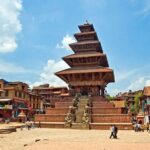
Lukla Flight to Your First Khumbu Trail Day
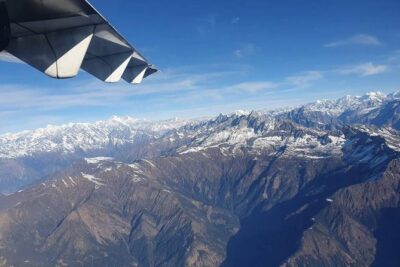
Day 2 is the big shift from city life to mountain life: a scenic 40-minute flight to Lukla, landing at Tenzing Hillary Airport. Then your trek starts right away from Lukla, which is exactly why Everest Base Camp treks feel so iconic. You’re not easing in with a long transfer day first.
Expect day-one hiking to feel like a transition day. The goal here isn’t to race. It’s to get moving, settle into trail rhythm, and start earning your acclimatization.
This is also where weather can matter most. Since the route depends on good conditions for flights, don’t plan anything tight on your arrival day in Kathmandu. You’ll want time for your first transfer and for any last-minute adjustments.
Namche Bazaar Acclimatization: Suspension Bridges and Sherpa Town Life
Day 3 and Day 4 are built around getting your body used to altitude. You trek along the northern bank of the Dudh Koshi River and cross multiple suspension bridges, including the Hillary Suspension Bridge. Those crossings are more than photo ops; they break up the walking, add variety, and keep you focused when the trail feels endless.
By the time you reach Namche Bazaar, the schedule makes sense: Day 4 is time to acclimatize in Namche. You can explore the town itself, including areas with wifi-linked cafes and gear shops. That little bit of modern convenience is useful here, since you’ll likely want to keep a close eye on how you’re feeling and how the forecast looks for upcoming flight and trekking days.
There are also shorter hiking options around town (including a Hillary-related option mentioned in the route notes). This is one of the best “value-for-effort” parts of the itinerary: you’re not just standing still—you’re gaining altitude safely and learning the terrain you’ll be walking for days.
One note: Namche can feel busy compared to the trail. That’s normal. If crowds aren’t your thing, treat Namche as a practical stop: eat well, rest, walk thoughtfully, and keep your energy for later.
Tengboche and Dingboche: Forest Trails, Mani Stones, and Controlled Effort
On Day 5 you head to Tengboche, with a trail that works in ups and downs through forested sections. If you like wildlife moments, this is one of the days where you might see musk deer. Even when you don’t, forest walking can be a nice change of pace from open, wind-exposed stretches.
Tengboche is famous in Everest trekking because it’s tied to monastery life, and your route continues to weave in Buddhist sites and Sherpa culture. This day is about that mix: movement, views, and a slower mental pace that helps you handle altitude without treating it like a battle.
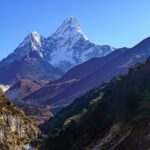
Then Day 6 brings you to Dingboche, passing Chortens and mani walls and smaller villages like Pangboche, where you can enjoy striking views of Ama Dablam. Those cultural details keep the trek from feeling like one long grind. They also give you a sense of place, not just elevation numbers.
Day 7 is your second acclimatization stop at Dingboche. The itinerary makes it clear: you’ll climb to a ridge above Dingboche area to keep busy, then return to rest. That “walk high, sleep low” style approach is exactly what most people need up there—activity without overstressing your body before the route gets bigger.
To Lobuche, Gorak Shep, and Everest Base Camp: The Moment You Train For
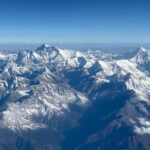
Day 8 moves you toward Lobuche, with Himalayan views showing up early and then staying with you as the valley narrows. This day has that feel of the trail getting more serious—less “town and river” and more “high-alpine world.” It’s also where patience matters. Your pace should match the altitude, not the eagerness in your head.
Day 9 is the target day: trekking to Everest Base Camp, passing through the lateral moraine area of the Khumbu Glacier and reaching Gorak Shep first. The itinerary notes that Gorak Shep is a village surrounded by snow-capped mountains, which is a good description of why many people find this area emotionally intense. You’re close to the route’s namesake.
From a practical standpoint, this is also the day you want to manage expectations. Everest Base Camp isn’t a peak you “summit” in the normal sense. It’s a base—full of expedition history energy—but it’s also about the reality of the terrain: cold air, strong winds, and that constant awareness of altitude.
Still, it’s a special day for a reason. When you walk in with the glacier and moraine terrain around you, the trek becomes more than a checklist. It becomes the whole point.
You can also read our reviews of more hiking tours in Kathmandu
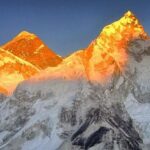
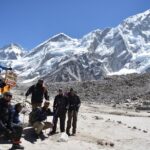
Kala Patthar Sunrise and the Long Return Down: A Payoff for Your Legs
Day 10 focuses on Kala Patthar, which is one of the best-known “reward for the grind” points on the Everest route. You wake early after sleeping near Pheriche, have breakfast, and then trek down toward Tengboche on your way back. The route notes rhododendron forests, the Imja Khola bridge, juniper forest, and another long rhythm of forest-and-river crossings.
Even though you’re going down, it still feels hard. That’s just how altitude affects your body: downhill can be tough on knees, and your energy can swing based on wind and temperature. Having the guide matters here, because they’ll keep you moving steadily rather than letting you turn it into a sprint day.
Day 11 returns you to Namche Bazaar, and Day 12 brings you back to Lukla-area trekking end points, heading toward Phakding. Day 12 is described as a shorter trek that follows the Dudh Koshi River, crossing suspension bridges and passing forests and small villages before reaching your overnight stop.
This return portion is where the “private” format feels most valuable. You can keep a consistent pace that matches your recovery, and you’re not fighting a mixed group rhythm. It’s also where a good guide helps you mentally transition from achievement back to comfort.
Getting Home: Kathmandu Flight, Farewell Dinner, and Your Trek Certificate
Day 13 is your flight back to Kathmandu after breakfast, followed by a relaxing 40-minute return flight. If you’re feeling drained, this is the day to lean into it. The trip ends quickly once you’re back in the city, so it helps to treat the flight like a decompression moment.
Day 14 is a clean finish: a farewell dinner and trek certificates. The route also includes an appreciation certificate from the operator after the successful trek, which is a nice touch for keeping a record of what you did.
I like that there’s closure here. After days of logistics and altitude, a formal send-off gives your brain the signal that you’re done, not just paused.
Guides, Porters, and “Private” Value That Matters
This tour is private, meaning it’s only your group, not a shared scramble with strangers. That changes the feel in small ways: your guide can set a pace that fits you, and you’re more likely to get clear daily guidance rather than generic instructions meant for everyone.
You’ll have an experienced English-speaking guide who handles permits and entrance fees, and you’ll travel with a porter arranged to carry heavy gear. The notes say the porter is for two trekkers, so if you’re traveling solo, it’s worth confirming how the porter arrangement works for your exact group setup.
The reviews included strong praise for the human side of the team. People highlighted smooth communication before and after arrival, and they consistently mentioned guides like Anil (communication/organization), Kalyan Gurung (support and trek management), Romeo (making trekkers feel safe and cared for), and even assistant support names like Akash, Kaylen, and Ram. There’s also a theme of guides adjusting the pace and responding when altitude problems pop up.
That last part is important. Everest trekking is high-altitude by definition. Even with the best schedule, you can still get hit by altitude symptoms. Having experienced leaders who pay attention to how you’re feeling makes a difference—not in making altitude disappear, but in managing it wisely.
Price and Value: What $1,600 Really Covers
At $1,600, the price only makes sense if you see what’s bundled. This trip includes:
- Two nights in Kathmandu at a 3-star hotel with breakfast
- Domestic air fare Kathmandu–Lukla–Kathmandu plus airport tax
- Guide and porter support
- Permits and entrance fees
- Meals for most days (12 breakfasts, 10 lunches, 10 dinners)
- A farewell dinner and trek certificates
That package can be good value because Everest treks get expensive fast once you add domestic flights, guides, permits, and the daily cost of lodges and meals. Here, you don’t have to chase every single element yourself.
The biggest thing not included is also clear: travel insurance and personal expenses. If you’re budgeting, treat insurance as a separate line item rather than hoping it’s covered. That’s the easiest way to protect yourself financially if plans change.
Packing and Pace Tips for a 14-Day Schedule Like This
The itinerary is paced for acclimatization, with Namche Bazaar and Dingboche built in as rest-and-adjust days. That means you don’t need to treat every hiking day as a personal best attempt. Your guide will make sure you trek comfortably and safely, and you’ll be walking in a rhythm that assumes altitude will affect you.
Since a porter carries heavy gear, I’d plan to keep your essentials on you. Think of your “daily items” as the stuff you’ll want in your daypack: layers for changing temperatures, items you use during breaks, and whatever you rely on to feel steady. Let the porter handle the weight that slows you down.
Also, build your expectation around timing. You have flights into Lukla and back out to Kathmandu, plus multi-day hiking transfers between lodges and tea houses. If you show up with a flexible mindset and a moderate fitness base, the plan feels challenging but doable.
If you’re aiming for a quieter, well-managed trip—more “guided rhythm” than “solo adventure with guesswork”—this private structure is a strong fit.
Should You Book This Private Everest Base Camp Trek?
Book it if you want:
- A private, guided EBC trek with permits and logistics handled
- Lukla flights that keep travel time efficient
- Real acclimatization stops at Namche Bazaar and Dingboche
- The key Everest highlights: Everest Base Camp and Kala Patthar
- Support from a team praised in reviews for organization and care
Skip or rethink if you:
- Are not ready for altitude risk and long hiking days (the tour asks for moderate physical fitness)
- Need a trip that can tolerate flight delays if weather is bad (this experience requires good weather)
- Don’t want to plan around insurance and personal expenses
FAQ
Where does the tour start?
It starts at Tribhuvan Airport in Kathmandu, Nepal, with the trip including airport pickup by private vehicles.
How long is the Everest Base Camp trek?
The total experience is planned for about 14 days.
Are flights included?
Yes. Domestic air fare for Kathmandu to Lukla and back to Kathmandu is included, including airport tax.
What about guides and permits?
You’ll have an experienced English-speaking guide, and your guide arranges the necessary permits and entrance fees for the trekking route.
Is accommodation included?
Yes. You get two nights in Kathmandu in a 3-star hotel with breakfast, plus lodges or tea houses during the trek.
Do I need a porter?
A porter is arranged for heavy gear (the notes specify a porter for two trekkers).
What meals are covered?
Breakfast is included 12 times, lunch 10 times, and dinner 10 times during the 14-day itinerary.
Is travel insurance included?
No. Travel insurance is not included.
What fitness level is expected?
The tour is suited for travelers with moderate physical fitness.
Is the trek dependent on weather?
Yes. The experience requires good weather, and if it’s canceled due to poor weather, you’ll be offered a different date or a full refund.
If you tell me your travel dates and whether you’re going solo or as a pair, I can help you sanity-check whether the porter setup and pacing match your comfort level.