REVIEW · SPIRITUAL & SHAMANISM TOURS
From Kathmandu: 2 Stupas and Kopan Monastery Spiritual Tour
Book on GetYourGuide →Operated by Enticing Himalayas Travels Private Limited · Bookable on GetYourGuide
Five hours, three sacred stops, real calm. This Kathmandu spiritual tour is a simple way to see Buddhist sites near the city while getting actual context from a licensed English guide, not just photo stops. I especially like starting at Jamchen Vijaya Stupa, where the vibe is quiet enough to slow down, and then getting to Kopan Monastery for hands-on learning and a meditation moment with locals/monastics.
The loop ends at Boudhanath Stupa, so you finish with one of the most important Buddhist landmarks in the region—white dome, prayer wheels, chanting, and Tibetan culture right around the square. One possible drawback: the schedule can be affected by real-world conditions. A past booking noted Kopan Monastery being closed, and a few people also felt the price was high compared with other Kathmandu trips (even with strong guide value).
In This Review
- Key things I’d pay attention to
- How This 5-Hour Kathmandu Spiritual Tour Really Fits Your Day
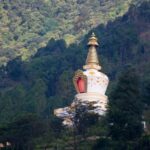
- Stop 1: Jamchen Vijaya Stupa for Calm Before the Crowds
- Stop 2: Kopan Monastery Hilltop Teachings and Meditation Time
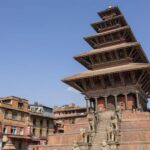
- Stop 3: Boudhanath Stupa and Tibetan Ritual in Full View
- The Guides: Why the Explanations Get so Much Praise
- Transportation, Pacing, and What to Do Between Stops
- Price and Value: How $6 Can Be a Real Deal (If You Want the Right Thing)
- What It Feels Like on the Ground: Quiet to Chanting
- Who Should Book This Tour, and Who Might Not Love It
- Should You Book From Kathmandu: 2 Stupas and Kopan Monastery Spiritual Tour?
- FAQ
- How long is the tour?
- Where does pickup happen?
- Is the tour private?
- Is there time to meditate?
- What is required for identification?
- Is the tour wheelchair accessible?
Key things I’d pay attention to
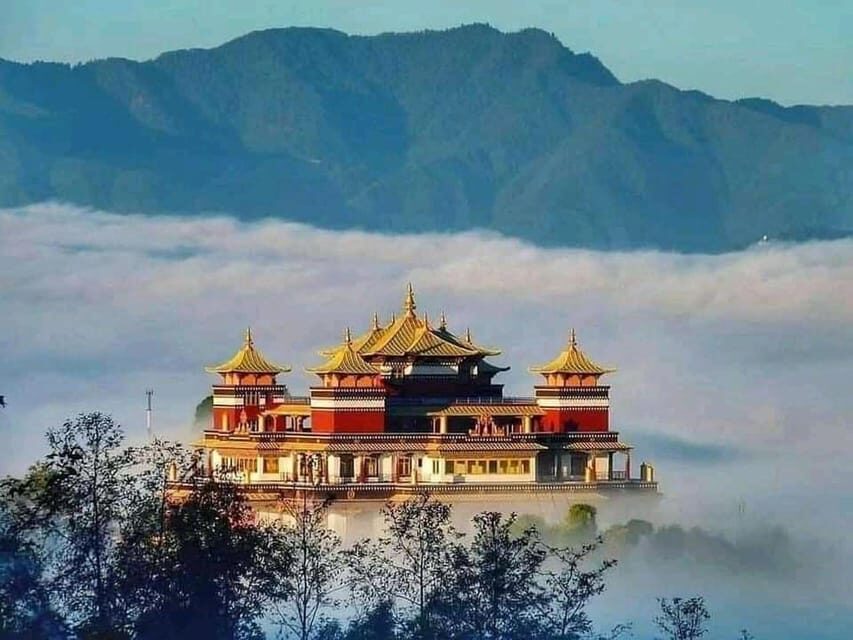
- Jamchen Vijaya Stupa is the low-key opener for reflection and a slower pace
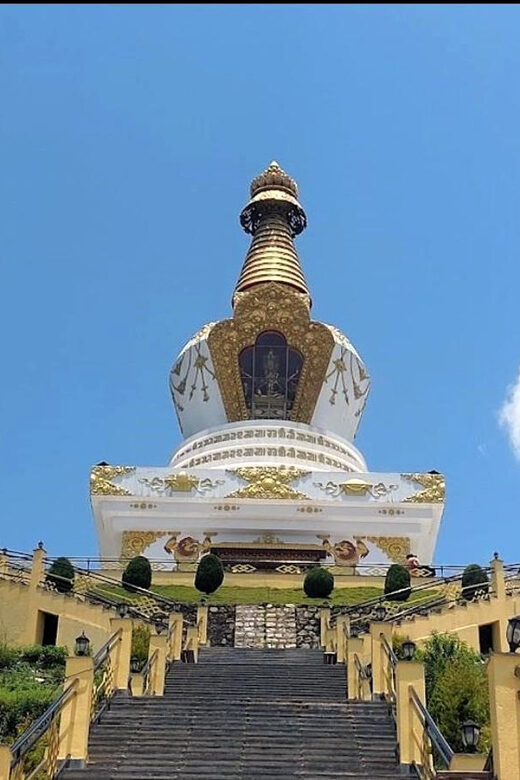
- Kopan Monastery includes time with monks plus a class and meditation period
- Boudhanath Stupa is the big cultural finale with circumambulation and prayer wheels
- English-speaking licensed guide makes the sites make sense (guides named in reviews include Razz, Aneel, Pranav, Pooja, and Karma)
- Private group and car transport keep the day smooth, with many perfect-transport scores
- No large bags and not wheelchair-friendly are worth knowing up front
How This 5-Hour Kathmandu Spiritual Tour Really Fits Your Day
This is the kind of trip that works when you want meaning without spending your whole day on the road. The total time is about 5 hours, and you get hotel pickup and drop-off in Kathmandu, which matters in a place where traffic and finding meeting points can eat your energy.
You’ll move by car between sites. That sounds ordinary until you realize it’s Kathmandu, and a comfortable transfer reduces the “wasted time” factor. The transport quality gets high marks, with many reviewers giving perfect scores for the ride.
The group is private, so you’re not stuck waiting for a big crowd to shuffle forward. Practically, that usually means you can ask questions when something catches your eye—history, symbolism, ritual, daily monastic life—without feeling like you’re interrupting a factory line.
One more detail that affects the vibe: the tour is not suitable for mobility impairments or wheelchair users, and you can’t bring luggage/large bags. If your plan depends on bringing extra gear, plan to travel light. For most people doing a day tour from a Kathmandu hotel, that’s manageable.
You can also read our reviews of more tours and experiences in Kathmandu.
Stop 1: Jamchen Vijaya Stupa for Calm Before the Crowds
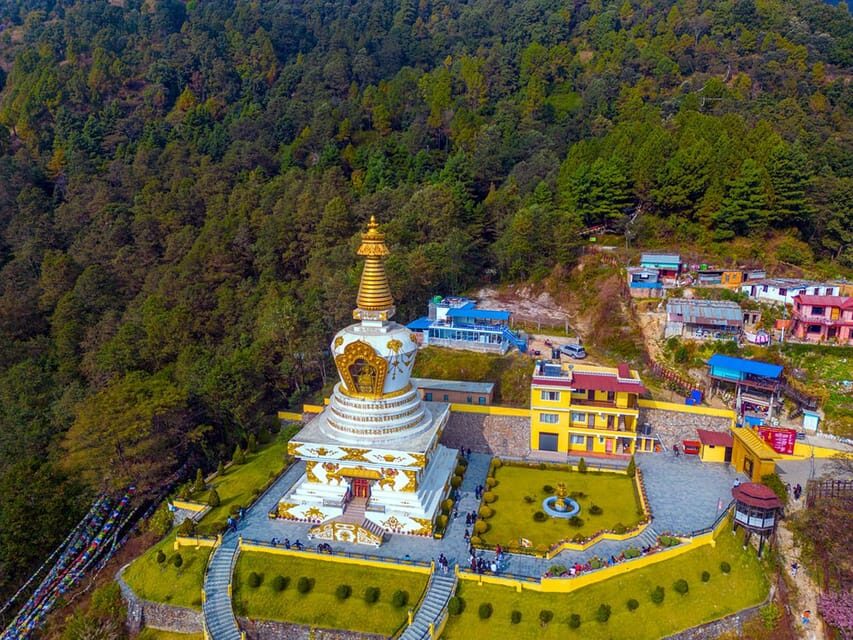
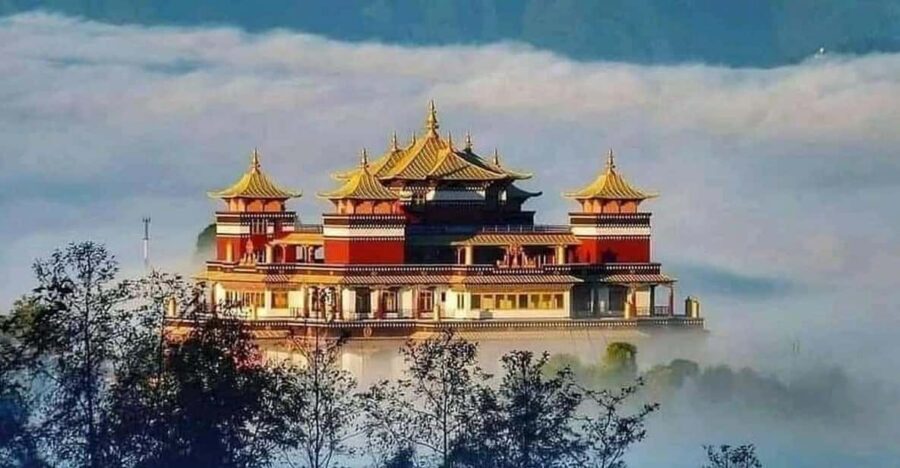
Jamchen Vijaya Stupa is the quiet start. You’ll get about an hour here for guided explanation and sightseeing plus a walk around the area. The stupa itself is described as “lesser-known” in the tour framing, and that’s exactly the point: you’re not starting at the biggest, loudest, most tourist-saturated place.
What I like about this opener is the emotional pacing. You arrive, you learn the basics of what a stupa represents in Buddhist practice, and then you get the chance to sit with the setting. The tour includes time for meditation and reflection in this part of the day, and that changes how you experience the rest of the route. It’s easier to understand the meaning of prayer wheels later when your brain has already slowed down.
A few practical notes for your visit:
- Wear something comfortable for uneven ground. Even when the walk is short, stupa areas are often not “museum smooth.”
- Bring layers. Kathmandu mornings and afternoons can shift, and quiet reflection is more pleasant when you’re not freezing or cooking.
If you want a day that’s more than stamps in a passport, Jamchen Vijaya Stupa is where the tone gets set.
Stop 2: Kopan Monastery Hilltop Teachings and Meditation Time
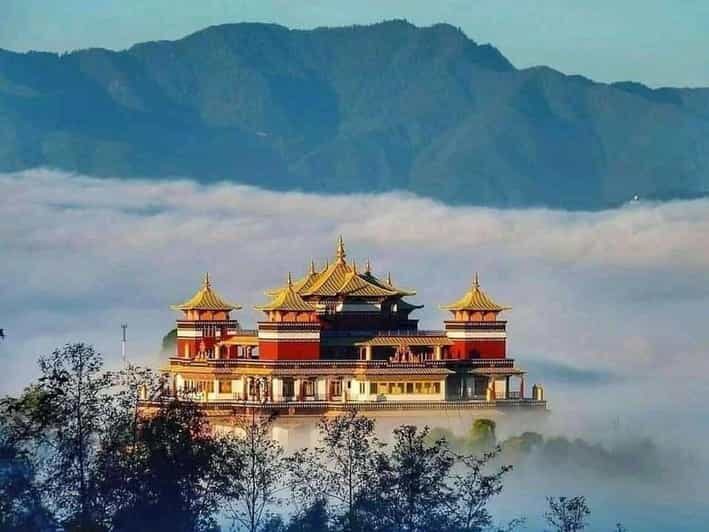
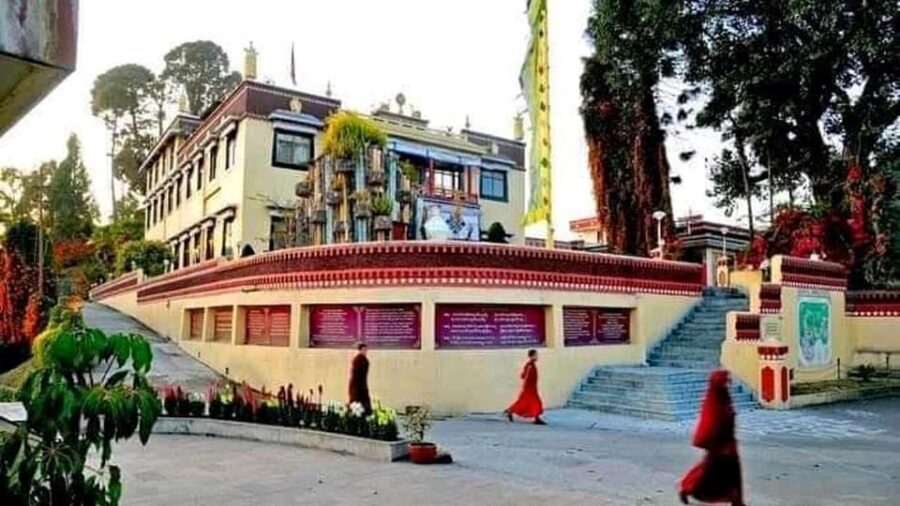
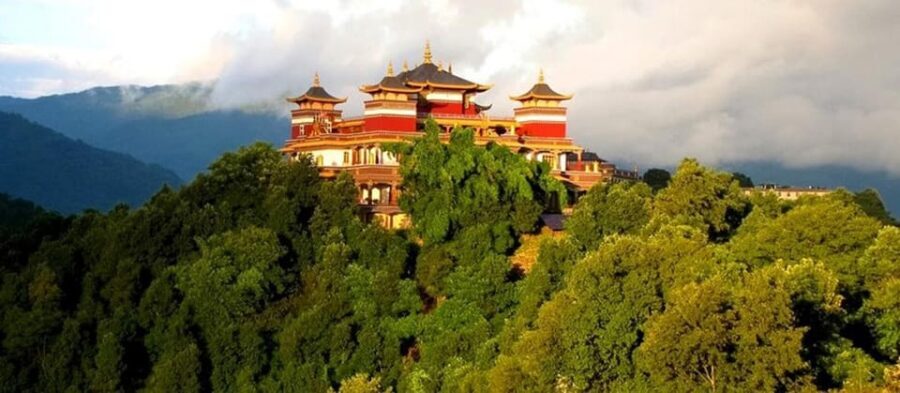
Then the day climbs—metaphorically and literally. Kopan Monastery is a famous teaching center, and the experience here is designed around monastic life, not just architecture.
You get:
- photo stop
- time to visit
- free time
- a walk
- a class
- and scenic views on the way
The best part is the human element. The tour is built for connection with monks—listening to teachings, observing practices, and asking questions. From the feedback people shared, the guides tend to explain rituals and symbols in clear, practical terms. Names that came up in reviews include Pooja, Karma, Pranav, Aneel, and Razz, and several comments focus on how patiently questions were handled.
Meditation is also a key piece here. Multiple people praised the chance to meditate at Kopan, with one review specifically calling out almost an hour. That’s long enough to actually feel the difference, not just “stand there for a photo and call it meditation.”
One important consideration: access and operating status can change. At least one past booking noted Kopan Monastery being closed, which can affect what you get on the day. If your top priority is the meditation session itself, keep a little flexibility in your expectations.
Stop 3: Boudhanath Stupa and Tibetan Ritual in Full View
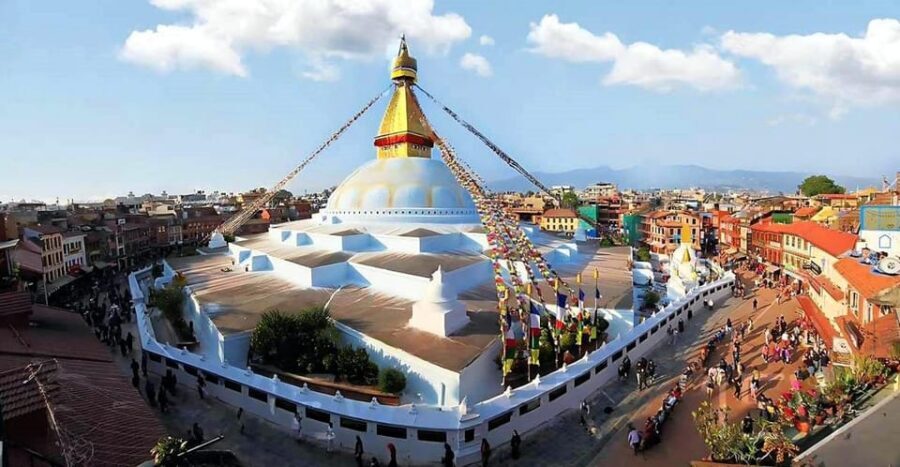
Boudhanath Stupa is the big finish. If Jamchen is about settling in, Boudhanath is about seeing the tradition in motion.
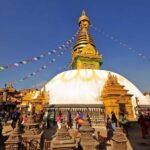
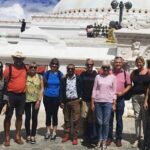
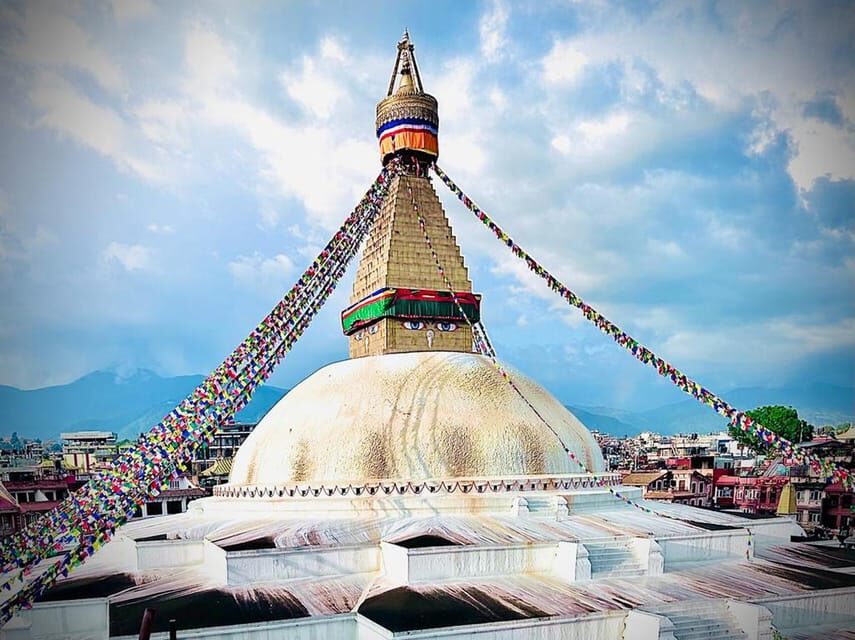
This stop is described as a UNESCO World Heritage Site and one of the most sacred Buddhist places in the world. The stupa’s white dome and the famous “eyes of Buddha” make it visually unforgettable, but the real lesson comes from the daily ritual around it.
Expect:
- a break time
- photo stop
- guided tour
- free time
- sightseeing and a walk
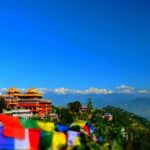
In practice, this means you’ll be able to watch pilgrims circumambulate the stupa, spin prayer wheels, and hear chanting/mantras. Around the square, the area feels distinctly Tibetan, with shops, prayer flags, and traditional eateries you can browse when you have free time.
How to make this stop more meaningful (not just impressive):
- If your guide explains the symbolism of colors and ritual actions, listen early. The meaning often clicks faster once you’ve seen the stupa in person.
- Use your free time to do a slow walk around the stupa. That’s where you notice patterns—people’s pacing, where they pause, how prayer wheels get used.
If you only have one afternoon to experience Buddhist Kathmandu beyond the basics, Boudhanath is the place that delivers the most atmosphere per hour.
The Guides: Why the Explanations Get so Much Praise
This tour lives or dies on the guide. The itinerary looks good on paper—three sites, car transport, English speaking guide—but the reviews repeatedly point to one thing: the teaching.
Guides named in the feedback include Pooja, Karma, Aneel, Pranav, and Razz. People highlighted clear English, patient Q&A, and the feeling that the guide adjusted to the group’s pace. One review even mentioned that sitting and meditating at Kopan was encouraged rather than treated like a checkbox.
A practical perk you can use right away: guides also tend to share local food tips. One review specifically recommended getting good momos based on where to go locally. That kind of advice is small, but it saves you time when you’re hungry and you don’t want to guess.
Also, some people appreciated the way guides connected Buddhist practice to daily Kathmandu life—Hindu and Buddhist philosophies, origin stories, and how different rituals fit together. If your goal is to understand what you’re seeing, this tour is set up to help.
Transportation, Pacing, and What to Do Between Stops
You’ll spend your time moving efficiently, with the car handling the biggest transfers. The day still has walking, but it’s not the kind of tour where you’re hiking all day.
The typical rhythm is:
- guided segment at the first stupa
- monastery visit with class and views
- Boudhanath with a guided component plus time to roam
The best part for most people is that the tour is long enough to feel like a journey, but short enough that you don’t return to your hotel exhausted. That balance is exactly what makes this route popular for a “one extra afternoon” plan.
Between locations, you’re in transit—so think about hydration and comfort. Kathmandu sun can surprise you even when it feels mild. Wear sunscreen, and keep water handy when the day heats up.
Price and Value: How $6 Can Be a Real Deal (If You Want the Right Thing)
The listed price is $6 per person, with hotel pickup/drop-off, car transport, and a licensed guide included. On paper, that sounds almost too good. In reality, it makes sense only if you’re comparing it to tours that charge extra for guides, pickup, and entry/handling.
What you’re paying for here is the structure:
- organized transfers
- guided explanations in English
- skip-the-ticket-line benefit
- private group format
- and a day plan that includes meditation time
A few reviews mentioned the price felt high compared to other options, even with the strong experience. That tells me the value is not only in the sites—it’s also in the quality of the guide and whether the meditation/class components run as expected.
So here’s the value equation to use for yourself:
- If you want meaningful context and a guided rhythm, this feels like good value.
- If you only want scenic photos and you’re fine reading basic info on your phone, a cheaper self-guided plan might suit you better.
What It Feels Like on the Ground: Quiet to Chanting
One of the most satisfying parts of this tour is the emotional arc.
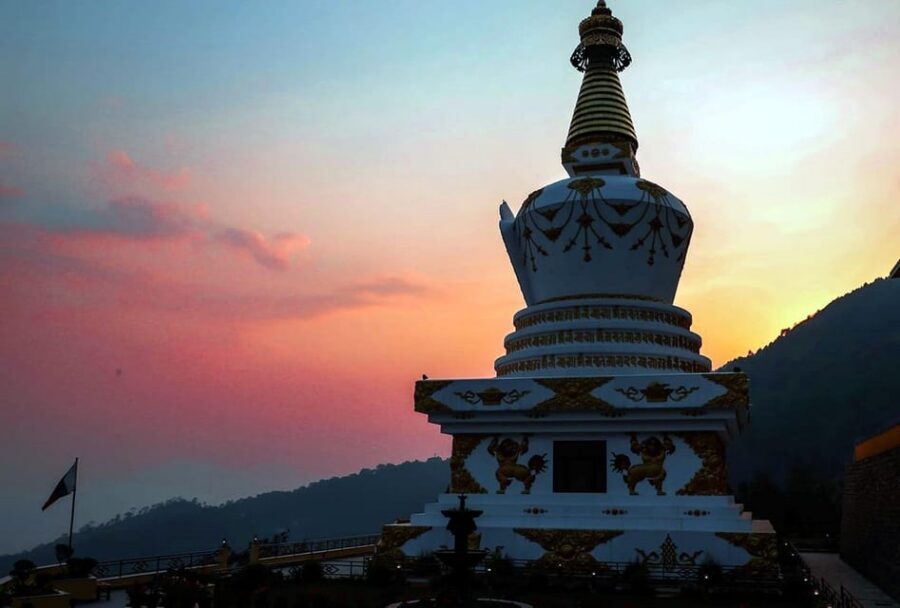
You start with calm at Jamchen Vijaya Stupa, where meditation/reflection helps you soften your pace. Then Kopan monastery adds the teaching layer—monks, a class, and time to sit. Finally, Boudhanath brings public ritual: movement around the stupa, prayer wheels, chanting, and a Tibetan cultural atmosphere you can feel in the streets.
That shift is not random. It helps you understand Buddhism as both interior (mind training through meditation) and exterior (community ritual and devotion). The guide ties those pieces together if you ask questions, and even if you don’t, the tour sequence makes the connection for you.
Who Should Book This Tour, and Who Might Not Love It
This tour is a great fit if you:
- want a guided introduction to Buddhism in Kathmandu
- like meditation moments, not just sightseeing
- prefer a short, organized afternoon with pickup and drop-off
- want a private day where your guide can answer questions
It may not fit if you:
- use a wheelchair or have mobility limitations, since it is not suitable for wheelchair users
- plan to carry large luggage
- only want busy photo spots and zero sitting
If your schedule is tight, this works well as an add-on to other Kathmandu plans. The stops are close enough to make sense as a single route.
Should You Book From Kathmandu: 2 Stupas and Kopan Monastery Spiritual Tour?
If you’re deciding between a fast photo tour and something that actually changes how you see Buddhism, I’d lean toward booking. The biggest reasons:
- You get meditation time and a class at Kopan, not just window shopping at sacred sites.
- Boudhanath gives you the full ritual experience: prayer wheels, circumambulation, and chanting in a major Buddhist center.
- Guides in past bookings (like Pooja, Karma, Aneel, Pranav, and Razz) were repeatedly praised for clear English and thoughtful answers.
Book it if your priority is understanding and calm, with a little Tibetan Kathmandu energy at the end. Skip it if you want maximum movement and minimal reflection.
FAQ
How long is the tour?
The duration is listed as 5 hours.
Where does pickup happen?
You get hotel pickup and drop-off in Kathmandu, with transport by car from your accommodation.
Is the tour private?
Yes, the tour is described as a private group.
Is there time to meditate?
Yes. The experience includes time for meditation with a local during the day, and it also includes a class at Kopan Monastery.
What is required for identification?
You should bring a passport or ID card. A copy is accepted.
Is the tour wheelchair accessible?
No. The tour is listed as not suitable for mobility impairments and wheelchair users.