REVIEW · 3-DAY EXPERIENCES
From Kathmandu/Pokhara: 3-Day All-Inclusive Chitwan Safari
Book on GetYourGuide →Operated by Peregrine Treks and Expedition P Ltd · Bookable on GetYourGuide
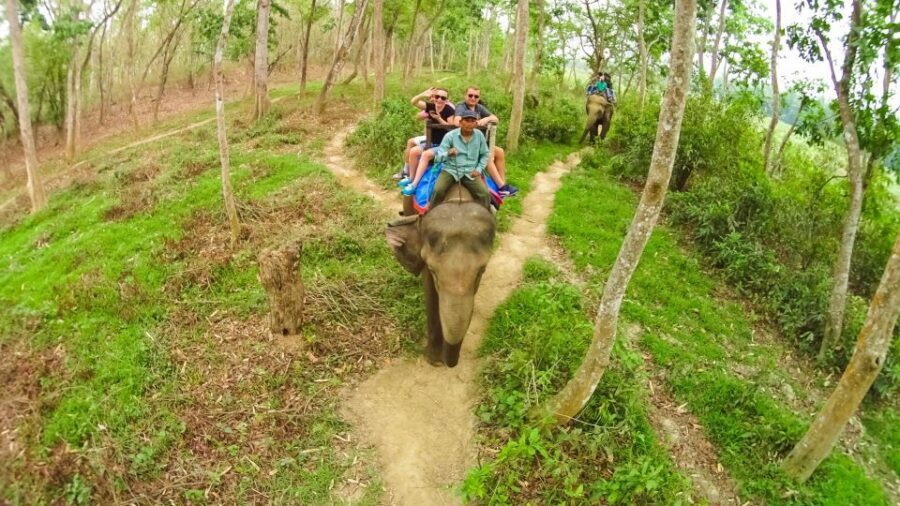
Chitwan is a real-life wildlife classroom. This 3-day package pairs Chitwan National Park safari time with Tharu culture, plus a Rapti River canoe ride and an elephant breeding center stop—so you’re not just chasing animals. The small-group setup (up to 10 people) also means your English-speaking guide can actually point things out as you go, and in the best cases that guide is seriously good at spotting wildlife.
One drawback to keep in mind: the travel days are long and the road can be rough, with a bus ride that can feel like a test of patience.
In This Review
- Key Things I’d Focus On Before You Go
- Why Chitwan Works in 3 Days
- Price and Value: What $149 Really Covers
- Getting There: The Bus Ride From Kathmandu or Pokhara
- Day 1 in Sauraha: Hotel Time and Tharu Dance Night
- Day 2: Rapti Canoe Ride, Elephant Center Visit, and the 4-Hour Jeep Safari
- Morning on the Rapti River by canoe
- Elephant breeding center: conservation learning with an ethics check
- The 4-hour Jeep safari in Chitwan National Park
- What this day feels like on the ground
- Day 3: A Calm Morning and the Bus Back Home
- What to Wear and Bring (So You Actually Enjoy the Park)
- Small Group Size: Why It Matters for Your Experience
- Safety, Risk, and One Hard Note About Walking Safaris
- Who This Tour Suits Best (And Who Should Skip It)
- Should You Book This 3-Day Chitwan Safari?
- FAQ
- FAQ
- Where does the tour start, and what are the pickup options?
- How long is the bus transfer to Chitwan?
- What activities are included during the safari?
- What meals are included over the 3 days?
- Is the tour guided, and what language is it in?
- What’s included in the price besides the safari?
- What should I bring for Chitwan?
- What’s not allowed during the experience?
- Is this tour suitable for young children or limited mobility?
- What is the free cancellation window?
Key Things I’d Focus On Before You Go
- Safari variety: canoe on the Rapti River, plus a 4-hour Jeep safari.
- Tharu culture built in: you get a cultural dance show tied to the local community.
- Guides who spot wildlife: names like Laxman and Som show up repeatedly in satisfied experiences.
- Value math works at $149: park fees, guide, hotel nights, and meals are included.
- Ethics question to ask: an elephant center stop can be upsetting depending on how it’s run.
- Expect long transfers: plan for 6–7 hours each way, with bumpy conditions.
Why Chitwan Works in 3 Days
Chitwan doesn’t waste your time. The big idea here is simple: you get multiple ways of seeing animals—on water, from the Jeep, and through guided park time—while also learning the human side of Nepal that lives alongside the forest.
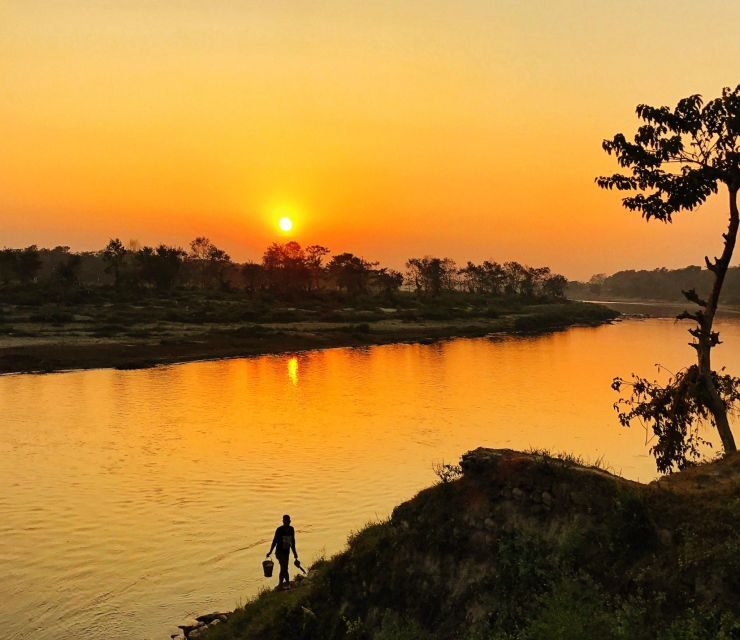
I especially like that the experience doesn’t treat culture as a token stop. You’re in Sauraha for the night, then you see a Tharu cultural dance show, not just a quick performance photo-op. The other win is the Rapti River canoe ride. Even when wildlife is quiet, the river gives you birds, crocodiles you can’t ignore, and that slow, hushed feeling you want in a place like this.
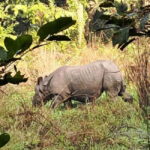
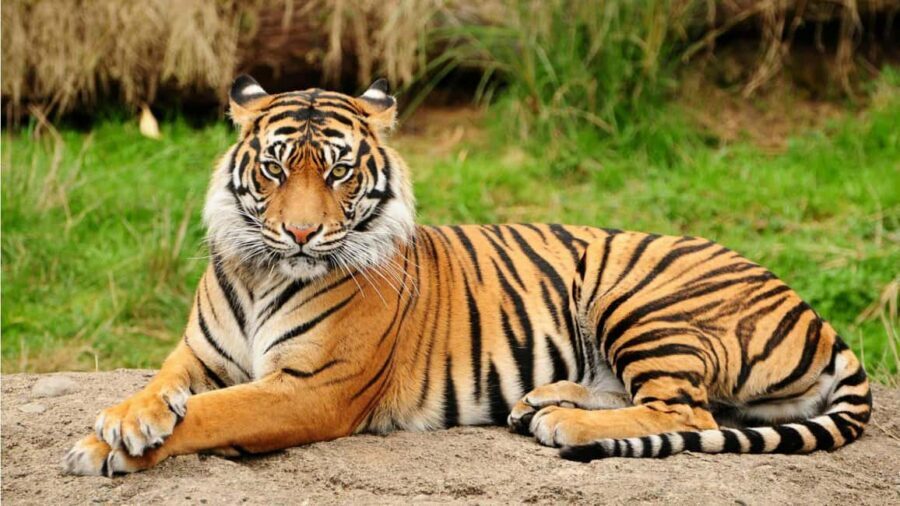
Still, manage expectations. Wildlife sightings depend on season and luck. Some people go hoping for tigers and end up seeing lots of rhinos, elephants, and crocodiles instead, which is still a strong day in Chitwan—but not the same thing as a guaranteed tiger moment.
You can also read our reviews of more tours and experiences in Kathmandu
Price and Value: What $149 Really Covers
For $149 per person, the package is aiming at one thing: getting you into Chitwan with minimal extra costs. Your inclusions are a big part of the value story:
- Round-trip transport from Kathmandu or Pokhara by tourist bus (and your hotel transfer in Chitwan with a representative waiting at Sauraha)
- A guide (English)
- Entry fees and national park fees
- 4-hour Jeep safari
- 2 nights of hotel accommodation
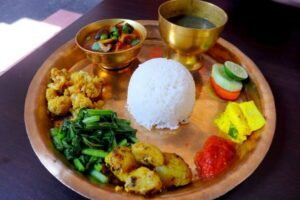
- Meals: 2 breakfasts, 2 lunches, 2 dinners
- Taxes
That’s important because Chitwan-style travel adds up fast when you pay for pieces separately. You’re also saving mental effort: one itinerary, one set of tickets, and you’re not piecing together transport, park access, and multiple guides.
Do note what’s not included: personal expenses like drinks, laundry, and bar bills. Also plan on gratuities being on you if you feel the guide earned extra.
Getting There: The Bus Ride From Kathmandu or Pokhara
This is the part that can make or break your mood.
From Kathmandu, you’re looking at about 7 hours to reach Sauraha. From Pokhara, it’s closer to 6 hours, and road and traffic conditions can shift that. The package uses tourist bus transport, and the seats are often described as okay—still, you should expect bumps, stops, and a ride that takes effort in the body.
A few practical notes that will help:
- Charge your devices before you board. Some buses may have no easy power access.
- Bring a layer. Chitwan can feel colder in winter months even if the sun is bright.
- If you get motion-sick, prepare. You’re on a schedule, not a short hop.
Pickup and drop-off are flexible inside the Kathmandu/Pokhara area. In Kathmandu you can choose pickup around Thamel, the Tourist Bus Park, Lakeside, or a Tourist Bus Stop. In the end, you’ll be dropped back at Thamel-area Balaju near Kathmandu or Pokhara Bus Park—then you’ll taxi to your hotel.
Day 1 in Sauraha: Hotel Time and Tharu Dance Night
Day 1 is travel plus orientation. You board in the Kathmandu Tourist Bus Station or the Pokhara Tourist Bus Park, then you roll toward Chitwan. When you arrive at Sauraha, a representative waits with a sign showing your name and escorts you to your hotel.
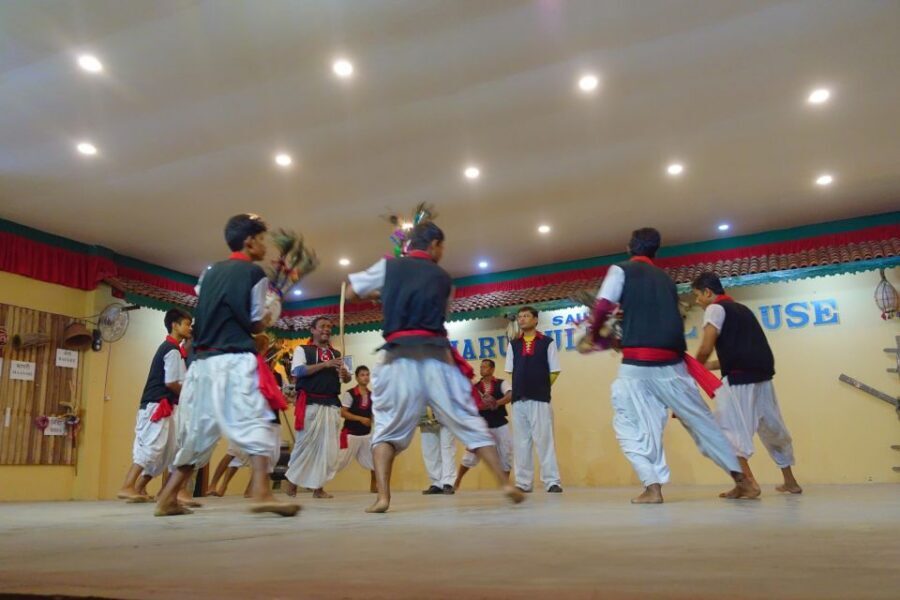
Once you settle in, you’re not left with a blank evening. You get Tharu culture right away, including a Tharu cultural dance show in the evening. This is one of the most praised parts of the trip because it feels connected to the place rather than pasted on for entertainment.
What you’re really doing on Day 1:
- Getting your legs under you after the bus ride
- Starting to understand the local community that shares space with the park
- Warming up for the wildlife days ahead
Meals on Day 1 include lunch and dinner. It’s also a good night to turn in early. Chitwan mornings come fast.
Day 2: Rapti Canoe Ride, Elephant Center Visit, and the 4-Hour Jeep Safari
Day 2 is your big “wildlife plus learning” day.
You can also read our reviews of more tours and experiences in Kathmandu
Morning on the Rapti River by canoe
You start with breakfast, then you head to the Rapti River for a traditional dugout canoe ride. This is slower than a Jeep. It’s also better for noticing the small stuff: birds and the overall rhythm of the river.
You keep your eyes peeled for wildlife like crocodiles and birds. Even when animals are far off, the canoe ride changes your perspective compared to land safari time.
Elephant breeding center: conservation learning with an ethics check
Next comes the elephant breeding center. The stated purpose is to teach you about elephant care and conservation efforts. In an ideal version of this visit, you learn how breeding and protection programs work, and you see young elephants up close.
Here’s the balanced reality: one guest described the elephant center as mistreating elephants, including chaining, separation, and use of sticks when elephants don’t eat. That reaction was strong enough to recommend changing or removing the activity.
So what should you do? If elephant welfare is a top concern for you, treat this stop as a moment to ask questions. You can also decide in advance whether you want to support elephant tourism types that may raise welfare issues.
The 4-hour Jeep safari in Chitwan National Park
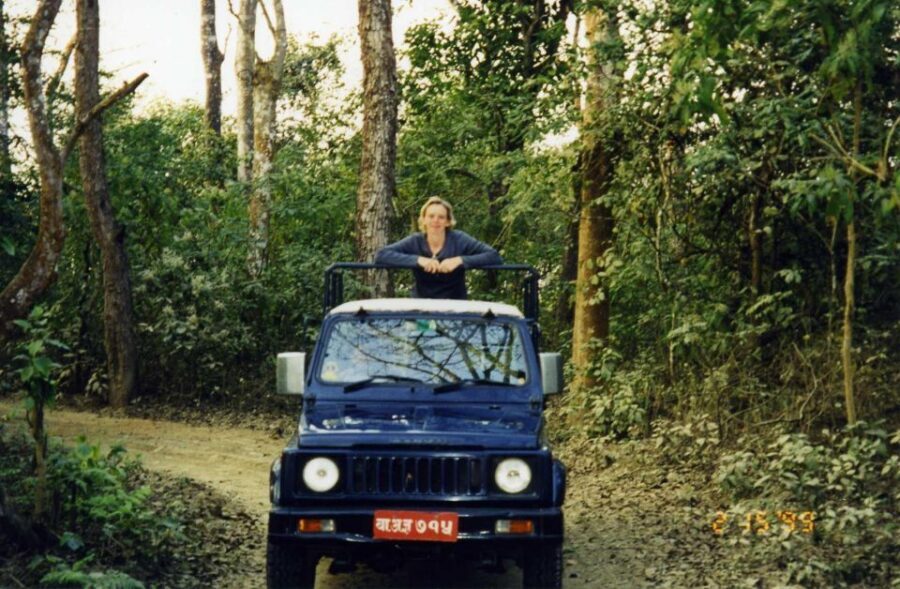
Later, you get your adrenaline and big-animal time: a 4-hour Jeep safari through Chitwan National Park.
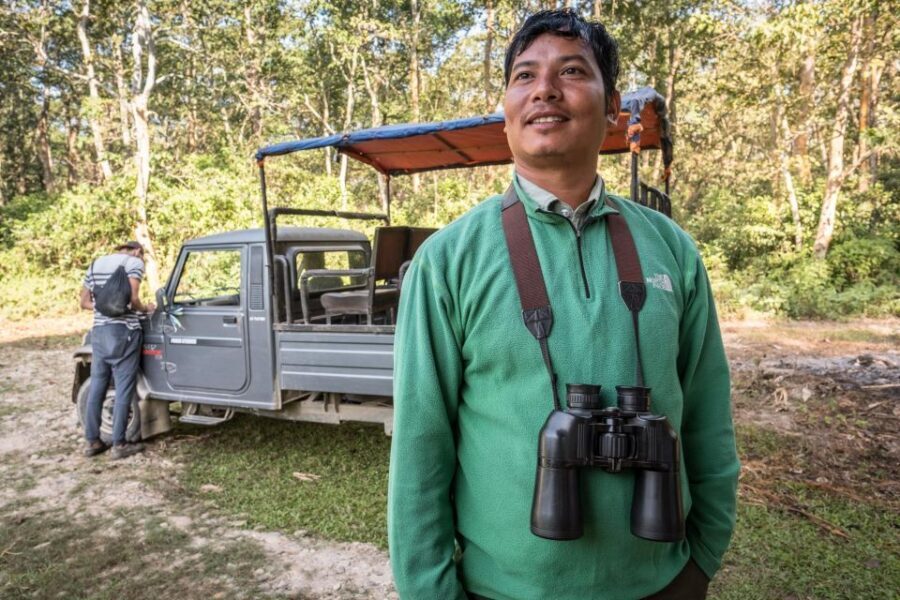
This is also where your guide matters a lot. Experiences repeatedly mention guides like Laxman and Som as the difference-maker—excellent at spotting animals from far away and explaining what you’re seeing.
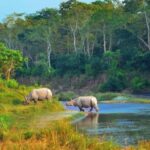
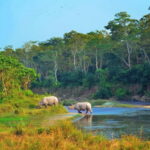
Wildlife sightings vary by season. Some trips were heavy on rhinos and elephants, and others included bears, deer, monkeys, crocodiles, and lots of birds. Tigers are possible, but not guaranteed—one clear pattern in feedback is that tiger sightings were limited when conditions weren’t perfect.
What this day feels like on the ground
It’s a full day. You’ll be outside during prime animal hours and then return for dinner at the hotel. The key is to keep your expectations flexible. Chitwan isn’t a theme park. It’s nature doing its own schedule.
Day 3: A Calm Morning and the Bus Back Home
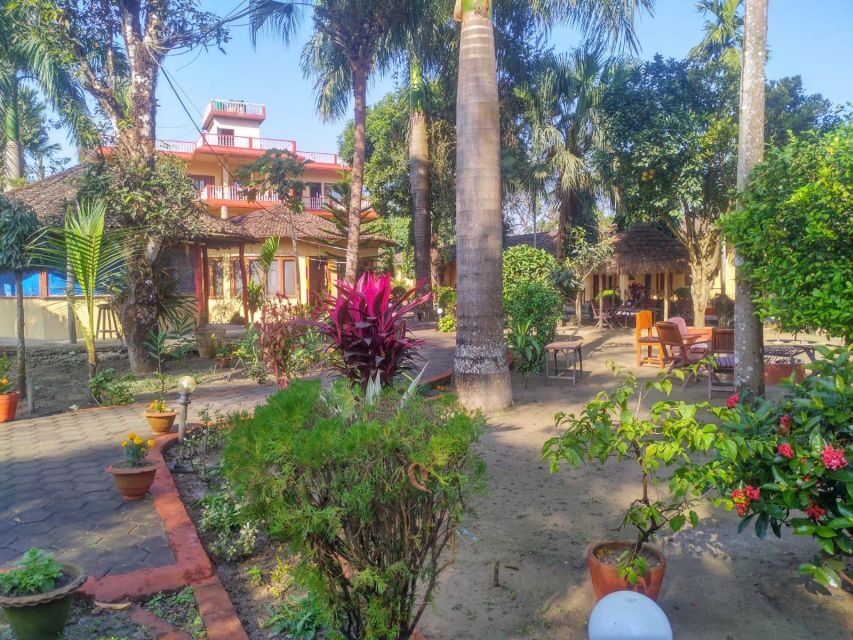
Day 3 is your wind-down day. You get breakfast, then you return by bus to either Kathmandu or Pokhara.
A small but helpful detail: your return happens after breakfast, so you’re not trying to pack up and catch the bus straight after waking. Still, you’re ending a wildlife-focused trip, so you’ll likely feel a mix of “one more look” and “please let me sit down for a while.”
You’ll drop at the main tourist bus areas—then taxi onward to your hotel.
What to Wear and Bring (So You Actually Enjoy the Park)
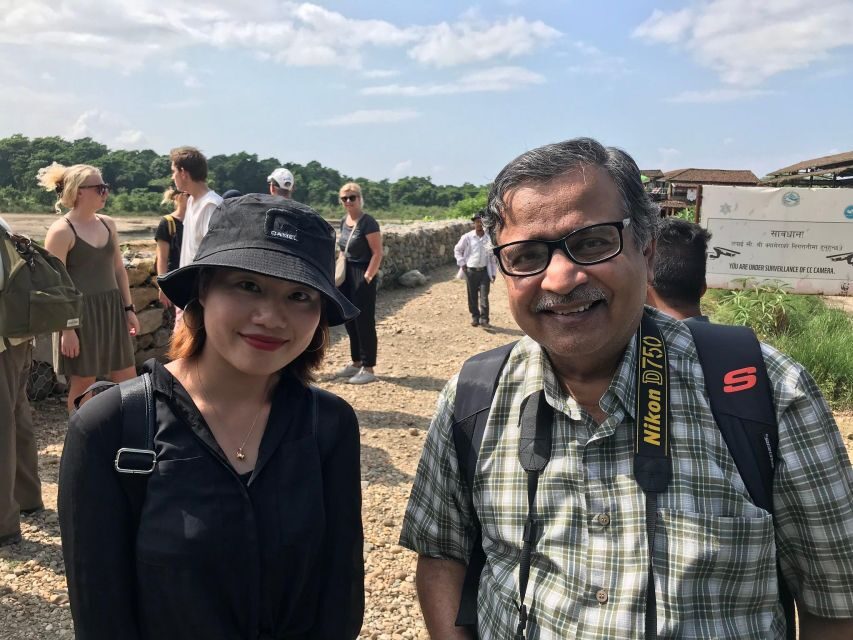
Chitwan is a working outdoor environment. The guide tips are practical, and you should follow them:
- Bring a hat
- Wear lightweight, breathable clothes in neutral, earthy colors (khaki/green help you blend in)
- Use long sleeves and pants to cut sun and insect bites
- Bring sturdy, closed-toe walking shoes
- A camera helps, even if you think you won’t use it much. Wildlife moves fast.
- Passport is required, and a copy is accepted
Also, keep your expectations for wildlife photography realistic. You’ll often be spotting animals before you can see them clearly, then tracking where your guide is looking.
Small Group Size: Why It Matters for Your Experience
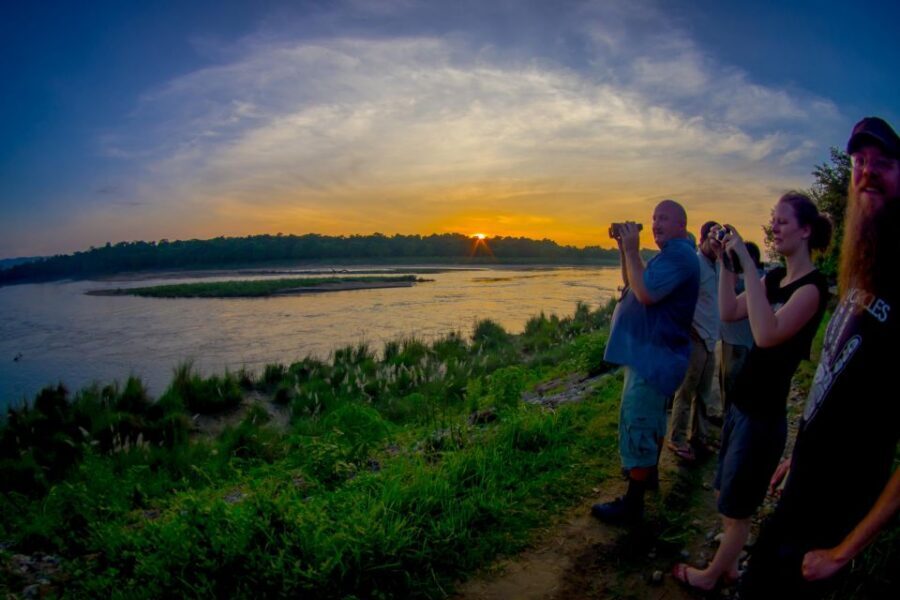
This is a small group tour limited to 10 participants. That’s not just a marketing line. It tends to mean:
- Less waiting around when the group has to move between stops
- Easier communication with your English-speaking guide
- A better chance your guide can point out animals to each person, not just a couple
In Chitwan, attention pays off. When an animal shows up, your guide’s ability to keep everyone oriented fast matters.
Safety, Risk, and One Hard Note About Walking Safaris
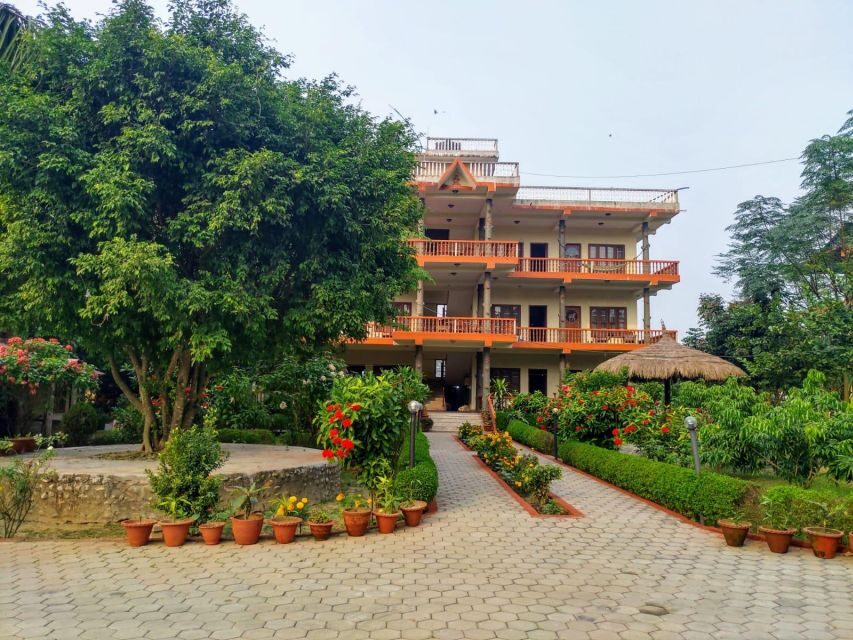
Most people describe feeling safe walking around with their guide. Your guide’s alertness and skill are repeatedly praised.
But there’s also one serious caution from a guest who felt the walking safari component was too risky, mentioning the absence of weapons and the vulnerability of walkers in tiger country. They also listed dangerous animals like cobras, leopards, rhinos, and tigers.
What does that mean for you? Two things:
- Listen closely to the guide’s instructions and do not wander off in hopes of “just a quick peek.”
- If you’re uncomfortable with the idea of walking in remote jungle conditions, ask the operator what walking activities are included for your exact departure, and choose based on your comfort level.
This is one of those places where “adventure” is real.
Who This Tour Suits Best (And Who Should Skip It)
This tour fits best if you:
- Want a classic first-time Chitwan visit without planning headaches
- Enjoy a mix of wildlife and culture
- Like guided wildlife spotting with an English-speaking leader
- Prefer a small group size (up to 10)
It’s not suitable for:
- Children under 5
- People with mobility impairments
- People over 95
Also keep in mind the travel time. If long bus rides wreck you, this tour will feel like a lot—because it is a lot, even if the itinerary itself is efficient.
Should You Book This 3-Day Chitwan Safari?
I’d book this if you want strong value and a well-rounded Chitwan introduction. You get park access, meals, hotel nights, Tharu culture, a river canoe ride, and a 4-hour Jeep safari without having to negotiate separate services. The guide quality is a major highlight in the experiences I see, especially when it comes to spotting wildlife and explaining what you’re seeing.
I would hesitate only if elephant welfare concerns are a deal-breaker for you. The elephant center stop can be meaningful for conservation education, but it’s also the part that drew the harshest criticism from one guest. If that matters, ask firm questions before you commit—or consider swapping that stop if the operator can adjust the day.
If you’re okay with rough roads, variable wildlife luck, and a schedule that feels active, this is a smart way to spend 3 days in Chitwan.
FAQ
FAQ
Where does the tour start, and what are the pickup options?
You can start from Kathmandu or Pokhara. Pickup options include Thamel, Tourist Bus Park, Lakeside, and Tourist Bus Stop, with a representative meeting you in Sauraha after the bus ride.
How long is the bus transfer to Chitwan?
The travel time is approximately 7 hours from Kathmandu and about 6 hours from Pokhara, and it can vary with road and traffic conditions.
What activities are included during the safari?
The included activities are a 4-hour Jeep safari in Chitwan National Park, a canoe ride on the Rapti River, and a Tharu cultural dance show. The itinerary also includes a visit to an elephant breeding center.
What meals are included over the 3 days?
The package includes 2 breakfasts, 2 lunches, and 2 dinners, along with hotel meals during the stay.
Is the tour guided, and what language is it in?
Yes. The tour includes a live guide, and the language offered is English.
What’s included in the price besides the safari?
Inclusions include round-trip transfers from Kathmandu or Pokhara, hotel accommodation for 2 nights, guide service, entry fees, national park fees, and applicable taxes.
What should I bring for Chitwan?
Bring a hat and a camera. Wear lightweight breathable clothing in neutral, earthy colors, and bring long sleeves and pants plus sturdy closed-toe walking shoes. You’ll also need your passport (a copy is accepted).
What’s not allowed during the experience?
Weapons or sharp objects are not allowed. You also can’t feed animals, make noise, use speakers, or bring items like baby strollers or baby carriages.
Is this tour suitable for young children or limited mobility?
No. It’s not suitable for children under 5, people with mobility impairments, or people over 95.
What is the free cancellation window?
You can cancel up to 24 hours in advance for a full refund.