REVIEW · 3-DAY EXPERIENCES
Chisapani – Nagarkot Trek Nepal – 3 Days
Book on Viator →Operated by Alpine Club of Himalaya · Bookable on Viator
Three days, one big mountain mood. This Chisapani–Nagarkot trek threads you through Shivapuri National Park and then down into Nagarkot, with pine and rhododendron forest breaks that make every turn feel like a photo pause. I especially like the private round-trip transfers from Kathmandu (so you’re not negotiating transport on your own) and the included down jacket and 4-season sleeping bag rental (so packing for cold nights becomes much less stressful). One thing to plan around: your best Himalayan views depend heavily on weather, especially for the Nagarkot viewpoints.
What I like most about this kind of guided Nepal trek is the mental load gets handled for you. Your guide organizes permits, food, accommodation, and even logistics around the trail, so you can focus on walking, looking, and asking questions about local temples and stories. You’ll also get a welcome and farewell dinner in Kathmandu, which is a nice buffer after trekking days.
In This Review
- Key things that make this trek click
- Chisapani to Nagarkot: what 3 days feels like on your body
- Day 1: Sundarijal to Chisapani through Shivapuri National Park
- Day 2: Chauki Bhanjag lunch with mountain backdrops, then down to Nagarkot
- Day 3: Nagarkot ridge walk to Changu Narayan Temple (ancient history included)
- Price and logistics: why this package can be good value
- What’s included on the trail (and what you still need to bring)
- Meals and downtime: the good kind of structure
- Weather and the Nagarkot view gamble
- Who should book this Chisapani–Nagarkot trek?
- Should you book this trek?
- FAQ
- What is the duration of the Chisapani to Nagarkot trek?
- What is the starting point on Day 1?
- How long is the trek on Day 1?
- How does Day 2 work?
- Is the Himalaya view guaranteed in Nagarkot?
- What is the main stop on Day 3?
- How old is Changu Narayan Temple?
- What accommodations are included?
- What meals are included?
- What extra costs should I expect?
Key things that make this trek click
- Private Kathmandu transfers round trip: less hassle, more time for sleep and snacks
- Shivapuri Nagarjun National Park permits included: you don’t have to chase paperwork
- Down jacket + sleeping bag rental included: lighter luggage, better comfort at night
- A meal plan that supports the hikes: lunches on trek and dinners covered
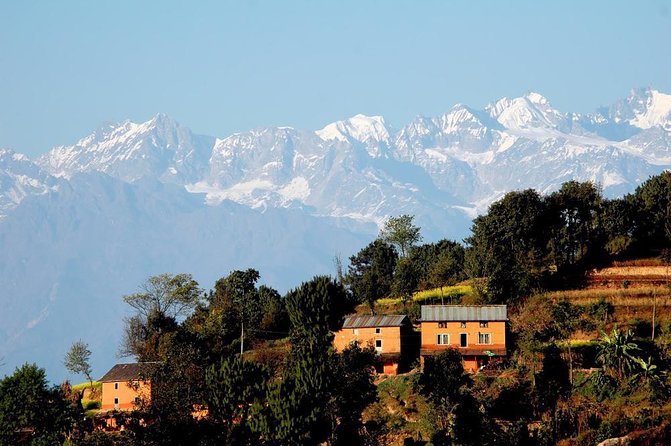
- Nagarkot for clear-day Himalaya views: it’s built into the itinerary
- Changu Narayan Temple day: a cultural finish tied to ancient history
Chisapani to Nagarkot: what 3 days feels like on your body
This trek is built around short-to-medium walking blocks, not a punishing endurance challenge. You’re looking at roughly four-and-a-half hours on Day 1, around two-and-a-half hours plus a descent on Day 2, and about three-and-a-half hours on Day 3.
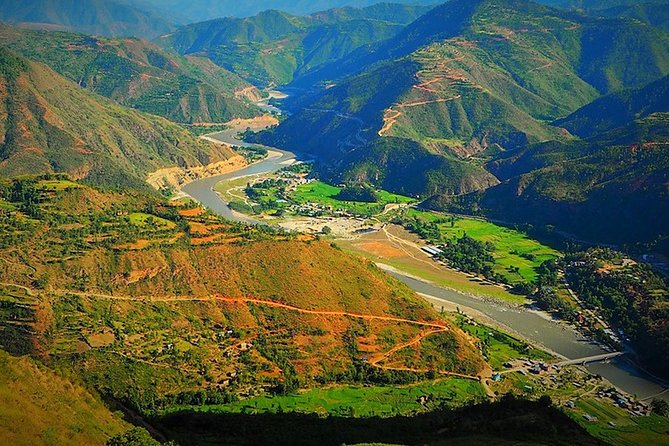
Even with those time ranges, it’s still real trekking. You’ll climb and descend, and you’ll shift from forested routes near Shivapuri National Park to the higher vantage areas that Nagarkot is known for. The altitude isn’t extreme for everyone, but you’ll want to take it steady, especially on Day 1 when the route rises toward Chisapani at 7,545 ft / 2,300 m.
If you like trips where someone else handles the moving parts, this fits. If you prefer full independence, you might feel the schedule is a bit structured—but the structure is also what keeps it smooth.
You can also read our reviews of more hiking tours in Kathmandu
Day 1: Sundarijal to Chisapani through Shivapuri National Park
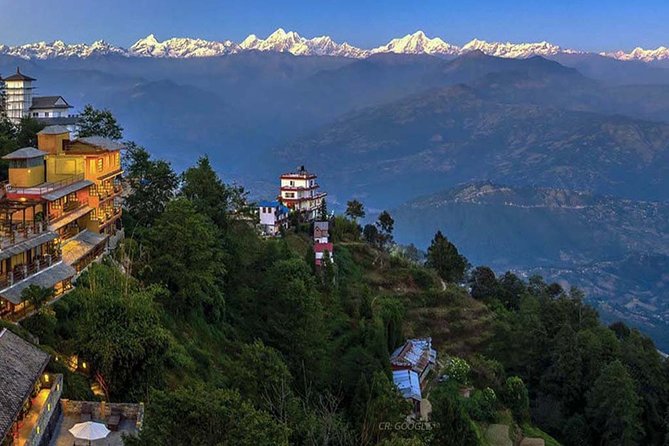
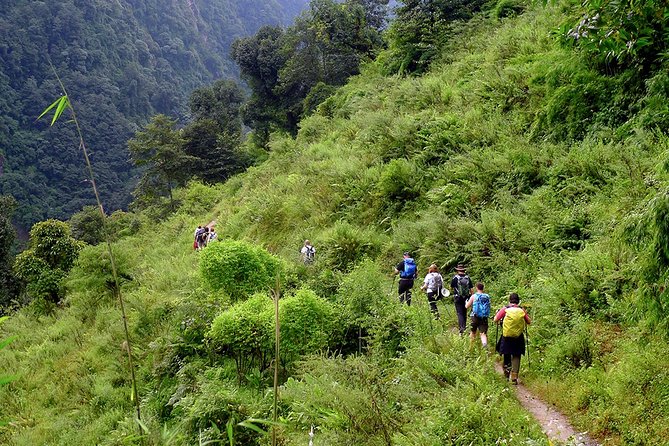
You meet in central Kathmandu, then travel to Sundarijal. From there, you start the main hike: a 4.5-hour trek to Chisapani, running through Shivapuri National Park.
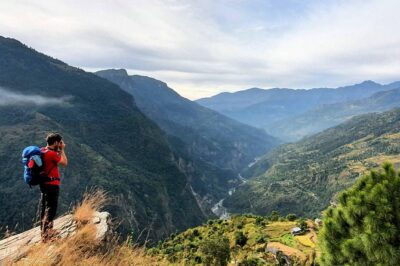
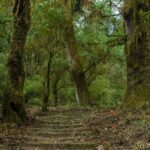
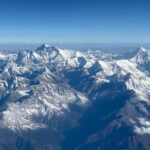
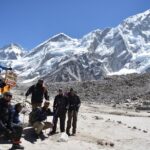
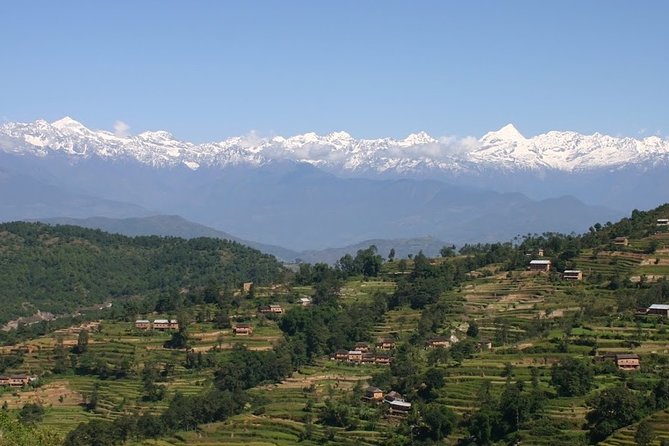
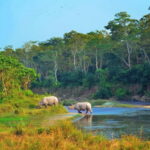
This is the day where Nepal’s “forest + peak views” combo really shows up. Expect oak, pine, and rhododendron type scenery as the trail works you uphill. Along the way, you get those jagged peak views that make you stop without meaning to. It’s the kind of hike where the scenery changes often enough that you don’t mentally check out.
Chisapani is where the trek starts to feel like a getaway. Instead of rushing to the next point, you settle into a teahouse or lodge for the night. And because the trip includes down jackets and sleeping bags, you’re less likely to be stuck improvising comfort when temperatures drop.
Potential snag: Day 1 is your longest trek day. If you’re sensitive to altitude or you’re not used to hiking, plan to move slowly at the start. A steady pace beats a heroic pace every time.
Day 2: Chauki Bhanjag lunch with mountain backdrops, then down to Nagarkot
Day 2 has two moods: a scenic lunch stop, then a real descent into Nagarkot.
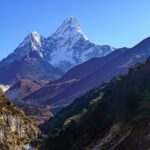
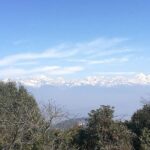
First, you trek about 2.5 hours to Chauki Bhanjag. Lunch happens there, and the whole point of the stop is the backdrop. When the weather cooperates, you’ll sit with snow-capped mountain views behind you, which makes lunch feel like part of the show rather than just a fueling stop.
In the afternoon, you descend for about 3 hours to Nagarkot. That descent matters: it changes how your legs feel, and it also changes your sense of altitude and air temperature. Even when you’re not climbing aggressively, going up and down in the hills adds up.
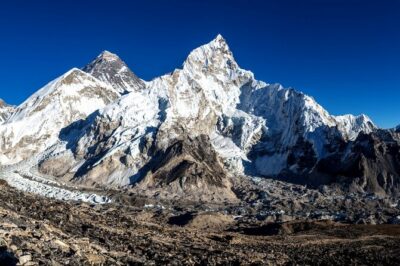
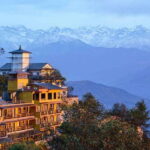
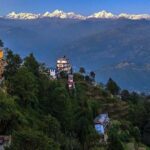
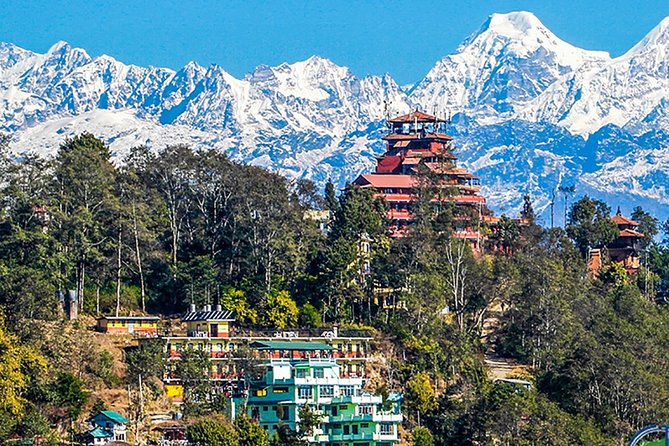
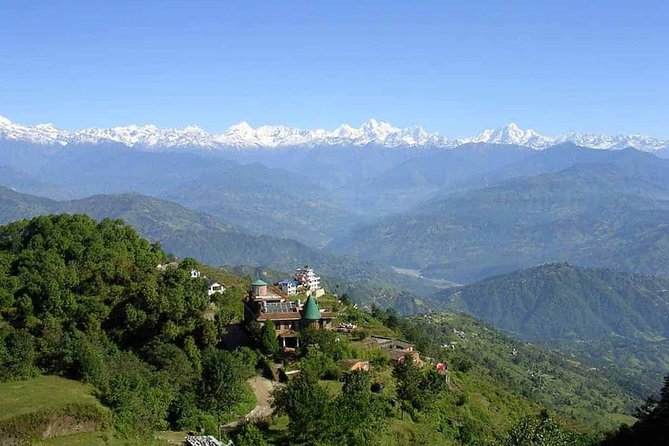
Nagarkot is the trek’s viewpoint finale. On a clear day, you can see the Himalayas from there. If you’re hoping for that classic high-view moment, Day 2 is when your best chance starts. If clouds roll in, you’ll still get a satisfying trekking day, but the “big view” element can soften.
A small cultural note from the spirit of this kind of trip: the best guides make the walk feel social, not just logistical. Some participants talk about getting lighthearted, fun moments with their guide along the route—like music during the walk—because it keeps the day relaxed even when you’re hiking.
Day 3: Nagarkot ridge walk to Changu Narayan Temple (ancient history included)
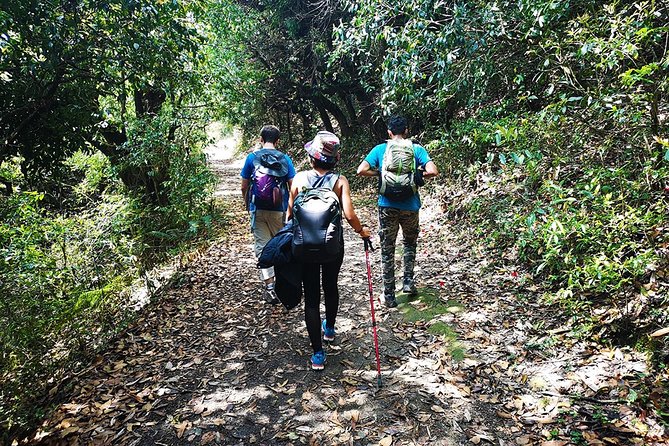
Day 3 finishes with a cultural highlight that’s built right into your walking route.
You trek about 3.5 hours to Changunarayan, following a ridge down toward Changu Narayan Temple. The trail style here is different from the deeper forest hiking of Day 1. Ridge routes often feel more exposed, and that’s usually a plus: you tend to get more frequent sightlines.
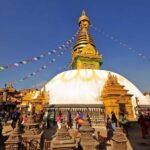
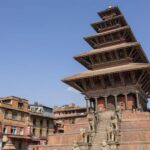
The temple itself is a big reason to love this day. Changu Narayan Temple was built in 323 AD by King Hari Datta Varma. That’s not just a random stop—it gives weight to your hike, turning the last miles into something you can connect to Nepal’s deep timeline.
It’s also described as one of the more popular walking routes around the Kathmandu area. That generally means you’ll feel like you’re stepping into the Kathmandu cultural orbit, not ending in a remote nowhere.
This is your last trek block, so you’ll likely feel relief and satisfaction. And because the itinerary includes a welcome and farewell dinner in Kathmandu, the finish is designed to feel like an ending, not a scramble.
Price and logistics: why this package can be good value
At $425 per person, this trek isn’t a budget “just add yourself” hike. But it also isn’t only paying for a guide and some walking.
What you get that changes the math:
- Round-trip private transportation from Kathmandu
- One night accommodation in Kathmandu (shared twin deluxe)
- Two nights in teahouse or lodge
- 2 breakfasts, 3 lunches, and 3 dinners
- Shivapuri Nagarjun National Park entrance fee and permit
- Trekking guide during the trek
- Down jacket + 4-season sleeping bag rental
- All government and local taxes
For many independent trekkers, the hidden costs are exactly these: permits, gear sourcing, lodging coordination, and getting in and out of trailheads. Paying for them upfront isn’t just convenience—it can prevent surprise expenses later.
The main extras you should plan for:
- Visa fees: $30 per person (not included)
- Travel insurance is strongly recommended, and rescue insurance isn’t included
- Personal expenses and gratuities
- Any meals in Kathmandu outside what’s listed
One small point worth thinking about: there’s mention of lunch and dinner in the city not being included. If your schedule in Kathmandu extends beyond the included meals, you’ll pay for extra city food yourself.
You can also read our reviews of more tours and experiences in Kathmandu
What’s included on the trail (and what you still need to bring)
This trip is good for people who want less gear stress. You’re provided a down jacket and a sleeping bag rental, and that’s a huge help for overnight comfort. Without those, many first-time trekkers end up buying or borrowing something last minute.
Still, you should bring the essentials you control:
- Hiking shoes or boots with decent grip
- Layered clothing for changing temperatures
- A small daypack for water, snacks, and your layers
- Sun protection (hat + sunscreen), because ridges can be bright
- A reusable water bottle
Also, remember that even when the trek is “only” a few hours at a time, the hills can tire you faster than you expect. Comfortable footwear is the single best investment you can make.
Meals and downtime: the good kind of structure
The meal plan is clearly designed to match trekking rhythm: breakfasts, lunches on trek, and dinners covered across the Kathmandu and lodge portions.
What this means for you:
- You don’t spend your trail time hunting for food.
- You can keep energy steady, especially before and after longer walking blocks.
- You get built-in stops for lunch that are timed around scenery, not only convenience.
The two Kathmandu dinners (welcome and farewell) also matter. After trekking days, having a proper evening in Kathmandu makes the transition feel smoother. It’s not just logistics—it helps you feel like the trip is a complete arc.
Weather and the Nagarkot view gamble
Let’s talk honestly about the big variable: visibility.
Nagarkot is scheduled specifically because on a clear day you can see the Himalayas. That’s the dream scenario. But cloud cover is a real part of hill treks, and it can dull the view. When that happens, you’ll want to focus on what the trek still delivers: forest scenery, ridge walking, temple history, and the pacing that doesn’t feel frantic.
If you hate weather uncertainty, you’ll feel it more here than on a city-focused trip. If you can roll with it, this itinerary works well because it gives you enough highlights across all three days that bad luck with clouds doesn’t ruin everything.
Who should book this Chisapani–Nagarkot trek?
This trek is a strong fit if:
- You want a guided, organized route from Kathmandu without worrying about permits and logistics
- You like scenery that comes in layers: forest morning, lunch viewpoint, ridge temple finish
- You’d rather lighten your packing thanks to gear rental
- You want a cultural stop tied to a temple with real historical weight (built in 323 AD)
It might not be the best match if:
- You want total independence and no schedule
- You’re looking for long multi-day high-altitude trekking (this is more structured and time-balanced)
- You need lots of free time each day to wander without a plan
Should you book this trek?
I’d book this if your priority is a smooth, well-supported Nepal hike that still delivers real scenery and a meaningful cultural finish. The combination of private transfers, permits, lodge stays, and gear rental makes it feel like you’re buying back hassle. And the itinerary doesn’t rely on one single highlight—you get forests, viewpoint stops, Nagarkot, and Changu Narayan Temple built in 323 AD.
I’d think twice only if your trip depends on guaranteed, crystal-clear Himalaya views. Because when the weather isn’t clear, you’ll still have a solid trek, but the “see everything” moment can be less dramatic.
If you do book, pack smart for cool nights (even with the included sleeping bag), move steadily on Day 1, and keep your day flexible in your head for weather. That’s how you make this kind of trek feel like a win, not a gamble.
FAQ
What is the duration of the Chisapani to Nagarkot trek?
It runs for 3 days (approx.).
What is the starting point on Day 1?
You meet the group in central Kathmandu and take a private transfer to Sundarijal, then trek from there to Chisapani.
How long is the trek on Day 1?
Day 1 includes about a 4.5-hour trek to Chisapani at 7,545 ft / 2,300 m.
How does Day 2 work?
You trek about 2.5 hours to Chauki Bhanjag for lunch, then descend about 3 hours to Nagarkot.
Is the Himalaya view guaranteed in Nagarkot?
The Himalayas can be seen on a clear day, so visibility depends on the weather.
What is the main stop on Day 3?
You trek about 3.5 hours to Changunarayan and head to Changu Narayan Temple.
How old is Changu Narayan Temple?
It was built in 323 AD by King Hari Datta Varma.
What accommodations are included?
You get 1 night shared accommodation in Kathmandu (twin deluxe) and 2 nights in a teahouse or lodge.
What meals are included?
Breakfasts (2), lunches (3), and dinners (3) are included, plus welcome and farewell dinners in Kathmandu.
What extra costs should I expect?
Visa fees are $30 per person, and travel and rescue insurance are not included (though travel insurance is recommended). Personal expenses and gratuities are also not included.