REVIEW · HIKING & TREKKING
Mohare Danda Trek
Book on Viator →Operated by Trekking Trail Nepal · Bookable on Viator
A community trek with big mountain drama. Mohare Danda is built around community lodge stays and a women-empowerment mission, plus the promise of huge Himalayan views in a relatively short circuit. You also get village culture along the way, with a special focus on the Magar communities and traditions in this region.
Two things I like a lot: I like the way this is organized for real safety and support, with a professional local team that has included guides such as Apar (with support from Ashishm, Lokendra, and Joyendra). I also like the practical gear support—sleeping bag, a down jacket, and even an oxygen monitor—because cold nights in the mountains are not the time to improvise.
One consideration: your best views depend on weather, and the trekking reaches about 3,313 meters, so it’s worth going in with a calm pace mindset (and some basic fitness). If knees or joints don’t love stone stairs, you should say so early so the route can be adjusted.
In This Review
- Key highlights worth knowing
- Why Mohare Danda feels different: community lodge trekking with purpose
- Who this trek suits best (and who should rethink it)
- Price and value: what $799 includes (and what you still pay yourself)
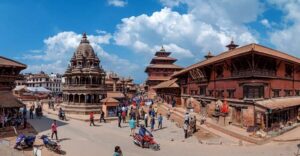
- Day 1 in Kathmandu (Thamel): get oriented fast
- Day 2 to Pokhara (Phewa Tal area): a long drive that’s part of the experience
- Day 3: Beni Bazaar start and the first trekking rhythm
- Day 4 to Ramche and toward Nagi: village walking and real viewpoints
- Day 5: trekking up to Mohare Danda (from Nagi)
- Day 6: Mohare Community Lodge at 3,313 m and sunrise views
- Day 7: Tikot village, Magar culture, and viewpoints like Thula Kharka and Sikha Danda
- Day 8: the final trekking day to Basari (Baseri) and the quiet wrap-up
- Day 9 and 10: return via Pokhara to Kathmandu, then the airport handoff
- What’s actually important on the ground: food, safety, water, and pacing
- The impact angle: education and women empowerment aren’t marketing fluff here
- Should you book Mohare Danda Trek?
- FAQ
- How long is the Mohare Danda Trek?
- Where is the trip based, and how does it start and end?
- Is pickup offered?
- What does the $799 price include?
- Are trekking permits handled for me?
- Is cold-weather trekking gear included?
- Can I cancel for a full refund?
Key highlights worth knowing
- Women-led community impact you can directly support
- Big panorama claims on clear days (up to 42 peaks, including Annapurna, Dhaulagiri, and Manaslu)
- Small-group format (up to 11 travelers) with a guide and porter team
- Cold-night kit included: sleeping bag, down jacket, plus safety gear like an oxygen monitor
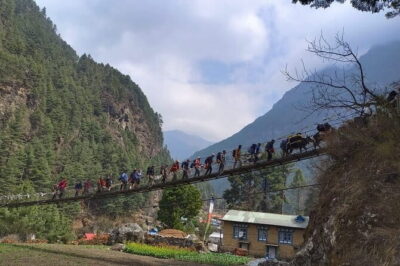
- Baglung High Bridge stop with entry fees included
- Route flexibility if you have joint issues or trouble on stone stairs
Why Mohare Danda feels different: community lodge trekking with purpose
Mohare Danda isn’t just a scenic hike. It’s a community-supported trek, where money you spend is tied to education, economy, women empowerment, and rural development. That changes the vibe. You’re not only passing through villages—you’re contributing to local welfare and local livelihoods tied to the trekking trail.
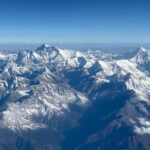
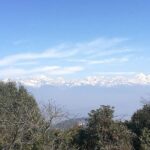
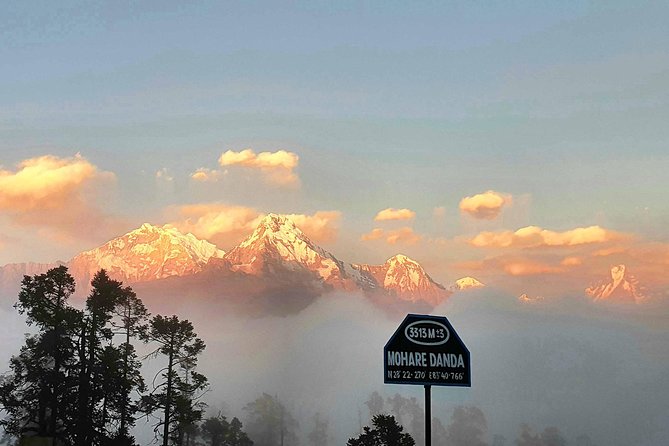
The trail is described as a new, easy, shorter circuit route around Mohare Danda, and the big payoff is the Himalayan viewing days. The viewpoint is touted for seeing up to 42 peaks on clear days, including three famous 8,000-meter giants: Annapurna, Dhaulagiri, and Manaslu. Reality check: you’ll still want clear weather, but even when clouds roll in, you’ll get mountain terrain, ridgelines, and village life along the route.
And yes, there’s a cultural thread here. You’ll hike through culturally rich villages and learn about local people and traditions, including Magar culture. Tikot village (on the trek) is specifically described as an ethnic Magar settlement, so this is one of those treks where you’ll likely remember faces and daily life, not just summits.
You can also read our reviews of more hiking tours in Kathmandu
Who this trek suits best (and who should rethink it)
This one is pitched as doable for most travelers, and that matters if you’re comparing it to tougher Nepal treks. The route is framed as short and easy, with a peaceful circuit feel, not a “push hard all day” style of trekking.
This trek is a good match if:
- You want a Himalayan experience without a long, grueling duration
- You care about community lodge travel and local welfare
- You’re happy with guided hiking and having porters take your load
- You enjoy cultural stops in rural villages, not just viewpoint chasing
Reconsider if:
- You get severe mountain sickness easily (the trek does reach higher elevation around 3,313 m)
- You have limited ability to walk on uneven paths for multiple days
- You hate hiking down stone stairs (the operator says they can assist with an easier route if you let them know)
If your joints aren’t great, tell them up front. The trek provider explicitly notes that you should notify them about joint problems or difficulty on stone stairs so they can route you more comfortably.
Price and value: what $799 includes (and what you still pay yourself)
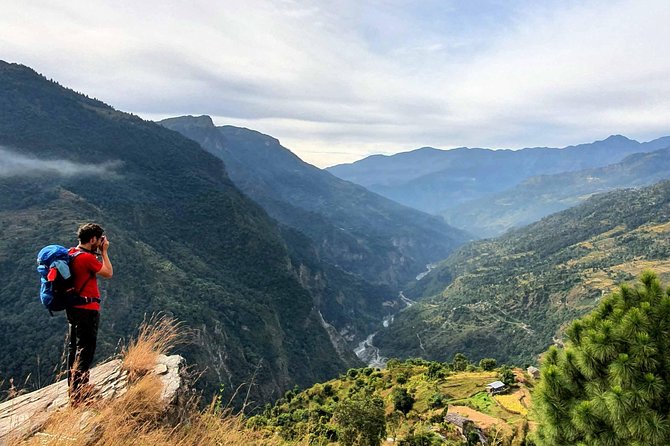
At $799 per person, the value comes from what’s wrapped into the cost—not just the guides. You’re paying for a full support package: guide and porters (including their wages, insurance, and gear), required permits and documentation, and a team that also handles first-aid readiness and safety equipment.
Here’s what you should expect included:
- Guide and porters support (with insurance and gear)
- Required trekking permits and documentation
- First aid kit, oxygen monitor, and safety equipment
- Sleeping bag and down jacket for the Mohare Danda trek
- All ground transportation as available
- A free trek map from the operator side
- Short stop at Baglung High Bridge (and entry fees)
- Complimentary trekking duffle bag per trekker
- Meals: 9 breakfasts, 5 dinners, and 6 lunches
What’s not included (so you can budget calmly):
- Tips for guide and porter
- Drinking water, snacks, bar bills, and personal items
- Any personal bills
- Meals in Kathmandu and Pokhara (you’ll be taking care of those)
If you’re used to trekking where you rent gear separately and pay permit fees on top, this package looks like it’s built to reduce headaches. And the sleeping bag plus down jacket part is a big deal—cold nights can turn “I’ll just wear layers” into a miserable plan.
Day 1 in Kathmandu (Thamel): get oriented fast
You start in Kathmandu, arriving at Tribhuvan International Airport. After immigration and baggage, you’ll meet your representative and get transferred onward.
Thamel is the practical start point. It’s where you’ll find most trek-ready services—simple stores, gear shops, and places to eat without fuss. Even if you don’t plan to do much sightseeing, this day is about getting set: clothes, water, a realistic mind for the next leg, and a good night’s sleep.
You’ve got 3 hours allocated for the airport arrival window, so don’t plan anything intense right after landing. Keep the first day low-pressure.
Day 2 to Pokhara (Phewa Tal area): a long drive that’s part of the experience
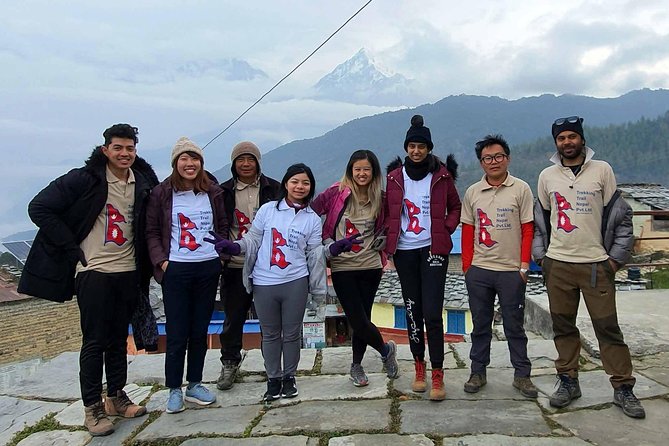
Day 2 is a scenic-but-long road trip from Kathmandu toward Pokhara via the Prithivi Highway. It’s described as about 200 km and around 6–7 hours. Expect the day to move at a steady pace rather than a fast one.
This is also where Pokhara’s calmer energy helps. You’re arriving after a big day of travel. You’ll likely feel the shift in altitude and weather mood even before the trekking starts—lower air pressure, different light, and more “mountain vacation” feeling.
Day 3: Beni Bazaar start and the first trekking rhythm
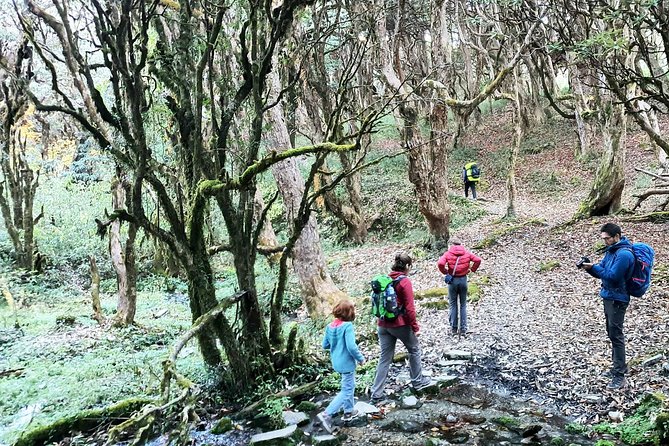
On Day 3, you start trekking from Beni Bazaar. There’s still road time first: after breakfast, you’ll travel from Pokhara toward the trail start point, about 4 hours by road.
Then you’re walking. This day is your “find your pace” moment. The walk is the first real test of how you handle trekking steps, packed paths, and the rhythm of moving for hours. Since the trek is marketed as easy and short, you should still feel challenged—but not wrecked.
If you’re sensitive to high altitude, keep your effort light. Go slower than you think you need. The best results in short treks come from not rushing early.
Day 4 to Ramche and toward Nagi: village walking and real viewpoints
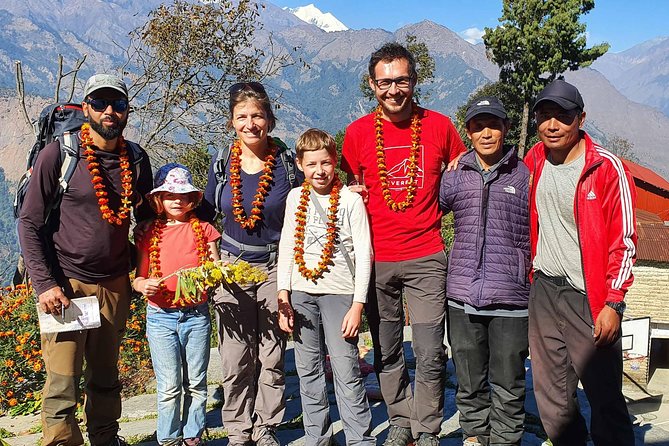
Day 4 heads toward Nagi Village, passing through Ramche. This is your cultural hiking day. The described goal is pristine nature and culture on the walk—exactly what you want from a community trek.
You’ll likely notice how the trail changes once you’re moving through village-to-village paths: fewer manicured sections, more uneven ground, and more chances to interact with people you see every day. Even when you don’t understand every word, you can usually sense routines—how work happens, where people rest, and what a “normal” day looks like.
If you enjoy taking photos, this is a good day to build confidence. Early in the trek, you’re still fresh enough to stop often without feeling behind.
Day 5: trekking up to Mohare Danda (from Nagi)
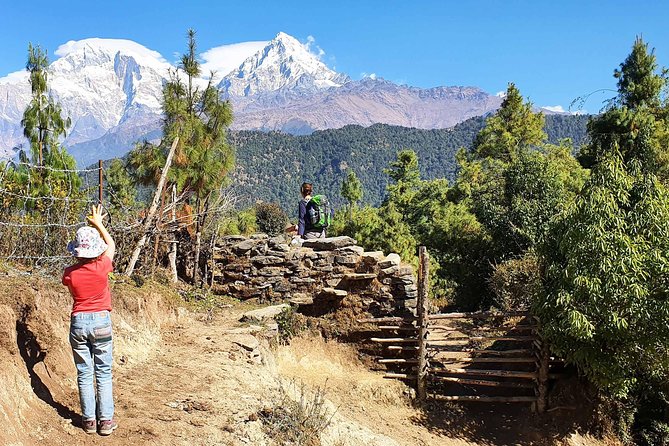
Day 5 is the day you reach the destination spot, starting after breakfast at Nagi and trekking roughly 4–6 hours. This is when the scenery starts turning “wow” on a regular basis, because you’re getting closer to the Mohare Danda viewpoint zone.
This is also a day where it helps to pack your attitude: not everyone enjoys the middle of a climb. The best strategy is to treat it like a series of small wins—water break, photo stop, next ridge, repeat.
The trek’s promise isn’t just a single view at the end. It’s that the circuit gives you multiple chances for perspectives over villages, valleys, and peaks.
Day 6: Mohare Community Lodge at 3,313 m and sunrise views
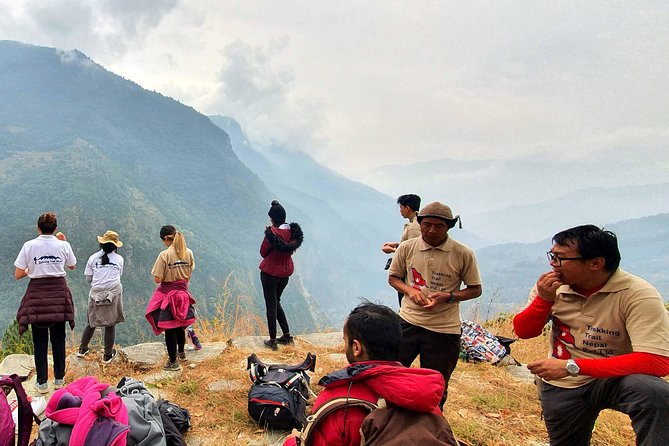
Day 6 is a big one: you’re at the highest elevation of the trip at Mohare Danda, around 3,313 meters. You’re also spending time at Mohare Community Lodge, and the described highlight is sunrise and Himalayan views.
This is exactly where the included cold-weather kit matters. You’re not paying for a last-minute rental or trying to borrow someone’s jacket. With the sleeping bag and down jacket provided, you can focus on comfort and sleep quality so you’re ready for early viewing time.
Also note the presence of oxygen-monitoring gear in your included package. That doesn’t mean the trek is dangerous, but it does signal that they take altitude seriously and plan for monitoring.
Expect a day with slower pace and more time for photos. The value here is the payoff: time at altitude where the mountains are close enough to feel real.
Day 7: Tikot village, Magar culture, and viewpoints like Thula Kharka and Sikha Danda
Day 7 takes you trekking to Tikot village, described as an ethnic Magar settlement. If you’ve been hoping to go beyond seeing villages from a distance, this kind of stop tends to deliver. You’ll walk past viewpoints and take in named ridgelines like Thula Kharka and Sikha Danda, so you’re not just moving through—you’re collecting angles of the region.
The trek time here is described as about 10 hours, so it’s a longer walking day than some routes might feel. This is where your energy management matters: start steady, don’t try to “win” the distance, and keep snacks and water handled even if you don’t have a full store of extras included.
This day is also where the community purpose becomes more visible. You’re going through rural places where tourism can be a meaningful income source, and community lodge networks often depend on consistent trekking flows.
Day 8: the final trekking day to Basari (Baseri) and the quiet wrap-up
Day 8 is the last stretch on the mountain trail. You’ll trek to Basari/Baseri—the description frames it as the end of the trekking part of the adventure.
Even on easy-to-moderate routes, the last trekking day can feel mentally long. The trick is to stay focused: enjoy small moments, keep your pace calm, and trust that the endpoint is near.
When the walk ends, you’re not done with the experience. This is where you’ll appreciate how the trek is paced like a short circuit: you get days of mountain time without losing the thread of community life. Then you transition back toward city comfort.
Day 9 and 10: return via Pokhara to Kathmandu, then the airport handoff
Day 9 drives you back to Kathmandu from Pokhara, described as about 7 hours overland. After the road, you’ll have rest time in Kathmandu. This day is for resetting: shower time, laundry if you need it, and a low-key meal.
Day 10 is transfer to Tribhuvan International Airport for your final departure flight. The description keeps it simple: goodbye or extension if you want extra days.
This end structure is practical. It avoids the common trekking mistake of scheduling intense plans right after you come off the trail.
What’s actually important on the ground: food, safety, water, and pacing
The trek includes a lot of your core logistics:
- Meals on trail (breakfast, lunch, dinner counts are included)
- A team with guide and porters
- Required permits and documentation
- First aid kit and an oxygen monitor
- Sleeping bag and down jacket for the Mohare Danda trek
Still, you should plan for what’s not included. Drinking water is listed as not included, along with personal snacks and drinks. That means you’ll want to budget for water and keep a simple snack strategy so you’re not stressed mid-walk.
On safety and mountain behavior: multiple experiences shared with this operator style emphasize that guides give practical guidance and you can count on support. For you, the best takeaway is simple: follow the guide’s advice on pace and mountain conduct, and don’t force it when you feel tired.
And on comfort: the trek provider explicitly notes they can assist on easier routes if you have joint problems or trouble with stone stairs. Don’t wait until day one to mention it. Tell them during booking so the plan can match your body.
The impact angle: education and women empowerment aren’t marketing fluff here
This trek is marketed around women empowerment and community welfare, with a clear idea that every penny supports the community trek vision. You’re supporting:
- Education
- Local economy
- Women empowerment
- Rural development
What does that mean in practice? You’ll see it in the structure of the trek itself: community lodge stays, village pathways, and local involvement. The trail isn’t just a route carved for outsiders—it’s a livelihood pathway that communities can depend on.
If you like travel that leaves more good behind than photos, Mohare Danda fits. It’s not charity theater. It’s a trekking model that tries to keep benefits local.
Should you book Mohare Danda Trek?
Book Mohare Danda if you want a short, organized Himalayan trek with:
- A real community lodge experience
- Big-view potential (especially at Mohare Danda with sunrise time)
- A mission you can feel in the shape of the journey
- Support that includes safety gear and cold-weather kit
Skip (or ask lots of questions) if you:
- Need lots of luxury comfort (this is a trekking format with community infrastructure)
- Are unsure about the walking time on longer days (Day 7 is described as a long day)
- Struggle with altitude and haven’t trained for moderate elevation effort
If you do book, do one smart thing: tell them about any joint issues or stair trouble early. That small admin step can change the whole experience. And if you’re aiming for the mountain views, keep your expectations flexible—then get ready to enjoy the days for more than just the peak moment.
FAQ
How long is the Mohare Danda Trek?
The trek is listed as 10 days (approx.).
Where is the trip based, and how does it start and end?
The experience is based in Kathmandu, Nepal. It starts with arrival in Kathmandu (Tribhuwan International Airport) and ends with a transfer back to the airport for departure on the final day.
Is pickup offered?
Yes. The experience includes pickup offered, and it also includes ground transportation as available.
What does the $799 price include?
The included items cover the guide and porters (wages, insurance, and gear), required permits and documentation, first aid kit and oxygen monitor, sleeping bag and down jacket for Mohare Danda, ground transportation as available, a complimentary trekking duffle bag, and meals on trail (9 breakfasts, 5 dinners, 6 lunches).
Are trekking permits handled for me?
Yes. All required trekking permits and documentation are included.
Is cold-weather trekking gear included?
Yes. A sleeping bag and down jacket are included for the Mohare Danda trek, and there is also a first aid medical kit and oxygen monitor included.
Can I cancel for a full refund?
Yes, you can cancel for a full refund up to 24 hours in advance. If the experience is canceled due to poor weather, you’ll be offered a different date or a full refund.