REVIEW · NEPALI COOKING CLASSES
Traditional Momo Making Class
Book on GetYourGuide →Operated by Namaste Cooking School · Bookable on GetYourGuide
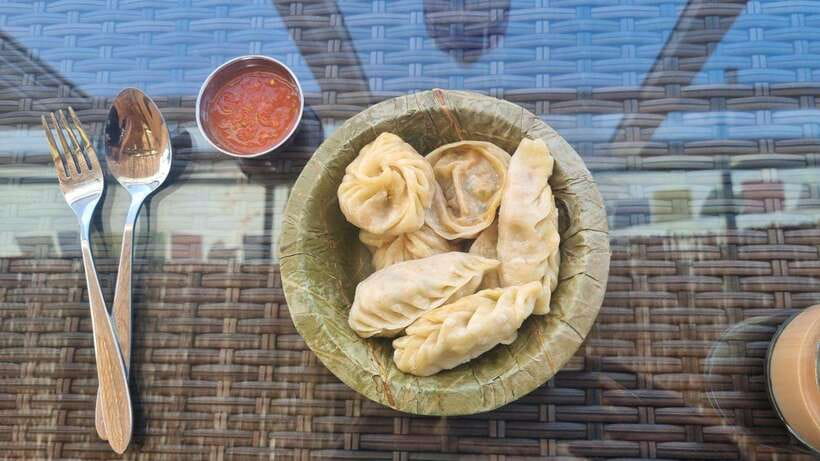
Momos are easier than you think in Kathmandu. In Thamel, at the women-led Namaste Cooking School, you learn to make momos from scratch with local instructors, from kneading to folding, and you finish with a welcome masala chai plus a tasting of what you made. One catch: the class can run a bit longer than the advertised time, especially when the mood stays chatty.
I love that this is genuinely hands-on, not a demo you watch from the sidelines. The kitchen is reported to be very clean and bright, and the teaching is in English, so you’re not left guessing. You’ll also get the story of why momos matter in Nepali celebrations, so you come away understanding more than just technique.
If you’re thinking you need cooking skills to pull off dumplings, reset that idea. This is the kind of class where you do the work, get quick corrections, and leave with a method you can try at home.
In This Review
- Key highlights worth your time
- Women-Led Namaste Cooking School in Thamel: Clean, Bright, and Easy to Join
- Your 90-Minute Momo Plan: Dough, Fillings, and Folding Technique
- Kneading dough (where dumpling success starts)
- Preparing fillings (the part that makes it taste like Nepal)
- Folding momos (the skill you’ll remember at home)
- Spices and Ingredients: Fresh Taste Without Guessing
- The Cultural Side of Momos in Nepal: More Than a Snack
- Masala Chai Welcome and End-of-Class Tasting: Eat Immediately
- Price and Value in Kathmandu: Is $15 Fair?
- Logistics That Actually Matter: Timing, Clothing, and Getting There
- Who This Class Fits Best (And Who Might Want Something Else)
- Should You Book the Momo Making Class? My Decision Guide
- FAQ
- How long is the Traditional Momo Making Class?
- Where does the class take place?
- What is the price per person?
- Is hotel pick-up or drop-off included?
- What is included in the class?
- What language is the instruction in?
- Do I need to bring ingredients or tools?
- What should I wear?
- When should I arrive?
- What is the cancellation policy?
- Is there a reserve now and pay later option?
Key highlights worth your time
- Women-led instruction at Namaste Cooking School in Thamel
- Kneading, filling, and folding momos from scratch
- Fresh, locally sourced ingredients and Nepali spices
- Welcome masala chai and an end-of-class tasting
- English support with a friendly, upbeat kitchen vibe
Women-Led Namaste Cooking School in Thamel: Clean, Bright, and Easy to Join
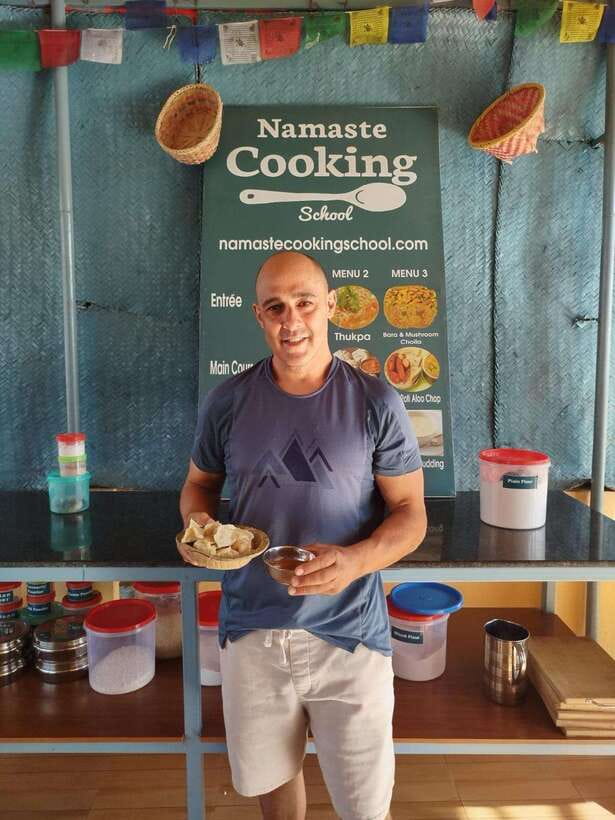
This class is based in Thamel, Kathmandu’s go-to neighborhood for travelers and busy street life. The big practical win is the setup: the kitchen is described as very clean and well lit, which matters when you’re learning something fiddly like dumpling dough and folding.
You don’t need to be a food expert. The instruction is in English, and the teaching style focuses on guiding you step by step. One name that comes up is Sushi, who’s described as a joy to be with and able to work with learners comfortably.
Location-wise, keep in mind there’s no hotel pick-up or drop-off. That sounds small, but it’s worth planning: if you’re staying outside Thamel, add extra walking time or budget for a quick taxi/ride. If you’re already exploring the area, it’s even better—go early, wander a little, come back hungry, then cook.
You can also read our reviews of more tours and experiences in Kathmandu

Your 90-Minute Momo Plan: Dough, Fillings, and Folding Technique
The heart of the experience is the workflow. You start with the dough, then move to fillings, then shape the dumplings. Even if you’re a first-timer, the class is built around repetition: you knead, you prep, you fold, you adjust—until you can see what works.
Kneading dough (where dumpling success starts)
Momo dough is simple in ingredients, but it needs the right texture. Expect guidance on how to knead so it becomes elastic enough to handle folding without tearing. This is the stage where you learn what “right feel” means, not just what it looks like in a recipe.
Preparing fillings (the part that makes it taste like Nepal)
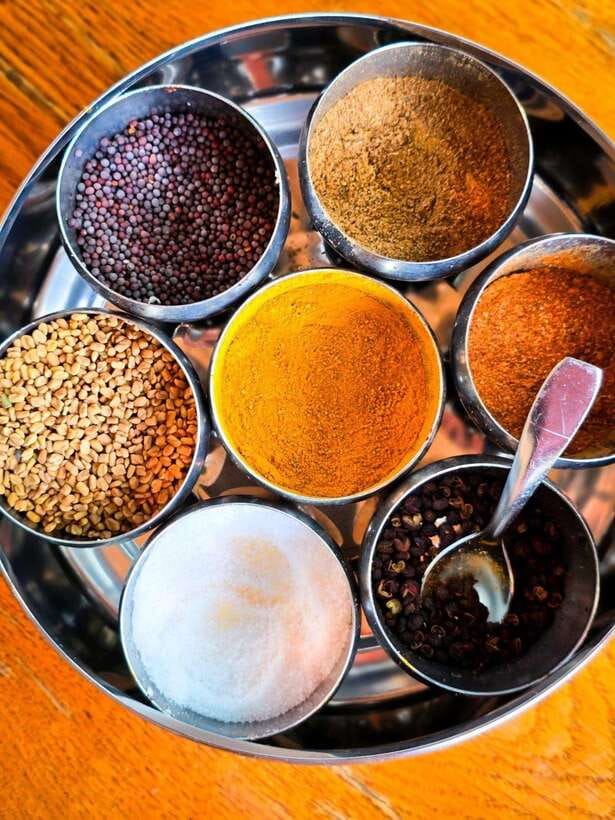
You’ll prepare the filling using ingredients brought in for the class. The emphasis is on using fresh, locally sourced items and authentic Nepali spices. That combination is why the flavor lands right, even if your first batch isn’t perfect.
Folding momos (the skill you’ll remember at home)
Folding is where beginners often get frustrated. Here, you’re shown how to shape momos into traditional forms, then you do it yourself. The goal isn’t “perfect” dumplings—it’s learning a repeatable folding pattern and understanding how to seal the edges.
A helpful mindset: treat folding like fine motor practice. One student activity included letting an 11-year-old do a lot of chopping and folding, and the result was genuinely good. That tells you the class is set up to scale down for beginners and kids, not just confident cooks.





Spices and Ingredients: Fresh Taste Without Guessing
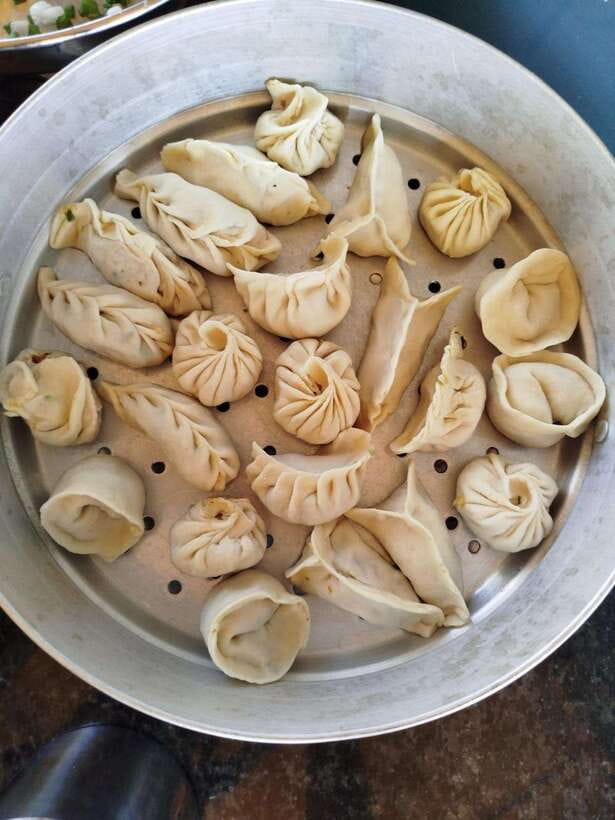
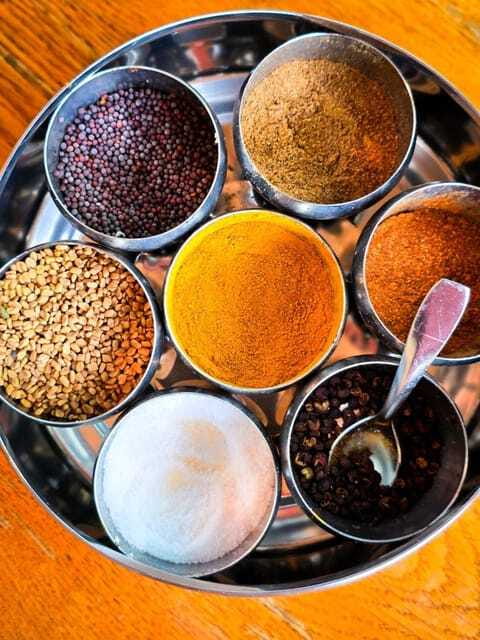
Food classes can be hit-or-miss when ingredients feel generic. Here, the class specifically uses fresh, locally sourced ingredients and authentic Nepali spices. That means you’re not just learning a technique—you’re learning a flavor formula.
What this does for you: it makes the class usable after you go home. When you can taste the difference between bland filling and properly spiced filling, you’ll know what to adjust the next time you cook.
If you’re the type who likes to replicate flavors, pay attention to the spices used during filling prep. You might not catch every detail on the first try, but you can at least learn what “Nepali momo profile” tastes like. That makes homemade momos far easier than a random recipe from the internet.
The Cultural Side of Momos in Nepal: More Than a Snack
Momos are a crowd-pleaser, yes. But the class also gives you the context—why momos show up in Nepali celebrations and everyday life. It’s the kind of background that changes how you see the dish. You’re not just eating dumplings; you’re participating in a food tradition that people share during events and gatherings.
This part matters because it turns your memory into something more lasting. Technique fades faster than meaning, and meaning makes technique worth practicing. You’ll likely catch yourself telling friends at home that these aren’t just “dumplings”—they’re a Nepalese staple with a social role.
Masala Chai Welcome and End-of-Class Tasting: Eat Immediately
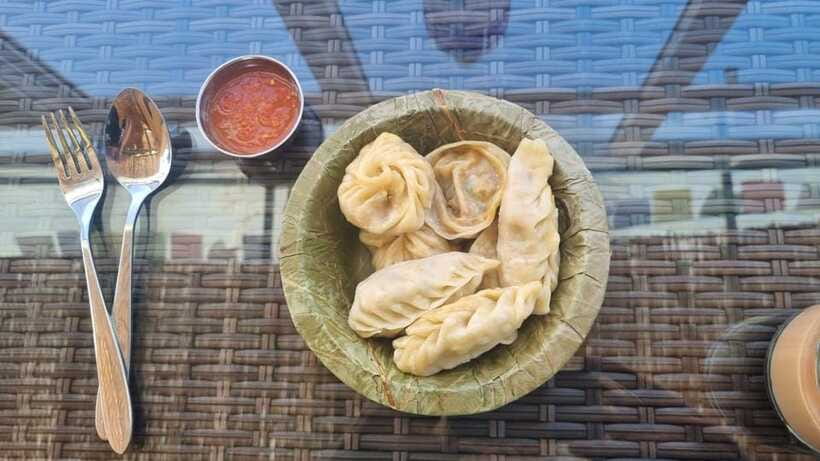
There’s a clear structure to how you eat during the class. You get a welcome masala chai, then you keep working, then you finish by tasting your own momos.
This is smart teaching. Tasting right after you learn each part helps you connect cause and effect. For example, when the dough texture holds up after steaming, you learn that your kneading step mattered. When the filling tastes right, you learn that seasoning balance is everything.
Also, chai is not just a nice add-on. It warms you up and slows you down enough to focus on the cooking. It’s a small comfort that makes the experience feel more like being welcomed into someone’s kitchen than attending a “class.”
And yes, the vibe can get fun. One account mentions dancing a bit to traditional Nepali music, which tells you the instructors bring more than just technique—they bring energy. If you’re worried a class will be stiff, this one seems intentionally friendly.
Price and Value in Kathmandu: Is $15 Fair?
At $15 per person for 1.5 hours, this class is priced like a practical local experience, not a fancy food spectacle. The value is strong because several things that cost extra in other settings are included:
- ingredients for momo preparation
- guidance from local chefs
- welcome masala chai
- tasting of what you make
You’re also paying for something that’s hard to DIY: the folding guidance. Folding dumplings without coaching is like learning to tie knots from a photo. Once you learn the mechanics, you can repeat it later.
Here’s the balanced note: there’s no hotel pickup/drop-off. If getting to Thamel takes time for you, factor that into your real cost (time and possibly transport). Still, if you’re already in the neighborhood or willing to walk/short-ride, the experience lands as good value.
Logistics That Actually Matter: Timing, Clothing, and Getting There
This class asks you to arrive about 10 minutes before start time. That short buffer helps you settle in, wash up (if needed), and get ready to cook without rushing. With dumpling classes, rushing can wreck your dough.
Wear comfortable clothing and shoes you don’t mind getting flour or kitchen mess on. You’re not going to cook in your best outfit. Also consider bringing a simple hair tie if you have long hair—dough work gets messy fast.
Timing can be a little flexible. One note is that the class may run longer than described. That doesn’t have to be bad, but plan your schedule with margin—don’t book something immediately after unless you like surprises.
Who This Class Fits Best (And Who Might Want Something Else)
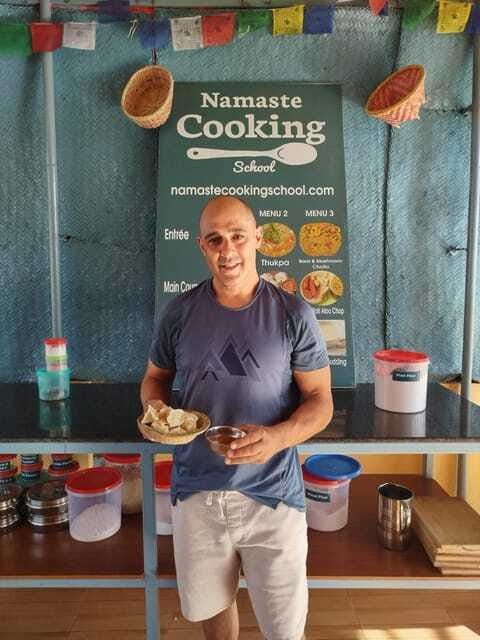
This is a great fit if you want:
- a hands-on food activity in Kathmandu
- an English-friendly class
- real technique you can repeat at home
- a women-led, local chef experience
It’s also a strong option for families, based on how the class supports kids doing tasks like chopping and folding. If you’re traveling with an 11-year-old (or someone similar), this is the kind of activity that turns “I’m bored” into “I’m making dumplings.”
Who might consider alternatives? If you only want a quick snack experience with zero cooking time, you’ll probably want something else. This is about learning and doing, not just eating. Also, if you strongly prefer hotel-based convenience, the lack of pickup might be annoying—though Thamel is usually easy to reach.
Should You Book the Momo Making Class? My Decision Guide
Book it if you want a practical Kathmandu experience with technique, flavor, and a friendly atmosphere. The included chai, ingredients, English guidance, and tasting make the $15 feel reasonable, and the kitchen-first approach means you’re not wasting time.
Skip it only if you can’t handle a class that may run a little longer than expected, or if you really dislike walking to local spots without hotel transport. If you’re already in Thamel (or nearby), this is one of those “do it once and use it forever” activities—because you’ll leave knowing how to make momos, not just how to order them.
FAQ
How long is the Traditional Momo Making Class?
The class duration is listed as 1.5 hours.
Where does the class take place?
It takes place in Thamel, Kathmandu (Bagmati Zone), Nepal.
What is the price per person?
The price is $15 per person.
Is hotel pick-up or drop-off included?
No. Hotel pick-up and drop-off are not included.
What is included in the class?
It includes the momo making class, ingredients, guidance from experienced local chefs, welcome masala chai, and tasting of your handmade momos.
What language is the instruction in?
The instructor teaches in English.
Do I need to bring ingredients or tools?
No. Ingredients for momo preparation are included.
What should I wear?
Wear comfortable clothing and shoes suitable for cooking.
When should I arrive?
Arrive about 10 minutes before the class starts.
What is the cancellation policy?
You can cancel up to 24 hours in advance for a full refund.
Is there a reserve now and pay later option?
Yes, you can reserve now and pay later.