REVIEW · 5-DAY EXPERIENCES
5 Days Hiking, Tour, Meditation and Yoga Retreat in Kathmandu, Nepal
Book on Viator →Operated by The Trek Nepal · Bookable on Viator
A temple tour with breathing breaks sounds perfect, and this 5-day Kathmandu retreat pairs daily yoga with UNESCO sights in a max 15-person small group. You get cultural time in the Kathmandu Valley, plus structured quiet sessions that help your body and head catch up.
I especially like the pacing: yoga in the morning, sightseeing mid-day, then breathing/meditation later. I also like that the plan includes real downtime blocks, not just a full day of rushing from stop to stop.
One possible drawback to weigh: accommodation is in 2–3 star hotels, and a few extras (like airport transfer and day trips) cost extra. If you’re expecting a big, rugged trekking expedition, this is more of a mindful city-and-valley experience.
In This Review
- Key Things I’d Watch For
- A Mindful Way to See Kathmandu (Without Burning Out)
- Meeting Point: Nepal Yoga Home in Tarkeshwor
- Your Home Base: Four Nights in a 2–3 Star Hotel
- The Daily Yoga and Breathing Rhythm (What the Schedule Actually Feels Like)
- Day-by-Day: Kathmandu Valley Sights With Quiet Time Built In
- Day 1: Arrive, Get Settled, and Start Light
- Day 2: Pashupatinath + Boudhanath With Breathing After
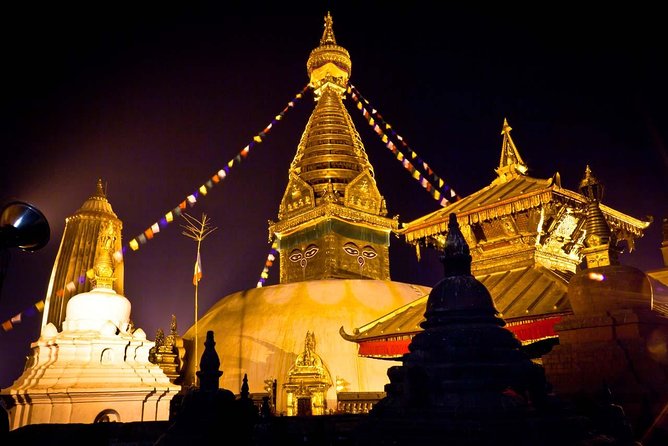
- Day 3: Swambhunath + Buddhanilkhantha (Shying Vishnu)
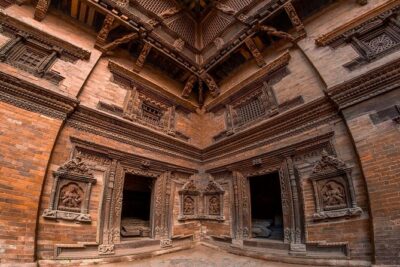
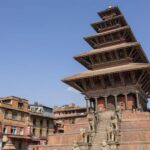
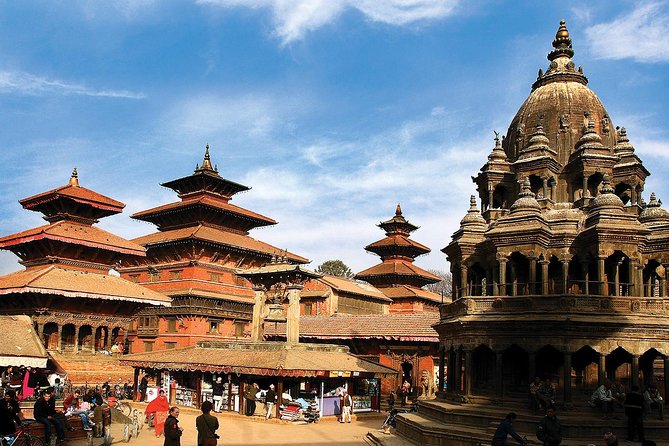
- Day 4: Patan and Bhaktapur for Culture-Surges
- Day 5: Yoga, Then Check Out at Noon
- The UNESCO Stops That Make the Whole Trip Worth It
- Hiking Time Around the Valley (How the Outdoors Fits In)
- Small Group Size: Why Max 15 Changes Everything
- Price and Value: Is $586.67 Fair for This Retreat?
- Who This Retreat Fits Best (And Who Might Want Something Different)
- The Choice: Book It, or Keep Looking?
- FAQ
- How long is the retreat?
- Where does the retreat start and end?
- How many nights of accommodation are included?
- What kind of accommodation do you get?
- Are yoga and meditation classes included?
- What meals are included?
- Which major sites are visited?
- Is the group size small?
- Are airport transfers included?
- Is it weather dependent?
Key Things I’d Watch For
- Max 15-person group for more personal attention while you sightsee
- Morning yoga + evening breathing/meditation built into the daily rhythm
- Four hotel nights plus most meals, so you’re not constantly figuring out food
- UNESCO-listed stops including Pashupatinath Temple and Boudhanath Stupa
- Rest windows every day, so the schedule feels livable in Kathmandu
A Mindful Way to See Kathmandu (Without Burning Out)
Kathmandu can hit you fast: noise, traffic, crowds, and the constant movement of a major hub. What I like about this retreat format is that it gives you a way to slow down on purpose. You’re not just collecting monuments; you’re practicing attention—then applying it in real public spaces, temples, and heritage squares.
The value is in how the trip is designed to be repeatable. Morning yoga and later breathing/meditation are not random add-ons; they’re the backbone of the day. That means you start developing a rhythm you can carry off the tour, even if your “real life” won’t suddenly become a meditation camp.
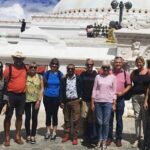
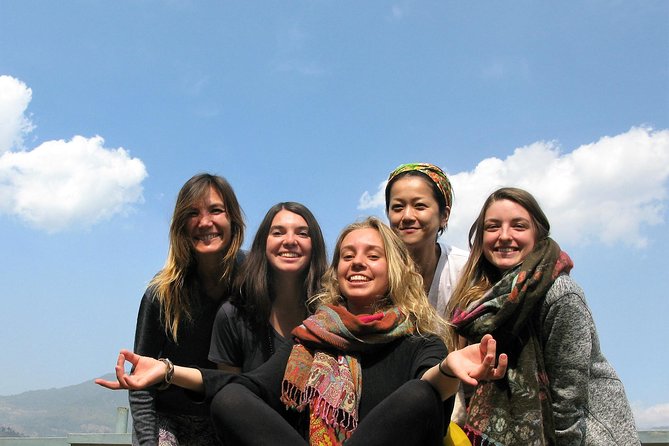
There’s also the small-group angle. With a maximum of 15 people, you’re more likely to get questions answered, meet your guide properly, and move through busy areas without feeling like a numbered ticket.
You can also read our reviews of more hiking tours in Kathmandu
Meeting Point: Nepal Yoga Home in Tarkeshwor
You start at Nepal Yoga Home, Tarkeshwor-5, Kathmandu 44600. It’s also near public transportation, which matters if you want the option to explore on your own before or after the retreat.
A practical note: the activity runs on a daily window (listed hours show 7:15 AM–7:15 PM). That gives you some flexibility, but you’ll still want to be on time—especially on days when the schedule locks into a yoga and sightseeing flow.
Your Home Base: Four Nights in a 2–3 Star Hotel
This retreat includes four nights’ accommodation in a 2 or 3 star hotel category, plus most meals. For me, that’s a good middle ground in Kathmandu: you’re getting lodging without paying boutique-level prices, but you still have a real place to reset each evening.
What you might want to manage mentally: hotel quality can vary a lot in Kathmandu depending on the exact property and room type. If you know you’re sensitive to noise or basic comfort, you may want to ask the provider (before you book) what “2 or 3 star” means for your specific dates.
The Daily Yoga and Breathing Rhythm (What the Schedule Actually Feels Like)
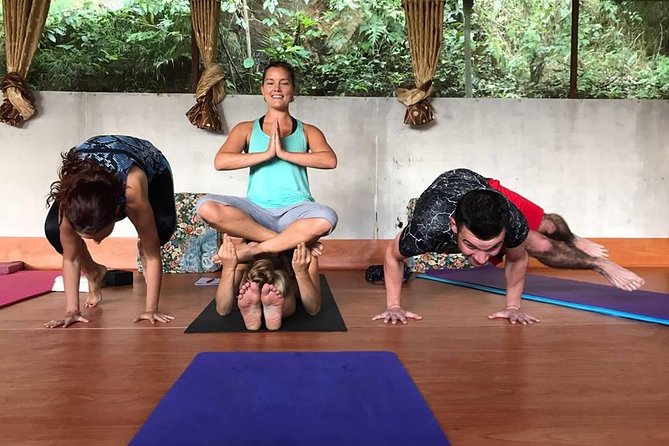
On Days 2 through 4, the structure is very clear:
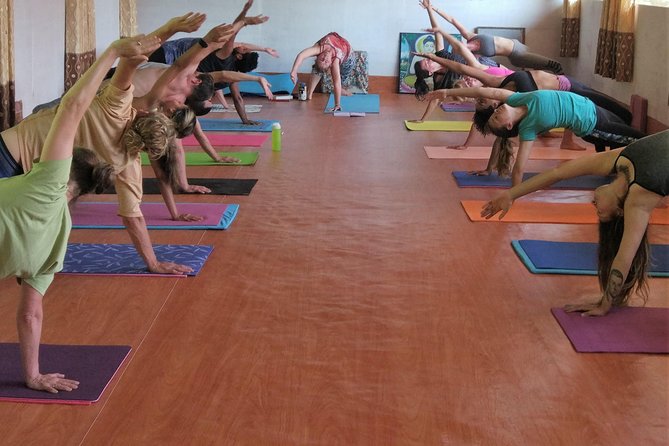
- 07:30–08:30 morning yoga
- 08:30–09:15 breakfast and settle-in time
- 09:15–10:00 rest (a buffer)
- 10:00–15:00 sightseeing block
- 15:00–16:30 rest again
- 17:00–18:00 breathing and meditation
- dinner in the evening (with Day 4 also noting bedtime timing)
Why this works: you’re not trying to do hard sightseeing on top of a full-day yoga class. Instead, yoga starts the day, sightseeing occupies the middle, and breathing/meditation brings you back down before dinner.
If you’re new to yoga, this format can help you avoid the common mistake of going “too hard” early. A consistent daily session also helps you build confidence quickly—especially if you can follow simple movement and breathing cues.
On Day 5, you still have a morning yoga class, and then you check out at 12:00 noon.
Day-by-Day: Kathmandu Valley Sights With Quiet Time Built In
Here’s the tour rhythm, in plain terms.
You can also read our reviews of more tours and experiences in Kathmandu
Day 1: Arrive, Get Settled, and Start Light
You’ll have lunch and dinner included, with accommodation in a 2 or 3 star hotel category. Day 1 is your on-ramp. It’s a good day to keep expectations realistic: Kathmandu can take energy just from getting your bearings.
Day 2: Pashupatinath + Boudhanath With Breathing After
This is a classic “big names” day.
- Morning: yoga, breakfast, then rest
- Mid-day sightseeing: Pashupatinath Temple and Boudhanath Stupa
- Late afternoon: rest
- Evening: breathing and meditation, then dinner
What I like here is the sequencing. You hit major cultural sights during the main day hours, then you get a structured reset afterward. That matters because temple areas can be visually intense and emotionally absorbing—breathing practice helps you leave feeling clear instead of overstimulated.
Day 3: Swambhunath + Buddhanilkhantha (Shying Vishnu)
Again, the same pacing template:
- 07:30–08:30 yoga
- breakfast and rest
- 10:00–15:00 sightseeing to Swambhunath and Buddhanilkhantha (Shying Vishnu)
- afternoon rest
- 17:00–18:00 breathing and meditation
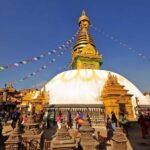
If Day 2 felt like landmarks and atmosphere, Day 3 often feels more like spiritual variety—another part of the Kathmandu Valley’s layered identity. The rest windows are doing real work here.
Day 4: Patan and Bhaktapur for Culture-Surges
Day 4 shifts to other major heritage zones:
- Morning yoga and breakfast
- Rest, then 10:00–15:00 sightseeing to Patan and Bhaktapur
- Afternoon rest
- 17:00–18:00 breathing and meditation
- dinner, then bed timing noted for the evening
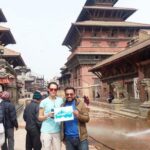
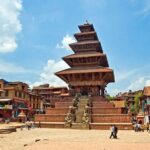
Patan and Bhaktapur can feel like they have their own “old city” logic—smaller lanes, heritage squares, and plenty to notice. The schedule still keeps you from getting trapped in “one more stop” syndrome, because the day is segmented.
Day 5: Yoga, Then Check Out at Noon
You’ll have a morning yoga class, then you check out at 12:00 noon. This is the kind of finish that avoids last-day chaos. You can plan a simple final meal, and if you’re catching a flight later, you’re not scrambling.
The UNESCO Stops That Make the Whole Trip Worth It
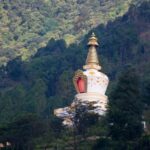
Two of the signature sights are explicitly UNESCO-listed: Pashupatinath Temple and Boudanath Stupa. That matters for value because it anchors your sightseeing in places with major cultural significance, not just random viewpoints.
Here’s the practical benefit for your time: you get guided structure around what could otherwise feel overwhelming. Kathmandu’s spiritual and historic sites are meaningful, but they can also be confusing if you don’t know where to look or how to behave respectfully. With a small group and a consistent schedule, you get a smoother experience.
Hiking Time Around the Valley (How the Outdoors Fits In)
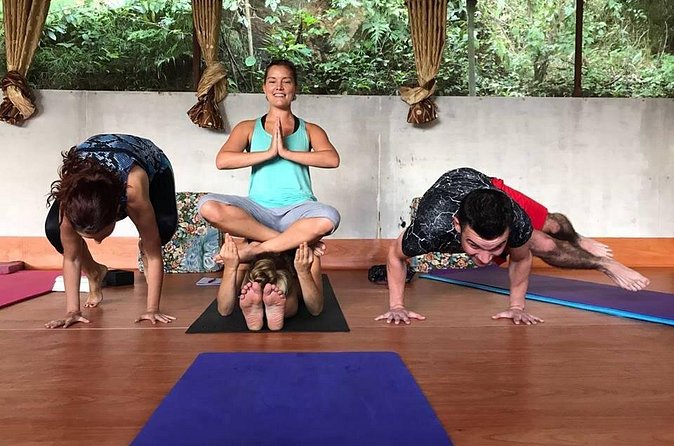
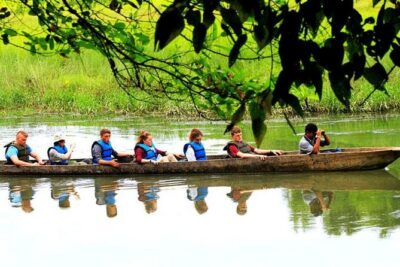
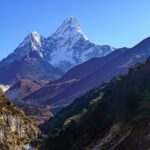
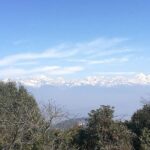
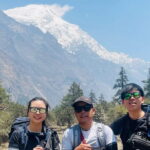
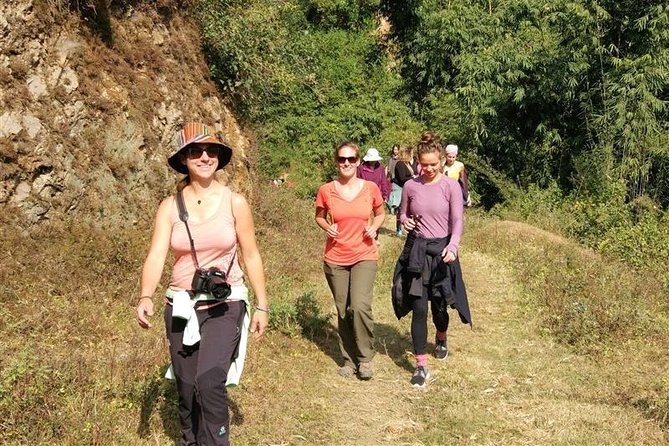
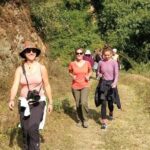
The retreat’s title includes hiking, and at least one commonly enjoyed route shared in past experiences is the Changunarayan to Telkot hiking option. That’s a helpful detail if you want a bit more movement than city walking.
The important caveat: your hiking experience may depend on conditions and how the retreat is running on your dates. So if you’re choosing this because you want long, high-intensity trekking days, you might be disappointed. If you want a moderate, scenic outdoor component paired with yoga and reflection, it’s a strong match.
Also, one nice extra that shows up for some participants is a complimentary massage after hiking. Don’t assume it’s guaranteed for every booking, but it’s a good sign that the provider thinks about recovery, not just logistics.
Small Group Size: Why Max 15 Changes Everything
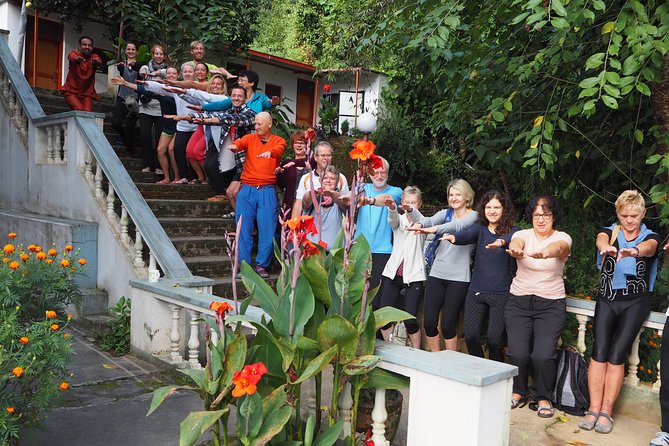
With a maximum of 15 people, you’re less likely to feel like you’re in a queue. You can ask more questions, hear directions clearly, and adjust your pace if you need a break.
This is especially useful in a place like Kathmandu Valley where crowds and foot traffic can turn normal sightseeing into a moving puzzle. The schedule’s built-in rest blocks help too. You’re not supposed to push through every moment.
If you’re a first-time visitor to Nepal, the small group format also reduces stress. You still see a lot—temples, stupa areas, heritage neighborhoods—but you’re doing it with guardrails.
Price and Value: Is $586.67 Fair for This Retreat?
At $586.67 per person for about 5 days, the price only makes sense if you look at what’s included, not just the sightseeing.
What you’re getting (based on the tour details):
- 4 nights of accommodation (2–3 star)
- Yoga classes and included meditation/breathing sessions
- Sightseeing to multiple Kathmandu Valley highlights
- Most meals: breakfasts (5), lunches (4), dinners (4)
Not included:
- Airport transfers ($20 per person)
- Day trips ($100 per person)
- Laundry ($2 per kg)
So the value equation is basically: lodging + instruction + guided sightseeing + meals. If you would otherwise pay for a hotel, hire a guide, and buy meals daily while trying to piece together yoga on your own, this package can feel pretty rational.
Where it may feel expensive: if you plan to add lots of day trips or need frequent paid extras. The base is solid; the optional stuff can add up.
Who This Retreat Fits Best (And Who Might Want Something Different)
This retreat is a great fit if you:
- want a first-time Nepal introduction that still includes real cultural highlights
- like the idea of guided heritage sightseeing paired with structured mindfulness
- prefer a small group (max 15) for a calmer experience
- want rest built into the daily plan
It may not fit you as well if you:
- want an all-day, hardcore trekking program with long wilderness segments
- expect luxury hotel standards (the plan lists 2–3 star category lodging)
- dislike having a schedule you’re expected to follow, even if it’s paced
Also, the activity requires good weather. If you’re traveling during a time when conditions might be unpredictable, build flexibility into your plans.
The Choice: Book It, or Keep Looking?
If your goal is balance—culture, movement, and quiet practice—this is an easy “yes to consider” option. The strongest reason to book is the rhythm: yoga in the morning, sightseeing mid-day, and breathing/meditation later. That structure keeps the trip from becoming just a checklist.
I’d say book if you:
- want UNESCO-listed Kathmandu Valley highlights without planning every detail
- like the idea of guided support and a small group
- want a retreat-style schedule that still shows you the sights
I’d hold off if you:
- want a big trekking-only adventure
- need luxury accommodations as a non-negotiable
- hate weather-dependent plans (even though they offer alternatives if conditions are poor)
FAQ
How long is the retreat?
It runs for 5 days, with the schedule based around daily yoga and sightseeing plus four nights of accommodation.
Where does the retreat start and end?
The start is at Nepal Yoga Home, Tarkeshwor-5, Kathmandu 44600, Nepal, and the activity ends back at the meeting point.
How many nights of accommodation are included?
Four nights of accommodation are included.
What kind of accommodation do you get?
Accommodation is listed as a 2 or 3 star hotel category.
Are yoga and meditation classes included?
Yes. Yoga and meditation (including breathing and meditation sessions) are included with an experienced instructor.
What meals are included?
Breakfast is included for 5 days, lunch for 4 days, and dinner for 4 days.
Which major sites are visited?
You’ll visit Kathmandu Valley highlights including Pashupatinath Temple and Boudhanath Stupa, plus Swambhunath, Buddhanilkhantha (Shying Vishnu), Patan, and Bhaktapur.
Is the group size small?
Yes. The maximum group size is 15 travelers.
Are airport transfers included?
No. Airport transfers are listed as $20.00 per person.
Is it weather dependent?
Yes. The experience requires good weather. If it’s canceled due to poor weather, you’ll be offered a different date or a full refund.