REVIEW · 3-DAY EXPERIENCES
3-Day Chitwan Jungle Safari Tour from Kathmandu
Book on Viator →Operated by Liberty Holidays · Bookable on Viator
Rhinos, crocodiles, and a lot of patience. This 3-day Chitwan Jungle Safari Tour from Kathmandu is built for big wildlife days plus Tharu culture, with transport and meals handled for you. I like the all-in-one logistics (hotel pickup/drop-off in Kathmandu city ring road, tourist coach, park fees, and a guide), and I really like the mix of Rapti River canoe time and jeep safari time—two very different ways to spot animals.
One thing to plan around: the schedule is full and there’s a fair amount of bus time. In the Terai, summer can hit over 37°C, so you’ll want to show up ready for heat and long seated stretches.
You’ll also get a cultural stop at Chitwan Tharu Village, plus a Tharu performance and a local museum visit. That helps break up the adrenaline and keeps the trip from being only about wildlife spotting.
In This Review
- Key highlights at a glance
- Chitwan in three days: what you do (and why it works)
- Kathmandu to Chitwan: timing, heat, and the reality check
- Day 1 at Chitwan Tharu Village: culture before the safari buzz
- Day 2 in Chitwan National Park: river birds, crocodile chances, and a jeep safari push
- Day 3 return to Kathmandu: what to expect and how to avoid a travel slump
- Hotel and meals: does this tour feel like value or expense?
- Wildlife chances: rhinos, crocodiles, and the tiger question
- Your guide and the group setup: how to make it better
- What to pack and wear for Chitwan (so wildlife can do its thing)
- Price and logistics: what’s included, what’s not, and how to budget like a pro
- Should you book this 3-Day Chitwan Jungle Safari Tour?
- FAQ
- What’s the tour duration?
- Where does the tour start and end?
- Do I get hotel pickup in Kathmandu?
- How do we travel between Kathmandu and Chitwan?
- How many nights of accommodation are included?
- What meals are included?
- Are park entrance and conservation fees included?
- Is a guide included?
- What wildlife might I realistically hope to see?
- What should I wear in Chitwan?
- Is travel insurance included?
Key highlights at a glance
- Canoe riding on the Rapti River gives you a quieter, closer feel for crocodiles and birds than a road safari
- Jeep safari days aim you at the best chances for rhinos and other large animals (including, if you’re lucky, tigers)
- Tharu Village culture time includes a performance and a museum visit, so you learn as you go
- Hotel transfers plus park fees included makes this easier to budget than “pay-as-you-go” tours
- Two-night stay in a 3-star hotel/resort keeps the trip comfortable without paying luxury prices
Chitwan in three days: what you do (and why it works)
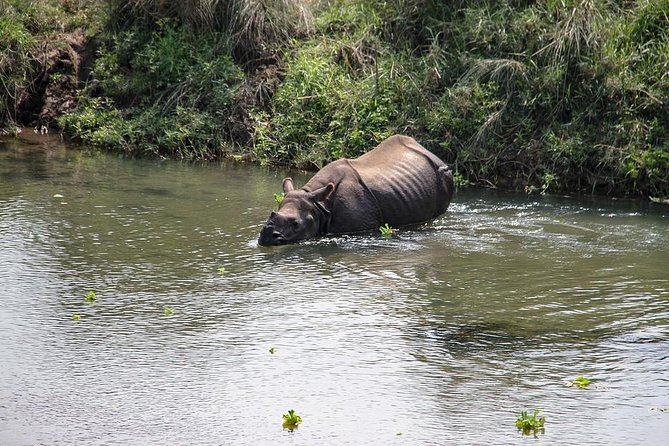
Chitwan National Park is one of Nepal’s best places for wildlife watching, and this tour leans into that with a packed-but-manageable rhythm. In just 3 days, you get nature time on the river, a land safari by jeep, and a culture stop with Tharu community experiences.
What makes the schedule work is the variety. Canoes tend to slow everything down, which can mean better wildlife viewing if you like stillness and listening. Jeeps are louder and faster, built for covering more ground when animals are moving.
You can also read our reviews of more tours and experiences in Kathmandu
Kathmandu to Chitwan: timing, heat, and the reality check
Your day starts early. You’ll be picked up from your hotel and transferred to the tourist bus park around 6:00 am, with an English-speaking driver who comes with your name on a placard. From there, you’ll take the tourist bus toward Chitwan (the drive is long enough that it’s part of the experience, not a side detail).
Why this matters for you: when you’re paying attention to animals all day, fatigue can sneak up fast. In the Terai, summer temperatures can exceed 37°C, while winter is cooler (about 7°C to 23°C). Either way, pack for a big temperature swing between early morning comfort and midday heat.
A small logistics point that can save you stress: pick-ups and drop-offs are included only for hotels inside the Kathmandu city ring road. If your hotel is outside that ring, you may pay an extra charge.
Day 1 at Chitwan Tharu Village: culture before the safari buzz
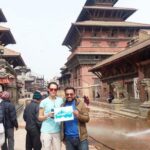
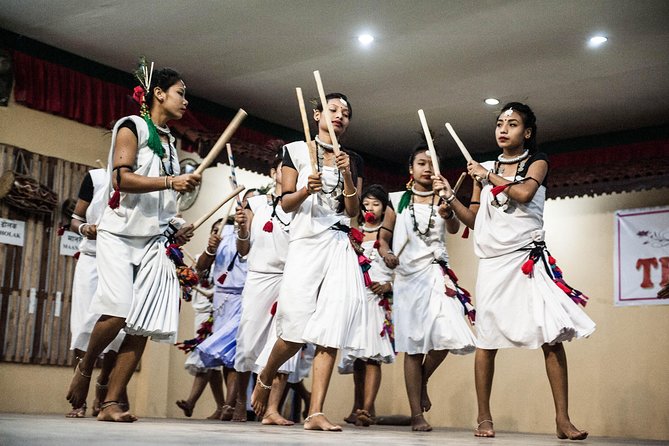
Day 1 is more than just travel and check-in. You’ll head to Chitwan Tharu Village, which sets a human context for the place you’re about to explore. Expect time that focuses on Tharu community life, including a Tharu cultural performance and a local museum visit.
This is a good ordering choice. If you jump straight into wildlife, it can feel like the park is just an animal-watching stage. By starting with culture, you get a better feel for how local communities connect to the same landscape you’re seeing.
Also, it’s a nice pace change. After bus hours and early starts, an organized cultural block helps you reset before the more intense safari time.
Day 2 in Chitwan National Park: river birds, crocodile chances, and a jeep safari push
Day 2 is where the wildlife energy really lands.
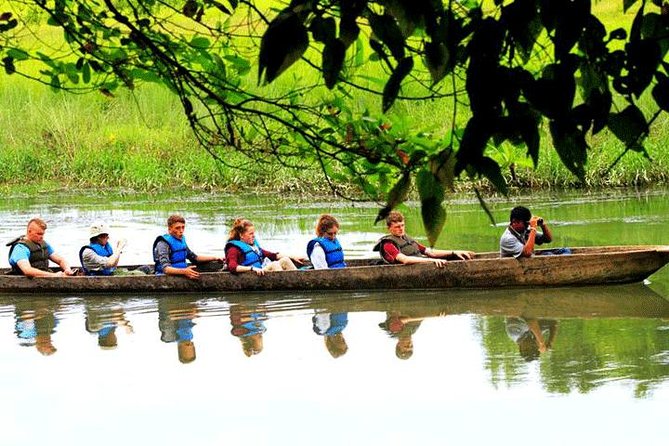
The day starts early with a wake-up call and morning tea around 6:00 am, then a buffet breakfast at 6:30 am. At about 7:00 am, you head out for bird watching and canoe riding along the Rapti River. This kind of early-morning timing is smart because wildlife often feels more active and visible in calmer light.
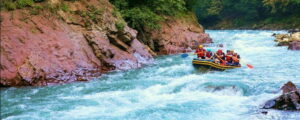
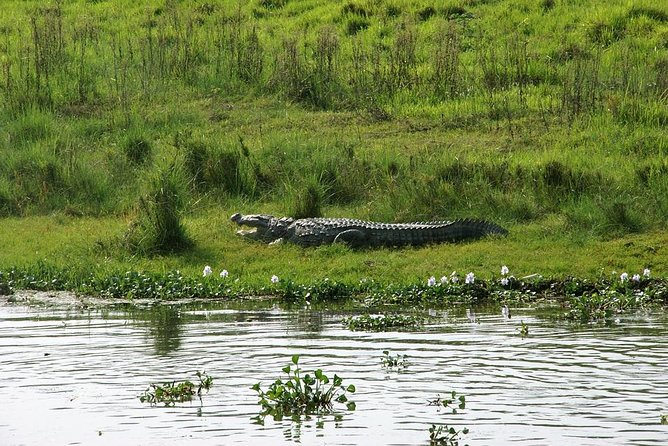
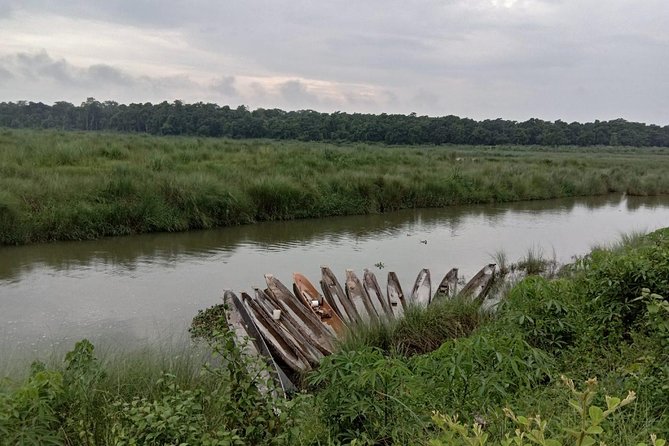
The canoe portion matters because it’s not just transport—it’s a viewing platform. You’re on the water during a scenic cruise, and the tour focuses on the chance to see crocodiles. You’ll also be in a good position for bird spotting since the river edges and open water change what you can see compared to a jeep track.
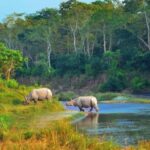
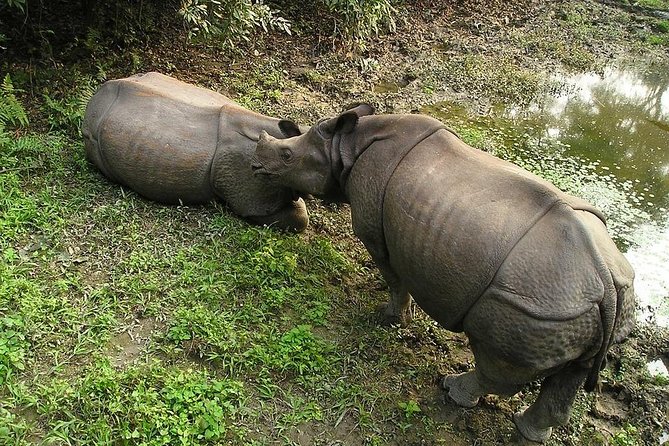
Later, you move into the land-safari mode. The overall tour format includes jeep safari time aimed at larger animals like rhinos, and it’s described as a chance to spot even the famous headline species. One of the best parts of the way this tour operates is that the guide doesn’t treat sightings as a one-and-done event.
In at least one on-the-ground experience, the guide stayed engaged with the group after the safari and returned to the room to show guests where a rhino had been spotted. That kind of follow-up is exactly what you want: it signals the guide is actively tracking wildlife rather than just running the clock.
Day 3 return to Kathmandu: what to expect and how to avoid a travel slump
On Day 3, the focus shifts to getting back. You return to Kathmandu by tourist bus, with the drive taking about 6 hours.
This is also the day where your meal included list gets smaller. Lunch is not provided once you’re back in Kathmandu, so plan on grabbing something on arrival if you’re hungry. It’s a small detail, but I’ve learned it’s the small details that turn a smooth day into an annoying one.
One practical thought: because Day 3 is mostly transport, you’ll want to conserve energy on Day 2. After a long safari day, you don’t want to end with your feet aching and your patience thin when the bus ride starts.
You can also read our reviews of more tours and experiences in Kathmandu
Hotel and meals: does this tour feel like value or expense?
At around $392 per person for 3 days, the price isn’t just for wildlife—it’s for a package that includes two-night accommodation and most of the day-to-day moving parts. You’re staying in a 3-star hotel or resort (examples include Chitwan Paradise Hotel or similar). Rooms are set up as twin/double sharing, and if you’re traveling solo, you get a single room.
Meals are also built in. You’ll have breakfast twice, lunch twice, and dinner twice. Drinks are not included unless specified, and that’s one of the most common budget traps on tours like this—so if you’re used to buying bottled drinks all day, factor that in.
From personal comfort perspective, I like that the trip is set up with a real hotel rather than constant changing of rooms. In one real-world experience, guests stayed at Maruni Sanctuary Lodge, and they found it clean and quiet, with reasonable food. That’s the kind of “fine and functional” base I’d want after long park hours.
Wildlife chances: rhinos, crocodiles, and the tiger question
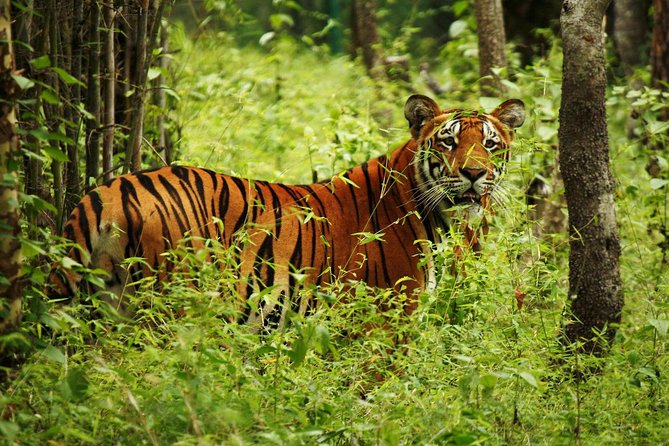
Let’s talk honestly about wildlife. This tour is designed around a set of species you may see: deer, rhinos, crocodiles, and (in the marketing pitch) tigers.
Here’s the practical way to think about that. Chitwan wildlife spotting is not guaranteed. You can control your effort—show up early, follow guide instructions, wear the right colors—but you can’t control animal movement.
That’s why the two styles of viewing matter so much:
- River time increases your chances for crocodiles and birds because you’re in the water-route habitat.
- Jeep safari time increases your odds for large land animals because you cover more area and track signs.
If you do spot something big, it’s usually the result of guide skill and group discipline—moving quietly, staying patient, and not rushing the moment.
One more note: in the region, elephant rides are sometimes offered by different operators. I’d skip them. If you’re doing a wildlife-focused safari, you’ll have a better experience keeping animals as the priority, not the entertainment.
Your guide and the group setup: how to make it better
This tour includes a jungle safari guide during the trip, and the overall setup is for a small group in practice because it’s described as a private tour/activity where only your group participates.
That can be a real benefit. Smaller group dynamics often mean less confusion at each pickup, quicker help if something goes wrong, and more flexibility for the guide to manage wildlife timing.
Still, you should treat the guide as your main information source. Ask for guidance on when to be quiet, where to stand during viewing, and how to adjust if the route changes due to animal activity. That’s how you get more out of limited hours.
What to pack and wear for Chitwan (so wildlife can do its thing)
You’ll get a clear instruction before you go: don’t wear bright colors or busy patterns. It can attract attention and may scare wildlife. Stick to greens, browns, and khakis instead.
I’d also pack for both early morning and warmer afternoons. Even in cooler seasons, start times are early, and you’ll likely want a light layer. For Day 2 especially, you’ll be doing boat/canoe and walking/nature-trail type activity, so comfortable shoes matter.
Small personal habit that helps: bring a hat and sunglasses if you tolerate sun well. Between river glare and jeep viewing, you’ll be happier if your eyes aren’t fighting light all day.
Price and logistics: what’s included, what’s not, and how to budget like a pro
Here’s what you should expect inside the tour price:
- Hotel pickup and drop-off in Kathmandu city ring road (both ways)
- Kathmandu–Chitwan–Kathmandu by tourist coach
- Two nights in a 3-star hotel/resort
- A jungle safari guide and activities as per the itinerary
- Park fees and conservation area fees included
- Most meals: breakfast, lunch, and dinner on Days 1 and 2
What you should budget extra for:
- Lunch on Day 3 (not provided when you return)
- Drinks (unless specified)
- Personal expenses
- Tips for guide and driver
- Travel insurance
This is also a good time to think about how you’ll handle return-day coordination. One experience included a complaint about a missed return hotel pickup from the bus stop. The response pointed to a location/drive-time mismatch, so the takeaway for you is simple: on Day 3, confirm the exact drop-off point and keep your phone ready. A tour can be good overall and still have coordination hiccups if timing shifts.
Should you book this 3-Day Chitwan Jungle Safari Tour?
I’d book it if you want a wildlife and culture mix with predictable logistics, and you value time on both the Rapti River canoe and jeep safari. The $392 price makes more sense when you compare it to piecing together transport, hotel, and park-entry fees on your own.
I’d be cautious if:
- You hate early mornings and long bus rides
- You’re traveling during hotter months and don’t plan for heat
- You need very precise hotel drop-off coordination and can’t handle a bit of operational friction
If you do book, my best advice is to show up dressed for wildlife viewing, accept that animals set the pace, and treat the guide like an active partner—because the best sightings tend to come when you listen and stay flexible.
FAQ
What’s the tour duration?
The tour runs for about 3 days.
Where does the tour start and end?
It starts at Liberty Holidays Corporate Office, Trishakti Marg, Kathmandu 21255, Nepal and ends back at the meeting point.
Do I get hotel pickup in Kathmandu?
Yes. Hotel pickup and drop-off are included for hotels inside the Kathmandu city ring road.
How do we travel between Kathmandu and Chitwan?
You’ll travel Kathmandu–Chitwan–Kathmandu by tourist coach (with hotel transfers via private vehicle for pickup/drop-off).
How many nights of accommodation are included?
The package includes two-night accommodation in a 3-star hotel or resort.
What meals are included?
Breakfast is included twice, lunch is included twice, and dinner is included twice. Lunch is not provided on the third day when you’re back in Kathmandu.
Are park entrance and conservation fees included?
Yes. National park fees and conservation area fees are included.
Is a guide included?
Yes. The tour includes a jungle safari guide for the trip.
What wildlife might I realistically hope to see?
The experience focuses on chances to see deer, rhinos, crocodiles, and possibly tigers.
What should I wear in Chitwan?
Avoid bright-colored clothing and busy patterns. Wear greens, browns, and khakis so you don’t attract attention and scare wildlife.
Is travel insurance included?
No. Travel insurance is not included.