REVIEW · CHITWAN SAFARI TOURS
12-Day Nepal Adventure Trek with Jungle Safari
Book on Viator →Operated by Outfitter Himalaya Holidays P. Ltd · Bookable on Viator
Two weeks in Nepal, done the smart way. I like the combo of Poon Hill sunrise and Chitwan wildlife in one trip, and I like the level of guide support you get for pacing and day-to-day logistics. The main drawback to plan for is the Annapurna climb that can include very steep, stair-heavy sections, even for people who are only moderately fit.
This is also the kind of trip that makes sense if you want structure without feeling rushed: Kathmandu temple stops first, then a gradual trek into the Annapurna region, and finally a lowland jump into Chitwan National Park for Tharu culture and real safari time. The route is well paced overall, but you should still expect basic trekking-lodge accommodations on most nights.
In This Review
- Key highlights worth knowing
- Kathmandu temple day: Swayambhunath, Durbar Square, Boudhanath, Pashupatinath
- Pokhara drive and first hike from Nayapul to Tikhedhunga
- Ghorepani and the Poon Hill sunrise payoff
- Ghandruk, rhododendron forests, and finishing in Syauli Bazaar
- Chitwan jungle lodge, Tharu village tour, and welcome to the lowlands
- Safari activities: jungle walk, river-crossing safari, stick dance, and birdwatching
- Price and value: what your $950 covers and what to budget separately
- Fitness reality check and practical packing tips
- Who should book this Nepal adventure trek
- Should you book this 12-day Nepal Adventure Trek with Jungle Safari?
- FAQ
- What’s included in the $950 per person price?
- What’s not included, besides international airfare?
- Do I need to arrange a trekking permit or TIMS myself?
- How physically demanding is the trek?
- Is airport pickup included, and when do we meet?
- What safari and wildlife activities are included in Chitwan?
- Can I cancel and get a full refund?
Key highlights worth knowing
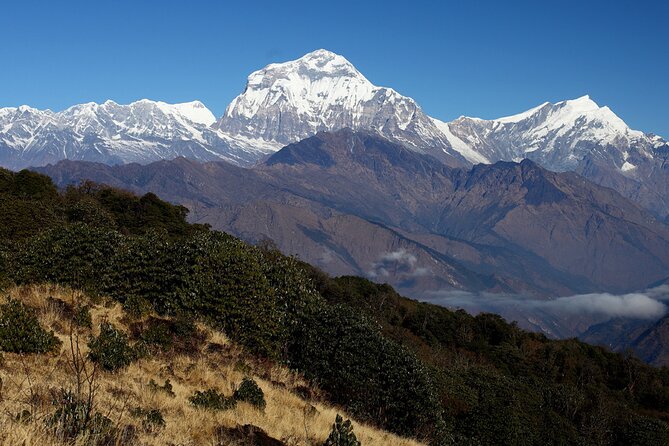
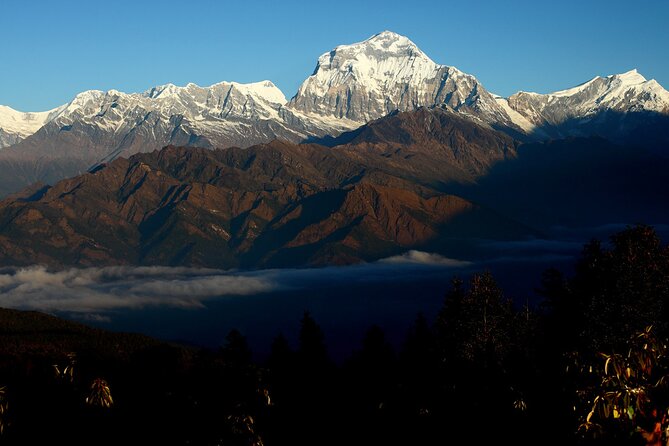
- Poon Hill early-morning views over big-mountain names you’ll recognize, like Annapurna and Dhaulagiri
- A guided trek that adapts to the group, including porter help described by past travelers when needed
- Multiple Kathmandu holy sites in a single day: Swayambhunath, Durbar Square, Boudhanath, and Pashupatinath
- Chitwan with more than one wildlife format, including jungle walking plus a safari day
- A small group size (max 14) that helps the guide keep things organized
Kathmandu temple day: Swayambhunath, Durbar Square, Boudhanath, Pashupatinath
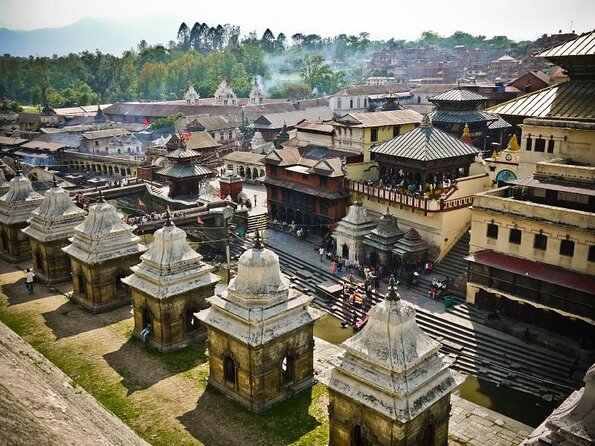
You start with a simple setup: you’re met after you land and transferred to your hotel, then the real “Nepal basics” begin the next morning. Kathmandu’s best first-day trick is that you hit four major spiritual places without having to figure out transport or timing on your own.
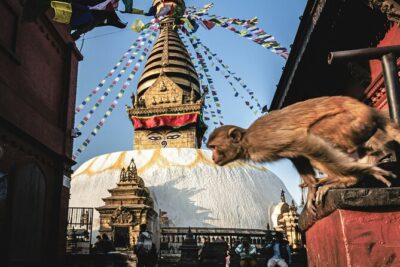
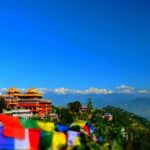
Swayambhunath, the Monkey Temple, is the one most people can’t stop taking photos of. It sits high above the city, and the approach is part of the experience. You’ll see monkeys, prayer flags, and the kind of crowd energy that makes Kathmandu feel alive.
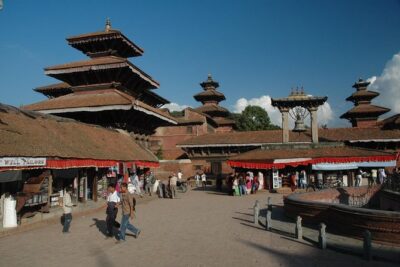
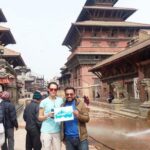
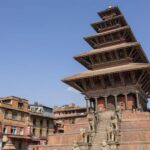
Kathmandu Durbar Square gives you the old-city pulse: courtyards, temples, and royal-era architecture. It’s a great counterpoint to the hilltop feel of Swayambhunath because it’s more grounded—busy, close up, and full of detail.
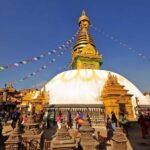
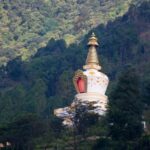
Then come Boudhanath and Pashupatinath. Boudhanath is all about the huge stupa and the prayer rhythms that seem to run on a different clock. Pashupatinath is more solemn and ritual-focused. Even if you’re not religious, you’ll feel how seriously locals treat the space—especially around the main temple area.
One practical catch: entrance fees for these Kathmandu sights are not included, with a day-2 sightseeing total of about $25 per person.
You can also read our reviews of more hiking tours in Kathmandu
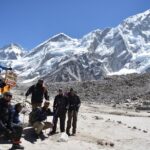
Pokhara drive and first hike from Nayapul to Tikhedhunga
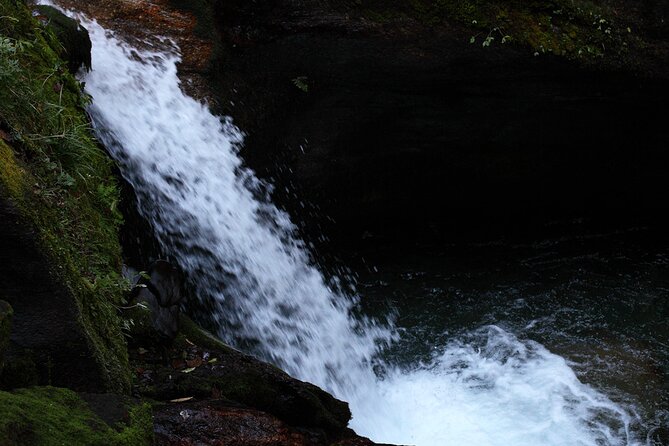
After the city day, you switch gears with a scenic drive to Pokhara. The route follows the Trisuli and Marsyangdi River areas, which matters because the scenery gradually shifts from dense city life toward hills and river valleys. The drive is about 6 hours, so it’s long enough to feel like a travel day, not just a quick hop.
In Pokhara, you’re positioned to start the Annapurna trek the right way: you drive to Nayapul, then hike toward Tikhedhunga (with Birethanti along the way). This segment is your warm-up. It’s not “easy” in the hiking sense, but it helps you test your legs and find a rhythm before the bigger stair-and-climb sections show up later.
What I like about starting here is that the trek doesn’t throw you into the deepest grind immediately. You build confidence, learn the pace, and get used to the lodge rhythm—walk, eat, rest, repeat.
What to watch for: the early hiking day still means you’ll be on uneven paths and adjusting to altitude. The tour lists the trek as moderate fitness, but moderate doesn’t mean effortless.
Ghorepani and the Poon Hill sunrise payoff
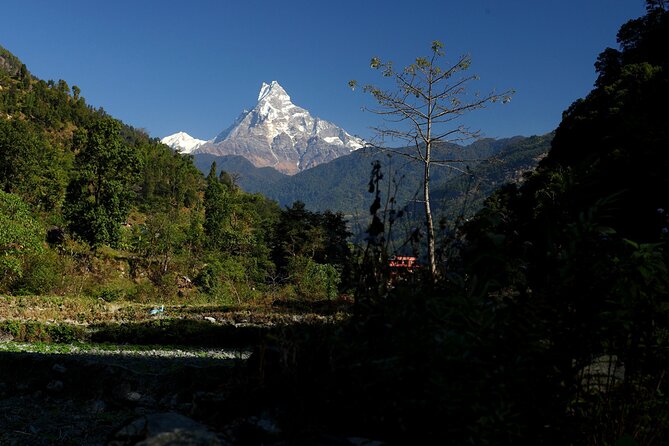
This is the heart of the Annapurna portion. The route climbs toward Ghorepani, and the trek describes a first stretch that starts steep and then eases into gentler walking while you pass through village areas like Ulleri and Banthanti.
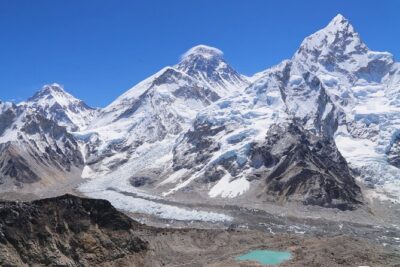
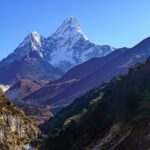
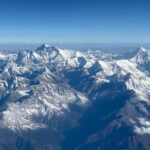
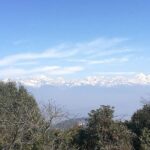
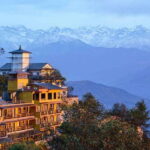
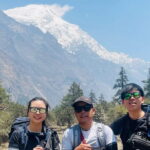
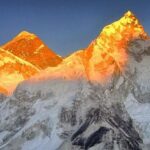
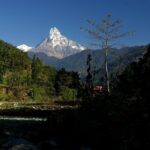
For many people, the real “why this trip works” moment is Poon Hill. You’ll hike up to Poonhill (around 3232m) to catch sunrise views. This is where you get wide mountain panorama energy—weather can change fast in the Himalaya, but sunrise often gives the clearest sense of scale. The views highlighted on the trip include peaks such as Dhaulagiri (8167m), Annapurna I (8091m), and others in that same high-range world.
Then you continue onward to Tadapani. The transition matters: you’re not just chasing one viewpoint. After the sunrise payoff, you walk onward through small settlements and into the trekking-lodge network.
If you’re the sort of traveler who gets anxious when plans feel vague, you’ll probably like this structure: there’s an obvious “big moment” (sunrise at Poon Hill), followed by a clear next move.
One thing to keep in mind: one day on this trek is described as an extreme elevation gain with very steep stairs—around 3000 stairs in one push. That doesn’t mean you can’t do it. It does mean you should prepare mentally and pace yourself rather than sprinting.
Ghandruk, rhododendron forests, and finishing in Syauli Bazaar
After Tadapani, the next day shifts to a more relaxed feel: you descend gently toward Ghandruk through dense forests. The trek notes rhododendron and oak forests, plus lots of birdlife. Even if you’re not a bird person, the forest soundscape is real—crickets, birds calling, and that cooler shaded walking that can feel like a break after earlier climbs.
Ghandruk itself is a memorable village stop. These places are where you see the human side of the trek: stone steps, terraces, and the daily life that keeps moving despite tourists.
Then comes the final trekking day, described as easy and mostly gentle descent through rice fields and local villages to Syauli bazaar. This last stretch is the one that helps you “come down” from trekking mode. It’s also the day you often feel the most gratitude, because you finally see how the trek connects to the regular agriculture of the region.
At the end of the hiking portion, you go back to Pokhara. This makes a difference: you’re not immediately thrown into the next big experience. You get a breather before the wildlife trip.
Chitwan jungle lodge, Tharu village tour, and welcome to the lowlands
Then you fly—or rather, bus—into another world. You travel from Pokhara to Chitwan in about 6 hours. The shift is big: Annapurna hill trekking gives you high views and forest hills; Chitwan brings hot, lowland atmosphere and a different wildlife rhythm.
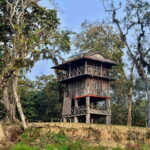
On arrival, you check into a jungle lodge and start with a Tharu village tour. That’s a smart inclusion because it gives context for what you’re about to spend time experiencing. Chitwan isn’t only about animals in the grass. It’s also about people living with the park and its seasons.
A lodge in the jungle is not the same as a hotel in Kathmandu. Expect basic comfort and a lot more “nature sounds” in the background.
This part of the trip also works well if you like cultural experiences, but don’t want museum time. Tharu stick dance and village life are often more fun than you’d expect—especially when it’s built into the day’s schedule.
You can also read our reviews of more tours and experiences in Kathmandu
Safari activities: jungle walk, river-crossing safari, stick dance, and birdwatching
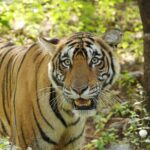
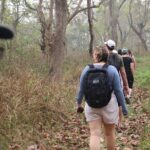
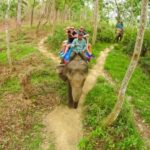
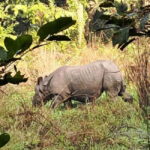
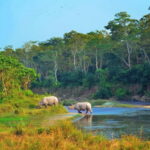
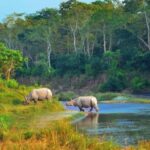
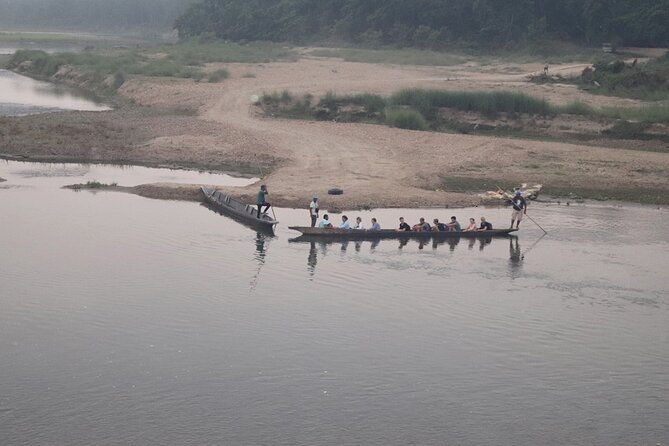
Chitwan’s main day is a full chunk of wildlife time. The plan includes jungle walking and a jungle safari across streams and into the jungles. You’re not just sitting in one spot hoping something walks by. The format is designed to put you on animal-likely paths and waterways.
You’ll also enjoy Tharu cultural entertainment, including a stick dance that’s described as part of the day’s program. That keeps the safari day from feeling like only one long game of patience.
Then you get a different wildlife angle the next morning: bird watching. This is valuable because birds are active even when bigger animals stay hidden. If you’ve ever felt frustrated by “nothing happened on the safari,” birdwatching is a great backup plan built into the itinerary.
After birdwatching, you drive back to Kathmandu and check into your hotel. That means you end on city comfort before departure—nice if you want a shower, a real meal, and a chance to pack without a rush.
Price and value: what your $950 covers and what to budget separately
At $950 per person for about 12 days, you’re paying for a lot of moving parts: trekking permits, a local guide, transport between the main regions, and a planned meal schedule.
Here’s what the price covers that actually matters to your budget:
- 11 nights of accommodation
- Airport transfers
- Local guide throughout
- Tourist bus transport between Kathmandu, Pokhara, and Chitwan
- Trekking permit and TIMS permit
- Breakfast included 11 times, lunch 7 times, dinner 6 times
Now for the “budget reality” items not included:
- Nepal entry visa fee
- Travel insurance
- Drinks and snacks, plus meals not listed
- International airfare
- Tips for guide, porter (if you use one), and driver
- Entrance fees for Kathmandu sights on day 2 (about $25 per person)
- A trekking porter is not included if you need one (though past travelers have described porter support being assigned when someone was slower)
So is $950 fair value? For the mix you get—Kathmandu temples, 5ish days of trekking through the Annapurna region to Poon Hill, and multi-part Chitwan safari—yes, it’s often strong value compared to booking each piece separately. The key is to remember the extras: visa, insurance, and entrance fees can add up, and tipping is part of the real cost.
Also check the group discount angle. The operator mentions group discounts, and the max group size is 14, so smaller groups can still get individualized attention.
Fitness reality check and practical packing tips
This trek is listed for travelers with moderate physical fitness. That’s the right label, but here’s what you should plan for specifically.
The itinerary includes a day with steep elevation gain and a very stair-heavy climb—described as about 3000 stairs in one push. Even if you’re healthy, this kind of climb can drain energy fast. The best strategy is simple: slow start, short steps, steady breathing, and take breaks before you feel wrecked.
Altitude is also part of the equation. You’ll reach Poon Hill around 3232m, plus you’ll hike in the Annapurna region with higher points along the way. You don’t need to be a mountain athlete, but you do need sensible pacing and hydration.
Packing tips that keep you comfortable:
- Layers for early mornings in cooler trekking altitudes
- Good traction shoes for stone and dirt steps
- A light rain shell (the Himalaya can change quickly)
- A small daypack for water, snacks, and a warm layer
- Cash for entrance fees in Kathmandu and for any extra purchases on the way
Bring snacks you can tolerate. The itinerary covers meals, but drinks and sweet extras are not included, and lodge food can be basic.
Who should book this Nepal adventure trek
This tour is a great fit if you want three things in one trip:
1) cultural Kathmandu days with big-name sites,
2) a classic Annapurna region intro trek with Poon Hill sunrise, and
3) Chitwan wildlife with multiple activity styles and Tharu culture.
It’s also a good match if you prefer a small-group experience. With a maximum of 14 travelers, you’re less likely to feel like a number in a large bus line.
The guides mentioned in past feedback include Raj and Amrit, and an airport representative named Saroj. What stands out from that guidance style is care with logistics and pacing—helpful if you’re not the fastest in the group. One traveler described being assigned a porter for support during the trek, which is exactly the kind of problem-solving you’ll appreciate if you worry about energy levels.
If you’re the type who loves a mix of mountains and wildlife and you don’t want to plan between regions yourself, you’ll probably enjoy how the schedule connects everything.
Should you book this 12-day Nepal Adventure Trek with Jungle Safari?
Book it if you want a ready-made plan that hits the big Nepal highlights—Kathmandu’s major religious sites, an Annapurna trek centered on Poon Hill, and a Chitwan safari experience with more than one wildlife format.
Don’t book it if you hate steep stairs and you’d rather do a mostly gentle hike. This itinerary isn’t brutal all the time, but it includes at least one day that can feel like a big stair push.
If you’re okay planning for that challenge, and you like structured days with a guide who handles the details, this looks like a strong value. At $950, the permits, transport, and guided mix are doing most of the work for you—so you can focus on seeing Nepal rather than wrestling logistics.
FAQ
What’s included in the $950 per person price?
The tour includes 11 nights of accommodation, airport transfers, a local guide throughout, tourist bus transport between Kathmandu, Pokhara, and Chitwan, trekking permit and TIMS permit, and meals (breakfast 11 times, lunch 7 times, dinner 6 times).
What’s not included, besides international airfare?
Not included are the Nepal entry visa fee, travel insurance, meals not stated in the itinerary, alcohol and nonalcoholic drinks and sweet things, tips for guide/porter/driver, trekking porter (if you need one), and entrance fees for Kathmandu sights on day 2 (listed as $25 per person).
Do I need to arrange a trekking permit or TIMS myself?
No. Trekking permit and TIMS permit are included.
How physically demanding is the trek?
It’s geared for travelers with moderate physical fitness. Expect at least one steep, stair-heavy day (one past participant warned about around 3000 stairs in a single push), so pacing matters.
Is airport pickup included, and when do we meet?
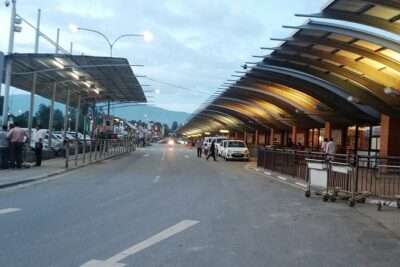
Yes, airport transfers are included. The meeting/start time is 6:15 am at Tribhuvan Airport in Kathmandu, Nepal.
What safari and wildlife activities are included in Chitwan?
Chitwan includes a Tharu village tour and then a full day of jungle activities: jungle walking and jungle safari across streams into the jungles. The next morning includes bird watching.
Can I cancel and get a full refund?
Yes, if you cancel up to 3 days in advance of the experience start time. If you cancel less than 3 full days before the start time, the amount paid is not refunded.