REVIEW · ANNAPURNA BASE CAMP TREKS
Annapurna Base Camp Trek – 10 Days
Book on Viator →Operated by Himalayan Recreation Treks & Expedition Pvt.Ltd · Bookable on Viator
A base camp trek to the 4,130m zone is serious, not boring. This 10-day Annapurna Base Camp itinerary blends culture time in Kathmandu and Pokhara with a guided hike into the Annapurna Conservation Area to Annapurna Base Camp. It’s also built with comfort-minded details like guided tea-house nights and organized transport, which matters once the altitude starts doing its thing.
I like two things a lot: the trek is handled with a government-licensed guide and support team, and the route is structured for gradual movement between key waypoints like Chhomrong, Sinuwa, and Jhinu Danda. I also like that you’re not stuck with just “walk until you die”—you get flexibility to adjust within the program, plus a romantic-couple friendly rhythm if that’s your vibe.
One consideration: you’re going to be walking at demanding altitude around 4,130m, and the weather can shift fast. Even fit people can feel rough up there, so you’ll want realistic expectations, good pacing, and travel insurance that covers emergency medical needs.
In This Review
- Key things that make this Annapurna Base Camp trip work
- Kathmandu first: temples, markets, and getting your footing
- The Pokhara change: bus ride views, then lakeside decompression
- Day 3: Chhomrong direction and Poon Hill viewpoint energy
- Day 4: Sinuwa climbs and the stone-steps reality check
- Day 5: Annapurna Base Camp day—where the air changes
- Day 6: Retracing toward bamboo and reading the trail differently
- Day 7: Jhinu Danda loop—stone steps again, then deeper countryside
- Day 8: Back to Nayapul, then Pokhara lakes and Sarangkot
- Day 9: Patan Durbar Square and the Kathmandu return day
- Day 10: Final Kathmandu walks and airport drop
- Price and value: what $699 buys (and what it doesn’t)
- Guides, porters, and the kind of support that keeps you going
- What your packing and medical plan should look like
- Who this Annapurna Base Camp trek is best for
- Should you book this Annapurna Base Camp trek?
- FAQ
- How high does the trek reach?
- What fitness level do I need?
- What’s included in the $699 price?
- Are airport transfers included?
- Do I need travel insurance?
- How large is the group?
Key things that make this Annapurna Base Camp trip work
- Tea-house trekking with 6 nights on the trail keeps nights simple and social without needing tents.
- Kathmandu + Pokhara downtime helps you acclimate mentally before you chase altitude.
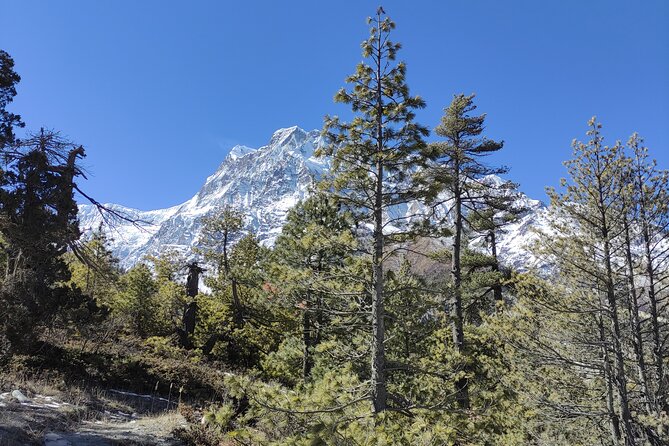
- Chhomrong–Sinuwa–Base Camp route hits classic ABC terrain while keeping a sensible back-and-forth profile.
- Smaller max group size (up to 12) makes the trek feel more human and easier to manage.
- Guides and porters get specific praise for care, professionalism, and steady support on the ground.
- Organized transport (tourist bus Kathmandu–Pokhara, private car Pokhara–Nayapul) reduces day-of stress.
Kathmandu first: temples, markets, and getting your footing
Most ABC treks fail quietly because people arrive tired and disorganized. Here, Day 1 is designed to prevent that. You fly into Tribhuvan International Airport, get picked up, and are escorted to your hotel in Kathmandu. Then you meet your guide and settle in for the overnight.
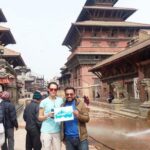
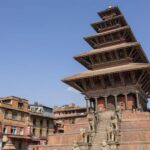
You’ll also have time to walk in Thamel, the classic tourist neighborhood where you can handle last-minute gear needs (the program notes that required trekking gear can be bought or rented in Kathmandu with guide help). There’s sightseeing built in too—Kathmandu Durbar Square and Pashupatinath Temple are listed, both very different in feel. Durbar Square gives you the dense, old-city energy; Pashupatinath brings a solemn riverside temple atmosphere.
Why this matters for your trek: it’s not just sightseeing. It’s where you get your schedule rhythm—wake up, eat, meet the guide, move as a group. That pacing becomes your anchor once you start climbing.
A small drawback? Kathmandu can be busy and traffic-heavy. If you’re arriving on a long flight, plan to keep Day 1 low-key and don’t overdo extra side trips.
You can also read our reviews of more hiking tours in Kathmandu
The Pokhara change: bus ride views, then lakeside decompression
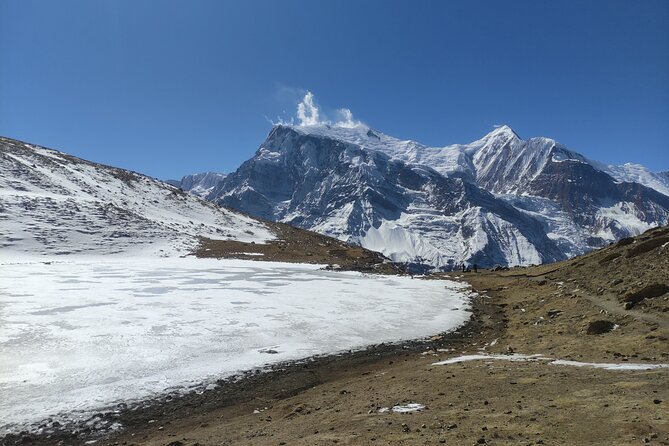
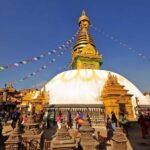
On Day 2, you shift from Kathmandu to Pokhara. The program uses a scheduled bus drive to Nayapul, with scenic river views along the way. You’ll have time included around major viewpoints/landmarks such as Swayambhunath and Chandragiri Hills, depending on the day’s timing, before or around your transfer.
Then you land in Pokhara Lakeside for the next stage of your trip. This is where the vibe changes: less chaos than Kathmandu, more open-air breathing room. It’s a smart staging move. ABC trekkers often spend too much time “ramping up” and not enough time letting their body settle.
You’ll sleep with breakfast in Pokhara (included), which is useful because your first full trek days will ask for steady energy and hydration habits.
Day 3: Chhomrong direction and Poon Hill viewpoint energy
Day 3 is one of those “big trek feels start here” days. Chhomrong is on the plan, which is a major marker for ABC hikers. You follow a trail through woodlands and rhododendron-heavy sections toward Chhomrong, and the schedule notes that the day can be uneven and challenging on the feet.
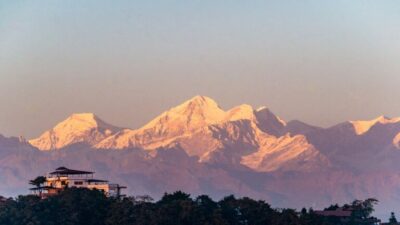
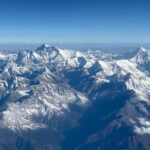
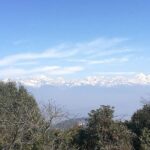
You also have Poon Hill on the stop list. Poon Hill is famous for mountain views, and in practice it acts as a morale boost: you get a reward-feeling moment before you commit fully to the higher part of the trek.
What I like about this setup: you’re not hit with the hardest altitude immediately. You’re building confidence with terrain you can feel, while still getting those Himalayan sight moments that make the work worth it.
What to watch: your legs may feel fine in the morning and rough later. ABC days often come down to foot management—blisters, tight calves, and small balance issues become the real problem if you ignore them early.
Day 4: Sinuwa climbs and the stone-steps reality check
Day 4 takes you toward Sinuwa. The itinerary describes crossing a riverbed and ascending a long set of stone steps (2,500 steps are specifically mentioned). You’ll reach Sinuwa after that effort, and the day also includes excellent sightlines of the Annapurna area as you move.
This day is a good “reality check” for your pacing. If you go too fast, you’ll pay for it later. If you go steady—short steps, consistent breathing—you’ll arrive with enough energy to enjoy the tea-house nights instead of just collapsing.
Practical tip: since stone steps can be rough on knees and ankles, it helps to use trekking poles if you have them. They’re not mentioned as included, but the program does say you can get required trekking gear support in Kathmandu—so poles are the kind of thing you can request guidance on.
Day 5: Annapurna Base Camp day—where the air changes
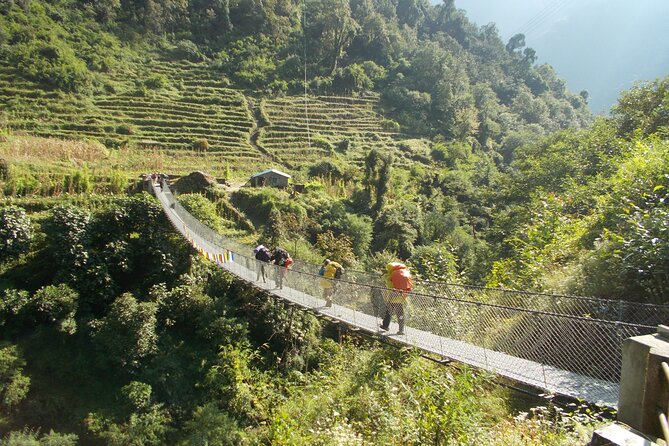
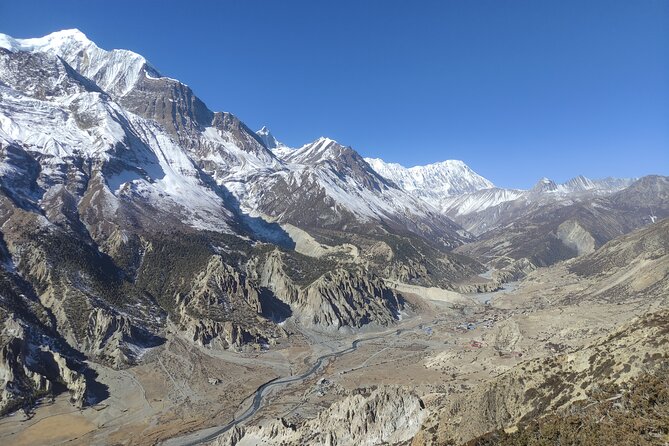
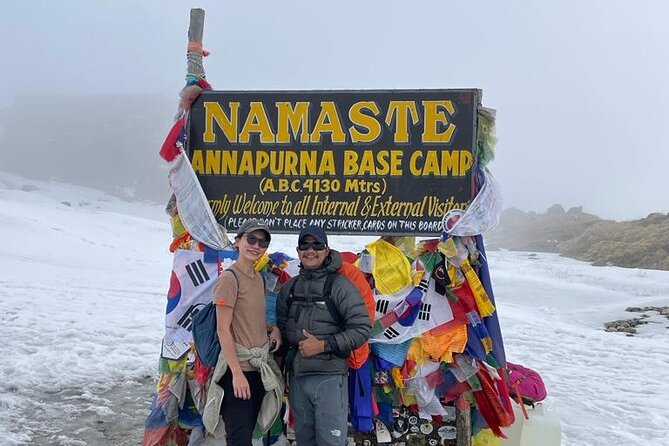
Day 5 is the headline: the trek to Annapurna Base Camp. The route is described as climbing gently alongside a riverbed toward Bagar, then continuing on toward the Machhapuchhre Base Camp area. The itinerary calls it somewhat strenuous, and you should treat it that way.
The big factor isn’t just distance—it’s altitude. ABC sits at 4,130m, and that number is doing work long before you reach it. Expect the day to feel harder than you think it should, because your breathing and energy use shift.
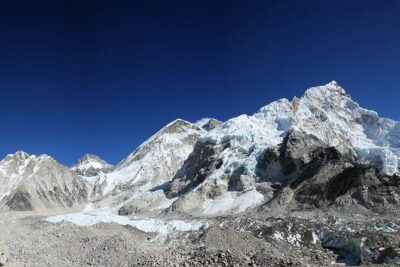
When you finally get there, the value is obvious: you’re standing at the kind of mountain scale that makes words useless. But what’s less obvious until you’re there is the practical payoff. Base camp days often give you a calmer, clearer mind. People come back feeling mentally sharper, because the mountain forces you to focus on the simple stuff: step, breath, water, rest.
Downside: if you’ve been pushing hard to “win” the trek, this day punishes that attitude. The safest plan is to walk at a pace that lets you talk in short sentences.
Day 6: Retracing toward bamboo and reading the trail differently
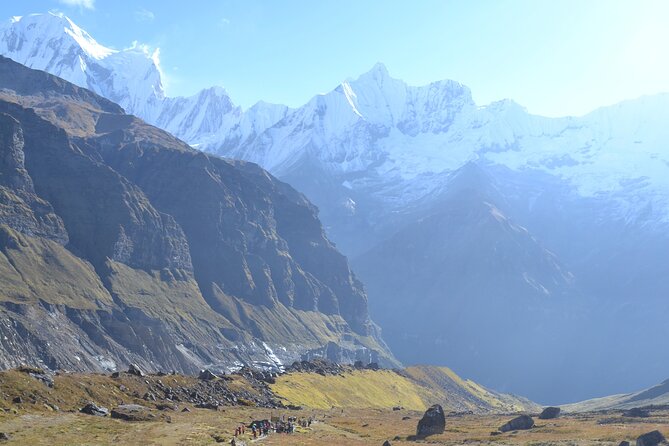
Day 6 brings the return—retracing steps back toward bamboo and trekking through a sanctuary area. The itinerary specifically notes a moist, wetland feel of the landscape as you go along the route and that the trail passes over smaller features (the details after that line are cut off, but the key point stands: you’re moving through different terrain conditions than the dry, higher stretches).
This is one reason I like ABC itineraries that include a backtrack day. Your body gets a chance to move without the full upward grind. And your brain starts recognizing the trail, which makes navigation and effort feel easier even though you’re still working.
What to watch: the downhill back days can be knee-heavy. Treat it like training for recovery—not like a free pass to rush.
Day 7: Jhinu Danda loop—stone steps again, then deeper countryside
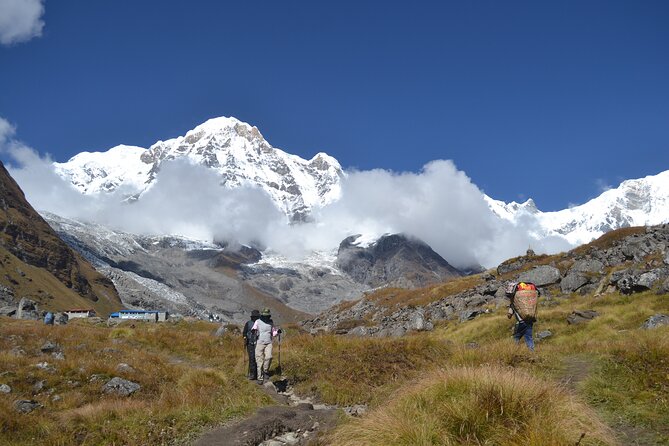
Day 7 is a classic return-loop day. The plan includes Jhinu Danda, then climbing uphill from bamboo toward Kuldighar before descending again toward Chhomrong Khola. You’ll climb stone steps again to Chhomrong as part of the day’s rhythm, then follow the trail back toward the next stop.
The value here is twofold. First, you get more time in familiar villages rather than constantly moving into the unknown. Second, you’ll see more of how local life sits alongside the trekking route—farm plots, terraces, and everyday movement.
If your goal is an authentic feel of the Annapurna region rather than just a “summit badge,” this is where that happens. Also, this is one of the days where having a guide who can keep you calm and moving at the right pace makes a real difference.
Day 8: Back to Nayapul, then Pokhara lakes and Sarangkot
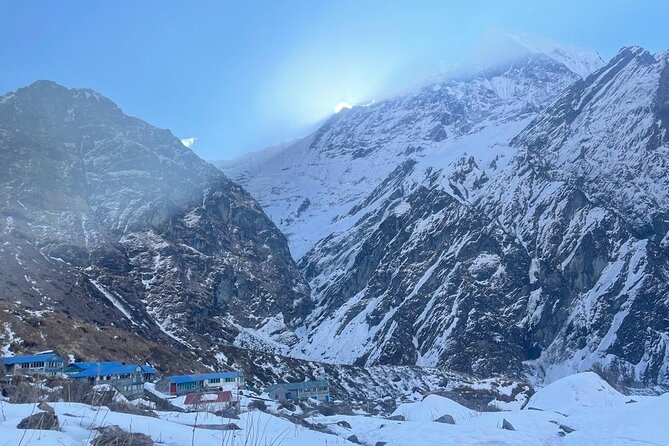
Day 8 shifts you out of trekking mode. You’ll trek from Jhinu toward Nayapul through countryside with distant Annapurna views and rice plantations described as part of the scenery. Then you return to Pokhara.
The itinerary includes a quick lake stop at Phewa Tal and also lists Sarangkot. That combination is a smart decompression: you’ve earned stillness, and you can get mountain views without hiking another 1,000 vertical meters.
This day also matters emotionally. After days of altitude and effort, you’ll appreciate normal food routines and the chance to fully reset.
Day 9: Patan Durbar Square and the Kathmandu return day
Day 9 is your drive back to Kathmandu from Pokhara. You also get a stop at Patan Durbar Square. Patan (Lalitpur) has a different feel than Kathmandu Durbar Square—more refined in design, and often less chaotic once you’re inside the historic zones.
The itinerary also notes that you can choose to stay one more day or return to your hometown, depending on your departure plans.
Practical advice: don’t schedule a tough flight day. Your body might feel better after the trek ends, but it can also take a few days for knees, feet, and sleep cycles to fully normalize.
Day 10: Final Kathmandu walks and airport drop
Day 10 is the easy landing. Team members assist with last-minute prep and drop you at Tribhuvan International Airport. Along the way, you’ll have included stops like Garden of Dreams and Narayanhiti Palace Museum.
This is a nice way to close the loop: mountains in your rearview mirror, Kathmandu’s calmer corners in front of you, and a gentle ending instead of a hard sprint to catch a flight.
Price and value: what $699 buys (and what it doesn’t)
The price is $699 per person for 10 days, with meals and accommodations structured to make the trek realistic for most people.
What’s included:
- Transfers from and to the airport
- 2 nights in Kathmandu and 2 nights in Pokhara with breakfast (3-star category is mentioned as starting hotel level)
- 6 nights in tea houses during the trek
- Kathmandu–Pokhara–Kathmandu by tourist bus
- Pokhara–Nayapul–Pokhara by private car
- A government-licensed guide plus food, drinks, accommodation, insurance, salary, equipment, transport, and local taxes for the guide team
- First aid kit and a Himalayan Recreation T-shirt
- Farewell dinner with cultural show
- Breakfast (9) is listed as included
Not included:
- Lunch and dinner in Kathmandu and Pokhara are listed at $150 per person
- Gratuities at $50 per person
From a value point of view, the biggest “hidden costs” on treks are usually logistics and coordination: guides, permits paperwork, and organizing your trail nights. This package covers a lot of that foundation, which is why the trek can feel smoother and more predictable.
If you’re the type who hates trip-planning stress, this is a strong fit. If you love total DIY control, you might prefer a more bare-bones option—but the convenience here is the point.
Guides, porters, and the kind of support that keeps you going
One of the most praised elements in the feedback is the human support around the trek. Names show up repeatedly: Santosh and Asok as guides/crew, with porters also mentioned for guidance and steady encouragement. People also thanked team members like Dibo and Varat in Kathmandu/Pokhara stages.
I take that seriously. On ABC, the mountain isn’t just a physical challenge; it’s a decision-making challenge. When to slow down, how to pace on uneven ground, how to handle a tough day’s footing—good guides and porters reduce the chance you do something dumb because you’re tired.
The program also emphasizes basic first aid training among leaders and awareness of closest medical facilities. That doesn’t mean everything is risk-free at 4,130m, but it does mean you’re not going into the backcountry blind.
What your packing and medical plan should look like
Altitude is a key warning in the program details. You’re walking at around 4,130m, with possible extreme weather swings. They recommend you discuss the trip with your doctor. Travel insurance that covers medical expenses and emergency repatriation is required, and you must show proof to your tour leader on the first day.
Packing details aren’t listed item-by-item, but the trip states that required trekking gear is available to buy or rent in Kathmandu, with help from your guide. That’s important because it means you’re not stuck guessing.
Also, extra luggage can be left at the office or hotel and picked up on return. That’s practical—keeping weight off your trekking days makes a big difference.
Who this Annapurna Base Camp trek is best for
This trip fits you if:
- You have moderate fitness and can handle demanding altitude days
- You want a structured experience with a pro guide and tea-house comfort
- You like the mix of temples + market city time plus high-mountain trekking
- You’re traveling as a couple or small group and want a shared, supportive pace
It may be a stretch if:
- You’re sensitive to altitude and haven’t talked with a doctor about the risks
- You don’t handle long days on uneven trails well
- You’re hoping for a totally hands-off, DIY style trek
Should you book this Annapurna Base Camp trek?
If your goal is the real ABC experience without turning your trip into a logistics project, I’d book it. The combination of organized transport, tea-house planning, and government-licensed guiding is exactly what you want when you’re walking into the 4,130m zone. Plus, the positive focus on guide and porter support gives you confidence that the trip’s not just “here’s the map, good luck.”
If you’re unsure about altitude, slow down in your decision-making. Confirm your insurance covers emergency repatriation, talk to your doctor, and plan to pace like you mean it. Do that, and this is the kind of trek that can leave you with both big views and a calmer, more capable feeling that lasts longer than the hike itself.
FAQ
How high does the trek reach?
The itinerary treks to Annapurna Base Camp at an altitude of about 4,130m (13,550 feet).
What fitness level do I need?
The program recommends moderate physical fitness. You should be prepared for demanding altitudes and uneven terrain, and for weather that can change quickly.
What’s included in the $699 price?
It includes airport transfers, 2 nights in Kathmandu and 2 nights in Pokhara (with breakfast), 6 tea-house nights during the trek, trekking and sightseeing support, Kathmandu–Pokhara–Kathmandu transport by tourist bus, Pokhara–Nayapul–Pokhara by private car, a government-licensed guide, a first aid kit, taxes/VAT/service charges, and a farewell dinner with cultural show.
Are airport transfers included?
Yes. Transfers from and to Tribhuvan International Airport are included.
Do I need travel insurance?
Yes. Travel insurance that covers medical expenses and emergency repatriation is required, and proof must be shown to the tour leader on the first day.
How large is the group?
The maximum is 12 people per booking, and it’s described as private activity for your group.