REVIEW · EVEREST BASE CAMP TREKS
Everest Base Camp Trek
Book on Viator →Operated by Adventure Great Himalaya Trek and Expedition · Bookable on Viator
Altitude starts with a short hop. The Everest Base Camp trek pairs a guided 15-day plan with big mountain days—plus the payoff at Kala Patthar (5,545m) for sunrise views. I like how it’s built around real acclimatization stops, so the trip feels paced, not random altitude roulette.
My second favorite part is the practical package: meals on trek days, lodge sleeping, trekking permits, and even trekking basics like a sleeping bag and walking poles. The only real drawback to plan around is that Lukla flights can be weather-fragile, so the itinerary includes a buffer day to absorb delays and cancellations.
In This Review
- Key things that make this Everest Base Camp trip tick
- How the trek really feels: Lukla to Everest Base Camp, one good day at a time
- Kathmandu arrival, the 7:15 start, and why that first day matters
- Day-to-day in plain language: from Phakding through Namche
- Days 2-3: Lukla flight, then descent and the Dudh Koshi corridor
- Days 3-4: Namche Bazaar acclimatization with museums and big views
- Tengboche to Dingboche: monasteries, villages, and the altitude grind
- Day 5: Tengboche—forests to views of Everest, Lhotse, and Ama Dablam
- Days 6-7: Dingboche and the second acclimatization day
- Lobuche and Gorakshep: where the trail starts feeling serious
- Day 8: Lobuche—memorial ridge and rocky terrain
- Day 9: Gorakshep and Everest Base Camp
- Kala Patthar at sunrise: the hard part that earns the best memories
- The return down: Namche to Lukla, same trail, new attitude
- Day 11: back toward Namche through Pangboche and Tengboche
- Day 12: the final trekking day to Lukla
- Kathmandu recovery: using the buffer day and resting for real
- Price and value: what you pay for, what you still need to budget
- What’s included (and why it matters)
- What isn’t included (budget list)
- Who this trek fits best, and who should think twice
- The human side: why the guide crew matters on Everest
- Should you book this Everest Base Camp trek?
- FAQ
- Where does the trek start, and what time are you picked up?
- How long is the Everest Base Camp trek?
- What is the highest altitude you reach?
- Are flights to Lukla included?
- How are accommodations handled during the trek?
- Are meals included?
- Do you get a porter, and is there a limit on group size?
- What equipment is included?
- What happens if the Lukla flight is delayed or canceled?
- Is this experience refundable if plans change?
Key things that make this Everest Base Camp trip tick
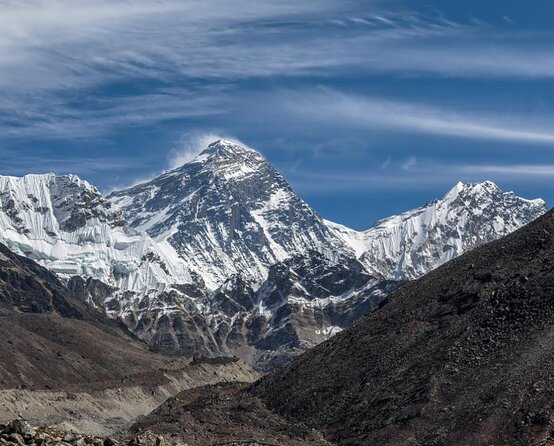
- Kala Patthar sunrise at 5,545m: a steep early push that many people remember more than Base Camp.
- Acclimatization built in: two altitude adjustment days around Namche and Dingboche.
- Small group size (max 12): easier to manage pacing and logistics on the trail.
- Shared porter support for two trekkers: helpful when your pack gets heavy from cold layers and gear.
- Permits and Sagarmatha National Park fees handled: fewer admin headaches once you’re in Nepal.
- Lukla flight buffer day: not fun, but it’s smart planning for unpredictable mountain weather.
How the trek really feels: Lukla to Everest Base Camp, one good day at a time
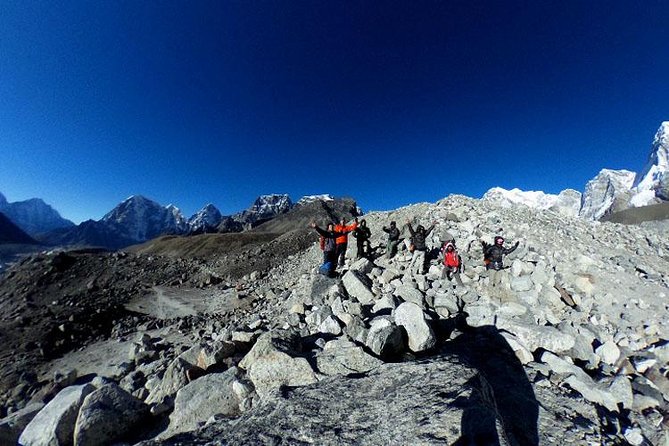
Everest Base Camp is the kind of goal that sounds simple until you’re climbing in thin air. This trek keeps it doable by treating altitude like a guest you have to respect. You go up gradually, you take real acclimatization breaks, and you get structured help from a guide and a crew.
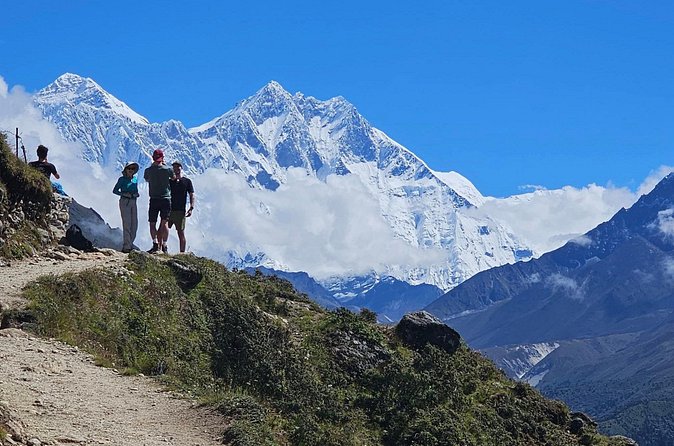
Day one is straightforward: you land at Tribhuvan International Airport, get met, and transfer to your Kathmandu hotel to reset from travel. Then the mountains take over—first with that short flight to Lukla, and then with long mountain walks where the trail is your rhythm. The Dudh Koshi River corridor shows up repeatedly, with suspension bridges, prayer flags, mani walls, and Sherpa villages. It’s not just about the final altitude number. It’s about how the route changes under your feet: from pine forests to rocky, high-altitude stretches where every step feels like work.
You’ll also notice the cultural side is not tacked on. It’s part of the daily scenery: monasteries and Sherpa settlements, village life, and viewpoints that give you a different angle on Everest, Lhotse, and friends.
You can also read our reviews of more hiking tours in Kathmandu
Kathmandu arrival, the 7:15 start, and why that first day matters
Your trip starts at Tribhuvan Airport in Kathmandu, with a 7:15am start time and pickup to your hotel. That early timing is a quiet gift. You get daylight for paperwork, orientation, and getting your head on straight before the trek days begin.
On arrival day, you’ll meet your guide for a briefing. This matters more than people think, because Everest trekking is a gear-and-pacing game. If you know what’s ahead—cold layers, walking rhythm, how the group moves, and what to expect on flight days—you’ll feel calmer on trail.
In Kathmandu, you also get the basic reality check: Everest is huge, but your trip is built on timing. The mountains control the schedule more often than you’d like, especially with Lukla flights. That’s why having a plan that includes buffer time and a crew that knows how to handle uncertainty is worth real attention.
Day-to-day in plain language: from Phakding through Namche
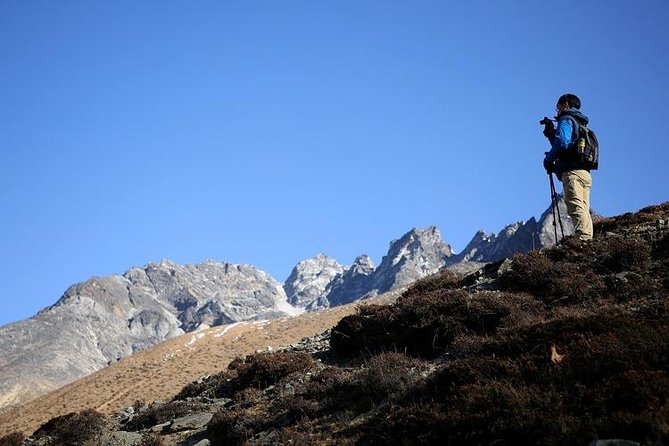
Here’s the day-by-day rhythm in a way that helps you picture your feet, not just your photos.
Days 2-3: Lukla flight, then descent and the Dudh Koshi corridor
After landing in Lukla, you start with an easy descent toward Phakding. This early move helps your body settle into trekking mode. You’ll pass Sherpa villages and traditional features like mani walls and prayer wheels, which add a lived-in feel to the route rather than making it feel like a theme park trail.
Then you head toward Namche Bazaar along the Dudh Koshi River. Expect suspension bridges with prayer flags and sections through pine forests. You’ll also enter Sagarmatha National Park, a UNESCO-listed area. It’s the kind of place where your travel passes through strict conservation and that’s part of why permits are handled for you.
A practical note: these early days are about conserving energy. You’re building a base for the altitude days ahead.
Days 3-4: Namche Bazaar acclimatization with museums and big views
Namche Bazaar is where you slow down on purpose. You get time to acclimatize and explore. The route gives you an easy win: you can wander the market area and local spots like bakeries, plus visit the Sherpa Museum. If you want a cultural break that doesn’t feel like a long detour, this is it.
Then you have a short hike option—either toward the Everest View Hotel area or on the Khumjung side—for panoramic views. This is a smart acclimatization strategy: you move your body, but you’re not going “higher” in a dramatic way that day.
What I like about this structure is that it reduces the panic of acclimatization. You can tell yourself: you’re not behind. You’re following the plan.
Tengboche to Dingboche: monasteries, villages, and the altitude grind
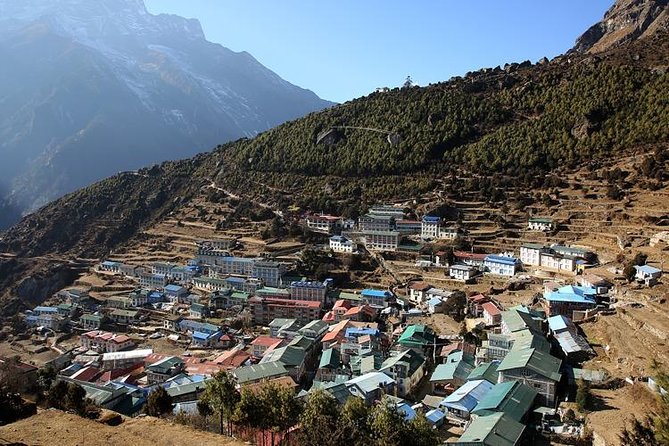
Once you leave Namche, the trek begins to feel more “Himalaya specific”—more exposed sections, colder air, and that sense that the mountains are closing in.
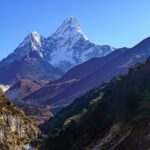
Day 5: Tengboche—forests to views of Everest, Lhotse, and Ama Dablam
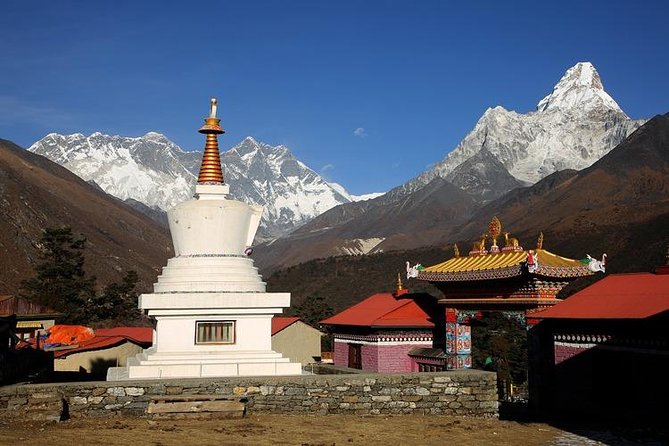
The day walks out with gentle ascent and sharp views. Rhododendron and pine forests show up, and then the route descends toward the Dudh Koshi River again. Suspension bridges return, and you’re reminded that even when the climb seems manageable, crossing terrain at altitude is still slow going.
Tengboche is also known for its monastery area and the way it frames the peaks in your line of sight. Even without overhyping it, this is one of those stops where you feel the Sherpa culture and the mountain scenery share the same space.
Days 6-7: Dingboche and the second acclimatization day
Day 6 moves toward Dingboche, with a descent through forests to Debuche and a crossing over the Imja Khola. You’ll climb past Pangboche, described as the highest permanent settlement in the region. That detail gives you a clue about what kind of environment you’re stepping into—habitation continues, but it’s tough, cold, and seasonal in feel.
Day 7 is your second acclimatization day. You’ll do a scenic hike to Nagarjun Hill (5,100m) for panoramic views that include Makalu, Lhotse, and Island Peak, then return for lunch and downtime in Dingboche.
This day is crucial. It’s where you learn what “altitude” means for your breathing and your sleep. If you keep walking steadily and don’t race the group, you’ll usually feel better for the push toward higher ground.
Lobuche and Gorakshep: where the trail starts feeling serious
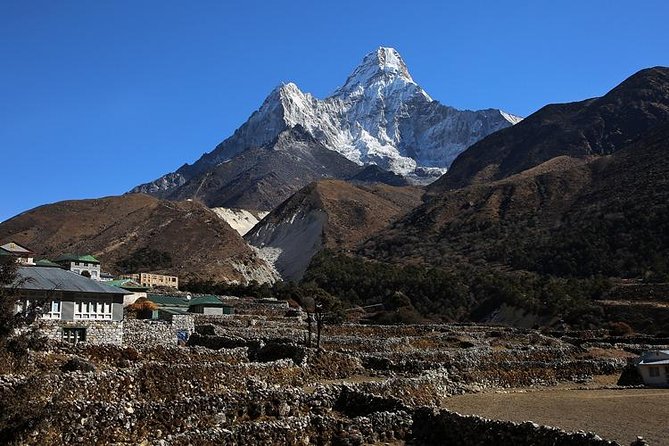
After the Dingboche area, the trek shifts into a more rugged, exposed style.
Day 8: Lobuche—memorial ridge and rocky terrain
Day 8 climbs through a rocky landscape with sparse vegetation. You pass the village of Dughla and then reach the memorial ridge honoring climbers who lost their lives on Everest. This is not a quick photo stop. It tends to put everything into perspective fast—especially when you’re heading toward the most famous mountain on Earth.
The route continues toward Lobuche, and the terrain is less forgiving on the feet. If you’re sensitive to cold, this is also when you’ll really feel it—wind and thin air make a difference even on days that aren’t the longest.
Day 9: Gorakshep and Everest Base Camp
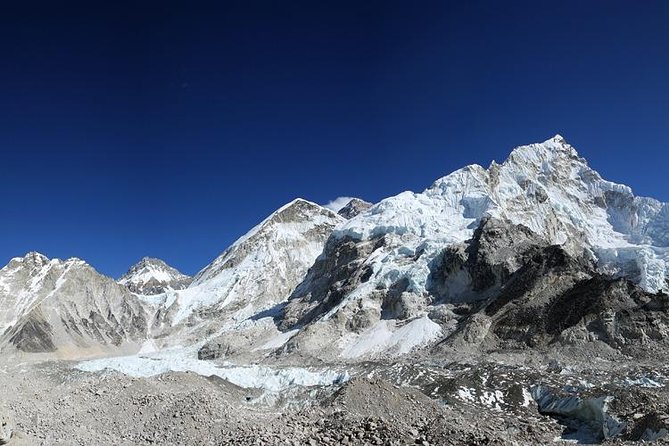
You’ll trek to Gorakshep, described as the last settlement before Base Camp. After lunch, the route goes across rocky terrain and glacier moraines to reach Everest Base Camp. This part feels “iconic” because it’s not just a viewpoint. It’s a destination shaped by the way the mountain is approached, and it carries the weight of mountaineering history.
The big win here is that you’re not rushing to Base Camp. You get time to adjust, walk well, and then arrive ready to take in what you’re actually standing in front of.
Kala Patthar at sunrise: the hard part that earns the best memories
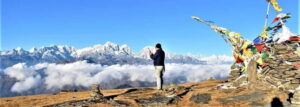
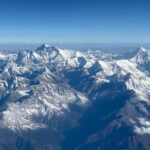
If there’s a single moment that defines this trek, it’s Kala Patthar. Day 10 is an early push to the top for the best sunrise views of Everest and the surrounding Himalayan giants, reaching 5,545m.
Early starts can be rough. Your body will still be waking up while your legs are already working. But this is exactly the kind of day where having a guide and a guided structure helps you focus. You don’t waste energy negotiating the plan. You just move, breathe, and follow what the day asks of you.
You’ll soak up the views, then descend toward Gorakshep for breakfast. From there, you continue down to Pheriche for the night. That’s the deal: Kala Patthar is the peak moment, but the descent is what keeps the trek safe and sustainable.
One winter note: a December experience shared that the cold can be extreme, with minus-weather conditions. That’s a good reminder to bring serious cold protection if your travel window is winter. The route is the same idea, but the temperature changes how your gear performs.
The return down: Namche to Lukla, same trail, new attitude
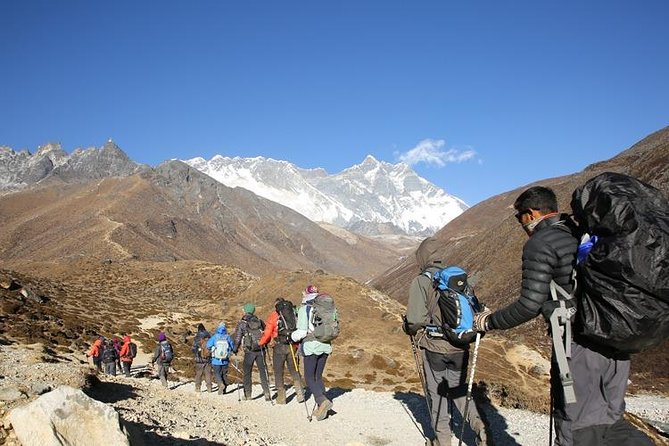
The next days are still work, but they’re not the same kind of work. You’re moving downhill, often through forests again, and the trail can feel longer because you’re tired in a different way.
Day 11: back toward Namche through Pangboche and Tengboche
You follow familiar sections, passing Pangboche and Tengboche with new perspectives. Forest sections can feel more alive, and you’ll cross suspension bridges over the Dudh Koshi River again. After high points, this can feel like mental relief: you’re not climbing toward another altitude benchmark today.
Still, downhill days can be tough on knees and ankles. Steady pace beats hero strides. Use poles if you’ve got them.
Day 12: the final trekking day to Lukla
Day 12 is your downhill walk back to Lukla through pine forests and high suspension bridges. This is the last big “trail day” before the flight home. It’s a nice moment to reflect on the people you met along the way—because Everest trekking is social, even when you’re walking alone in your head.
Kathmandu recovery: using the buffer day and resting for real
Day 13 brings the flight from Lukla back to Kathmandu, described as about 45 minutes. It’s one last view of the Himalayas, then you’re transferred to your hotel for a well-deserved rest.
Day 14 is a smart buffer. It’s kept as a cushion in case your Lukla-to-Kathmandu flight gets delayed or canceled due to unpredictable mountain weather. If everything runs on time, you get a spare day. If it doesn’t, you’re not left scrambling.
That buffer day is a big part of the trip’s value because it protects your schedule. It also gives your body more time to recover—use that wisely.
Day 15 ends with a transfer to Tribhuvan International Airport for your onward flight. You’ll be tired in a good way: the kind of tired that comes with altitude memory, not just walking fatigue.
Price and value: what you pay for, what you still need to budget
At $1,800 per person for about 15 days, this trek sits in the “major adventure” category. What you get for the money matters more than the headline number.
What’s included (and why it matters)
You’re covered for:
- Meals on trek days (breakfast, lunch, dinner)
- Lodge accommodations during the trekking portion
- Permits and Sagarmatha Conservation fees
- A porter for between 2 trekkers
- Ground transportation and the Kathmandu ↔ Lukla flight tickets
- Kathmandu hotel nights: 3 nights in town plus 11 nights in lodges
- Trek equipment: sleeping bag, duffel bag, walking pole
This is the kind of package that prevents the common cost creep of Everest trekking. Permits and domestic flight planning can be the difference between a calm trip and a stressful one.
What isn’t included (budget list)
You’ll still need to plan for:
- Nepal visa and international airfare
- Personal travel insurance
- Tips for guide and porter
Also, equipment is provided, but you should still confirm fit and warm-layer needs before you go. Cold is not the same for everyone, and winter trips can be brutally unforgiving.
Who this trek fits best, and who should think twice
This is a guided Everest Base Camp trek with a maximum altitude at Kala Patthar and a moderate fitness requirement. That combination makes it a strong choice if you:
- Like structured days with acclimatization built in
- Want cultural stops along the way, not just peak chasing
- Prefer small group pacing (max 12)
You should think twice if:
- You have knee or balance issues that don’t handle long downhill days well
- You dislike cold and winter conditions without strong gear (some experiences report very cold minus-weather in December)
- You need a schedule that cannot flex if Lukla flights are disrupted (that buffer day helps, but it can’t guarantee perfect timing)
The human side: why the guide crew matters on Everest
Everest trekking is not a spreadsheet. It’s people solving real problems: weather changes, pacing decisions, and keeping the group safe on trail.
One shared experience praised guide Krishna for handling the trip well even with minus-weather conditions, so you can focus on the hiking while the logistics get managed. Another review credited Babu and his team for making the overall journey smoother.
Names aside, the message is clear: a good guide turns uncertainty into a system. You’ll appreciate that most on the days where you’re tired, cold, and trying to keep your breathing steady.
Should you book this Everest Base Camp trek?
I’d book it if you want the classic Everest Base Camp route with guided support, included permits and flights, and a plan that respects acclimatization. The combination of lodge comfort, included meals, and trekking basics like poles and sleeping bag reduces decision fatigue, which is a real luxury when the air gets thin.
If you’re going in winter—or you hate cold with a passion—then plan like it’s going to be very cold, bring serious layers, and accept that weather can disrupt flights. The buffer day helps you absorb that reality without panic.
If you’re ready for a challenging, structured mountain walk with real Sherpa culture along the way, this is a strong way to do Everest Base Camp without turning it into a DIY project.
FAQ
Where does the trek start, and what time are you picked up?
The trek starts at Tribhuvan International Airport in Kathmandu, Nepal, with a listed start time of 7:15am and pickup offered.
How long is the Everest Base Camp trek?
It’s approximately 15 days, including a mix of trekking and acclimatization days.
What is the highest altitude you reach?
The maximum altitude is 5,545 meters at Kala Patthar.
Are flights to Lukla included?
Yes. Kathmandu to Lukla and return Kathmandu flight tickets are included, and the Lukla-to-Kathmandu flights can be affected by weather.
How are accommodations handled during the trek?
You’ll have 3 nights in a Kathmandu hotel and 11 nights in trekking lodges along the route.
Are meals included?
Yes. The package includes meals on trekking days (breakfast, lunch, and dinner).
Do you get a porter, and is there a limit on group size?
A porter is included for between 2 trekkers, and the group size is limited to a maximum of 12 travelers.
What equipment is included?
Trekking equipment included in the package includes a sleeping bag, duffel bag, and walking pole.
What happens if the Lukla flight is delayed or canceled?
The itinerary includes an extra buffer day in Kathmandu time to cover possible flight delays or cancellations between Lukla and Kathmandu.
Is this experience refundable if plans change?
No. It’s non-refundable and cannot be changed for any reason.