REVIEW · 1-DAY TOURS
Kathmandu: Trisuli River Rafting Day Trip with Lunch
Book on GetYourGuide →Operated by Peak to Peak Treks · Bookable on GetYourGuide
A day on the Trisuli River is pure motion. You’ll get a scenic drive from Kathmandu, then jump straight into Class II and III rapids with a real safety briefing and full rafting gear. For me, the best part is how approachable the trip feels for first-timers, without turning it into a boring float.
I also like that the day isn’t just adrenaline. You get a proper riverside lunch after rafting, with time to relax and even cool off with a swim when conditions allow. The one thing you should watch is timing: the official day length can look shorter than what you experience once you add real driving time and river downtime.
In This Review
- Key things to know before you go
- The Trisuli River rafting vibe: adrenaline with training wheels
- Getting to the river from Kathmandu: scenic drive, real-time planning
- Gear and safety briefing: what you’ll actually do before you go
- Rafting on the Trisuli: what Class II–III feels like in practice
- Riverside lunch: the part people often forget to plan for
- Return to Kathmandu: late afternoon to early evening, with buffer
- Price and value: is $57 fair for a day like this?
- Who this is best for (and who should skip it)
- What to bring so the day stays comfortable
- Small rules that matter: drones and expectations
- What to say yes to during the day
- Should you book this Trisuli rafting day trip?
- FAQ
- How long is the rafting portion?
- What rapids will I face?
- Is transportation included from Kathmandu?
- What rafting gear is provided?
- Is there lunch included?
- Can I swim during the trip?
- What should I bring and wear?
Key things to know before you go
- Rapids are Class II–III: exciting, but still beginner-friendly with the right guidance
- Gear is included: life jacket, helmet, and paddle, so you travel lighter
- You’re picked up from your hotel: fewer logistics to juggle in Kathmandu
- Lunch is riverside: a real break after paddling
- Swimming time is possible: wear quick-dry gear so you can switch fast
The Trisuli River rafting vibe: adrenaline with training wheels
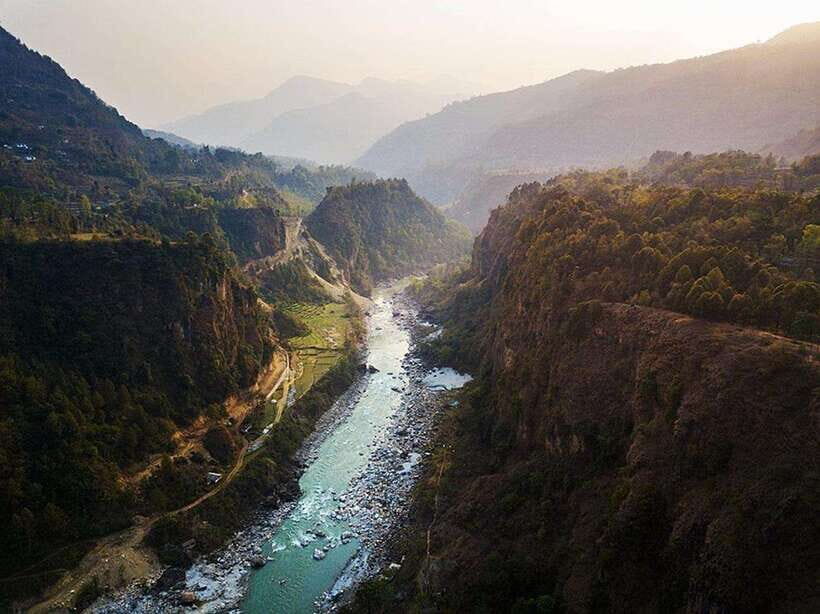
White-water rafting in Nepal has a way of feeling bigger than the activity itself. The Trisuli River gives you real river energy, but this day trip is set up for people who don’t want a technical, expert-only white-knuckle route.
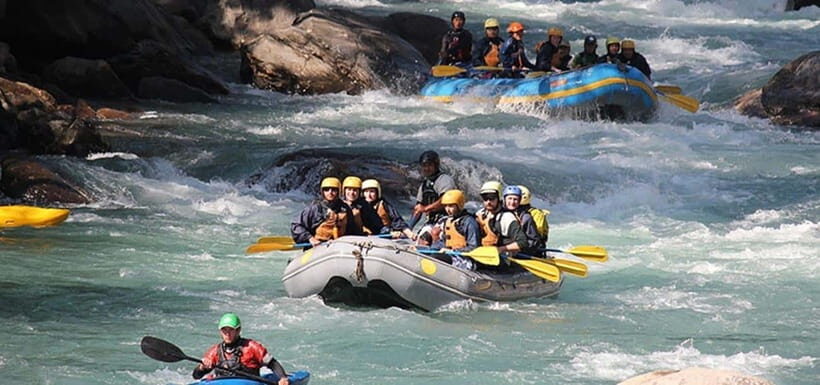
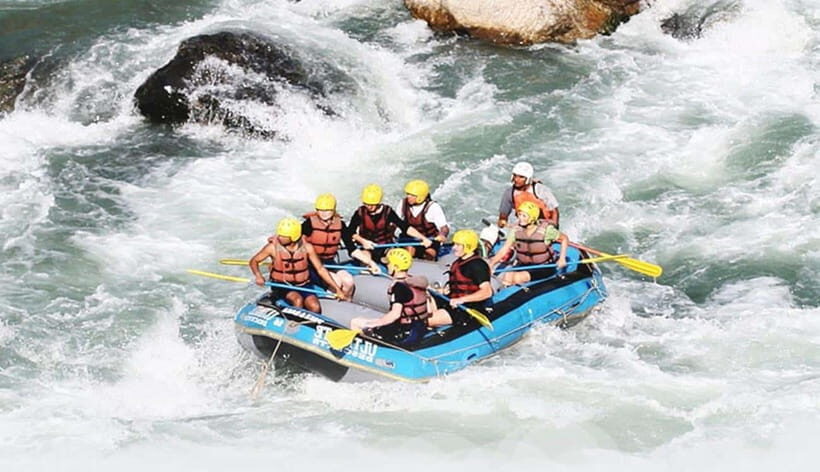
The mix of Class II and III rapids matters. Class II is where you learn the rhythm of rowing and staying balanced. Class III is where you start paying attention to commands, because the water gets choppier and the route decisions happen faster. In plain terms: you’ll likely feel challenged, but not out of your depth.
And you’re not just dropped at the river with a paddle and vibes. You’ll get a safety briefing from experienced guides, plus the standard setup of a life jacket, helmet, and paddle. That’s the foundation that makes a rafting day fun instead of stressful.
You can also read our reviews of more tours and experiences in Kathmandu

Getting to the river from Kathmandu: scenic drive, real-time planning
This trip starts with pickup from your hotel in Kathmandu. From there, you drive to the rafting starting point, passing lush hills and terraced fields along the way.
That drive is part of the experience. You’re trading city noise for countryside views, and you can use the ride to settle in, snack a little, and make sure your bag has what you need for when you get wet. If you’re the type who likes to photograph life on the road, this is a good stretch to watch the scenery.
One practical note: rafting days can run longer than the headline duration. Between transfer time and river timing, build in buffer. If your schedule is tight later that evening, pick a flight or appointment with cushion.
Gear and safety briefing: what you’ll actually do before you go
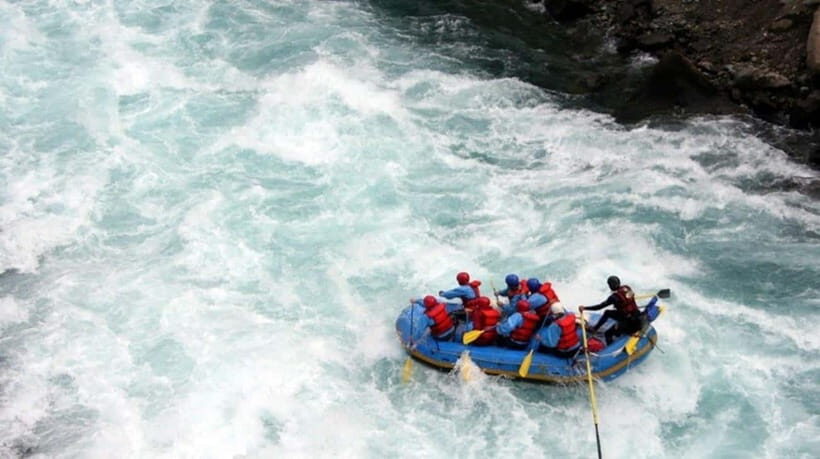
Before you hit the water, you change into rafting clothes and gear up. You’ll be provided with life jacket, helmet, and paddle, which is a big value point—those are the essentials you’d otherwise have to rent or buy.
Then comes the safety briefing. The goal is simple: help you understand hand signals, how to sit and paddle, and what to do when the river gets pushy. This is also where you learn how your guide wants you to react to calls from the boat.
Bring this mindset: you’re not fighting the river. You’re cooperating with it. Once you get that, the rapids feel less like danger and more like controlled chaos.
Rafting on the Trisuli: what Class II–III feels like in practice
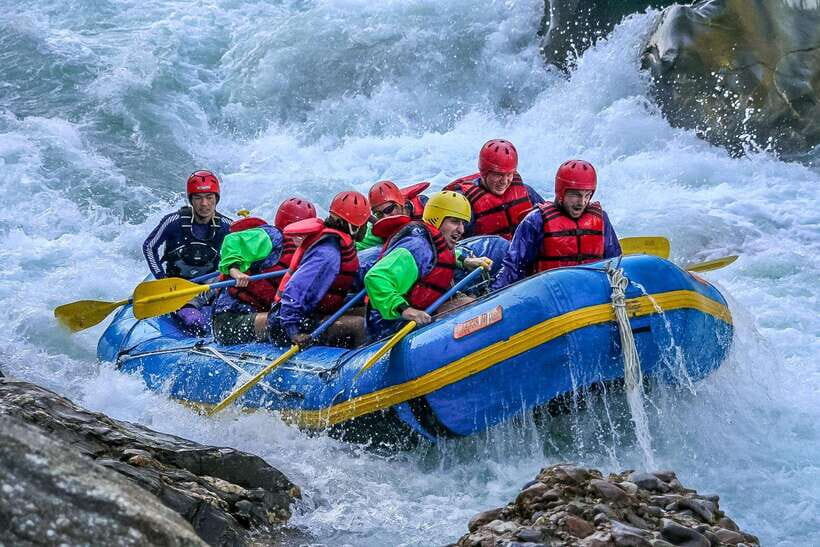
The rafting portion is about 2–3 hours on the Trisuli River. Expect paddling in a moving system: bursts of effort, short calmer stretches, and then another push when the water tightens up.
With Class II and III, the experience usually has a clear progression:
- You start by learning where your paddle goes and how your body holds steady.
- Then you hit sections where timing matters more, because waves come at you faster.
- By the end, you’re reading the river rhythm instead of just reacting to it.
You’ll also get constant scenery as you go. The river runs through rolling hills and lush greenery, so even when you’re focused on staying upright, you’re still getting that sense of place.
There’s also an included opportunity for swimming and relaxation. Whether you get to do it depends on conditions, but the trip is set up so you’re not just paddling nonstop. You’ll have at least some time to reset after the main action.
Riverside lunch: the part people often forget to plan for
After rafting, you’ll have riverside lunch. This is where the day turns from effort to recovery. You’ll get out of wet gear, warm up or cool down as needed, and eat something solid before the return drive.
Riverside lunch is also a social breather. Even in a private group, it’s nice to sit, talk through the best rapid, and laugh about the one moment you thought you were going in. This kind of pause is part of why rafting feels like a day trip rather than a workout you survive.
You can also read our reviews of more tours and experiences in Kathmandu
Return to Kathmandu: late afternoon to early evening, with buffer
After lunch and some relaxation, you start the drive back to Kathmandu. The plan is to arrive late afternoon or early evening.
Real talk: you should assume “late” can slide a bit. Day trips in Nepal often depend on road conditions, timing at the river, and group coordination. If you want a smooth finish, schedule no-pressure plans afterward.
Also, keep your quick-dry items handy. You’re going to want comfortable clothes for the ride back, not damp fabric that turns cold as the light changes.
Price and value: is $57 fair for a day like this?
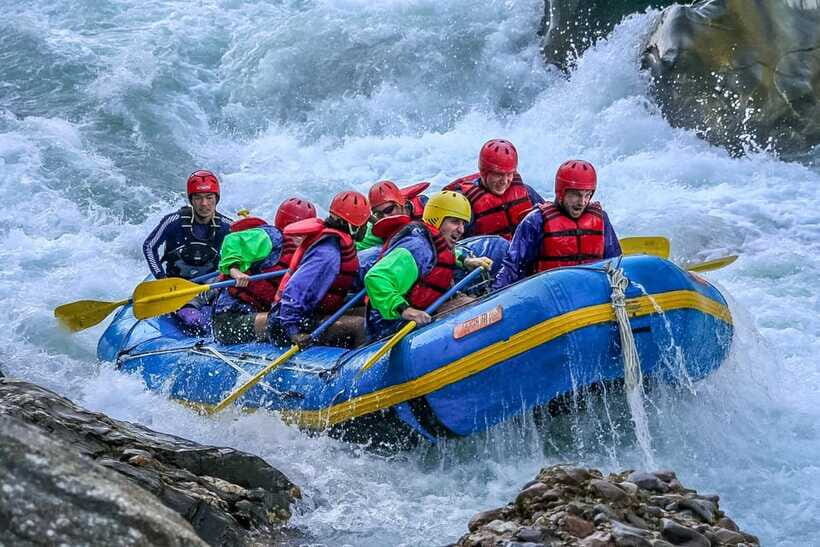
At $57 per person, this trip can be good value if what you want is a low-fuss rafting day with gear and guidance handled for you. You’re paying for:
- transport from Kathmandu and back
- all key rafting gear
- English-speaking instruction and a safety briefing
- about 2–3 hours on the water
- riverside lunch
Where value gets complicated is time. The provided duration is listed as 7 hours, but real-world timing can stretch once you account for long transfers and waiting. If you’re comparing rafting options, don’t just compare price—compare how the day fits your schedule.
So my rule of thumb: if you’re flexible and you want a guided first rafting experience, the price looks reasonable. If you’re operating on a tight timetable, you’re taking on some risk that the day could run long.
Who this is best for (and who should skip it)
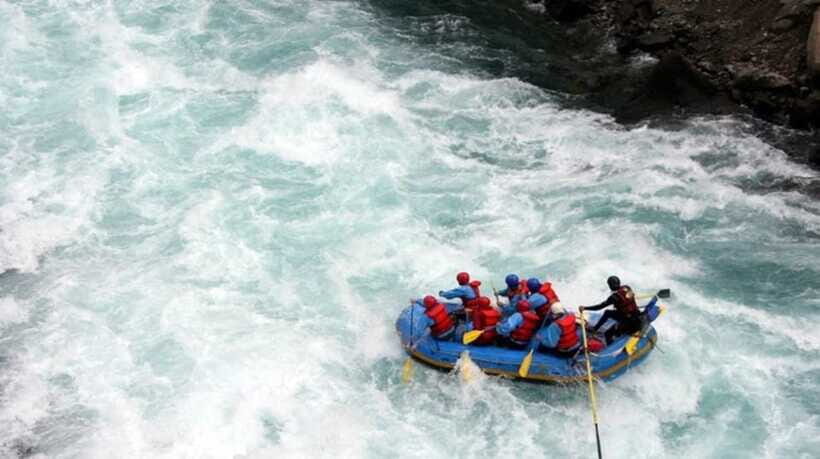
This rafting day is a strong match for people who want beginner-friendly white-water. The Class II–III range usually works well when you listen to instructions and keep your expectations realistic.
It’s also a good fit if you want more than paddling. You get time to relax at the river, and the riverside lunch makes the day feel complete.
It’s not for everyone. The trip is listed as not suitable for:
- pregnant women
- people with heart problems
- wheelchair users
- people over 95 years
If you’re unsure about whether it fits your health needs, the safest move is to check first rather than guessing.
What to bring so the day stays comfortable
You’ll be wet for part of the day, so pack with that in mind. The essentials listed are:
- sunglasses
- change of clothes
- towel
- sunscreen
- quick-dry clothing
I’d add one practical mindset: keep your “dry kit” easy to grab right after rafting. When you’re tired and damp, you don’t want to hunt for your towel. Also, wear clothing that can handle water without turning into sandpaper.
And yes, you should protect your eyes. River spray plus sun can be surprisingly intense.
Small rules that matter: drones and expectations
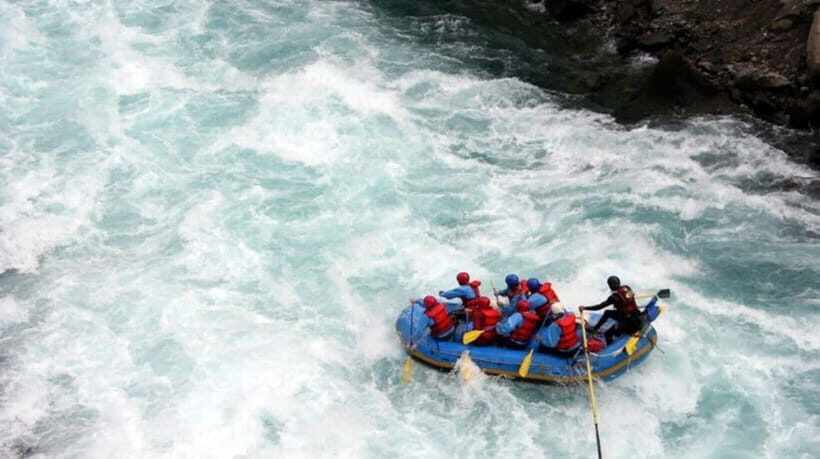
Drones aren’t allowed. If you’re tempted to bring one for river footage, leave it behind. Rafting is fast, and operations tend to be focused on safety and smooth group control.
Also, think about expectations. Even if you feel strong, the river is still the leader of the day. Listen, follow commands, and treat the briefing like part of the fun rather than a formality.
What to say yes to during the day
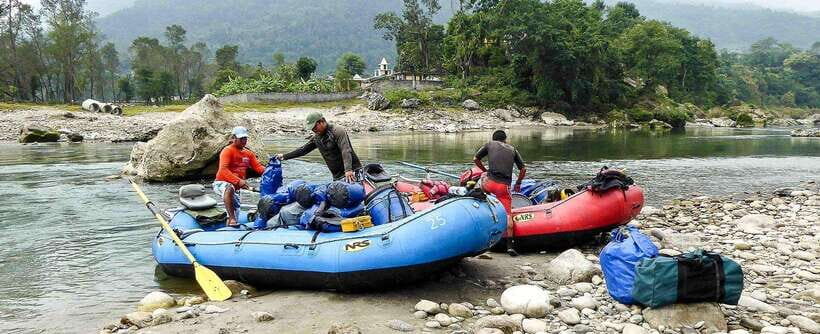
If you want the best experience, do these things:
- Stay alert during the safety talk, even if you’ve rafted before
- Keep your gear secure and your dry bag simple
- When you’re in the boat, focus on paddling on cue, not on resisting every bump
- After rafting, take the time to actually reset before the drive back
Rafting gets more fun when you stop fighting the river and start working with your crew.
Should you book this Trisuli rafting day trip?
I’d book it if you want a guided first white-water day with gear included, English-speaking instruction, and a real break built into the schedule with riverside lunch. The price looks fair for what you get, as long as you accept that your day might run long.
Skip or reconsider if you have a strict time window later in the day, or if health limits apply. And if you’re the type who hates uncertainty, build extra buffer into your Kathmandu schedule.
If you’re flexible, this can be exactly the kind of Nepal day that feels physical, scenic, and satisfying.
FAQ
How long is the rafting portion?
You get about 2–3 hours of rafting on the Trisuli River.
What rapids will I face?
The trip includes a mix of Class II and Class III rapids, designed to be manageable for beginners and intermediate rafters.
Is transportation included from Kathmandu?
Yes. You’ll be picked up from your hotel and transported to the rafting starting point and back to Kathmandu.
What rafting gear is provided?
You receive the necessary gear, including a life jacket, helmet, and paddle.
Is there lunch included?
Yes. You’ll have a riverside lunch after rafting.
Can I swim during the trip?
There is an opportunity for swimming and relaxation, depending on the day’s conditions.
What should I bring and wear?
Bring sunglasses, sunscreen, quick-dry clothing, a towel, and a change of clothes.