REVIEW · ANNAPURNA BASE CAMP TREKS
12 Days Annapurna Base Camp Trek
Book on Viator →Operated by Everest High Pass Adventures · Bookable on Viator
Stepping toward Annapurna starts in Kathmandu. This 12-day, moderate trek reaches about 4,130 meters, winding through rhododendron and oak forests, terraced fields, and Gurung and Magar villages on the way to Annapurna Base Camp. I like that the trail is scenic and well-known, with classic highlights like Poon Hill sunrise and a rewarding end at the natural hot springs. One consideration: the altitude and some steep sections (hello, stone steps) mean you’ll want a steady pace and decent hill stamina.
You also get real pre-trek support. After landing in Kathmandu, you’re transferred to Thamel and meet your guide for a trek briefing plus help with permits. This private setup means it’s just your group, and pickup is offered, which helps a lot when you’re new to Nepal.
Here’s the value angle: at $1,200 per person, the trip lists meals, excess baggage, and multiple fees as included, so you’re not constantly paying little add-ons. The main tradeoff is that public transportation and airport/departure tax are not included, so plan for those extras.
In This Review
- Key highlights to expect on this Annapurna Base Camp trek
- Kathmandu Valley prep: permits, a guide, and Thamel reality
- Pokhara as your Himalaya launchpad: overland drive or a quick flight
- Nayapul to Ulleri: the stone-step reality check and village life
- Ghorepani and Poon Hill: rhododendron forests and the sunrise payoff
- Chhomrong and the Annapurna corridor: terraced climbs and big views
- Past Deurali to Annapurna Base Camp: open meadows and the classic sunset
- Morning sunrise, then the long descent: Bamboo, Deurali, and MBC again
- Pokhara wrap-up and Kathmandu return: lakeside time after the hard part
- Price and what $1,200 covers (and what it doesn’t)
- Altitude and fitness: the “moderate” label still means work
- Teahouses, culture, and why villages matter on this route
- Everest High Pass Adventures: the guide factor (Mandip Ji comes up)
- Should you book this Annapurna Base Camp trek?
- FAQ
- What is the meeting point for this trek?
- Is pickup included?
- What’s included in the price of $1,200 per person?
- What isn’t included?
- How would you describe the fitness level needed?
- What happens if weather is poor?
Key highlights to expect on this Annapurna Base Camp trek
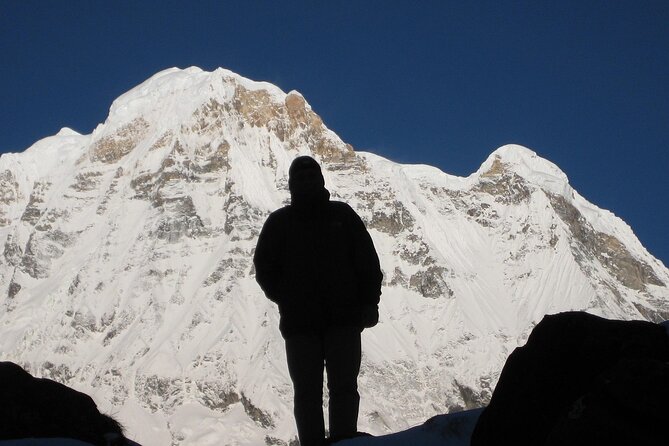
- Poon Hill early start for sunrise views over Dhaulagiri, Annapurna, and Machapuchare
- Stone steps and village paths that ease you into the rhythm (Ulleri is a classic warm-up)
- Teahouse trekking with meals included that keeps your days simple and consistent
- Annapurna Base Camp at sunset plus a second sunrise the next morning
- Jhinu Danda natural hot springs as your well-earned recovery stop
- Private group logistics with briefing and permit help right after you arrive
Kathmandu Valley prep: permits, a guide, and Thamel reality
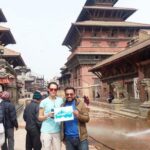
Your trek starts the practical way: land at Tribhuvan International Airport, get transferred to your hotel in Thamel, then meet your guide for a briefing. You’ll also handle permits with guidance, which matters because Nepal trekking isn’t just walking—paperwork is part of the journey.
I like that this first day doesn’t try to cram too much trekking. Instead, you get time to sort your gear, ask questions, and get your bearings. If you’re the kind of traveler who hates last-minute chaos, this format will feel like a relief.
One small logistical note: the trip doesn’t list airport/departure tax as included. So even though you get the airport transfer and early support, keep a little cash or card buffer for those items.
You can also read our reviews of more hiking tours in Kathmandu
Pokhara as your Himalaya launchpad: overland drive or a quick flight
On Day 2, you head to Pokhara—your gateway city by Phewa Lake and a launch point for Annapurna treks. You can go by overland drive (about 6–8 hours) or fly (around 25 minutes). That choice is useful depending on how you feel after travel.
If you prefer a calmer start, the flight saves fatigue. If you like seeing more of the countryside, the drive can be a pleasant transition day. Either way, Pokhara sets the mood: less city rush, more mountain anticipation.
This is also a day where it’s smart to keep your expectations realistic. You’re not yet on the trail full-time, so use the time to double-check your trekking kit and confirm any details your guide has asked for.
Nayapul to Ulleri: the stone-step reality check and village life
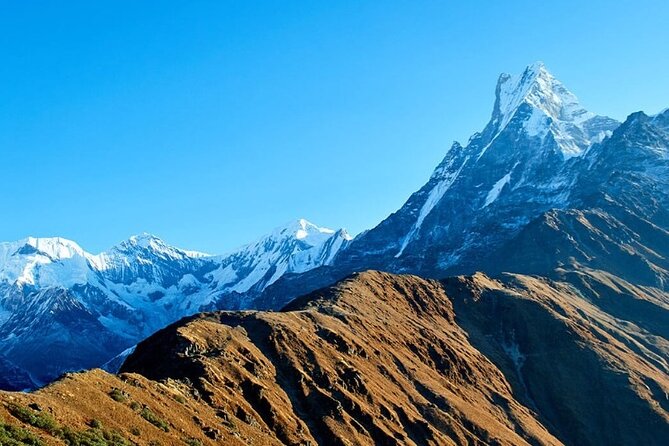
Day 3 brings you to the trailhead area at Nayapul after a drive of about 1.5 hours. From there, you’ll walk along a gentle route to Birethanti and Tikhedhunga, then tackle a steep ascent of over 3,000 stone steps to reach Ulleri village.
This segment is famous for one reason: it teaches you pacing fast. You’ll probably feel it in your legs, even if you’re fit. The trick is to keep your effort controlled so you don’t spend all your energy before the trek even settles into its normal rhythm.
Along the way, you pass through places that feel distinctly local—this isn’t a paved stroll through sightseeing stops. Ulleri also gives you a taste of how teahouse trekking works: simple guesthouses, basic comforts, and people who do this every day.
Ghorepani and Poon Hill: rhododendron forests and the sunrise payoff
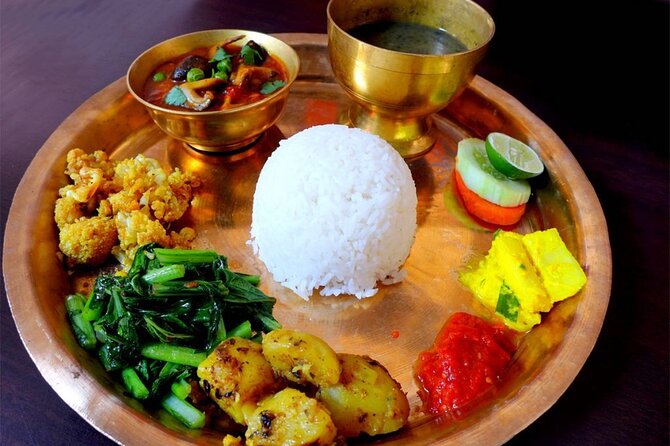
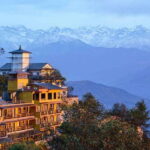
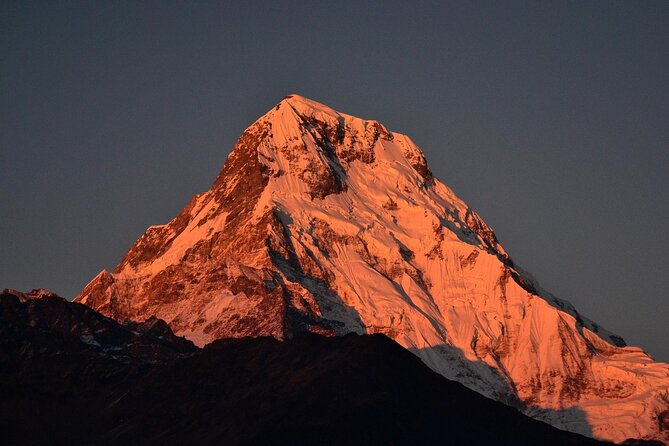
Day 4 takes you onward through dense rhododendron and oak forests, with waterfalls and Magar villages along the route. You arrive in Ghorepani, a popular village known for cool alpine air and panoramic views. This is the part of the trek where the trail feels alive—trees, tones of green, and frequent little scenic breaks.
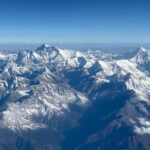
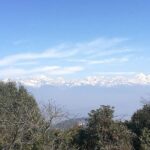
Then comes Day 5: a very early hike to Poon Hill for sunrise. The reward is big—views over Dhaulagiri, Annapurna, and Machapuchare. After breakfast back in Ghorepani, you head onward through forests that feel almost storybook when the light is right.
A practical tip: sunrise days can be deceptively tiring. You’ll walk before breakfast, then walk again after. So keep your layers ready and don’t overpack your sleep schedule the night before.
Chhomrong and the Annapurna corridor: terraced climbs and big views
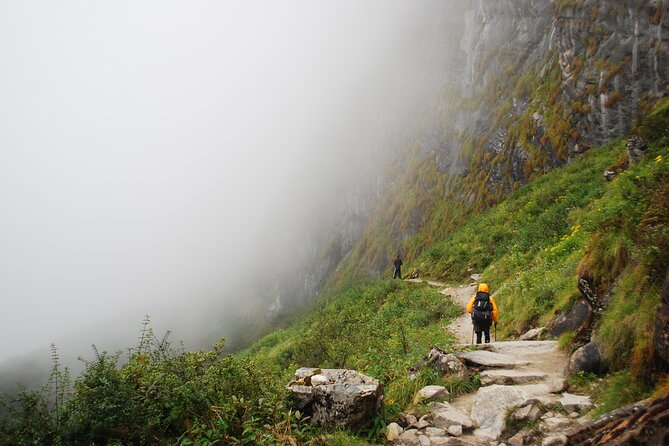
On Day 6, the trail shifts. You descend steeply toward a stream, then climb again through terraced farmland and forest to reach Chhomrong—a large Gurung village with excellent views of Annapurna South and the sacred surroundings of the region (the area is well regarded in local tradition).
Chhomrong is one of those places where the trek stops being just about effort and starts feeling like you’re in the real mountain “theater.” The village setting adds texture: you’re not only moving through terrain, you’re moving through community.
Day 7 continues the journey through Sinuwa and then bamboo forests, passing Bamboo and Dovan before reaching Himalaya in a quiet gorge area. This is a day where bamboo and the gorge setting can change the sound of the walk—less open wind, more sheltered walking. If you like steady, rhythmic trekking days, this is a good one.
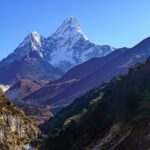
Past Deurali to Annapurna Base Camp: open meadows and the classic sunset
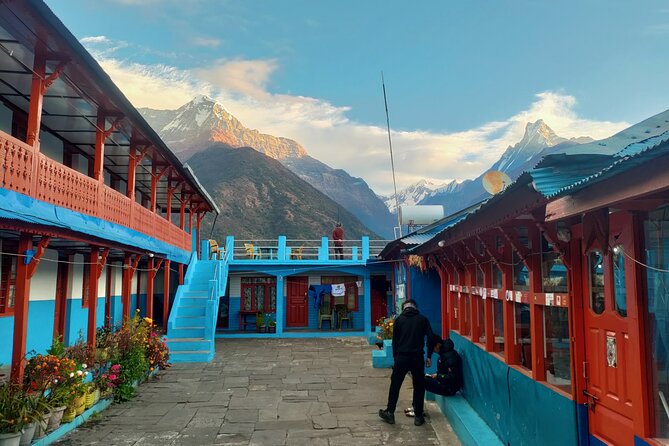
Day 8 is your big climb into the heart of the route. You’ll ascend past Deurali and MBC, moving from forest into open alpine meadows as the air thins and the mountain views expand.
Then you arrive at Annapurna Base Camp, surrounded by towering peaks. The itinerary specifically calls out a sunset moment here, and that’s the kind of memory trekkers don’t forget: you’re at the end of the hard part, watching light change across snow and shadow.
Day 8 included time for that sunrise setup to start the next day too. You’re not just dropping by base camp for a quick photo—you’re given the chance to experience it as part of the day’s rhythm.
One important reality check: higher altitudes can make even simple walking feel harder. Keep your breathing calm and your pace moderate. Your goal isn’t to prove anything; it’s to arrive comfortable.
Morning sunrise, then the long descent: Bamboo, Deurali, and MBC again
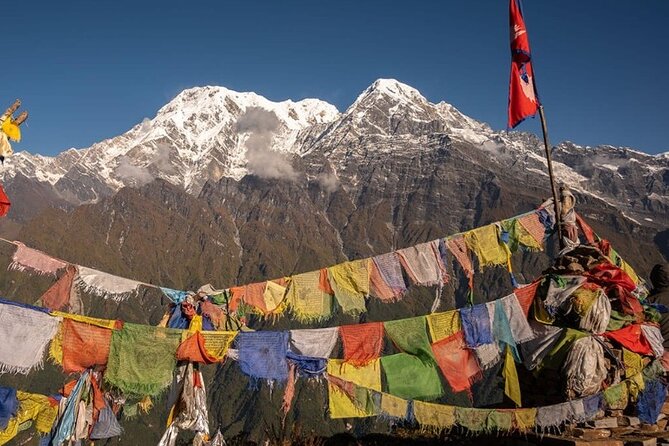
Day 9 brings an early sunrise over the Annapurna range, then you start descending the same route through MBC, Deurali, and Dovan back toward Bamboo. The descent is easier in effort, but it’s long—so you’ll want patience.
This is where trekking fitness becomes more about legs adapting than about speed. A long descent can wear down knees and ankles even if you feel strong. Plan to move carefully, take breaks before you’re exhausted, and keep your steps controlled.
Day 10 then takes you to Jhinu Danda. You trek uphill to Chhomrong again and descend steeply to Jhinu Danda, where the afternoon highlight is a dip in the natural hot springs by the riverside. That’s not just a nice extra—it’s a smart recovery move after days of leg work.
Pokhara wrap-up and Kathmandu return: lakeside time after the hard part
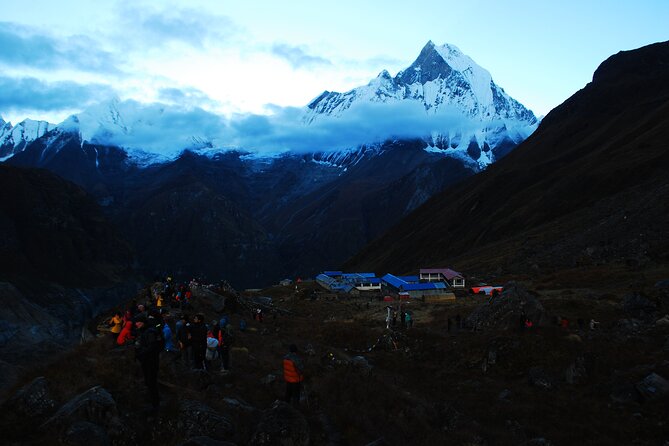
On Day 11, you trek a short distance to Siwai or Nayapul and then drive back to Pokhara. The finish is intentionally relaxing: a lakeside dinner, a massage, or simply time to sit, reflect, and let your body recover.
Day 12 closes the loop in Kathmandu. You either fly or drive back, depending on your schedule. If you have time, an extra night in Kathmandu can help you avoid the feeling of being rushed right after your trek.
This ending matters. Many treks forget recovery and just end abruptly. Here, you’re given at least one “soft landing” day.
Price and what $1,200 covers (and what it doesn’t)
For $1,200 per person, the included items listed are a big part of the value story:
- Meals
- Excess baggage
- WiFi on board
- Admission/government/entrance fees
Not included:
- Public transportation
- Airport/departure tax
So you’re paying for a guided, fee-covered trekking package rather than a bare-bones itinerary where you’re constantly figuring out extra costs. That’s especially helpful if you’d rather spend your energy on the trail than on budgeting every single day.
One more note: this is listed as a private tour/activity. That can change the feel of the group dynamic. It usually means fewer “compromise moments” about pacing and breaks, because it’s just your group moving together.
Altitude and fitness: the “moderate” label still means work
This trek is described as moderate, with good weather needed and a target altitude around 4,130 meters at Annapurna Base Camp. Moderate doesn’t mean easy. It means the route is designed for trekkers who can handle sustained walking and periodic steeper climbs.
The route includes:
- A major early climb with over 3,000 stone steps to Ulleri
- Multiple forest-to-meadow transitions as you gain altitude
- Long descents, especially after base camp
If you’re generally active, take breaks when needed, and pace smart, you can set yourself up well. If you know you get wiped out on uphill days, you may want to build some walking strength before you go.
Teahouses, culture, and why villages matter on this route
Teahouses are a core part of how this trek runs. You’ll sleep and eat in village guesthouses along the way, including places described as Gurung and Magar communities. That matters because the trek isn’t just scenery; it’s daily contact with people who know the routine of mountain travel.
You also pass terraced farmland and sections through bamboo forests, plus rhododendron and oak woodland. Those environments shape how the trek feels: cooler, shaded, and waterfall-lined earlier on, then more open and exposed as you approach higher terrain.
The hot springs at Jhinu Danda add a local “reset” too. It’s a natural end-of-line ritual after hard walking days, and it’s the kind of contrast that makes the trek feel complete.
Everest High Pass Adventures: the guide factor (Mandip Ji comes up)
The provider for this trek is Everest High Pass Adventures. The experience is private and includes a trek briefing and permit prep in Kathmandu, so you start with structure instead of confusion.
From past trek stories connected with this company, a guide name that shows up is Mandip Ji—often described as calm, caring, and very helpful with a friendly approach. You can’t guarantee a specific person, but it’s a good sign that the service focus is on supportive guidance, not just moving you from point A to point B.
Also, the reviews rating is high (5 with multiple comments), and the common themes are helpful responsiveness and guides who actually take care of people. That aligns well with a trek where weather, pacing, and altitude all require real judgment calls.
Should you book this Annapurna Base Camp trek?
I’d book this if you want a classic Annapurna Base Camp route with built-in structure: Kathmandu-to-Pokhara transfers, a guided start with permits, tea-house trekking with meals included, sunrise moments at Poon Hill and base camp, and a recovery finish at Jhinu hot springs.
I would think twice if you’re not comfortable with steep climbs or long descents, or if your schedule can’t flex around good weather needs. This is a trekking itinerary where conditions matter, so give yourself the best chance to enjoy it.
If you’re the type who likes clear planning but still wants a real mountain experience (villages, forests, simple lodges), this one fits.
FAQ
What is the meeting point for this trek?
The meeting point is listed as P924+79 Kathmandu, Nepal, and the activity ends back at the same meeting point.
Is pickup included?
Yes, pickup is offered.
What’s included in the price of $1,200 per person?
The listed inclusions are meals, excess baggage, WiFi on board, admission fee, and government/entrance fees.
What isn’t included?
Public transportation and airport/departure tax are not included.
How would you describe the fitness level needed?
The experience notes a moderate physical fitness level.
What happens if weather is poor?
The trip requires good weather. If it’s canceled due to poor weather, you’ll be offered a different date or a full refund. Cancellation is free up to 24 hours in advance for a full refund.