REVIEW · SPIRITUAL & SHAMANISM TOURS
Spiritual Nepal: Expert insight into Multifaith Journey
Book on GetYourGuide →Operated by Intrepid Urban Adventures - Asia · Bookable on GetYourGuide
Two faiths, one Kathmandu day of reverence. This multifaith journey strings together two UNESCO sites—Boudhanath and Pashupatinath—with real-life ritual moments you can’t get from a photo. I especially love joining locals on the prayer wheels at Boudhanath and seeing the arati light offering at Pashupatinath, where people clearly mean what they do.
One note before you go: the ceremony by the Bagmati River includes cremations, and it can feel intense if you’re not expecting a close look at death rites.
In This Review
- Key things that make this tour click
- UNESCO doubleheader in a tight 4-hour rhythm
- Starting at Hotel Marshyangdi: how the day is paced
- Boudhanath Stupa: Kora walking and the prayer-wheel lesson
- Rotating prayer wheels like you belong
- Optional butter lamps and photo boundaries
- A short shift in mood: from stupa calm to river-edge Hindu rites
- Sadhu life and the cremation ceremony near the Bagmati River
- What you can do to make this part easier
- Pashupatinath temple and the flow of daily devotion
- Seeing Hindu practice through people, not posters
- Palm reader option: future reading if you want it
- Aarati at Pashupatinath: the light offering moment
- Price and value: what $150 actually buys
- What costs extra
- Small group focus: why “about 12 people” helps
- Guides you might get and what to expect from them
- Dress code and respectful behavior (don’t skip this)
- Local impact: optional payments framed as community support
- Who should book this tour?
- Quick decision guide: should you book?
- FAQ
- FAQ
- How long is the Spiritual Nepal Multifaith Journey tour?
- Where does the tour start and end?
- What are the main stops on the tour?
- Is the tour walking only?
- What’s included in the price?
- What’s not included?
- Can I offer butter lamps or get a palm reading?
- Is it suitable for children?
- What should I wear to the temples?
Key things that make this tour click
- UNESCO pair in one outing: Boudhanath Stupa plus Pashupatinath Temple, both core to Kathmandu’s religious life
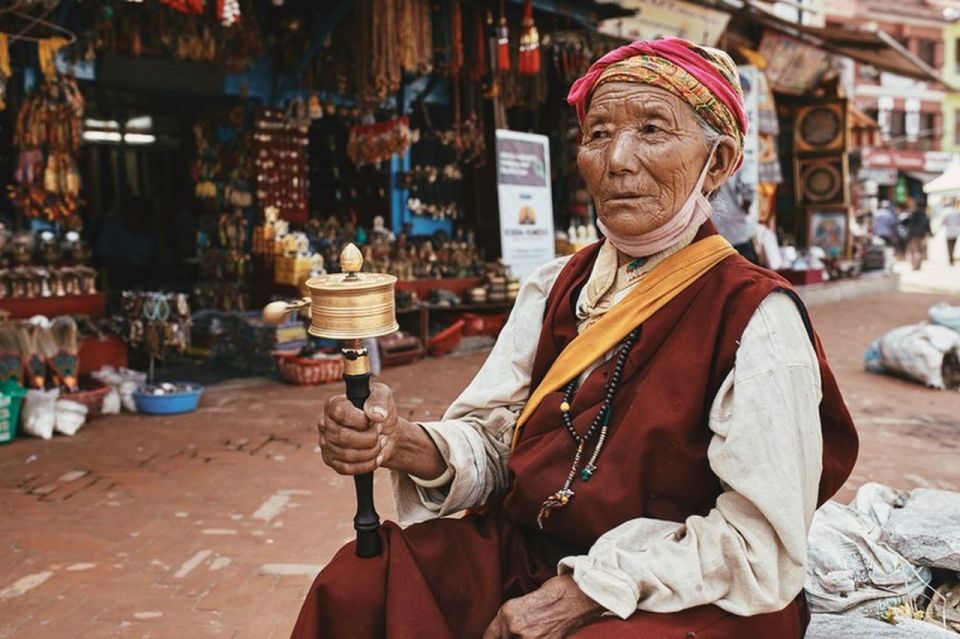
- Prayer-wheel rhythm with locals: you walk the Kora and rotate wheels in step with people who do this daily
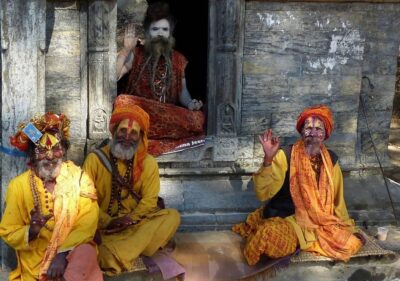
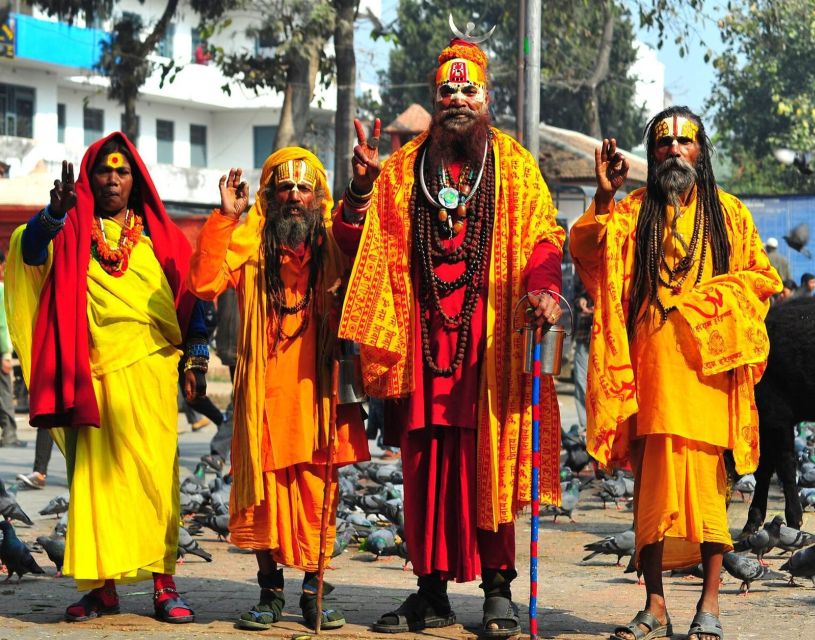
- Sadhu access with context: you’re not just hunting photos; you get explanations and time to observe
- Aarati at Pashupatinath: divine light offerings that help you understand Hindu devotion beyond sightseeing
- Small group pacing: limited to about 12 people, with an English-speaking Nepali guide keeping you on track
- Optional extras with local support: butter-lamp offerings and palm reading are available, with help negotiating
UNESCO doubleheader in a tight 4-hour rhythm
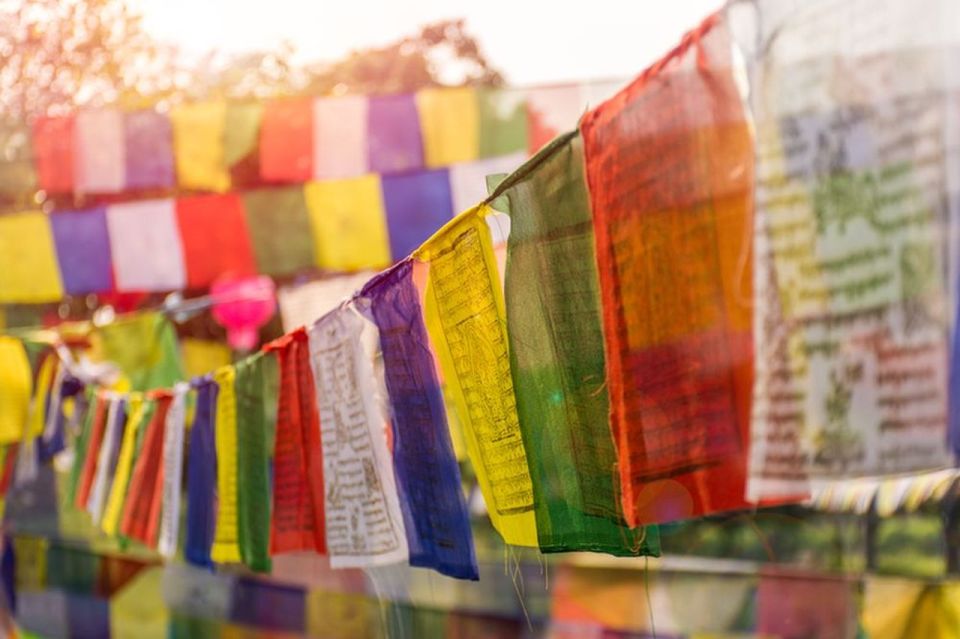
If you want Kathmandu religion without wandering around for hours on your own, this is built for that. You hit two of the city’s biggest spiritual anchors—Boudhanath Stupa and Pashupatinath Temple—in a single morning/afternoon block, with a guide translating what you’re seeing into plain language.
What makes the pair work is contrast. Boudhanath shows Buddhism in motion: prayer wheels, the Kora path, and a calm that comes from repetition. Pashupatinath shows Hinduism in full ritual mode: sadhus, offerings, and aarati timed to devotion. Seeing them back-to-back helps you notice how daily practice shapes daily life.
You can also read our reviews of more tours and experiences in Kathmandu.

Starting at Hotel Marshyangdi: how the day is paced
You meet at Hotel Marshyangdi, then head to the first site by transport. The tour runs for about 4 hours, with roughly 2 hours at Boudha and 2 hours at Pashupatinath.
Between the two stops, you’ll either walk around 15 minutes or drive, depending on the flow of the day. The guide also manages small-group logistics—where to stand, when to move, and how to avoid losing your bearings in a crowded area.
If you’re the kind of traveler who likes a schedule but also wants room for questions, this format tends to feel right. It’s not rushed in a sprint way, but it’s also not a slow linger where you drift off and miss the key moments.
Boudhanath Stupa: Kora walking and the prayer-wheel lesson
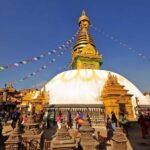
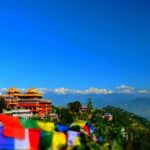
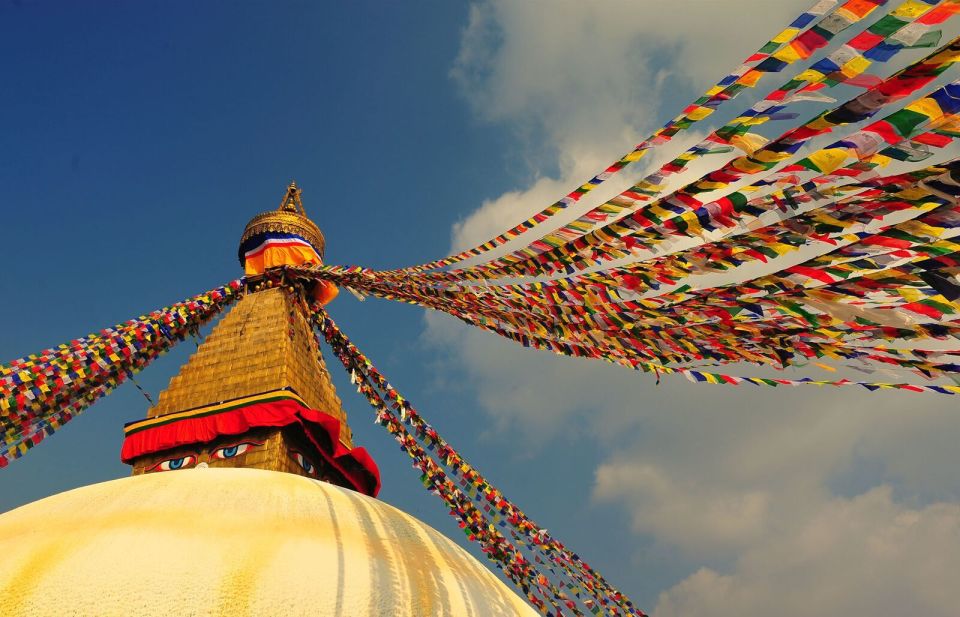
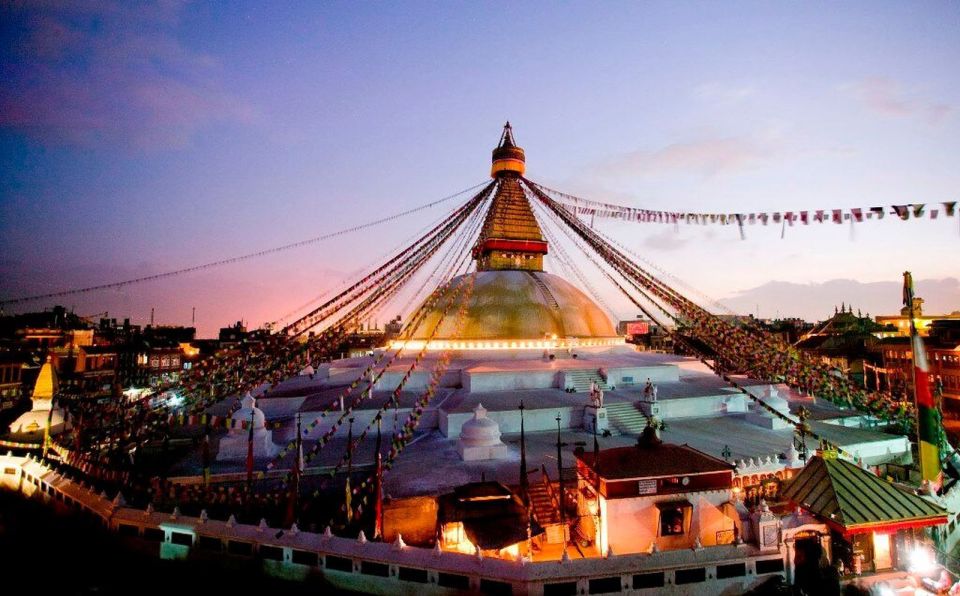
Boudhanath is famous for a reason. This UNESCO World Heritage site is the largest Buddhist stupa in Nepal, and the white dome draws worshippers like gravity. When you arrive, the air feels like it’s filled with movement—people step into the routine and keep it going.
Rotating prayer wheels like you belong
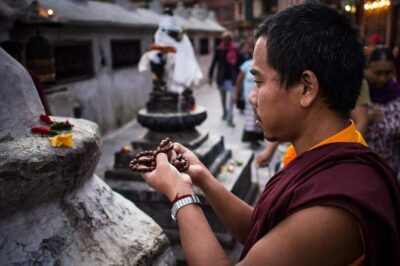
The main action here is joining locals as you rotate prayer wheels and take part in the Kora (the walking circuit). Even if you don’t understand every term, you’ll understand the pattern fast: this is a body-in-prayer kind of practice.
I like that the guide doesn’t treat it like a “look over there” photo stop. You’re guided to participate, so the experience becomes about rhythm and meaning, not only sightlines.
Optional butter lamps and photo boundaries
At Boudhanath, you may have the option to offer butter lamps. The tour notes that these are an extra cost and tied to supporting local communities and sustaining the lives of sadhus.
Also, if you plan to take photos, keep it respectful and follow your guide’s lead. Areas around religious ritual can be sensitive to how and when people are photographed.
A short shift in mood: from stupa calm to river-edge Hindu rites
After Boudha, you move to Pashupatinath Temple, Nepal’s major Hindu pilgrimage site. The setting changes fast: you go from the stupa’s steady devotion to the Bagmati River zone, where daily rituals and life-cycle ceremonies sit close together.
This is the part where your mindset matters. If you’re expecting only temples and incense, you might feel surprised. If you’re okay with seeing real faith practices up close—including difficult ones—you’ll likely find it deeply educational.
Sadhu life and the cremation ceremony near the Bagmati River
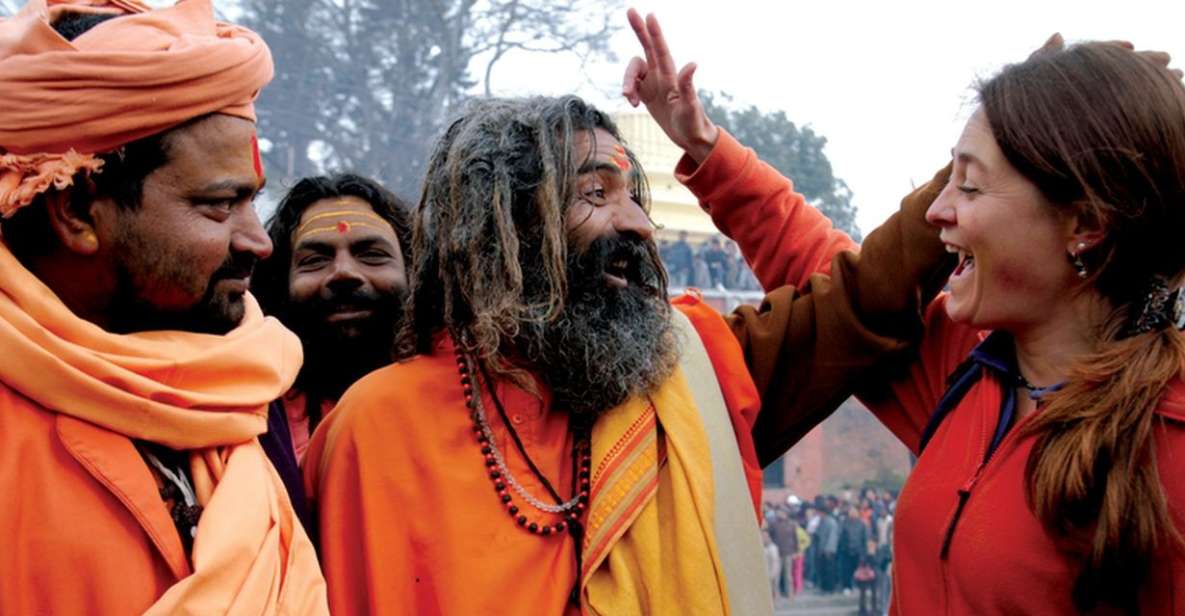
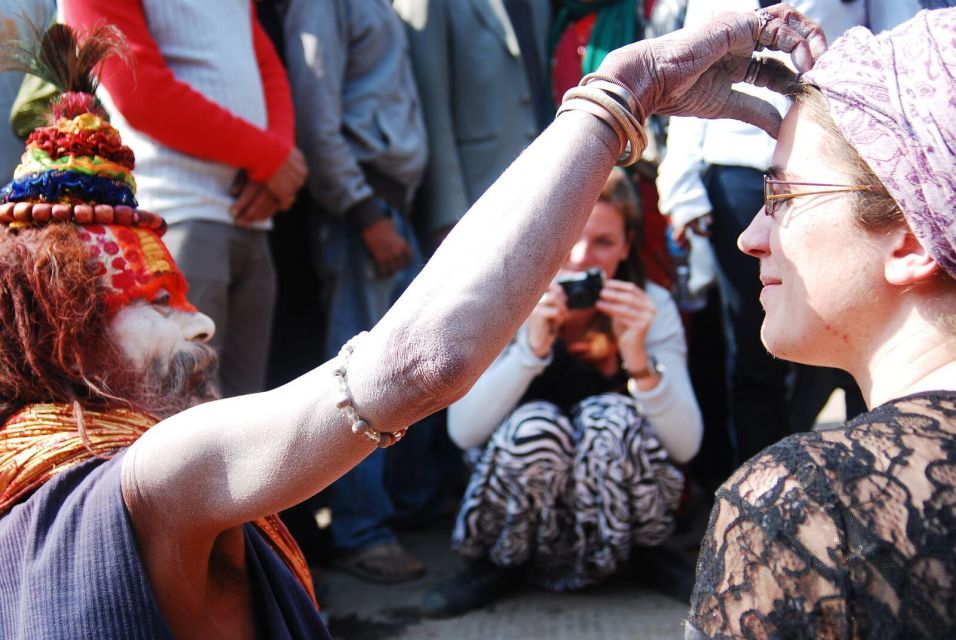
One of the most memorable aspects is the glimpse you get into Sadhu life and the presence of sadhus in the area. You may be given a chance to learn what you’re seeing and, if you wish, offer alms.
Then comes the ceremonial portion: you’ll witness cremations along the banks of the Bagmati River. That’s not a small detail. It’s the emotional weight of this tour, and it can be hard to watch.
What you can do to make this part easier
You can’t control what happens there, but you can control how prepared you feel:
- Look at it as a cultural and religious rite, not a spectacle.
- If you get overwhelmed, step back slightly within the area your guide indicates.
- Keep close to your group and guide so you don’t end up standing in the wrong spot or blocking anyone’s view.
If you’re traveling with kids, the tour is described as child-friendly (children under 6 join free). Still, that cremation segment may be too intense for some children, so use your best judgment.
Pashupatinath temple and the flow of daily devotion
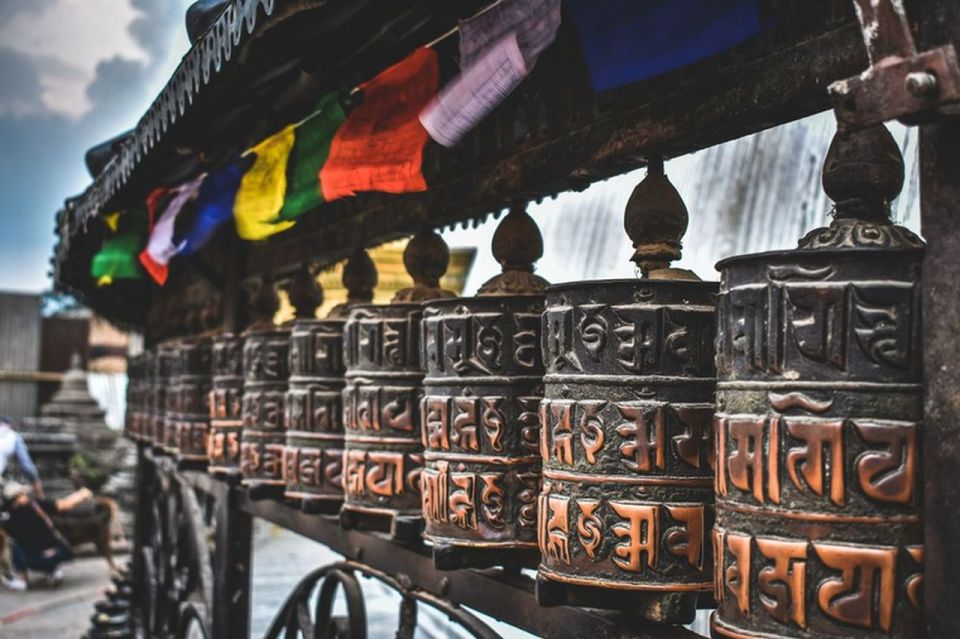
At Pashupatinath, you get guided time to explore and observe. It’s not just a temple exterior. It’s a functioning pilgrimage space where rituals happen as part of normal life.
Seeing Hindu practice through people, not posters
You’ll catch glimpses of locals going about their spiritual rhythm, and you may have a chance to interact in a respectful way. The tour emphasizes staying with your guide in the crowd, which matters because it’s easy to drift into areas you shouldn’t, especially when you’re trying to look around.
This is where a guide earns their keep. A good one helps you understand what matters to worshippers—why a person is waiting, why a certain action is repeated, and what the objects and roles mean.
Palm reader option: future reading if you want it
If you want an extra layer of personal storytelling, the tour includes the option to have your future read by a local palm reader. This is an additional cost (listed as $7.5 to $9 per person). The guide can assist with negotiating, and the tour frames it as supporting local readers.
This is optional, so you don’t need to “perform belief” to enjoy the rest. Treat it as cultural curiosity—and keep it separate from your main focus, which should be learning what the rituals and space represent.
Aarati at Pashupatinath: the light offering moment
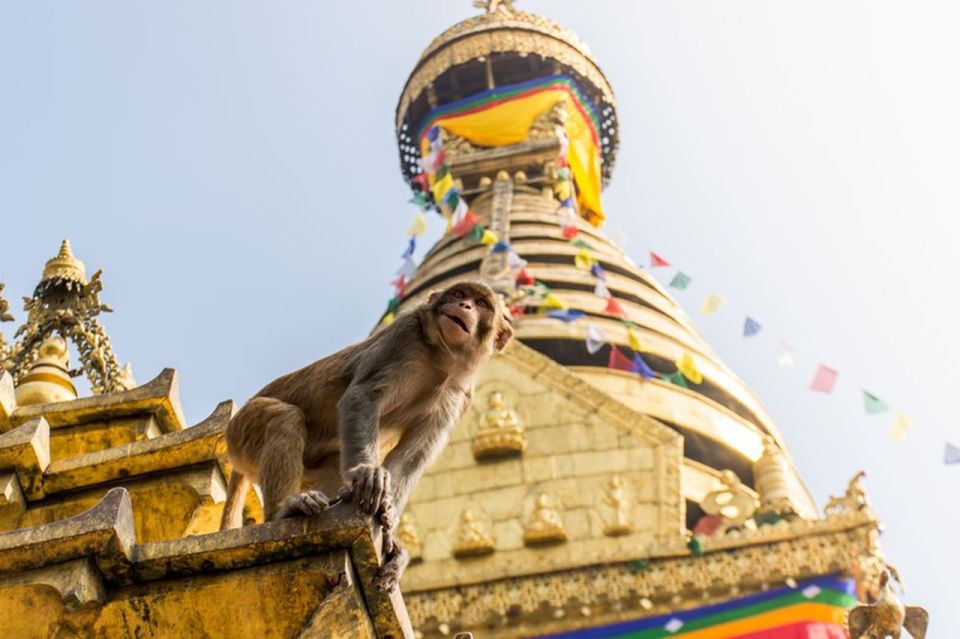
The aarati portion is one of the spiritual highlights for a reason. You’ll witness the moment when people offer lights to Lord Pashupatinath.
Aarati is about more than lighting candles. It’s a public, coordinated act where devotion is visible. Standing where you can see the ritual (with your guide handling navigation) helps you understand why so many people make the effort to attend.
If you’re the kind of traveler who likes practical meaning, ask your guide what the participants are doing and what the timing suggests. You don’t need religious literacy—you just need the guide to translate the actions into context.
Price and value: what $150 actually buys
The price is $150 per person for a 4-hour tour. On the surface, it’s not cheap for a walking-and-temple day. But it’s also not “just transport and a ticket.”
Here’s the value breakdown based on what’s included:
- An English-speaking Nepali guide who explains what you’re seeing
- Entrance fees to Boudhanath and Pashupatinath
- Transportation costs from the meeting point to Boudha, and from Pashupatinath back to your endpoint
And you’re getting the key sites arranged in one coherent plan, with a guide managing timing and crowds. That matters in Kathmandu, where doing this solo often turns into guessing where to stand and when the real ritual happens.
What costs extra
Food and drinks are not included. Also excluded are alms to sadhus/monks and any palm reader fees. If you choose optional things like offering butter lamps, palm reading, or interacting/photographs tied to sadhus, expect extra costs (the tour notes $7.5 for sadu interaction/photos and $7.5–$9 for palm reading).
The good news: these are optional. The core experience still happens even if you choose to only observe.
Small group focus: why “about 12 people” helps
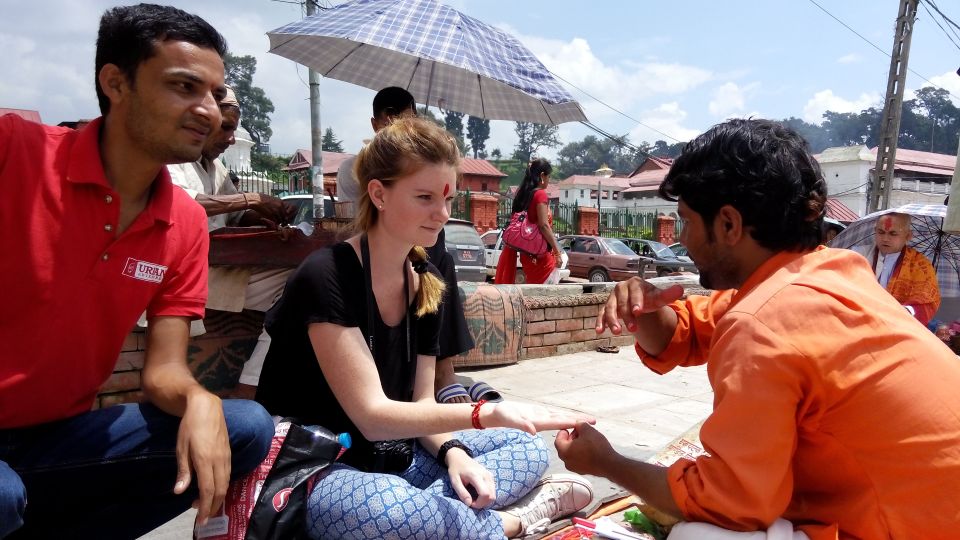
A big part of your comfort here is group size. This is described as a small group experience—around 12 people—which is a sweet spot for:
- getting questions answered without feeling rushed,
- staying together in crowded religious spaces,
- and moving efficiently between moments of ritual.
You’ll also have clear guidance on where to stand and when to move. The tour notes it’s important to keep near your guide and group to navigate the crowd. That single detail can make the difference between a meaningful visit and a stressful one.
Guides you might get and what to expect from them
The tour uses an English-speaking Nepali guide, and the name variety you’ll hear around Kathmandu from this operator includes guides like Rozit, Bini, Subash, and Bidhya. What people consistently highlight is that the guides can explain the basic ideas clearly and adjust to what you care about during the day.
If your travel style is question-heavy, this setup tends to reward you. If you want quiet observation time, you should still be able to find it, as long as you check in with your guide before drifting off visually.
One caution: one guide-specific comment noted a health/inconsiderate behavior (coughing without covering). That’s not something you can fully predict, but you should feel comfortable asking your guide for a quick adjustment or moving to a less crowded spot if you need space.
Dress code and respectful behavior (don’t skip this)
Religious sites in Asia tend to have conservative expectations, and this tour explicitly recommends modest clothing. Plan for:
- shoulders and knees covered,
- men needing long trousers,
- women wearing a long skirt or sarong.
This isn’t only about avoiding trouble. It also helps you feel more at ease when you’re near worshippers and ritual spaces. If you forget, you may find it harder to move comfortably through the areas your guide wants you to see.
Also, keep in mind that interactions with sadhus, palm readers, and ritual participants come with social rules. Let the guide steer you, especially when an activity has an extra cost linked to local support.
Local impact: optional payments framed as community support
A useful part of this tour’s approach is that optional “extra” spending isn’t treated like a random add-on. The tour states that offerings and palm reading are part of supporting local communities and helping sustain the lives of sadhus who otherwise may not have access to tourist money.
So if you choose to do the butter lamp offering or the palm reading, you’re doing it with more purpose than just curiosity. If you don’t choose those extras, you can still enjoy the major sites, rituals, and cultural context without spending more.
Who should book this tour?
This experience fits best if you:
- want a guided, structured introduction to both Buddhist and Hindu Kathmandu,
- like participating in rituals (not just watching from a distance),
- and can handle emotional intensity, especially the cremation ceremony.
You might also like it if you’re traveling with limited time and you want the two biggest landmarks lined up with explanation and transport.
It may not be the best match if you strongly prefer only serene sightseeing, or if you’re sensitive to death rituals in a close, real setting.
Quick decision guide: should you book?
Book this tour if you want a single 4-hour plan that covers UNESCO Boudhanath, Pashupatinath, prayer wheels, Sadhu life, cremations by the Bagmati River, and aarati, all with an English-speaking Nepali guide. The small group size helps, and the inclusion of entrance fees plus transport usually makes it feel fair.
Skip or swap it for a different option if cremations would upset you more than you expected, or if you want food built in and a more casual, longer pace.
FAQ
FAQ
How long is the Spiritual Nepal Multifaith Journey tour?
It lasts about 4 hours.
Where does the tour start and end?
You meet at Hotel Marshyangdi and return to the same hotel.
What are the main stops on the tour?
You visit Boudhanath Stupa and Pashupatinath Temple.
Is the tour walking only?
There’s an approximate walking distance of about 2 km. Between the sites, you may walk around 15 minutes or take a drive, depending on conditions.
What’s included in the price?
An English-speaking Nepali guide, entrance fees to Boudhanath and Pashupatinath (UNESCO sites), and transportation costs from the meeting point to Boudhanath and from Pashupatinath back to the endpoint.
What’s not included?
Food and drinks are not included. Alms to sadhus/monks and palm reader fees are also not included.
Can I offer butter lamps or get a palm reading?
You can choose optional extras. Butter-lamp offerings and palm readings cost extra, and the guide can assist with negotiation.
Is it suitable for children?
Yes, it’s described as child-friendly. Children under 6 can join free of charge.
What should I wear to the temples?
Dress modestly: cover shoulders and knees. Men should plan for long trousers, and women should plan for a long skirt or sarong.