REVIEW · ANNAPURNA BASE CAMP TREKS
Annapurna Base Camp Trek
Book on Viator →Operated by Everest Trekking Routes Pvt. Ltd. · Bookable on Viator
If you want one big mountain moment, do this trek. The Annapurna Base Camp trek turns Kathmandu and Pokhara into your warm-up, then sends you on tea-house trekking to Annapurna Base Camp. I like that the route mixes walking with culture in Gurung and Magar villages, plus classic views along the way. I also like that the company takes care of permits, meals, and the guide/porter setup so you can spend your energy on the trail, not paperwork.
One thing to plan for: this is a true altitude goal, with the big finish at about 4,130 meters, and the day starts early (meeting time is 1:15am). If you’re only casually fit, you’ll need to be honest with yourself about the effort.
With a 5/5 rating (111 reviews) and 100% recommendation, the strongest signal here is not just the scenery—it’s the practical, professional feel of the trip. And the name you’ll keep seeing in great experiences: organizers and guides like Rabin, Cecil, and Sushil Gurung, plus porters such as Samu Gurung, Sujan Gurung, and Bishal.
In This Review
- Key things that make this Annapurna Base Camp trip worth your attention
- Annapurna Base Camp: the view goal that organizes your whole trip
- Kathmandu to Pokhara: a practical way to start without burning energy
- Day-by-day pacing: why the route feels like a climb, not a sprint
- Pasupatinath Temple: a strong Kathmandu anchor
- Pokhara Lake day: your reset before the mountain work
- Birethanti: the moment you enter the Annapurna Conservation Area
- Ghorepani and Poon Hill: famous viewpoint, short effort
- Ghorepani to Tadapani: the 5-hour walk that builds rhythm
- Chhomrong and Bambook: where the trek turns more remote
- Annapurna Base Camp days: the big summit feeling without needing technical climbing
- The guide and porter team: where the professionalism shows up
- Food and tea-house lodging: what’s included (and what you’ll pay for)
- Hotels and transfers: the comfort part that makes the trek easier to manage
- Price and value: is $935 fair for what you get?
- What to think about before you book: altitude and early starts
- Who this trek fits best (and who might want another option)
- Should you book this Annapurna Base Camp trek?
- FAQ
- How long is the Annapurna Base Camp trek?
- Where does the experience start and end?
- What is the start time?
- Are airport and hotel transfers included?
- Do I stay in hotels before the trek?
- What kind of accommodation is included during the trek?
- What meals are included?
- Are trekking permits included?
- Is Wi-Fi included while trekking?
- What about insurance and tipping?
Key things that make this Annapurna Base Camp trip worth your attention
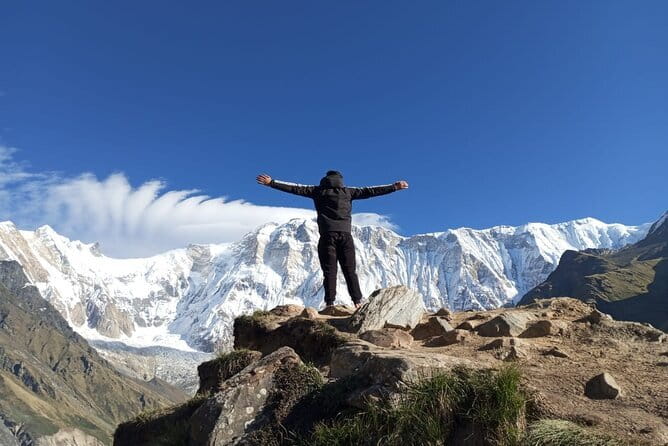
- Poon Hill adds a classic viewpoint day before you commit fully to the base camp push.
- Tea-house trekking is built in, with all tea-house accommodation during the trek.
- Permits and trek infrastructure are handled, including TIMS and ACAP permits.
- You get a real support team, with a licensed trekking guide plus an expert local porter.
- Transfers and hotels are included, including Pokhara hotel nights and Kathmandu hotel nights.
Annapurna Base Camp: the view goal that organizes your whole trip
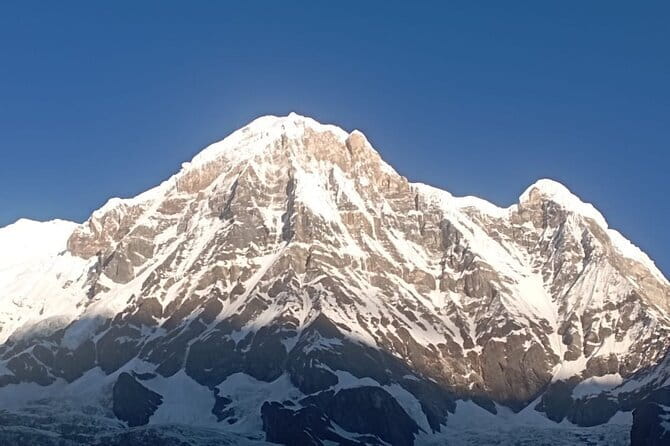
Annapurna Base Camp is one of those destinations where the logistics matter. When you’re paying for time and altitude, you want fewer surprises. This trek is structured around a clear finish line: getting to the base camp area after days of steady walking through changing terrain.
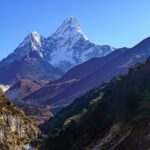
What I like about this specific version is that it doesn’t feel like you’re only chasing a single GPS pin. You also get the famous viewpoint route at Ghorepani–Poon Hill, plus a gradual progression through villages and forests—terraced fields, rhododendron areas, and alpine-style meadows as you climb higher. That matters because your body adapts better when the day-to-day rhythm makes sense.
And yes, base camp is the headline. You’re aiming for an altitude of around 4,130 meters, which is high enough that you should respect it. The good news: the structure gives you multiple days in the base camp area, including a hike and a dedicated viewpoint-focused day.
You can also read our reviews of more hiking tours in Kathmandu
Kathmandu to Pokhara: a practical way to start without burning energy
Most of your success on a trek like this comes from how you start. Here, you begin in Kathmandu and then move to Pokhara by tourist bus.
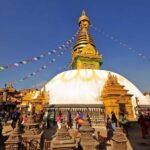
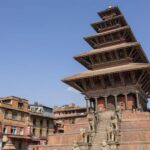
In Kathmandu, you’ll visit Pasupatinath Temple, one of the biggest and most beautiful temples in the city. That’s a strong first day because it grounds you in Nepal right away—big spiritual energy, serious architecture, and lots to look at if you’re adjusting to new surroundings.
Then Pokhara. You’re not just passing through—you get two nights in Pokhara with breakfast included. The itinerary highlights the Pokhara lake area, which is a great place to stretch your legs, reset your head, and get ready for the first real trek day. Pokhara also tends to feel like a slower pace than Kathmandu, which helps when your next days involve long walks.
Day-by-day pacing: why the route feels like a climb, not a sprint
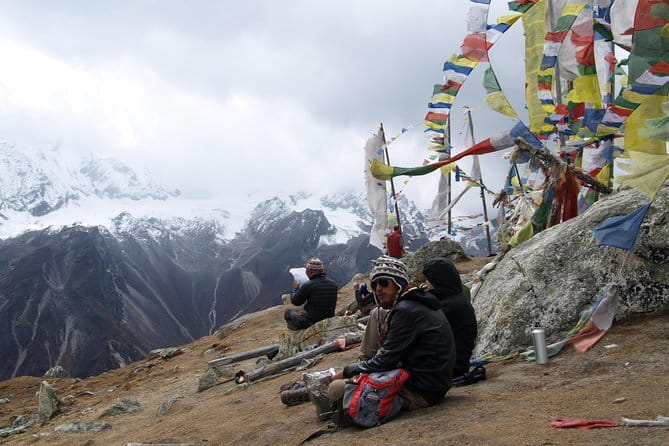
This trek is built around a “rise step by step” philosophy. You won’t spend the whole time in a single type of scenery. You rotate through farms and forests early, then move toward higher alpine zones as the days go on.
A big advantage is that you’re not forced into one crushing all-day push immediately. The walk timing is staggered, including days called out as short hiking (the Poon Hill viewpoint day), a 5-hour walk (Ghroephani to Tadapani), and a moderate walking day (to Bambook). That mix is helpful if you’re planning your effort and trying to avoid getting wrecked before base camp.
Here’s what each major stop contributes:
Pasupatinath Temple: a strong Kathmandu anchor
Your trek starts with a cultural bang, at Pasupatinath Temple. It’s one of Kathmandu’s biggest temple sites, and it’s visually dramatic enough to pull your attention the moment you arrive.
For me, that’s a smart start because it shifts you from travel-mode into Nepal-mode. Instead of rushing around trying to “see a little of everything,” you begin with something that’s central to the country’s religious life. Even if you don’t know every detail, you can still feel what matters here.
Pokhara Lake day: your reset before the mountain work

Pokhara is where your trip starts to feel like it’s really becoming a trek. With two nights and breakfast included, you get enough time to sleep, eat well, and prep calmly.
The focus on the Pokhara lake area is also practical. It gives you a relaxed environment where you can handle the little things that always show up before a trek: getting comfortable, buying any essentials you forgot, and watching weather patterns for clues.
Birethanti: the moment you enter the Annapurna Conservation Area
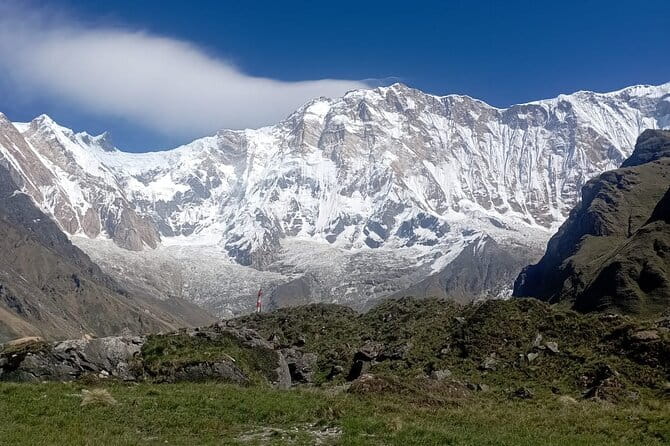
On the way into the trekking zone, you stop at Birethanti, described as your entry into the Annapurna Conservation Area.
That’s more than a location marker. Conservation areas in Nepal aren’t just paperwork—they often reflect how the trek route is managed and what kind of paths and villages you’ll pass. It’s the point where your day changes character: from city sightseeing into mountain trail time.
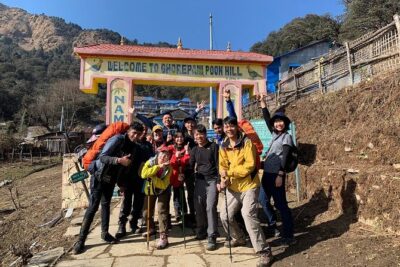
Ghorepani and Poon Hill: famous viewpoint, short effort
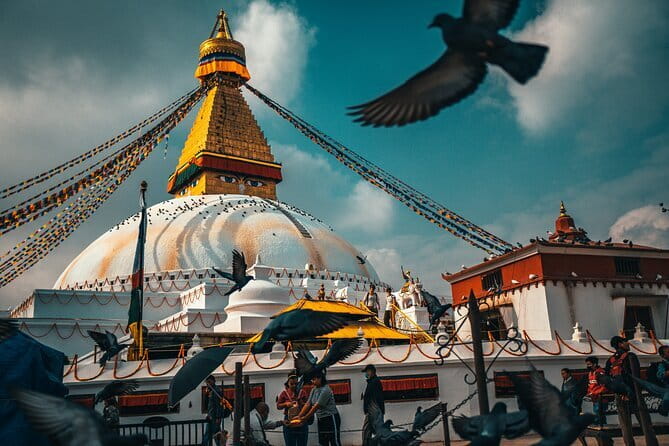
The itinerary sets up a very popular move: Ghorepani to Poon Hill via a short hiking and viewpoint route.
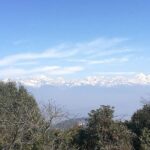
This is a smart way to do Annapurna early because Poon Hill gives you a “proof of concept” day. You’re still fresh, you’re not deep into fatigue, and you get those classic panoramic mountain views that make you realize the trek is real.
One practical note: since this is a viewpoint day, expect it to be weather-sensitive. If clouds roll in, views can shift fast. Still, the walk itself is enjoyable, and it sets the tone for the days that follow.
Ghorepani to Tadapani: the 5-hour walk that builds rhythm
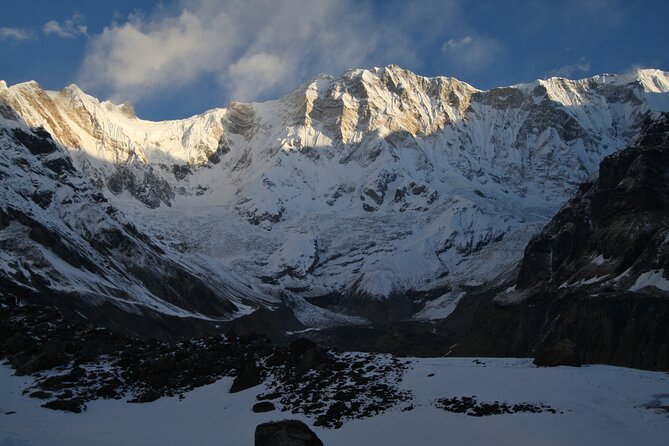
Next is a 5-hour walk from Ghorepani to Tadapani. That time window matters because it’s long enough to feel like trekking, but not so long that you’re forced into suffering early.
If you like day structure, you’ll appreciate how that kind of day helps you pace. You can settle into a steady walking tempo, practice your breathing rhythm, and get used to trail realities—uneven ground, changing light, and constant small changes in elevation.
Chhomrong and Bambook: where the trek turns more remote
As the days progress, you pass through stops that fit the “growing altitude feeling” stage. There’s a day for a beautiful walk to Chhomrong, and another described as moderate trekking to Bambook.
I read those descriptions as a signal: you’re moving deeper into the route, with more quiet and fewer distractions. That’s when tea-house trekking starts to feel like a different world—simple meals, shared spaces, and conversations with people who are also working their way up.
Annapurna Base Camp days: the big summit feeling without needing technical climbing
The heart of the trek is obviously Annapurna Base Camp. Your schedule includes a day to trek to base camp, then additional days of hiking and viewpoint time in the base camp area.
This is important. If a trek forces you to reach base camp and then immediately rush back, you often miss the best part: settling in, taking photos when the light changes, and letting your body adjust to altitude.
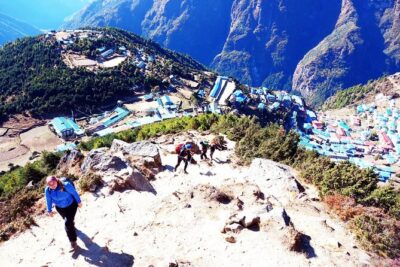
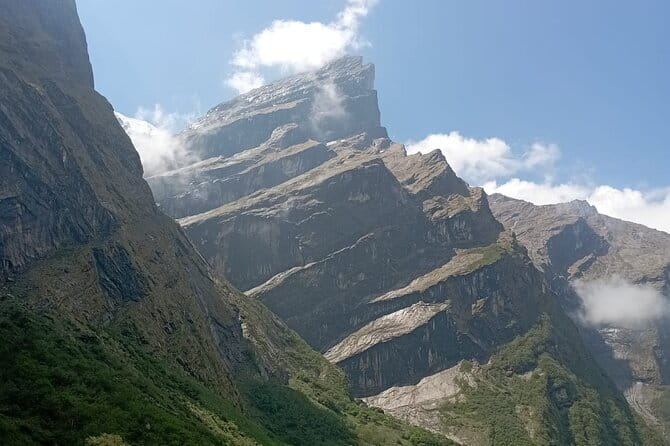
Also, you’re not just looking at one direction. Reviews and route descriptions point to constant scenery change—terraced fields and forest paths early on, then streams and waterfalls along the way, and finally the snow-covered mountain presence as the route climbs. Those transitions are what make base camp feel like a reward instead of a random arrival.
The guide and porter team: where the professionalism shows up
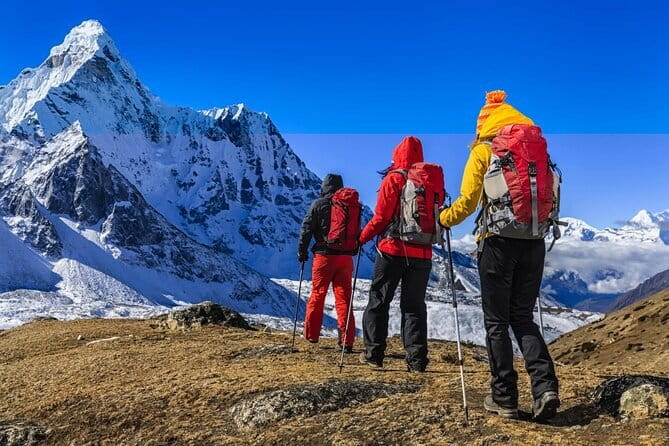
The trekking support here is a big deal for your comfort and safety. The package includes a licensed professional trekking guide plus an expert local porter. That’s not a small detail—especially at altitude—because the guide handles the route flow, timing, and decisions based on trail and conditions.
The most praised aspect in participant stories is the human professionalism of the team:
- Guides named Cecil and Sushil Gurung are both mentioned with strong appreciation.
- Porters named Samu Gurung, Sujan Gurung, and Bishal show up in positive experiences.
- Organizer Rabin is noted as responsive during the lead-up.
Even if you never meet these exact people on your dates, it’s a useful sign of the company’s track record: the trip tends to run smoothly because the staff focus on care, timing, and practical help.
Food and tea-house lodging: what’s included (and what you’ll pay for)
During the trek, the package includes all meals: breakfast, lunch, and dinner, with a cup of tea or coffee included. You also get tea house accommodation each night on the trek.
This matters because it prevents the classic trekking problem: arriving tired and realizing you’re hungry, cold, and stuck hunting for food choices. Here, your meals are managed.
What’s not included is also clear. Extra drinks (hot and cold) cost extra, and trekking Wi-Fi is not included. If staying connected is part of your mental routine, plan on going offline most of the time.
Hotels and transfers: the comfort part that makes the trek easier to manage
Not every trek includes this kind of base logistics. In this package, you get:
- Private car/van/bus pick-up and drop-off for airport and hotel connections.
- A round trip by tourist bus between Kathmandu and Pokhara.
- Two nights in Pokhara with breakfast.
- Two nights in Kathmandu at Kathmandu Suite Home with breakfast.
That hotel time is not luxury for luxury’s sake. It’s recovery time. Trekking days demand sleep, and the quality of your pre-trek and post-trek rest can change how you feel on the trail.
Also, the tour is described as private, meaning only your group participates. That can make the pace and group decisions feel more flexible, especially if your group has mixed experience levels.
Price and value: is $935 fair for what you get?
At $935 per person for about 12 days, the value depends on what you’d otherwise have to organize yourself.
Here’s what you’re effectively paying for:
- Hotels in Kathmandu and Pokhara (with breakfast)
- Airport/hotel transfers via private vehicle
- Kathmandu ↔ Pokhara transport by tourist bus
- Tea-house accommodation on trek
- All trekking meals plus tea/coffee with meals
- Trek permits: TIMS and ACAP
- A licensed guide and a local porter
- Government taxes and fees
If you were to plan this independently, the permits, route coordination, guide search, and day-to-day meal planning are exactly the parts that eat time and create stress. So even if $935 feels like a chunk, it’s not just “a guide fee.” It’s a package that bundles the things you’d have to solve anyway—plus it’s backed by strong satisfaction numbers.
That said, check what’s missing:
- Meals and extra accommodation in Kathmandu are not included beyond what’s specified.
- Drinks during trek are extra.
- Tipping for guide and porter is not included.
- Travel insurance and evacuation insurance are not included.
So I’d call this “good value for a guided, managed trek,” not “all-in forever.” Budget for insurance and tipping, and you’ll feel the value immediately.
What to think about before you book: altitude and early starts
Two things deserve your respect before you commit:
- Altitude matters. The route aims for base camp around 4,130 meters. You need to pace yourself and take the climb seriously.
- The day starts early. The meeting time listed is 1:15am. That’s not a casual start, and it can affect how fresh you feel on Day 1.
On the plus side, the trek is described for people with moderate physical fitness. That doesn’t mean it’s easy. It means the structure is built for people who train a bit and can handle walking days without pretending it’s a stroll.
Who this trek fits best (and who might want another option)
This Annapurna Base Camp trek is a strong match if you:
- Want a guided experience with permits, meals, and lodging handled
- Like having structure but still enjoy real walking days
- Are aiming for the base camp goal and the viewpoint payoff days
It may feel like too much if you:
- Struggle with altitude and long walking days and haven’t built endurance
- Want daily high-speed internet and nonstop creature comforts (Wi-Fi on trek is not included, and tea-house life is part of the package)
Should you book this Annapurna Base Camp trek?
I’d book it if you want a well-managed Annapurna Base Camp experience where the heavy lifting is handled: permits, permits-related support, guide/porter care, tea-house nights, and meals. The mix of Kathmandu cultural start, Pokhara reset, viewpoint day at Poon Hill, and multiple base camp days is a recipe that reduces rushed, panicked trekking.
I’d hesitate only if the early start and altitude challenge could be a deal breaker for you. If you’re honest about moderate fitness, and you plan for altitude respect, this sounds like a trip where the organization won’t distract you from the real reward.
FAQ
How long is the Annapurna Base Camp trek?
The duration is listed as 12 days approximately.
Where does the experience start and end?
It starts at the Everest Trekking Routes Pvt. Ltd. address in Kathmandu and ends back at the same meeting point.
What is the start time?
The start time is listed as 1:15am.
Are airport and hotel transfers included?
Yes. Airport and hotel pick up/drop are included by private car/van/bus.
Do I stay in hotels before the trek?
Yes. You get two nights in Pokhara with breakfast and two nights in Kathmandu (Kathmandu Suite Home) with breakfast.
What kind of accommodation is included during the trek?
All tea house accommodation during the trek is included.
What meals are included?
All meals during the trek are included (breakfast, lunch, dinner) with a cup of tea or coffee.
Are trekking permits included?
Yes. TIMS and ACAP permits are included.
Is Wi-Fi included while trekking?
No. Wi-Fi during the trekking days is not included.
What about insurance and tipping?
Travel insurance and evacuation insurance are not included. Tipping for the guide and porter is also not included.