REVIEW · KATHMANDU CITY & WALKING TOURS
Nepal Cultural Highlights Tour in 10 Days
Book on Viator →Operated by Asian Heritage Treks and Travels · Bookable on Viator
You can skip Nepal planning and still see everything. This 10-day cultural route strings together Kathmandu Valley temples, Chitwan nature time, and Pokhara views, while an English-speaking guide handles the heavy lifting.
I especially like the small group size (max 10), which keeps the pace human and the questions easy to ask. The other big win is the comfort factor: private-vehicle travel means you spend less time coordinating and more time watching the scenery roll by.
One possible drawback: the itinerary is full, so you’ll have long travel days and an early morning start for sunrise at Sarangkot.
In This Review
- Key things I’d bank on with this Nepal Cultural Highlights tour
- Why this Nepal route works when you want a lot, fast
- Arrival in Thamel: what the Kathmandu airport pickup sets up
- Kathmandu Valley temples: Durbar Square, Swayambhunath, Boudhanath, and Pashupatinath
- Kathmandu Durbar Square
- Swayambhunath Stupa (Monkey Temple)
- Boudhanath Stupa
- Pashupatinath Temple on the Bagmati River
- Patan and Bhaktapur: UNESCO courtyards and Malla-era craftsmanship
- Patan Durbar Square (including Krishna Temple)
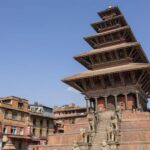
- Bhaktapur Durbar Square and preserved medieval streets
- Chitwan National Park: canoe on the Rapti River and bird watching
- Canoeing on the Rapti River
- Chitwan full day nature time
- Bird watching around the Rapti river bank
- Lumbini to Pokhara: a long but scenic transfer that pays off later
- Sarangkot sunrise plus Pokhara stops: mountains early, caves and falls after
- Sarangkot at sunrise
- Devi’s Fall and Gupteshwor Cave
- World Peace Stupa and the hilltop finish
- Bandipur on the way back to Kathmandu: a small old-town pause
- Price and value: what $1,699 buys you in real logistics comfort
- Small print that actually affects your day-to-day
- Tipping and extra costs
- Meals: check what’s covered on each segment
- Passport details and confirmation timing
- Group format
- Should you book this Nepal Cultural Highlights Tour?
- FAQ
- What’s the maximum group size on this tour?
- Is airport pickup included?
- Does the tour include hotel stays and transport?
- Are entrance fees included for major historic sites?
- What meals are included?
- How much time is there for a Kathmandu airport transfer at the end?
- Can I cancel for a full refund?
Key things I’d bank on with this Nepal Cultural Highlights tour
- Max 10 travelers: less waiting, more attention, and a calmer feel through temples and parks
- Private-vehicle transfers + hotels included: fewer logistics headaches across Kathmandu, Chitwan, Lumbini, Pokhara
- World Heritage entrance fees included: you’re not juggling ticket lines for the UNESCO sites on this route
- Chitwan on the Rapti River: canoe time focused on wildlife viewing, plus bird watching
- Pokhara sunrise at Sarangkot: big mountain views early, then waterfalls and a cave to slow things down
Why this Nepal route works when you want a lot, fast
This tour is built for people who don’t want to become part-time planners. You get a tight loop that covers major regions—Kathmandu Valley, Chitwan, Lumbini, and Pokhara—in about 10 days, with the guide and driver handling the in-between.
What you’re buying isn’t just “sightseeing.” It’s time saved: fewer decisions each morning, less confusion around local transport, and a smoother flow between far-apart places. If Nepal is your first big trip here, that matters.
That said, the schedule is packed on purpose. You’ll get a mix of cultural sites and nature, but you’re also moving often. Go in expecting motion, not a slow retreat.
You can also read our reviews of more tours and experiences in Kathmandu.
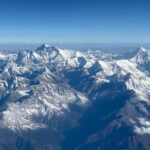
Arrival in Thamel: what the Kathmandu airport pickup sets up
Your trip starts cleanly. When you land at Kathmandu International Airport, a driver meets you and transfers you to your hotel area in Thamel, the tourist hub.
Why this matters: Thamel is where you’ll have the easiest access to basic services—coffee, pharmacies, and places to sort out day-of questions. Even if you’re not trying to “touristy,” having your first base set up fast keeps Day 1 from turning into chaos.
If you’re arriving after a long flight, the private pickup plus a direct transfer is a solid way to save energy before temples start demanding your attention.
Kathmandu Valley temples: Durbar Square, Swayambhunath, Boudhanath, and Pashupatinath
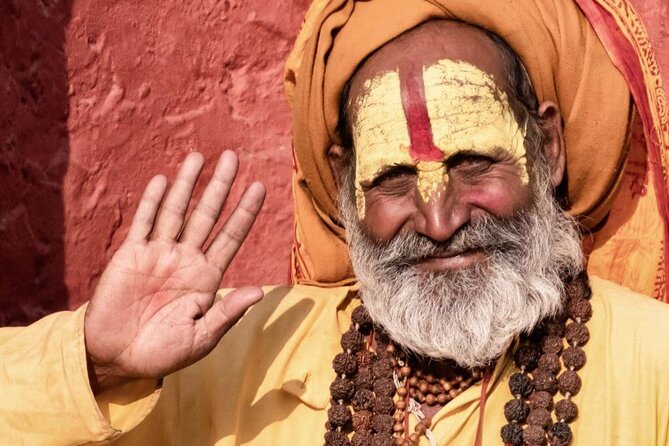
Day 2 is the kind of day first-timers talk about later because Kathmandu pulls out the best cultural cards early.
Kathmandu Durbar Square
You start at Kathmandu Durbar Square, a cluster of old temples known for distinctive architecture. This is where you get a visual sense of Kathmandu’s sacred urban fabric—courtyards, carved stone, and historic layout.
A practical note: this is a walking-and-looking day. Build a slow rhythm. If you rush, the details blur.
Swayambhunath Stupa (Monkey Temple)
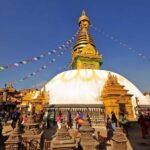
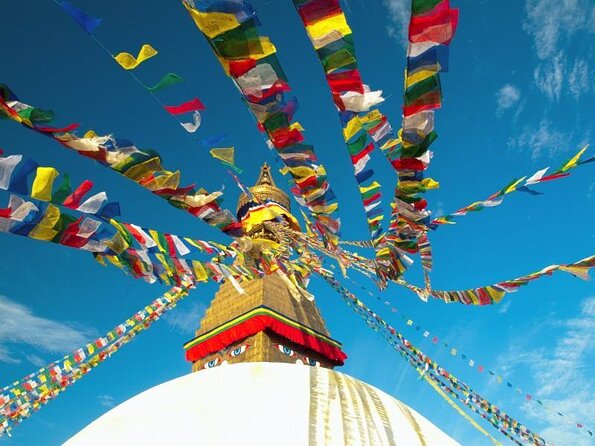
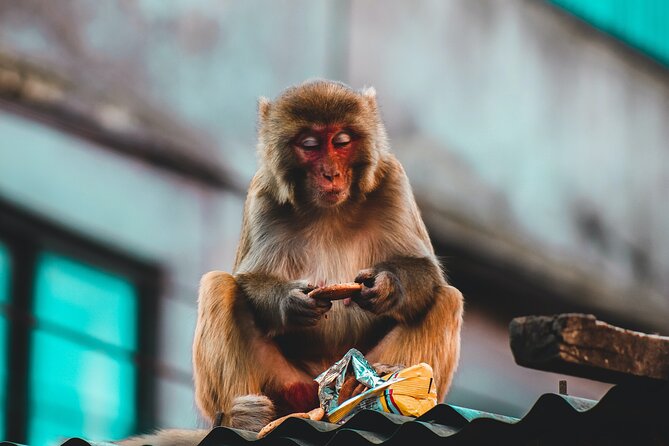
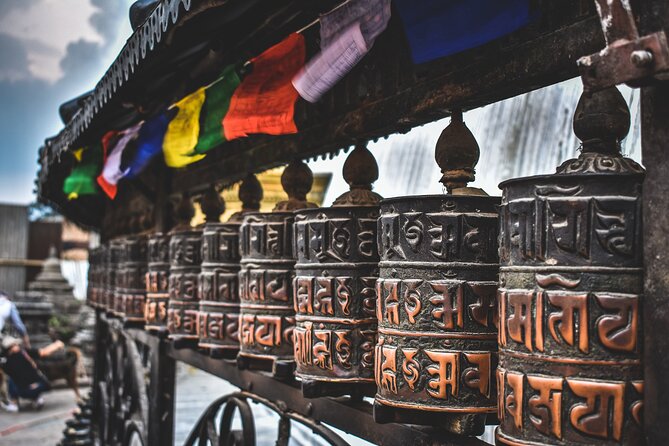
Next is Swayambhunath Stupa, often called the Monkey Temple. It sits up on a hill, and the main stupa dominates the views from below, with access from multiple sides. You get a sense of why this place matters: it’s perched, symbolic, and impossible to ignore.
Also, bring your “watch your belongings” brain. Even if you’re not scared of monkeys, you’ll want to stay alert around crowded temple approaches.
Boudhanath Stupa
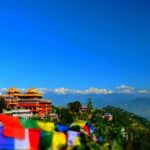
Then comes Boudhanath Stupa, one of the biggest stupas in the world and a UNESCO World Heritage site. Here the pace typically shifts. You get free time to have lunch and simply watch devotees and religious rituals, which can feel calmer than the earlier temple circuit.
This is the good middle break of the day: cultural intensity, then a chance to breathe.
Pashupatinath Temple on the Bagmati River
The day ends at Pashupatinath Temple, an important Hindu pilgrimage site along the Bagmati River. This is also where cremation ceremonies take place. If you’ve never seen a living religious practice up close, this part of the trip will likely stick with you.
Keep your expectations grounded: this is not a staged show. It’s a working sacred site with real meaning for locals, and you’ll want to observe respectfully.
Patan and Bhaktapur: UNESCO courtyards and Malla-era craftsmanship
The next day is for another layer of the valley, and it’s smart pacing: instead of repeating Kathmandu’s highlights, you move into Patan and Bhaktapur.
Patan Durbar Square (including Krishna Temple)
You visit Patan Durbar Square, another UNESCO World Heritage area inside Kathmandu Valley. You’ll also see the Krishna Temple, a named stop that helps you anchor what you’re looking at.
This stretch is great for people who love architecture as a story—how rulers, temples, and city planning shaped daily life centuries ago.
Bhaktapur Durbar Square and preserved medieval streets
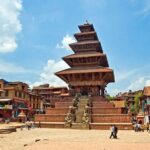
After Patan, you go to Bhaktapur Durbar Square, described as one of the largest and most preserved medieval city centers from the Malla period. Bhaktapur is especially known for monuments and architecture, plus traditions like pottery.
The practical difference with Bhaktapur is feel. It tends to feel more “kept,” so you can slow down and notice textures—stonework, workshop-like areas, and smaller details that you’d miss in a rush.
Chitwan National Park: canoe on the Rapti River and bird watching
Now the trip shifts from temples to wilderness. The drive from Kathmandu to Chitwan National Park is about 160 kilometers and takes around 5 hours, with the road itself described as beautiful.
Canoeing on the Rapti River
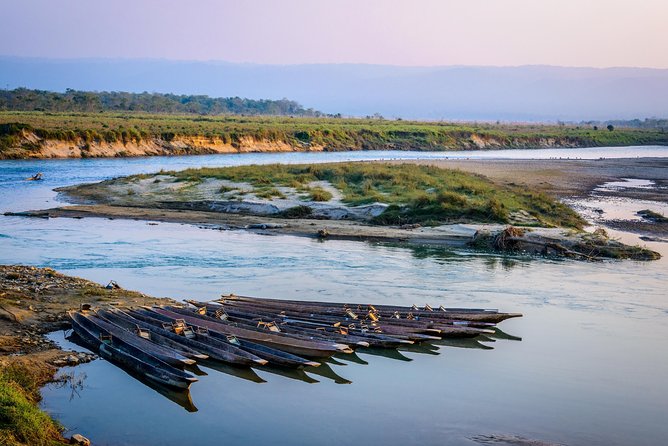
A major highlight here is canoeing on the Rapti River. The goal is wildlife viewing, with chances to observe Marsh Mugger and Gharial crocodiles resting near the riverbanks.
A tip for enjoyment: expect a slower tempo. Wildlife watching rewards patience. If you’re the type who wants constant action, you may need to adjust your mindset.
Chitwan full day nature time
Your day continues with more scheduled activities in the park area. The itinerary frames it as sightseeing time, so you’ll be with your guide while shifting between viewpoints and activities.
Bird watching around the Rapti river bank
The next day adds bird watching. Chitwan is positioned as a strong bird-watching area, and your guide explains different species you might spot.
This is a nice contrast to crocodile-focused moments. One teaches you to read movement on water and banks; the other teaches you to listen and watch for smaller shapes and calls.
Lumbini to Pokhara: a long but scenic transfer that pays off later
After Chitwan, you move toward Lumbini and then on to Pokhara.
The drive from Lumbini to Pokhara takes around 8 hours, following the Siddhartha Highway. The route is described as connecting Nepal’s Terai region with the mountain region, so you’re likely to see the country shift as you go.
If you hate long rides, make this your “audio and window time” day. It’s better than scrolling a phone. Also, build in hydration and snacks since you may not have constant meal breaks.
Sarangkot sunrise plus Pokhara stops: mountains early, caves and falls after
Pokhara is where the trip gets its big-view reward.
Sarangkot at sunrise
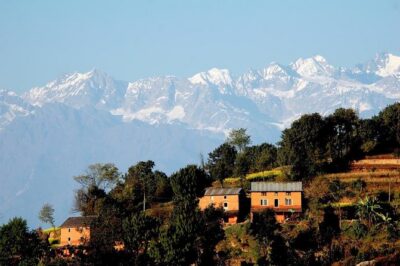
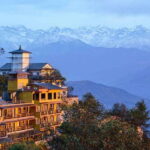
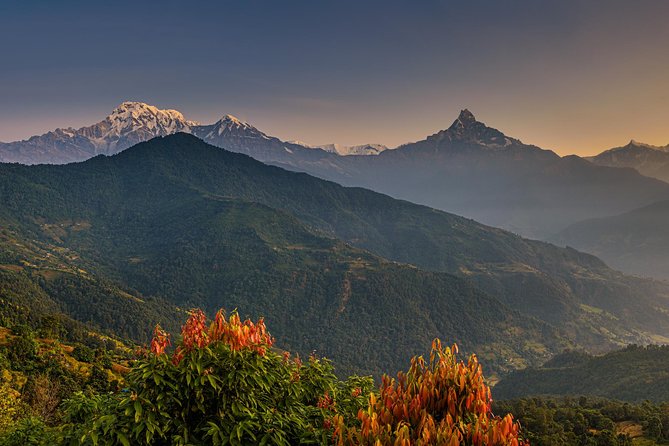
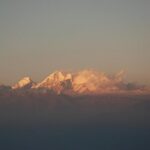
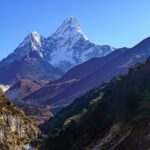
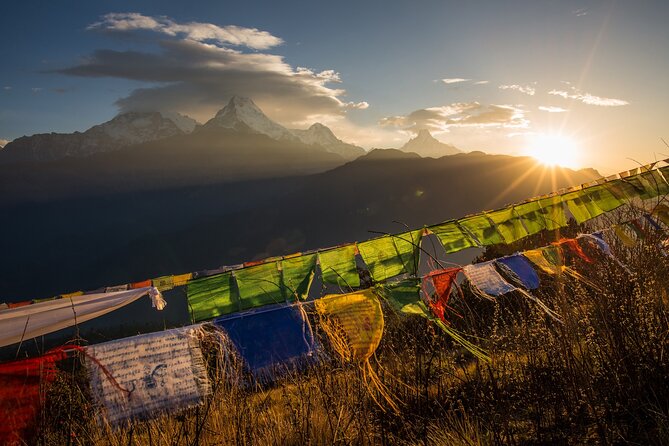
You start very early for Sarangkot. The payoff is the view over the Himalayan mountains, and the description calls out 8000+ meter peaks as part of what you’ll be introduced to. Then you have breakfast after sunrise.
Even if the weather isn’t perfectly clear, the timing is still worthwhile because you’re there when the light and atmosphere are best for seeing layers of peaks.
Devi’s Fall and Gupteshwor Cave
After sunrise, the schedule shifts to water. You visit Devi’s Fall, known for water flowing underground, which makes it a memorable stop compared with a straightforward waterfall.
Then it’s Gupteshwor Cave, located across the street from Davis Waterfall. You can see the waterfall’s flow from inside the cave.
Heads-up: caves and waterfalls can mean damp air and slippery footing. Wear shoes that won’t punish you.
World Peace Stupa and the hilltop finish
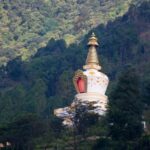
You end with the World Peace Stupa, a white-domed Buddhist monument symbolizing peace. It sits on a hilltop with views over Phewa Lake, and the itinerary notes it was built by Japanese monks.
This is a good “wrap your brain around Nepal” moment. After temples, then wildlife, then water and caves, you get a quieter viewpoint to take in how Pokhara sits in the wider story.
Bandipur on the way back to Kathmandu: a small old-town pause
On your return, you drive back toward Kathmandu with a stop in Bandipur. The stop is about 1 hour after roughly 2–3 hours of driving.
Bandipur is described as a beautiful old town, with time to explore and then continue after lunch (lunch is at your own expense).
This is the kind of pause that breaks up long travel. It also adds variety: you’re not just moving Kathmandu → countryside → Kathmandu. You get one more “place identity” before departure.
Price and value: what $1,699 buys you in real logistics comfort
At $1,699 for roughly 10 days in a max-10 group, you’re paying for the things that usually cost you time (and mistakes): private transfers across big distances, hotel lodging, a local English-speaking guide, and taxes handled.
Your includes list is doing a lot of heavy lifting:
- All land transportation by private vehicle
- All hotel accommodation
- An experienced, English speaking local tour guide
- Government and local taxes
- Entrance fee for World Heritage Sites
- Meals: breakfast (9), lunch (2), dinner (2)
That matters because Nepal travel can get expensive fast once you start piecing together separate drivers, separate hotels, and separate tickets each day. Here, your planning stress is swapped for a fixed package price.
One caution on value: the itinerary includes many activities, but the only ticket/fees explicitly called out in the includes list are World Heritage entrance fees. For anything tied to national park activities or specific boat/canoe operations, you’ll want to confirm what’s covered as part of the package versus what might be paid at the time.
Small print that actually affects your day-to-day
A few details can change how smooth your trip feels:
Tipping and extra costs
Tipping for the guide and driver is not included. Drinks and beverages aren’t included either. If you’re used to all-in pricing, budget extra for day-to-day purchases.
Meals: check what’s covered on each segment
The package includes breakfast (9), plus lunch (2) and dinner (2). At the same time, the not-included notes mention food for everywhere except Chitwan. That sounds like a partial mismatch, so I’d treat meal coverage as something to confirm before you lock in your own spending plan.
Passport details and confirmation timing
Your booking requires passport name, number, expiry, and country for all participants. If you’re traveling with multiple people, gather these details early.
Group format
This is capped at 10 travelers. That’s the sweet spot for comfort—big enough to feel social, small enough for your guide to pay attention when you ask something.
Should you book this Nepal Cultural Highlights Tour?
If you want a first-timer-friendly Nepal route with private driving, hotel stays, and an English-speaking guide doing the logistics, I think this is a strong choice. The itinerary hits the core “Nepal trio” most people hope for: Kathmandu Valley culture, Chitwan wildlife, and Pokhara mountain views—without you having to coordinate between them.
Book it if:
- you value a small group and personal guide attention
- you’d rather spend time sightseeing than arranging transport
- you want World Heritage sites handled with entrance fees covered
Think twice if:
- you dislike long car days (there are multiple around 5–8 hours)
- you’re the type who needs very flexible, unstructured days
- you want a fully all-inclusive food and drink budget (this one isn’t positioned that way)
If you’re trying to reduce risk when you choose among operators, the high satisfaction rating (4.9) and strong recommendation rate are encouraging, especially given how much “trust” matters in a country where many tour companies compete for your business.
FAQ
What’s the maximum group size on this tour?
The tour has a maximum of 10 travelers.
Is airport pickup included?
Yes. You’ll be picked up at Kathmandu International Airport and transferred to your hotel in Thamel.
Does the tour include hotel stays and transport?
Yes. The package includes all land transportation by private vehicle and all hotel accommodation.
Are entrance fees included for major historic sites?
Entrance fees for World Heritage Sites are included. Other costs (like additional items not specified in the includes list) are not.
What meals are included?
Breakfast is included (9 breakfasts), plus lunch (2) and dinner (2). Other meals and drinks are not included unless specifically listed as part of the package.
How much time is there for a Kathmandu airport transfer at the end?
You’re transferred to Kathmandu International Airport about 3 hours before departure.
Can I cancel for a full refund?
Yes. Free cancellation is offered, and you can cancel up to 24 hours in advance for a full refund.