REVIEW · ANNAPURNA CIRCUIT TREKS
Annapurna Circuit Trek with Tilicho Lake
Book on Viator →Operated by Discovery World Trekking · Bookable on Viator
One wrong turn on the Annapurna is still a turn you feel. This route is interesting because it adds the high-altitude Tilicho Lake detour inside the classic Annapurna Circuit, and it keeps things manageable with a guide and a small group. I especially like the all-in support (accommodation, meals, and permits are included), and I also like the way the itinerary builds in acclimatizing hikes around Manang instead of rushing. A drawback to consider: it is a challenging mountain trek, so you need solid fitness and you should expect cold, dry air and big climbs.
This is not a trip for casual strolling. You’ll be walking day after day through forests, rural villages, and high passes, with early starts on key days like Tilicho Lake and Thorong La. The payoff is real: big views, hard-won milestones, and then a relaxing break at natural hot springs in Tatopani.
In This Review
- Key things that make this trek stand out
- Tilicho Lake detour: the big reason to pick this Annapurna Circuit
- Price and what you really get for $1,093
- Guide-led safety: why this matters when the trail is remote
- Route walkthrough: from Kathmandu roads to Manang air
- Day 1: Kathmandu to Besishar, with a monastery stop
- Day 2: suspension bridge to the Manang region feel
- Days 3–4: Chame forests and the first big rock-face views
- Days 5–6: upper trails toward colder air, then acclimatize
- Tilicho Lake days: base camp to the high ice lake
- Day 7: a slightly easier rhythm into Khangsar
- Day 8: the landslides area and Tilicho base camp
- Day 9: early start to reach Tilichol (Tilicho) Lake
- Day 10: descent toward Khangsar and a monastery passing moment
- Thorong La and the post-pass recovery: Muktinath to Tatopani
- Days 11–12: Thorong Phedi to Thorong La pass challenge
- Day 13: Muktinath temple, then hot springs in Tatopani
- Ghorepani and Poon Hill: the sunrise closer
- Day 14: thakali villages, terraces, and rhododendron forest
- Day 15: Poon Hill sunrise at 3,210 m
- Day 16: drive back to Kathmandu
- Fitness, weather, and pacing tips that will make your trip easier
- Is this the right trek for you?
- Should you book this Annapurna Circuit with Tilicho Lake?
- FAQ
- How long is the Annapurna Circuit trek with Tilicho Lake?
- Where does the tour start?
- What’s included in the trip price?
- What permits are included?
- Are meals included during the trek?
- Is local transportation included?
- Is there a guide?
- How many travelers are in the group?
- What level of fitness do I need?
- What is the cancellation/refund policy?
Key things that make this trek stand out
- Tilicho Lake detour adds a dramatic high-altitude finish to the circuit rhythm
- All logistics handled: guide, porters (and their meals/insurance), permits, and included overland transport
- Acclimatization built in around Manang before the highest parts of the route
- Early starts where it matters to handle wind and pass conditions
- Small group size (max 15) keeps the day-to-day pace more human
- Hot springs + temple stop: Tatopani soak after Muktinath is a great reset
Tilicho Lake detour: the big reason to pick this Annapurna Circuit
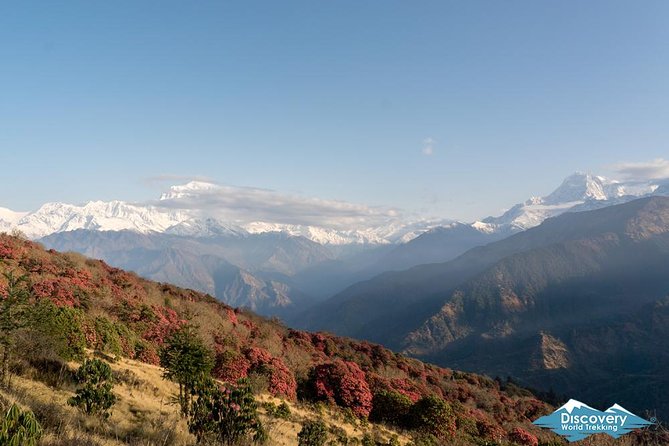
If you’re choosing the Annapurna Circuit anyway, this version earns its extra effort by adding Tilicho Lake. Tilicho is described as the highest lake in the world and also as the Great Ice Lake, and you’ll actually get a dedicated day to reach it after a steep climb. That matters because it turns what could be a simple detour into a full-on trekking objective.
The other reason I like this route is the way it changes scenery on purpose. You’ll spend time in forested stretches, then shift into drier, colder air as you climb higher. You’ll also pass through rural mountain communities and Tibetan settlements, so the trek feels layered, not one-note.
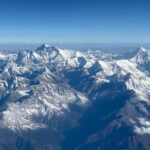
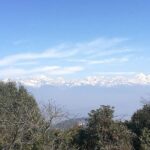
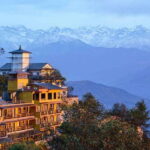
And yes, the reward is view-heavy. On the upper trails around Manang, the route is set up for clear sightlines toward peaks like Annapurna II/III/IV, Pisang Peak, and Tilicho itself. You’ll feel the altitude before you even reach the highest days, and that makes the big moments hit harder.
You can also read our reviews of more hiking tours in Kathmandu
Price and what you really get for $1,093
At $1,093 for about 16 days, the value comes from what’s included, not just the walking. This package covers accommodation and meals during the trek, plus permits (including Annapurna Conservation Area Permit and TIMS). It also includes the support system: a licensed trekking leader, guides and porters (their meals, insurance, salary, and lodging), and help arranging rescue operation in a complicated health situation.
It’s also got transport stitched in: an air-conditioned vehicle for parts of the overland transfer, a drive from Kathmandu to Syange, public transportation from Muktinath to Tatopani, and a tourist bus from Pokhara back to Kathmandu. So you’re not juggling bus schedules and local ticket lines while also trying to recover from big hiking days.
What isn’t included is simple: any costs not listed as included, plus the optional flight back to Kathmandu from Pokhara (mentioned as an alternative). If you need to budget, also think about things like tips and personal shopping, since those aren’t listed in the included items.
Guide-led safety: why this matters when the trail is remote
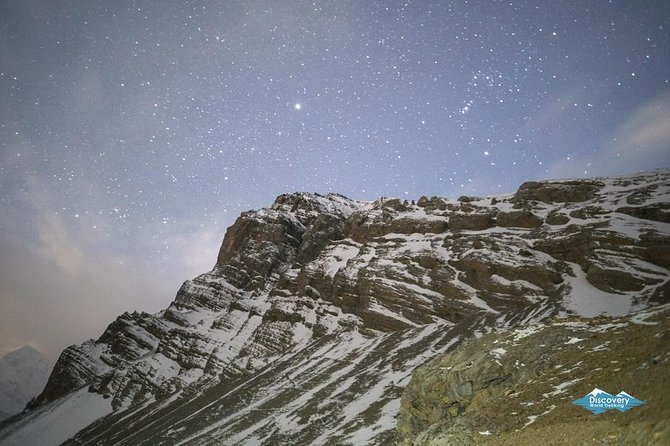
On the Annapurna Circuit, the hard part isn’t just distance. It’s decision-making: choosing the right trail, getting timing right for weather, and understanding what’s safe. This trek is specifically built for that. You’re walking with a guide, and you’re not left to figure everything out alone.
I like that the group stays small (max 15). With fewer people, you get a steadier pace and less chaos at junctions, tea houses, or when everyone is trying to pack up before the next leg. That small-group rhythm is also backed up by the way the company’s guides and porters are described in real experiences: people talk about guides who stay calm, communicate clearly, and make time to explain the mountains and local culture while you walk.
You may meet different guide teams depending on dates, and some names that show up in past experiences include Hari Gurung, Suresh, Dev, and Kersing. Porters mentioned include Rupesh, Surya, Damar, Sangkar, Asis, Monis, Bikesh, and others. The consistent theme is support: friendly, relaxed teamwork that makes the trek feel less like a test and more like a shared journey.
A possible consideration: because you’re following a structured schedule, you can’t easily slow way down or improvise a big detour. If you’re the type who wants maximum flexibility, this style might feel more guided than you’d like.
Route walkthrough: from Kathmandu roads to Manang air
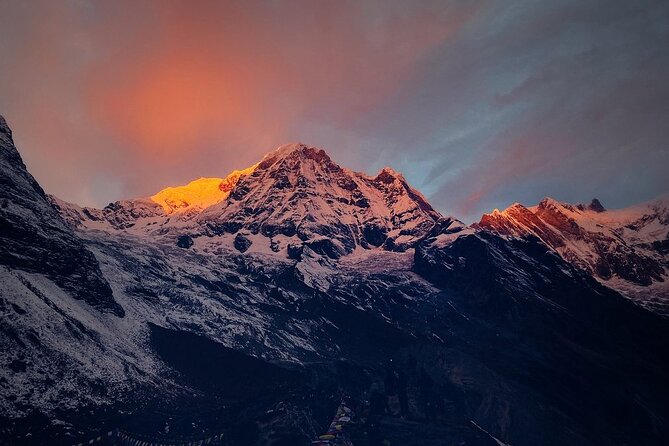
Here’s how the trek flows day by day, and what each part is doing for your body and your eyes.
Day 1: Kathmandu to Besishar, with a monastery stop
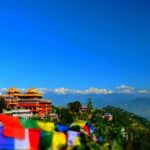
You start with a long overland day: a 6–7 hour drive (about 190 km) from Kathmandu toward Besishar. Along the way you’ll pass villages, farms, rivers, and you’ll get early glimpses of mountain ranges. The trek begins with a visit to Sandup Choeding Gompa, which gives you a first taste of local religious life before the real hiking starts.
Practical note: treat Day 1 as your warm-up. Even though you’re not climbing much yet, you’re getting used to Nepal road time and the shift into mountain weather.
Day 2: suspension bridge to the Manang region feel
On Day 2, you cross a suspension bridge and then do a steep climb. After that, you enter the vicinity of the Manang region around a village named Tal. The trail and river scenery are highlighted here: waterfalls forming a river by sandy beaches.
This is a good day for learning how the trail moves: short climbs, quick transitions, then stretches where you can settle into rhythm.
Days 3–4: Chame forests and the first big rock-face views
Day 3 takes you through forest (pine, fir, oak, maple) along a river to Chame, the district headquarters of Manang. You’ll be surrounded by green forest and start seeing notable views.
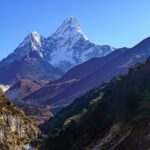
Day 4 turns steeper and more dramatic: you walk through a steep, narrow valley for an early view of Paungda Danda, a curved rock face rising 1500 m from the river. You can also see Annapurna II to the south and Pisang Peak to the north east.
This is where I’d tell you to bring your best camera habits. The views are earned, not handed to you at the end of a flat walk.
Days 5–6: upper trails toward colder air, then acclimatize
Day 5 moves onto the upper trail through upper Pisang via Geru. This is specifically chosen for outstanding views toward north faces of Annapurna II, III, and IV, as well as Gangapurna, Tilicho, and Pisang Peak. As you ascend, the air turns cold, dry, and harsher.
Day 6 is your acclimatization day. Instead of pushing straight upward, you explore Manang: hike up to Gangapurna Lake and spend the day admiring a lineup of peaks (Annapurna III, Tilicho, Pisang, Chulu peaks), plus time roaming Manang village and monasteries.
If you rush past acclimatization, altitude pays you back later. This itinerary makes room to adjust.
Tilicho Lake days: base camp to the high ice lake
Day 7: a slightly easier rhythm into Khangsar
Day 7 is described as a little easier. You take an upper route that follows a path down to a river, cross it, and move through conifer forests. After about three hours you arrive at the Tibetan settlement Khangsar, then continue for a bit more.
Think of this as a controlled day so you can save energy for the big Tilicho push.
Day 8: the landslides area and Tilicho base camp
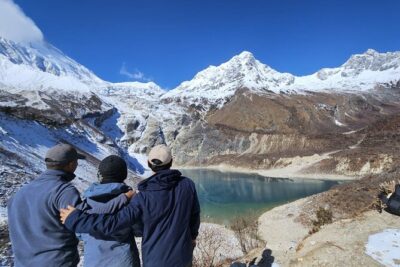
Today you head toward Tilicho base camp on an easy path through a middle area of landslides. You’ll see rock formations and then trek up to Tilicho base camp for a good view of Tilicho Peak and other snow-covered mountains.
This day is about position. You’re not yet at the lake, but you’re putting yourself in the right place for the steep climb tomorrow.
Day 9: early start to reach Tilichol (Tilicho) Lake
On Day 9, you start early to avoid afternoon wind. You take a steep, consistent climb for about 2–3 hours to reach Tilicho Lake. It’s referred to as the highest lake in the world and also called the Great Ice Lake.
This is the kind of day where you’ll feel your pace discipline. Going too fast at the start can wipe you out before the top. Going steady keeps you in the zone where you can actually enjoy the scenery when it opens.
Day 10: descent toward Khangsar and a monastery passing moment
Day 10 is about moving down. You descend to uninhabited Khangsar and pass Tare gumba, noted as a thousand-year-old monastery, before descending into the Thorong Khola valley. You cross a river and hike up to a plateau, reaching an area near where you’ll continue on.
That Tare gumba stop is a nice reminder that this trek is not only about altitude. Places along the trail have long histories.
Thorong La and the post-pass recovery: Muktinath to Tatopani
Days 11–12: Thorong Phedi to Thorong La pass challenge
Day 11: you walk uphill to Thorong Phedi, a small busy settlement with mountain views. On the way, the trek highlights views of Mt Gundang, Mt Syagang, Thorung Peak, and Mt Khatungkan.
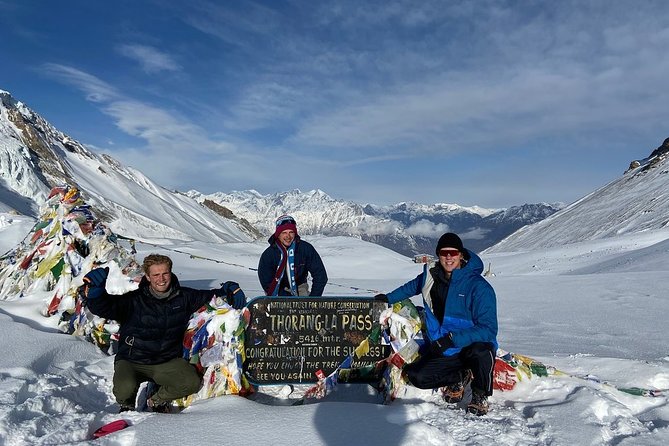
Day 12 is the big one: you cross Thorong La pass, described as one of the highest passes in the world and the highest point of the trek. You wake up at 3 AM to attempt the pass.
This is a day you should treat like a mission. Your guide’s pacing and timing matter because early light and weather can make the difference between smooth and stressful walking.
Day 13: Muktinath temple, then hot springs in Tatopani
Day 13 changes the tone. You visit Muktinath Temple and then continue by car ride to Tatopani. Tatopani is famous for natural hot springs, and this is your chance to soak and reset after the pass.
I love this kind of built-in reward. You don’t have to negotiate a post-trek plan; the trek schedule gives you a recovery moment.
Ghorepani and Poon Hill: the sunrise closer
Day 14: thakali villages, terraces, and rhododendron forest
On Day 14, you ascend to Ghorepani through villages of Sikha and Chitre, described as ethnic thakali villages. You walk through terraced farmland and then pass lush forests filled with rhododendron, birch, and magnolia. You stop at Ghorepani (the day’s final point is cut off, but Ghorepani is the named stop).
This day is important because it transitions you from post-pass survival mode into scenic trekking again.
Day 15: Poon Hill sunrise at 3,210 m
Day 15 is early and scenic: you ascend to Poon Hill (3,210 m) to view sunrise over Annapurna and the Dhaulagiri massif. You can see Mt Machhapuchhre (Fishtail), Mt Manaslu, and surrounding rice terraces.
This is a classic payoff day. It also gives you a way to end the trip with a sense of closure: the big peaks feel close enough to feel real.
Day 16: drive back to Kathmandu
After breakfast on Day 16, you drive back to Kathmandu by a tourist bus. You can also choose to return by flight from the alternative route via Pokhara (225 minutes), though that flight isn’t included in the package.
Fitness, weather, and pacing tips that will make your trip easier
This trek is described as best for active, fit travelers, and the package asks for moderate physical fitness. That’s honest. You’re dealing with long hiking days and steep segments, plus cold, dry air as you climb.
A few things you can control:
- Train for steady uphill walking. You don’t need to be a runner, but you should be comfortable walking uphill for hours.
- Plan for cold at altitude. Day 5’s air-shift description is a clue, and Thorong La night wake-up makes it real.
- Use early starts like a tool. Tilicho Lake and the pass both get early starts for wind or timing. Treat that as part of the plan, not an inconvenience.
- Fuel and hydrate on schedule. The itinerary is built around meals in tea houses/lodges, so snack and sip even when you’re not starving.
Weather matters here. The experience requires good weather, and if it’s canceled due to poor weather you’ll be offered a different date or a full refund. It’s also dependent on a minimum number of travelers, with an option to switch dates or get a full refund if that minimum isn’t met.
Is this the right trek for you?
This trek is a great fit if you:
- Want the classic Annapurna Circuit experience but also crave a serious Tilicho Lake objective
- Prefer a structured plan with guide-led navigation
- Like traveling in a group capped at 15 and expect tea house/lodge days
- Are ready for one of the highest pass days (Thorong La) and a big recovery soak afterward
You might want to skip it if:
- You don’t feel confident handling cold, steep climbs, and early mornings
- You want total freedom to change routes or pace day to day
Should you book this Annapurna Circuit with Tilicho Lake?
If your idea of a good vacation includes hard days, big views, and trust in a guide-led team, I think this one earns its spot. The value is strong because meals, accommodation, permits, and transport are handled, and the itinerary is designed to help you acclimatize before the pass. Book it if you’re an active traveler ready for elevation and you want Tilicho Lake to be more than a side note.
FAQ
How long is the Annapurna Circuit trek with Tilicho Lake?
It’s listed as 16 days (approx.).
Where does the tour start?
The trek starts with pickup and travel from Kathmandu. Day 1 includes a drive from Kathmandu toward Besishar.
What’s included in the trip price?
The package includes accommodation, meals during the trek, permits (ACAP and TIMS), local overland transport, and the services of a licensed trekking leader plus guides and porters (including their meals, insurance, salary, and lodging).
What permits are included?
You get the Annapurna Conservation Area Permit (ACAP) fee and the TIMS card fee.
Are meals included during the trek?
Yes. Tea house/lodge accommodation includes breakfast, lunch, and dinner during the trek.
Is local transportation included?
Yes. The trip includes overland transport in parts of the route, including a drive from Kathmandu to Syange, public transportation from Muktinath to Tatopani, and a tourist bus from Pokhara to Kathmandu.
Is there a guide?
Yes. The trek includes a government license holder trek leader and guide services, and it is designed to help you trek safely without the risk of getting lost.
How many travelers are in the group?
The maximum group size is 15 travelers.
What level of fitness do I need?
The information provided says travelers should have a moderate physical fitness level, and the trek is described as challenging and best for active travelers.
What is the cancellation/refund policy?
The experience is non-refundable and cannot be changed for any reason. If it’s canceled due to poor weather, you’ll be offered a different date or a full refund. If it’s canceled because the minimum number of travelers isn’t met, you’ll be offered a different date/experience or a full refund.