REVIEW · 5-DAY EXPERIENCES
Annapurna base camp trek 5 Days
Book on Viator →Operated by Alpine Ramble Treks · Bookable on Viator
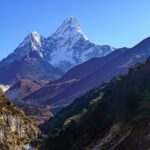
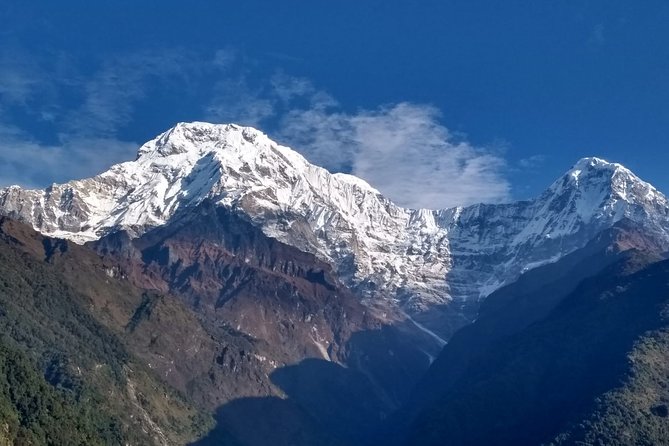
Himalaya views, packed into a tight schedule. This six-day Annapurna Base Camp trek (with about five trekking days) keeps logistics simple: you start in Kathmandu, ride to Pokhara, and then follow a classic Annapurna Range route built around tea-house comfort and big viewpoints, including Machhapuchare (Fish Tail). I like how the trip is set up for an English-speaking guide who handles the moving parts so you can focus on walking and looking.
What really adds value is the “trek basics” coverage. You’re not just getting a guide; you get down jacket and sleeping bag, permits, and meals plus accommodation on the trek, plus airport transfers and local transport—so you don’t have to solve the hardest planning puzzles alone.
One possible drawback to watch: water handling isn’t spelled out in the inclusions, and there have been hiccups reported around purification tablets. If you’re strict about using tablets, plan to bring your own or confirm exactly what the team will provide before you start trekking.
In This Review
- Key things I’d circle before you go
- Why this trek feels doable: five trail days, two “buffer” days
- Kathmandu to Pokhara: the part you’ll thank yourself for
- The route’s first “real” walking day: Siwai/Birethati and the rhythm of the trail
- Upper Sinuwa and sunrise views: why timing matters here
- Annapurna Base Camp day: the classic finish, minus the chaos
- Descent reality check: Chomrong, Jhinu hot spring, and back toward Siwai
- What you’re paying for: value in gear, food, and permits
- Water and guide-readiness: the one thing to prepare before Day 2
- Who this trek suits best (and who should rethink it)
- Should you book this Annapurna Base Camp trek?
- FAQ
- Is this trek really 5 days or 6 days?
- What does the tour include for the trek itself?
- Do I need to bring my own permits?
- Are airport transfers included?
- What time does the experience start?
- How big is the group?
- Is the route one-way or do you return to Pokhara?
- Are meals in Kathmandu and Pokhara included?
- Are arrival visa fees included?
- What’s the cancellation policy if weather is bad?
Key things I’d circle before you go
- Small group size (max 12): easier pacing, fewer bottlenecks at lodges and viewpoints
- Gear included: down jacket and sleeping bag lower your carry load and rental hassle
- Permits and trekking support included: you can focus on the trail instead of paperwork
- Tea-house meals and stays on trek: convenient, classic Annapurna style lodging
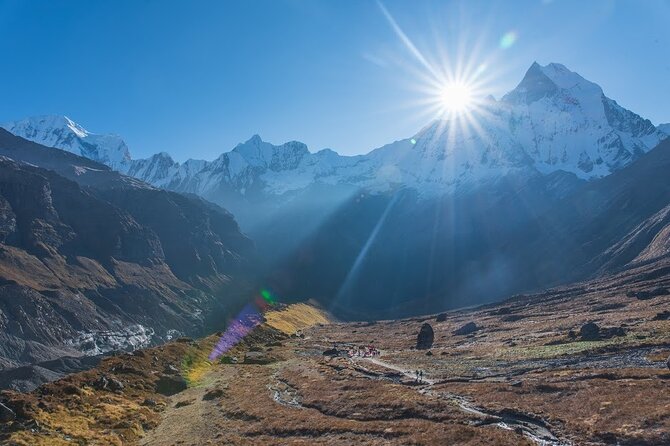
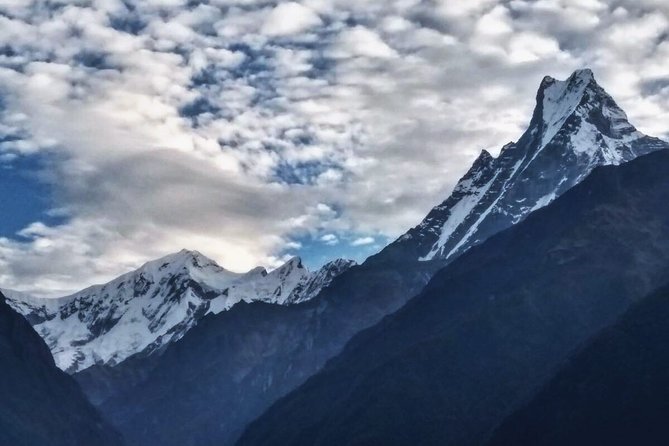
- Machhapuchare and Annapurna views: sunrise moments are built into the route
- Transport stitched together: tourist bus and local jeeps reduce day-to-day coordination stress
Why this trek feels doable: five trail days, two “buffer” days
Annapurna Base Camp is famous for a reason, but the details matter. This itinerary doesn’t treat you like a hardcore expedition team. It’s a short-route version of the Annapurna experience, timed so you can spend most of your attention on the mountains rather than endless logistics.
Day 1 is mostly about getting yourself into the right rhythm. You travel from Kathmandu to Pokhara in the morning by tourist bus, then use the rest of the day for lakeside wandering. Day 6 is the flip side: you’re done with the main trekking push and shift to descent and town time. That structure helps if you don’t want your whole week swallowed by travel.
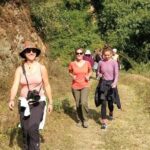
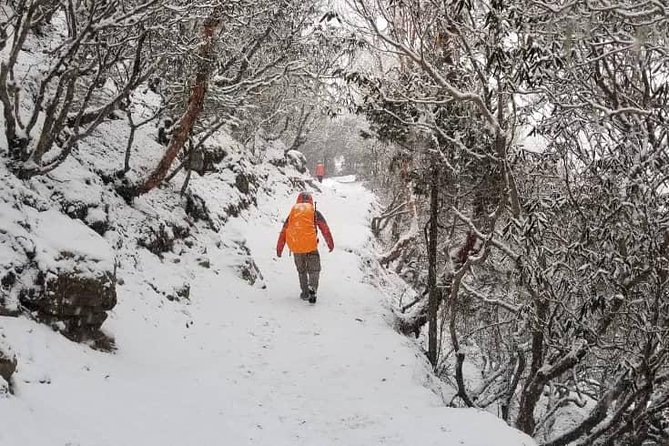
The trek days themselves build gradually. You move through forested sections (rhododendron is specifically mentioned), then climb into higher viewpoints, and finally hit Base Camp. If you’re traveling with moderate fitness, this is the kind of pacing that tends to work better than the “go hard every day” style tours.
You can also read our reviews of more hiking tours in Kathmandu
Kathmandu to Pokhara: the part you’ll thank yourself for
Getting to the trailhead is often where trips fall apart. Here, you get airport pick-up and drop-off plus private transportation and ground transfers, and that’s a big deal when you’re arriving in Nepal and still adjusting to the country.
On Day 1, you take a scenic drive from Kathmandu to Pokhara through the Prithvi Highway via tourist bus. Once you arrive, you go around the Lakeside area and spend time in the tourist-town zone. That gives you two practical benefits:
- You can buy any small missing gear you forgot at home.
- You can get your bearings and figure out local prices and routines before trekking starts.
Starting at 6:45 am is early, but it’s also smart. Early departures usually mean fewer delays and more daylight for the first push toward higher ground on the following days.
The route’s first “real” walking day: Siwai/Birethati and the rhythm of the trail
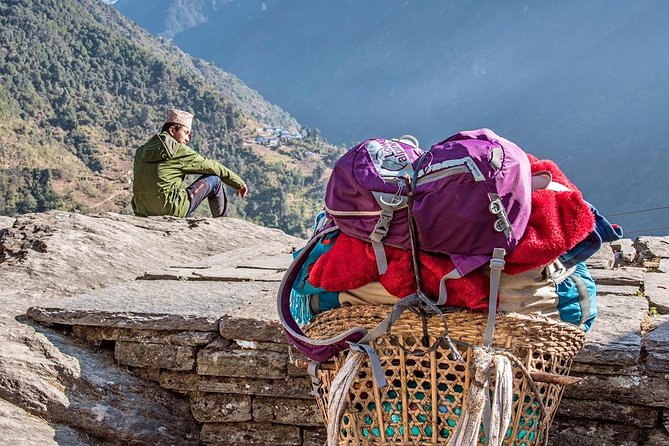
Day 2 begins with breakfast in Pokhara, then a drive toward Siwai, described as about a two-hour local jeep ride. Before you reach Siwai, you stop at Birethati, which is treated as an entry point.
Even without exact distance listed, this day is important because it’s your transition day: you’re moving from road travel into the footpath world. You’ll also be reminded that lodges on this route run on schedule. In the Himalaya, dinner and breakfast aren’t just meals—they’re how your day gets organized.
If you like having a plan, this itinerary leans that way: breakfast, then transport, then trekking toward the first lodge area (Chhomrong Cottage is mentioned as a stop). This reduces decision fatigue and helps you keep the pace steady, especially if you’re not an experienced trekker.
Upper Sinuwa and sunrise views: why timing matters here
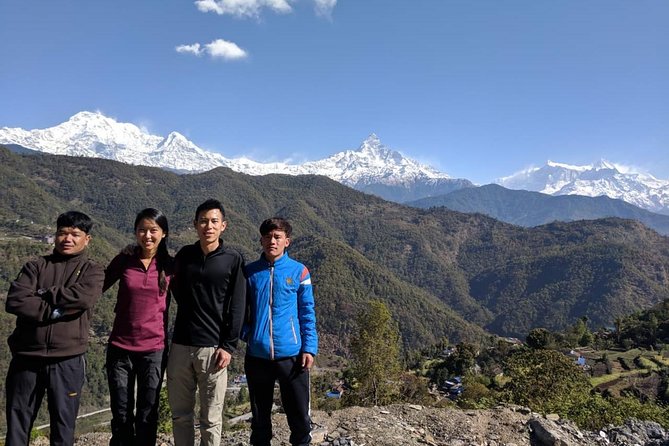
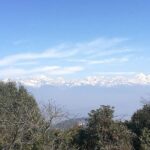
Days 3 and 5 revolve around lodges near Sinuwa hilltop (including Upper Sinuwa). Day 3 is written as a morning of waking up with tea and watching sunrise if weather allows, with views over the White Mountain. Then you descend after breakfast.
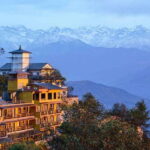
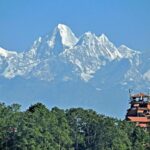
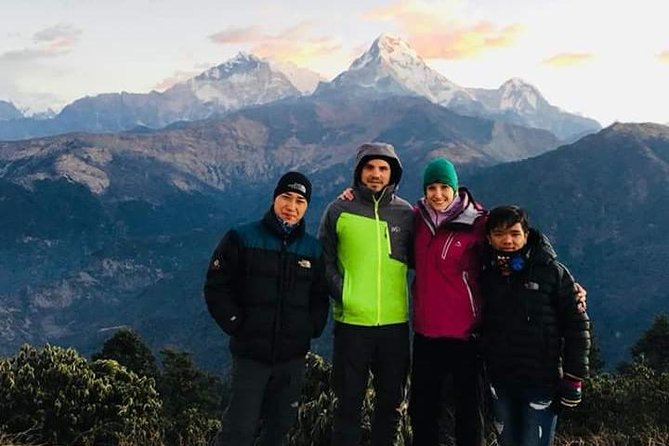
Day 5 repeats the concept in a different mood. You explore a bit in the morning for the sunrise over Machhapuchare and Annapurna. That’s the kind of viewpoint payoff that turns a “just hiking” trip into a memory you can picture later.
Here’s why this route timing is valuable for you:
- Sunrises encourage an early start, which often means clearer skies.
- The lodge locations are set to give you mountain sightlines while you’re still fresh.
- You get at least two chances for those views instead of betting everything on one perfect morning.
The trade-off is simple: sunrise days make your alarm feel strict. If you hate early mornings, this is the part to prepare mentally.
Annapurna Base Camp day: the classic finish, minus the chaos
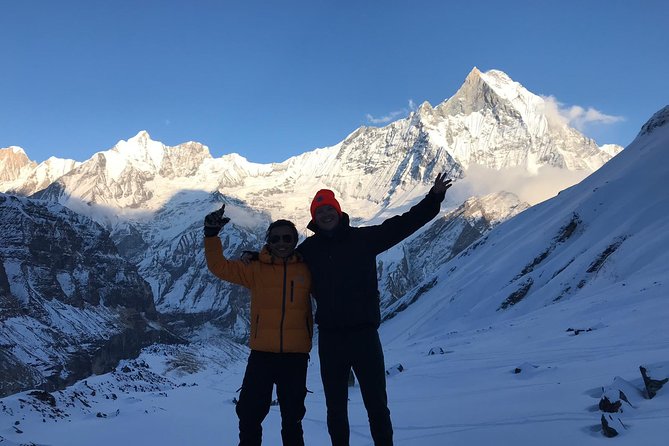
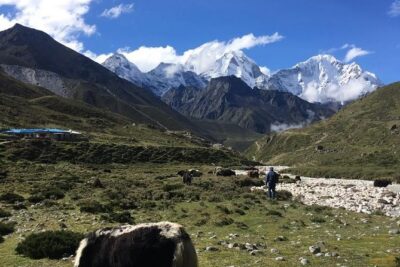
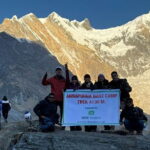
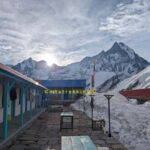
Day 4 is the headline: reaching Annapurna Base Camp on foot, with the route framed around the Annapurna Range and the sense of arriving at one of the famous points in the Himalaya network.
Even though the itinerary doesn’t list exact elevation gain or daily hike times for Day 4, the way the trip is structured tells you what to expect. You’ll have already moved from Pokhara into the trekking zone for a couple days. That means Base Camp day is a culmination, not a first-day shock.
What makes this day feel special is the combination of:
- steady build-up through lodges,
- a final push toward the Base Camp area,
- and the broader context of iconic peaks around you (Machhapuchare is highlighted by name).
If you want to get real value from that day, plan your energy like this: don’t sprint early. Base Camp isn’t a race. It’s a place where you’ll want time to pause, take in the view, and absorb how the trail connects you to the Annapurna scenery.
You can also read our reviews of more tours and experiences in Kathmandu
Descent reality check: Chomrong, Jhinu hot spring, and back toward Siwai
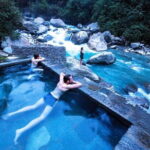
Day 6 is where many “I’ll just walk a little farther” plans meet physics. The itinerary describes starting after breakfast and following the same trail back until Chomrong. From Chomrong, the route descends steeply toward Jhinu hot spring.
That steep descent is worth respecting. Your knees and lower legs do a lot of the work on downhill days, and it’s often the part that decides whether you feel great after trekking or sore for days.
After Jhinu hot spring, the itinerary notes you trek down to Siwai (about two hours from Jinu Dada) and then take a local jeep back. Finally, you shift to a Pokhara activity: the Pokhara Museum is listed as a stop.
I like the inclusion of a museum day here because it’s practical. You’re not just “transported back and dropped.” You get a low-key cultural buffer that helps you transition out of trekking mode.
What you’re paying for: value in gear, food, and permits
At $699 per person, this trek is priced in a range that usually covers more than just a guide. The inclusions here are a big part of why it can feel like good value.
You’re told the package includes:
- Permits and all fees and taxes
- Trekking guide (English-speaking, plus sherpa listed in the description of roles)
- Tea-house accommodation and meals on the trek (breakfast/lunch/dinner counts are included for five days)
- Down jacket and sleeping bags
- Ground transport, and airport pick and drop off
- A farewell dinner, a certificate of achievements, and an ART’s free t-shirt
Also, the package states items like insurance, equipment, foods, transportation, and salary for the guide are included. Even if you want to double-check the exact type of insurance, the key takeaway is this: your daily trekking rhythm is mostly taken care of.
What you don’t get is equally important:
- Food in Kathmandu and Pokhara isn’t included.
- Tips for guide and staff aren’t included.
- Arrival visa fees and travel insurance aren’t included.
- Extra accommodation outside the schedule is not included.
My practical take: the best value in a trek package is when you’re not paying twice—once for the trek, and again for missing gear or permits. This one does a lot of the heavy lifting for you, especially with sleeping bag + down jacket and meals/lodges.
Water and guide-readiness: the one thing to prepare before Day 2
Here’s the caution piece I’d treat seriously.
Purifying water is a constant issue on trekking routes, and your comfort depends on your approach. The inclusions list doesn’t clearly call out water tablets or purification supplies for the trek. And there have been reported moments where tablets weren’t brought as expected, leading to last-minute problem-solving and added cost.
So before trekking starts, do two quick things:
- Ask the guide to confirm what water purification method you’ll be using on trek days (and whether tablets are available as part of the plan).
- If you follow a specific system, bring your own backup tablets or filter. It’s not about distrust; it’s about reducing stress when you’re far from a shop.
Also, one review issue raised was about a guide not being fully ready with the trek plan before departure. You can’t control everything, but you can reduce surprises by asking for a quick day-by-day overview on the first travel day and confirming lodge names and general pacing.
Small checks like these protect your trip more than worrying about a perfect paper itinerary.
Who this trek suits best (and who should rethink it)
This is a good fit if you:
- want a short, classic Annapurna Base Camp experience without a long multi-week commitment,
- prefer small-group structure (max 12),
- like knowing permits and trek meals are covered,
- and appreciate having gear included so you travel lighter.
It might be less ideal if you:
- hate early starts or sunrise wake-ups,
- have strict rules about water purification and don’t want to improvise,
- or expect a completely flawless operational experience with zero hiccups.
No trek is risk-free in the mountains. This one does require good weather, and cancellation/alternative dates are part of the reality when weather turns.
Should you book this Annapurna Base Camp trek?
If you want Annapurna Base Camp in a tight window, and you like the idea of having permits, food, tea-house lodging, transport, and key gear handled, this is the kind of package that can work well. The price makes more sense when you add up what’s included—especially down jacket + sleeping bag and meal coverage on the trail.
Still, I’d book it with one upgrade mindset: plan for water purification yourself at least as a backup. Confirm the tablet or purification setup before you leave Pokhara, and make sure you’re clear on the day-by-day flow with your guide.
If those checks feel easy to handle, you’ll likely enjoy this trek a lot for its mountain focus—and for the fact that you get to spend your energy on the trail instead of chasing logistics.
FAQ
Is this trek really 5 days or 6 days?
The trek is described as a 5-day Annapurna Base Camp experience, but the itinerary runs from Day 1 through Day 6. In practice, that means you’ll have two non-trek or partial-trek days around the main trekking days.
What does the tour include for the trek itself?
It includes tea-house accommodation, meals (breakfast, lunch, dinner across five days), a local English-speaking trekking guide, trekking permits, and the down jacket and sleeping bag. It also includes the ground transportation and airport pick and drop off.
Do I need to bring my own permits?
No. Trekking permits are included in the package.
Are airport transfers included?
Yes. Airport pick and drop off are included.
What time does the experience start?
The meeting/start time is listed as 6:45 am.
How big is the group?
The maximum group size is listed as 12 travelers.
Is the route one-way or do you return to Pokhara?
You start in Kathmandu, travel to Pokhara, trek toward Annapurna Base Camp, then return through the descent back to the Siwai area and continue with activities in Pokhara.
Are meals in Kathmandu and Pokhara included?
Food in Kathmandu and Pokhara is listed as not included.
Are arrival visa fees included?
Arrival visa fees are not included.
What’s the cancellation policy if weather is bad?
You can cancel for a full refund if you cancel at least 24 hours before the experience starts. The experience requires good weather, and if it’s canceled due to poor weather, you’ll be offered a different date or a full refund.