REVIEW · BHAKTAPUR & PATAN DAY TRIPS
Folklore and Everyday Life in Ancient Patan
Book on Viator →Operated by Travel Nextdoor · Bookable on Viator
Patan’s courtyards tell stories you can walk into. This Patan walking tour is built around real Newar Buddhism and Tantric Hinduism in everyday life, and I like how the guide ties architecture to belief instead of treating it like museum-only scenery. I also like Sandip’s style: calm, funny, and full of practical context for what you’re seeing.
One thing to plan around: the route intentionally does not include Patan Durbar Square, so if you want that ticketed complex and the museum inside, you’ll need to add it on afterward.
In This Review
- Key things to look forward to
- Patan’s courtyards: where faith becomes everyday life
- Meet at Patan Dhoka and walk the old-town rhythm
- Stop 1: Pimbahal monastery and the scale of monastic life
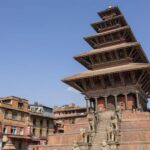
- Stop 2: Nyakhachowk, courtyards, and the house-with-shrines city
- Stop 3: Nagbahaa and the Greek/Hellenistic thread in iconography
- Stop 4: Swotha Square and an easy jump to Patan Durbar Square
- How Newar Buddhism and Tantric Hinduism shape daily life here
- Price and value: what $65 really buys
- Practical tips so you enjoy every courtyard
- Should you book this folklore-and-life Patan walk?
- FAQ
- How long is the Patan folklore and everyday life walking tour?
- Where does the tour start and where does it end?
- What’s included in the price?
- Is Patan Durbar Square included?
- What time does the tour begin?
- How many people are in the group?
- Do I need pickup and drop-off?
- Do I need a ticket in advance?
- What happens if weather is bad?
- Is free cancellation available?
Key things to look forward to
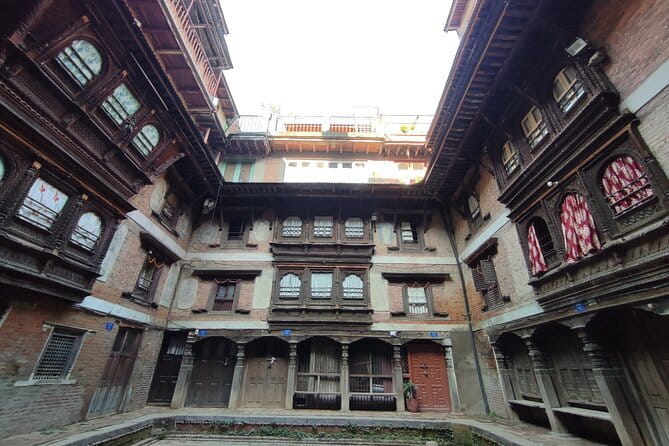
- Courtyard-first walking: you’ll spend real time in the spaces Newars actually use for daily and sacred life
- Faith in daily routine: Newar Buddhist monasteries, tantric Hindu influences, and how they show up close to home
- Pimbahal’s monastic scale: you’ll learn about an order with thousands of ordained monks
- Architecture you can name: resting areas (falchaa), ancestral shrines, and vernacular house forms
- Art with an ancient “outside” influence: Greek/Hellenistic impressions in Buddhist/Hindu iconography
- Small group pace: up to 10 people, so questions feel easy
Patan’s courtyards: where faith becomes everyday life
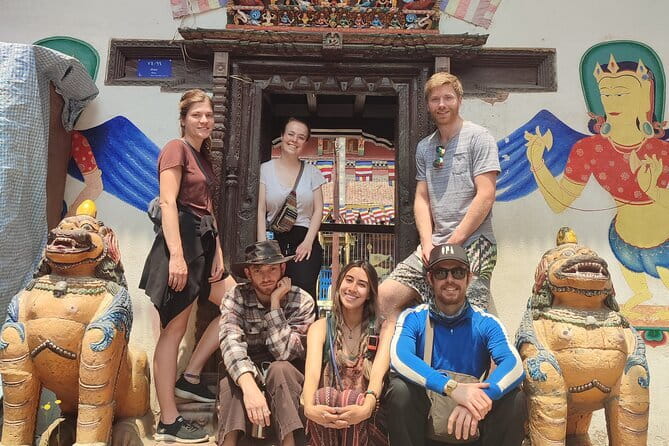
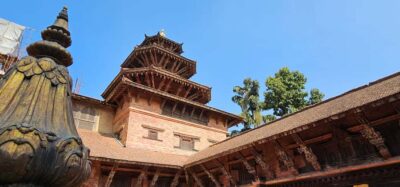
Patan doesn’t work like a big, open sightseeing grid. The best parts are hidden in plain sight: narrow lanes, carved gates, and courtyard spaces that feel both social and sacred. This tour is designed for that reality. Instead of marching from one headline monument to the next, you move through courtyards where tradition lives in woodwork, icons, and routines.
What I like most is the way belief isn’t explained in theory. You’re taught how Newar Buddhism and Tantric Hinduism show up in ordinary Patan life—through the spaces people gather, the shrines tucked into buildings, and the monastery presence in the neighborhood fabric. It makes the whole city easier to read when you’re back on your own.
You’ll also get a sense of change. The tour frames tradition next to modern ambition, with younger Nepalis continuing cultural norms while engaging modern values. That balance helps you understand Patan today, not just Patan as a postcard.
You can also read our reviews of more tours and experiences in Kathmandu.


Meet at Patan Dhoka and walk the old-town rhythm
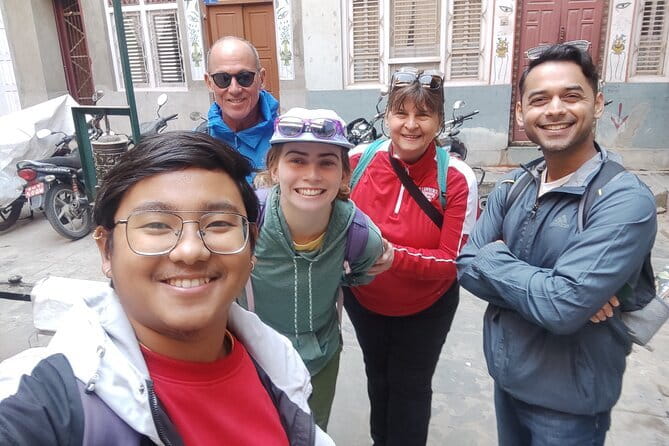
You start at Patan Dhoka and finish at Swotha Square, which is only a short walk from Patan Durbar Square. That end point matters: you can decide after the tour whether to go straight to the palace complex (ticketed) or take a slower wander.
Timing is also friendly. Expect about 2 to 2.5 hours on foot. The group stays small—maximum 10 people—so the pace is manageable and you’re not stuck listening to a lecture while standing in a crowded street.
The route is intentionally local and nuanced, including parts around the main square but not the main Durbar Square complex itself. That choice keeps the focus on everyday Patan textures rather than concentrating everything into a single-ticket area.
Practical note: this experience needs good weather. If skies are rough, plan for possible rescheduling or a refund. And since it’s a walking tour through tight lanes and courtyards, comfortable shoes are not optional.
Stop 1: Pimbahal monastery and the scale of monastic life
Your first major stop is Pimbahal, centered on a Newar Buddhist monastery. This is one of the most respected monastic sites in the Patan area, and you’ll learn why so many ordained monks are connected to the order—over 4,000 are mentioned in the tour context.
This is where your eyes start working differently. Instead of just looking at buildings as decoration, you’ll watch for craftsmanship and symbols in woodwork and monastery details. The tour encourages you to slow down and notice how carved elements and monastery layout connect to religious life.
If you care about how cities actually function, Pimbahal is a strong anchor. It’s not just a religious landmark; it’s a neighborhood institution. You’ll leave with a clearer idea of how faith can be present without being loud—showing up through daily monastery rhythms and spiritual spaces that influence the surrounding courtyards.
What to watch for:
- Intricate monastery woodwork
- How the courtyard setting frames spiritual practice in everyday movement
- The monastery’s role as a major center, not a small corner shrine
Stop 2: Nyakhachowk, courtyards, and the house-with-shrines city
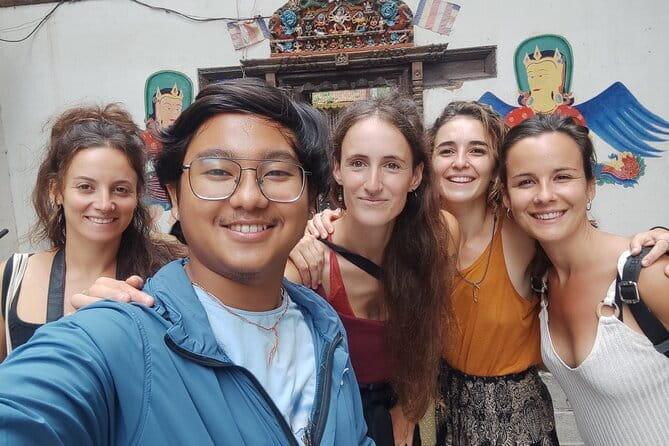
From Pimbahal, you move along a smaller path and into another courtyard world at Nyakhachowk. This stop is less about one dramatic sight and more about reading how Patan neighborhoods are structured.
You’ll get pointers on traditional architecture you can spot without an engineering degree. Look for falchaa, which are resting areas, plus ancestral shrines and vernacular house forms. Even if you don’t fully memorize the terms, you’ll start seeing why courtyards and thresholds matter in the daily rhythm of the community.
Nyakhachowk also includes a courtyard linked to a place of worship tied to another tradition. The key value here isn’t the building alone—it’s what the guide helps you understand: Patan’s old town has always been a layered environment where different faith expressions can share space and shape local life.
A small drawback to consider: because this is an interpretive tour, there’s a lot of looking and listening rather than rapid photo stops. If you prefer only high-contrast monuments, you may need a bit of patience.
Stop 3: Nagbahaa and the Greek/Hellenistic thread in iconography
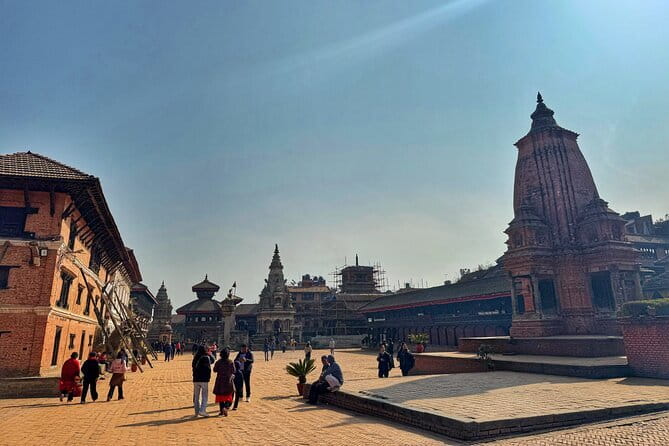
At Nagbahaa (Nag Bahal), the tour shifts to art and wider historical connections. Nag Bahal is described as one of the largest courtyards in old Patan, which helps explain why it becomes a natural stage for many layers of meaning.
This is one of the most interesting intellectual moments on the walk: you’ll hear how globalization in ancient times can leave traces in art. In the tour framing, Greek influence and Hellenistic impressions show up in Buddhist and Hindu iconography. That’s a fascinating way to think about cultural exchange: not as a modern event, but as something that can appear in religious imagery over long periods.
What I like about including this stop is that it prevents the tour from feeling strictly “local-only.” Patan is local, yes—but it also sits in larger historical currents. You come away seeing icon details with more curiosity, not just reverence.
If you’re the type who likes to know what you’re looking at, this is a great stop. The guide’s explanations help you spot stylistic clues you might otherwise miss.





Stop 4: Swotha Square and an easy jump to Patan Durbar Square
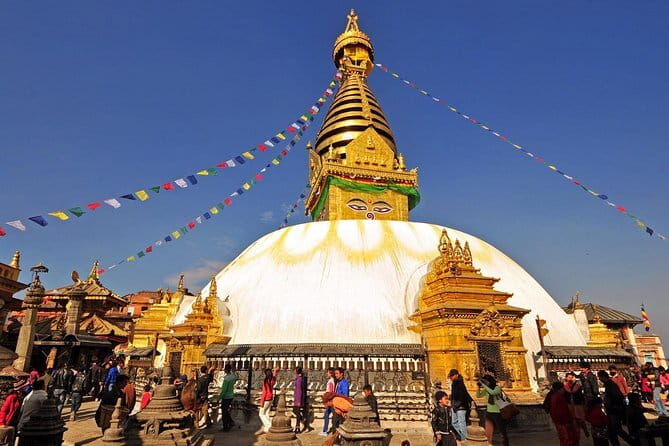
The walk ends at Swotha Square, a place with temples, shrines, and even tea shops—so it’s a natural place to pause without rushing to the next place. The tour keeps this final stop practical: you can sit down, regroup, and decide what you want next.
Importantly, the tour can point you toward Patan Durbar Square afterward, but it doesn’t cover it. If you do go, you’ll likely find the museum inside the palace complex is worth your time, though there are extra admission fees. That means the value of the walking tour is clearer: it sets you up to explore the ticketed complex with better context.
Swotha Square also acts like a “translator” for the rest of Patan. Once you’ve learned how courtyards and shrines function as part of everyday life, you’ll start recognizing similar patterns in surrounding lanes.
How Newar Buddhism and Tantric Hinduism shape daily life here
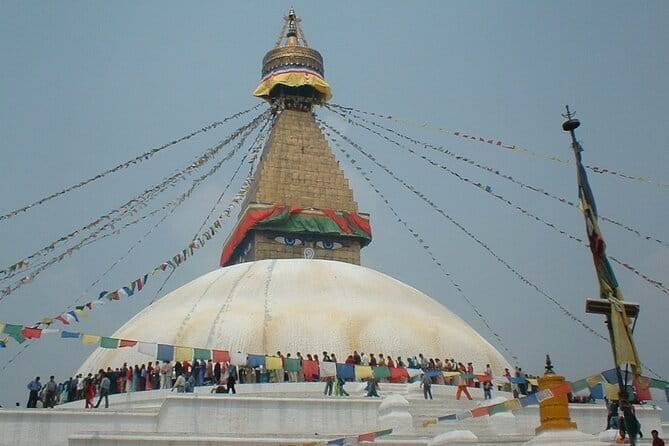
One of the strongest parts of this experience is how it connects faith to space. In many travel contexts, religion is presented as something you visit. In Patan, the tour highlights how it can be something you live with—expressed in monasteries, shrine placement, courtyard gathering, and daily routines.
You’ll hear about Newar Buddhist practice and Tantric Hinduism in a way that’s meant to be understood on the street. The guide helps you connect religious practice to physical cues: where the monastery sits, how shrines are integrated, and how courtyards become shared spiritual and social zones.
This is also where the “folklore and everyday life” theme comes through. Even when you’re walking past something that looks like a normal courtyard gate, the tour context encourages you to think about why certain spaces endure and why they continue to matter for communities now.
And because the tour mentions Patan’s direction forward—young Nepalis navigating tradition with modern values—you get a sense of continuity rather than a freeze-frame of the past.
Price and value: what $65 really buys

At $65 for about 2 to 2.5 hours, this tour is priced for a guided walking experience with time spent in multiple courtyards and interpretation built into each stop. The practical part: you’re paying for an experienced local guide who can explain what you’d otherwise walk past.
The group limit of 10 also affects value. With a smaller group, your questions aren’t an afterthought, and the guide can adjust the pace when something grabs your attention. That matters in places like Patan, where the details are real and easy to miss.
Another value factor: admission at the listed stops is described as ticket free. That helps you avoid surprise costs during the main walk. You still need to budget if you choose to add the ticketed Patan Durbar Square museum afterward.
Lastly, the tour uses a mobile ticket, which is handy if you hate printed tickets and last-minute office errands.
Practical tips so you enjoy every courtyard
If you want the best experience here, you should prepare for the kind of walking Patan requires.
First: wear shoes with grip and support. Courtyards and older lanes can be uneven, and you’ll be on your feet for a couple hours. Second: plan for weather. The experience is weather-dependent, so bring a light layer and consider a small umbrella.
Third: keep your expectations matched to the format. This is not only a picture-tour. It’s a story-and-context tour where details in architecture and iconography are part of the point.
Finally: bring curiosity about religion as a lived system. The guide’s explanations about monasteries, shrines, and Tantric Hindu influences are meant to help you interpret Patan’s everyday texture, not memorize a list. If you lean into that, the walk will feel like it connects dots for you long after you finish.
Should you book this folklore-and-life Patan walk?
Book it if you want Patan to feel understandable. This is a strong choice when you like walking through real neighborhoods, learning how courtyards function, and hearing how Newar Buddhism and Tantric Hinduism show up outside a single landmark.
Skip it—or pair it with your own plan—if your main goal is Patan Durbar Square itself. This tour ends close to the Durbar Square area, but it doesn’t cover the complex. You’ll need extra time and ticket purchases if that palace complex and its museum are top priorities.
Also consider it if you value guide-led context. The experience is designed around interpretation, and the guide’s storytelling style—highlighted in guides like Sandip in real-life feedback—can turn “I pass this door” into “Now I understand why that door matters.”
If your schedule is short and you want one focused, locally paced walk, this is a smart use of a morning. You’ll finish with a better map of Patan’s spiritual logic and everyday architecture.
FAQ
How long is the Patan folklore and everyday life walking tour?
It runs about 2 hours to 2 hours 30 minutes.
Where does the tour start and where does it end?
You meet at Patan Dhoka and end at Swotha Square, a short walk from Patan Durbar Square.
What’s included in the price?
The tour includes an experienced local guide, and stops along the route have admission ticket free noted for the listed stops.
Is Patan Durbar Square included?
No. Patan Durbar Square is not covered in the tour. You can visit independently afterward, and the museum inside the palace complex requires extra admission fees.
What time does the tour begin?
The start time is 10:00 am.
How many people are in the group?
The tour has a maximum of 10 travelers.
Do I need pickup and drop-off?
No pickup and drop-off are included.
Do I need a ticket in advance?
A mobile ticket is used for this experience.
What happens if weather is bad?
The experience requires good weather. If it’s canceled due to poor weather, you’ll be offered a different date or a full refund.
Is free cancellation available?
Yes. You can cancel up to 24 hours in advance for a full refund.