REVIEW · EVEREST BASE CAMP TREKS
Everest Base Camp Trekking – 13 Day
Book on Viator →Operated by Trekking Planner Nepal · Bookable on Viator
Everest Base Camp is the kind of plan you want handled. This 13-day trek in Nepal takes care of the big logistics, from Kathmandu to Lukla flights to trailside lodge nights and meals, so you can focus on hiking and acclimatizing. It’s also structured as a private trek, which means your guide can help shape the pace and daily rhythm.
I especially like two things: the included flights that remove a lot of stress, and the on-trail support (lodge stays plus meals on most trekking days) that keeps your days simple after a long walk. You don’t end up constantly renegotiating logistics when the air gets thin.
One real consideration: you still need to be altitude-smart, and the package doesn’t cover travel or helicopter evacuation insurance (and you’ll pay for your Nepal visa and meals in Kathmandu). Even with a smooth plan, your body sets the pace up high.
In This Review
- Key points before you go
- Why This Everest Base Camp Plan Works When Time and Energy Are Limited
- Kathmandu Arrival: Easy Start, Then Gear Prep
- Flights to Lukla: The Fastest Way Into the Khumbu
- Into the Dudh Koshi Valley: First Views and Namche Bazaar Setup
- Acclimatization in Namche: The Day That Helps You Keep Your Brain
- Tengboche, Dingboche, and the Higher-Altitude Rhythm
- The Rest-and-Short-Hike Day Near Dingboche
- Lobuche to Everest Base Camp: A Big Push With Real Altitude Respect
- Kala Patthar: Where Early Mornings Pay Off
- Coming Back to Namche and Down to Kathmandu: The Final Stretch
- Price and Value: What $1,399 Buys (and What It Doesn’t)
- Guides, Timing, and Why Logistics Matter More Than You Think
- What to Pack for Everest Base Camp (Without Overpacking Your Life)
- Should You Book This Everest Base Camp Trek?
- FAQ
- What’s included in the trek price?
- Are flights between Kathmandu and Lukla part of the package?
- Is this a private trek or a shared group?
- What permits are covered?
- Do I need travel and health insurance?
- What about meals on the trekking days?
- How much solo travelers should expect to pay?
- What fitness level do I need?
- Should I cancel early if plans change?
Key points before you go
- Flights included: Kathmandu–Lukla–Kathmandu with airport departure tax in the package.
- Permits handled: National park entrance fee and TIMS card support are included.
- Private pacing: Your guide helps match walking times to your ability.
- Acclimatization days built in: You get rest and short hikes before the push higher.
- Kala Patthar is the payoff moment: Plan for cold, early starts, and big views.
- Lodge trekking, not camping: Trailside stays make this version more manageable.
Why This Everest Base Camp Plan Works When Time and Energy Are Limited
Everest Base Camp is doable, but the “just figure it out” approach can get messy fast. This trek is designed to remove most of the friction: you get airport pickup in Kathmandu, flights to Lukla are included, and your day-to-day trail needs are covered so you can spend your energy on walking.
What you gain is mental space. When you’re worrying about permits, finding a guide, or chasing down flights, altitude feels even harder. Here, your day-to-day rhythm is built around hiking plus acclimatization, not around last-minute decisions.
The private setup also matters. In the hands of guides praised for planning and timing, your trek feels more like a guided schedule than a random line of trails. Names like Milan and Dibash show up in the mix because of day-by-day explanations and logistics that actually run on time.
You can also read our reviews of more hiking tours in Kathmandu
Kathmandu Arrival: Easy Start, Then Gear Prep
Your first day in Kathmandu is set up to be straightforward. You’re met at Tribhuvan International Airport by a Nepal Trekting Planner representative and escorted to your hotel after customs. That’s a small thing that saves a lot of energy when you’re tired from travel.
The next part is where most trekkers can win or lose the trip: gear readiness. You’ll organize trekking equipment and pack in advance of the early departure for Lukla. You also need to provide passport details (name, number, expiry, country), because the trip relies on documents for flights and permits.
Practical tip: if you’re the kind of person who always forgets something, make a simple checklist the day before. Cold weather gear, water bottle, and socks are easy to misjudge until you’re staring at a packed bag.
Flights to Lukla: The Fastest Way Into the Khumbu
This is one of the biggest value drivers in the package. The trek includes flights from Kathmandu and Lukla—both directions are covered, and airport departure tax is included. That’s not just convenience. It’s time saved, and time matters when your trekking window is tight.
You’ll fly into Lukla, the classic gateway to Everest region trekking, and then start working your way toward the Dudh Koshi River valley. After that, it’s trail time: suspension bridges, river views, and the gradual shift from busier lower areas to quieter higher settlements.
Also, expect weather to influence how things feel, even when routes are established. The program operates in all weather conditions, so you’ll want your rain layer ready and your expectations flexible.
Into the Dudh Koshi Valley: First Views and Namche Bazaar Setup
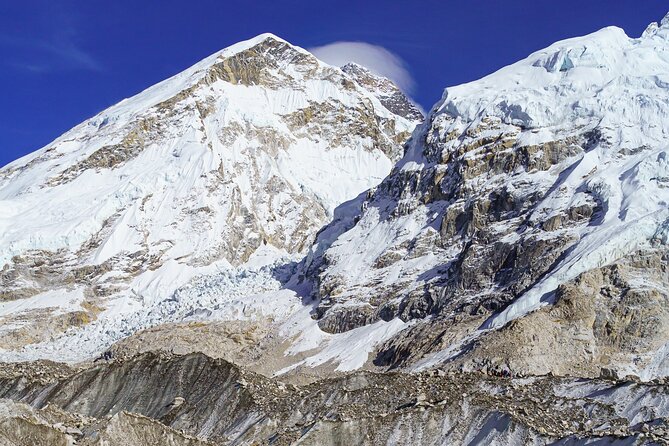
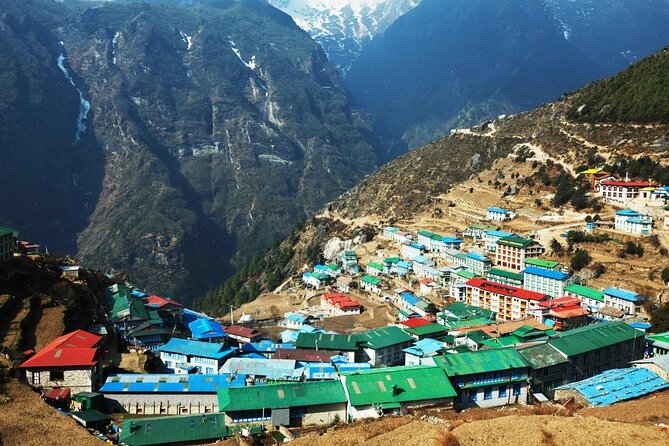
On the trek’s early stretch, you’re moving along the Dudh Koshi River toward Namche Bazaar. This is where the landscape starts to feel serious—fast water, bridge crossings, and that first taste of Himalayan scale.
Then you reach Namche Bazaar, the hub for supplies, tea houses, and trekking chatter. It’s also your first acclimatization checkpoint in a town that’s lively enough to keep your mind off the fact that you’re gaining altitude.
What makes Namche special is the balance. You get familiar comforts (shops, guesthouses, and a chance to rest), but you also get the “I’m really doing it” feeling because the views are right there—Kongde Ri Peak is visible from the approach in the route’s notes.
One drawback here: it’s tempting to treat Namche like a vacation stop. Don’t. Use it to rest, eat well, hydrate, and follow your guide’s pacing advice.
Acclimatization in Namche: The Day That Helps You Keep Your Brain
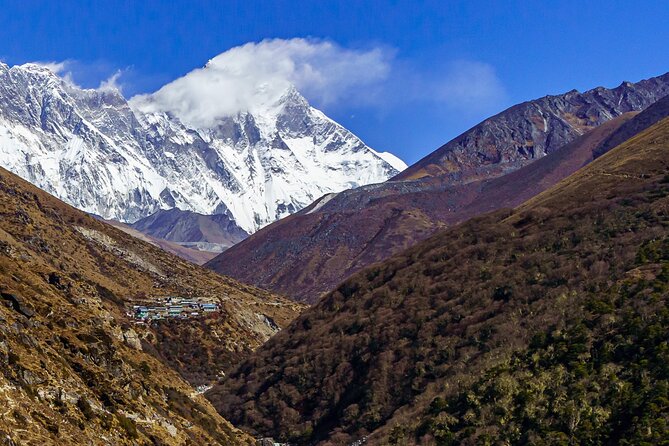
One day is set aside in Namche for acclimatization. Instead of adding more distance, you focus on activities that help your body adjust faster. Namche’s shops and local energy make it an easier day than it sounds on paper.
This kind of rest day is not wasted time. It’s the difference between a tough trek that feels “manageable” and one that turns into slow, miserable problem-solving. Everest-region altitude has a way of punishing shortcuts.
If you like structure, you’ll probably appreciate how guides in this program explain what comes next. Milan, for example, is praised for laying out the next day’s itinerary in advance and even estimating walking times based on your ability.
Tengboche, Dingboche, and the Higher-Altitude Rhythm
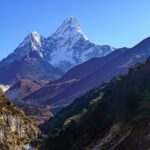
As you gain altitude, the trek shifts from river-valley motion into a more layered feel of climbs and descents. After a sunrise and sunset moment near Tengboche, you head toward Dingboche. The route notes include forest walking, plus a stop at Deboche with views.
Then comes Dingboche—another step upward where the air gets thinner and the rhythm matters more. You’ll descend from one area and climb again, which keeps your body working but controlled.
This is also where the culture shows up in small, real ways. The itinerary’s route descriptions mention monasteries and scenic viewpoints, and the broader Khumbu walking culture often includes things like mani walls and chortens as you pass through settlements. You’re not just hiking; you’re moving through living places.
One practical note: cold starts can creep into your day even if you’re not that far up yet. Layering is your friend.
The Rest-and-Short-Hike Day Near Dingboche
Another acclimatization day is built in. Instead of adding long distances, it’s used for short hikes to higher altitudes to adapt your body. That means you’re getting “altitude exposure” without the punishment of a big climb that day.
This kind of day is underrated. A lot of people imagine acclimatization as sitting around. Here, you still move, but in a controlled way—exactly how you want your body to learn the new altitude.
Guides praised for planning tend to make this day feel calmer, too. You’ll likely get guidance on timing and pacing so you don’t rush uphill and then crash later.
If you’re prone to overdoing it (many hikers are), treat this day as your guardrail.
Lobuche to Everest Base Camp: A Big Push With Real Altitude Respect
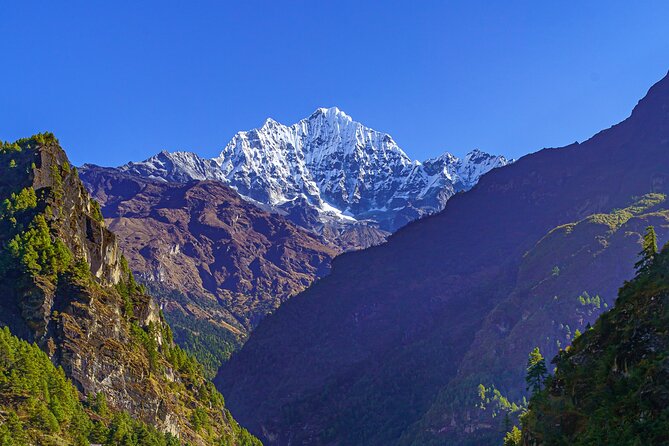
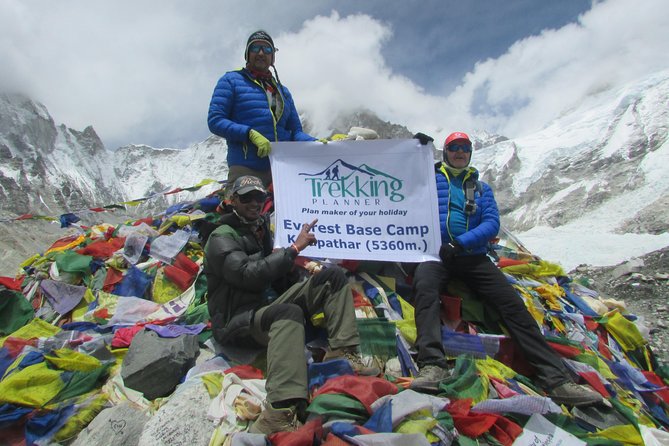
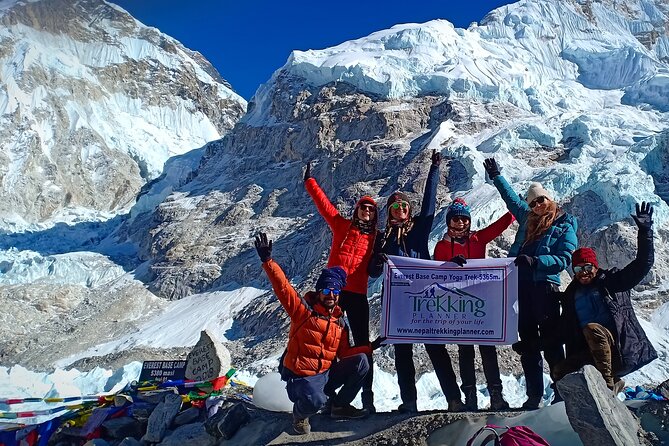
This is the day you came for: heading toward Everest Base Camp. The route describes the section beginning from Lobuche and starting early. That matters because cold morning air and strong light make hiking feel different than midday walking.
But here’s the honest part: altitude sickness risk is real, and the program explicitly warns you to trek accordingly for acute mountain sickness. That doesn’t mean “panic.” It means listen to your body, follow your guide, and don’t try to win a contest.
As you near Base Camp, your world narrows to a few priorities: steady steps, hydration, and warmth management. You’ll likely feel a mix of excitement and fatigue—because the effort is real, even when the pace is controlled.
If you remember only one thing from this section, make it this: when the trail gets harder, your goal is to keep moving safely, not fast.
Kala Patthar: Where Early Mornings Pay Off
After Everest Base Camp, you’re not finished. The trek includes a day heading to Kala Patthar before dropping back down toward lower elevations. Kala Patthar is often the “view summit” people talk about because it’s known for dramatic panorama chances.
Expect an early start before day breaks. That’s usually when trekking in the Himalaya feels most intense: cold fingers, quiet air, and the need to keep your layers adjusted while still moving efficiently.
Then comes the return to lower altitudes. It’s mostly downhill in the Namche direction, and the route notes mention trekking alongside the Dudh Koshi River for part of this movement. Downhill can sound easy, but your knees may disagree.
Practical trick: plan for slow steps on descents. Let your body absorb the trail, especially after high-altitude days.
Coming Back to Namche and Down to Kathmandu: The Final Stretch
The route brings you back from the Everest vicinity through places like Periche and into Namche Bazaar again. That “return path” matters because it’s where you get to compare what altitude felt like on the way up versus how it feels after you’ve already been high.
The last trekking day describes descent out of Namche with additional movement toward riverbed areas, then continuing down to complete the trek. After that, you fly back to Kathmandu early, with timing affected by weather disturbances. That’s common in this region, so your best attitude is flexible.
Once you’re back in Kathmandu, you’re essentially switching gears from cold-walker mode to city recovery mode: warm food, a real shower, and sleep that isn’t interrupted by altitude discomfort.
Price and Value: What $1,399 Buys (and What It Doesn’t)
At $1,399 per person, this isn’t the cheapest way to do Everest Base Camp. But it’s also not built like a bare-bones adventure. The value is in the items that are hard to DIY smoothly.
Included in your price:
- Kathmandu to Lukla to Kathmandu flights (with airport departure tax)
- Lodge-style trekking nights and meals on most trekking days (the package lists breakfast for 12 days, lunch for 11, dinner for 12)
- National park entrance fee and TIMS card support
- Private trek structure for personalization
- Taxes tied to the itinerary
Not included:
- Alcoholic drinks and meals in Kathmandu
- Personal expenses (phone calls, battery recharges, bar bills, and similar)
- Travel and health insurance, including insurance for helicopter evacuation
- Nepal visa fees
- Food and drinks unless specifically listed
One more cost wrinkle: if you book solo and don’t join an existing group, there’s a single surcharge of USD 150 once you arrive in Nepal. If you hate surprises, factor that in early.
My advice on value: if you’ve ever tried to coordinate flights and permits yourself, this price starts to make sense. The trek is designed to keep your planning brain quiet.
Guides, Timing, and Why Logistics Matter More Than You Think
A trek like this is won and lost in small moments. The best operators keep the flow steady: day starts on time, instructions clear, and pacing realistic for your body.
That’s why certain guide skills get praised again and again. Milan is noted for explaining the next day’s itinerary in advance, estimating how long walks would take based on physical ability, and managing timing around sunset. That helps you avoid the stress of arriving in the dark or guessing how much daylight you have.
Dibash is praised for handling logistics and keeping the trek smooth. Achyute (also seen as Achyut Mishra) gets credit for staying attentive and solving problems without making people feel worried. Avi gets mentioned for quick responses and thoughtful planning when things need coordinating.
Porters and luggage handling also show up. One example from the experience notes includes a porter named Ganesh carrying luggage daily before the trekkers arrive. That turns the trek from a heavy logistical slog into a walking-focused day.
You still need fitness and smart choices. But support makes it feel like a journey, not a series of chores.
What to Pack for Everest Base Camp (Without Overpacking Your Life)
The provided info includes a full equipment mindset: you’ll get one complimentary Trekking Planner duffel bag (returned after the trip), plus you’ll carry a day pack on your own.
Your day pack should be 25 to 40 liters. You’ll also want trekking shoes, plus sports shoes or sandals for down-time. Bring a sun hat or cap, a warm woolen cap, gloves, and a waterproof layer (Gore-Tex style is specifically mentioned). A raincoat helps too.
Don’t forget socks and warmth. The checklist calls for several pairs of good socks, plus trekking trousers and trekking shirts. It also suggests non-cotton underwear, a flashlight or torch light, and a small towel (not a big one). Toilet paper is also mentioned as something you can buy along the route, but it may be low quality.
Practical tip: bring what you know you’ll actually use. In cold, wet, or windy conditions, comfort becomes safety.
Should You Book This Everest Base Camp Trek?
If you want Everest Base Camp but don’t want to spend weeks coordinating flights, permits, meals, and daily pacing, this is a strong match. The included flights to Lukla, the permit coverage (TIMS and national park entrance fee), and the structured acclimatization days make it feel like a plan designed for real bodies.
Book it if:
- you like the idea of a private trek with pacing help
- you want lodge stays and meals handled for most days
- you’re happy to invest in the kind of planning that reduces last-minute stress
Think twice if:
- you’re not ready for cold mornings and altitude risk (this trek warns about acute mountain sickness and you’ll need to trek accordingly)
- you haven’t budgeted for insurance and the Nepal visa
- you dislike early starts, especially around Kala Patthar
If you line up your gear, plan for altitude responsibly, and follow your guide’s timing, you’ll spend these 13 days doing what you came for: walking into the Khumbu region with less friction and more focus on the views.
FAQ
What’s included in the trek price?
The price includes Kathmandu to Lukla to Kathmandu flights (with airport departure tax), national park entrance fee and TIMS card-related items, taxes as per the itinerary, and most meals on trekking days (breakfast for 12 days, lunch for 11, dinner for 12). Trailside lodge accommodation is also part of the package. Alcoholic drinks and meals in Kathmandu are not included.
Are flights between Kathmandu and Lukla part of the package?
Yes. Flights from Kathmandu to Lukla and back to Kathmandu are included, along with the airport departure tax.
Is this a private trek or a shared group?
It’s a private tour/activity, meaning only your group participates.
What permits are covered?
The package includes the national park entrance fee and the TIMS card.
Do I need travel and health insurance?
Yes. Travel and health insurance are not included, and insurance for helicopter evacuation is also not included.
What about meals on the trekking days?
Meals are covered on most trekking days as listed: breakfast for 12 days, lunch for 11, and dinner for 12. Meals in Kathmandu are not included, and alcohol is available to purchase separately.
How much solo travelers should expect to pay?
If you want a solo departure and do not join any existing group, there is a single surcharge of USD 150 paid once you arrive in Nepal.
What fitness level do I need?
The trek is aimed at travelers with moderate physical fitness level.
Should I cancel early if plans change?
Free cancellation is offered up to 24 hours in advance for a full refund. Cancellation changes inside 24 hours of the start time are not refunded.