REVIEW · 5-DAY EXPERIENCES
5 Day Private Guided Trekking in Annapurna Base Camp
Book on Viator →Operated by Bold Himalaya Treks and Travels Pvt Ltd · Bookable on Viator
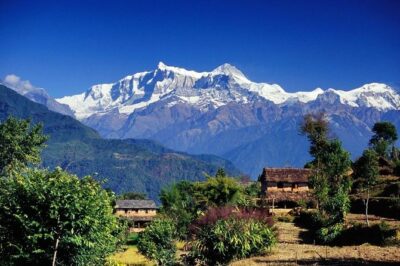
Five days to stand beneath Annapurna’s giants. This private trek turns the Annapurna Base Camp route into a simple, well-paced plan: you get guided navigation, permits handled, and the kind of mountain payoff that keeps your camera busy. I like that you’re not just walking for views, you’re also passing through Gurung villages and moving through Annapurna Conservation Area scenery that changes as the altitude climbs.
Two things I really like: the focus on a steady pace with a guide you can actually talk to, and the built-in recovery moments. With guide Sirjan and porter support (set up to keep the trek manageable), you can spend more energy looking at Machapuchchhre and less energy worrying about logistics. You’ll also have a chance to relax in natural hot springs at Jhinu Danda after days of hiking.
One consideration: this route reaches high altitude, so even when the days feel reasonable on paper, weather and your body’s response matter. If you’re prone to altitude discomfort or you expect a stress-free, flat walk, you might find it more demanding than you planned.
In This Review
- Key takeaways from this 5-day ABC trek
- Getting onto the trail: Pokhara pickups and the Siwai start
- Day 1: Pokhara to Siwai and the first taste of Annapurna country
- Day 2: Sinuwa to Dovan via bamboo, Modi Khola, and waterfalls
- Day 3: rhododendron forests, possible yak herders, and reaching ABC
- Day 4: sunrise over the Annapurnas, then down past Machapuchchhre Base Camp and Deurali
- Day 5: descending toward Siwai, then jeep back to Pokhara
- Why this feels like a real private trek (not just a ticket)
- Price and value: what $225 covers and what it doesn’t
- Meals and guesthouses: staying fueled without decision fatigue
- Altitude, fitness, and weather: your real trip variables
- Natural hot springs at Jhinu Danda: why recovery matters here
- Who should book this private Annapurna Base Camp trek
- Should you book this 5-Day Private Guided ABC Trek?
- FAQ
- What does the price include for this Annapurna Base Camp trek?
- Is this trek private or shared with other groups?
- Does the tour offer pickup, and how do you return to Pokhara?
- How much altitude do you reach on the route?
- What meals are included, and are drinks included?
- What trekking support do you get on the trail?
- What fitness level do I need?
- What happens if weather is poor on the planned trek date?
Key takeaways from this 5-day ABC trek
- Private guide + permits handled: your TIMS card and trekking permit are included, so you can focus on the trail.
- Guided pace with porter help: the trek is set up for moderate fitness, and porter support helps reduce load.
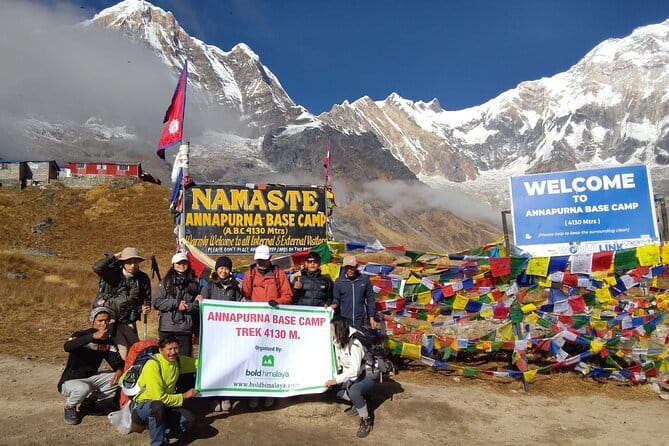
- Annapurna Base Camp at about 4,100 m: you get the classic high-point experience without a long, drawn-out itinerary.
- Machapuchchhre Base Camp along the way: you get views of the sacred Fishtail mountain en route.
- Jhinu Danda hot springs: your legs get a real recovery option, not just rest at a guesthouse.
- Sunrise morning built in: you rise early for views over the Annapurna massif.
Getting onto the trail: Pokhara pickups and the Siwai start
Most trekking stress comes from the start. This one helps by setting you up with private transportation and pickup offered, then launching you from the Pokhara side to the trek initiation area at Siwai. In plain terms, that means less time guessing bus schedules and more time getting your boots on the right trail.
Siwai is where the trek begins, so you’ll feel the shift right away. The air changes, the pace changes, and the trail starts trading city noise for rivers, villages, and uphill breathing. It’s a good day to get your rhythm because you’re still close enough to the lower elevations that you can start thinking about what you’ll need for the higher days.
If you’re traveling from Kathmandu, you’ll generally connect through Pokhara first. From there, the plan is straightforward: you’re moving toward the Annapurna route rather than spending your time figuring out transfers.
You can also read our reviews of more guided tours in Kathmandu
Day 1: Pokhara to Siwai and the first taste of Annapurna country
Day 1 is all about transition. You leave Pokhara and move to Siwai, then begin trekking. The route is described as starting through a diverse set of paths as you head toward the ABC trail system, so you’ll likely feel both low-elevation greenery and the early hints of change as elevation rises.
This is also a good day to mentally prep for a trek with guesthouses. The included meals (breakfast, lunch, and dinner across the days you’re hiking) are there to keep you from hunting for food at every stop. You’ll still want water and basic snacks you trust, but having meals arranged removes a lot of decision fatigue.
Practical note: you’ll be in trekking mode by the end of day 1. Don’t over-pack your daypack. In the Annapurna region, the usual trek strategy applies: keep daily weight manageable and let your guide and porters handle the rest.
Day 2: Sinuwa to Dovan via bamboo, Modi Khola, and waterfalls
Day 2 continues after breakfast in Sinuwa, with hiking through forests and a route that winds past bamboo and Dovan. This day is especially nice if you like variety. You’re not just climbing; you’re also moving along a river corridor (the Modi Khola is part of the route), and you may pass scenic waterfalls along the way.
That combination matters because it makes the second day feel less like a slog. Forest walking also gives you natural shade, which is helpful if you’re trekking in warmer periods. Even when the elevation isn’t at full intensity yet, the rhythm is being set: regular walking, regular rest breaks, and simple incremental altitude gains.
One small drawback to keep in mind: forest days can mean damp trails. Pack footwear you trust on slippery ground. And plan to dry out gear in the evenings whenever guesthouses allow it.
Day 3: rhododendron forests, possible yak herders, and reaching ABC
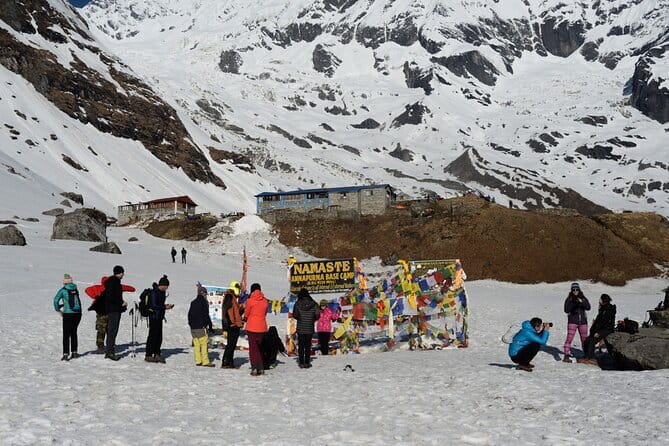
Day 3 is the big one. The trek starts early with breakfast, then you head toward Machapuchchhre Base Camp (MBC) before continuing on to Annapurna Base Camp (ABC). The route includes a rhododendron forest, and it’s the kind of segment where the views start to open as you rise. You also might see yak herders, which is the sort of moment that makes the trek feel alive, not staged.
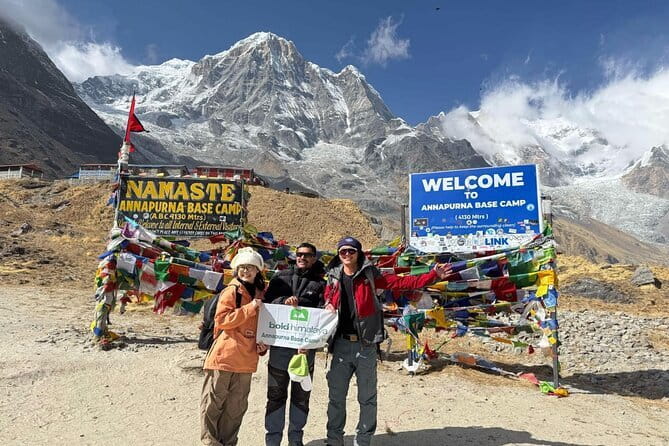
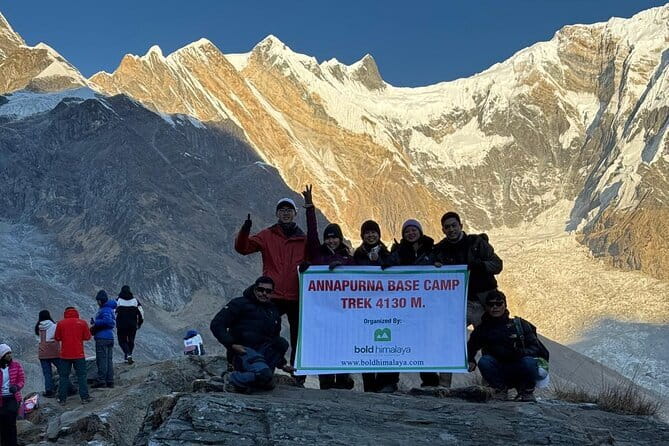
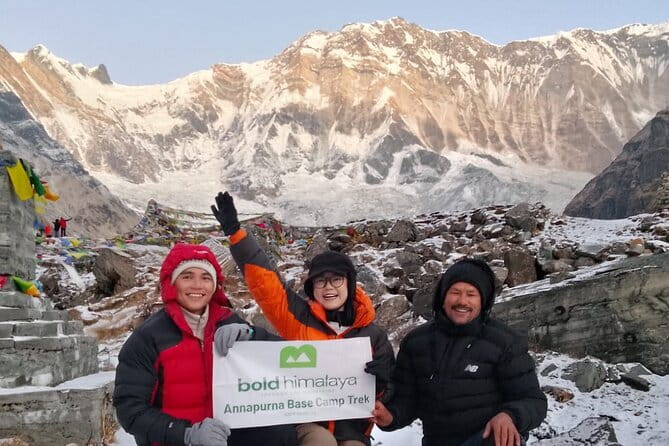
After lunch, you continue toward ABC, with the trek reaching about 4,100 meters. The plan includes time at Annapurna Base Camp (the day notes about a 3-hour window). That’s long enough to do the essentials: soak in the view, take pictures, and let your body adjust without feeling rushed.
What you’ll likely notice at ABC:
- the feeling of standing in a high-altitude bowl of peaks
- the way wind and cloud move faster up there than lower down
- how quickly the temperature shifts after sunrise or when clouds roll in
If you’re chasing “one perfect photo,” ABC is worth it. But the better goal is to slow down and enjoy the space. Your guide can help time when to step out for the clearest moments, especially since ABC views depend on weather.
Day 4: sunrise over the Annapurnas, then down past Machapuchchhre Base Camp and Deurali
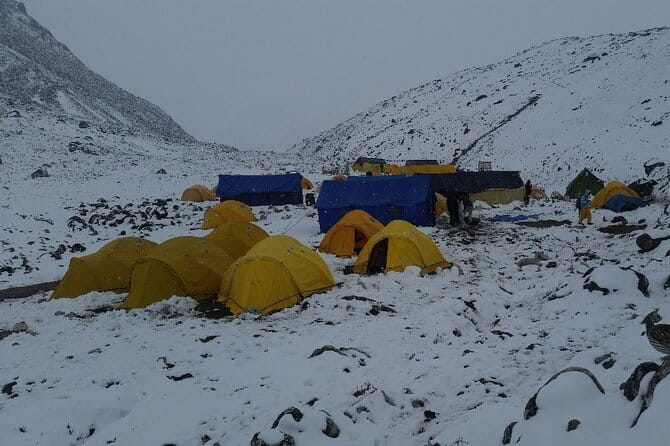
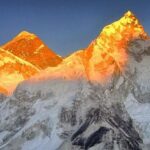
Day 4 begins with an early wake-up for sunrise views over the Annapurna massif. Sunrise is popular on ABC treks for a reason: the light changes the peaks dramatically and the morning often gives you cleaner visibility. This is one of the best uses of your energy in the whole itinerary because it’s time-efficient and high-impact.
After that, you descend steadily through scenic sections that include passing Machapuchchhre Base Camp and Deurali. I like this layout because it avoids the “straight up, straight down” feeling. You get a morning highlight, then you’re rewarded with changing terrain and familiar landmarks as you head lower.
One consideration: the descent can feel tough on knees and calves. Even if you loved the uphill part, you’ll want trekking poles if you have them. A private guided trek helps because your guide can adjust the pace if your legs start complaining.
If you’re also aiming for the Jhinu Danda hot springs recovery, keep your expectations flexible. The hot springs are part of the trek story, and that’s great for muscle recovery, but timing can depend on the day’s route and conditions.
You can also read our reviews of more private tours in Kathmandu
Day 5: descending toward Siwai, then jeep back to Pokhara
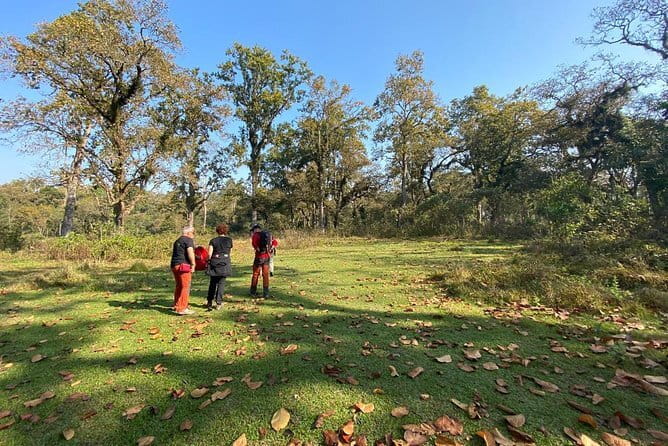
On Day 5 you move beyond bamboo and continue descending toward Siwai. The emphasis here is on finishing strong: you’re looking for the end-of-trek feeling without losing your energy. You’ll likely get glimpses of familiar routes as the scenery changes back toward forested lower sections.
Once you arrive at Siwai, the guide coordinates a jeep ride back to Pokhara. That matters more than you might think. After days of walking, a short, arranged transport transfer helps you avoid the final-day scramble and makes the whole trip feel complete.
You’ll leave the mountains with a sense of accomplishment, but also with a calmness. ABC isn’t just a “destination.” It’s a few days of decision-making removed, because your team handles the route, timing, and the permit side.
Why this feels like a real private trek (not just a ticket)
This is a private activity, meaning it’s set up for your group only. That’s a big deal on a trek. A private guide can set a pace that matches your comfort level, pause for weather and views, and help you manage your day when you’re tired.
Guide support is where the trip shines. In the trek experience, people name guide Sirjan for being attentive and supportive, and porters are part of the overall setup. Even when you’re not relying on porters fully, knowing you have that support makes you walk more comfortably and spend less time negotiating logistics with the people around you.
Also, the trip includes guide accommodations and meals, plus guide insurance. In practical terms, it suggests a more stable team operation. You get fewer last-minute disruptions and less “we’ll see how it goes” energy.
Price and value: what $225 covers and what it doesn’t
At $225 per person, this trek is priced in a way that targets real value: permits and essentials are included, plus private transportation, guide costs, and the day-to-day meals.
Included:
- Trekking permit and TIMS card
- Private transportation
- Guide (including salary, accommodation, meals, and insurance)
- Breakfast/Lunch/Dinner for the trekking days listed (4 each)
- Some seasonal fruits
- All fees and taxes
Not included:
- Drinks of any kind
- Travel insurance
- Tips for the trekking crew
- Extra meals/dessert items
Here’s how I think about value: you’re paying for reduced friction. Permits, meals, and transport remove the most common headaches. You’re also paying for a team that handles your route and safety planning, which is where a private guided trek should cost more than a generic package.
So if you like simple plans and a guide you can rely on, this price makes sense. If you want to buy every meal on your own, skip guided support, and do logistics yourself, then you may not get as much “extra” value from the package.
Meals and guesthouses: staying fueled without decision fatigue
The plan includes 4 breakfasts, 4 lunches, and 4 dinners, which fits a trek where you’re moving daily and want stable energy. Meals are one of the first things that go wrong when hiking becomes “DIY.” Having them included helps you stay on schedule, especially on a day like Day 3 when you’re going for ABC.
You’ll still want to manage hydration yourself. Drinks aren’t included, so budget for bottled water or whatever options the guesthouses provide. You’ll also likely find that tea and basic snacks help on cold mornings and late afternoons. But don’t assume desserts or extra foods are part of the plan.
The included seasonal fruits are a small touch, but on the Annapurna trek scale, that kind of snack can be the difference between feeling fine and feeling drained.
Altitude, fitness, and weather: your real trip variables
The trek is listed as suitable for moderate physical fitness. That’s helpful, but altitude is its own variable. Even with moderate fitness, you’ll notice the air at ABC around 4,100 meters. The best approach is to walk steadily, take breaks when offered, and avoid the urge to race just because you feel okay at the start.
Weather is another key factor. This experience requires good weather, and if conditions aren’t workable, you’ll be offered a different date or a full refund. In other words: the trek isn’t just about stamina. It’s about timing with visibility and trail conditions.
Packing tips based on what this trek implies:
- warm layer for early mornings (sunrise at ABC needs it)
- rain protection for forest and river-walk days
- trekking poles if you have knee sensitivity for descent days
And one more practical thing: plan to rest your body after long walking days. That’s where the hot springs idea at Jhinu Danda can be a serious win.
Natural hot springs at Jhinu Danda: why recovery matters here
The overview highlights natural hot springs of Jhinu Danda. That’s more than a nice extra. After hiking days where your legs do most of the work, hot springs help you recover in a way that matches the physical demands of the route.
Even if you’re not obsessed with spas, think of this as active recovery: it can make the next day feel less brutal. And because the trek includes sunrise and high-altitude walking, recovery is not optional if you want to enjoy the end of the trip rather than grit your teeth through it.
Who should book this private Annapurna Base Camp trek
This trip is a strong fit if you:
- want a guided trek with permits handled and meals planned
- prefer private flexibility instead of crowd schedules
- like a classic ABC itinerary with key stops like Machapuchchhre Base Camp
- want recovery time built in through the Jhinu Danda hot springs
It may be less ideal if you:
- want a very easy walk with minimal altitude challenge
- dislike early mornings (sunrise day is part of the experience)
- plan to rely on drinks and extra snacks as part of your core budget (those aren’t included)
Should you book this 5-Day Private Guided ABC Trek?
If you want the Annapurna Base Camp experience with fewer planning headaches, I’d say yes. This package handles the important stuff: permits (TIMS included), private transport, guide support, and a full set of meals across the hiking days. The guide experience, including support from Sirjan and porters, is also a big reason people feel taken care of and comfortable on the trail.
My advice for the decision: book if you’re aiming for a well-run trek where the challenge feels earned but not chaotic. Hold off or adjust expectations if altitude is a concern or if you’re expecting drinks and snacks to be fully covered. If your schedule and fitness match the route, this is a very solid way to reach ABC without turning your vacation into a logistics project.
FAQ
What does the price include for this Annapurna Base Camp trek?
The package includes all fees and taxes, private transportation, your trekking permit and TIMS card, some seasonal fruits, and a guide. It also includes accommodations, meals, and insurance for the guide. Meals on the trekking days are included: breakfast (4), lunch (4), and dinner (4).
Is this trek private or shared with other groups?
It’s private. Only your group participates in the trekking activity.
Does the tour offer pickup, and how do you return to Pokhara?
Pickup is offered. At the end of the trek, once you arrive back at Siwai, the guide coordinates a jeep to return you to Pokhara.
How much altitude do you reach on the route?
Annapurna Base Camp is reached at about 4,100 meters on the trek.
What meals are included, and are drinks included?
Breakfast, lunch, and dinner are included for the trekking days listed (4 each). Drinks are not included, so you should budget for beverages separately.
What trekking support do you get on the trail?
You’ll have a guide with you, and porter support is part of the trek setup. Your guide’s salary, accommodation, meals, and insurance are included as well.
What fitness level do I need?
The trek is recommended for travelers with moderate physical fitness.
What happens if weather is poor on the planned trek date?
This experience requires good weather. If it’s canceled due to poor weather, you’ll be offered a different date or a full refund.