REVIEW · EVEREST BASE CAMP TREKS
Everest Base Camp Trek 15 days | Local Guide | Flexible Itinerary
Book on Viator →Operated by Life Himalaya Trekking · Bookable on Viator
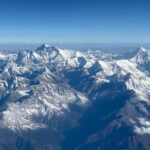
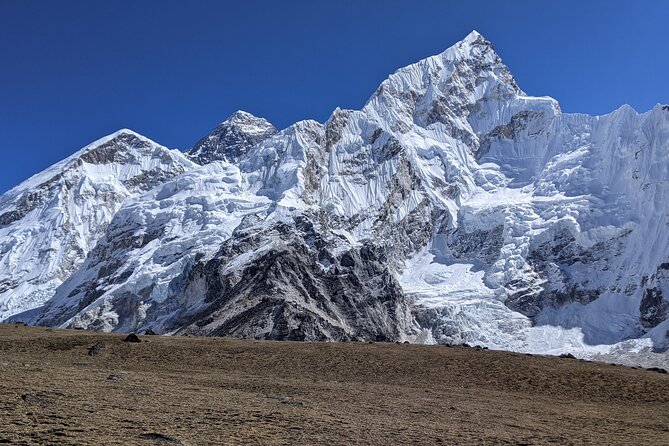
Everest arrives one teahouse at a time. This 15-day trek to Everest Base Camp (5364m) follows the classic Sherpa route and pushes you up to Kala Patthar (5545m) for wide-open views of Everest, Lhotse, and Nuptse. I like how the plan is built around altitude safety, with deliberate acclimatization days rather than just a hard push. I also like the practical comfort focus: clean lodge stays and meals picked from the lodge menu. The main consideration is still the same as every Everest trek—thin air, cold mornings, and weather-dependent flights in and out.
The biggest difference-maker is the team around you. You’ll be trekking with an English-speaking, licensed guide and strong porters (set up as 1 porter for every 2 people, carrying 20kg total between you). On past trips, guides named Raj, Ram, Shiba, and Sagar have led groups, with porters including Sonam and Phurpa—so you’re not just buying a route, you’re buying real on-the-ground help. One downside to be aware of: hot showers and battery charging are not included, so your comfort expectations should stay grounded.
This is also set up as a private trek/activity, meaning only your group participates. You get pickup, a mobile ticket, and a logistics chain that covers domestic flights (Kathmandu/Ramechap to Lukla and back), permits, and key meals—so you can focus on walking, acclimatizing, and not playing logistics roulette.
In This Review
- Key things that make this Everest Base Camp trek work
- The altitude plan that keeps your days from turning into a panic
- Getting to Lukla: included flights and what to expect on travel day
- Day-by-day walking rhythm: from arrival to base camp and back
- Day 1: Kathmandu welcome and a proper start
- Day 2: Lukla flight, then an easy warm-up into the trail
- Day 3: Hillary Bridge and Namche Bazaar, where acclimatization becomes real
- Day 4: The extra night at 3440m so your body can catch up
- Day 5: Tengboche Gompa and the Sherpa culture stop you’ll remember
- Day 6: Toward Dingboche, crossing the Imja Khola route
- Day 7: Dingboche acclimatization day, plus staying active
- Day 8: Higher views toward Thugla and the lu-spot break
- Day 9: Everest Base Camp day (the big one)
- Day 10: Kala Patthar (5545m) and the early-morning view hunt
- Day 11: Descent toward Pangboche, then a less crowded route
- Day 12: Connecting trails near Phorste Thanga and Mong Danda
- Day 13: Back to Lukla along the earlier route
- Day 14: Flight to Kathmandu and a relaxed final day
- Day 15: Transfer out of Nepal
- Lodges, food, and the real meaning of comfort at altitude
- Guides, porters, and logistics: what the $1,890 price actually covers
- Who this trek fits best (and who should be cautious)
- Should you book this Everest Base Camp plan?
- FAQ
- What are the main high points on this trek?
- Is airfare or domestic flight included?
- Are permits included?
- What kind of accommodation do you get on the trek?
- Are meals included?
- What trekking gear is provided?
- Do I get hot showers or battery charging?
- How does the porter system work?
Key things that make this Everest Base Camp trek work
- Acclimatization days are part of the schedule, not an afterthought, with built-in stops around higher elevations.
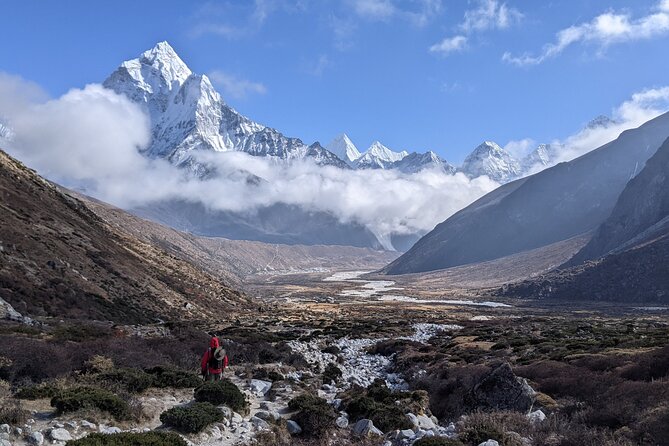
- Kala Patthar is the payoff: an early start to reach 5545m for the best chance at big panoramic views.
- Tea-house trekking with included meals means less decision fatigue on a cold, long day.
- Lodge accommodation is included, so you’re not hunting beds after each hike.
- Porter support helps you manage fatigue, with a clear weight split for domestic flights.
- Comfort has limits: no hot showers and limited charging while trekking.
The altitude plan that keeps your days from turning into a panic
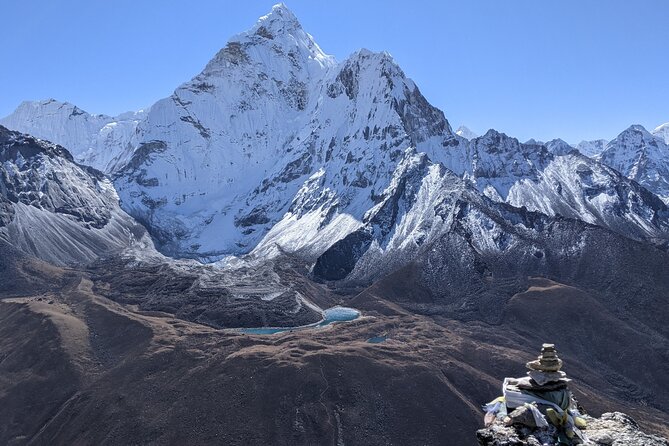
The Everest Base Camp trek is famous for two things: scenery and altitude. This route tries to respect both by using an “earn the height” approach.
A key early move comes at 3440m (with a stop at Hotel Everest View) where you can add side walking for acclimatization rather than climbing every day. Later, there’s a full acclimatization day in Dingboche, one of the most helpful places on the trail for getting used to the altitude without burning your legs.
That matters because fatigue and altitude can stack fast. Even if you feel fine on Day 1 or Day 2, the thin air catches up when you keep climbing. The itinerary’s structure is designed to give your body time to adjust before the bigger pushes, especially before you head toward the high points.
And yes, the route still gets demanding. Reaching Everest Base Camp at 5364m is a real achievement. But the schedule does more to prevent altitude problems than the typical “just keep walking” plan.
You can also read our reviews of more guided tours in Kathmandu
Getting to Lukla: included flights and what to expect on travel day
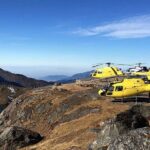
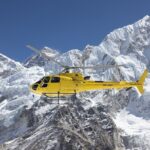
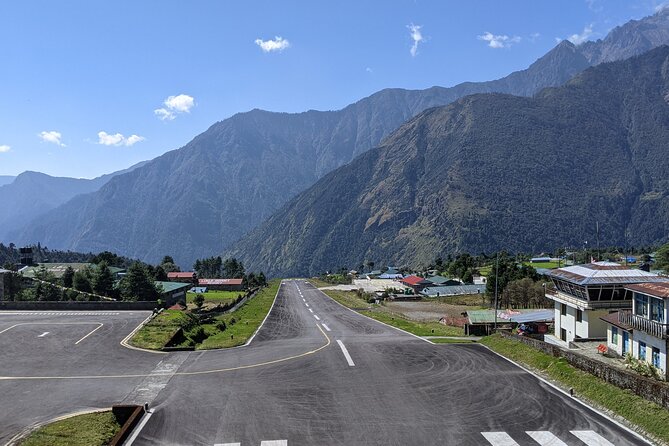
The trek begins with a flight from Kathmandu to Lukla (at about 2810m). This is handled for you with included flights, and it’s timed as an early departure on Day 2. Lukla is the working gateway to Everest trekking, and it also means you’ll start acclimatizing the moment you land.
On Day 14, you take an early flight back toward Kathmandu/Ramechap, then get checked into your hotel for an easier final day before departure on Day 15.
Two practical notes for your planning:
- Weather can affect flight timing, which is why the itinerary stays flexible and why the operator notes it requires good weather.
- The program includes allowances for domestic luggage: 10kg big bag + 5kg handcarry per person (total 15kg) for the flights. This is one of those “small” rules that can save you money and stress if you follow it from the start.
Day-by-day walking rhythm: from arrival to base camp and back
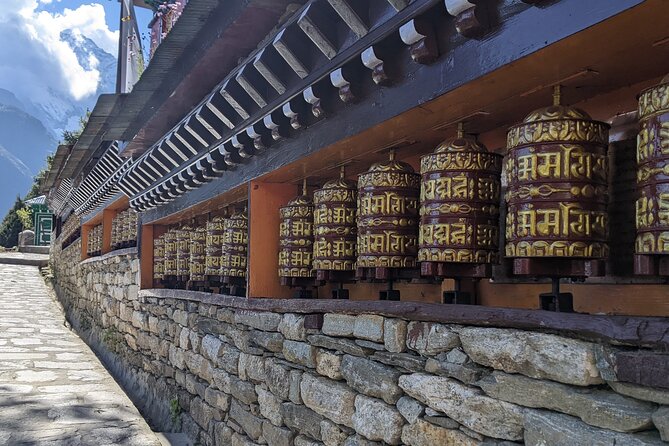
Below is how the days generally feel—what each stage is trying to accomplish and what you should watch for.
Day 1: Kathmandu welcome and a proper start
You land at Tribhuvan International Airport and meet the Life Himalaya Trekking representative for a transfer to your hotel in Kathmandu. This day is about recovery and logistics: rest up, hydrate, and get your gear ready. If you’re the type who likes to plan obsessively, this is also a good day to confirm your packing plan for the 15kg domestic flight limit.
Day 2: Lukla flight, then an easy warm-up into the trail
After an early morning flight to Lukla, you move into your trekking rhythm. The itinerary includes an early start, and that’s smart on Everest—cooler temperatures and clearer conditions often mean better walking. Expect the day to be more about settling in than “hard hiking.”
You can also read our reviews of more hiking tours in Kathmandu
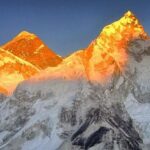
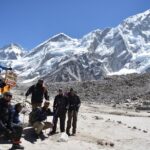
Day 3: Hillary Bridge and Namche Bazaar, where acclimatization becomes real
This is the classic entry into the Sherpa world. You start with tea-house breakfast, walk for about five hours, and arrive in Namche Bazaar, the big altitude hub at higher elevation.
A standout here is the Hillary Bridge stop, included in the program. It’s a quick detour, but it marks a psychological turning point: you’re fully “in” the Everest trekking corridor now. Namche is also where you’ll feel the altitude more clearly, even if the walking isn’t extreme.
Day 4: The extra night at 3440m so your body can catch up
At this elevation, the itinerary gives you breathing room with a day that supports acclimatization. A day like this is not there to waste time. It gives you the best chance of arriving at later high days feeling controlled instead of rushed.
This is also where tea-house life becomes your routine: you’ll be choosing from the lodge menu for food and settling in early, because morning starts matter.
Day 5: Tengboche Gompa and the Sherpa culture stop you’ll remember
You move upward again toward Tengboche, about five hours above Namche. The day is described as uphill, and it’s also a cultural moment: you reach Tengboche Gompa (included in the itinerary). This is one of the places where the trek feels more than just physical effort. You’re walking through a living community with monasteries, local customs, and a real sense of place.
Expect it to be a mix of steady uphill effort and emotional “wow” moments when the views open up.
Day 6: Toward Dingboche, crossing the Imja Khola route
The walk continues toward Dingboche with river crossings and trail navigation toward Orsho, Pheriche, and the routes that funnel into Dingboche.
This day is more about maintaining your pace and not turning your hike into a contest. The trail at altitude rewards consistency—slow enough to breathe well, fast enough to keep warm.
Day 7: Dingboche acclimatization day, plus staying active
This is the day you’ll be glad you have. Dingboche is high enough to feel the altitude, and an acclimatization day here is meant to reduce the risk of getting hit too hard later.
You’re also given the option of side excursions in the area (the itinerary frames it as staying active without overreaching). On days like this, I like to keep my “effort” moderate: short walks, good hydration, and early sleep.
Day 8: Higher views toward Thugla and the lu-spot break
After breakfast, you head toward Thugla, described as a great spot for rest during this section. This is a gentler day designed to keep you moving while your body continues adapting.
Days like this often become the most enjoyable—less pressure, more time to enjoy the route and watch the light change on the mountains.
Day 9: Everest Base Camp day (the big one)
Finally, you push toward Everest Base Camp at 5364m. This is the day most people talk about after the trek ends.
What makes it special isn’t just the destination. It’s the build-up: you’ve been walking for days through Sherpa villages and tea houses, plus acclimatization days that help you get there with steadier breathing.
Plan for a lot of sitting and looking once you arrive. It’s tempting to rush photos, but base camp is where the meaning clicks.
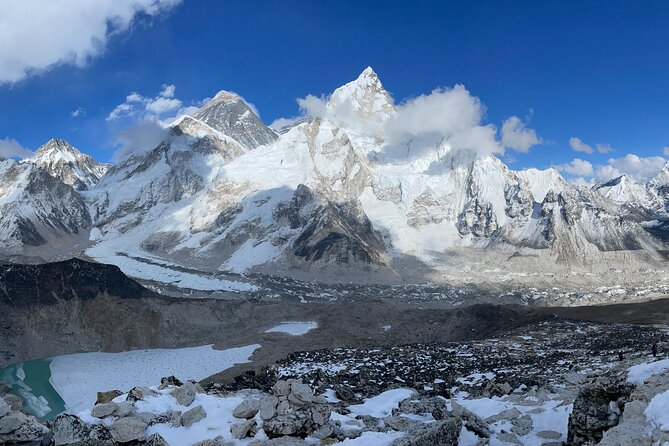
Day 10: Kala Patthar (5545m) and the early-morning view hunt
Today starts very early, because you’ll hike to Kala Patthar for the best chance at views of Everest and surrounding peaks.
This is the day that tends to separate “I did it” from “I really remember it.” Yes, it’s hard. But the program’s early start and focus on the highest elevation of the trip is designed to make your effort pay off.
Bring a calm head. At this altitude, slow footwork and steady breathing beat speed every time.
Day 11: Descent toward Pangboche, then a less crowded route
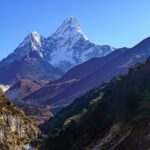
You trek down toward Pangboche and take a less crowded route through Phorste. Along the way, you pass viewpoints for Amadablam, Thamserku, and you also get another monastery sighting with Tengboche monastery referenced as part of the day’s route.
Descent days can feel easier, but the legs still do work. Trekking poles matter here. So does wearing footwear that handles rocky downhill without slipping.
Day 12: Connecting trails near Phorste Thanga and Mong Danda
This day includes trekking down toward the river coming from Gokyo lake, then connecting to the trail to Gokyo at Phorste Thanga (3680m) and trekking up to Mong Danda.
If you thought you were doing only a strict “classic EBC out-and-back,” this added connection gives variety. It also helps break the monotony of long straight descents and climbs.
Day 13: Back to Lukla along the earlier route
After breakfast, you trek the same route you went up before, passing spots like Toktok, Phakding, Ghat, and Cheeplung (2650m) for the final push up to Lukla. Your walking finishes and the evening is for recovery and celebrating the win.
Day 14: Flight to Kathmandu and a relaxed final day
You take an early flight back to Kathmandu. Once you check in, you’re free for the rest of the day at leisure. This is when you can finally eat like a normal person and not like a person who’s guessing what they’ll find in a lodge.
Day 15: Transfer out of Nepal
A representative transfers you to Tribhuvan International Airport for your departure, timed to your flight schedule.
Lodges, food, and the real meaning of comfort at altitude
This trek is a tea-house experience, which means you’ll sleep in lodge accommodation and eat at places along the trail.
Here’s the important bit: the program focuses on hygienic food chosen from the lodge menu. That’s not a guarantee that every meal will taste amazing, but it does mean you’re not cooking for yourself in the cold. It also reduces decision stress when you’re tired.
Food rhythm is built into the included meal plan:
- Breakfast: 14
- Lunch: 12
- Dinner: 13
- Plus a farewell dinner
Two comfort limits to plan for:
- Hot showers are not included.
- Battery charging is not included.
So bring the right mindset. You’ll likely want to conserve battery power, and you should keep a warm base layer ready for night and early mornings.
Also note the trek kit included: hiking poles, a sleeping bag, and a down jacket (to be returned after the trek). That helps a lot if you’re arriving without proper cold-weather gear.
Guides, porters, and logistics: what the $1,890 price actually covers
At $1,890 per person, you’re paying for more than just the trekking route.
Included items that matter:
- Private transportation and airport transfers in Nepal
- Flights Kathmandu/Ramechap ↔ Lukla, including flights for members and staff
- Permits: Sagarmatha National Park permit, TIMS permit, and a local rural area permit
- An English-speaking, experienced, license-holder guide (plus an assistant guide when group size is 5+)
- Porters: 1 porter for 2 people, carrying 20kg total (10kg each)
- Trek support extras: trail map, achievement certificate, and farewell dinner
- Most meals during the trek days
What’s not included:
- International travel costs and VISA fee
- Travel insurance covering up to 6000m (listed as $200 per person, not included)
- Tips for guide, porters, and drivers
- Kathmandu lunch and dinner
- Personal snacks and beverages
- Extra night accommodation (if you need it)
- Hot showers and battery charging
To me, this pricing makes sense if you value fewer moving parts. The flights, permits, guide, porter system, and most meals add up quickly. If you already have everything (gear, insurance, plans, and a team), your savings by booking separately might be bigger. But if you want a smoother experience where someone else handles the critical steps, this package is aiming directly at that.
One last practical point: you should have strong physical fitness. The itinerary is structured, but Everest doesn’t care about optimism. You still need endurance and the ability to handle altitude.
Who this trek fits best (and who should be cautious)
This Everest Base Camp trek is a strong fit if you:
- Want structured acclimatization, not a “keep pushing” itinerary
- Prefer a licensed English-speaking guide and organized porter support
- Like tea-house trekking where meals and lodging are handled for you
- Want key gear included (sleeping bag, down jacket, poles)
Be cautious if:
- Your fitness level is inconsistent. The walking days include uphill stretches and long travel days.
- You’re expecting hotel-style amenities. No hot showers and limited charging are built into the reality of this trek.
- You’re sensitive to schedule changes due to weather. Flights can be affected, and good weather is part of the deal.
Should you book this Everest Base Camp plan?
If you want Everest without turning your trip into a logistics project, I’d lean toward booking. The itinerary’s altitude strategy (including Dingboche acclimatization and additional altitude support earlier on), the inclusion of guide + permits + flights, and the porter math make the whole trek feel more controlled.
Just don’t book if your plan depends on hot showers, power at will, or leisurely pace. This is still a serious high-altitude trek. If you arrive prepared for cold mornings, follow the acclimatization days, and keep your effort steady, you’ll likely come away with that mix of pride and awe that makes Everest trips addictive.
FAQ
What are the main high points on this trek?
You’ll reach Everest Base Camp (5364m) and hike up to Kala Patthar (5545m) for the highest elevation view of the trip.
Is airfare or domestic flight included?
Yes. Domestic flights from Kathmandu/Ramechap to Lukla and back are included for all members and staff.
Are permits included?
Yes. The package includes the Sagarmatha National Park permit, TIMS permit, and a local rural area permit.
What kind of accommodation do you get on the trek?
You stay in clean and comfortable lodge accommodation during the trek.
Are meals included?
Yes. The trek includes breakfast (14), lunch (12), and dinner (13), plus a farewell dinner. Meals in Kathmandu are not included.
What trekking gear is provided?
The package includes hiking poles, a sleeping bag, and a down jacket, and you return those items after the trek.
Do I get hot showers or battery charging?
No. Hot showers and battery charging are not included during the trek.
How does the porter system work?
You get strong helpful porters with a setup of 1 porter for every 2 people. Porters carry 20kg total (about 10kg per guest).