REVIEW · HISTORICAL TOURS
Kathmandu: Full-Day Tour of 5 World Heritage Sites
Book on GetYourGuide →Operated by Snowy Horizon Treks & Expedition (P.) Ltd. · Bookable on GetYourGuide
Kathmandu hits you fast. In one guided day, you’ll move between major Hindu and Buddhist landmarks, guided clearly so it makes sense instead of feeling like a blur of stone and incense. I love that the route covers UNESCO highlights across different religions, and I also love the human scale of the places you pass through in Thamel and around the temple areas. One drawback: you’ll be on the move, so if you hate crowds or want long quiet time at each site, this might feel a bit packed.
This tour is built around Kathmandu Valley’s long timeline, from settlements traced to roughly 167 B.C. through 1 A.D., up to today’s living traditions. Kathmandu sits about 1,400 meters up in a bowl-shaped valley ringed by peaks like Shivapuri and Chandragiri, so even when you’re just driving between sites, the geography is part of the story. The day includes a focused 6-hour guided block in the Kathmandu area, which is a good length for seeing a lot without turning into an all-day slog.
You’ll be guided in English, with additional guide language options too, and you’ll get transportation between the key stops. Still, you’ll want to budget separately for monument entrance fees, and you should plan to eat on your own since food and beverages aren’t included.
In This Review
- Key points that matter before you go
- A one-day UNESCO plan that actually makes sense
- Getting oriented in Kathmandu: pickups, Thamel, and pacing
- Durbar Square and the Palace of Kumari: Hindu Kathmandu in full view
- Pashupatinath on the Bagmati River: rituals, pilgrims, and Sadhu culture
- Buddhanath and Swayambhunath: two gompas, two moods
- The fifth UNESCO site: how the route keeps Kathmandu Valley coherent
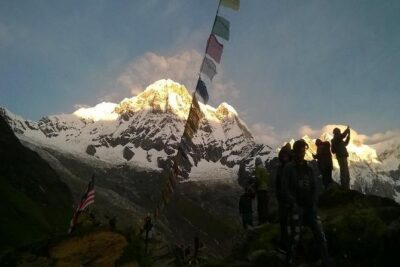
- Nagarkot’s Himalayan viewpoints: mountains in your head, not just on paper
- Price and value: what $65 covers and what you’ll still pay
- Who this tour fits best (and who might want to tweak the plan)
- Tips to make temple visits smoother and more respectful
- Should you book this five-site Kathmandu heritage day?
- FAQ
- What is the duration of the tour?
- Where does the tour pick up?
- Where can I be dropped off?
- How long is the guided portion in Kathmandu?
- Which UNESCO World Heritage sites are included?
- Are entrance fees included?
- Is food included?
- What languages are the guides available in?
- What’s included in the price?
- Can I cancel and get a refund?
Key points that matter before you go
- Five UNESCO World Heritage stops are covered in a single guided day, connecting Hindu and Buddhist Kathmandu.
- You can start from Thamel or Tribhuvan International Airport, which helps if your flight lands (or departs) at odd hours.
- You’ll see Durbar Square’s religious and civic layers, including the Palace of Kumari, the living goddess.
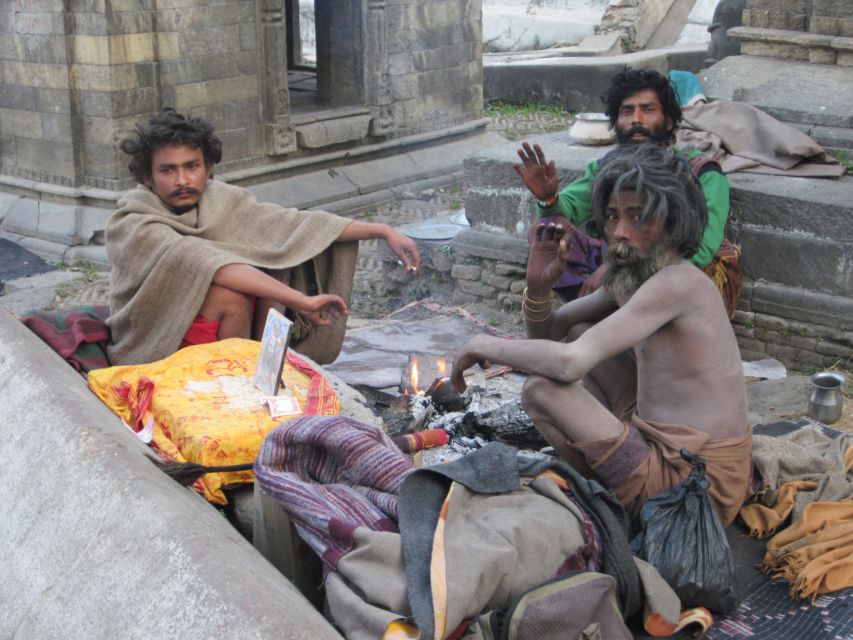
- Pashupatinath is described as the world’s largest Hindu temple, with prominent pilgrim culture and Sadhu activity.
- You’ll include time for major stupa sites: Swayambhunath and Buddhanath.
- A Nagarkot viewpoint stop gives you big-mountain context, with views toward the Langtang range and beyond.
A one-day UNESCO plan that actually makes sense
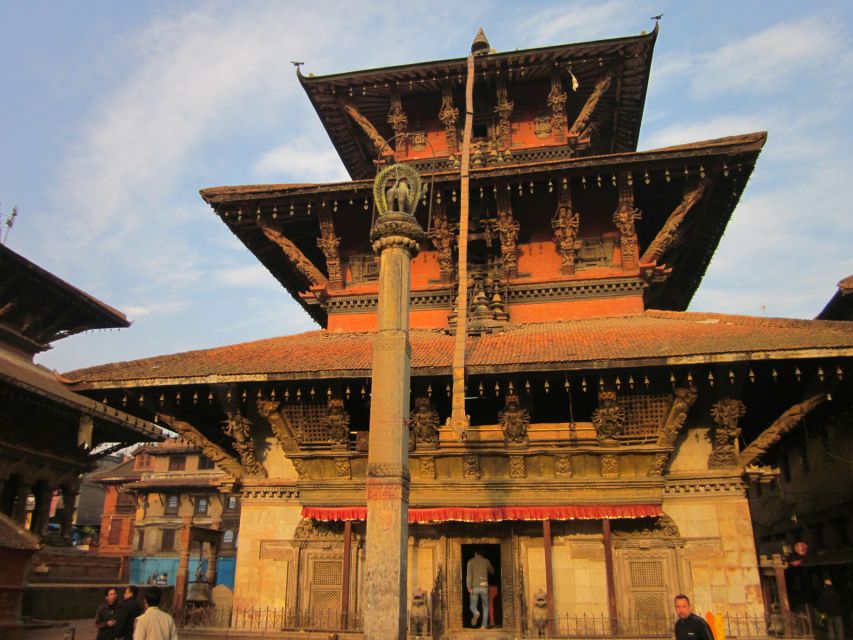
I like tours where you don’t just tick boxes. Here, the structure fits how Kathmandu works: Hindu temples, Buddhist stupas, river rituals, and palace squares all sit close enough that you can understand the city as a system, not separate postcards.
The big win for me is the balance. Durbar Square and Pashupatinath show Hindu religious life at full volume, while Swayambhunath and Boudhanath bring Buddhist worship and architecture into the same day. You also get the geography element—Kathmandu’s valley setting and the way Nagarkot helps you connect the temples to the mountains people pray for, travel toward, and talk about constantly.
You can also read our reviews of more historical tours in Kathmandu

Getting oriented in Kathmandu: pickups, Thamel, and pacing
The tour starts with pickup from either Thamel or Tribhuvan International Airport, and it ends with drop-off in either of those same two places. That flexibility matters more than it sounds. If your schedule is flight-heavy, getting a consistent plan reduces taxi stress, and you spend your energy on the sights instead.
Thamel is the old, shop-lined heart of Kathmandu, known for narrow streets and plenty of little places to eat and browse. Even if you don’t spend hours there, it’s useful context because the city’s temple zones can feel confusing on your own. A guide helps you get your bearings fast—who you should look for, where to stand for good views, and how to move respectfully without blocking others.
Your guided time inside the city is listed as 6 hours, which is a realistic chunk. It’s long enough to see meaningful parts of each site, but short enough that you’re not totally wiped out before the last stop.
Durbar Square and the Palace of Kumari: Hindu Kathmandu in full view
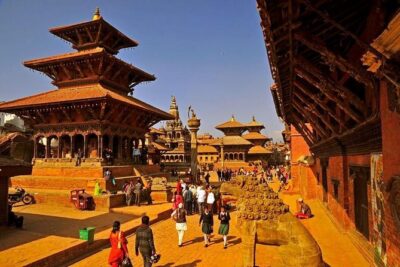
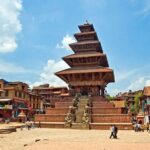
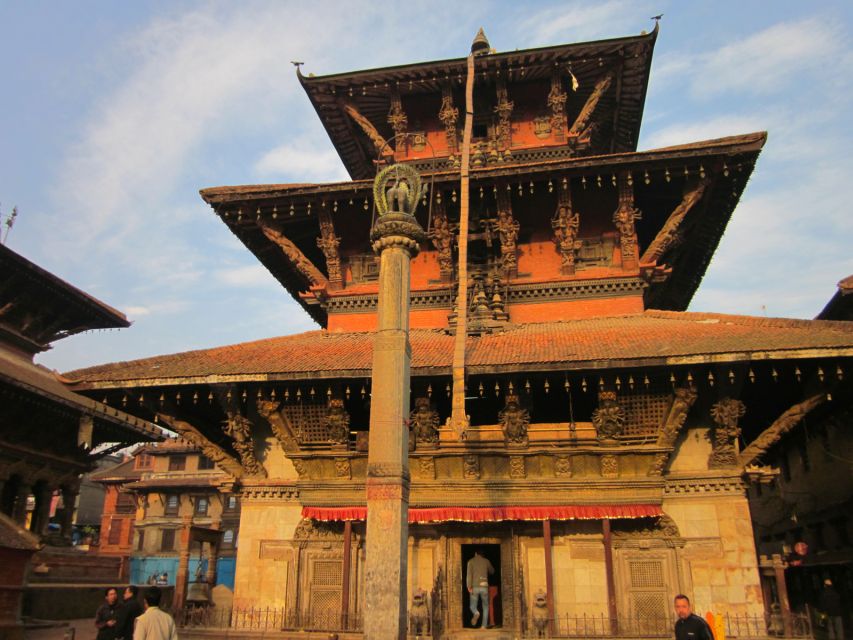
Durbar Square is one of those places where the scale feels human even when the architecture is huge. It’s a World Heritage Site packed with Hindu temples, statues of Hindu deities, and the famous Palace of Kumari, the home of the living goddess.
What I like about starting (or including) Durbar Square on this kind of route is that it sets the tone for the entire day. After you’ve seen how space is organized around worship and symbols here, the other temple and stupa sites feel less random. You’re not just looking at individual monuments; you’re noticing patterns in how Kathmandu’s sacred life is staged.
A practical consideration: Durbar Square can be crowded and busy. If you’re sensitive to tight lanes and lots of foot traffic, you’ll want to keep expectations flexible and focus on moments—like the details on statues or the way worshipers move—rather than trying to get one perfect photo.
Pashupatinath on the Bagmati River: rituals, pilgrims, and Sadhu culture
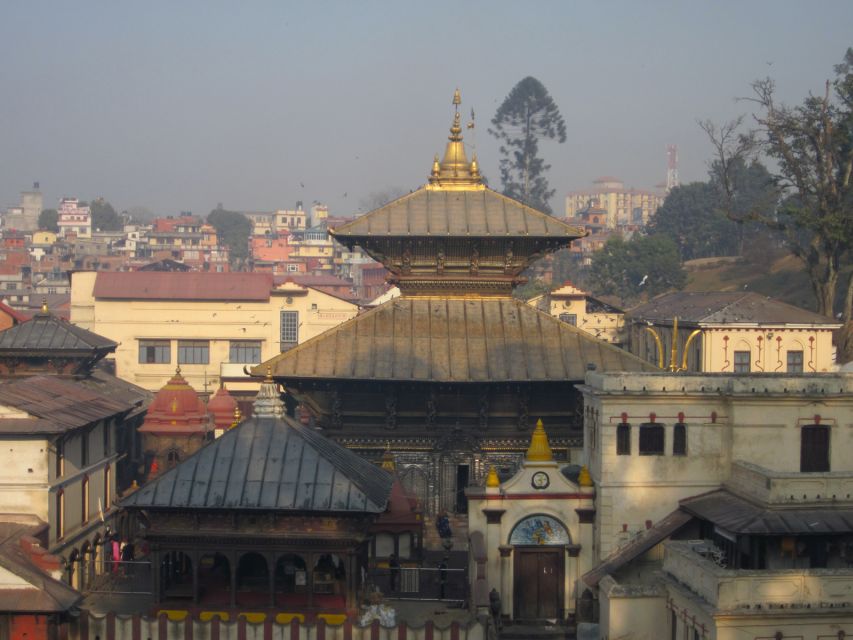
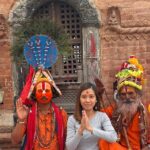
Pashupatinath is described as the world’s largest Hindu temple, and it draws pilgrims from far and wide. The feeling here is intensely alive: worship is active, and you’ll often see Sadus—holy men—moving through the area as if it’s part of their daily rhythm.
Another detail worth knowing is the river setting. Many Hindus choose cremation on the banks of the Bagmati River, and the presence of that sacred practice shapes the atmosphere around the temple complex. If you’re traveling with a sensitive stomach, plan to treat this as a place of religious meaning first, tourism second.
The upside is that it’s not a museum. You’re seeing how faith operates in real time—how people pray, gather, and keep routines going around major sacred structures. If you want “authentic” without chasing it, this is one of the clearest ways to get it on a single day.
Buddhanath and Swayambhunath: two gompas, two moods
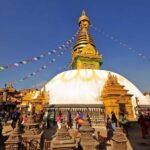
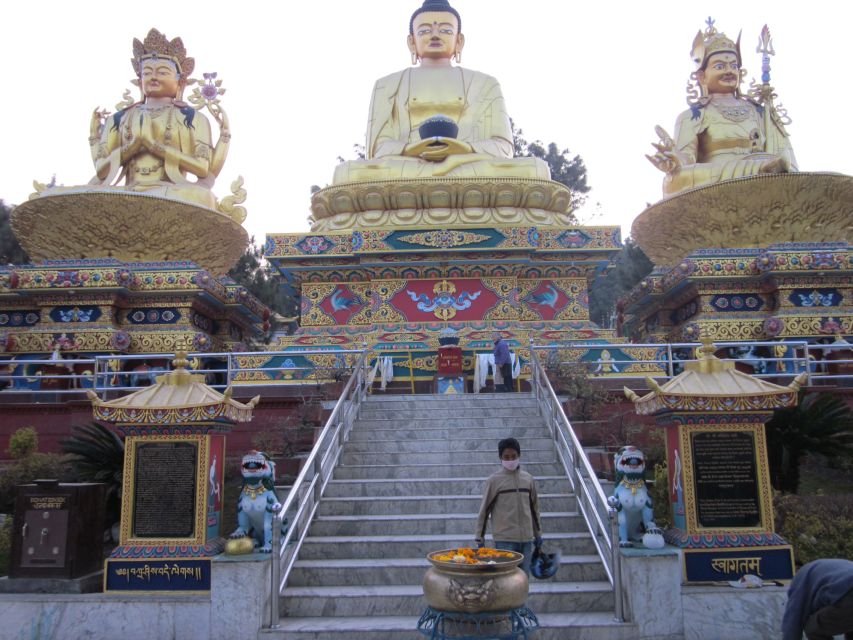
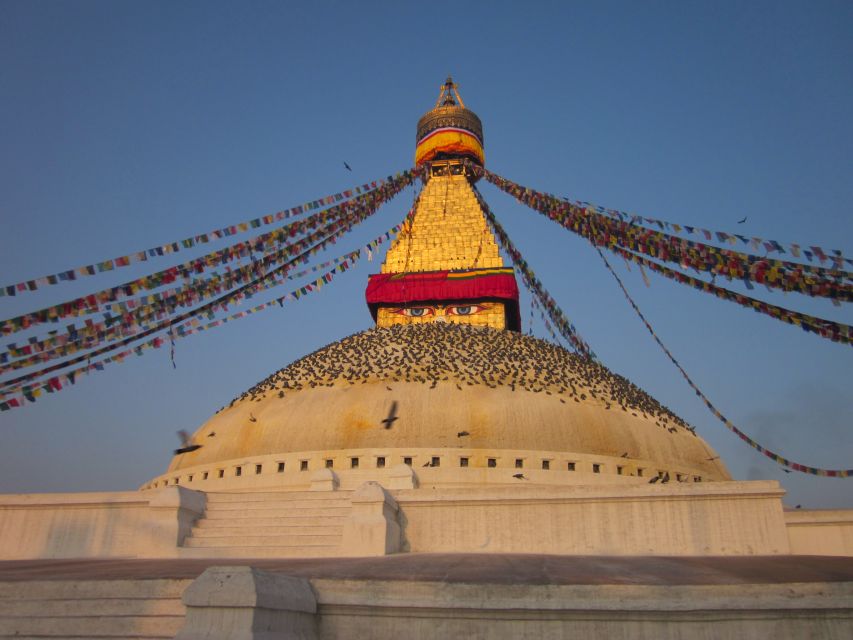
Kathmandu’s Buddhist side is centered around two standout gompas: Buddhanath and Swayambhunath, both UNESCO World Heritage Sites. On a practical level, they help you see how Buddhism expresses itself differently than Hindu temple worship—especially in how stupas anchor the space.
Buddhanath is often talked about as a key stupa landmark, and what you’ll notice first is how people use the area for ritual movement and observation. It’s not only about looking; it’s about participating with your attention—watching how others approach the shrine and how the architecture frames the act of worship.
Swayambhunath adds a different flavor. It’s still in the UNESCO conversation, but it tends to feel more like a perch viewpoint plus a temple zone all at once. Together, these two sites help you understand that Buddhism in Kathmandu isn’t a single style. It’s two major expressions in the same city, side by side.
A helpful consideration: both sites can involve stairs, uneven ground, and crowds. If you’re carrying camera gear or you’re dealing with mobility limits, take your time and listen to your guide about where you’ll have the easiest route.
You can also read our reviews of more tours and experiences in Kathmandu

The fifth UNESCO site: how the route keeps Kathmandu Valley coherent
This day tour is designed around five UNESCO World Heritage sites connected to the Kathmandu Valley story. The names you’ll most clearly recognize in the plan are Durbar Square, Pashupatinath, Swayambhunath, and Buddhanath—four big anchors that define the religious map.
The fifth UNESCO stop is included to keep the Kathmandu Valley theme intact. Even when you don’t know it by name ahead of time, the point is consistent: Kathmandu’s heritage isn’t isolated monuments scattered across a city. It’s a connected set of sacred and historic places shaped by centuries of settlement and devotion.
I like this approach because it keeps you from feeling lost in the details. You can compare sites within the same day and see how city life and sacred life overlap, rather than treating UNESCO as five separate check-ins with no real connection.
Nagarkot’s Himalayan viewpoints: mountains in your head, not just on paper
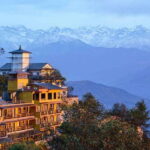
One of the smartest add-ons to this kind of heritage day is the chance to look outward. Nagarkot sits about 35 kilometers from the city center and is described as one of the highest points around the Kathmandu Valley. That height matters because it changes what you can see.
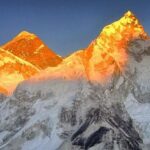
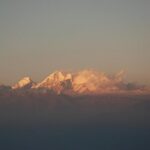
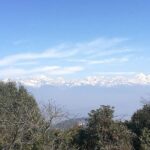
From Nagarkot, the plan emphasizes views toward the Langtang range and even major peaks beyond like Annapurna, Manaslu, Cho Oyu, and Shishapangma. Even if you’re not an expert on Himalayan geography, this moment gives context. Those temples you just saw start to feel like part of a bigger story—people living in a valley, always facing the mountains.
Practical note: mountain views depend on weather and visibility. If the sky is clear, you’ll feel like you’ve turned a page. If it’s hazy, you’ll still get the viewpoint experience, just with less dramatic peak detail.
Price and value: what $65 covers and what you’ll still pay
The price is $65 per person for a full-day experience. What’s included is meaningful: transportation, an English-speaking guide, and taxes and service fees.
What’s not included is where you should plan your budget:
- Monument entrance fees
- Food and beverages
- Personal expenses
Here’s how I think about the value: five UNESCO sites plus guided context is exactly the kind of thing that gets expensive when you do it piece by piece with taxis and separate tickets. Paying one set price for transportation and a guide helps you avoid the time-waste and coordination headaches that can drain a day in Kathmandu.
That said, entrance fees and meals add up if you’re not ready. If you want an easy day financially, set aside extra money for tickets you might need and for lunch/snacks.
Who this tour fits best (and who might want to tweak the plan)
This is a strong match if you want a guided day that covers major religious landmarks without requiring you to research everything. I’d especially recommend it if:
- You’re short on time and want a high-impact heritage day
- You enjoy learning what you’re looking at, not just taking photos
- You want both Hindu and Buddhist sites in one go
- You like the idea of combining city heritage with a mountain viewpoint at Nagarkot
It may not be ideal if you prefer slow travel with long pauses and private time at sacred spaces. This route is designed for coverage, which means you’ll keep moving and you’ll have to manage your patience around crowds.
Tips to make temple visits smoother and more respectful
A few small habits make a big difference on days like this:
- Wear something that works for temples: comfortable, modest, and easy to adjust.
- Keep your pace steady around busy areas. You’ll spend less energy navigating and more time noticing details.
- Listen to your guide about where it’s appropriate to stand and how to move through worship spaces.
- If cremation activity is part of what you’ll pass, treat the area with extra care and don’t linger in ways that disrupt.
And one more thing I appreciate: having an English-speaking guide (and sometimes a guide in other languages) means you’ll understand what each place represents, including why it draws pilgrims and what rituals look like.
Should you book this five-site Kathmandu heritage day?
If you’re planning Kathmandu for a limited window, I think this is an easy yes. You get major UNESCO sites, guided context in the places that matter, and a day structure that includes both city sacred landmarks and Nagarkot’s mountain viewpoints.
I’d book it particularly if you like your travel organized but not robotic. The guide experience seems to be a highlight, and one named guide, Uddhab, is noted for being patient—exactly what you want when you’re bouncing between busy sacred spaces.
Book this tour when you want a practical, high-value overview with real culture, and you trust someone else to handle the route so you can focus on seeing Kathmandu clearly.
FAQ
What is the duration of the tour?
It’s a 1-day tour. The exact starting times depend on availability.
Where does the tour pick up?
You can be picked up from Thamel or from Tribhuvan International Airport.
Where can I be dropped off?
Drop-off is available at either Tribhuvan International Airport or Thamel.
How long is the guided portion in Kathmandu?
The guided tour in Kathmandu is listed as 6 hours.
Which UNESCO World Heritage sites are included?
The tour includes Durbar Square, Pashupatinath, Swayambhunath, and Buddhanath, plus a fifth UNESCO World Heritage site as part of the five-site visit.
Are entrance fees included?
No. Monument entrance fees are not included.
Is food included?
No. Food and beverages are not included.
What languages are the guides available in?
The tour offers live guides in English, French, German, and Italian.
What’s included in the price?
Transportation, an English-speaking tour guide, and taxes and service fees are included.
Can I cancel and get a refund?
Yes. Free cancellation is available up to 24 hours in advance for a full refund.