REVIEW · ANNAPURNA BASE CAMP TREKS
Annapurna Base Camp Trek – 11 Days
Book on Viator →Operated by Base Camp Adventure Pvt. Ltd. · Bookable on Viator
The Annapurna Base Camp trek feels timeless. In 11 days you’ll head from Kathmandu to Pokhara and then into rhododendron forests and hill villages, with big moments like Poon Hill sunrise and the classic Annapurna feel that made this route legendary. It’s the kind of trek where the miles add up, but the views do the real convincing.
I like that this plan takes a lot of gear stress off your shoulders with a down jacket, sleeping bag, and duffel bag included, plus a licensed English-speaking guide and oxygen checks along the way. One consideration: this is still a long, stair-heavy trek, so your moderate fitness needs to be real before you sign up.
In This Review
- Key things that make this Annapurna Base Camp trek work
- What you’re really buying for $986 in Nepal
- Day 1: Kathmandu to Pokhara via Prithvi Highway
- Days 2–3: Nayapul to Ghorepani through rhododendron and village stairs
- Day 4: Poon Hill sunrise, snowy trails, and big peak names
- Days 5–6: Jhinu Danda hot springs and the rhythm of recovery
- Days 7–8: Deurali, Machhapuchhre Base Camp (3700m), and your big turning point
- Day 9–10: Upper Chhomrong, another Jhinu stop, and down to Nayapul
- Day 11: Pokhara to Kathmandu by tourist bus
- Guide quality is the real difference-maker
- Safety and altitude: the included oxymeter changes the vibe
- Who should book this Annapurna Base Camp trek?
- Should you book this 11-day Annapurna Base Camp trek?
- FAQ
- How long is the Annapurna Base Camp trek?
- Where do I start and end?
- What time does the trek start?
- Is this a private tour?
- What’s included in the price?
- What isn’t included?
- What fitness level do I need?
- What is the cancellation policy if weather is poor?
Key things that make this Annapurna Base Camp trek work
- Down jacket and sleeping bag included so you can pack smarter instead of renting or buying in a hurry.
- A licensed English-speaking guide and trekking staff support throughout your walk days.
- Oxymeter checks for pulse and oxygen saturation and heart rate during the trek.
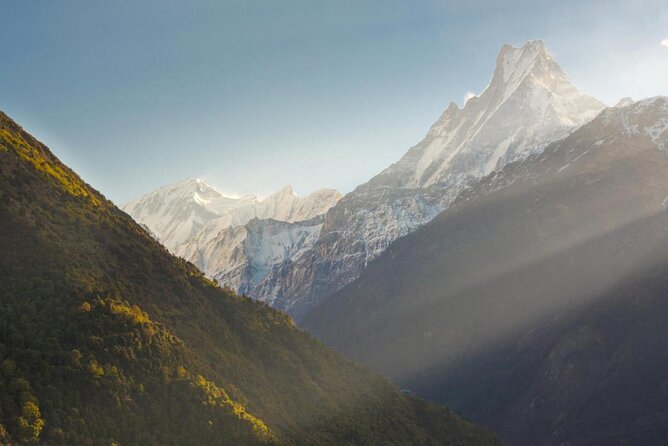
- Poon Hill early-morning ascent to chase sunrise over the Annapurna and Dhaulagiri ranges.
- Jhinu Danda hot springs break to loosen up after the stone-stair grind.
- Private feel for your group with only your party participating.
What you’re really buying for $986 in Nepal
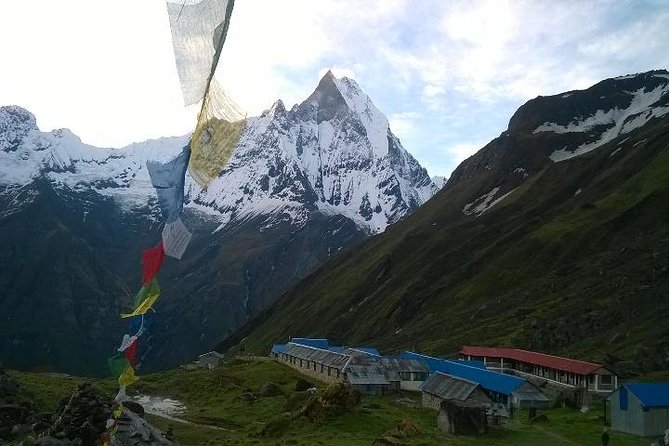
At $986 per person, this Annapurna Base Camp trek isn’t just a guided walk. It’s a bundle of logistics and safety basics that matter when you’re heading into the high, remote Annapurna region.
The value jumps out in three places. First, you get key cold-weather gear: a down jacket, sleeping bag, and duffel bag. That alone can save you money if you’re not traveling with proper trekking warmth. Second, the package covers the non-fun stuff: trekking permits and entry fees, and the “human support layer” (guide plus trekking staff with food, accommodation, salary, insurance, medicine, and transportation). Third, meals are mostly handled: the plan includes 10 breakfasts, 9 lunches, and 8 dinners, so you’re not constantly negotiating food plans after a hard day of walking.
What you won’t get is also important. You bring your personal trekking equipment, and you’ll cover things like alcoholic and non-alcoholic drinks, laundry, and travel insurance. Also, tips aren’t included, so if you like showing appreciation beyond the plan, budget for that.
You can also read our reviews of more hiking tours in Kathmandu
Day 1: Kathmandu to Pokhara via Prithvi Highway
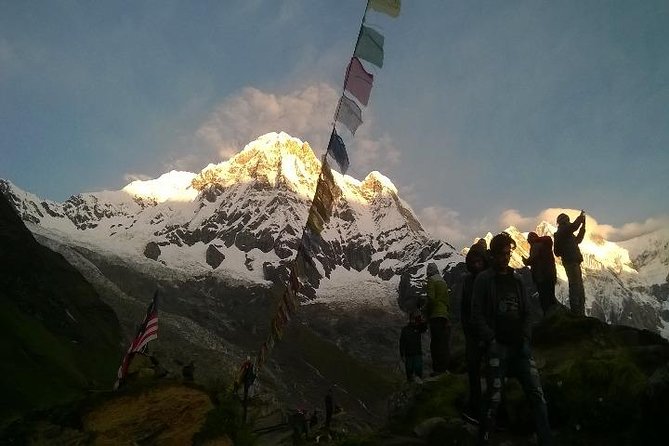
Your trip starts in Kathmandu around 6:15 am, and you’ll head out by tourist bus toward Pokhara. The route runs along the Prithvi Highway, with rivers, terraced fields, and village life rolling past the windows.
Why this first day is more than transportation: it helps you move into trekking mode without the stress of organizing your own connection. You also get a clean ramp-up. Instead of jumping straight onto trails, you arrive in Pokhara with time to mentally shift gears, and (in most real trekking plans) that reduces the “too fast, too soon” problem that messes with day two.
Tip for the day: keep yourself hydrated and don’t overdo caffeine. You’ll be using energy again soon.
Days 2–3: Nayapul to Ghorepani through rhododendron and village stairs
Day 2 begins with a short drive from Pokhara to Nayapul (about two hours). Then the trek proper starts by crossing the suspension bridge over the Modi River, heading toward Birethanti.
This is classic entry-into-the-region trekking. You go from road life into trail life quickly: river crossings, village paths, and a gradual shift from traffic to quiet. It’s also where you’ll feel the “stone stairs” reality hinted at later.
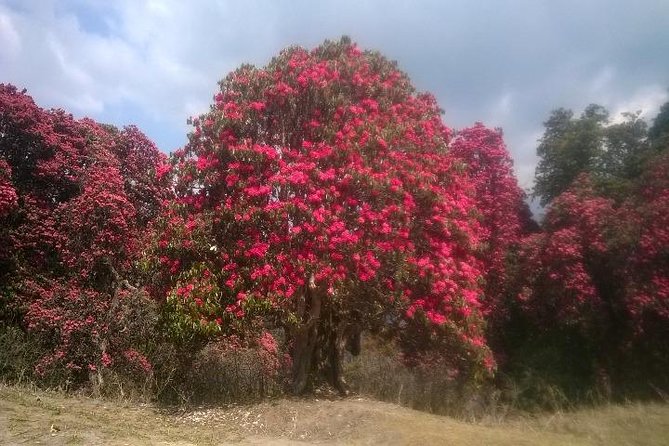
Day 3 keeps it green. You’ll walk on an easy trail through thick rhododendron forests, cross villages like Banthanti and Nangethanti, and climb uphill on stone steps as you reach Ghorepani.
What I like about these two days: they build rhythm. You get walking time without jumping straight into the hardest altitude demands. What to watch: the uphill steps add up. Even when the pace feels gentle, your legs do the math.
Day 4: Poon Hill sunrise, snowy trails, and big peak names
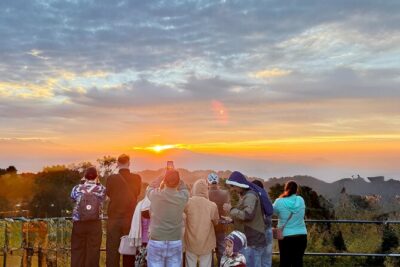
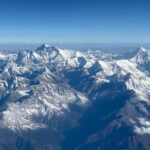
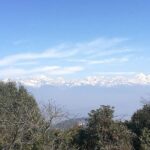
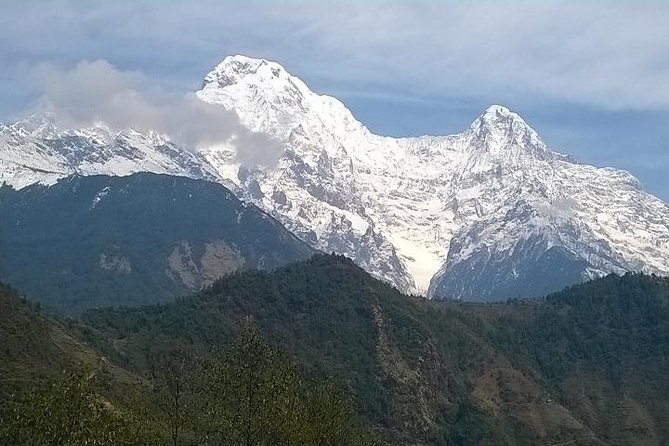
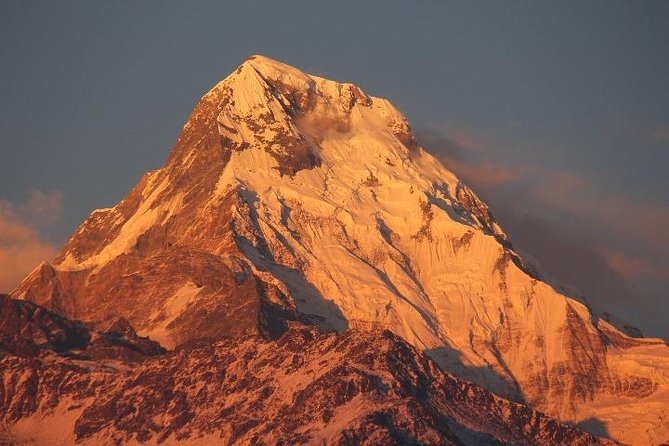
This is the day people remember. You’ll do an early-morning ascent to Poon Hill, described as a climb on snowy trails, to watch sunrise across the Annapurna and Dhaulagiri ranges.
The peak list here is specific, and it matters because it helps you identify what you’re seeing when visibility allows. The views mentioned include Nilgiri (7061m) and Lamjung Himal (6983m) alongside the broader Annapurna and Dhaulagiri scenery.
What makes this stop valuable: it’s not just a photo moment. Sunrise throws light on ridgelines and valleys that look flat later in the day. Even if you’re not a mountain nerd, your brain understands scale fast.
Practical consideration: early starts can be rough even if you feel fit. Bring layers you can adjust quickly. Cold mornings are normal in this zone, and you’ll likely be moving hard right after waking.
Days 5–6: Jhinu Danda hot springs and the rhythm of recovery
After the sunrise and the next trail day, you head toward a reward that feels very human: Jhinu Danda hot springs.
Day 5 includes crossing a suspension bridge over Kimrong Khola, then reaching the hot spring area. The plan notes you can take a short rest in the springs before continuing on.
This is where the trek gets smarter. Hot springs aren’t magic, but they can help with that post-stair stiffness that builds up in your calves and knees. I’d treat it as recovery time, not as a time to fully melt away. You still need to walk later.
Day 6 shifts back into trail flow: an easy walk through rhododendron forest with orchids and ferns is specifically mentioned, plus more stone-stair walking and river crossings. You’ll descend, cross Chhomrong Khola, then ascend to Sinuwa, followed by more descending.
One thing to keep in mind: “easy walk” still means altitude trekking. The steps and grades are the real training, not just how the day is described.
Days 7–8: Deurali, Machhapuchhre Base Camp (3700m), and your big turning point
Day 7 builds toward height and views. You’ll ascend to Deurali and keep climbing along stone stairs toward a viewpoint noted for snow-capped mountain vistas, then reach Machhapuchhre Base Camp (3700m).
The key idea here is that you’re not just walking higher. You’re being asked to handle the breathing difference that comes with elevation. The itinerary’s support system matches that: you have an oxymeter in the included features, checking pulse, oxygen saturation, and heart rate. That means you’re not guessing.
Day 8 starts by descending toward Machhapuchhre Base Camp along the moraine route, then following trails through rhododendron and fir forests along Modi Khola.
Why this day matters: descending helps your body readjust, but you’re still on the move. It’s also a strong day for scenery because forests change the light and you get breaks from open steepness.
Day 9–10: Upper Chhomrong, another Jhinu stop, and down to Nayapul
Day 9 is a loop back through some of the rhythm you already know, but with new payoff. You’ll ascend through forest to Sinuwa, descend to Chhomrong Khola, then climb stone stairs to upper Chhomrong. Later, you descend to Jhinu Danda again for a warm dip in the hot springs area.
That second hot spring visit is a smart design choice. The trek isn’t just about reaching base camp; it’s also about returning without your body falling apart.
Day 10 is your exit day. You’ll descend to Nayapul following trails along Modi Khola, then drive back to Pokhara.
This is the day your feet might start bargaining. If you’ve been taking breaks and pacing well, you’ll probably feel better than you expect. If you’ve been pushing too hard early, the trail back can feel longer.
Day 11: Pokhara to Kathmandu by tourist bus
On your final morning, you’ll leave Pokhara early and drive back to Kathmandu by tourist bus. The trip notes you’ll enjoy the greenery and villages along the highway, then arrive in the capital.
Why I like finishing this way: it’s not a rushed last sprint. You still get a transfer day with views and decompression, and you end back at your meeting point.
If you want to do something that night, keep it low-key: a calm meal, a stretch session, and sleep. You’ll earn it.
Guide quality is the real difference-maker
The included English-speaking licensed trekking guide is a big deal because the trek isn’t only about legs. It’s about pace choices, route clarity, and helping you manage fatigue.
In the strongest personal stories shared in feedback, guides such as Prakash and Dhakal Saroj were highlighted as helpful and caring, and names like Shiva and Naba show up in accounts tied to getting people to the base camp area and back smoothly. Porters like Kul and Nishan were also specifically praised for kindness and support.
That said, balance matters. One piece of feedback labeled the experience not great due to a guide who didn’t meet expectations for professionalism on a first-time solo trek. I can’t predict what you’ll get, but you can protect yourself: before you start walking, ask how your guide will handle your pace, rest breaks, and any first-trek nerves. If anything feels off, say it early.
Safety and altitude: the included oxymeter changes the vibe
This trek includes an oxymeter to check pulse, oxygen saturation, and heart rate. That small tool can make a big difference in how you experience altitude stress because it helps you monitor yourself in a structured way instead of relying only on how you feel.
You also have first aid medical kits and trek staffing with medicine support included. Permits and entry fees are taken care of too, so you’re not trying to solve paperwork while your body is tired.
One more practical point: the trek is described for travelers with moderate physical fitness. That doesn’t mean couch-to-summit. It means you should already be comfortable walking for long stretches and handling uphill stone steps.
If you’re unsure, be honest. Choose a pace you can repeat the next day.
Who should book this Annapurna Base Camp trek?
You’ll likely love this trek if you want:
- A classic Annapurna Base Camp route with culture and village walking, plus major highlights like Poon Hill and Jhinu Danda.
- A plan that includes crucial cold-weather gear so you don’t scramble for rentals.
- Support built in: guide, staff, permits, and meals mostly covered.
You might want to think twice if:
- You’re sensitive to long stair days and you haven’t built trekking stamina.
- You’re expecting a lightweight, low-effort hike. This is a real trek.
If it’s your first Himalayan trek, go in with patience. Your body may take a few days to feel normal at trail elevation.
Should you book this 11-day Annapurna Base Camp trek?
I’d book it if you want a well-packaged Annapurna Base Camp experience that handles the big planning items for you: transfers, permits, guesthouse stays, guide support, and even cold-weather gear like the down jacket and sleeping bag. The added oxygen checks are also a comfort feature.
I’d slow down on booking only if your fitness is uncertain or you’re very anxious about pacing and guide fit. In that case, ask pointed questions before departure and make sure you’re comfortable with a moderate fitness requirement.
Bottom line: for most people, this trek earns its high recommendation rate because it blends classic highs (sunrise views, base camp direction, hot springs recovery) with practical support that reduces stress while you focus on walking and noticing the mountains.
FAQ
How long is the Annapurna Base Camp trek?
The trek is listed as 11 days (approx.).
Where do I start and end?
The experience starts in Kathmandu and ends back at the same meeting point.
What time does the trek start?
The start time is listed as 6:15 am.
Is this a private tour?
Yes. It’s described as a private tour/activity, and only your group participates.
What’s included in the price?
Included items include down jacket, sleeping bag, and duffel bag, surface transfers from and to Kathmandu, trekking permits and entry fees, guesthouse accommodation (mainly twin sharing), a licensed English-speaking trekking guide, meals (breakfast/lunch/dinner as listed), an oxymeter for oxygen/pulse/heart rate checks, and first aid medical kits.
What isn’t included?
Not included: alcoholic and other drinks, laundry, your travel insurance, personal trekking equipment, international airfare and airport departure tax, and tips for trekking staff.
What fitness level do I need?
The info says you should have a moderate physical fitness level.
What is the cancellation policy if weather is poor?
There’s free cancellation up to 24 hours in advance for a full refund. If it’s canceled due to poor weather, you’ll be offered a different date or a full refund.