REVIEW · KHUKURI KNIFE WORKSHOPS
Knife Khukuri Making Workshop
Book on GetYourGuide →Operated by I. Experience Nepal Trek And Tour · Bookable on GetYourGuide
A hammer stroke beats a souvenir shop, and this Kathmandu workshop lets you help shape a khukuri beside a veteran blacksmith. I like the hands-on steps you’re allowed to do safely, especially hammering and the early grinding, and I like how the guide explains the craft and the meaning behind it in plain English (often with guides like Namrata or Sajeena). The main drawback: the host does the higher-spark grinding and final sharpening, so you won’t control every single stage.
At $73 for a small group of up to 5, you’re not just watching. You get hotel pickup and drop-off, the tools, tea/water and snacks, and you take home a finished 6-inch knife with a cover. If you want a real Nepal craft story you can hold in your hand, this is an excellent use of a half day.
In This Review
- Quick Takes: The 5 Things That Matter Most
- Why the Khukuri Has Meaning Far Beyond the Blade
- The 4-Hour Flow: Hotel Pickup to Your Finished 6-Inch Knife
- What You’ll Do with the Hammer and What the Master Handles
- Tempered Steel, Curves, and the Clever Nick Near the Handle
- Price, Value, and What $73 Actually Buys
- Who This Workshop Suits (and What You Should Bring)
- Should You Book This Khukuri Making Workshop in Bagmati Zone?
- FAQ
- How long is the Knife Khukuri Making Workshop?
- Where does it take place?
- What does the price include?
- Will I be grinding the blade?
- What should I bring?
- Is it suitable for children?
- Can I make changes to my booking or pay later?
- Is an upgraded horn/bone cover included?
Quick Takes: The 5 Things That Matter Most
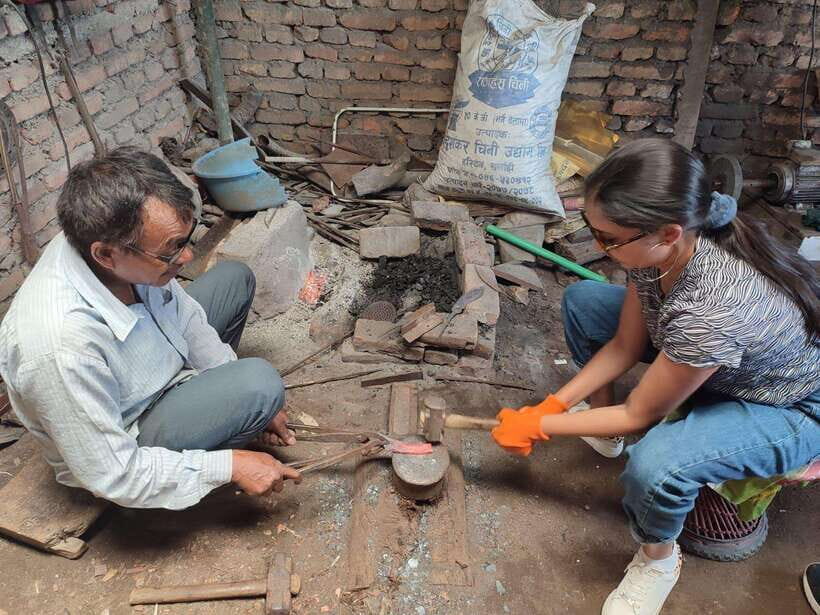
- Veteran maker energy: the smith has been forging khukuris for about 40+ years.
- Small group, real conversation: limited to 5 participants, so you can ask questions.
- You do the safe parts: hammering and early grinding are for you; the host handles the riskier sparks.
- Cultural meaning, not just metal: you learn why the khukuri matters to hill tribes and Gurkha identity.
- Take-home knife: a small 6-inch blade plus a cover (horn/bone cover costs extra).
Why the Khukuri Has Meaning Far Beyond the Blade
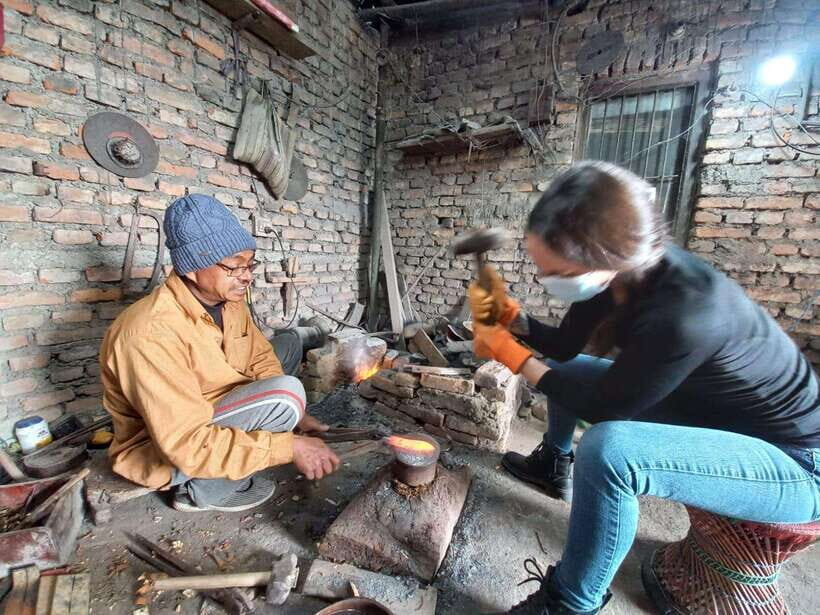
The khukuri isn’t treated like a random tool in Nepal. It’s wrapped up in identity: it’s linked to the loyalty symbol and Gurkha warrior tradition, and it’s regarded as traditional across Nepal’s hill tribes. That’s why the workshop starts with more than technique. You’ll hear the story and the symbolism while the metal work is happening, so the knife makes sense in context, not just as an object.
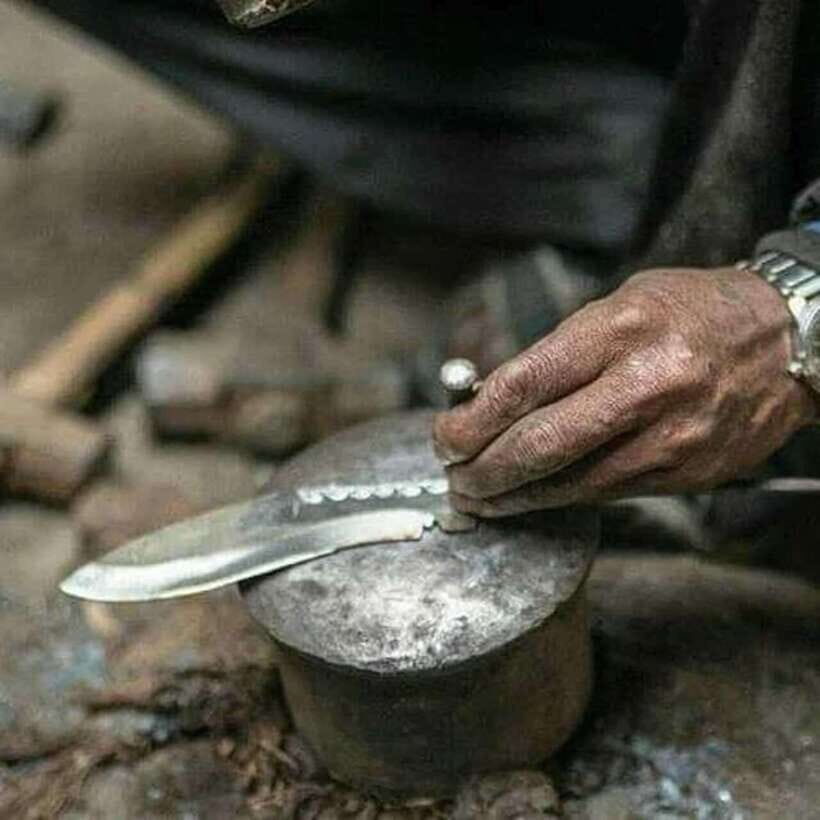
The design details you learn are practical and symbolic at the same time. The blade is tempered steel, usually slightly curved, and it’s known for being extremely sharp. The handle is typically wood or buffalo horn, and the scabbard is made with wood and leather. These aren’t just materials for looks. They tie into how the khukuri is carried, used, and maintained.
Even the small features have meaning. There’s a nick near the blade close to the handle that helps prevent blood from reaching the grip, and it also connects to the Hindu Trinity of Brahma, Vishnu, and Shiva. You’ll likely hear this explanation while you’re working, and it’s one of those details that makes the craft feel grounded in daily life and belief, not just tradition for tradition’s sake.
You can also read our reviews of more tours and experiences in Kathmandu


The 4-Hour Flow: Hotel Pickup to Your Finished 6-Inch Knife
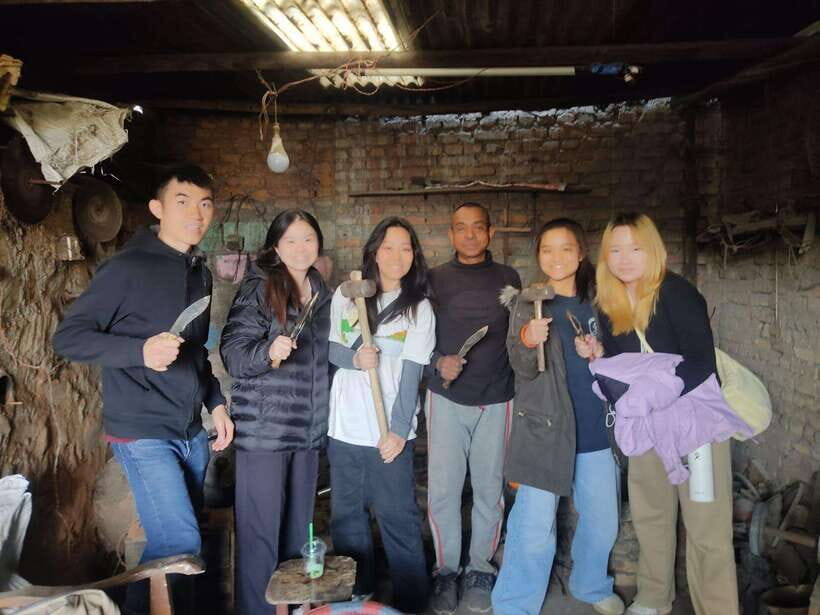
This is a compact, half-day experience. It’s scheduled for 4 hours, and it starts with hotel pickup and ends with a drop-off back at your hotel lobby. That matters in Kathmandu because craft workshops often mean awkward logistics. Here, the transport is part of the deal, and the transport quality has been rated very highly.
Once you arrive in the Bagmati Zone area, you’ll be guided into the blacksmith’s working space. You’ll usually see the tools, the iron, and the stages of the process right away. Then the pace shifts to a mix of explanation and doing. You’re not handed a script. You get to participate in the safer parts while the master handles the steps that require years of experience and extra control.
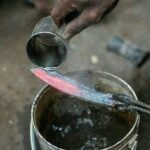
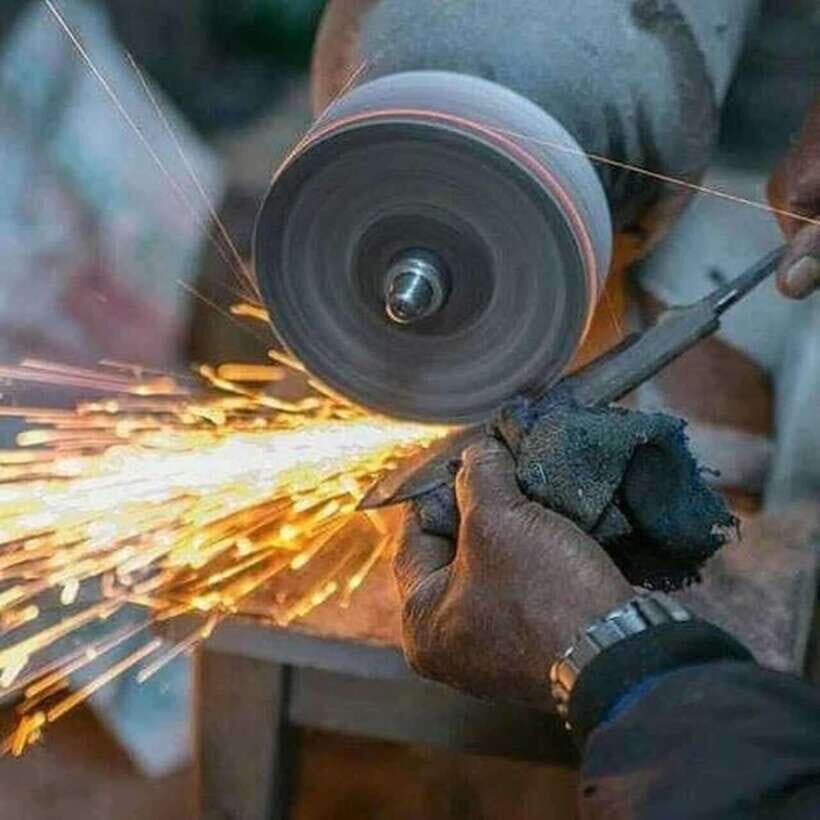
A big part of the value is that the “making” happens in front of you. You start with a raw piece of iron and shape it into the basic blade form. After the initial shaping, you move into grinding steps. The host does the portions that create the most sparks and requires extra safety, while you take part where it’s appropriate for your role.
By the end, you take home a small khukuri with a 6-inch blade, plus a knife cover. There’s also an option to make a horn/bone cover, but that’s an extra cost.
What You’ll Do with the Hammer and What the Master Handles
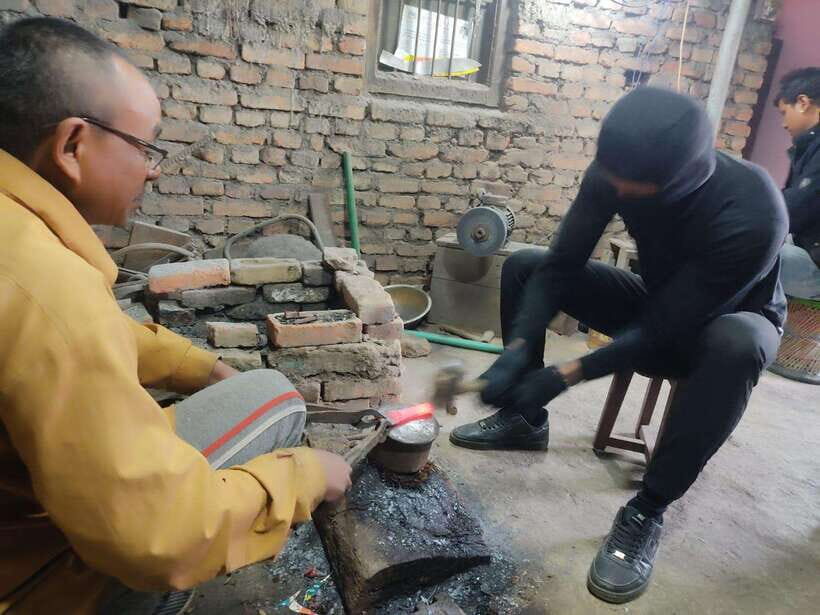
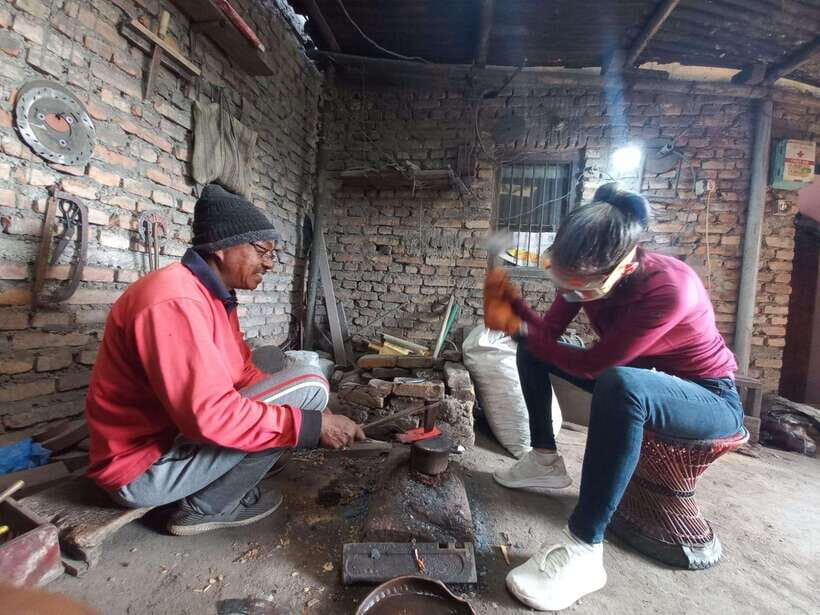
This workshop is structured around safety and skill. Khukuri making takes serious know-how, so you’ll be involved in specific steps, and the host will do the rest.
Here’s what you can expect you’ll participate in:
- Hammering the iron (the most physical, hands-on part)
- The first grinding (early shaping steps that are safe for guests)
Everything is set up so you don’t just stand there. The point is that you get a connection to the process: you feel the weight of the hammer, you see how the metal changes, and you learn why each stage matters.
Then comes the part the host owns. For safety reasons, the blade grinding is done by the host, and you’re advised to stay clear of sparks during that process. So if you’re hoping for a hands-on “I did everything from start to finish” story, adjust your expectations. You’ll still contribute meaningfully, and you’ll understand the craft enough to explain it back home.
The guides help with that understanding. In the experience data, English support is a strong point, and names like Namrata, Sajeena, and Swayam show up as guides who keep things clear and friendly. It’s easier to enjoy when you can actually ask questions while the blacksmith is working.
Tempered Steel, Curves, and the Clever Nick Near the Handle
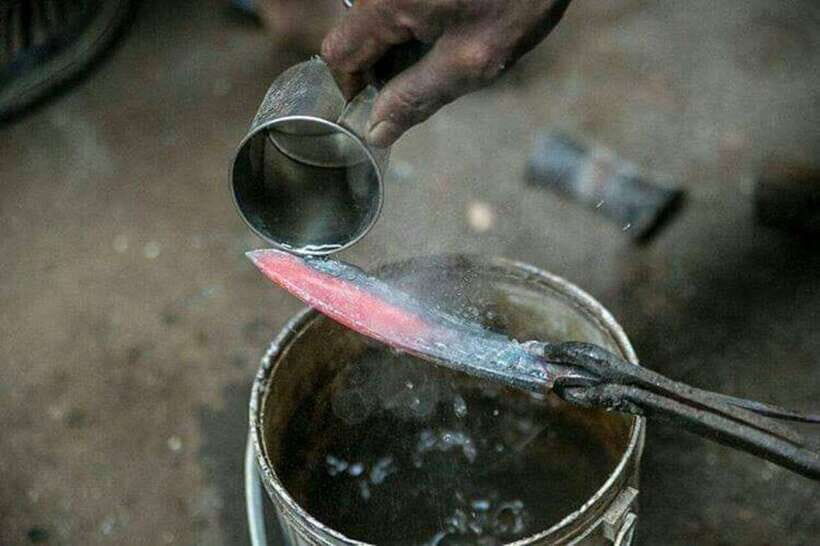
You’ll learn that the khukuri blade isn’t generic steel. It’s described as tempered steel, which is part of why it’s valued for durability compared with softer steel versions you might see sold elsewhere. The blade is slightly curved, which affects both how it feels in hand and how it performs for different jobs.
One reason this workshop works for beginners is that you’re not asked to master metal theory. You’re shown the practical why’s. For example, the workshop explains that the khukuri is multipurpose. It’s not limited to one neat function. It can be used for shaping timber, and it can also be used for chopping meat and vegetables. Knowing that changes how you interpret the blade shape and sharpness.
Then there’s the nick close to the handle. The practical purpose is to reduce blood reaching the grip in situations where the blade is used that way. The symbolic purpose ties to Hindu belief about Brahma, Vishnu, and Shiva. Whether you care most about the practical or the symbolic, you come away understanding why this knife looks the way it does.
Handle and cover also matter. The handle is usually wood or buffalo horn, and the scabbard is wood and leather. You’ll get a cover with your knife included, and if you want an upgraded horn/bone cover, that’s available for an extra charge. It’s a nice option if you’re thinking about display or long-term storage.
Price, Value, and What $73 Actually Buys
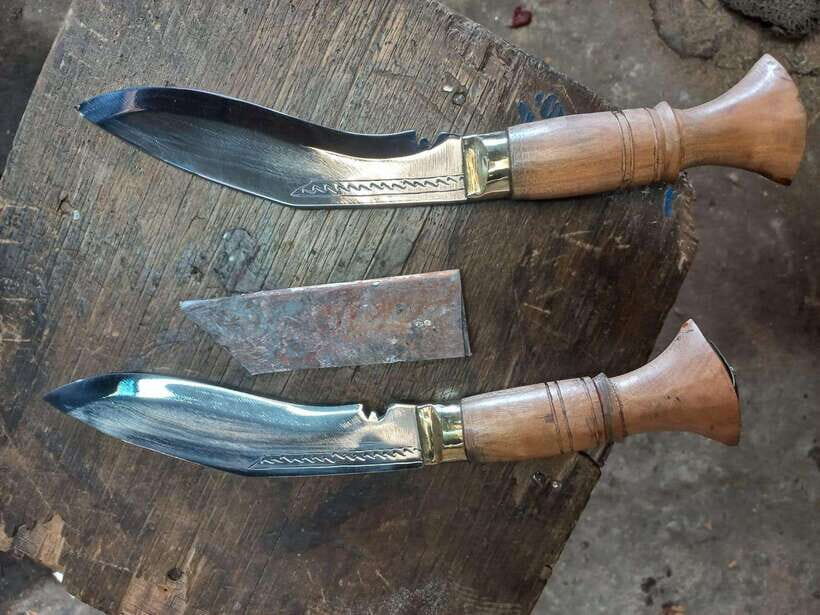
Let’s talk value without pretending $73 is cheap or expensive in a vacuum. For $73 per person and 4 hours, you’re paying for four things that add up fast:
- Instruction and supervision from the blacksmith and guide (with safety controls)
- Tools and materials needed for the process
- Transport (pickup and drop-off from your hotel lobby)
- A take-home finished product: a small 6-inch khukuri plus a cover
You’re also in a small group (limited to 5 participants), which improves the experience. In a craft setting, small groups mean more time for questions, more attention during hands-on steps, and less waiting around.
Tea/water and snacks are included too. It sounds minor, but it affects your comfort. You’re in a working space, not a museum classroom, so having water and something to nibble keeps the whole morning or afternoon from feeling like a slog.
There’s also a transport quality note: 86% of reviewers gave it a perfect score for transport. That lines up with the fact that pickup and drop-off are included, so you’re not trying to figure out directions, timing, or local ride bargaining in a short time window.



Who This Workshop Suits (and What You Should Bring)
This is a great fit if you want:
- hands-on work with a real craft rather than a quick photo stop
- a small-group day in Kathmandu that connects you with local people
- cultural context that explains why the knife looks and functions the way it does
You’ll enjoy it even more if you like asking questions. The guide support is listed as English and Hindi, and the experience descriptions include plenty of explanation along the way, not just a quick safety briefing.
Practical notes:
- Bring long pants.
- It’s not suitable for children under 10 years, which tells you the workshop prioritizes safety and adult-level handling.
- Expect sparks only from the host’s grinding work, and follow directions about staying clear.
Because the group is small, this is also a solid choice if you’re traveling solo or as a couple and want a more personal rhythm than big group activities. You’ll get a chance to talk to both the guide and the blacksmith, including questions about the origins and meaning of the khukuri.
Should You Book This Khukuri Making Workshop in Bagmati Zone?
I’d book it if you want a half-day activity that mixes real making with real meaning. The biggest strengths are practical and easy to feel: you hammer and do early grinding, you learn the cultural story, and you take home a finished 6-inch khukuri with a cover. The pickup/drop-off and small group size also make it a low-stress way to fit into a Kathmandu schedule.
Skip or reconsider if your top goal is to do every step yourself. The most spark-heavy grinding is handled by the host for safety, so you’ll be participating in the process rather than owning it end-to-end.
If you’re the type who likes crafts, Nepalese tradition, and objects that are more than decorative, this workshop is a strong use of time.
FAQ
How long is the Knife Khukuri Making Workshop?
The workshop lasts 4 hours.
Where does it take place?
It takes place in Bagmati Zone, Nepal.
What does the price include?
You get pickup and drop-off, English/Hindi host or greeter support, small group access, all tools required, tea/water and snacks, participation in hammering the iron and the first grinding, and a knife cover.
Will I be grinding the blade?
For safety, blade grinding is done by the host. You’re advised to stay clear of sparks during that part, but you will do the safe steps included in the workshop.
What should I bring?
Bring long pants.
Is it suitable for children?
It is not suitable for children under 10 years.
Can I make changes to my booking or pay later?
You can reserve now and pay later, and you can cancel up to 24 hours in advance for a full refund.
Is an upgraded horn/bone cover included?
A horn/bone cover is not included and can be made for an extra cost.