REVIEW · BHAKTAPUR & PATAN DAY TRIPS
Nagarkot Sunrise & Bhaktapur Durbar Square UNESCO Heritage Tour
Book on Viator →Operated by Best Treks and Adventure · Bookable on Viator
Nagarkot at dawn hits different. You start before the morning crowd, hoping for clear skies over the Himalayas, and then you shift gears to Bhaktapur Durbar Square with its temples, palaces, and carvings. It is a rare combo: big mountain views in the cold, followed by slower, hands-on culture in a city that still feels like a working museum.
I love how this tour is built for real time windows. The Nagarkot stop is timed for sunrise views, and the day stays focused with short, purposeful stops. I also like the human side: guides such as Prakash and Ramesh are described as friendly, experienced, and good at explaining history, culture, and religion in clear English. The main drawback to plan for is weather—if clouds roll in, you may lose the best Everest-style views, so bring layers and keep expectations flexible.
In This Review
- Quick Hits Before You Go
- Catching Himalayan Light at Nagarkot View Tower
- Bhaktapur Durbar Square: Temples, Palaces, and the 55-Window Palace
- Nyatapola Temple and the Religion Behind the Architecture
- Pottery Square: A Quick Look at Craft That Still Works
- Thanka Painting School: Buddhist Art, Symbol Maps, and Patience
- Transportation and the Real Meaning of a 6–7 Hour Day
- Price and Value: What the $55 Covers (and What to Budget For)
- Who This Tour Fits Best (and Who Might Want to Skip It)
- Should You Book This Nagarkot and Bhaktapur Tour?
- FAQ
- What time of day does this tour run?
- Is pickup included?
- Is the tour private?
- What is included in the $55 price?
- Are entrance fees included for Bhaktapur Durbar Square?
- Is breakfast included?
- What stops do you visit besides Nagarkot and Bhaktapur Durbar Square?
- Do you need a ticket for Nagarkot View Tower?
- What should I wear for Nagarkot sunrise?
- Is free cancellation available?
Quick Hits Before You Go
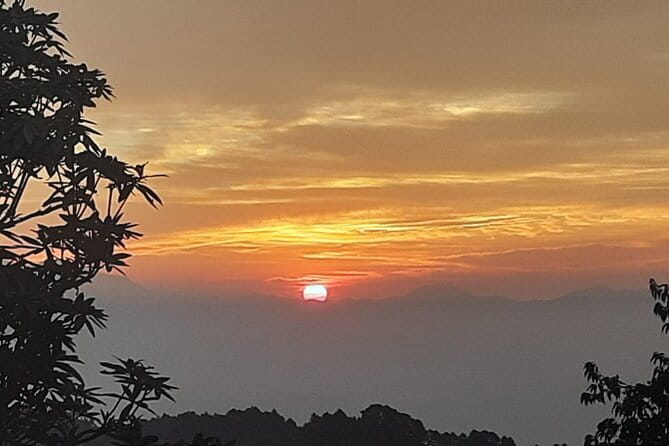
- Dawn start at Nagarkot: your best shot at crisp mountain visibility and sunrise light
- Bhaktapur Durbar Square UNESCO: temples, royal-palace areas, and detailed stonework
- Do-not-miss 55-Window Palace: a signature Malla Dynasty landmark for architecture lovers
- Nyatapola Temple stop: a five-tier pagoda tied to Goddess Siddhi Laxmi
- Hands-on culture pauses: pottery square and a Thanka painting school visit
- Private for your group: easier pacing than big join-in bus tours
Catching Himalayan Light at Nagarkot View Tower
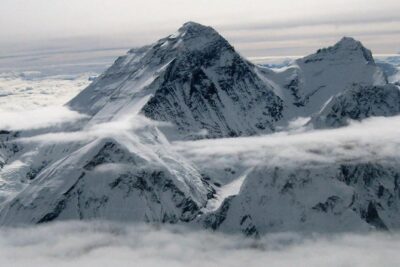
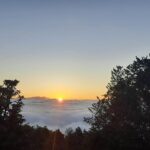
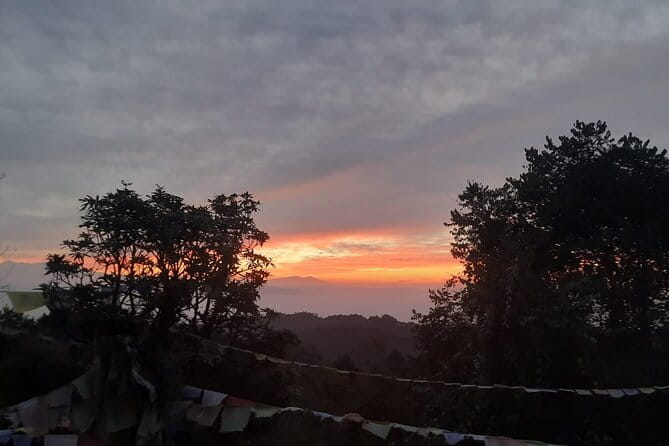
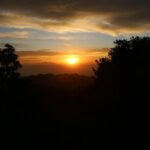
This tour starts with the kind of early push that makes sense once you see the payoff. Nagarkot is famous for sunrise views, and that timing matters. You are heading uphill into the quiet hours, when the air is often clearer and the mountains have a better chance of showing up sharply through the morning haze.
At Nagarkot View Tower, the goal is simple: watch the sky brighten and see what peaks decide to show themselves. The tour’s description highlights panoramic Himalayan views, with the possibility of seeing Mount Everest along with ranges like Langtang, Ganesh Himal, and Manaslu. On a clear morning, sunrise can create that almost dramatic contrast where snowlines look crisp instead of washed out.
Practical tip: dress in layers. Nagarkot can be chilly, especially in winter, and you will likely be standing or waiting for light. You do not need a fashion plan—you need warmth that you can peel off later when the day warms up.
Also, don’t assume Everest visibility is guaranteed. The tour itself frames clear views as a weather-dependent best-case scenario. I treat sunrise tours like a hunt: go with curiosity, not certainty.
You can also read our reviews of more historical tours in Kathmandu


Bhaktapur Durbar Square: Temples, Palaces, and the 55-Window Palace
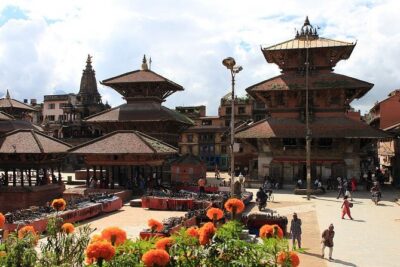
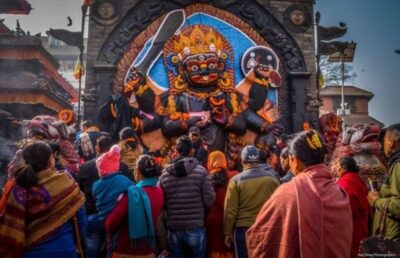
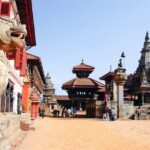
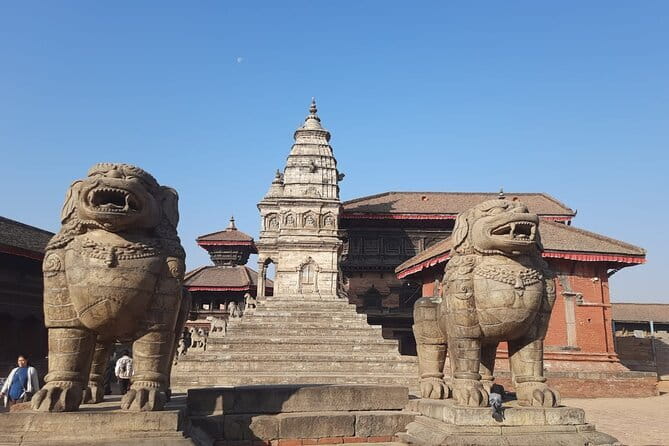
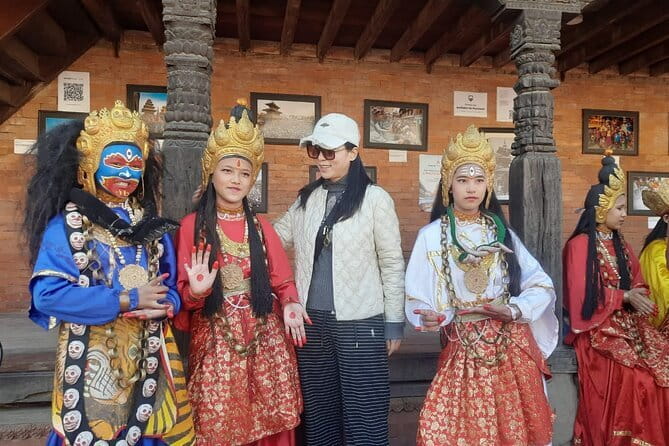
After the sunrise portion, the day becomes about texture—stone, carvings, courtyards, and ritual details. Bhaktapur Durbar Square is a UNESCO heritage site, and it is exactly the kind of place where a good guide changes everything. You see the buildings, but the stories make them click: why certain spaces exist, what different temple forms represent, and how the city’s Malla-era character shaped its architecture.
One highlight you should actively look for is the 55-Window Palace. The name alone gets people curious, but what matters on-site is the craftsmanship: patterned facades, rhythm in the openings, and that sense of deliberate design that makes Bhaktapur feel more like a living art project than a pile of ruins.
The Durbar Square stop is guided and timed (about an hour in the day’s plan). That can feel short if you want to photograph every corner for a long time, but it also keeps the tour from dragging. If you are the type who likes to move with intention—see the key sights, then linger if you want—that timing is a win.
There’s also a bonus here: Bhaktapur tends to slow your brain down. After the cold, bright rush of sunrise viewing, walking a heritage square feels like switching from sprint mode to slow reading. You get to watch how people actually move through the city space, not just how tour groups pass through.
Nyatapola Temple and the Religion Behind the Architecture
Next comes Nyatapola Temple, a striking five-tier pagoda. The description connects it to Goddess Siddhi Laxmi, the goddess of wealth. That matters because you are not only looking at a tall temple form—you are looking at a symbol-heavy structure.
What I like about this stop is that it is specific. Nyatapola is not generic “another old temple.” It is tall, tiered, and tied to a named deity. A guide can point out what makes it technically and visually distinctive in Bhaktapur’s temple lineup, turning it from a postcard into a place with meaning.
The tour lists Nyatapola admission as included, which helps keep your budget predictable at this point in the day. Still, keep your schedule in mind: temple stops reward patience, but the tour timeline keeps you moving. Bring a calm pace, not a frantic one.
Pottery Square: A Quick Look at Craft That Still Works
Then you hit Pottery Square, where you can watch traditional clay craftsmanship in motion. This is one of those stops that feels practical in the best way. Instead of just looking at artifacts, you see materials being worked and forms being shaped.
The best part of this kind of stop is that it gives you a break from standing and sightseeing. It is also a reminder that Bhaktapur is not only about monuments. There are still hands making things.
The time here is short (about 15 minutes), so treat it like a sampling. You might not master pottery in that window, but you can understand the workflow and get a sense of how craft is integrated into daily local life.
If you want souvenirs, this is where your eyes will naturally start doing the shopping. Just be mindful that you are spending time looking at quality, not just buying something because it is pretty.
Thanka Painting School: Buddhist Art, Symbol Maps, and Patience
One of the more rewarding cultural stops is the Thanka Art School visit. Thanka painting is tied to Buddhist mandalas and symbolic religious artwork, and the tour is designed so you can see the creation process rather than only a finished display.
The stop is brief (about 15 minutes), but the value is that you get a glimpse of technique and symbolism—often the parts people miss when they only shop. The tour description points to intricate Buddhist mandalas and symbolic paintings, and that aligns with what makes Thanka art special: it is structured, deliberate, and full of meaning in its design choices.
This visit is included as part of the tour, which is helpful. It means you are not paying extra just to get the art insight, even though the Durbar Square UNESCO entrance itself may cost more (more on that below).
If you are the type who enjoys “how it is made,” this stop is a strong reason to book.
You can also read our reviews of more tours and experiences in Kathmandu

Transportation and the Real Meaning of a 6–7 Hour Day
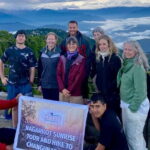
This is a private tour for your group, with private transportation and a licensed English-speaking guide. The private setup matters more than you might think. Sunrise viewing works best when your group is not being tugged around by strangers who want to slow down or speed up.
The guide experience seems to be a major part of why people rate this tour so highly. Guides including Prakash and Ramesh are described as having good English, being friendly, and explaining history and culture with in-depth knowledge. That kind of guidance is especially important in Bhaktapur, where architectural details can look similar unless someone tells you what to notice.
Timing-wise, plan on a full half-day. The approximate duration is 6 to 7 hours. That is long enough to feel like you used your day well, but short enough that you can still eat, relax, and explore Kathmandu later.
One consideration: sunrise tours can be mentally demanding. If you are not a morning person, do not try to fight it with caffeine alone. Bring warm clothes, drink water, and give your body time to wake up in stages.
Price and Value: What the $55 Covers (and What to Budget For)
The listed price is $55.00 per person, and for a day that includes a dawn drive, multiple guided stops, and private transportation, that is fairly good value in Nepal terms. You also get bottled water (one bottle per person), plus a government-licensed English-speaking guide and the Thanka Art School visit.
Here’s the part you should budget for carefully: the Bhaktapur UNESCO World Heritage entrance fee is listed as not included. The tour data gives two options—15 USD or 2000 NPR per person. That means your total cost may be higher than the advertised base price once you reach the Durbar Square portion.
Other admissions in the day plan appear to be included for certain stops. For example, Nagarkot View Tower is listed as free in the day plan, and Nyatapola Temple admission is included. Pottery Square and the Thanka painting school stops are also shown as free.
So the money logic looks like this:
- You pay $55 for the guide, transport, and included cultural visits.
- You likely pay an extra UNESCO entrance fee for Bhaktapur’s main heritage zone.
- You are not stuck paying entry fees at every single stop.
If you hate surprise costs, bring a bit of cash or plan ahead for the UNESCO fee. You’ll feel more relaxed once you know the true total.
Who This Tour Fits Best (and Who Might Want to Skip It)
This tour fits best if you want a “two-worlds” day:
- You enjoy sunrise views and early starts, not just casual sightseeing.
- You like city heritage with guided explanations, not only wandering.
- You value small cultural stops like craft observation and Thanka art.
It is also a strong match for couples, friends, and solo travelers who want a private pace and a guide who can tailor attention inside Bhaktapur’s dense heritage spaces.
Who might think twice:
- If you are the type who hates cold mornings, Nagarkot may feel like a chore even though it is worth it when skies cooperate.
- If you only care about Everest views and nothing else, remember the tour’s own premise is weather-dependent. You still get Bhaktapur culture even if the mountain show is weaker.
Should You Book This Nagarkot and Bhaktapur Tour?
If you can handle a chilly early start, I think this is a smart booking. You get a morning built around a real visual payoff—Himalayan sunrise potential—and then you transition into Bhaktapur’s UNESCO heritage with stops that feel meaningful: Nyatapola, craft at Pottery Square, and the Thanka painting school.
Book it if:
- you want sunrise plus heritage in one day,
- you like explanations from guides (people specifically praise Prakash and Ramesh for English and storytelling),
- you are okay budgeting the Bhaktapur UNESCO entrance fee in addition to the $55.
Skip or choose another option if:
- you cannot do early mornings,
- you want zero extra fees beyond the base price,
- you only want one theme (only sunrise views or only city culture).
FAQ
What time of day does this tour run?
It runs for about 6 to 7 hours and is designed to start before dawn to catch sunrise at Nagarkot.
Is pickup included?
Yes, pickup is offered.
Is the tour private?
Yes. It is private, meaning only your group participates.
What is included in the $55 price?
The tour includes private transportation, bottled water (one bottle per person), a government-licensed English-speaking tour guide, and the Thanka art school visit.
Are entrance fees included for Bhaktapur Durbar Square?
No. The Bhaktapur UNESCO World Heritage Site entrance fee is listed as not included (15 USD or 2000 NPR per person).
Is breakfast included?
No. Breakfast and any tea or coffee are not included.
What stops do you visit besides Nagarkot and Bhaktapur Durbar Square?
You also visit Nyatapola Temple, Pottery Square, and the Lama Thanka Painting School.
Do you need a ticket for Nagarkot View Tower?
The day plan lists Nagarkot View Tower admission ticket as free.
What should I wear for Nagarkot sunrise?
Wear layers. Nagarkot can be chilly in the early morning, especially in winter.
Is free cancellation available?
Yes. You can cancel up to 24 hours in advance for a full refund.