REVIEW · LUKLA
Everest Base Camp Trek from Lukla
Book on GetYourGuide →Operated by Peregrine Treks and Expedition P Ltd · Bookable on GetYourGuide
Altitude, prayer flags, and Everest up close. This 12-day Everest Base Camp trek from Lukla gives you Sherpa culture in Namche Bazaar and the big payoff view from Kala Patthar. I like how the route builds in acclimatization days and keeps you supported with an English-speaking guide, porter service, and tea-house stays. The trade-off is you’ll work for it: expect about 5–7 hours walking most days, and weather in the high Himalaya can change fast.
You start with a flight to Lukla (a famously tight airstrip), then spend the trek moving steadily through the Khumbu Valley: Phakding, Namche, Tengboche, Dingboche, Lobuche, and finally Gorakshep and Everest Base Camp at 5,364 meters. The itinerary isn’t just “march to the goal.” It’s paced so your body has a fighting chance to adjust before the higher, colder days.
For value, I’m especially drawn to what’s included: guide, tea-house accommodation, permits/entrance fees, porters, and a first-aid kit. Meals aren’t included, but the operator can help coordinate them—which matters on this route where planning your energy is half the game.
In This Review
- Key reasons this EBC trek works so well
- Lukla, Khumbu Valley, and the rhythm you’ll feel from day one
- Phakding to Namche Bazaar: markets, views, and why you stop early
- Namche acclimatization day: what to do besides worry about altitude
- Tengboche Monastery: quiet, scenic, and a real change of pace
- Dingboche acclimatization: when the air gets serious
- Lobuche to Everest Base Camp: the approach to the Khumbu Icefall
- Kala Patthar at 5,545m: sunrise payoff and the walk back to Pheriche
- The return: retracing the route from Namche to Lukla
- Support on the trail: English guidance, porters, and small-group pacing
- Price and value: what $466 usually gets you on Everest Base Camp
- Tea houses, food, and keeping energy up without overthinking it
- What to pack for the Khumbu: the cold comes for everyone
- Weather and altitude: the reality check you should respect
- Who should book this Lukla-to-EBC trek (and who shouldn’t)
- Should you book this Everest Base Camp trek from Lukla?
- FAQ
- How long is the Everest Base Camp trek from Lukla?
- Where does the trek start?
- What are the key high-altitude stops on this route?
- Are acclimatization days included?
- What’s included in the price?
- What isn’t included?
- How big is the group?
- What should I bring for the trek?
- What’s the cancellation and refund policy?
Key reasons this EBC trek works so well
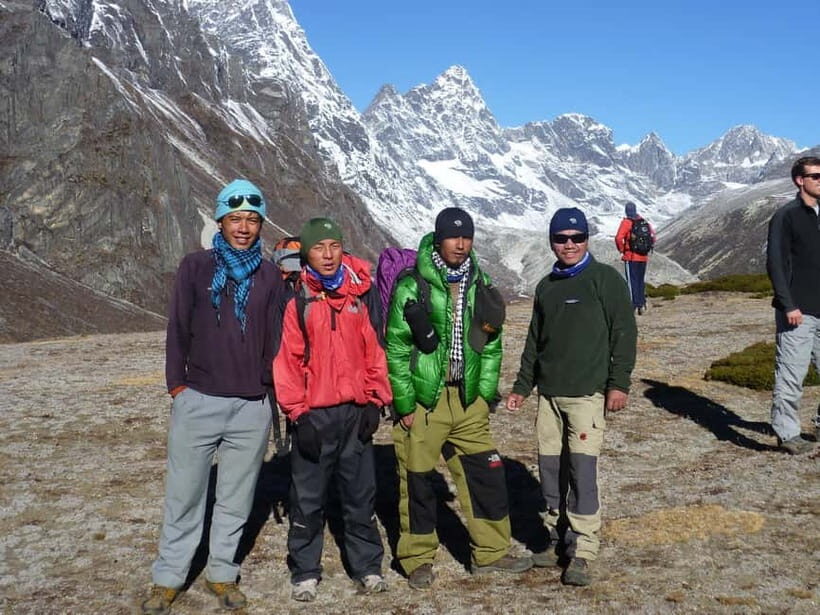
- Lukla-to-Khumbu flow: you ease in via Phakding and the Dudh Koshi River trail rather than jumping straight into max altitude.
- Namche Bazaar acclimatization: a dedicated day in the Sherpa hub keeps the trek smarter, not just harder.
- Tengboche Monastery visit: a calm spiritual stop with huge mountain backdrops.
- Kala Patthar viewpoint at 5,545m: the sunrise-style big view is the part people remember.
- Support in a small group (max 10): English guide plus porter service helps keep your focus on walking and enjoying.
- Real-world flexibility: groups report the team can coordinate extras like arranging helicopter rides when needed.
Lukla, Khumbu Valley, and the rhythm you’ll feel from day one
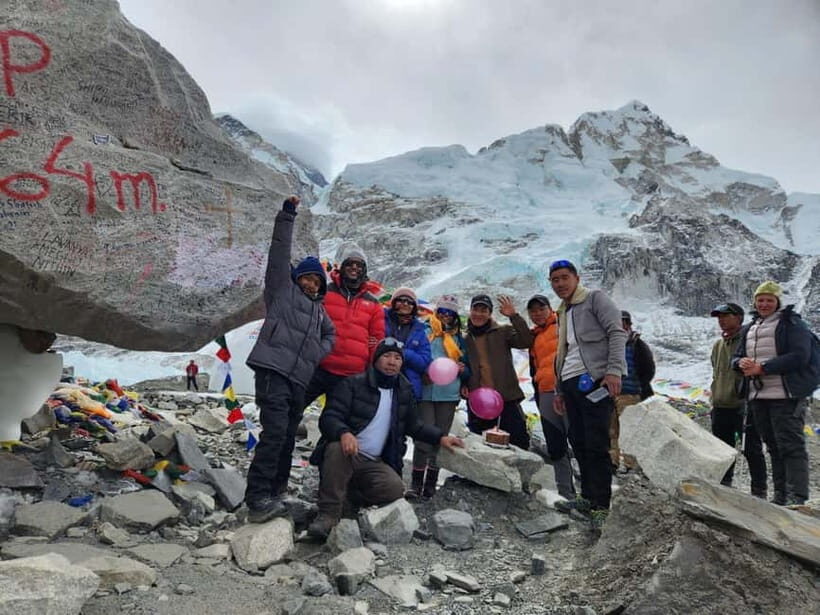
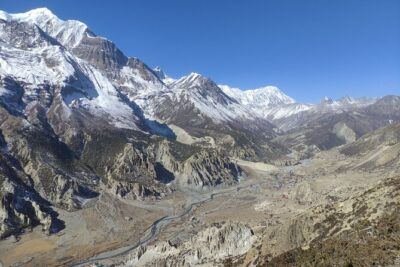
Lukla is where the trip becomes real. After meeting up near the airport and flying in, you start walking through the Khumbu Valley with the Dudh Koshi River nearby. Day one typically takes you to Phakding, a small village that feels like a warm-up for what’s coming.
The trail here mixes lush forest sections with suspension bridges. That matters because it sets the tone: you’re not trudging through bare rock right away. You’ll still notice altitude (your breathing changes), but the scenery keeps you moving without the constant “everything is freezing and exposed” feeling.
Tea houses in this area are basic, but they’re the standard setup on this route: simple rooms, a shared vibe in the dining areas, and a place to dry off and reset. If you’re the type who likes an easy first day, this segment is a good match.
Phakding to Namche Bazaar: markets, views, and why you stop early
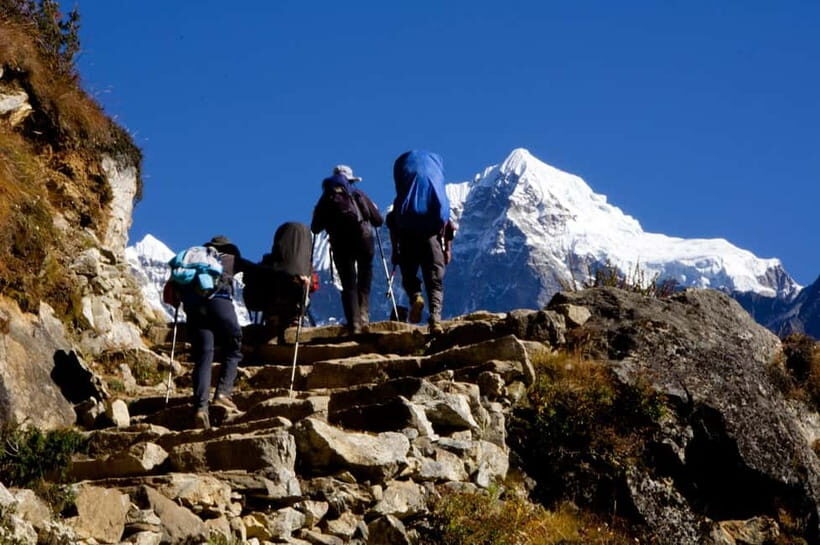
Phakding to Namche Bazaar is the first real push. The trail climbs into the Sherpa heartland and ends in a place that feels like a mountain town you’ve been hearing about all your life—Namche Bazaar.
Why Namche matters: it’s not just scenery and shops. It’s your altitude buffer. Instead of going straight higher every day, you rest, acclimatize, and explore. You can walk out to viewpoints and take in Thamserku and Kongde Ri, then come back down to sleep—exactly the kind of pattern that helps your body adjust.
Namche is also where Sherpa culture becomes tangible. You’ll see the bustle of local markets and feel how central this town is to trekkers and locals alike. Even if your main goal is Everest Base Camp, this is the day where your trip stops being abstract.
And yes, you’ll likely feel the climb. If you’re a fast walker, keep your pace under control anyway. Faster usually means bigger breathing rate, which is the opposite of what you want before later days get colder and thinner.
Namche acclimatization day: what to do besides worry about altitude
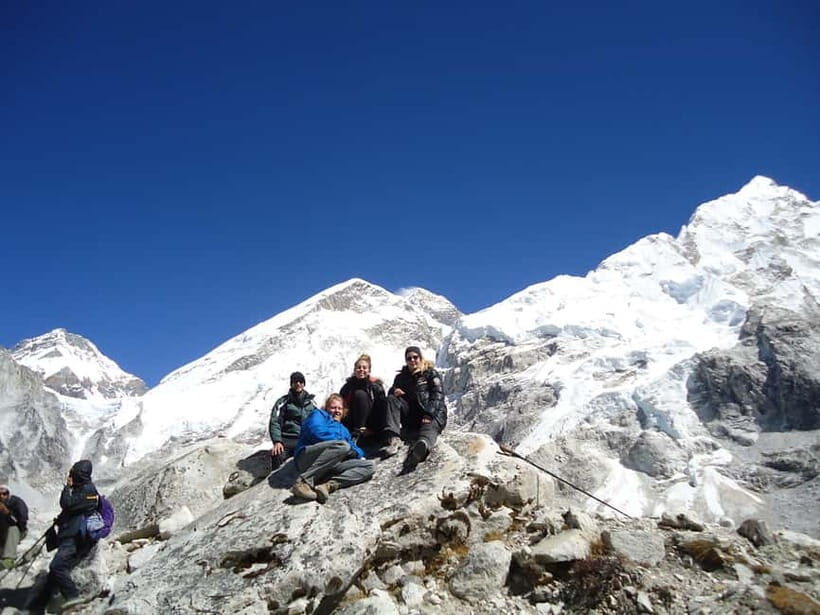
On day three (after arriving in Namche), you get a full acclimatization day. I like this because it turns the trek from a race into a process. You can explore the local markets and take in mountain views from the surrounding area.
This day is also mentally useful. When you spend a whole day not pushing upward, you learn your rhythm: how fast you walk, how much water you drink, and how your body responds to thin air. You also get time to buy or borrow small things you might need, since supplies outside the main hubs can get scarce.
Practical tip: treat this day like a day off, not a day to “make up distance.” The goal is to feel better tomorrow, not wreck yourself today.
Tengboche Monastery: quiet, scenic, and a real change of pace
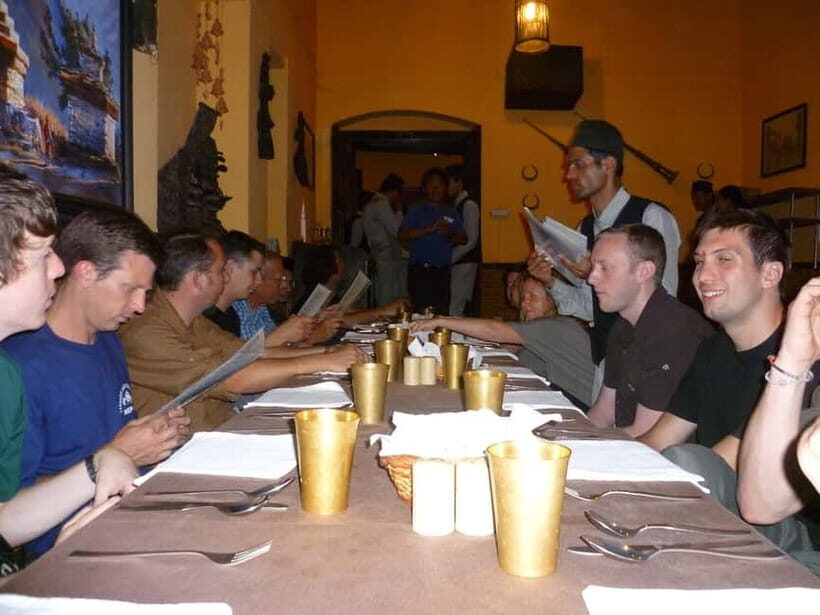
From Namche, the trek continues upward toward Tengboche, passing rhododendrons and pine forests. This shift in vegetation is part of why the Khumbu Valley trek feels so complete—your senses get a break, even as you gain altitude.
Tengboche is also where you visit the famous Tengboche Monastery. It’s described as a spiritual hub for monks and trekkers, and on the trail it functions like a pause button. You stop, slow down, and enjoy the panoramic backdrop behind the monastery—Ama Dablam, Everest, and Lhotse when conditions allow.
I like stops like this because they break the “checkpoints only” mindset. One minute you’re counting steps, the next you’re watching prayer flags move in mountain wind with big peaks in the background. It doesn’t replace fitness work, but it makes the day feel meaningful in a way that pure trekking mileage can’t.
Dingboche acclimatization: when the air gets serious
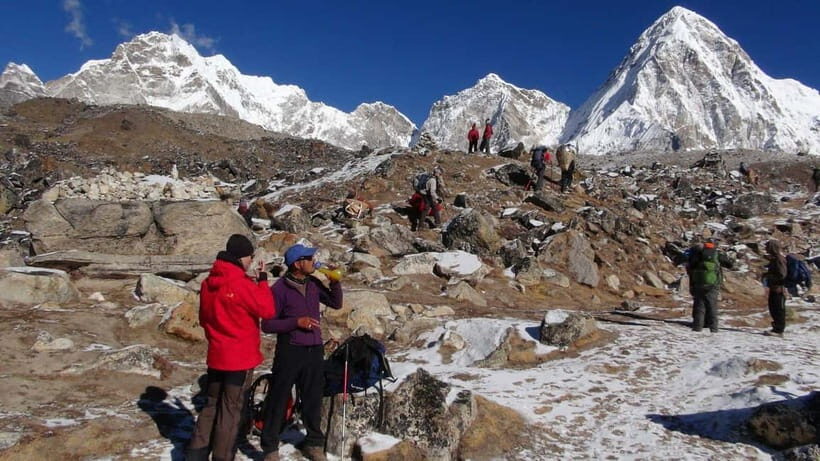
After Tengboche comes the climb to Dingboche, around 4,410 meters. Dingboche feels quieter and more exposed than the lower villages. The higher you go, the more the scenery starts to look less like forested trails and more like high-altitude walking territory.
You’ll reach Dingboche and then get another acclimatization day. This is your second major altitude checkpoint, and it’s there for a reason. A rest day here helps you manage the jump toward the barer, steeper zones later.
From Dingboche, you also have options for short hikes to help acclimatization. If you’re unsure what to do, follow your guide’s pace and plan. The point isn’t to “win” the hike; the point is to support safe adjustment while keeping momentum.
One small caution: in high altitude, being tired can look like being capable. If you feel overly good, still keep your efforts moderate. Thinner air punishes overconfidence.
Lobuche to Everest Base Camp: the approach to the Khumbu Icefall
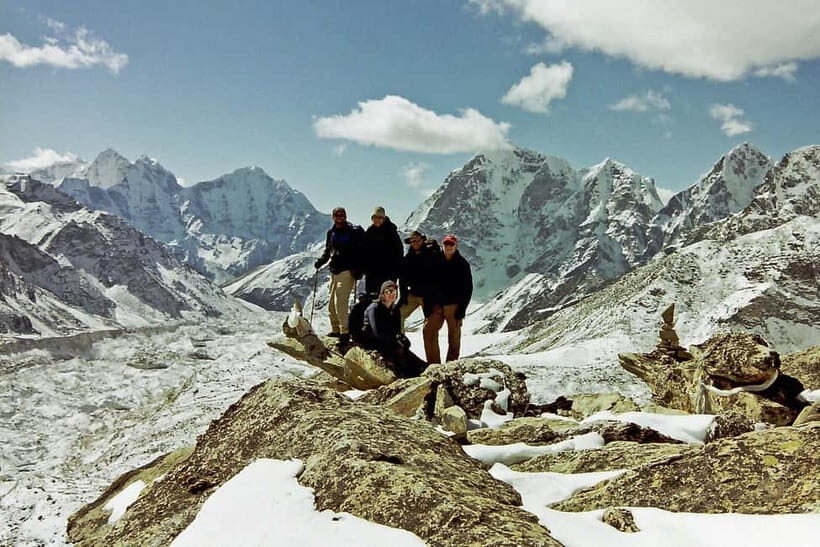
The trek then moves to Lobuche, where the route continues higher and the landscape becomes more barren. The altitude change is noticeable. You’ll see how the environment transitions toward the Everest zone—peaks get closer, and the terrain feels more rugged.
From there you reach Gorakshep, the final resting point before going to Everest Base Camp. Gorakshep sits at a height where the cold can feel sharp even on a clear day. The air feels different under exertion, and you’ll want to keep moving smoothly rather than “climbing hard” every step.
Then you go for Everest Base Camp at 5,364 meters. Reaching EBC is a moment of triumph. You’re rewarded with close-up views of the Khumbu Icefall and the surrounding peaks. This isn’t a calm, postcard stop. It’s an intense, dramatic environment where the glacier and sheer scale make everything feel smaller, even you.
If you’re hoping for solitude, manage expectations. This route is popular, especially around key viewpoints. What you can control is how you experience it: take your time, watch the icefall, breathe slowly, and stay focused on safety and footing.
Kala Patthar at 5,545m: sunrise payoff and the walk back to Pheriche
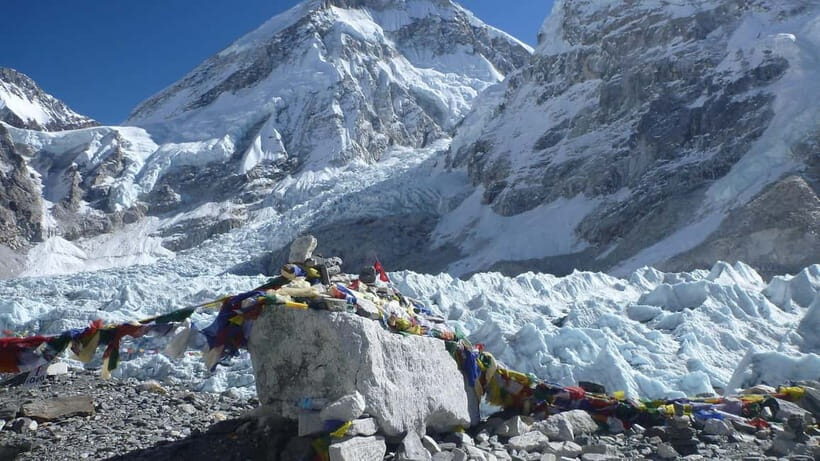
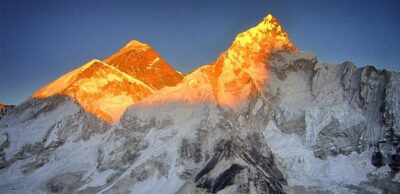
Day nine is where many people feel the trek’s biggest emotional hit: Kala Patthar at 5,545 meters. The early morning hike gives you one of the best vantages for views of Mount Everest and the surrounding giants of the Himalayas.
Sunrise from Kala Patthar is often treated as the highlight. You’re up early, you’re cold, and your legs might be tired from the previous days. Then the light hits the peaks and suddenly the effort feels worth it.
After Kala Patthar, you trek back to Pheriche for the night. This return step matters more than it sounds. Getting back to a village helps you recharge before the final long trek back downward.
Downhill can still be tough on knees and feet, but it’s easier on your altitude stress. Think of it as a chance to recover, not an excuse to sprint.
The return: retracing the route from Namche to Lukla
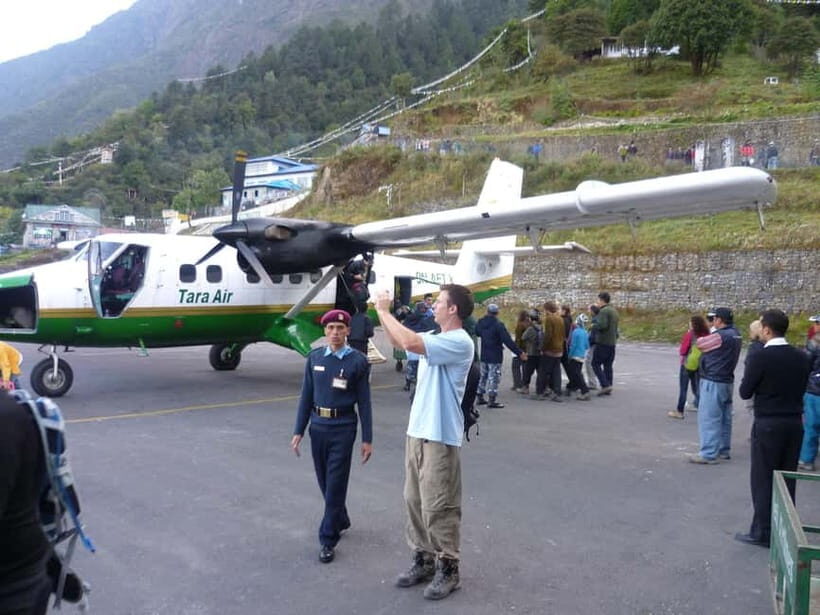
After Pheriche, the trek continues back through the villages, returning to Namche and then onward to Lukla. Day ten gives you time to reflect, because you’ve already earned the big moments. The terrain may still challenge you, but the emotional load feels lighter.
On day eleven, you make your way back to Lukla. After sleeping at altitude and then descending, you’ll feel it in your body even if your legs still work. This is where proper pacing and careful steps pay off.
And when you finally land back near the airport zone, it feels like the trek wraps in one clear arc: climb, adjust, reach, then come home.
Support on the trail: English guidance, porters, and small-group pacing
This trek runs with a small group limited to 10 participants, which I think is the sweet spot here. Big groups can turn teahouses into chaos. Small groups tend to keep things calmer: you can hear your guide, follow instructions more easily, and spend less time waiting in the bottlenecks.
You’ll also have a professional English-speaking guide and porter service. That means your key gear support is handled, so you’re not carrying everything through the thin air. The biggest help isn’t just weight relief—it’s decision relief. With a guide, you’re spending less energy guessing about pacing and routes.
In the real world, the team’s communication style also stands out. One group described WhatsApp meetings after booking to get fully prepared, and another highlighted a guide named Tirtha for keeping everything smooth. If staff such as Pradip is on your support team, that kind of on-the-ground help can make your trekking days feel more organized, especially around flights and meals.
If you like structure, this approach fits.
Price and value: what $466 usually gets you on Everest Base Camp
At $466 per person for 12 days, the big value story is what’s included. You get:
- Professional English-speaking guide
- Tea-house accommodation
- Permits and entrance fees
- Porter service
- First aid kit
- Applicable taxes
That’s meaningful on EBC, where permits and logistics can get messy if you’re trying to piece it all together alone. You also avoid a common headache: recruiting separate help for guides, porters, and the paperwork.
What you still need to plan:
- Flights aren’t included (your Lukla flight is the make-or-break variable)
- Travel insurance isn’t included
- Personal expenses like laundry, beverages, and internet aren’t included
- Visa fees aren’t included
- Meals aren’t listed as included, which matters because your energy depends on them
One more value angle from real-world reports: meals can often be arranged through the operator, and some groups were offered a discount on meal prices when meals were handled this way. That can be helpful if you’d rather not navigate every dining decision.
Also, because you’re dealing with Lukla flights, it helps that the team can assist after you book. One traveler even advised booking the package first and then contacting the company for help with Lukla flight tickets and meal arrangements.
Tea houses, food, and keeping energy up without overthinking it
Tea houses on this trek are basic, but that’s the point. You get a bed, warm-ish spaces in the dining area, and the routine you need. The food is typically what you need to keep walking: warming soups, rice, noodles, and the classic dal bhat rhythm.
In reviews, dal bhat shows up as fuel that keeps trekkers energized. I’d treat food as part of the plan, not an afterthought. On high altitude treks, eating enough can be the difference between feeling strong and feeling flat.
Hydration matters too, and it’s why planning water and snacks is smart. The pack list includes snacks and sunscreen, plus basics like hat and warm clothing—because sun and cold both do their work up high.
What to pack for the Khumbu: the cold comes for everyone
The trek asks for simple essentials, but the temperatures can surprise you. Bring:
- Comfortable shoes (proper traction is non-negotiable)
- Warm clothing layers
- Hat
- Camera
- Snacks
- Sunscreen
- Water plan
I also suggest bringing a few practical comforts you can tolerate in a basic room: something for wind chill, and a way to keep your hands comfortable early in the day. Kala Patthar-style mornings can be colder than your brain expects.
Also note what’s not allowed: alcohol and drugs, plus no littering. Keep your trail ethic clean; it’s still a living region where your impact matters.
Weather and altitude: the reality check you should respect
This is high-altitude trekking, and weather can change rapidly. Your plan should include flexibility. Even with acclimatization days built in, you can still get wiped by cold, wind, or a rough night.
The trek includes acclimatization days, which helps. Still, take each rest day seriously. Walk within your limit, sip water, and don’t treat altitude like it’s just a number.
One more safety point: make sure you have travel insurance that covers high-altitude trekking. The tour data explicitly points you to this, and it’s not paperwork busywork. It’s your backup if something goes wrong.
Who should book this Lukla-to-EBC trek (and who shouldn’t)
This trek is best for people who:
- Want a supported tea-house trek with an English-speaking guide
- Like the combination of Sherpa culture stops (Namche, Tengboche) plus the big Everest viewpoints
- Can commit to steady daily walking over 12 days
- Prefer a small group (max 10)
It’s not suitable for:
- Pregnant women
- People with mobility impairments
- People with heart problems
- People prone to seasickness
Even if you’re an experienced hiker, the altitude and remoteness are the real constraints here. Your fitness is only part of the equation.
Should you book this Everest Base Camp trek from Lukla?
If you want a classic Everest Base Camp experience with built-in acclimatization, a meaningful cultural stop at Tengboche Monastery, and sunrise-style views from Kala Patthar, this itinerary shape makes sense. I also think the value is solid because guide, porters, tea-house lodging, and permits are handled for you—so you can spend your energy on the trail, not spreadsheets.
I’d book if:
- You’re ready for consistent 5–7 hour hiking days
- You want a small-group atmosphere
- You appreciate support with English guidance and porter service
- You’re comfortable planning around Lukla flights and travel insurance
I’d hesitate if:
- You’re sensitive to big altitude days and need a gentler profile
- You’re not comfortable with rapid weather changes
- You’re counting on meals being included by default (they’re not listed as included)
If you do book, my best advice is simple: after reserving, communicate early with the operator about your Lukla flight and meal preferences. That kind of coordination is what turns a complicated trip into a smooth one.
FAQ
How long is the Everest Base Camp trek from Lukla?
It’s a 12-day trek.
Where does the trek start?
The experience starts around Tenzing-Hillary Airport and includes the trek from Lukla.
What are the key high-altitude stops on this route?
Everest Base Camp is at 5,364 meters, and Kala Patthar is at 5,545 meters.
Are acclimatization days included?
Yes. Acclimatization days are included to help adjust to the high altitude.
What’s included in the price?
Included items are a professional English-speaking guide, tea house accommodation, permits and entrance fees, porter service, a first aid kit, and applicable taxes.
What isn’t included?
Flights, travel insurance, visa fees, and personal expenses like laundry, beverages, and internet are not included. Meals are also not listed as included.
How big is the group?
The group is limited to 10 participants.
What should I bring for the trek?
Bring comfortable shoes, warm clothing, a hat, a camera, snacks, sunscreen, and water.
What’s the cancellation and refund policy?
Free cancellation is available up to 24 hours in advance for a full refund.