REVIEW · ANNAPURNA CIRCUIT TREKS
20 Days Annapurna Circuit Trek
Book on Viator →Operated by The Great Adventure Treks & Expedition - Private Day Tours · Bookable on Viator
Crossing Thorong La changes how you feel altitude.
This 20-day Annapurna Circuit trek wraps the Annapurna massif into one clear story: you’ll move from green, low-elevation trails to the stark, high-altitude feel of the Himalaya, with traditional villages along the way and big achievement moments on the way. You also get a Kathmandu start that’s practical and culturally focused, then a proper trekking rhythm that helps you adjust before the high point.
What I like most is the pairing of mountain effort and village life. You’ll be sleeping in places like Manang, Marpha, and Ghorepani where the days revolve around tea houses, mountain views, and local routines (not just photos at a lookout). One consideration: the trek is physically demanding, and the cold can bite when you start early for Thorong La (5,416m).
In This Review
- Key highlights you’ll feel on this Annapurna Circuit trek
- Kathmandu first: temple mornings and a smooth start
- Road transfer to Syange and your first real trek days
- Chame and Pisang: cooler air, riverside paths, big views ahead
- Manang acclimatization: the day that keeps your high pass safer
- Yak Kharka to Thorong High Camp: the high-country rhythm
- Thorong La Pass day: early start, steep strain, and Muktinath relief
- Marpha and Lete to Tatopani: down to valleys, up to contrasts
- Ghorepani and Poon Hill: a sunrise plan that’s worth the effort
- Into Pokhara: lakes for recovery and the final transfer back to Kathmandu
- Price and logistics: what your $1,200 actually covers
- Who this trek fits best (and who should reconsider)
- Should you book the 20 Days Annapurna Circuit Trek?
- FAQ
- How long is the 20 Days Annapurna Circuit Trek?
- Where does the tour start, and what time?
- Is airport pickup and drop included?
- Are trekking permits included?
- What meals are included, and what costs extra?
- What is the cancellation policy?
Key highlights you’ll feel on this Annapurna Circuit trek
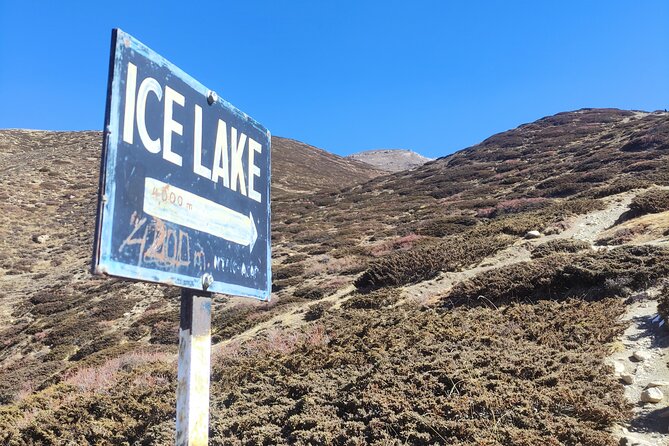
- A full circuit arc (160–230 km) with major altitude shifts you can feel day by day.
- Manang acclimatization day so the high country doesn’t hit you all at once.
- Thorong La timing built in with an early start to reach the pass before strong winds.
- Muktinath on the way down (3,800m) gives the day a spiritual reset after the pass.
- Pokhara finish with lake time so you don’t end the trip straight into travel fatigue.
- Pack support with a porter (2 guests per porter, 25 kg max) plus a government-licensed guide.
Kathmandu first: temple mornings and a smooth start
Your trek doesn’t start with a steep climb. It starts in Kathmandu, and that matters. The trip is designed so you land at Tribhuvan Airport, meet the team outside the terminal, and get transferred to your hotel without having to figure things out when you’re tired. You also get a set Kathmandu sightseeing day by car, which is a smart way to get orientation before you’re staring at trail maps and altitude charts.
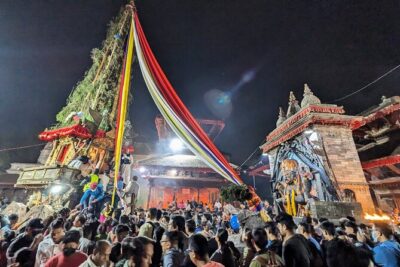
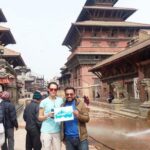
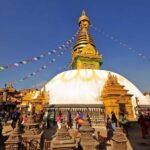
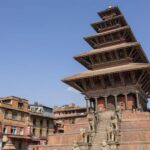
You’ll hit three major hits: Pashupatinath Temple, Boudhanath Stupa, and Kathmandu Durbar Square. Each one gives you a different angle on Nepal:
- Pashupatinath sits by the Bagmati River and is central to Hindu pilgrimage. The vibe is busy and devotional, and it’s also visually unforgettable.
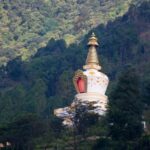
- Boudhanath is a major Buddhist site, with the famous eyes on the stupa and a calm feel that’s different from the Hindu temple energy.
- Durbar Square connects you to the old royal core—perfect if you want history you can actually walk through rather than read about.
A practical note: temple entry fees are not included for Pashupatinath, Boudhanath, or Durbar Square. You’ll want a cash stash in NPR so you’re not stuck bargaining for a last-minute ticket.
You can also read our reviews of more hiking tours in Kathmandu
Road transfer to Syange and your first real trek days
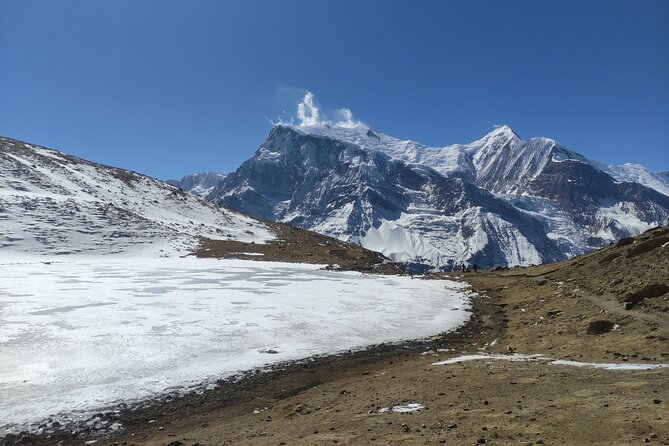
After breakfast, you’ll drive out toward the Pokhara highway area. This kind of road transfer can feel long, but it’s also a buffer. It turns Kathmandu’s city motion into countryside motion in gradual stages, so your body gets ready for the change of pace.
Then the hiking begins in the Besisahar region. You’re moving to Syange (823m) for an overnight stay after the long drive, and from there you step into the trekking segment with a first day around Dharapani. This early stretch is not just about distance. It’s about learning your own rhythm: how fast you walk on steep sections, how often you want breaks, and how your breathing changes once you start leaving the easy access roads behind.
On these initial trail days, vegetation and water play a big role in how the trek feels. You’ll pass farm terraces, waterfalls, and steep trail sections that ease you into the idea of “steady effort, frequent pauses.”
Chame and Pisang: cooler air, riverside paths, big views ahead
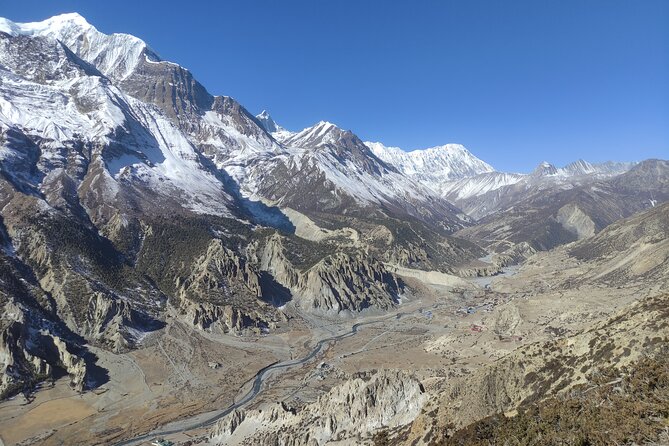
As you move from Dharapani to Chame, the air cools, and the vegetation changes. That shift is one of the most satisfying parts of the Annapurna Circuit because it makes the high country feel like a real destination, not a vague idea on a map.
From Chame you’ll push on to Bagarchhap and then continue onward to Pisang. The day to Pisang is a clear elevation jump (Pisang around 3,200m). You’ll hike roughly 5–6 hours, and the route follows the other side of the river on the northern bank. Even when the climbs get steady, riverside walking tends to feel “contained”—you’re always working toward a visible next village and not guessing where the terrain is going.
Pisang is also where the views start to behave like the main event. You’re far enough up that the peaks start to feel close and personal, and the trail gives more open sight lines. This is also a good moment to slow down and pay attention to small things: how your energy is changing, how your feet feel in boots, and how you’re reacting to colder mornings.
Manang acclimatization: the day that keeps your high pass safer
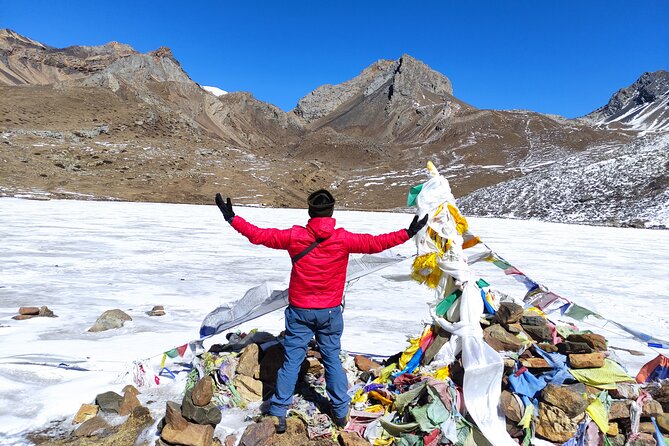
This is the day I’m glad the schedule includes. You’ll spend a full day in Manang acclimatizing (instead of rushing through). Manang sits at about the right altitude range to let your body adapt, and the village itself has a distinct look—many flat-roofed houses with mountain backdrop.
What makes this acclimatization day valuable is what it gives you psychologically and physically:
- You practice the routine: short walks, rest, hydration, and pacing.
- You get to see the mountains from multiple angles without treating every hour like a race.
- You give yourself time to notice symptoms early (like headaches or unusual fatigue) so you can manage the next stages better.
After this day, the trek pushes into higher country more consistently. You’ll go from the village atmosphere into more barren, windy trail zones where the air feels thinner and every step has weight.
Yak Kharka to Thorong High Camp: the high-country rhythm
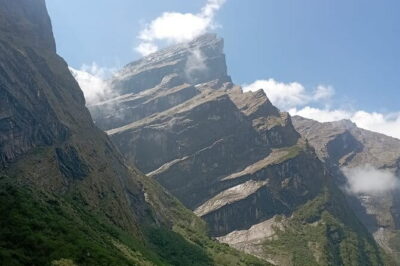
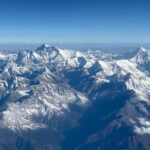
From Pisang onwards, the trek starts delivering constant views of major peaks. The hike from Manang to Yak Kharka is a slow climb with inspiring sights of Annapurna II, Gangapurna, Tilicho, and Chuli peaks. The trail heads into more barren territory with windier conditions, which means you’ll want layers that block cold air and a pace that doesn’t spike your breath rate.
Then you’ll work toward Thorong High Camp viewpoint. This part of the circuit feels like the final build-up: you climb gradually, you keep gaining elevation, and the air gets sharper. It’s also the portion where you’ll understand why timing matters later. When you’re already tired and cold, you don’t want the pass day to start late or randomly.
Expect grand views, but don’t treat the scenery like a reason to stop every five minutes. Short photo breaks beat long stand-stills when temperatures drop.
Thorong La Pass day: early start, steep strain, and Muktinath relief
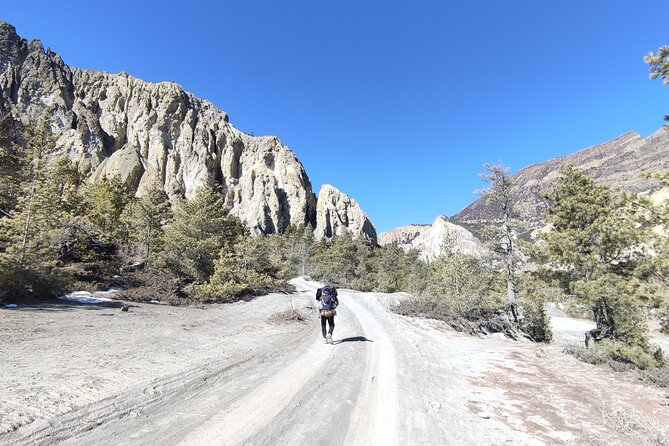
This is the big day: Thorong La Pass at 5,416m. The trek starts early so you can reach the top before cold winds pick up. That early timing isn’t a detail. It’s a comfort and safety choice, because weather at high altitude can change quickly, and wind plus cold drains energy.
The pass day begins with strenuous climbing and a steep start. Even if you’ve trained, this is still a different kind of effort than lower-elevation hiking. The goal isn’t speed. The goal is steady, controlled movement and smart breaks.
After you cross the pass, you’ll descend toward Muktinath Temple (around 3,800m). The day’s balance changes here: after the pass strain, the descent brings a form of relief and gives your mind something else to focus on—Muktinath’s sacred village atmosphere. It’s also a logical place for a long refresh before continuing the circuit downhill.
One reality check: this is described as the longest day in terms of trekking time. If you’re trying to estimate your comfort level, plan for that. Build your energy earlier, not at the last hour.
Marpha and Lete to Tatopani: down to valleys, up to contrasts
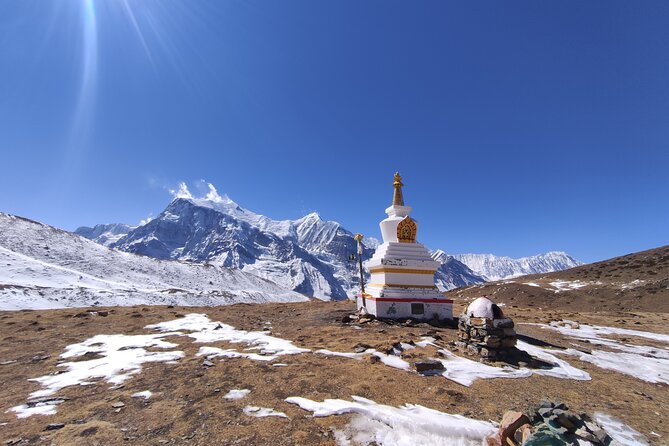
After Muktinath, you’ll descend roughly 1,200m to the Kali Gandaki river valley floor and stop around Marpha. You’ll also pass briefly at Ekale Bhatti, a small lonely teahouse settlement. That kind of stop matters more than it sounds. Remote teahouses are where you see how the circuit works for people who live along it year-round.
From Marpha you’ll continue to Lete, following the river downstream. You’ll pass through Tukuche village, with views tied to peaks like Tukuche and Dhaulagiri. This section tends to feel more like a long walk with rhythm rather than a constant push upward.
Then comes Tatopani. The trail creates a striking change in vegetation—dry, arid feeling gives way to pine and conifer forest. You’re also hiking between Dhaulagiri and Annapurna, so even on overcast days you can feel the corridors between giant mountains.
This is also a day you should enjoy slowly. The contrast—dry to forest, high to mid-level—makes the trek feel like a living gradient. It’s one reason the circuit is so famous: the environment changes faster than you’d expect from just following one trail.
Ghorepani and Poon Hill: a sunrise plan that’s worth the effort
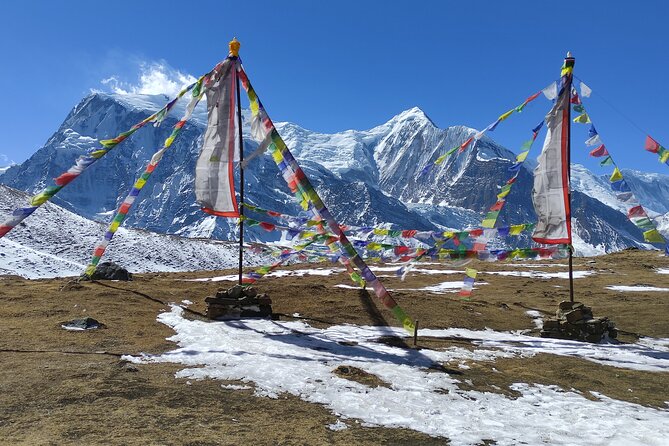
After Tatopani, you head to Ghorepani (around 2,860m). You’ll cross a suspension bridge over the Kali Gandaki river—one of those moments that adds a bit of drama without adding extra strain. The bridge is short, but it’s memorable because it signals you’re still moving along the circuit’s core spine.
Then you’ll take the Poon Hill option for sunrise. The hike is short in time (about an hour to the viewpoint at 3,195m), but it’s timed to deliver a rewarding view panorama that includes Dhaulagiri, Annapurna, and the Manaslu range. Sunrise hikes are only worth it if you’re prepared for cold early starts, but this one has a payoff that fits the circuit well: you get a dramatic view before heading back toward lower elevations.
After that, you’ll move toward Tikhedhunga and continue on the final trek segment.
Into Pokhara: lakes for recovery and the final transfer back to Kathmandu
You’ll trek from the Ghorepani area toward Pokhara through rural farm villages and with views of waterfalls nearby. The route to Pokhara is longer in hours, but it’s the kind of walking that feels like a transition from “climb life” to “relax life.” When you arrive, you don’t have to think about weather windows or pass heights anymore.
Pokhara is your leisure day. You can check out Phewa Lake, Begnas Lake, and Rupa Lake, depending on how you feel. After 20 days in trekking rhythm, these lakes aren’t just sightseeing. They’re a way to reset your body—walk less, breathe easier, and let sore legs recover.
The day after that, you’ll return to Kathmandu by bus along scenic hills with views tied to rivers like Trisuli and Marsyangdi. Then you’ll finish with a transfer back to the international airport with the team dropping you off around 3 hours before your flight.
Price and logistics: what your $1,200 actually covers
At $1,200 per person for about 20 days, the value comes from what’s handled for you. This isn’t just a guide and a route. You’re paying for the behind-the-scenes stuff that keeps the trek smooth.
Here’s what’s included:
- Airport pickup and drop in Kathmandu
- Kathmandu sightseeing by car (for the major sites)
- Ground transport segments: Kathmandu to Besisahar by regular bus, then Besisahar to Syange by sharing jeep
- A professional trekking guide with a government license
- A porter with a 2 guests to 1 porter setup (porter carries up to 25 kg max)
- Permits: ACAP (Annapurna Conservation Area Project)
- TIMS card
- Meals: breakfast (18), lunch (15), dinner (15)
What’s not included (and you should plan for):
- Visa and international flight tickets
- Drinks (soft and hard)
- Personal expenses and tips
- Any rescue or evacuation costs
- Extra accommodation not covered during the trip
- Temple entry fees in Kathmandu: Pashupatinath, Boudhanath Stupa, and Kathmandu Durbar Square
The biggest hidden value is the porter arrangement. If your pack gets heavy, the trek feels harder than it needs to be. With a porter option capped at 25 kg, you can carry the essentials while leaving the heavy bulk to someone trained for it.
One logistics consideration: some legs of your transfer use regular and shared transport. That’s not bad—it’s simply not fully private door-to-door comfort for every hour. If you want nonstop private vehicle comfort, you’ll need to plan for shared segments.
Who this trek fits best (and who should reconsider)
This trek is described as for people with moderate physical fitness. That’s honest. If you can handle steep walking, long days, and early starts, you’ll be in the right zone.
You’ll enjoy it most if you like:
- The mix of trekking and cultural stops (Kathmandu temples plus village tea house life)
- A route that changes clearly from warmer lower zones to colder high-altitude segments
- A structured plan that includes acclimatization in Manang and a very deliberate Thorong La timing
You might want to reconsider if:
- You’re hoping for mostly easy walking with minimal cold starts
- You don’t want the idea of a very demanding pass day followed by a long descent toward Muktinath
Should you book the 20 Days Annapurna Circuit Trek?
I’d say book it if you want a classic circuit that’s paced for real acclimatization and supports your trekking load with a porter. The combination of a Kathmandu cultural introduction, a full Manang acclimatization day, and a planned early pass start is the kind of structure that helps you finish strong instead of burning out early.
I’d hold off if you’re sensitive to cold mornings or if you prefer a trip with shorter hiking days and fewer altitude spikes. Also, budget for the Kathmandu temple fees and any drinks. Small costs add up when you’re tired, so plan ahead and you’ll enjoy the trek more.
FAQ
How long is the 20 Days Annapurna Circuit Trek?
It runs for approximately 20 days.
Where does the tour start, and what time?
The meeting point is The Great Adventure Treks & Expedition Pvt. Ltd, Chhusya Galli, Kathmandu 44600, Nepal, with a start time of 8:15 am.
Is airport pickup and drop included?
Yes. Airport pickup and drop in Kathmandu are included.
Are trekking permits included?
Yes. The ACAP permit (Annapurna Conservation Area Project) and a TIMS card are included.
What meals are included, and what costs extra?
Breakfast is included for 18 days, lunch for 15 days, and dinner for 15 days. Drinks, personal expenses, and tips are not included.
What is the cancellation policy?
You can cancel up to 3 days in advance for a full refund. If you cancel less than 3 days before the experience starts, the amount paid is not refunded.