REVIEW · UNESCO WORLD HERITAGE TOURS
Kathmandu Durbar Square – Private/Small Group
Book on Viator →Operated by Amazing Kathmandu Tours · Bookable on Viator
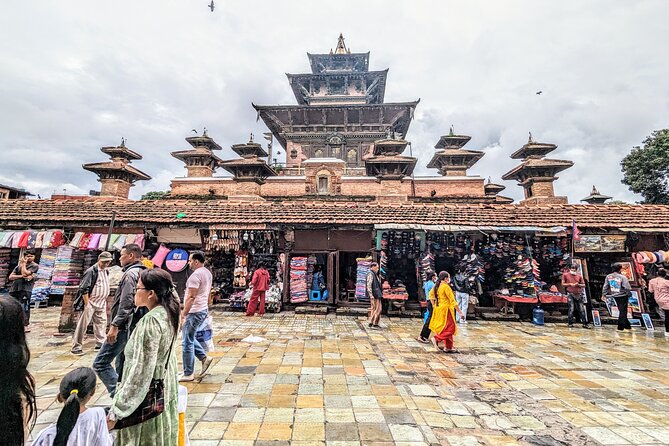
Kathmandu Durbar Square has a special kind of magic. This small-group walk packs temples, street-level folklore, and a real Kumari moment into about three hours. You’ll follow a guided route that feels like Kathmandu is explaining itself, not just posing for photos.
I love that the group is capped at 5 people, so questions don’t get lost in the crowd noise. I also like the stop mix: famous Durbar Square plus smaller, story-heavy places like Wasya Dyaa (the Toothache Tree) and Seto Machindranath.
One consideration: admission fees are not included, so you’ll want to budget extra beyond the headline price, and some Kumari viewing moments can involve waiting.
In This Review
- Key highlights you’ll feel right away
- From Thamel to Durbar Square: the small-group flow that actually works
- Wasya Dyaa (Toothache Tree) and the Naradevi stop: folklore you can picture
- Seto Machindranath Temple: one site, two religions, one story about rain
- Kathmandu Durbar Square: Kumari window blessings and the Newar cultural core
- Hanuman Dhoka Palace: the royal seat behind the scenes
- Why the guide’s style matters more than you think
- Price and value: what $15 really buys, and what to budget on top
- Who this tour suits (and who might prefer a different day)
- Should you book this Kathmandu Durbar Square small-group tour?
- FAQ
- How long is the Kathmandu Durbar Square private/small group tour?
- What is the group size limit?
- Where does the tour start?
- Does the tour end back at the meeting point?
- What is included in the price?
- Are admission tickets included?
- Are there additional fees besides the $15 price?
- Do I need a mobile ticket?
- Is the meeting point near public transportation?
- What is the cancellation policy if I change my plans?
- When will I receive confirmation?
Key highlights you’ll feel right away
- Max 5 people keeps the pace calm and question-friendly
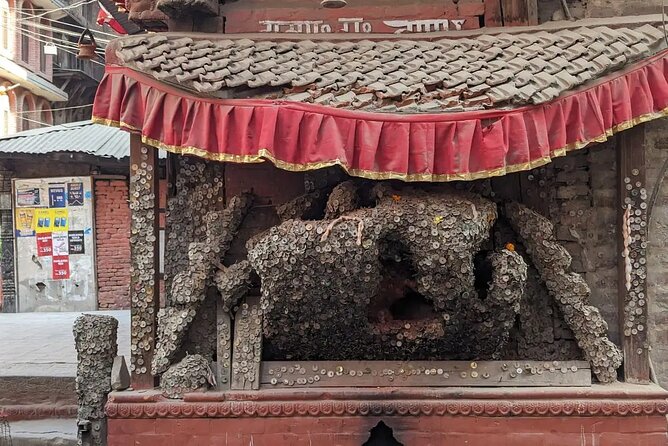
- Wasya Dyaa (Toothache Tree) centers on a toothache cure belief tied to a coin ritual
- Seto Machindranath Temple is shared by Buddhists and Hindus, with rain-bringer symbolism
- Kumari window blessings give you a closer, more respectful encounter than most sightseeing
- Hanuman Dhoka Palace complex connects the Malla kings and later Shah dynasty through stories and architecture
- Reliable guide behavior shows up repeatedly: punctual meet-ups and clear guidance on where to find the group
From Thamel to Durbar Square: the small-group flow that actually works
This tour starts in Thamel, with the meeting point listed at Pumpernickel Bakery on Paryatan Marg. From there, you’re walking through central Kathmandu at a pace that lets you pay attention to what you’re seeing, not just survive the crossings. With up to 5 travelers, you usually move as a tight group, which matters a lot around Durbar Square where routes can feel chaotic.
The tour is listed at about 3 hours, which is a sweet spot for first-timers. Long enough to cover multiple stops, short enough that you can still plan a second activity the same day (like Patan or Swayambhunath) without feeling dragged. You’ll also be using a mobile ticket, which simplifies check-in.
Since the tour is described as near public transportation, you’re not stuck if you’re bouncing around town. That flexibility is a quiet convenience in Kathmandu, where timing and routes can change fast.
You can also read our reviews of more private tours in Kathmandu
Wasya Dyaa (Toothache Tree) and the Naradevi stop: folklore you can picture
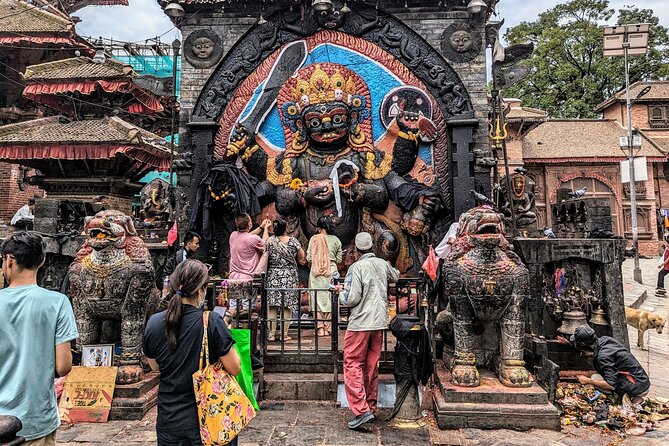
The first major stop is Wasya Dyaa, also called the Toothache Tree. It’s a wooden idol near Thahiti Tole, and the belief is straightforward: it can cure toothaches. The tradition described here includes hammering a coin into the wood, turning a simple folk practice into a physical, visual ritual you can understand quickly.
Even if you don’t share the belief, the Toothache Tree is useful because it shows you how Kathmandu explains everyday pain through sacred objects. You’ll feel the city’s logic—less like a museum label, more like a local coping system that has lasted for generations. It also sets an important tone: this is a route where spirituality and daily life sit side by side.
On the way, the tour also includes Naradevi Temple, described as revered and spiritually significant. That stop matters because Durbar Square can feel like the main event, but Naradevi helps you understand how Kathmandu’s sacred map connects neighborhoods to the royal core.
Practical note: the itinerary shows about 45 minutes for Wasya Dyaa, and it also lists that admission tickets are not included. So plan for small on-the-ground costs rather than expecting everything to be prepaid.
Seto Machindranath Temple: one site, two religions, one story about rain
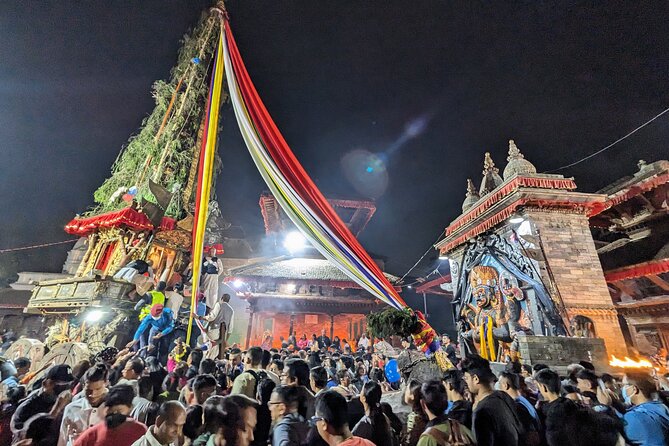
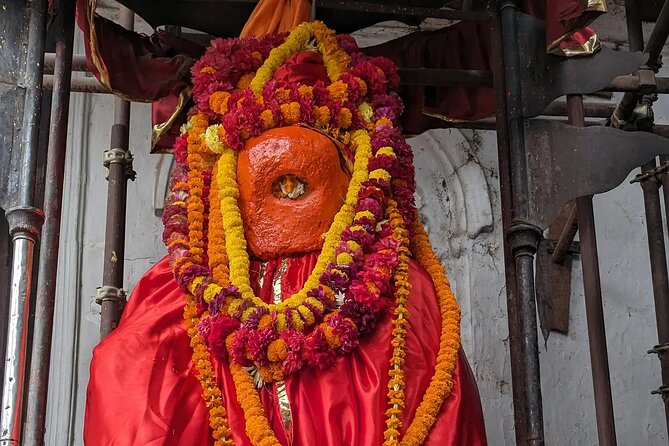
Next up is Seto Machindranath Temple, located southwest of Asan Tole at the junction of Kel Tole. What makes this stop more than a photo stop is how explicitly it’s shared. Buddhists connect him with Avalokiteshvara, while Hindus worship him as a rain-bringer incarnation.
In a short walking tour, this is one of the best “why people care” stops you can get. You’re learning how devotion works when communities overlap, not when faiths stay behind separate walls. If you’re hoping for a deeper understanding of Kathmandu beyond architecture, this is the kind of context that helps you see Durbar Square with new eyes.
You’ll have about 45 minutes here. And again, the tour notes admission tickets are not included, so don’t assume entrance costs are wrapped into the base price. The good part is that the time is realistic; you won’t be herded through a doorway and sent on your way.
Kathmandu Durbar Square: Kumari window blessings and the Newar cultural core
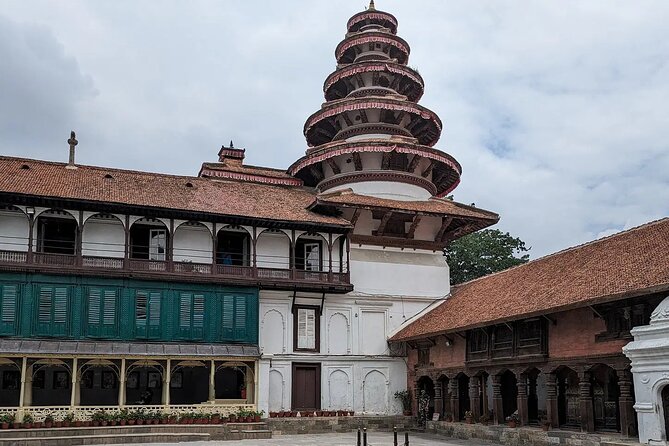
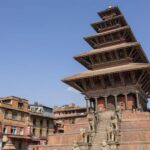
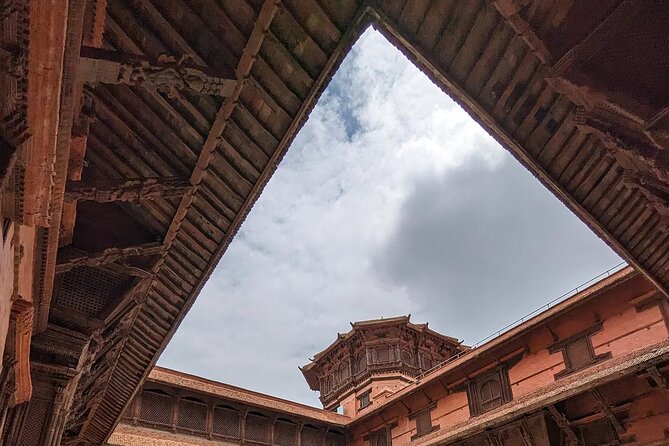
Durbar Square is where the tour shifts from “interesting streets” into “this is why UNESCO cared.” Kathmandu Durbar Square is described as a UNESCO World Heritage Site, and the visit is framed around the Living Goddess Kumari and the Newar culture that thrives there.
The Kumari part is the highlight for many people because it’s not just a monument you look at—it’s a living institution with strict traditions. The Kumari resides in the Kumari Ghar (Kumari Temple) inside Durbar Square. The tour also includes time to receive blessings from the Kumari from her sacred window, which is a respectful, guided-style moment rather than a chaotic scramble.
Timing is important here. One of the best signals from the tour feedback is that waiting can happen. In one instance, a group waited about 30 minutes for a Kumari glimpse and it didn’t work out at that moment. That tells you the reality: you may need patience, and you’re not guaranteed a perfect view on demand.
Still, the value is in how you experience it. A good guide helps you understand what you are seeing and how to behave in a sacred space, especially when people gather and attention narrows. That’s where the “small group” format helps again. When only a few of you are listening, you’re less likely to miss the cues that make the whole moment feel meaningful.
Also note: the itinerary lists about 45 minutes for this Durbar Square segment, with admission tickets not included. So budget time for the square itself, plus any waiting tied to what’s happening at the Kumari Temple.
Hanuman Dhoka Palace: the royal seat behind the scenes
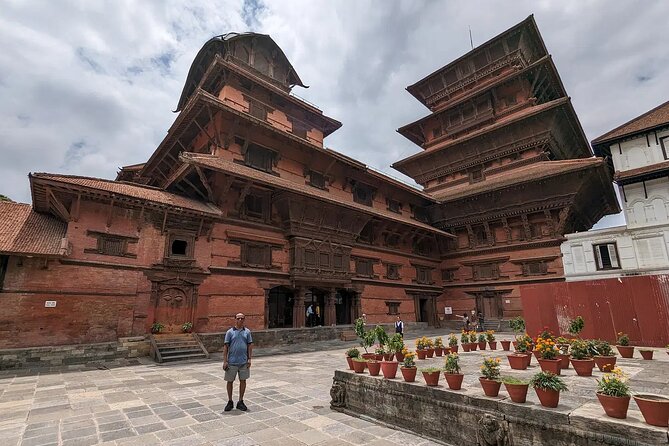
After Durbar Square, you move to Hanuman Dhoka, a palace complex in the center of the same area. This is described as the royal seat of the Malla kings, later followed by the Shah dynasty. In other words, you’re standing where power changed hands—and the stories are written into the place.
The name Hanuman Dhoka comes from a nearby reference, and while details aren’t spelled out here, the key point is that you’re connecting a royal complex to local naming traditions. That kind of detail is exactly what turns “I’ve seen a palace” into “I understand why this palace is here.”
You’ll have about 45 minutes for Hanuman Dhoka in the itinerary. That’s enough time to grasp the layout, but not so long that you lose your energy. If you’re someone who likes to know what you’re looking at, this is one of the best pacing choices in the route.
Why the guide’s style matters more than you think
This tour includes a professional guide, and the pattern in the feedback is pretty consistent. People highlight punctuality, friendly communication, and local explanations tied to religion and customs. Names that come up include Santosh, Sandip, and Shreeya, each praised for storytelling and for guiding people to places they wouldn’t find on their own.
One review detail I really like for practical reasons: a guide shared meeting-point clarity in advance, including a photo to help you find them. That sounds minor until you’re in Kathmandu trying to locate one specific person in a busy street. If a guide is already doing the helpful legwork, your first hour of the day feels smoother.
You’ll also see emphasis on explanations of street corners and buildings, not just reciting facts. For me, that’s the difference between a walking tour that feels like sightseeing and one that feels like you’re learning how the city thinks.
Price and value: what $15 really buys, and what to budget on top
The price is listed as $15.00 per person, and the tour duration is about 3 hours with a small group cap. On top of that, the information clearly states all fees and taxes are $9.00 per person and those fees are not included.
So the true cost you should plan around is closer to $24 total per person (base price plus the listed fees). For that, you get a professional guide and a guided route through the central heritage core, including temples and Durbar Square.
Admission fees and tickets are explicitly described as not included at the stop level. That means you should expect small entrance costs during the visit, not a fully prepaid experience. If you’re the kind of traveler who hates surprise line items, that’s worth noting before you book.
The upside is that you’re paying for something harder to self-source: context and respectful guidance in a living religious area. Kathmandu rewards informed pacing. A guide who can explain Kumari traditions, temple symbolism, and why Newar culture is visible right there in the square can turn a short walk into a strong mental map of the city.
Who this tour suits (and who might prefer a different day)
This one is ideal for solo travelers who want a deeper understanding of Nepal’s past and cultural richness without committing to a full day. The tour format is specifically described as suitable for “most travelers,” and the group size is built to keep it manageable.
You’ll probably enjoy it most if you:
- like walking and short stops with explanations
- want to understand sacred sites (not just photograph them)
- prefer a calm group over a bus-sized crowd
- want a straightforward first taste of Durbar Square plus surrounding context
You might want to choose something else if you:
- need a completely fixed schedule with zero waiting (the Kumari moment may require patience)
- dislike paying separate entrance fees during the walk
- want a longer, museum-style exploration instead of a street-to-temple route
Should you book this Kathmandu Durbar Square small-group tour?
If your goal is to make Durbar Square make sense fast, I think it’s a strong pick. The route includes the biggest draw points (Durbar Square, Kumari, Hanuman Dhoka) while also adding the smaller stops—Wasya Dyaa and Seto Machindranath—that give you the cultural glue you’d miss if you only focused on the main square.
The main reason to pause is the add-on reality: admission isn’t included, and there can be waiting for the Kumari window. If you’re okay with that and you want the guide-led context, this tour is good value for time and clarity.
FAQ
How long is the Kathmandu Durbar Square private/small group tour?
It runs for about 3 hours (approx.).
What is the group size limit?
The tour is a maximum of 5 travelers.
Where does the tour start?
It starts at Pumpernickel Bakery, Paryatan Marg, Kathmandu 44600, Nepal.
Does the tour end back at the meeting point?
Yes, it ends back at the meeting point.
What is included in the price?
A professional guide is included.
Are admission tickets included?
Admission tickets are not included at the listed stops.
Are there additional fees besides the $15 price?
Yes. All fees and taxes are listed as $9.00 per person and are not included in the base price.
Do I need a mobile ticket?
Yes, a mobile ticket is mentioned as part of the tour features.
Is the meeting point near public transportation?
Yes, it’s described as near public transportation.
What is the cancellation policy if I change my plans?
Free cancellation is offered, with a full refund if you cancel at least 24 hours before the start time.
When will I receive confirmation?
Confirmation is received at the time of booking.