REVIEW · EVEREST BASE CAMP TREKS
Everest Base Camp Trek 14 Days
Book on Viator →Operated by Nepal Nirvana Trails · Bookable on Viator
Everest Base Camp is the kind of trek that changes your definition of hard. This 14-day route focuses on getting you safely into the Khumbu, with planned altitude breathing space, classic Sherpa villages, and the signature payoffs at Everest Base Camp and Kalapatthar.
What I like most is how organized the whole flow feels—airport pickup in Kathmandu, then the Lukla flights and park permits handled for you. Second, the trek rhythm makes sense: longer days are followed by built-in adjustment time in places like Namche Bazaar and Dingboche.
One consideration before you say yes: you still need to manage your own pace and stamina on the long walking days (some are listed as up to about 16 hours), and flights can be weather-dependent even when schedules are arranged.
In This Review
- Key highlights at a glance
- Getting set up in Kathmandu (Thamel, pickup, and that early start)
- Flights to Lukla: fast altitude gain, big first payoff
- Sagarmatha National Park and Namche Bazaar: your real acclimatization anchor
- Tengboche to Dingboche: monastery culture and serious mountain panoramas
- To Lobuche: longer hours, rocky footing, and getting closer to the glacial zone
- Everest Base Camp day: Gorakshep, Khumbu Glacier, and the icefall moment
- Kalapatthar: the viewpoint that makes the extra climb worth it
- The descent back to Namche and Lukla: same trail, different mood
- Flying home to Kathmandu and your Thamel free day
- Price: what $999 buys you, and what you still need to budget
- The human side: why guides like KP, Raju, Roshan, and others matter
- Who this Everest Base Camp trek suits best
- Should you book this Everest Base Camp trek?
- FAQ
- How long is the Everest Base Camp trek?
- Where does the tour start and end?
- Are flights to Lukla included?
- What’s included in the price besides flights?
- What’s not included?
- Do I meet the guide before trekking?
- What fitness level do I need?
- Is cancellation free?
Key highlights at a glance
- Thamel kickoff with quick equipment checks so you start organized
- Lukla flight included to jump straight into the Everest trail
- Acclimatization days in Namche and Dingboche with real viewpoint hikes
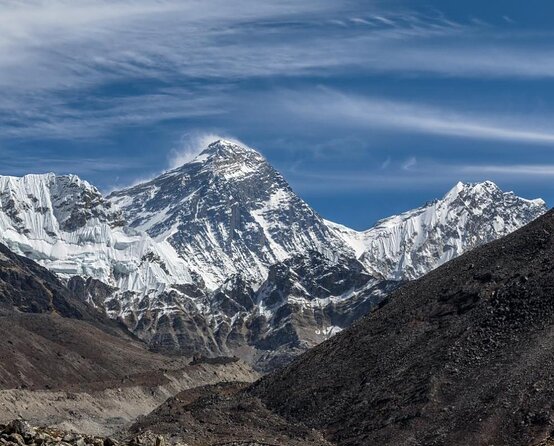
- Base Camp + icefall views, then the classic Kalapatthar climb for Everest angles
- Private group experience, with local support from a named team
Getting set up in Kathmandu (Thamel, pickup, and that early start)
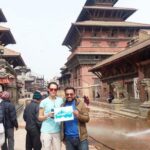
Your trek starts in Kathmandu, with a pick-up from the airport and a transfer to your hotel/hostel in Thamel. This matters more than it sounds. On trek days, you don’t want to spend precious hours figuring out transport or hunting for your guide.
You’ll meet your guide in the evening, and the team checks your equipment. That little step can save you from the most common beginner problems: missing a warm layer, realizing your boots aren’t trekking-ready, or discovering you packed the wrong kind of gloves for cold mornings.
The start time is listed as 5:45 am, with a meeting point at Nepal Nirvana Trails in Kathmandu (or your hotel / Tribhuvan Airport). Plan for a quick, no-drama morning. If you’re coming in from international travel, don’t schedule anything “must-do” the night before beyond an early sleep.
You can also read our reviews of more hiking tours in Kathmandu
Flights to Lukla: fast altitude gain, big first payoff
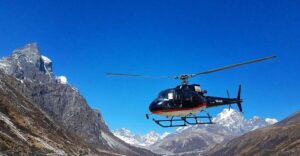
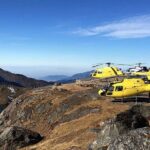
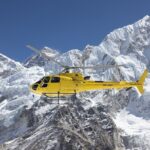
Day two is where the trek truly begins. You take a thrilling flight to Lukla (Tenzing Hillary Airport), then walk up to Phakding for the night.
Why this approach is valuable: you’re not spending days just getting into the Khumbu region. That keeps the trip focused on trekking and acclimatization rather than logistics.
Still, be realistic. Lukla is famous for its dramatic scenery and its occasional operational hiccups. Even when a local flight schedule is included, weather can affect departures. The best attitude here is patience. Think of the flight as part of the adventure, not a guaranteed stopwatch.
The first walking day is also a great way to “feel” the trail without immediately going for the throat. You’ll cross into the early rhythm of lodge-to-lodge hiking, where hydration and consistent steps matter more than speed.
Sagarmatha National Park and Namche Bazaar: your real acclimatization anchor
On day three, you trek toward Namche Bazaar, crossing the Dudh Koshi River and passing through Monjo on your way into Sagarmatha National Park. You’ll also walk through dense forests before reaching the big hub of the Khumbu.
Namche is not just a town. It’s where you get your bearings: it’s the best place on this route to stock up, re-charge, and adjust mentally to thin air.
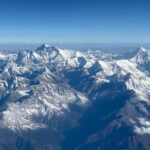
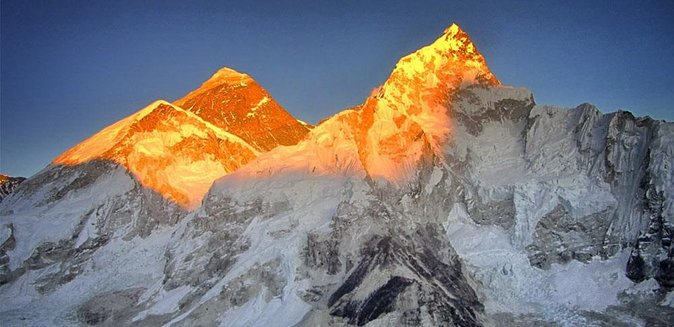
Day four is a full acclimatization day in Namche. The plan includes a hike up toward the Everest View Hotel area, so you can see Mt. Everest and major neighbors like Ama Dablam, Thamserku, and Lhotse.
This is the kind of day you’ll appreciate later. If you handle altitude with smart pacing, you’ll move more comfortably through the higher villages. If you rush it, the trail will remind you. This stop is designed to help you choose the first option.
A practical tip: on view days, keep your clothing light but layered. The trek to viewpoints can feel easy until the temperature swings.
Tengboche to Dingboche: monastery culture and serious mountain panoramas
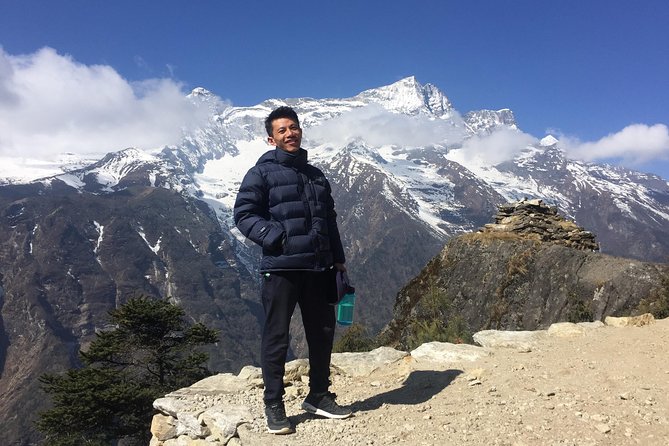
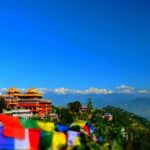
From Namche, day five moves you to Tengboche. You’ll leave the busier hub behind and hike through juniper and rhododendron forests. Then you arrive in time for Tengboche Gompa, one of the best-known monastery stops on the classic Everest circuit.
This is where the trek becomes more than a fitness challenge. You’re seeing Sherpa village life up close, with a place of worship at the center of community rhythm. It also gives you a break from constant stone-and-slope focus. Even if you don’t go deep into religious details, it helps you slow down and notice the human side of the Khumbu.
Day six takes you to Dingboche, crossing the Imja Khola along the way. Here you start getting those sharp, expansive panoramas—Island Peak and Ama Dablam stand out as you settle higher up.
Why Dingboche is a key value point: it’s not just “another night.” It’s part of the altitude strategy. Day seven is a second acclimatization day at Dingboche with optional hikes:
- Nangkartshang Peak (5083 m)
- Chhukung Ri (5546 m)
This flexibility is important for matching your energy to the moment. If you want a bigger push, you can. If you’d rather keep it steady, you still get mountain views without forcing a summit-style effort.
To Lobuche: longer hours, rocky footing, and getting closer to the glacial zone
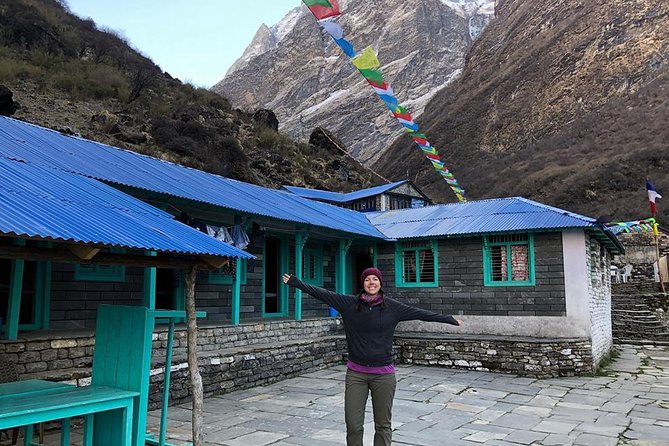
Day eight brings you to Lobuche. The route is described as uneven and rocky. That’s a useful warning: by now, your legs have learned the idea of “up,” but they haven’t necessarily been trained for rougher footing. Trek poles help here if you use them well.
The reward is front-row scenery: views of Pumori, Nuptse, Lobuche Peak, and more as you approach the Everest Base Camp region. This section often feels like the trek is tightening—less forest comfort, more open air, more glacial presence in the distance.
Also: keep your hydration and calories consistent. When terrain gets rougher, it’s easy to “forget” to eat because you’re busy negotiating your steps.
Everest Base Camp day: Gorakshep, Khumbu Glacier, and the icefall moment
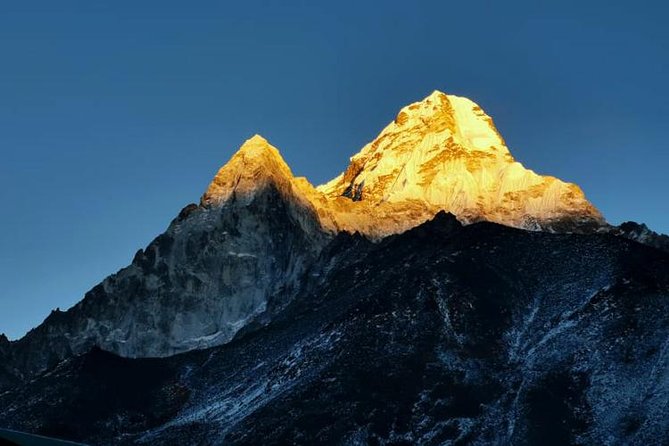
Day nine is the longest-feeling day on the trek plan. You walk through the Khumbu Glacier to Everest Base Camp, then continue back to Gorakshep.
This is the day people remember most—not because it’s glamorous, but because it’s raw. You’re going to the place that looks unreal from photos and then becomes real when you’re standing there with the cold in your face and the scale around you.
You can view the Khumbu icefall from Everest Base Camp. That detail matters. It’s one of the clearest ways to understand what mountaineers mean by risk and constant movement in the Everest region.
Logistically, you should expect big effort and limited margin for dawdling. Use short breaks. Keep going at a steady pace. When you stop, stop briefly—don’t let the cold steal your energy.
Kalapatthar: the viewpoint that makes the extra climb worth it
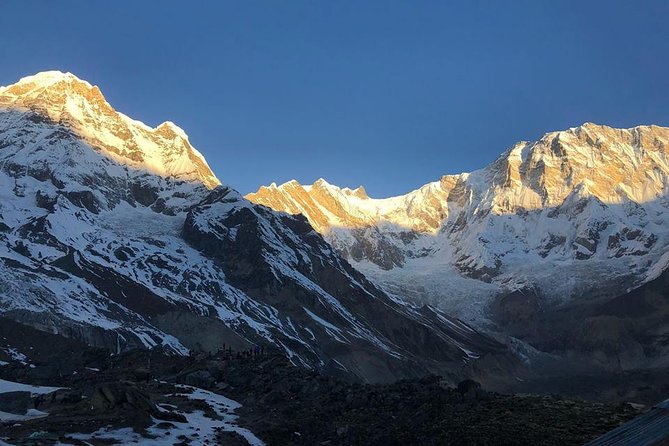
Day ten includes a hike up to Kalapatthar, then a trek down to Pheriche.
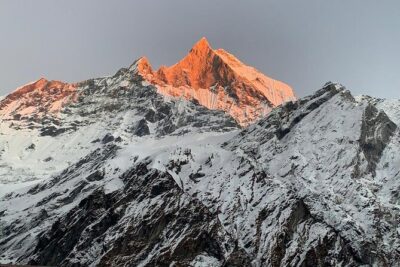
Kalapatthar is famous because it gives you the kind of Everest angles that make the whole trip click. It’s not the easiest climb, but it’s exactly the “why” behind taking acclimatization days seriously earlier.
The return down to Pheriche also helps your body recover. Going downhill is easier in the lungs, harder on the knees. If you’ve got sensitive knees, keep steps short and use poles if you have them.
The descent back to Namche and Lukla: same trail, different mood
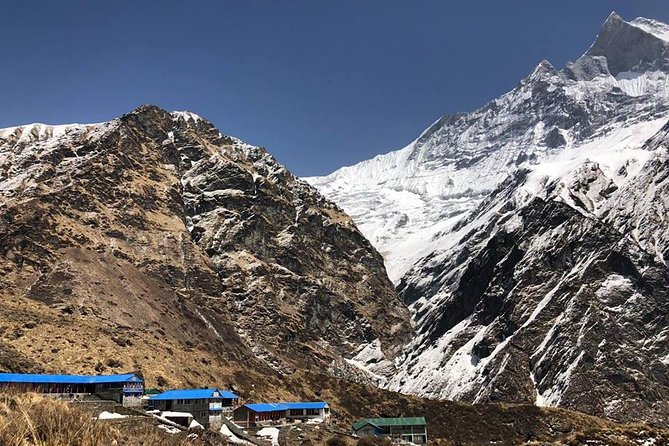
Day eleven starts the long return. You head back toward Namche Bazaar, leaving the higher terrain behind. The plan includes crossing suspension bridges and moving through villages.
Day eleven can feel strangely emotional. You’ve already seen these areas from higher viewpoints; now you’re passing through them as you pack up to leave the Everest zone. The mental shift is real, and it’s one reason guided treks help—your guide can point out what’s changing as you go.
Day twelve returns you to Lukla via Jorsale, Monjo, and Phakding. You’ll cross numerous bridges over the Dudh Koshi River and continue along the familiar trail. This is a useful day to keep your feet protected and your mindset calm. You’re close to the end, but you’re still walking.
Flying home to Kathmandu and your Thamel free day
Day thirteen includes an early morning flight back to Kathmandu (about 35 minutes), then you get free time for the rest of the day. The plan suggests strolling around Thamel and buying souvenirs.
This is where you’ll want to decompress. You’ll also appreciate having a guided plan for the flight day, because timing matters on travel days. Once you land, you can finally treat the day like a normal city day again.
If you’re the type who gets restless without a plan, just pick one low-key goal: a bookstore stop, a café meal, or a quick cultural walk in the old neighborhoods.
Day fourteen ends with either a drop-off to the airport or an option to extend your trip to Nepal.
Price: what $999 buys you, and what you still need to budget
The trip price is $999 per person, and it’s typically booked about 46 days in advance. For a 14-day Everest Base Camp trek, the value comes from what’s included—not just what’s listed.
What you can count on being covered:
- Airport transfers in Kathmandu plus the local flight schedule
- Guide salary, food of guide, equipment, and insurances
- All national park TIMS and local permits
- Flights between Kathmandu/Manthali and Lukla (and back)
- Official expenses and government tax/VAT
What you must budget separately:
- International flights
- Nepal entry visa
- Travel and health insurance that covers emergency rescues and evacuations
- Accommodation and food for guests during the full trip
- Tips for the trekking guide (expected)
So here’s the balanced way to look at it: the base price covers a lot of the “hard-to-organize” items—permits, flights, and a local support team. But your biggest variable cost is usually lodging and meals in the mountains. On Everest routes, those are real budget pieces, not tiny add-ons.
Also, don’t treat insurance as optional “paperwork.” The trek sits in a region where emergency evacuation matters, and the listed package doesn’t cover that for you.
The human side: why guides like KP, Raju, Roshan, and others matter
This trek is physically demanding, but it’s also emotionally uneven. Some days feel great. Some days feel long. The guide isn’t just there to keep you moving on a map; they help you manage the emotional swings of altitude and effort.
The team behind this operator includes KP Dhital and a wider roster of guides who have been specifically credited by name—people mention guides such as Raju, Roshan, Ram, Bala, and Abinash for care, professionalism, humor, and helping with confidence (especially for solo trekkers and families).
You’ll likely feel this in small moments:
- A pacing choice that keeps you from overreaching
- Advice on how to dress and warm up on cold mornings
- A calm response if the plan changes due to conditions
If you’re trekking with a partner or family, that kind of support matters even more. It’s one thing to buy a trek. It’s another to feel looked after.
Who this Everest Base Camp trek suits best
This plan is listed as moderate fitness appropriate, and that fits most first-time EBC trekkers who prepare.
You’ll be a great match if:
- You want the classic Everest Base Camp route with built-in acclimatization stops
- You prefer a private group setting (so your pace and needs get respected)
- You like clear structure: pickups, flights, permits, and guiding support lined up
- You’re comfortable with trekking days that can run long (the plan lists some around 16 hours)
You might want to think twice if:
- You’re not ready for cold mornings and significant walking time
- You don’t have adequate insurance for emergency rescues/evacuations
- You’re looking for a fully catered package where all meals and lodging for you are included (those aren’t covered)
Should you book this Everest Base Camp trek?
I’d book it if you want a straightforward, well-supported path into the Everest region with flights, permits, and guiding handled cleanly. The value is strongest if you’re organized enough to manage your own lodging/meal choices in the mountains and you take altitude seriously.
I’d hesitate if you want an ultra-easy hike with minimal long days, or if you haven’t lined up insurance that covers emergency help. Also, if early mornings and long trekking hours stress you out, plan on setting expectations up front.
If your goal is to reach Everest Base Camp and see the icefall from there, then stand back and stare at Everest from Kalapatthar, this route is built for that payoff.
FAQ
How long is the Everest Base Camp trek?
It’s listed as 14 days (approx.).
Where does the tour start and end?
It starts in Kathmandu (Thamel area meeting point) and ends back in Kathmandu.
Are flights to Lukla included?
Yes. Flights between Kathmandu or Manthali and Lukla, plus the return flight, are included in the package.
What’s included in the price besides flights?
Permits (TIMS and local permits), airport transfers and the local flight schedule, guide salary/food/equipment/insurances, and official taxes/fees are included.
What’s not included?
International flights, the Nepal entry visa, travel/health insurance that covers emergency rescues and evacuations, accommodation and food of guests during the trip, and tips for the guide.
Do I meet the guide before trekking?
Yes. You’re picked up in Kathmandu and introduced to the guide during the evening meeting, including an equipment check.
What fitness level do I need?
The info says travelers should have a moderate physical fitness level.
Is cancellation free?
Cancellation is free up to 24 hours before the experience starts for a full refund.