REVIEW · 3-HOUR EXPERIENCES
Everest Base Camp: 3 Hour Helicopter Sightseeing Tour
Book on GetYourGuide →Operated by Nepal Social Treks · Bookable on GetYourGuide
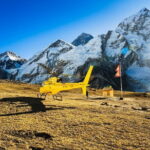
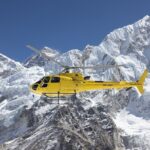
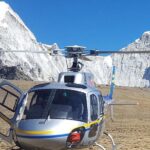
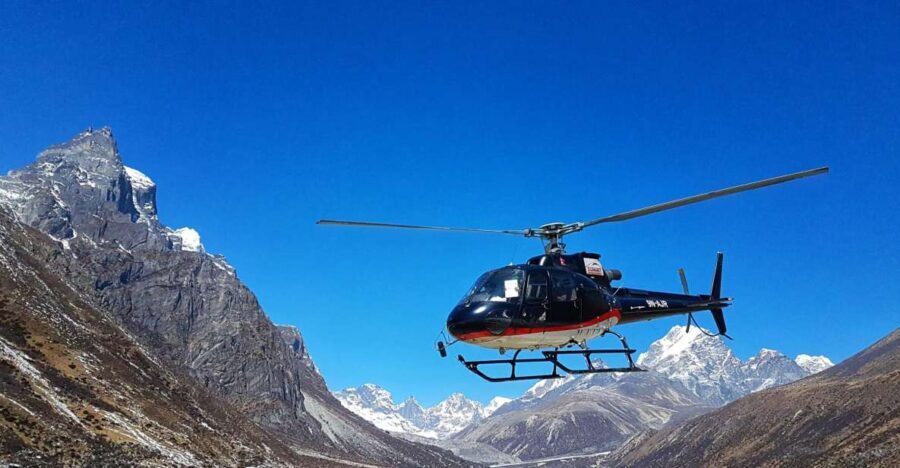
A helicopter turns Everest into a 3-hour movie. You fly from Kathmandu on a chartered route, get a window seat over the Everest Base Camp area, and land briefly at Everest View Hotel for tea (or breakfast) above the clouds.
I like that this is built for pure sightseeing, not a trekking slog. You’re flying over key Everest-world landmarks like Namche Bazar, Tengboche, Dingboche, Gorakshep, and the Khumbu glaciers with a small group size, capped at 5, plus an English-speaking guide to keep everything clear.
My main caution is weather. The flight is subject to conditions, and if visibility or flying rules don’t cooperate, your day may shift or the big peaks may hide behind cloud.
In This Review
- Key takeaways before you go
- Why this 3-hour Everest helicopter experience works
- Kathmandu pickup, security, and getting to the heli-port fast
- The flight to Lukla: where the Everest story begins
- Over Namche, Tengboche, Dingboche, and the Khumbu glaciers
- Everest View Hotel: the 45-minute cloud-break moment
- The return: Lukla fueling, then back to Kathmandu
- Price and value: what you’re paying for
- Who should book this tour (and who shouldn’t)
- Practical tips to make the most of it
- Should you book this Everest Base Camp helicopter sightseeing tour?
- FAQ
- How long is the Everest Base Camp helicopter sightseeing tour?
- Where does the tour pick up and drop off in Kathmandu and nearby areas?
- Is national park entrance or Everest View Hotel breakfast included?
- How much time do you get at the Everest View Hotel?
- What size is the group and how is seating handled?
- What happens if weather conditions don’t allow flying?
- Is the tour wheelchair accessible?
Key takeaways before you go
- Chartered helicopter, small group (5 people): more space, less chaos, faster decision-making at the airport.
- Window seats on the Everest Base Camp flight: you’re not staring at elbows the whole time.
- The Everest View Hotel stop is brief: expect up to 45 minutes on the ground for tea/coffee or breakfast.
- Fuel stops at Lukla are part of the plan: you’re not being rushed the entire day, but timing can flex.
- Weather controls everything: you might wait for the right slot or have changes if conditions aren’t safe.
Why this 3-hour Everest helicopter experience works
If you want Everest views but don’t have trek time, this is the smart middle option. In about 3 hours in the air, you get the sense of scale that most ground-based photos can’t do. You’re also traveling by helicopter, which means you’re not fighting your legs, just the altitudes and the weather.
I also like that the experience is designed around moments, not a long checklist. You get a flight out over the Everest corridor, a short touchdown at Everest View Hotel, and then you’re back in Kathmandu. It’s a rare way to “compress” Everest without pretending you did a full expedition.
That said, you need realistic expectations. This is not a hike to Base Camp on foot. It’s an aerial “look, land, and look again” plan where the views depend heavily on cloud cover and flight conditions.
You can also read our reviews of more tours and experiences in Kathmandu
Kathmandu pickup, security, and getting to the heli-port fast
Your day starts with pickup options around Kathmandu and Patan, with hotel pickup arranged for you. The exact pickup time gets confirmed after booking, but the goal is to get you to the airport/heli area with enough slack for Nepal’s real-world timing.
One helpful detail: you get express security screening. In a busy airport environment, that can save real time and stress, especially when helicopter schedules are tight. You’ll be guided in English, so you know what’s happening before you’re herded through gates.
Bring a passport or ID card, wear warm layers, and keep your bags small. Helicopters hate heavy bags and complicated loading. Keep it simple so the crew can move quickly, especially if there’s a line of helicopters waiting to depart.
The flight to Lukla: where the Everest story begins
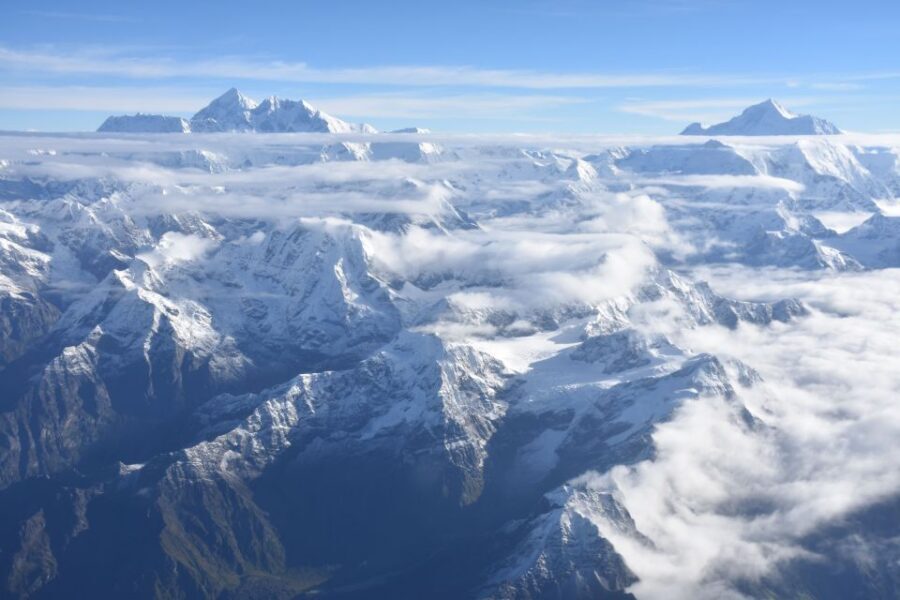
The helicopter route starts by flying east from Kathmandu toward the Sherpa corridor and the gateway to Everest: Lukla. The fun part here is that you get the geography “in order.” You’re not jumping straight to Base Camp; you’re seeing how the region funnels into Everest country.
Lukla isn’t just a scenic waypoint. It’s a practical fueling stop that helps the helicopter make the next leg possible. In the way this tour is structured, you should expect some waiting time while helicopters start in sequence, not all at once.
This is also where your comfort planning matters. If you’re coming in from lower elevation, your body may feel altitude changes quickly once you’re higher in the air. You don’t need to panic, but it’s a good idea to keep moving gently, stay hydrated, and avoid exertion.
In past trips, the process has included extra waiting when tower slots assigned departures later than expected. That’s not a dealbreaker, just something you should treat as normal operating behavior for air schedules in the mountains.
Over Namche, Tengboche, Dingboche, and the Khumbu glaciers
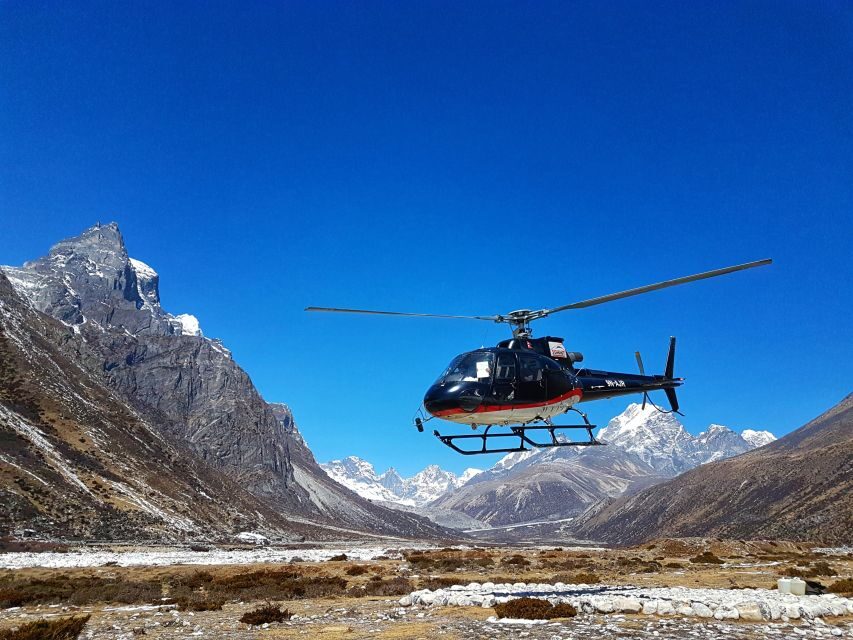
After fueling in Lukla, the helicopter heads toward the Everest Base Camp area. This is the portion you’ll probably talk about later, because it’s where the “wow” factor turns into a real mental map.
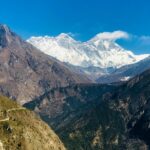
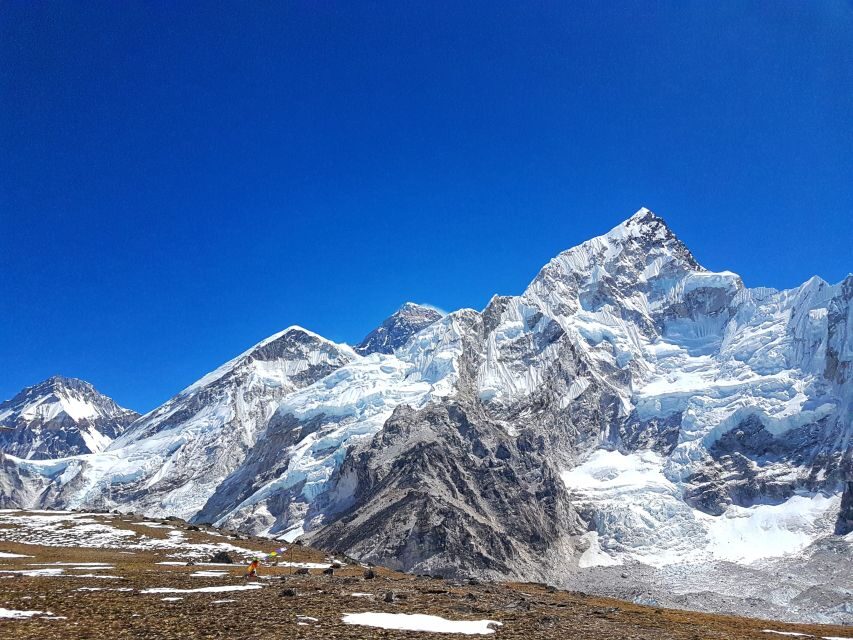
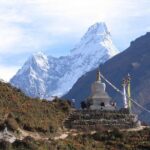
You pass over places that are famous for trekkers. Namche Bazar, Tengboche, Dingboche, and Gorakshep all appear from above in a way that feels almost unreal—like you’re looking at a model built at 1:1 scale. The Khumbu glaciers also come into view, and they help you understand why this region is so hard to cross by foot and so intense in winter and storm season.
There’s also a technical comfort benefit to this route: you’re flying with a small number of people and, for the Everest Base Camp flight, each participant gets a window seat. That means you’re not rotating seats or craning around strangers for a shot of Lhotse or Everest.
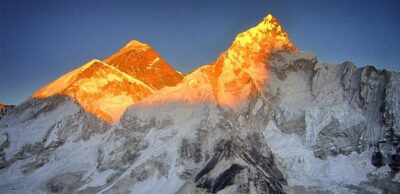
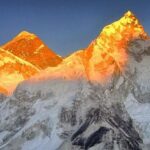
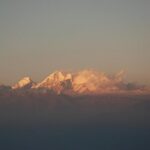
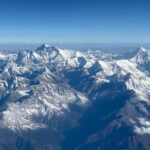
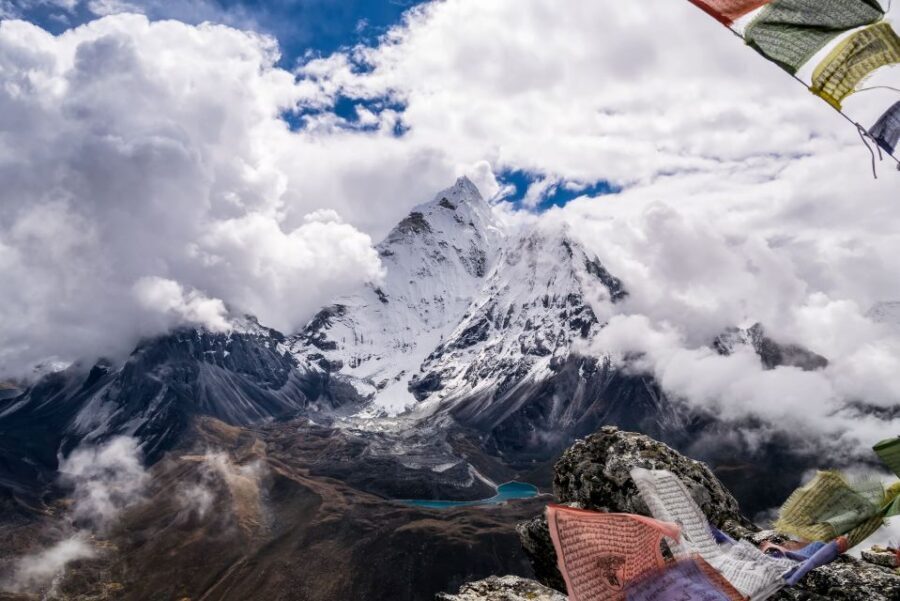
You may also catch clear views of major peaks including Mount Everest, Nuptse, Changtse, and Lhotse—but keep it conditional. When clouds are thinner, you’ll see more detail. When they aren’t, you’ll still see the valleys, glaciers, and slopes, just with less peak clarity.
Everest View Hotel: the 45-minute cloud-break moment
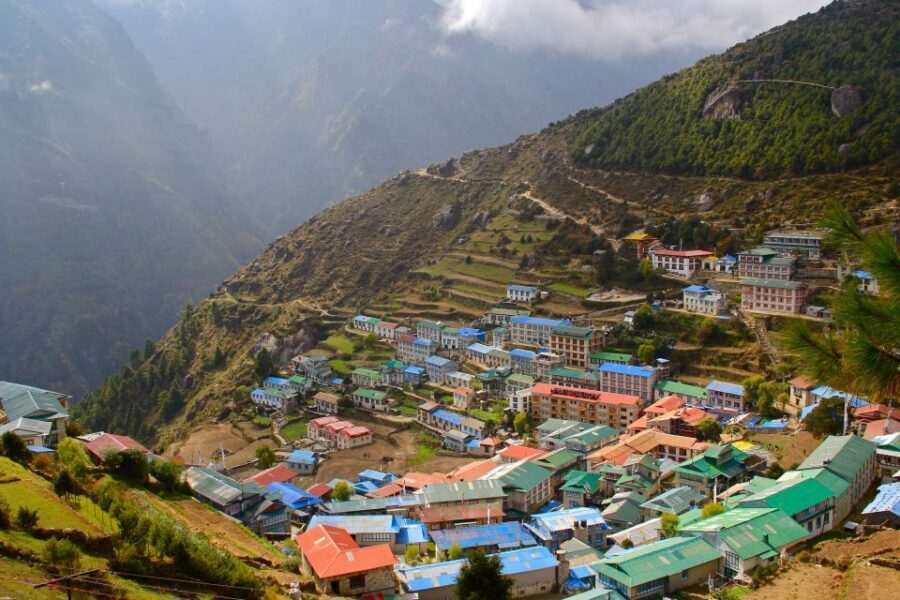
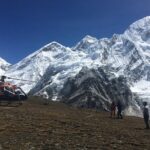
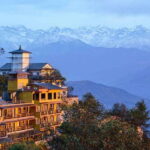
The big signature stop is Everest View Hotel for breakfast or tea/coffee. The tour allows a maximum of 45 minutes landing time at the hotel, which means the timing is tight—but it’s long enough to take in the views, grab a warm drink, and get a few photos.
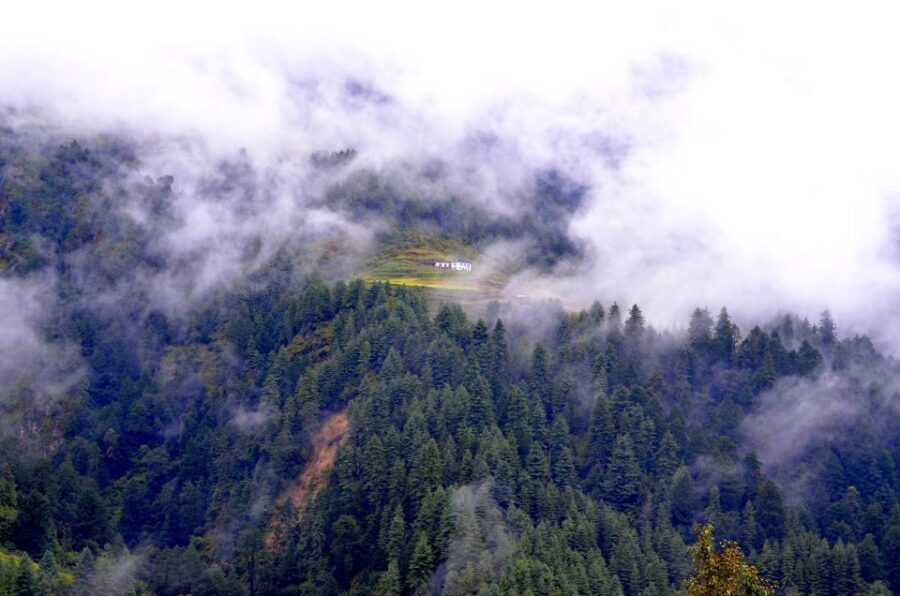
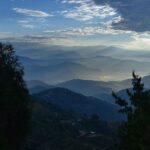
This is also where the “changing sky” becomes part of the experience. The view can shift as clouds drift past the peaks, briefly revealing forests and small mountain-side villages. It feels like the mountain is turning pages—one minute the peaks are wrapped, the next they appear like someone pulled back a curtain.
Breakfast at the Everest View Hotel isn’t included in the tour price, so plan for that additional cost if you want the full experience. Tea/coffee is included in the sense that you’re allowed to stop for refreshment there; but if you want a full meal, budget accordingly.
You’ll also want to manage your time on the ground. It’s tempting to stay frozen outside for photos, but cold wind and thin air can cut your stamina. Go outside, look around, take the shots you care about, then come back and warm up.
One thing I’d keep in mind from other people’s experiences: sometimes the flight return segment can be adjusted or include extra waiting if weather worsens. That can affect how quickly you get back to Lukla and then to Kathmandu, so treat your return time as flexible, not exact.
You can also read our reviews of more tours and experiences in Kathmandu
The return: Lukla fueling, then back to Kathmandu
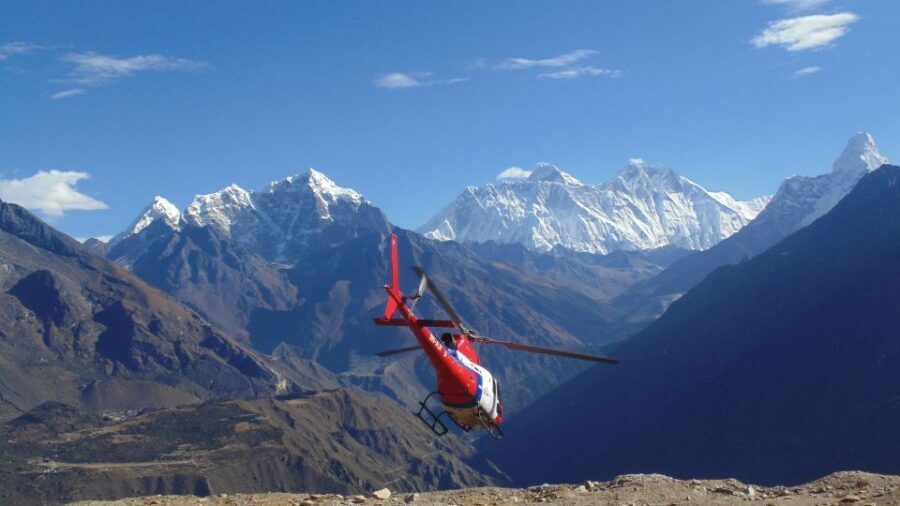
After the Everest View Hotel stop, you fly back to Lukla for fueling. From there, you continue to Kathmandu, where the tour ends with drop-offs at selected locations around the city.
On the way back, timing can flex depending on airspace slots and weather. In at least one described itinerary, the group waited for an extra period due to tower scheduling and multiple helicopters departing in sequence. The upside is that once the helicopter is in motion, the views can still be strong, and the crew and pilot handle the operational side so you can focus on enjoying it.
If you’re anxious about delays, here’s the practical mindset: plan the rest of your day with buffer time. This tour is only 3 hours long in the overall format, but airports and weather can stretch the real “day feel” beyond that, especially if conditions require adjustments.
Also, don’t bring large bags. If anything needs to be loaded or reloaded quickly, smaller luggage makes the whole operation more efficient.
Price and value: what you’re paying for
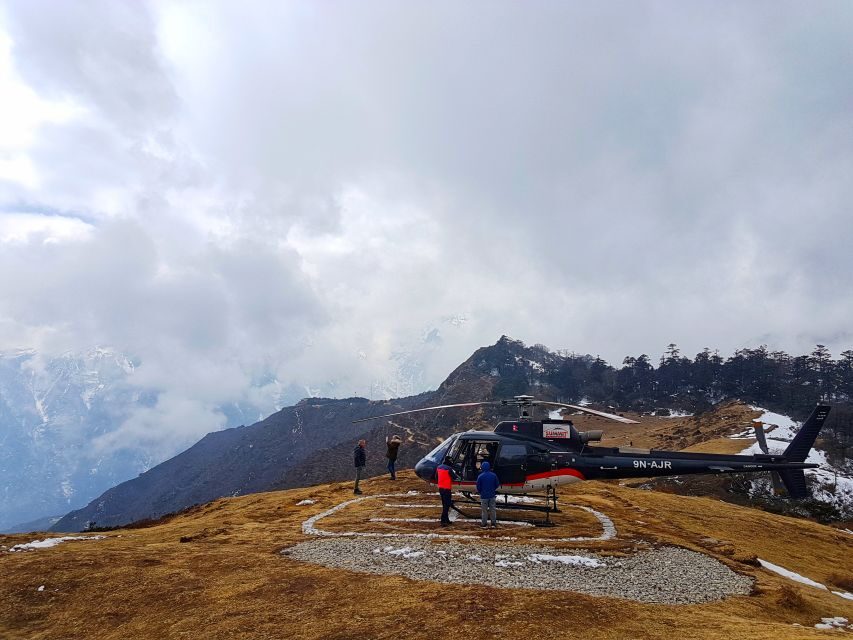
At $1,375 per person, you’re paying for a lot more than a sightseeing flight. You’re paying for a chartered helicopter experience with a small group, window-seat viewing, a guided flow through airport steps, and a landing stop at Everest View Hotel.
Here’s how I’d judge value for you:
- If you’ve got limited time, you’re buying speed. A trek to Everest viewpoints takes days or weeks. This tour turns the “first encounter with the Everest corridor” into a few hours.
- If you hate logistics, you’re buying structure. The included guide and the coordinated pickup/drop-off mean you don’t have to figure out how to line up a helicopter on your own.
- If you want to maximize comfort while seeing the famous geography, the small group matters. Five people in a helicopter cabin is very different from crowded shared tour travel.
One caution about value: this tour is not a guaranteed “see Everest peak clear as a postcard” promise. Weather can reduce what you see from above, and the flight is subject to flying conditions. Still, even with some cloud, you’ll usually come away with strong glacier, valley, and mountain mass views.
If your budget is tight, it may feel expensive. If your heart wants Everest and your schedule can’t support a trek, this is exactly the kind of experience that can justify the cost—because it changes what’s possible for you.
Who should book this tour (and who shouldn’t)
I think this tour fits best if you:
- Want Everest views but don’t have time to trek.
- Prefer guided, structured travel over figuring out aviation logistics.
- Want a controlled group experience with limited to 5 participants.
- Are okay with a weather-dependent plan and accept that the itinerary may shift.
It’s probably not for you if:
- You’re expecting to walk on the ground near Everest like trekkers do.
- You need a guaranteed landing at Everest View Hotel regardless of cloud.
- You want a strict, clock-perfect schedule.
Accessibility is another important point. Wheelchair access is only described for the private option, and the general tour is not suited for wheelchair users. If that applies to you, you’ll want to confirm the private setup in advance before you commit.
Practical tips to make the most of it
First, dress for temperature swings. Even if Kathmandu is warm, the air around high-altitude flight corridors can feel sharp. Bring warm layers, not just a light jacket, and wear comfortable shoes for airport movement.
Second, keep luggage small. The tour asks you not to carry large bags, and you’ll be happier if your load is easy to manage quickly.
Third, prepare for waiting. Helicopter travel depends on slots, and the region’s weather can change rapidly. If you arrive calm and ready to wait, the experience feels smoother.
Fourth, manage your expectations about altitude. Some people report flying to high altitudes during the Everest leg, and you may also notice how quickly your breathing adjusts. Don’t overexert, hydrate, and take it easy before you step outside at the hotel.
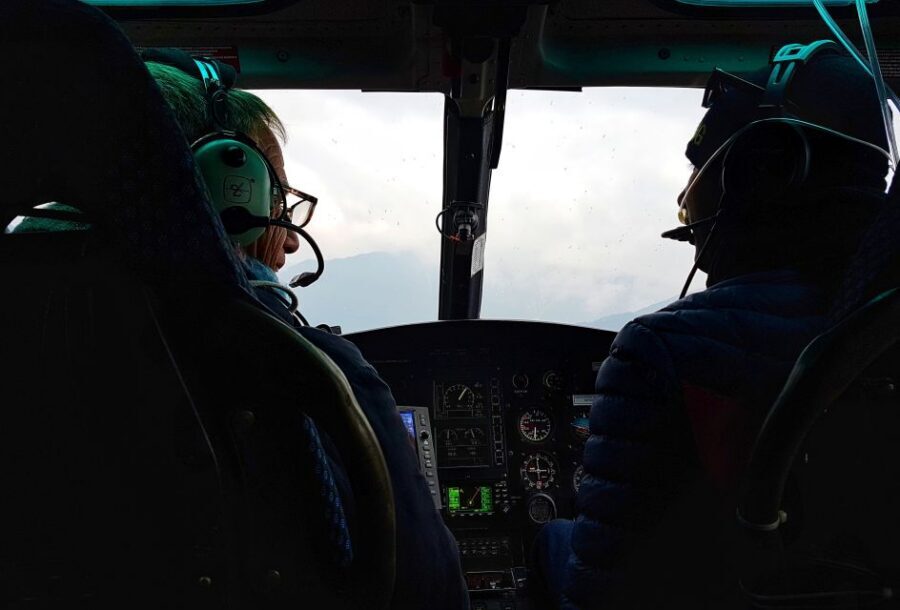
Finally, trust the guide. On past departures, guides such as Nabin Pandey were praised for clear communication and for keeping people updated about weather-driven changes. If your flight shifts, that communication can turn a stressful moment into a manageable one.
Should you book this Everest Base Camp helicopter sightseeing tour?
Book it if you’re chasing Everest views but can’t trek right now. The combination of a chartered helicopter, window-seat viewing, a guided process, and a short Everest View Hotel stop creates a high-impact experience in a realistic time window. It’s also a good match if you value calm organization over DIY planning.
Skip it (or at least reconsider) if seeing specific peaks in clear weather is your only goal. This flight is explicitly weather-dependent, and cloud cover can change what you can actually spot. Also, if your priorities include a long time on the ground near Everest, this isn’t that kind of tour.
If you can handle weather uncertainty and you want to “get the Everest fix” quickly, this is one of the most direct ways to do it.
FAQ
How long is the Everest Base Camp helicopter sightseeing tour?
The duration is 3 hours.
Where does the tour pick up and drop off in Kathmandu and nearby areas?
Pickup is available from hotels in Kathmandu and Patan, with multiple pickup options listed around Kathmandu and Bhaktapur/Lalitpur areas. Drop-off is also at several locations, including Kathmandu and the airport.
Is national park entrance or Everest View Hotel breakfast included?
National park entrance fees are not included. Breakfast at the Everest View Hotel is also not included.
How much time do you get at the Everest View Hotel?
You’re given a maximum of 45 minutes landing time at the Everest View Hotel for refreshment like tea or coffee, and breakfast if you choose to purchase it.
What size is the group and how is seating handled?
The group is limited to 5 participants. During the flight to the Everest Base Camp area, each participant gets a window seat.
What happens if weather conditions don’t allow flying?
The activity is subject to weather conditions. If flying conditions are unsuitable, it may be rescheduled for the next day or you may request a refund. Airport transfer costs may be deducted in such situations.
Is the tour wheelchair accessible?
The tour is described as wheelchair accessible only for the private option. It is not suitable for wheelchair users in the standard format.
If you tell me your travel dates (and whether you care more about clear peak views or just seeing the Everest corridor), I can help you decide if this is the right fit—or what to plan around in case weather changes your flight.