REVIEW · 3-HOUR EXPERIENCES
Pick 2-Wonders of Kathmandu: A 3-Hour Heritage Hop
Book on GetYourGuide →Operated by Cordial Trek Pvt. Ltd. · Bookable on GetYourGuide
Three hours is a fast way to see Kathmandu. This 3-hour heritage hop is built around choosing two UNESCO sites, then getting the stories behind the stones with a live guide like Nilakantha Acharya.
I especially like the chance to spot Kumari, the living goddess, and to earn those big postcard moments with 360-degree views from Swayambhunath. The only real drawback: with only three hours, you’ll be walking and climbing at temple sites, so you cannot treat it like a slow wander day.
In This Review
- Key highlights to look for on your pick
- Three hours in Kathmandu: the smart way to choose your two UNESCO sites
- Private pickup from Thamel and an AC vehicle that saves your time
- Kathmandu Durbar Square: royal palaces, Kumari tradition, and Newari craftsmanship
- Swayambhunath, the Monkey Temple: climb smart for the big views
- Pashupatinath Temple and Boudhanath Stupa: Hindu river rituals and Buddhist calm
- Patan’s Durbar Square and Kathmandu’s Durbar Square: Newari stonework without a full-day plan
- Bhaktapur Durbar Square: time-travel energy in a smaller-feeling area
- Price and logistics: what $3.94 gets you (and what it does not)
- What to bring, wear, and avoid for a smoother 3-hour day
- The guide factor: pacing, explanations, and those small extras
- Should you book Pick 2-Wonders of Kathmandu?
- FAQ
- How long is the Pick 2-Wonders of Kathmandu tour?
- Where does the pickup and drop-off happen?
- Are entrance fees included for monuments?
- Can I choose which sites to visit?
- Is this tour private or shared?
- Is the tour wheelchair accessible?
Key highlights to look for on your pick
- Choose two UNESCO World Heritage sites from a set of six, so you can match your interests
- Kumari sightings at the Kathmandu Durbar Square tradition (when she is visible in her temple)
- Swayambhunath panoramic views plus Mahachaitya and monkey-temple energy
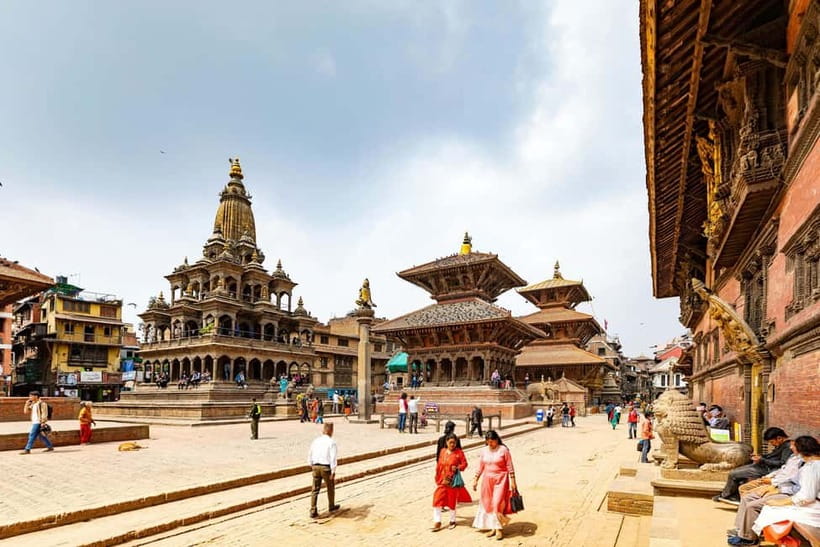
- Durbar Square royal palaces and Newari details, from Malla/Shah history to finely carved architecture
- Hindu and Buddhist contrasts in one half-day: Pashupatinath by the Bagmati River and Boudhanath’s huge stupa
Three hours in Kathmandu: the smart way to choose your two UNESCO sites
This tour is all about focus. In a place like Kathmandu Valley—where everything feels historic—you get to pick what matters most to you, then hit two sites with a guide to connect the dots. You’re not trying to do everything. You’re doing the two things you’ll remember.
The “pick 2” approach also makes it easier to plan around your energy level. If you want royal architecture and palace courtyards, choose a Durbar Square pairing. If you want spirituality and rituals, go for Pashupatinath and Boudhanath. If you want big views fast, pair Swayambhunath with a Durbar Square.
Because it’s only 3 hours, you’ll get less time at each stop than you would on a full-day tour. Still, you’ll leave with a clearer sense of Kathmandu Valley’s mix of Hindu and Buddhist traditions, plus the very human rhythms of daily religious life.
You can also read our reviews of more historical tours in Kathmandu

Private pickup from Thamel and an AC vehicle that saves your time
Your day starts with private hotel pickup and drop-off, and that matters more than it sounds. In traffic-heavy Kathmandu, shaving off travel time means you can actually spend your short visit inside the heritage sites, not stuck on the road.
You’ll ride in an air-conditioned private vehicle and get bottled drinking water. The tour also targets efficiency with things like a skip-the-ticket-line approach, so you waste less time standing around before you reach the monuments.
You meet up in the Thamel area (pickup begins there), then you return to Thamel at the end. For first-timers, that’s handy: it keeps the day inside the neighborhood where you’re likely to be staying and where you can continue your evening.
Kathmandu Durbar Square: royal palaces, Kumari tradition, and Newari craftsmanship
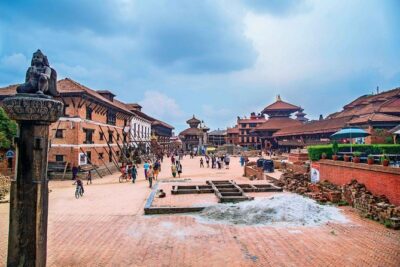
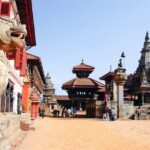
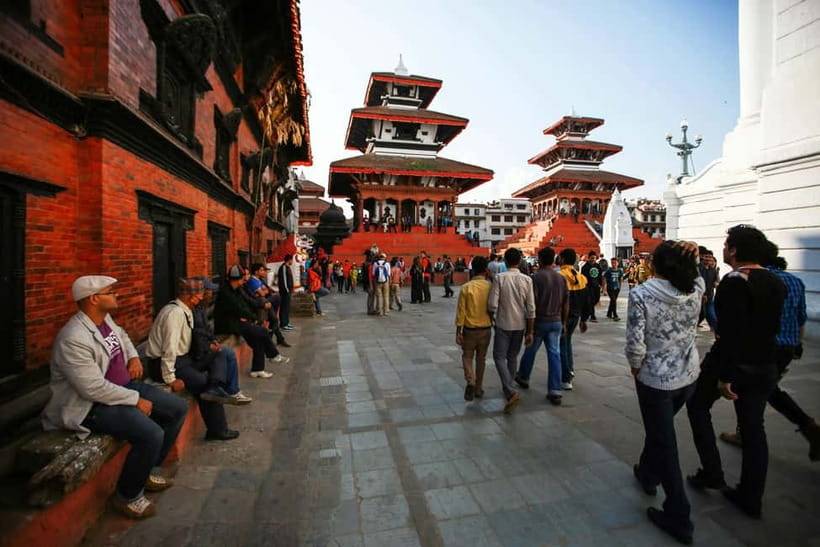
If you choose Kathmandu Durbar Square as one of your two sites, you’re stepping into a compact concentration of royal power and sacred symbolism. This is where Malla and Shah dynasty palaces live side-by-side with major features like the nine-storied Nautale Durbar. It’s a strong pick if you like architecture that shows you how rulers wanted their city to look.
One of the most talked-about moments here is the Kumari tradition—Kathmandu’s living goddess, housed in her temple. It’s rare and oddly moving even if you aren’t deep into the mythology. The guide’s job is to translate what you’re seeing into real context: how this living tradition fits into the broader Kathmandu Valley culture.
What to watch for: the Durbar Square is active, with people moving around temples and courtyards. Your guide can help you read what is otherwise easy to miss—symbols, layout, and what specific spaces are used for.
Possible trade-off: in a short tour window, you may not get long, quiet time in every corner. Plan to take it in, then keep moving while your guide keeps the story flowing.
Swayambhunath, the Monkey Temple: climb smart for the big views
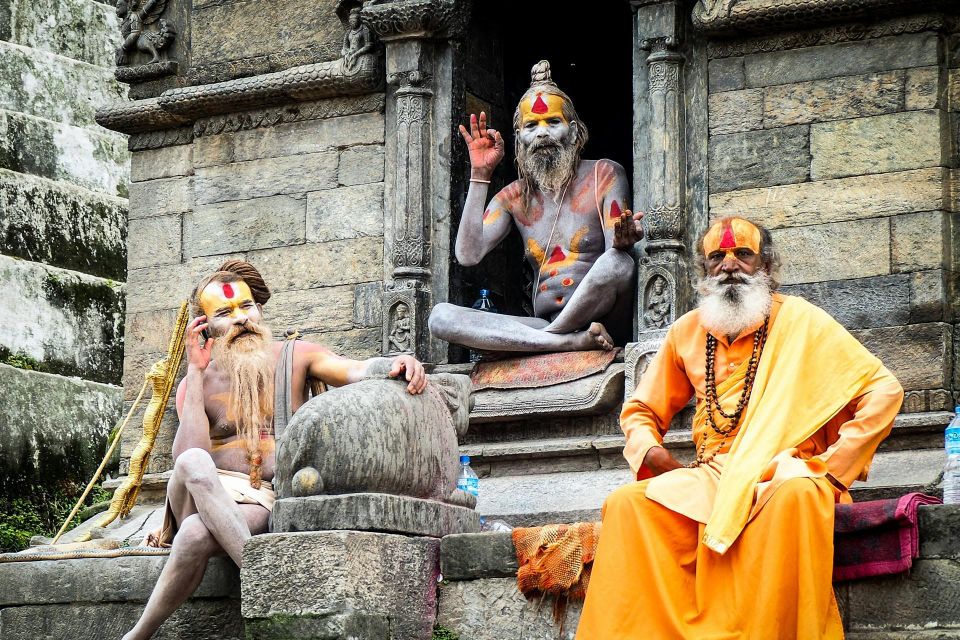
Pairing Kathmandu Durbar Square with Swayambhunath (The Monkey Temple) is a classic reason-to-do-it combo: royal city center first, then a hilltop viewpoint that spreads Kathmandu out below you.
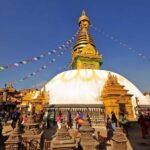
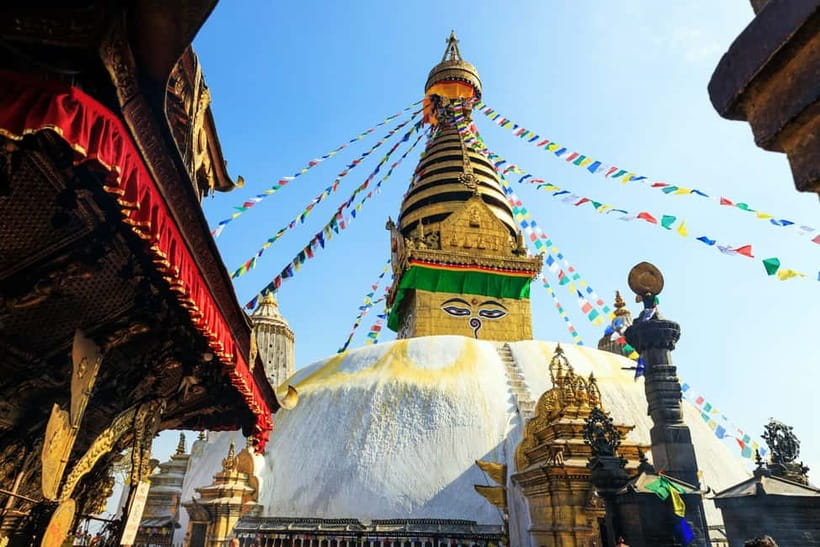
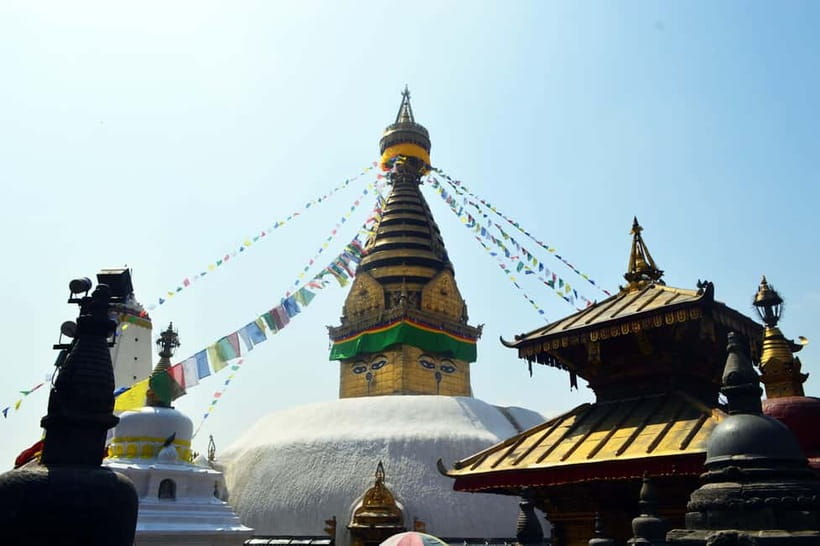
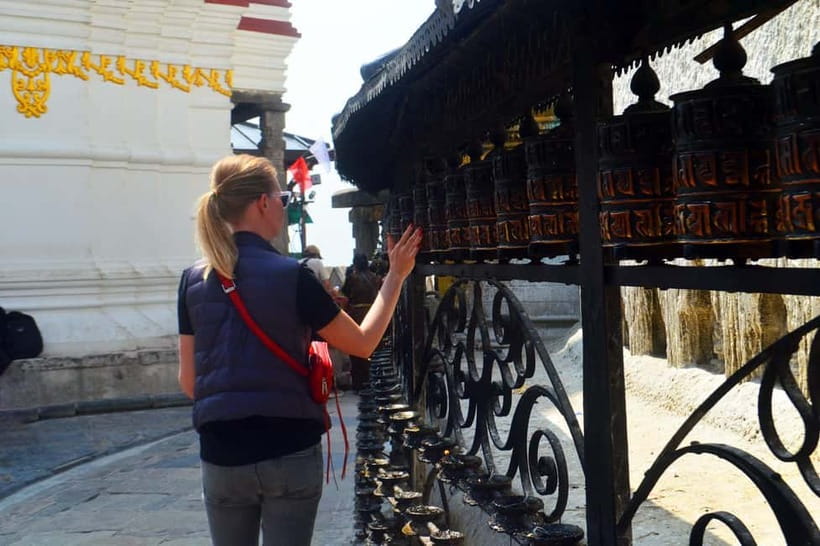
Swayambhunath is UNESCO-listed, and it’s famous for the Mahachaitya, a key stupa element you’ll want to locate early so you understand the layout as you walk around. You’ll also encounter playful monkeys along the way. It’s not just a zoo moment—it’s part of how the site feels like a lived-in religious landscape where the natural world and worship coexist.
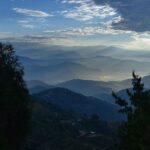
The best payoff is the 360-degree panorama of the Kathmandu Valley. This is the kind of view that helps everything click: you start to see how temples, neighborhoods, and river corridors relate across the city. Even in haze or cloudy light, the scale still lands.
Practical note: this stop involves stairs and walking on uneven surfaces. In three hours, you’ll want comfortable shoes and a pace that lets you enjoy the viewpoint, not just survive it.
Pashupatinath Temple and Boudhanath Stupa: Hindu river rituals and Buddhist calm
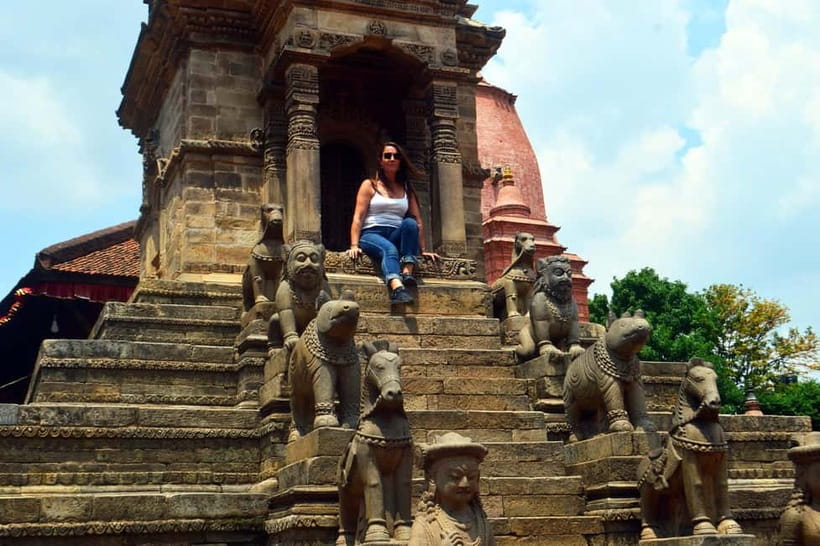
If your interests lean spiritual—without being museum-only—Option 2 is strong. It pairs Pashupatinath Temple with Boudhanath Stupa, and that contrast is the whole point.
At Pashupatinath, the focus is Lord Shiva and the sacred Bagmati River. Depending on timing, you may see traditional cremation rituals along the banks. That’s not something to treat as a sightseeing photo-op. It’s a living practice with symbolism, and a good guide helps you understand what you’re seeing so you can witness respectfully instead of just gawking.
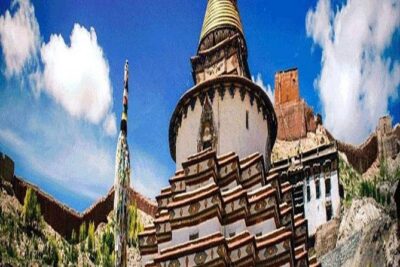
Then you shift to Boudhanath, where the mood changes quickly. This colossal Buddhist stupa is UNESCO-listed and described as the largest mandala in Nepal. It’s also tied to the ancient trade route to Tibet, which adds a historical layer to the peace you feel there.
What to look for: at Boudhanath, let your eyes adjust. The scale can be surprising. The guide can also help you recognize key features so you don’t just look at the stupa, you understand how it’s meant to be experienced.
Why this pairing works: it shows Kathmandu Valley as a shared spiritual home rather than two separate attractions. In one half-day, you see Hindu river ritual energy, then Buddhist stupa serenity.
You can also read our reviews of more tours and experiences in Kathmandu
Patan’s Durbar Square and Kathmandu’s Durbar Square: Newari stonework without a full-day plan
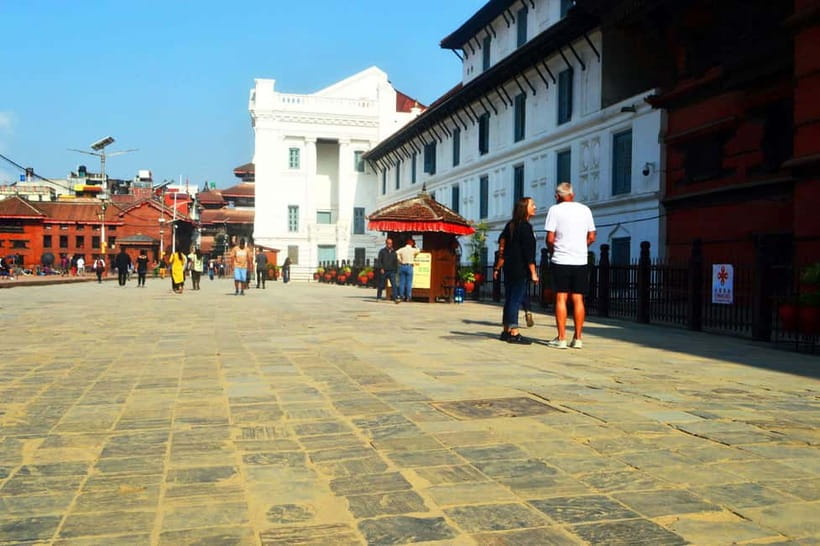
If you’re choosing the Royal Squares idea—Patan Durbar Square plus Kathmandu Durbar Square—you’re basically telling the city you want the craftsmanship first. Patan (Lalitpur) is known for intricate Newari architecture, and its Durbar Square has the UNESCO status to match. The red brick pavement and the density of temples and statues give you a very different texture from Kathmandu’s core.
Then you add Kathmandu Durbar Square, so you’re comparing two related royal centers rather than jumping between unrelated themes. That comparison helps you understand what’s shared across the Valley, and what each place does differently with layout, carvings, and ceremonial spaces.
This is the option I’d lean toward if you’re the type who likes details—doorways, courtyards, the way artisans shaped stone into something meant to be looked at for centuries. In a short time frame, it’s also efficient: you stay in the Durbar Square world of palaces and sacred architecture rather than switching religions and site styles back-to-back.
Bhaktapur Durbar Square: time-travel energy in a smaller-feeling area
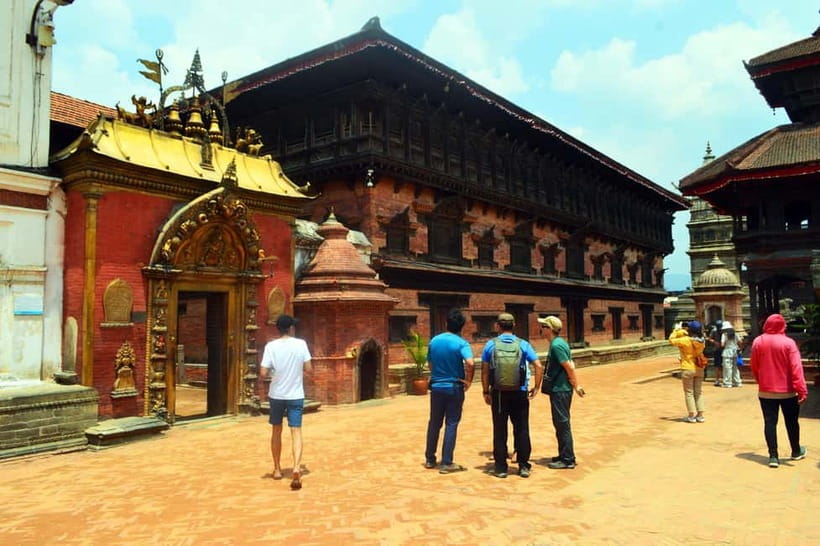
Bhaktapur Durbar Square is the “slow down, old-world” choice. It’s UNESCO-listed and described as the largest Durbar Square in Nepal within the smaller district of Bhaktapur, with four smaller squares feeding into it.
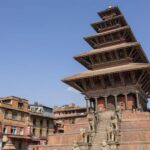
This is also where the Nyatapola Temple earns attention. It’s five-storied and noted as Nepal’s tallest. If you like temples that feel like they were built to dominate the skyline, this is your stop.
In a 3-hour format, Bhaktapur is still doable, but it’s not a casual stroll. You’ll be moving through compact heritage streets and courtyards where the architecture does the heavy lifting. Bring your camera, but also plan to look up.
Price and logistics: what $3.94 gets you (and what it does not)
At about $3.94 per person, the headline price is almost too good to be true—until you read what’s included. This price is primarily about access to the people and transport part of the day.
What you do get:
- Hotel pickup and drop-off
- An experienced tour guide
- An air-conditioned private vehicle
- Bottled drinking water
- A tour covering any two of the 6-World Heritage sites
- Skip the ticket line
What you do not get:
- Monuments entrance fees (not included, though an add-on option may be available)
- Meals and beverages
So the value is strongest if you want someone to organize the stops and explain what you’re seeing, plus you want a smooth half-day with minimal friction. If you already have a plan to navigate alone and you’re fine with your own timing, you may feel less impact from the guided portion.
But for most first-timers with limited time, the combination of pickup, transport, and interpretation is the real bargain.
What to bring, wear, and avoid for a smoother 3-hour day
This kind of heritage hop rewards simple preparation.
Bring:
- Passport
- Cash
Wear:
- Comfortable walking shoes. Durbar Squares and temple areas involve uneven ground and stairs.
Avoid:
- Luggage or large bags
- Alcohol and drugs
Also keep expectations realistic about accessibility and age limits. The tour is listed as not suitable for wheelchair users, not for babies under 1, and not for people over 95. If you’re unsure whether your mobility will handle temple steps and courtyards, treat that as a deciding factor.
Good to know on timing: you’ll be asked to wait 5–10 minutes before pickup at your hotel lobby or your apartment entrance. That keeps the whole day on schedule.
The guide factor: pacing, explanations, and those small extras
The biggest difference-maker in a short, high-impact tour is how the guide manages time. In this experience, guides like Nilakantha Acharya are praised for clear explanations of Durbar Square and Swayambhunath, and for adapting the pace based on what you care about.
You can also benefit from practical storytelling around rituals and symbols. One of the most useful moments people describe is when the guide explains what’s going on during temple ceremonies—rituals, symbols, and meaning—so the site stops being a set of impressive buildings and becomes a place with logic.
You may also get helpful photo support. Some guides have shared that they take plenty of photos and send them afterward, which is a nice extra when you’re trying to enjoy the view instead of juggling your camera nonstop.
Should you book Pick 2-Wonders of Kathmandu?
Book it if:
- You have only a half-day and want real UNESCO time, not just wandering.
- You want a guide to explain what you’re seeing—especially at places like Kumari tradition sites or during active river and stupa settings.
- You value private pickup and a smooth return to Thamel more than building your own route from scratch.
Skip it (or switch to something longer) if:
- You need slow, unhurried time for photos and quiet corners at each site.
- You have mobility limits that will make stairs and uneven temple paths difficult.
- You’re not interested in guided interpretation and are mainly after independent exploration.
My practical bottom line: this is a smart “Kathmandu first taste” tour. If you choose your two sites well—Durbar Square plus Swayambhunath for views and royal architecture, or Pashupatinath plus Boudhanath for religion and atmosphere—you’ll leave with more understanding than you expected from only 3 hours.
FAQ
How long is the Pick 2-Wonders of Kathmandu tour?
It lasts 3 hours.
Where does the pickup and drop-off happen?
Pickup is from Thamel (or your hotel lobby/apartment entrance, depending on where you’re staying), and the tour returns you to Thamel.
Are entrance fees included for monuments?
No. Monument entrance fees are not included, though there may be an add-on option.
Can I choose which sites to visit?
Yes. You can choose any two from six UNESCO World Heritage sites. The options listed include pairings like Kathmandu Durbar Square with Swayambhunath, and Pashupatinath with Boudhanath.
Is this tour private or shared?
It’s a private group.
Is the tour wheelchair accessible?
No. It is not suitable for wheelchair users.