REVIEW · HIKING & TREKKING
Makalu Base Camp Trek
Book on Viator →Operated by Bodhi Tree Tours Travel and Treks · Bookable on Viator
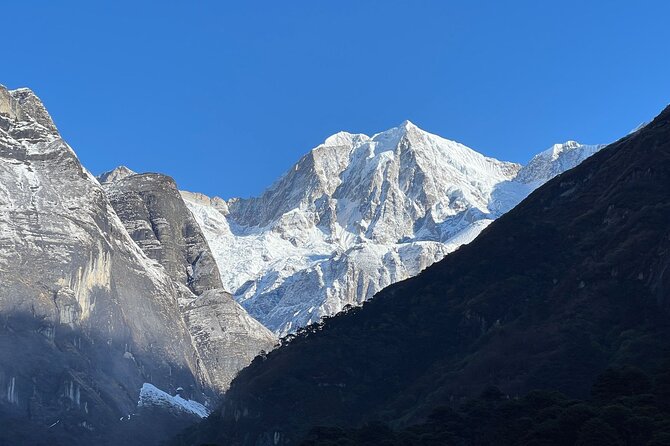
Makalu Base Camp feels gloriously off the map. This is one of Nepal’s wilder routes, pushing into Makalu-Barun National Park where the trail stays calm and wildlife-filled. I especially like the quiet feeling on fewer-used paths and the rare angles on Mt. Makalu with big Himalayan neighbors in view. The trade-off is that it is not a gentle walk: you’ll cross high passes around 4,150–4,170m and the itinerary includes long, steep days when weather and altitude demand respect.
What makes this trek easier to plan is how much is handled for you: pickup is offered, you get a mobile ticket, and you fly from Kathmandu to Tumlingtar before an off-road drive into the park. The team I’d lean on here is the Bodhi Tree setup, including guide Pujan and the crew around David and Raj, who helped keep the whole experience organized and grounded for past trekkers. The company also provides key gear on request (sleeping bag, trekking poles, and crampons), plus an English-speaking guide, maps, and first-aid support.
In This Review
- Quick hits: what stands out most on this trek
- Why Makalu Base Camp stays quieter than the Everest crowd
- Price and value: what you really get for $1,750
- Kathmandu to the park: flights, off-road driving, and early starts
- The walking rhythm: farms, forests, rivers, and ridge hikes
- Shipton La and Keke La: the hard day that pays back
- Reaching base camp: Makalu Base Camp days and optional glacier time
- The descent: retracing steps and resetting your body
- Tea houses, food, water, and how to budget for comfort
- Guides, organization, and the team tone you want at altitude
- Gear and fitness: what you should bring even if gear is provided
- Who should book this Makalu Base Camp trek
- Before and after trekking: the comfort reset that helps
- Should you book Makalu Base Camp with Bodhi Tree Tours?
- FAQ
- How long is the Makalu Base Camp trek?
- What is included in the $1,750 per person price?
- Are flights and transport within Nepal included?
- Does the tour include trekking gear like poles and a sleeping bag?
- Is bottled water, coffee, or tea included?
- Do I need my own personal travel insurance?
- What is the meeting point and start time in Kathmandu?
- What happens if weather prevents the trek or I cancel?
Quick hits: what stands out most on this trek
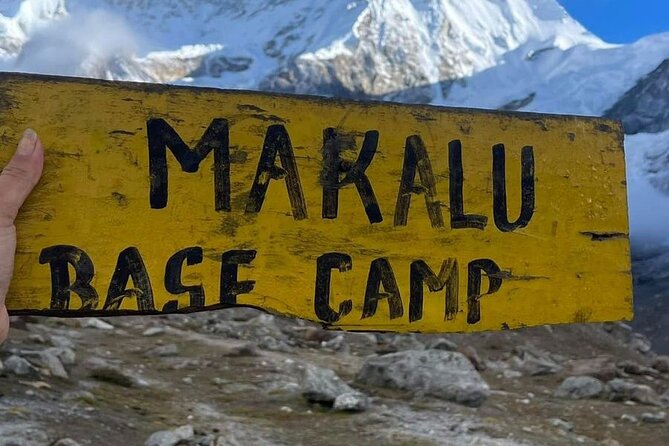
- A quieter Himalayan feel: this route sits deeper into Makalu-Barun National Park instead of the most crowded trekking corridors
- You’ll work for views: big mountain sightlines show up after long climbs and pass crossings near 4,000m+
- Gear support on request: sleeping bag, trekking poles, and crampons can be provided
- Flights included from Kathmandu to Tumlingtar: built into the package to cut down on logistics stress
- Tea-house trekking, with basic nights near base camp: expect real mountain simplicity when you get higher
- Strong team energy: past experiences mention smooth organization and standout guide support from Pujan and the team
Why Makalu Base Camp stays quieter than the Everest crowd
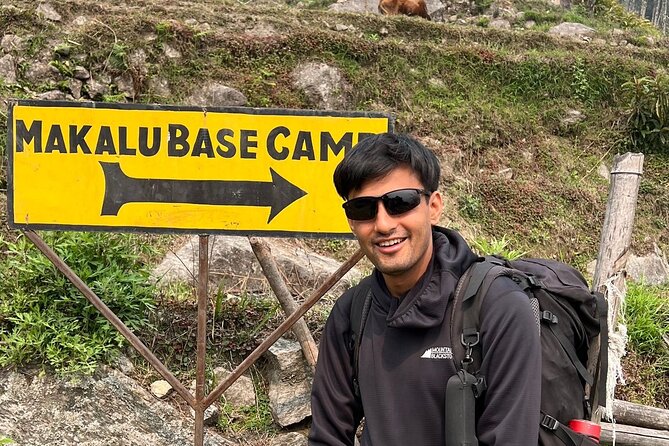
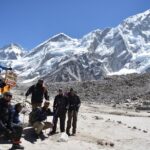
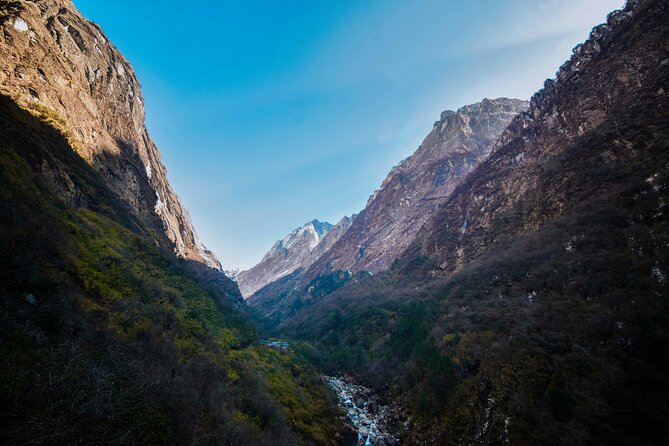
If you’ve ever trekked on a trail where you can hear other groups before you even see them, you’ll understand why Makalu feels special. This route runs through Makalu-Barun National Park, and the whole vibe is slower. You’re walking where nature is doing most of the talking—waterfalls, forest edges, river valleys, and that stillness that only comes when the number of trekkers drops.
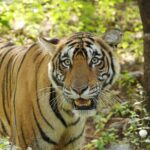
The area also has a strong wildlife and plant story. You might spot red pandas, Himalayan thars, and colorful birds, and you’ll move through forests with rhododendrons and medicinal plants. That matters because it turns the trek from a straight line to a checklist into a walking day where you can actually notice what’s around you.
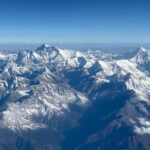
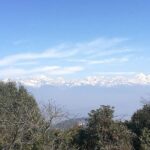
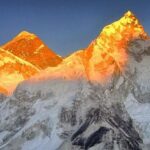
And then there are the views. Makalu is the star, but the trail also gives you distinct sightlines toward Everest, Lhotse, and Baruntse from angles you won’t get from the main routes. The mountains feel close, not just large—like you can read the shape and texture of the ridges as you climb.
You can also read our reviews of more hiking tours in Kathmandu
Price and value: what you really get for $1,750
At $1,750 per person, you’re not paying for a flight-only package. You’re paying for a supported trekking system that takes care of the heavy logistics and safety basics.
Here’s what’s included that usually costs real money if you try to cobble it together yourself:
- Round-trip flights between Kathmandu and Tumlingtar
- A guide (English-speaking) plus porters/crew coverage, including their daily allowances and insurance
- Maps, first-aid kits, and all fees and taxes covered
- Meals during the trek: breakfast (14), lunch (14), dinner (15) with items from the menu
- Essential gear on request: sleeping bag, trekking poles, and crampons
- Pickup offered and a mobile ticket for easier day-to-day handling
What’s not included is equally important for budgeting:
- Bottled water, and you’ll likely want a refillable bottle
- Coffee and tea at tea houses
- Alcoholic beverages
- Visa fee and your own personal insurance
- Private transport (local transport is used as planned)
For me, the value comes from how much reduces uncertainty. Flights are already built in. Your guide and team support aren’t an extra add-on. And when you’re doing high-altitude trekking, those “boring” details—insurance, first aid, gear—are exactly what make the trip feel calmer.
Kathmandu to the park: flights, off-road driving, and early starts
The meeting point is Tribhuvan Airport in Kathmandu, and the start time is listed as 12:15 am. That means you should be mentally ready for an early, no-fuss start.
Day 1 begins with a 45-minute flight, then a 4–5 hour off-road drive. This part matters more than people think. The drive brings you into the park area and sets the tone: you’re not just arriving at a trailhead, you’re being transported into a remote ecosystem where services are limited and the next few days will run on the rhythm of tea houses and trekking hours.
You’ll sleep in a teahouse that first night. That’s a good baseline: you’re not jumping straight into the harshest conditions before you’ve had a chance to settle.
The walking rhythm: farms, forests, rivers, and ridge hikes
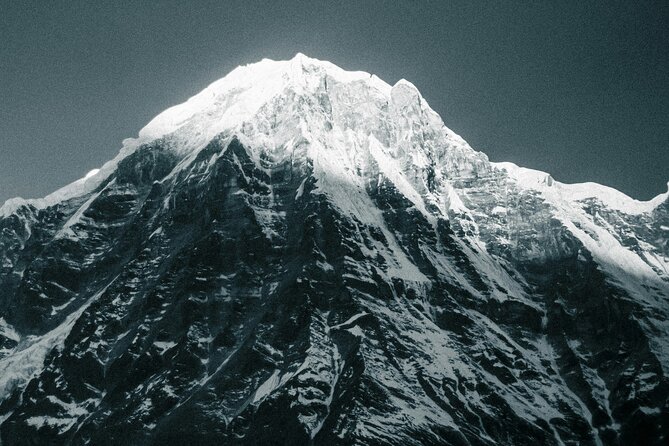
The middle days of the trek are where the character of the area becomes obvious: gradual movement through mixed terrain, then harder pushes that force you to slow down and breathe.
Day 2 is a classic river-valley pattern: a steep descent to the Arun River, then a steep climb up to Seduwa. Expect the legs to feel it. This is the kind of day that doesn’t require fancy trails—just steady pacing and patience.
Day 3 eases into motion with a gradual walk through farms and forests. It’s still trekking, but the rhythm feels more like travel through living land rather than a constant grind uphill.
Day 4 brings the uphill back: long climbs through forest and meadows, with 6–7 hours on the clock. This is also the sort of day where weather can change quickly, so pack layers you can adjust without drama.
Day 5 is your acclimatization day with short hikes to nearby ridges. This matters because you’re not trying to “win” altitude. You’re training your body to handle elevation while still keeping your energy for the more demanding pass day later.
Days 6–8 start stacking in the good stuff. You’ll walk through rhododendron forests and river valleys, then move into gradual ascent with valley views. These are the days where you’ll want to take pauses on purpose—look up, not just at your footing.
Shipton La and Keke La: the hard day that pays back
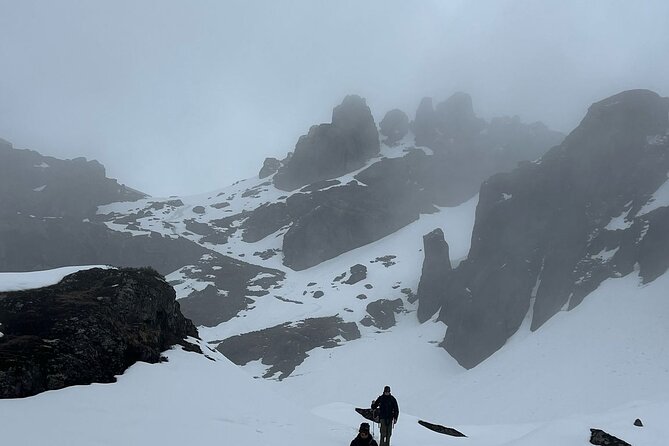
Day 6 is the big pass day. You’ll cross Shipton La (4,170m) and Keke La (4,150m), and the trek time is listed as 6–7 hours. This is one of those days where the effort feels relentless, even if the route is straightforward. When the altitude rises, every uphill step costs more than it did at lower elevations.
The benefit is that pass crossings usually deliver some of the cleanest mountain perspective of the trip. Even when visibility is limited, the physical shift—wind, thinner air, colder air—makes it feel like you’ve crossed into the high Himalaya for real.
Practical tip: keep your pace steady and your stops short. On a day like this, you don’t need a long break every time your breath shortens. You need rhythm.
Reaching base camp: Makalu Base Camp days and optional glacier time
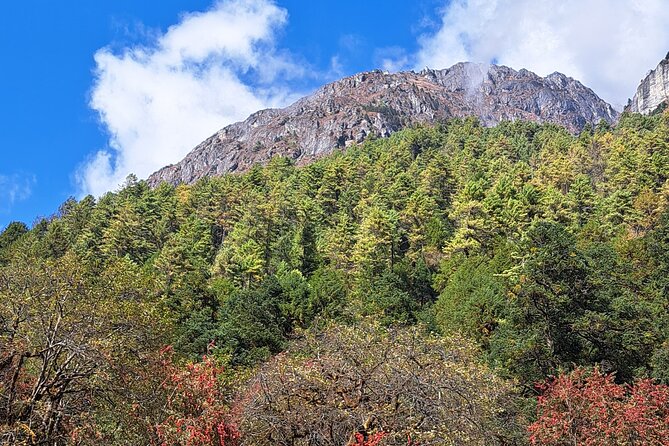
Day 9 is when the trek’s payoff becomes concrete: you climb toward Makalu Base Camp with incredible Himalayan views over 6–7 hours. You’ll sleep in a basic lodge or tented setup. That’s a shift from comfort, and it’s the kind of shift you should expect. Higher altitude usually comes with fewer creature comforts, and the trade is space to feel the mountain directly.
Day 10 adds optional movement toward Barun Glacier. This is your chance to extend the experience beyond just arrival. If conditions allow, side hikes can be a great way to explore, stretch your legs, and get more variety in what you see around the base camp area.
Both nights are listed as teahouse or tented camp options. That flexibility is useful, but you should still plan for colder evenings. Bring warm layers and treat your sleeping setup like part of your survival kit, not a convenience.
The descent: retracing steps and resetting your body
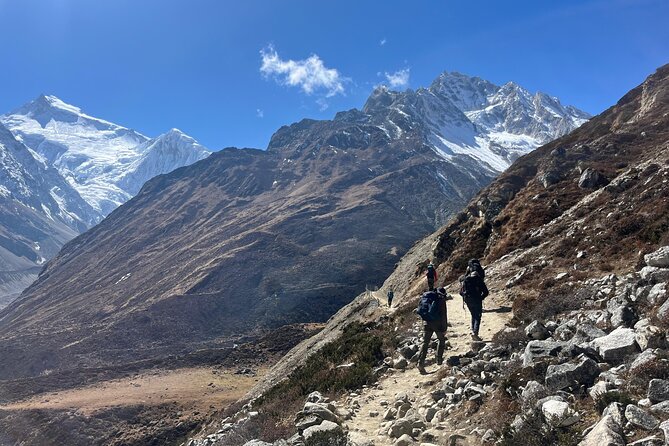
After base camp, the trail goes back through what you already know, but it still isn’t easy. Day 11 is listed as a 7-hour retrace down. Descents can be tougher than they look because your knees and ankles take the hit. If you’ve been walking smart, you’ll feel tired, not destroyed.
Days 12 and 13 keep the pace moderate in hours (6–7 and 5–6), with continued trekking on the teahouse circuit. Day 14 is a long descent over 6–7 hours, which usually means more time on your feet but less time fighting steep climbs.
Day 15 finishes with about 4 hours of trekking, then a 4–5 hour drive, and the option to fly Tumlingtar to Kathmandu either the same day if timing matches, or the next morning. That gives you flexibility, but also means you should keep your Kathmandu plans light and avoid tight, same-day commitments.
Tea houses, food, water, and how to budget for comfort
This is a supported trekking experience, and the package includes:
- Breakfast (one item from the menu)
- Lunch (one item from the menu)
- Dinner (one item from the menu)
That structure helps a lot. You don’t have to decide what to eat or hunt for meals along the way. You can focus on trekking, hydration, and rest.
What you do need to plan for:
- Bottled water is not included. You can buy it along the trail or refill at tea houses. I recommend a refillable water bottle to keep things sustainable and cheaper.
- Coffee and tea are not included. Tea houses usually have them, but you’ll pay extra if you want it daily.
- Alcoholic beverages aren’t included either.
A practical approach is to keep tea/coffee as a treat rather than a default, then use water and simple carbs as your steady fuel. On high-altitude treks, consistency beats chasing variety.
Guides, organization, and the team tone you want at altitude
One of the strongest signals from past experiences is how professional and organized the team feels. People specifically thanked the staff for keeping the trek smooth and for showing the remoteness in a way that feels respectful, not forced.
In particular, names came up: Pujan, David, and Raj. That’s a good sign. In trekking, you’re relying on people you can trust when weather shifts or when your body is tired. You want clear communication, calm logistics, and a plan that makes sense hour to hour.
Also note the package includes guide and porter insurance and first-aid kits. It’s not exciting on paper, but it’s exactly the stuff that helps when you’re hours from a town.
Gear and fitness: what you should bring even if gear is provided
Gear is provided on request: sleeping bags, trekking poles, and crampons. That’s a big help if you’re trekking without buying expensive cold-weather gear before you go.
Still, you should think of included gear as the baseline. You’ll want your own essentials, like layers that handle cold nights, a system for water refills, and something to protect you from wind during pass areas. You’ll also want to prepare for the fact that this trek is best suited to people with moderate physical fitness.
And yes, there’s a hard day. The pass day is listed as challenging, and that should guide how you train beforehand. Build walking stamina, get used to hills, and practice slow steady pacing rather than sprinting between breaks.
Who should book this Makalu Base Camp trek
This trek is a strong match if you:
- Want remote, quieter trekking instead of the most crowded Himalayan routes
- Enjoy wildlife-rich walks through forests and river valleys
- Prefer a guided experience with solid logistics handled for you
- Are comfortable with long trekking days and high passes around 4,150–4,170m
It’s not the best fit if you’re looking for a relaxing vacation stroll. The route includes long hours, steep climbs and descents, and nights that become basic as you get closer to base camp.
One more thing: this experience can be especially satisfying if you like cultural contact in small doses. The area includes communities such as Rai, Sherpa, and Bhotiya, and the trek includes time through places where that day-to-day local life matters.
Before and after trekking: the comfort reset that helps
A small but meaningful detail from the experiences tied to this provider is that there’s a nice place to relax around the trek period. People noted that the Bodhi Boutique Hotel rooms feel good for recovering before and after your trek. That’s not just “nice.” Sleep quality and a real shower day can make a difference when your body has been working hard for nearly two weeks.
Should you book Makalu Base Camp with Bodhi Tree Tours?
If you want a supported, quieter Makalu Base Camp trek with included flights, meals, park fees, and a team that handles the details, this is a very reasonable choice. The price isn’t cheap, but you’re paying for safety structure (insurance, first aid), guide support, and logistics that would otherwise eat time and energy.
I’d book it if you’re driven by the idea of fewer people on the trail, genuine nature walking, and payoff views that come after real effort. I’d pause if you’re very sensitive to altitude, dislike long steep days, or need frequent comfort stops beyond simple tea-house life.
If you’re ready to respect the mountains and keep a steady pace, this trek delivers the kind of remote Himalayan experience that you’ll remember long after the trail dust settles.
FAQ
How long is the Makalu Base Camp trek?
The trek is listed as 15 days (approx.).
What is included in the $1,750 per person price?
Your package includes meals during the trek, all fees and taxes, round-trip flights from Kathmandu to Tumlingtar, an English-speaking guide with maps, sleeping bags and trekking poles (and crampons on request), first-aid kits, and guide and porter daily allowances (plus their insurance).
Are flights and transport within Nepal included?
Flights between Kathmandu and Tumlingtar are included. Private transportation is not included; local transport is used according to the plan.
Does the tour include trekking gear like poles and a sleeping bag?
Yes. Sleeping bags and trekking poles are provided in request, and crampons are also provided in request.
Is bottled water, coffee, or tea included?
Bottled water is not included, and coffee/tea are not included. You can buy or refill water at tea houses along the trail.
Do I need my own personal travel insurance?
Yes. Personal insurance for the guest is not included, though guide and porter insurance is included.
What is the meeting point and start time in Kathmandu?
The meeting point is Tribhuvan Airport in Kathmandu, Nepal, with a start time listed as 12:15 am.
What happens if weather prevents the trek or I cancel?
This experience requires good weather. If it is canceled due to poor weather, you’ll be offered a different date or a full refund. Cancellation is free up to 24 hours in advance for a full refund.