REVIEW · HIKING & TREKKING
Ranikot Village Hiking in Kathmandu
Book on Viator →Operated by Trekking Trail Nepal · Bookable on Viator
Ranikot is one of those Kathmandu day trips that feels like a real escape. You’ll start at a Ganesh temple near Bhaktapur, then move into forested hills and small villages with chances to slow down and look around. I also like that the day is built for comfort: a traditional vegetarian buffet lunch plus coffee or tea keeps the energy steady for the full hike.
One thing to plan for: this is about a 9-hour outing on foot. If you’re not used to outdoor walking, bring realistic expectations for pace and use the “go at your own pace” promise to your advantage.
The setup is straightforward and practical. You’ll travel using public transportation for a more local feel, and you’ll have a guide with you the whole time, even though it’s private. If you’re there on a Tuesday, the Ganesh temple can be packed with pilgrims, which can be special—or just a bit intense, depending on your vibe.
In This Review
- Key moments worth planning around
- Getting out of Kathmandu the right way: Suryabinayak Ganesh Temple
- The hike itself in Ranikot Village: forest hills and village life
- Kushadevi Temple and the cultural rhythm of the day
- Panauti Museum: breaking up the trail with something indoors
- Included food and water: why the lunch matters more than you think
- Price and value: what $59 covers for a 9-hour day
- Logistics that affect your comfort: meeting point, duration, and pace
- Who this hike is best for (and who should rethink it)
- Practical tips so your day feels smooth
- Should you book Ranikot Village Hiking?
Key moments worth planning around
- Suryabinayak Ganesh Temple first: a clear cultural start before you hit the hills
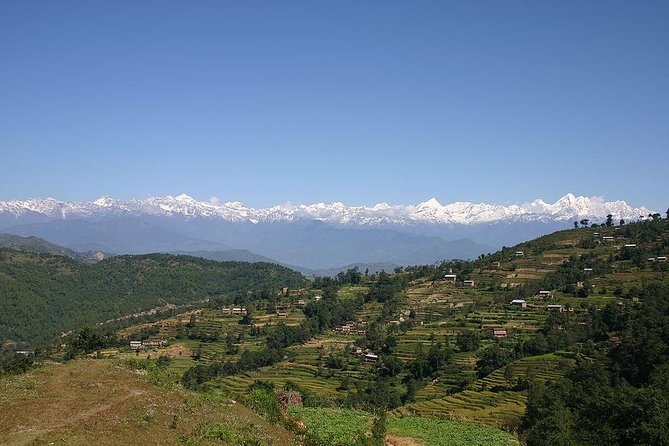
- Ranikot Village hiking through forested hills and small settlement stops
- A private pace with your guide nearby the entire day
- Kushadevi Temple as a mid/late-day spiritual break
- Panauti Museum for a change of pace before heading back to Kathmandu
- Lunch + coffee/tea included, plus bottled water to keep you going
Getting out of Kathmandu the right way: Suryabinayak Ganesh Temple
Most Kathmandu day tours rush. This one starts calmly, with a temple visit that sets the tone for the whole hike.
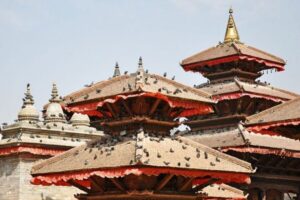
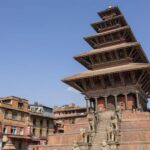
You begin at the Suryabinayak Ganesh Temple area, known for its elephant-headed Ganesh. The temple sits on the side of Bhaktapur Town, up on a green hill forest edge, so even before you lace up, you’re already in a different world than city streets. This isn’t just a quick photo stop. It’s the spiritual “warm-up,” and it helps you understand what you’re about to walk through—villages where daily life and worship are close neighbors.
A useful detail: every Tuesday, the temple is full of Hindu pilgrimage. That can mean more people, more activity, and a more “in motion” atmosphere. If you like watching rituals and everyday devotion, Tuesday sounds like a great fit. If you prefer quieter starts, any other day might feel more manageable.
Practical tip: wear outdoor footwear that can handle uneven ground around temple areas. Even if you think you only need “regular walking shoes,” Nepal temple approaches can be rough and dusty.
You can also read our reviews of more hiking tours in Kathmandu
The hike itself in Ranikot Village: forest hills and village life
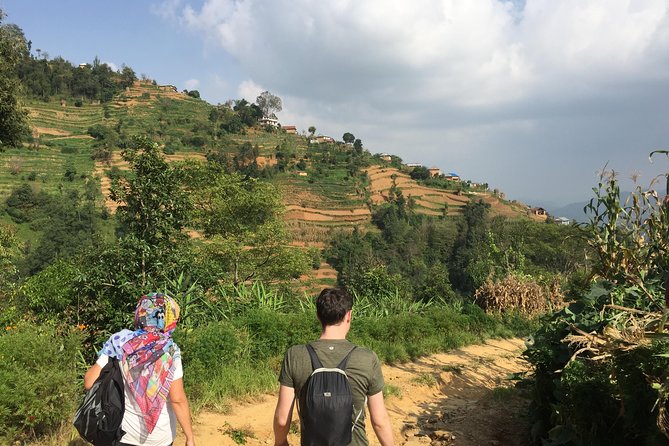
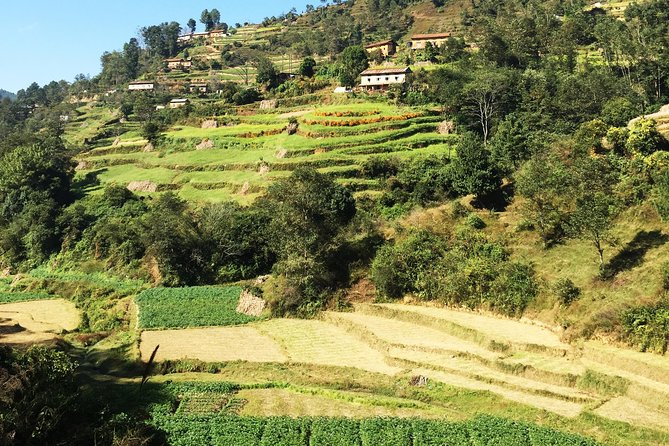
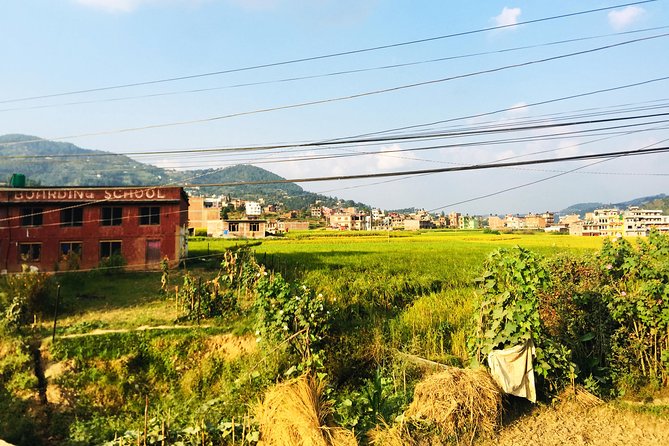
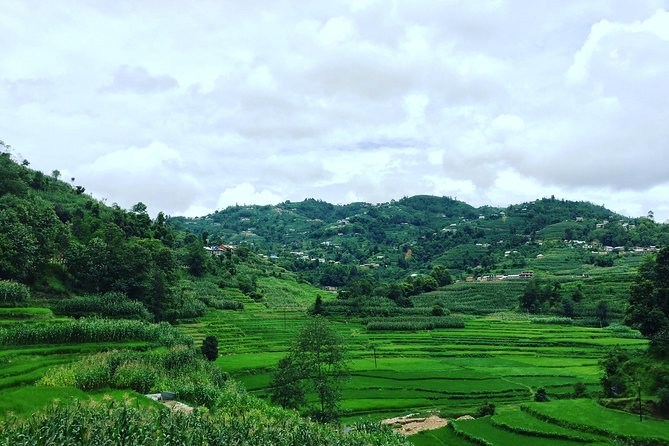
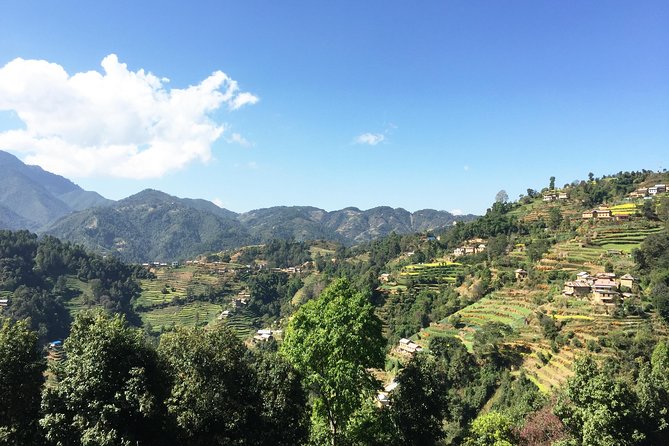
After the temple start, you head into the Ranikot Village hiking area—forested hills, footpaths, and small village glimpses. The route is designed for a full day, not a quick stretch of trails. That matters because it changes how you experience the countryside: you can notice small things—how fields sit on slopes, how homes are arranged, and how people move through the same paths day after day.
The big promise here is variety without chaos. You’ll be hiking through green forested hills, and you’ll also pass small villages. That combination is what makes the day feel balanced: you get nature views plus real human context.
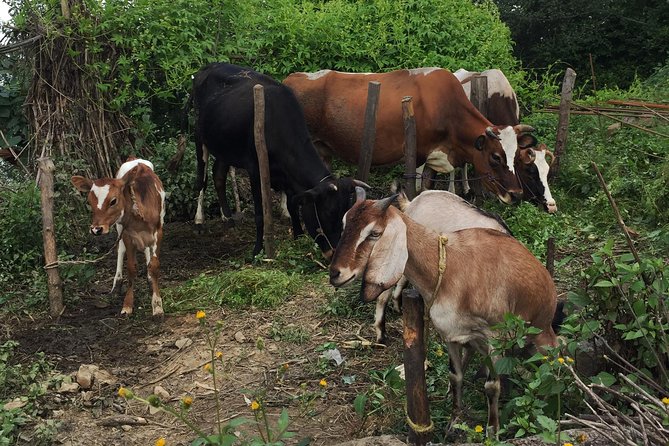
One of the standout themes from the best days on this outing is food and people. The lunch is frequently described as excellent, and there’s also a clear feeling of connection—chats with local farmers and seeing different kinds of farming along the way. You shouldn’t count on a formal explanation from every person you meet, but you can expect plenty of casual opportunities: kids waving, farmers working in fields, and locals who are used to being part of the rural landscape.
My advice: go slow on the first part of the walk. If you rush, you’ll miss the little moments that make the hike memorable. Use the “go at your own pace” approach and let your guide set a comfortable rhythm. You still get the structure of a guided day, but you aren’t forced into marathon tempo.
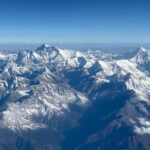
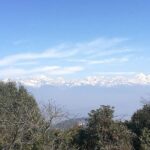
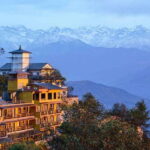
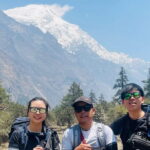
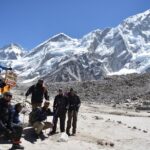
Also, don’t forget the view goal. One of the highlights is spotting snow-capped Himalayan peaks around you. The mountains don’t always show clearly, depending on weather and cloud cover, but when the air is good, that contrast—Himalayas above and forest hills below—is a real reward.
Kushadevi Temple and the cultural rhythm of the day
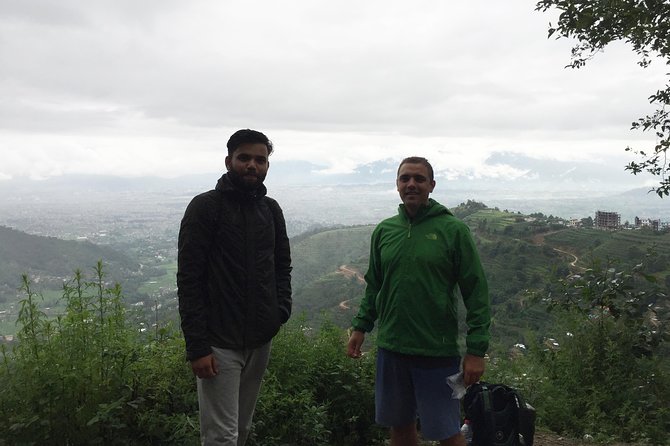
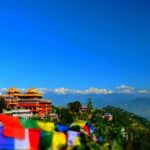
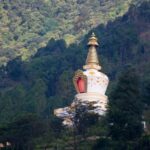
As the day moves forward, you’ll reach Kushadevi Temple. This stop is part of what makes the hike feel like more than walking from point A to point B. Temples also act like natural pauses. Your legs get a brief reset, and your brain shifts gears.
What I like about including a temple later in the day is timing. At that point, you’re no longer thinking only about distance. You start paying attention to details—prayers, offerings, how people interact, and what’s meaningful in everyday religious space. It’s a reminder that the villages you’re walking through aren’t “scenery.” They’re lived-in communities.
A small consideration: like most religious sites, you’ll want respectful behavior and appropriate attire. The tour’s dress code is formal outdoor gear, which is a helpful clue. You don’t need a suit, but you should expect a step up from casual streetwear—think breathable layers, modest clothing, and shoes you’re comfortable walking in for hours.
If the morning was busy (especially if it was Tuesday at the Ganesh temple), Kushadevi can feel either calmer or equally active. Either way, it’s a meaningful mid-to-late-day focus.
Panauti Museum: breaking up the trail with something indoors
After the temple stop, you’ll visit Panauti Museum. This is a smart inclusion for a long hiking day. By then, you’ve already been outside, so museum time gives you a chance to sit, cool down a bit, and reconnect with culture in a more grounded way.
You don’t need to be a museum person to appreciate this kind of stop. For one, it helps you avoid the “all day outdoors” fatigue that can hit even fit hikers. For another, it adds context to the broader area you’re moving through. You’ll also likely enjoy it more because you’ve already been walking through the same region, seeing how village life connects to the traditions and identity museums often explain.
Don’t plan to sprint through it. Even if it’s short on your schedule, take time to look around slowly. It’s the kind of place where a few moments of attention can change the feel of the day from walking exercise into real understanding.
Included food and water: why the lunch matters more than you think
The best part of this day trip isn’t the viewpoint. It’s the steady fuel.
You get a traditional vegetarian buffet lunch, plus coffee and/or tea, and bottled water. That combination is practical in a very Nepal-real way: after hours on foot, you want something satisfying that’s not complicated. A buffet also makes life easier with group flow. You can pick what you want without waiting for a plated meal.
In the strongest feedback, people consistently call out the lunch as excellent. That’s a big deal. When a day hike includes good food, it changes how hard the hike feels. You’re less likely to slow down dramatically late in the day, and you’re more likely to enjoy the final parts instead of just counting minutes.
Alcohol is not included (it’s available to purchase). So if you’re the type who likes a drink at the end, plan on paying extra.
Price and value: what $59 covers for a 9-hour day
At $59 per person, you’re paying for more than a walking route. You’re paying for a guided day with multiple cultural stops, a full meal, drinks, and organized use of public transportation.
Here’s the value logic I’d use if I were booking it again:
- You avoid the hassle of coordinating your own transport, timing, and transfers.
- You get a guide the entire way, which helps you enjoy the day instead of “figuring it out” every step.
- You get a full 9-hour itinerary feel, including lunch and a museum stop—not just a short hike.
If you compare it to cheaper “hike-only” options, the difference is the structure. You’re also less likely to feel stressed about where to eat, whether you’ll find water, or how to manage the day once your energy dips.
One note: there can be group discounts, so if you’re booking with friends or a small crew, it can be a smart way to reduce the overall cost per person. The experience is also private, meaning only your group participates, not random strangers.
Logistics that affect your comfort: meeting point, duration, and pace
The meeting point is at Trekking Trail Nepal, Post Box No. 20108, Thamel Marg, Kathmandu 44600, Nepal. The day ends back at the meeting point, so you don’t need to worry about a complicated end location.
Duration is listed as about 9 hours. That’s a long day, even if you’re moving at your own pace. Treat it as a “walk + pause + eat + walk” rhythm, not as nonstop trekking.
The tour is private, and the guide stays with you the entire time. This is great if you want to ask questions, adjust pace, or slow down for photos or village moments. Still, the day is described as a hike through forests and small villages, so you should expect real walking time.
Dress code matters. Use formal outdoor gear as your baseline: layers you can adjust, comfortable shoes, and a way to handle dust or light rain if conditions change.
Who this hike is best for (and who should rethink it)
This works especially well if you want a countryside day that feels authentic but not isolating. If you like cultural context—Ganesh temples, temple visits, and a museum stop—this tour gives you that without turning the day into a lecture.
It’s also a good fit for people who like their days guided but still flexible. The “go at your own pace” approach means you can slow down when you want, without feeling you must keep up with a fast pack.
Consider a different option if you:
- Hate long walking days or aren’t comfortable on uneven paths.
- Want a purely nature-focused trek with minimal cultural stops.
- Need a very short outing. This is built as a full-day experience.
On the plus side, the tour says most travelers can participate, and service animals are allowed. It’s also near public transportation, which helps if you want easier access to the start area.
Practical tips so your day feels smooth
A few things I’d do before you go, based on how this day is built:
- Pack for comfort on a full 9-hour walk. Even with a guide, you’ll want your shoes to be already broken in.
- Bring layers. You may start cooler near temple areas and then warm up as you walk.
- If you can, plan around Tuesday thoughtfully. Expect a busier temple atmosphere if it lines up with your dates.
- Keep your water habits simple. Bottled water is included, so don’t overthink it—just sip regularly.
- Use the lunch break wisely. Eat enough to reset, then don’t skip snacks if you usually get hungry between meals.
Should you book Ranikot Village Hiking?
Book it if you want an all-day Kathmandu escape that mixes countryside walking with meaningful cultural stops. The strongest reasons to choose it are the structure (temple + hike + another temple + museum), the included meal that keeps people happy late in the day, and the guided approach that doesn’t lock you into one speed.
Skip it if you’re looking for a short, low-effort outing. This is a hike day in the real sense—plan for walking time, bring proper outdoor gear, and expect a full schedule.
If you’re aiming for a day that feels like you left the city without losing comfort, this one is a solid pick.