REVIEW · KATHMANDU CITY & WALKING TOURS
Kathmandu: Guided Walking Tour with Monkey Temple
Book on GetYourGuide →Operated by Himkala Adventure Pvt.Ltd. · Bookable on GetYourGuide
Monkey Temple climbs test your legs. The route pairs key Kathmandu landmarks with street-level religion and real local neighborhoods. I especially love the calm reset of the Garden of Dreams, and I like how guide Shiva turns monuments into stories you can actually use. One thing to plan for: this is a lot of walking and stairs, including descending 365 steps.
At just $15 per person with a professional guide, this is a solid-value way to get your bearings in Kathmandu without trying to navigate solo. You’ll start right at the Garden of Dreams front gate (look for the Himkala Adventure placard), and you’ll end back at the same meeting point. Bring comfy shoes, water, and sunscreen, because the day moves fast on foot and the weather can shift.
In This Review
- Key highlights worth your attention
- Garden of Dreams: the calm start that makes everything else click
- From local stupas to the city’s busier center
- Newari neighborhoods: where rituals feel like normal life
- Monkey Temple on foot: 45 minutes up, 77m high, then 365 steps down
- Your local guide: Shiva’s Q&A pace is a big part of the value
- Price and logistics: what $15 buys you (and what it doesn’t)
- What to pack (so the day feels easy instead of annoying)
- Who this tour fits best—and who should skip it
- Should you book the Kathmandu Monkey Temple guided walking tour?
- FAQ
- Where does the tour start?
- Where does the tour end?
- Is hotel pickup and drop-off included?
- What’s included in the price?
- What should I bring?
- Is the tour mostly walking, or is there a lot of transport?
- Is the Monkey Temple part accessible for everyone?
- Is smoking allowed during the tour?
- Is this tour suitable for young children?
- What’s the cancellation policy?
Key highlights worth your attention
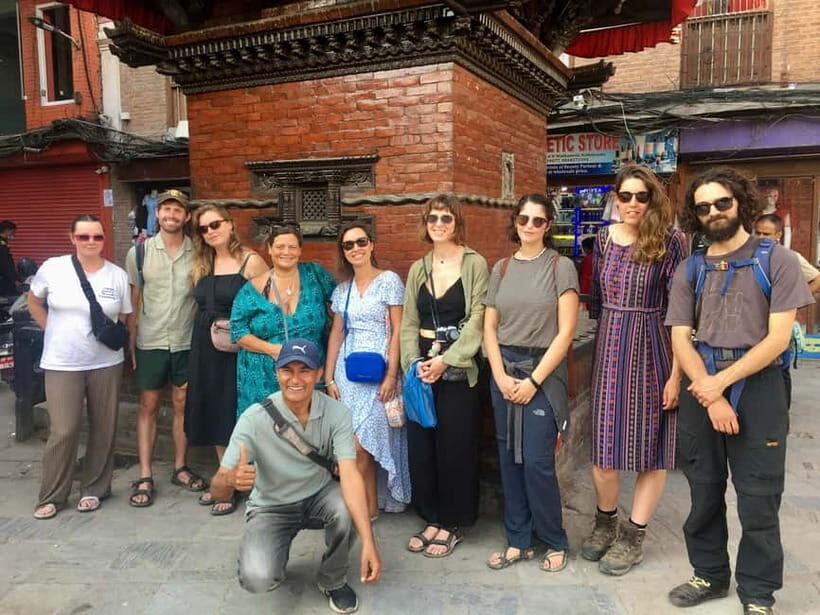
- Garden of Dreams as a quiet opener before you hit the city’s more chaotic edges
- Kathmandu Durbar Square + the market area for a hit of heritage and everyday life
- Newari residential streets with temples, stupas, and people carrying out ritual routines
- Monkey Temple (UNESCO) on a 77m hill reached via a long walk up
- 365 steps down to Thamel—a satisfying end, if your knees cooperate
- Shiva’s guiding style: calm, punctual, and happy to answer questions at a real pace
Garden of Dreams: the calm start that makes everything else click
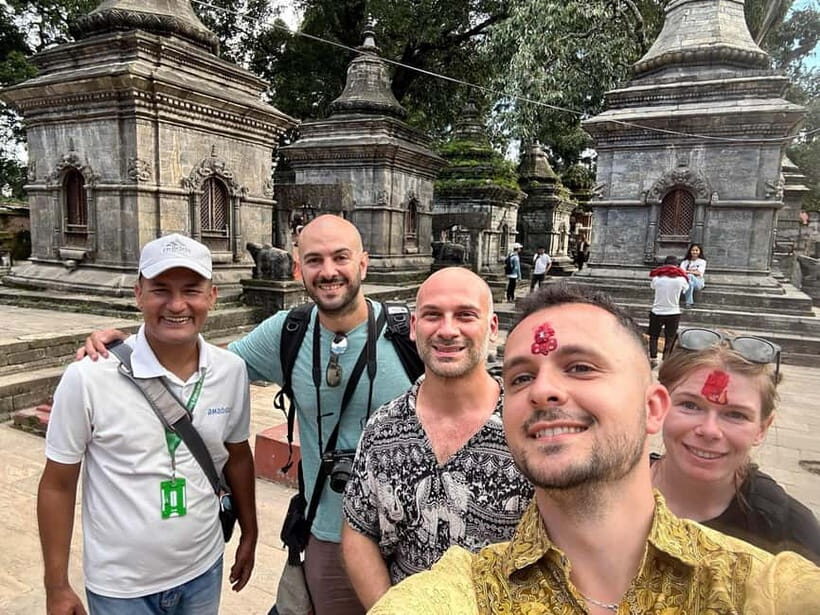
Most first-time Kathmandu plans jump straight into traffic, crowds, and big sights. This one starts with something gentler: the Garden of Dreams. You meet your guide at the front gate—right where you can orient yourself before you begin. (Your guide will be holding a placard that reads Himkala Adventure.)
Why I like this opening: it changes your mindset. Instead of charging into the old-city scramble, you begin in a calmer pocket of greenery and design. That first moment helps you notice details later—like the way temples sit in corners of neighborhoods, or how stupas can feel both sacred and ordinary at the same time.
And practically, it’s a good meeting point. You’re not hunting down a vague hotel lobby or guessing which alley is “near” the start. Just go to the front gate and match the placard.
Possible drawback: if you’re hoping for zero walking right away, you’ll want to adjust expectations. This tour is built for movement, and Garden of Dreams is only the warm-up.
You can also read our reviews of more walking tours in Kathmandu


From local stupas to the city’s busier center
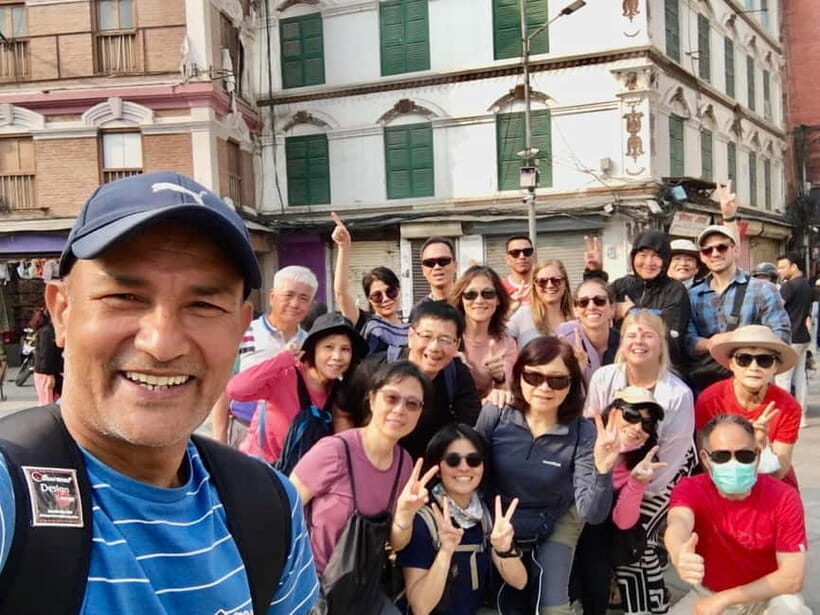
After Garden of Dreams, you walk toward local areas where you’ll see age-old stupas and temples up close. This is the part that feels like Kathmandu from ground level. You’re not only looking at famous monuments—you’re seeing how religious symbols are woven into daily streets.
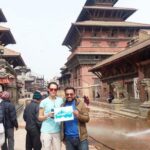
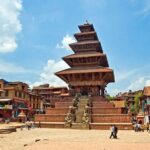
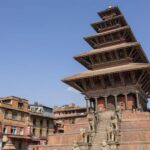
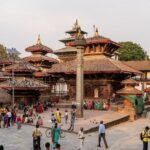
Then the route shifts into the busier market area and continues to Kathmandu Durbar Square. Durbar Square is where you can feel the weight of Kathmandu’s cultural identity in a single glance—religious structures, historic architecture, and the kind of energy that comes from people gathering around meaning, not just shopping.
Here’s the balance I think works well: you get the iconic heritage setting (Durbar Square), but you also spend time in the surrounding streets where the city actually lives. That reduces the “checklist” feeling that can happen on landmark-only tours.
Tip for enjoying this section: slow down. Don’t just photograph. Watch what people are doing—praying, walking past altars, making small offerings, or pausing to take in a view from a temple step. Even if your Nepali isn’t perfect, you’ll understand the rhythm.
Newari neighborhoods: where rituals feel like normal life
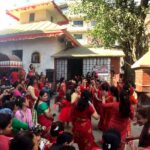
One of the most meaningful parts of this tour is the time you spend following the Newari residential area after Durbar Square. This isn’t a quick drive-by. You’re walking through neighborhood space where temples and everyday worship aren’t separated into “tour zones.”
As you move through, you’ll be able to observe local temples and even a cremation place. That last detail matters. Cremation sites tend to be solemn by nature, and they can feel rawer than the postcard parts of Kathmandu. Keep your behavior respectful. If you’re taking photos, be mindful and ask yourself whether a picture helps you understand—or just interrupts someone’s moment.
Why this adds value: it gives you context for Kathmandu beyond monuments. Newari traditions are an everyday framework here, and when you see religious practice integrated into housing and street life, the city makes more sense.
Consideration: expect to encounter different emotions in the same day. That’s not a bad thing. Just be mentally ready for it.
Monkey Temple on foot: 45 minutes up, 77m high, then 365 steps down
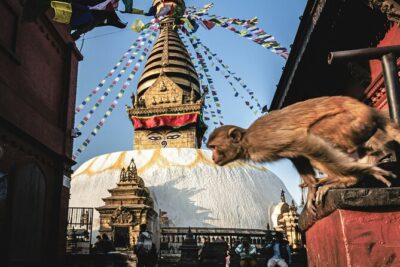
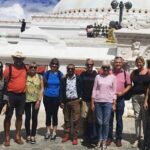
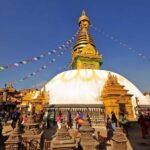
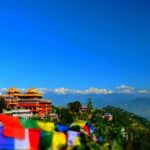
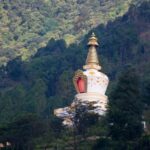
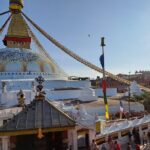
Now for the signature moment: the Monkey Temple, a UNESCO World Heritage Site on a conical hill loved by locals. The hill is listed as 77 meters high from the ground level of Kathmandu, and you reach it after about 45 minutes of walking.
Plan for the effort. This isn’t a short spur-of-the-moment climb. It’s a steady uphill push, and you’ll feel it once you’re committed. The good news is that it’s guided, so you’re not just climbing—you’re getting context about what you’re seeing along the way.
When you arrive, you’ll visit the stupa area and the surrounding viewpoints. This is one of those places where the site and the city interact visually. Even without specialized knowledge, you’ll feel why it’s important enough to earn UNESCO status.
Then you return to Thamel by descending 365 steps. This part is almost always where people start bargaining with their knees. If you’re the type who’s fine going uphill but not great on stairs, take it slowly. Short steps, one rail moment at a time. You’ll thank yourself halfway down.
Practical takeaway: pack for a “sore legs” day. You’ll still enjoy it, but you’ll enjoy it smarter if you treat the stairs like the main event.
Your local guide: Shiva’s Q&A pace is a big part of the value
The tour includes a professional guide, and the biggest recurring praise from real experiences is how much time Shiva seems willing to give. In multiple accounts, people highlight that he’s friendly, punctual, and answers questions thoroughly. One review even notes he gives deeper insight than you’d get wandering alone.
That matters more than it sounds. Kathmandu can be confusing if you’re only reading signs. A good guide helps you connect what you see—stupas, temples, ritual behavior, neighborhood layouts—to why it exists. With Shiva, the vibe feels calm rather than rushed, which is exactly what you want when you’re walking a full route and climbing stairs.
If you’re the kind of traveler who stops to ask questions instead of power-walking to the next photo spot, you’ll probably gel with this style.
You can also read our reviews of more guided tours in Kathmandu
Price and logistics: what $15 buys you (and what it doesn’t)
At $15 per person, the tour feels like good value because you’re not paying for a vehicle or a buffet. You’re paying for guided interpretation and local routing across several major areas: Garden of Dreams, the market corridor, Kathmandu Durbar Square, a Newari residential stretch, and the Monkey Temple climb.
What’s not included is also clear:
- No hotel pickup or drop-off
- No meals or drinks
- No personal expenses
So you’ll want to plan food and water on your own. Also, don’t underestimate the walk. Comfortable shoes aren’t optional here—they’re the difference between a memorable day and a miserable one.
Logistics you’ll actually use:
- Meeting point: front gate of Garden of Dreams, with Himkala Adventure placard
- Start/end: ends back at the same meeting point
- No smoking: keep it off the itinerary
- Language: English
If you’re thinking about this as a “cheap way to see everything,” it won’t work. If you’re thinking of it as a guided walk with real context and one big temple climb, it’s a bargain.
What to pack (so the day feels easy instead of annoying)
This tour is straightforward, but the comfort details matter.
Bring:
- Comfortable shoes (non-negotiable for stairs)
- A hat
- Camera
- Sunscreen
- Water
And for religious sites, dress modestly. You don’t need to be fussy, but you do need to respect the spaces you enter. That includes your behavior—keep your focus, don’t treat prayer moments like a photo shoot backdrop, and be ready for the slower pace that sacred sites naturally demand.
Weather can vary in Kathmandu, so think layers. You might set out expecting one condition and end up wanting a warmer layer during or after the climb.
Who this tour fits best—and who should skip it
This is best for you if you:
- want a guided Kathmandu route that covers both landmarks and everyday neighborhoods
- enjoy learning from local context
- can handle a significant walk with stairs
- prefer English-language guidance
It’s not suitable for:
- children under 5
- people with mobility impairments
- wheelchair users
Also, because it ends back at the meeting point and includes descending 365 steps, this isn’t a “light stroll” option even if the price looks tempting.
If you’re traveling with limited stamina, you might still enjoy Kathmandu—but you’d probably want a different format with fewer stairs.
Should you book the Kathmandu Monkey Temple guided walking tour?
I’d book it if you want a compact, guided way to understand Kathmandu’s mix of heritage and living religion—and you’re okay with the physical reality of stairs. The value is strong because the guide experience (including Shiva’s patient Q&A style) is what turns a series of stops into a coherent story.
I’d skip it if you’re:
- not comfortable with stair-heavy days
- expecting hotel pickup, meals included, or a super relaxed pace
- traveling with small children or accessibility needs that can’t handle the route
If your legs are up for it, this is one of the better ways to spend a day in Kathmandu: start calm at Garden of Dreams, walk through real neighborhood life, and earn your views at the UNESCO Monkey Temple—then come back down the stairs like a champ.
FAQ
Where does the tour start?
It starts at the front gate of the Garden of Dreams. Your guide will be there with a placard that says Himkala Adventure.
Where does the tour end?
The tour ends back at the same meeting point at the front gate of the Garden of Dreams.
Is hotel pickup and drop-off included?
No. Hotel pickup and drop-off are not included.
What’s included in the price?
The tour includes a professional guide.
What should I bring?
Bring comfortable shoes, a hat, a camera, sunscreen, and water.
Is the tour mostly walking, or is there a lot of transport?
It’s a walking tour with a significant amount of walking and stairs. You also descend 365 steps of the hill and walk about 45 minutes to the Monkey Temple hill.
Is the Monkey Temple part accessible for everyone?
No. The tour is not suitable for people with mobility impairments and wheelchair users, because it involves stairs.
Is smoking allowed during the tour?
No. Smoking is not allowed.
Is this tour suitable for young children?
No. It is not suitable for children under 5 years old.
What’s the cancellation policy?
You can cancel up to 24 hours in advance for a full refund.