REVIEW · HISTORICAL TOURS
Kathmandu Heritage Day Tour with Guide.
Book on Viator →Operated by Eco Holidays Nepal · Bookable on Viator
Kathmandu in a single day feels like speed-watching culture. This guided loop ties together major UNESCO-listed landmarks, from Durbar Square’s living heritage to Boudhanath’s long, quiet gaze. What makes it especially workable is the mix of sights plus a guide who slows you down with clear explanations.
I like that you get door-to-door transport in a private air-conditioned vehicle, plus bottled water. It’s also great that the guide’s commentary is available in five languages, so you’re not stuck guessing what you’re looking at.
One consideration: admission tickets and fees are not included, and the tour runs about 6–7 hours, so you’ll want to plan for extra on-site payments and a full day pace.
In This Review
- Key things worth knowing before you go
- Why this Kathmandu Heritage Day Tour fits short stays
- Price and logistics: what the $70 covers, and what it doesn’t
- Getting picked up and moving in comfort
- Stop 1: Kathmandu Durbar Square and the Kumari living goddess
- Stop 2: Swaymbhunath Monkey Temple and a quick change in atmosphere
- Stop 3: Pashupatinath Temple and the Hindu sacred center
- Stop 4: Boudhanath Stupa for the slow finish
- How the guide’s commentary in five languages actually helps
- Timing: how a 6–7 hour day feels in real life
- Value check: when this tour is a great deal
- Who should book this tour
- Should you book the Kathmandu Heritage Day Tour
- FAQ
- How long is the Kathmandu Heritage Day Tour?
- What does the tour cost?
- Is pickup included?
- What’s included in the price?
- Are monument admission tickets included?
- What about lunch?
- What languages are available for the guide?
- How big is the group?
- What if the weather is bad?
Key things worth knowing before you go
- Five-language guide commentary makes temple watching make sense fast
- Air-conditioned private vehicle cuts down the stress of Kathmandu traffic
- Multiple major sites in one loop means less backtracking for short stays
- Durbar Square + Kumari context helps you understand what you’re seeing
- Monkey Temple at Swaymbhunath is famous enough to bring crowds and curious monkeys
- Small group size up to 30 keeps the day from turning into chaos
Why this Kathmandu Heritage Day Tour fits short stays
If you only have a day in Kathmandu, the trick is not just seeing big names on a map. The trick is understanding why these places matter. This tour helps with both. You hit key sites that represent the city’s blend of Hindu and Buddhist life, and you do it with a guide who fills in the story behind the stone.
The structure is built for people who don’t want to spend hours coordinating buses, taxis, and uncertain directions. Pickup is offered, you ride in a private air-conditioned vehicle, and you get a realistic sightseeing flow across the capital’s core heritage areas. For $70 per person, the value comes from the time you save and the fact that you’re not doing this solo.
The itinerary also makes sense: you start in the heart of historic Kathmandu (Durbar Square), then move to Swaymbhunath, then to Pashupatinath, and finally to the calmer mood of Boudhanath. That order gives you a day with different “modes” instead of repeating the same vibe over and over.
You can also read our reviews of more guided tours in Kathmandu

Price and logistics: what the $70 covers, and what it doesn’t
Here’s the clean breakdown. You’re paying $70 per person for a guided heritage day with an air-conditioned vehicle, bottled water, and guided interpretation. The tour also uses a mobile ticket, and you’ll receive confirmation at booking time.
What’s not included is just as important:
- Admission tickets and fees for the monuments
- Lunch
So this is not a fully “all-in” ticket where you show up and pay nothing at the gates. You should budget some extra cash for entry fees at each stop. The good news is that these stops are all listed and timed, so you can plan your day without surprise detours.
Group size matters too. The tour caps at 30 travelers. That’s large enough to meet other people, but small enough that a competent guide can still keep your day moving and coherent.
Getting picked up and moving in comfort
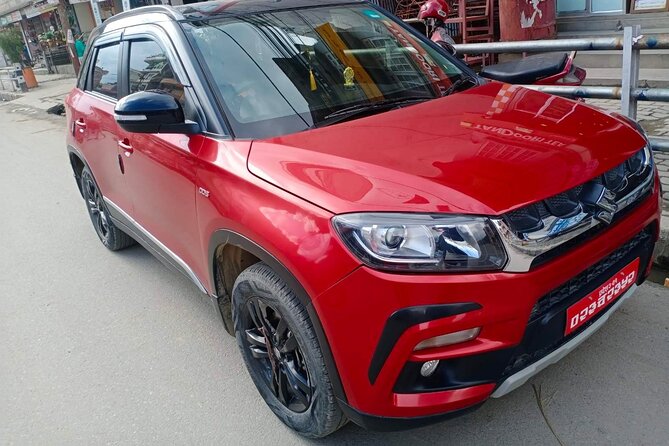
Kathmandu’s traffic can drain your energy. This is why the private air-conditioned vehicle is more than a comfort perk. It keeps the day from becoming a blur of waiting, heat, and navigation.
You also get hotel transfers, which removes one of the biggest headaches for first-time visitors. If you’re staying near public transportation, that can make the logistics easier too, but the real win is that the tour is set up for simple door-to-door movement.
Another practical point: the experience is described as near public transportation, and most people can participate. So if you’re not an extreme hiker or you prefer not to shuffle around for hours on your own, this format is usually the right fit.
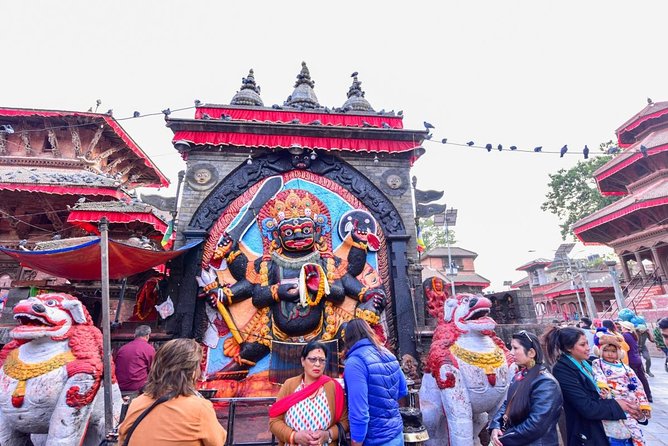
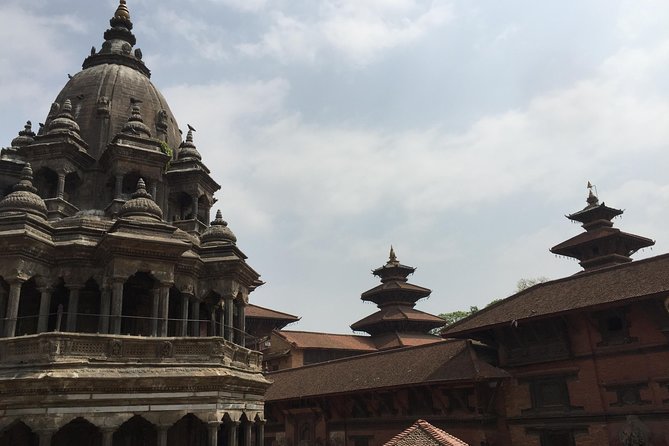
Stop 1: Kathmandu Durbar Square and the Kumari living goddess
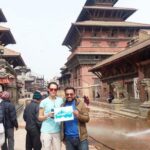
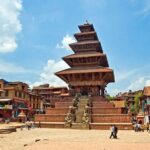
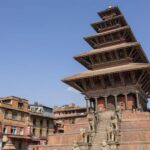
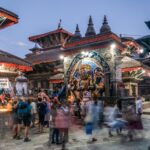
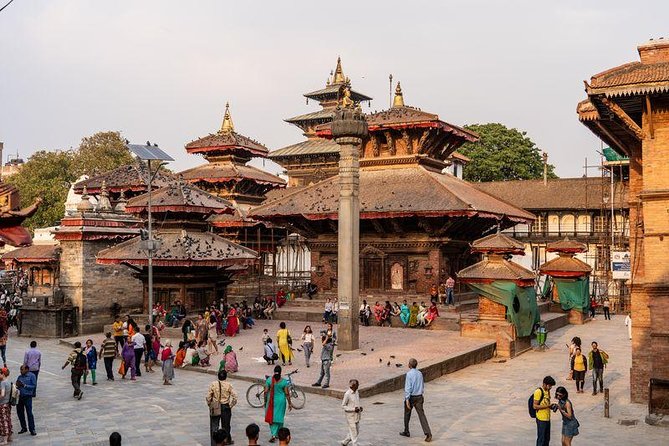
Your day begins at Kathmandu Durbar Square, where the experience leans deep into historic power, local Newar traditions, and the idea that sacred space is also everyday heritage.
You’ll spend about 1 hour here, and the focus is clear:
- Temples and the Durbar Square complex
- The Kumari, the Living God(dess), tied to the square’s living tradition
Durbar Square can feel like a lot at once: courtyards, carved details, and busy movement. This is exactly where a good guide earns their keep. With commentary in your language, you’re not just looking at buildings—you’re learning what each part is, why it’s arranged the way it is, and how the tradition connects to community life.
A small drawback to plan for: this first stop can be visually intense. If you’re tired or easily overwhelmed, ask your guide to pace you. In a 6–7 hour day, that advice is worth more than you’d think.
Also remember: admission tickets aren’t included, so have budget ready.
Stop 2: Swaymbhunath Monkey Temple and a quick change in atmosphere
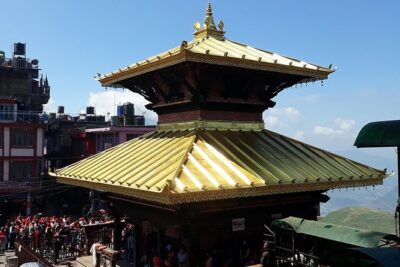
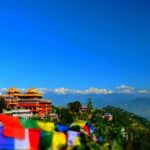
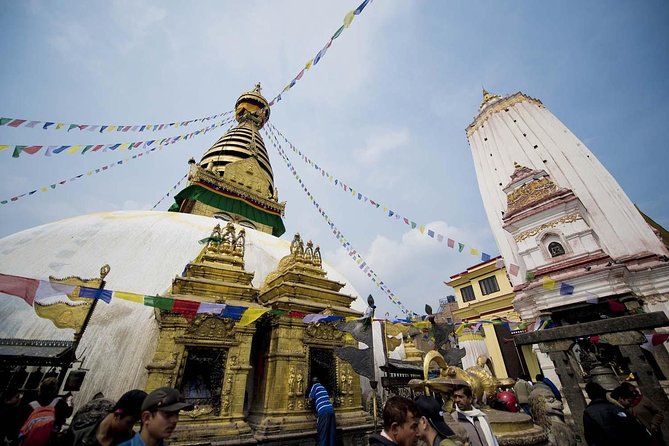
Next up is Swaymbhunath, often called the Monkey Temple. You’ll get about 1 hour here.
This stop changes the rhythm. The mood shifts from Durbar Square’s dense historic center to a more elevated, outward-looking Buddhist setting. Even if you don’t know the architecture terms, you’ll feel the difference: it’s more open in perspective, and the religious energy tends to be calmer in tone.
And yes, monkeys are part of the brand. Since Swaymbhunath is known for them, you should expect that the temple’s surroundings can include curious monkeys and active bystanders. Keep your phone secure, and don’t act like the monkeys are part of the selfie plan.
Like the earlier stop, admission is not included, so entry fees are something you’ll handle on-site.
You can also read our reviews of more historical tours in Kathmandu


Stop 3: Pashupatinath Temple and the Hindu sacred center
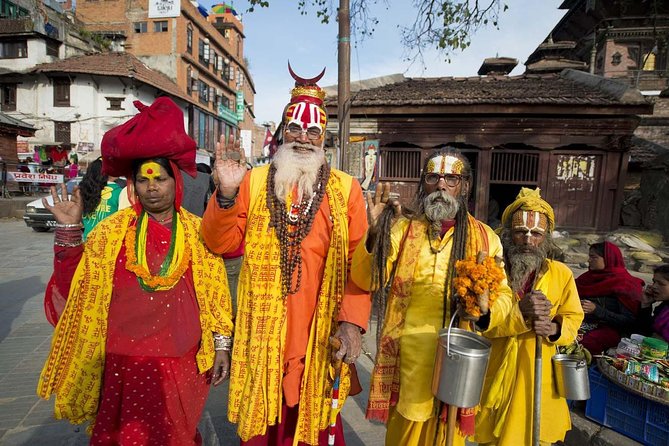
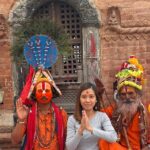
Then comes the heavy hitter: Pashupatinath Temple, one of the most important Hindu shrines in the Kathmandu Valley. You’ll spend about 2 hours here, so it’s clearly treated as more than a quick photo stop.
This is where the “guided” part matters again. You’ll be listening to in-depth commentary so you can understand what you’re seeing and why people treat this place with such seriousness. Without context, temples can become just a backdrop. With context, you start noticing patterns: what people do, what they seem to focus on, and how the space supports devotion.
Two hours is a solid amount of time. It’s long enough to take in multiple views of the complex without rushing. It’s also long enough for you to decide whether you want a quieter corner moment or more active engagement with the crowd.
Admission tickets and fees are not included here either, so be ready to pay entry as part of the day’s costs.
Stop 4: Boudhanath Stupa for the slow finish
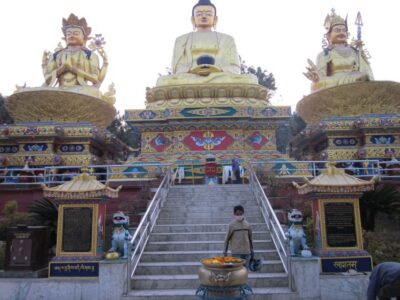
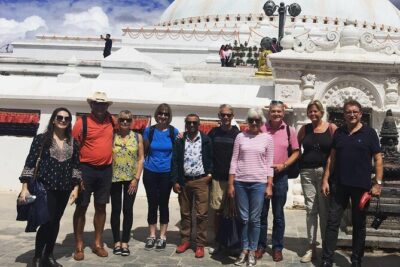
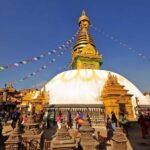
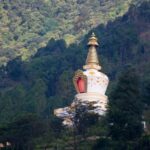
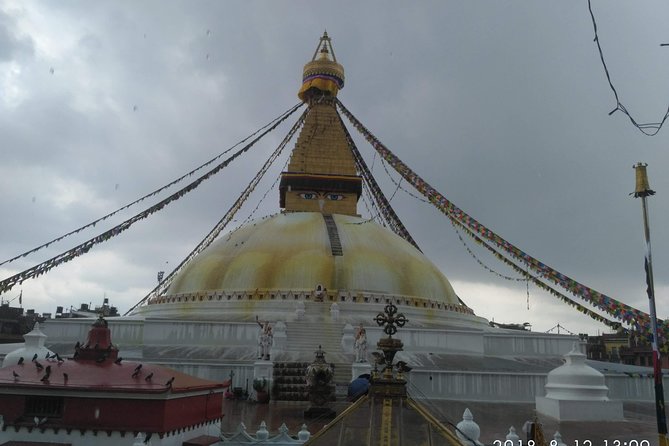
To end, you go to Boudhanath Stupa, a Buddhist “peace stupa” where the atmosphere tends to cool down after earlier, more intense religious scenes. You’ll get about 1 hour here.
Boudhanath is famous for its stupa-centered focus. Even when you’re not fluent in Buddhist vocabulary, you can read the energy: people come to look, to reflect, to move respectfully within the site’s rules, and to sit with the scale of the monument.
Because this is the final stop, it’s also your decompression time. If you’ve been taking notes, asking questions, and mentally stacking new information all day, this is where it can sink in.
Again, admission tickets aren’t included, so plan for the final payment step of the day.
How the guide’s commentary in five languages actually helps
This tour isn’t just a route with a driver. The guide provides in-depth commentary, available in five languages. That sounds like a checkbox until you experience how much it changes the day.
Here’s what commentary does for you:
- It turns random temple details into meaningful symbols.
- It helps you understand the difference between sites that look similar at first glance.
- It keeps you from feeling lost when crowds move and you’re trying to follow what matters.
The reviews tied to the operator mention guides who are attentive and flexible, with people praising deep knowledge about history, culture, and religions. Names that show up include Dhruba, Sankar, and Raju, and there’s also mention of a driver named Manish in one account. You might not get the same pairing, but it’s a good sign: you’re likely to be handled by a team that takes care with the day.
Also, the tour is described as having door-to-door transfers. That matters because it keeps your guide time focused on the monuments, not on waiting around.
Timing: how a 6–7 hour day feels in real life
On paper, this looks neatly timed:
- Durbar Square: 1 hour
- Swaymbhunath: 1 hour
- Pashupatinath: 2 hours
- Boudhanath: 1 hour
That’s four blocks of sightseeing. The remaining time is for travel between stops, plus buffer for entry lines, bathroom breaks, and brief pauses to let something register.
In a day like this, the biggest time risk is not the schedule itself. It’s the gap between what you want (slow and thoughtful) and what the tour allows (a full circuit). If you’re the slow-and-thoughtful type, tell your guide you want to linger at one stop. A flexible guide can often shift the pacing slightly without breaking the overall plan.
The tour also mentions it requires good weather. That’s a reminder to bring the attitude of Plan B. If conditions aren’t ideal, you might be offered a different date or a refund. Weather can affect comfort and how long you want to spend outside.
Value check: when this tour is a great deal
At $70, this tour is a good value if:
- You have limited time and want key heritage sites without planning stress.
- You want a guide, not just a driver.
- You like mixing Hindu and Buddhist contexts in one day.
- You appreciate air-conditioned comfort in a city where travel can be tiring.
It’s also a good fit if you’re not trying to cram every neighborhood in the valley. Instead, you get a curated set of major monuments in a single day.
Where value can be weaker is if you’re a do-it-yourself traveler who already knows what each stop is and you’re comfortable handling entry fees and route planning on your own. For those people, a guided day can feel like paying for someone else to show you a path you could map yourself.
Who should book this tour
I’d point you toward this tour if you:
- Have short time in Kathmandu
- Want a clear, guided heritage route with language support
- Prefer comfortable transit with hotel pickup
- Like seeing top landmarks without turning the day into a logistics puzzle
You might want to skip it if you:
- Want total freedom to roam without a schedule
- Prefer fewer stops and more time per site
- Don’t want to pay monument entry fees on top of your ticket
Should you book the Kathmandu Heritage Day Tour
Yes, if your goal is simple: see the most important Kathmandu Valley heritage highlights in one guided circuit, without wasting your energy on directions and heat. The tour’s strongest selling point is the combination of air-conditioned transport, real guide commentary, and a route that moves you through different spiritual atmospheres.
Before you book, do two quick checks:
- Budget for admission tickets and fees plus lunch, since those are not included.
- Choose your day with good weather in mind, since the experience depends on it.
If those fit your plans, this is one of the most practical ways to get your bearings fast and still come away with more understanding than photos alone.
FAQ
How long is the Kathmandu Heritage Day Tour?
It runs about 6 to 7 hours.
What does the tour cost?
The price is $70 per person.
Is pickup included?
Yes, pickup is offered, and the tour includes hotel transfers.
What’s included in the price?
You get an air-conditioned vehicle and bottled water.
Are monument admission tickets included?
No. All fees and taxes are not included, and admission tickets for the stops are listed as not included.
What about lunch?
Lunch is not included.
What languages are available for the guide?
The guide’s commentary is available in five languages.
How big is the group?
The tour has a maximum of 30 travelers.
What if the weather is bad?
The experience requires good weather. If it’s canceled due to poor weather, you’ll be offered a different date or a full refund. You can cancel up to 24 hours in advance for a full refund.