REVIEW · ANNAPURNA BASE CAMP TREKS
Annapurna Base Camp Trekking
Book on Viator →Operated by Accessible Adventure Pvt. Ltd · Bookable on Viator
Annapurna Base Camp, but with less chaos. This private 12-day trek from Kathmandu mixes the classic Poon Hill sunrise warm-up with the big climb to Annapurna Base Camp, while a licensed guide and porter keep your day-to-day decisions simple. I especially like that logistics are handled—transfers, permits, and the trek start/end setup are included—so you can focus on pacing and breathing.
My second favorite part is the support. You get a guide plus a porter (the plan is 1 porter for two trekkers), and the reviews I saw highlight how patient guides can be—Avi and porter Robin are specifically mentioned as friendly and safety-minded. One possible drawback: meals during the trek aren’t included, and the same goes for cold drinks—so budget for lunches, dinners, and the occasional hot drink.
In This Review
- Key highlights worth planning around
- What $749.90 buys you on this Annapurna trek
- Kathmandu to Pokhara: start strong, not stressed
- Poon Hill sunrise and the Ulleri climb: the trek’s warm-up
- Sinuwa and Deurali: where the route starts to feel serious
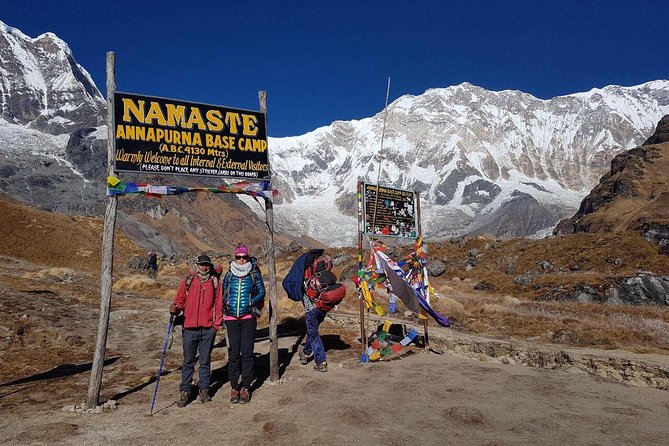
- The long climb to 4,130m: Annapurna Base Camp day
- Descending to Bamboo and Jhinu Danda: relief, then reward
- Back to Pokhara and Kathmandu: the 8-hour reality check
- Practical tips that make this trek feel easier
- Who should book this Annapurna Base Camp package
- Should you book Accessible Adventure for Annapurna Base Camp?
- FAQ
- What’s the duration of this Annapurna Base Camp trek?
- Where does the trek start, and is there airport support?
- Are permits included?
- What transfers are included between Kathmandu and Pokhara?
- Is lodging included during the trek?
- What trekking gear is provided?
- Are meals included during the trek?
Key highlights worth planning around
- Poon Hill sunrise: a pre-dawn hike option from Ghorepani for panoramic mountain views
- Permits and fees handled: includes TIMS and the Annapurna Conservation Area Permit
- Gear you can borrow: duffle bag, sleeping bag, down jacket, plus a first aid kit
- Teahouse trekking: included tea house lodging along the route
- Porter support: 1 porter for two trekkers, helpful on steep, rocky sections
- Jhinu Danda hot springs: a relaxing finish, though admission isn’t included
What $749.90 buys you on this Annapurna trek
At $749.90 per person for about 12 days, this package is priced like a mid-pack guided trek: not a bare-bones DIY plan, but also not the “everything-free” luxury version. The real value is that you’re paying for coordination.
Here’s what that means in practice:
- Your Kathmandu–Pokhara round-trip is included by tourist bus.
- You get private transfers to the trek start and from the trek end back toward the cities.
- You don’t have to figure out paperwork. TIMS and the Annapurna Conservation Area Permit are included.
- You’re not stuck hunting for essential cold-weather basics. The tour provides a duffle bag, sleeping bag, and down jacket for use during the trek, plus a first aid kit.
Is it “cheap”? No. But if you add up guide time, porter support, permits, transfers, and the gear rental you’d otherwise need, the price looks more reasonable.
Also, the tour is set up for a private group. That matters because it changes the vibe: your guide can adjust pacing for your group instead of herding everyone to the same speed.
You can also read our reviews of more hiking tours in Kathmandu
Kathmandu to Pokhara: start strong, not stressed
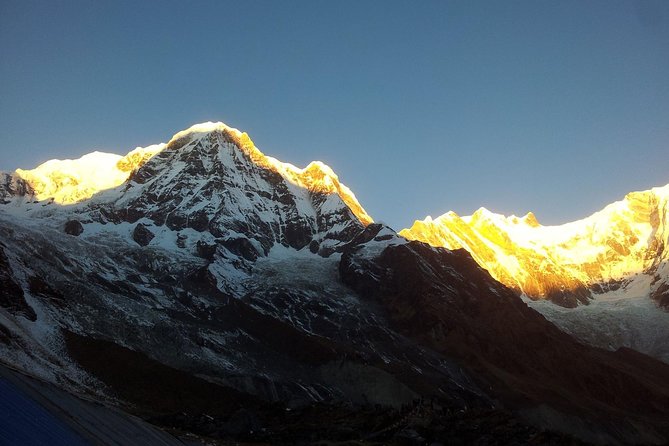
Day 1 gets you into Kathmandu with an airport representative and hotel transfer. Then you meet your trek leader later in the day for a pre-trip briefing. That briefing time is useful. On Annapurna routes, small mistakes—like going too fast early or packing poorly for the cold—can cause bigger problems later.
Day 2 is about shifting gears. You leave early (the experience lists a 6:00 am start time for the meeting point), then head by bus to Pokhara Lakeside. This is one of the smartest parts of the plan: you’re not scrambling on arrival day, and you’re using Pokhara as your staging area.
I also like that the trip is designed around taking the long route travel out of the equation. You’re told you’ll handle the logistics between Kathmandu and Pokhara, and you get that back-country connection without needing to organize everything yourself.
Poon Hill sunrise and the Ulleri climb: the trek’s warm-up
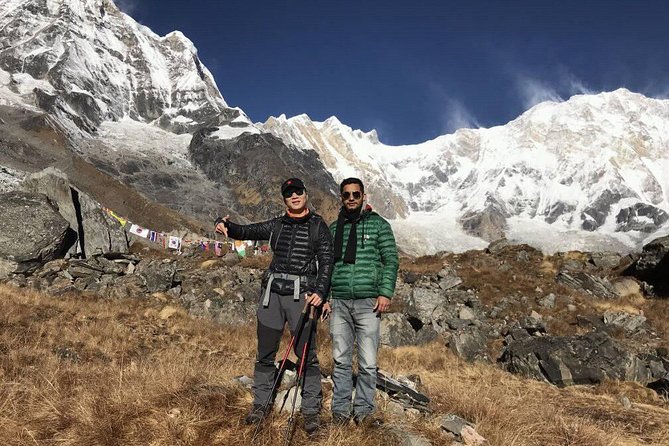
This tour isn’t only about Annapurna Base Camp. It also builds in the classic Poon Hill sunrise experience, which is a great way to ease into the Annapurna scenery and altitude rhythm.
After getting to the trailhead area, the route hits Ulleri, a section known for stair-like climbing. You’re starting from around 827 meters and pushing upward over multiple walking segments. By the time you reach Ghorepani, you’re higher, colder, and mentally ready for the early start the next day.
Then comes the pre-dawn window:
- From Ghorepani, you walk up to Poon Hill (listed at 3,210m) around sunrise.
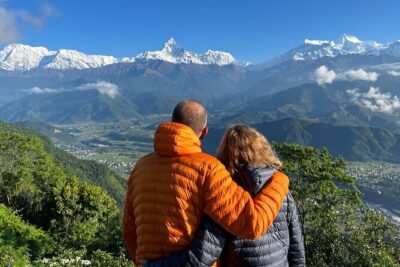
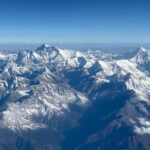
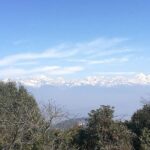
- You get sweeping views of peaks in the Annapurna region, including the major names that draw people here.
Why this matters: that first sunrise acts like motivation fuel. It also helps you learn how your body handles early-morning hiking while still being relatively close to established tea houses.
Day 4 then transitions from sunrise mode to forward motion. You move toward Tadapani (listed at 2,630m), with Machhapuchhre and other surrounding peaks mentioned along the way. If you like the Annapurna region for its day-by-day variety, this is where you start to feel it.
Sinuwa and Deurali: where the route starts to feel serious
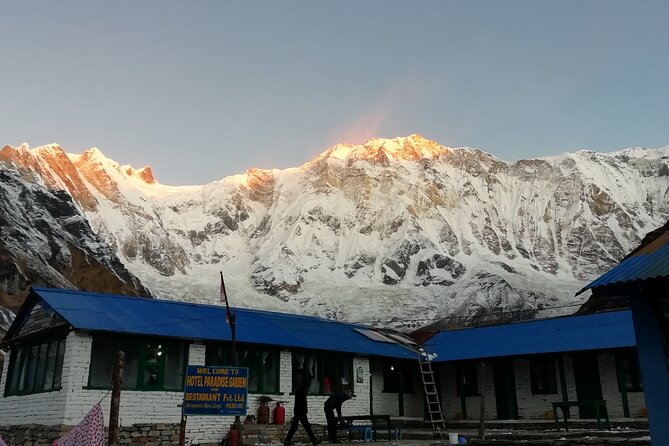
After the Poon Hill section, the trek becomes more “ABC-focused.” You pass through smaller villages like Chuile and then into Sinuwa (listed around 2,340m–2,360m). This is a key segment because it’s part of the corridor that funnels trekkers toward the base camp basin.
Sinuwa also gets you into a more secluded rhythm. The walk still feels manageable, but the air and temperature shift enough that you’ll want to stay consistent with layering. This is also where having gear provided helps. If you didn’t want to carry everything from the start, the down jacket and sleeping bag included in the tour can save you weight and planning stress.
Day 6 heads toward Deurali, pushing upward toward about 2,890m on the route descriptions. Deurali sits higher than the earlier nights, and it’s close enough to feel like you’re approaching the final climb without having to jump straight into the hardest altitude.
If you’re trying to decide what kind of traveler you are: this is where you’ll learn it. If you pace well, drink regularly, and keep your breathing calm, the harder days ahead feel more doable.
The long climb to 4,130m: Annapurna Base Camp day
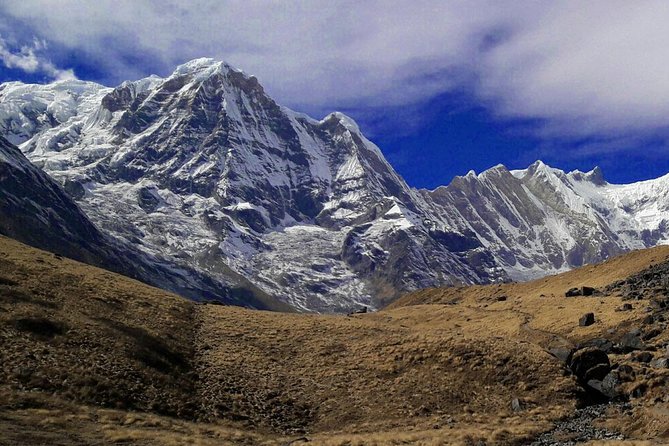
This is the day your whole trek builds toward.
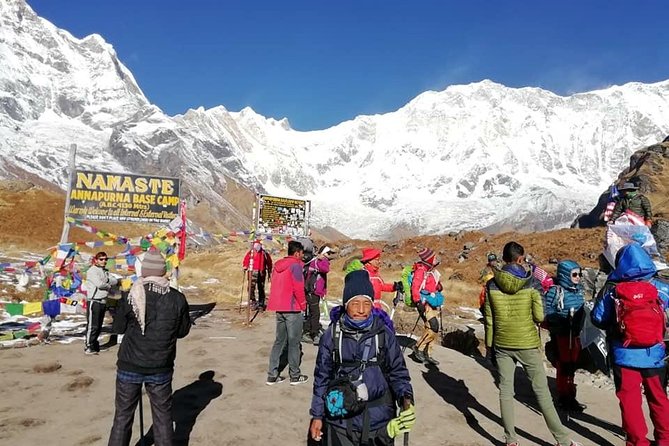
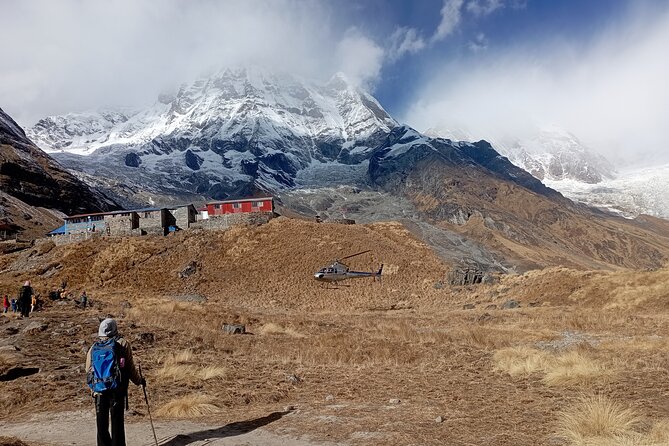
On the ascent, the route descriptions mention starting from roughly 2,890m (or Deurali, depending on the segment) and going up via Machhapuchhare Base Camp (listed around 3,700m) before reaching Annapurna Base Camp at 4,130m.
That 4,130m number is the big one. It’s high enough that:
- cold can bite even when the sun is out
- your pace often slows without you meaning to
- you’ll want to take breaks that are short but regular
The tour notes that you’ll hike with a professional guide, and safety is part of the plan. I’d use that as a reminder to follow your guide’s rhythm. On ABC routes, the people who feel best usually don’t rush. They move steadily, stop when asked, and keep their focus on the next stretch.
Also, reaching ABC isn’t just about checking a box. The surrounding peaks and the sense of being in the Annapurna Sanctuary are what make people remember it. You’ll likely feel “done” in your legs, but also strangely clear-headed once you arrive.
Descending to Bamboo and Jhinu Danda: relief, then reward
After the big day, the trek shifts into a smart pattern: altitude loss and recovery.
Day 8 describes descending from Annapurna Base Camp (4,130m) down to Bamboo around 2,350m. This drop is huge. It’s one of the most important parts of the whole trip, because it lets your body reset without you having to stop trekking altogether.
Then you continue toward Jhinu Danda. The route descriptions list Bamboo at 2,350m, then Jhinu Danda at 1,780m. By the time you reach Jhinu Danda, the walk becomes less punishing and more about enjoying the slower pace.
Jhinu Danda is famous for its hot springs. The itinerary includes time for Jhinu Danda Hot spring, and the tour clearly states that hot spring admission isn’t included. So if you want that soak to be part of your plan, keep some cash set aside.
It’s a good last “reward day” before you head back toward city life.
Back to Pokhara and Kathmandu: the 8-hour reality check
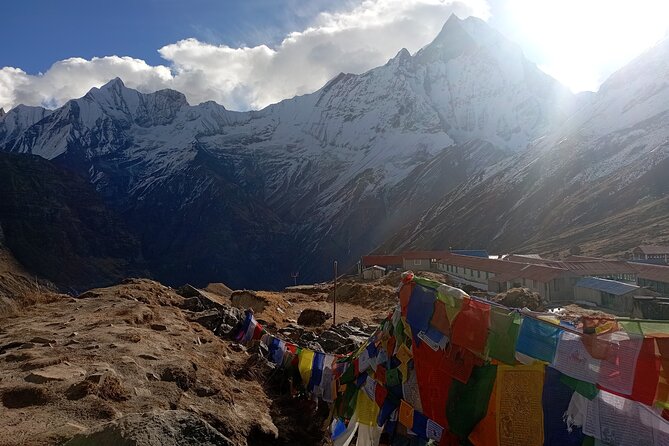
Day 10 brings you from Jhinu Danda back toward the Pokhara side. The route mentions trekking to Siwa or Ghandruk Phedi depending on the path, and then continuing onward by included transfers.
Day 11 then handles the big one: drive from Pokhara to Kathmandu. The description lists around 200 kilometers and roughly 8 hours. That’s a long sitting stretch after days of walking, so it helps that this part is already planned for you.
Day 12 is your departure at Tribhuvan International Airport, with the trek experience ending once you’re on the way out.
Practical tips that make this trek feel easier
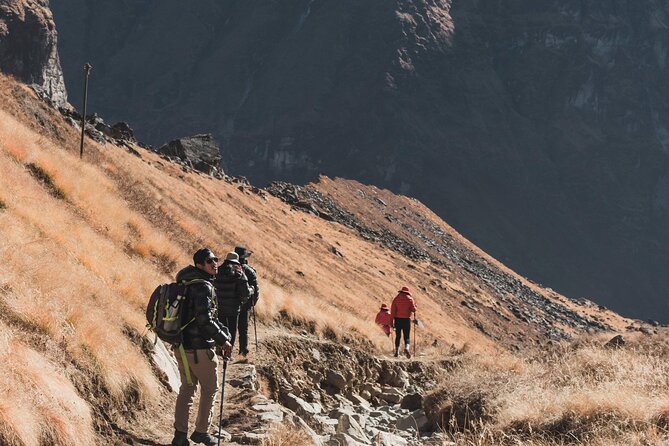
A tour like this lowers mental load, but you still need to show up prepared. A few things I’d plan around based on what’s included and what’s not:
- Bring your own water strategy. Cold drinks aren’t included, and you’ll likely want reliable hydration.
- Budget for trek meals. The package lists food during the trek as not included, so plan for lunches and dinners at tea houses.
- Pack for cold nights. Even with a down jacket and sleeping bag provided, temperatures at higher elevations can still feel sharp.
- Use the porter support wisely. With 1 porter for two trekkers, you’re not meant to carry everything. Lighten your day bag and keep the essentials close.
- Expect early starts. The experience lists a 6:00 am start time for the meeting point, and sunrise hiking is part of the plan.
- If you’re solo, check the porter rule. The inclusion list states porter coverage doesn’t apply the same way for a solo traveler.
Finally, booking timing matters. This trek is commonly booked about 40 days in advance on average, so I wouldn’t wait until the last minute if you want a smoother experience with the right guide/porter pairing.
Who should book this Annapurna Base Camp package
This trek is a strong fit if you:
- want a guided Annapurna Base Camp plan with permits and gear handled
- like the idea of adding Poon Hill sunrise before the ABC push
- value tea house trekking rather than camping
- prefer a private setup for your group instead of joining a crowded schedule
It may be less ideal if you:
- plan to self-manage everything and don’t want to pay for logistics and guide time
- strongly rely on included meals and want a package where every meal is covered (this one doesn’t include trek food)
If you’re fit at a moderate level, follow the guide’s pacing, and come ready for cool weather, this kind of support makes the whole route feel more manageable.
Should you book Accessible Adventure for Annapurna Base Camp?
If you want Annapurna Base Camp with less paperwork stress and fewer “how do we get there” problems, I think this is a smart booking. The value is in the combination: transfers + permits + guide/porter support + cold-weather gear provided.
I’d only hesitate if your budget can’t handle extra day-to-day costs like trek meals and drinks, or if you’re the type who hates paying for guidance no matter what. But if you want your time on the mountain to be the main event, this package is built for that.
FAQ
What’s the duration of this Annapurna Base Camp trek?
The trip is listed as 12 days (approx.).
Where does the trek start, and is there airport support?
You’re in Kathmandu, and the plan includes an airport representative who receives you and transfers you to your hotel. Your trek leader briefing happens later that day.
Are permits included?
Yes. The tour includes TIMS and the Annapurna Conservation Area Permit.
What transfers are included between Kathmandu and Pokhara?
The package includes round-trip bus transfers between Kathmandu and Pokhara (tourist bus). It also includes private transfers to the trek starting and ending points.
Is lodging included during the trek?
Yes. The tour includes tea house accommodations during the trek (the inclusions note tea houses during the trek).
What trekking gear is provided?
You get a duffle bag, sleeping bag, and a down jacket for use during the trek, plus a first aid kit is mentioned.
Are meals included during the trek?
No. Food (breakfast, lunch, and dinner) during the trek is not included. Cold drinks are also not included.