REVIEW · ANNAPURNA BASE CAMP TREKS
Annapurna Base Camp Trek
Book on Viator →Operated by Green Valley Nepal Treks & Research Hub Pvt Ltd · Bookable on Viator
One trek, two serious sunrise moments. This Annapurna Base Camp itinerary links Kathmandu and Pokhara with a guided, small-group (max. 10) mountain trek where meals on the trail are included so you can focus on walking and views. The route also builds in good waypoints, from rhododendron forests to key villages, without turning your trip into a logistics puzzle.
The main trade-off is simple: you’ll be hiking daily for about 4–7 hours at moderate high altitude. If you’re not comfortable with uphill days, uneven paths, and slow climbs, you’ll feel that fast.
In This Review
- Key things that make this Annapurna Base Camp trek work well
- What you’re paying for with this $925 Annapurna Base Camp plan
- Day-by-day: from Kathmandu (Thamel) to Pokhara to Nayapul
- Ulleri, Ghorepani, and Poon Hill at 3,210m
- Chhomrong to Sinuwa: where the trail gets real
- Machhapuchhre Base Camp day: serious views without getting lost
- Chhomrong, Jhinu Danda hot spring, and the trip’s calmer closing days
- Meals, teahouses, and city nights: what’s included (and what you’ll still pay for)
- Guides like Krishna, Tulsi, Arjun, Suvi, and Anil: what to look for
- Value check: transfer logistics, group size, and the comfort of not improvising
- Who should choose this Annapurna Base Camp trek (and who should be cautious)
- Should you book this Annapurna Base Camp trek?
- FAQ
- FAQ
- How long is the Annapurna Base Camp trek on this itinerary?
- Where does the experience start?
- What group size is this trek?
- Is pickup offered from the airport or hotel?
- Are meals included during the trek?
- Where do you sleep during the trek?
- Does the itinerary include Poon Hill?
- How much hiking should I expect each day?
- What happens if weather is bad?
- What’s the cancellation window?
Key things that make this Annapurna Base Camp trek work well
- Max 10 people, professional guide: you get more hands-on guidance than big-group treks.
- All meals on the trek + some city meals: less worry about what to eat, where, and when.
- Teahouses on the route, hotels/guesthouses in cities: a mix that keeps the trip manageable.
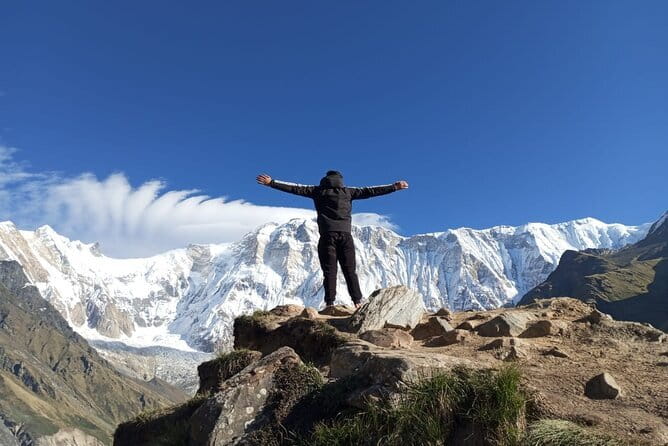
- Poon Hill + Annapurna Base Camp sunrises: two different viewpoint payoffs on your schedule.
- Thoughtful pacing across named villages: days break up the effort with rests at tea houses.
- Real cultural moments on the trail: like the quiet section near a jungle temple area.
What you’re paying for with this $925 Annapurna Base Camp plan
For many people, Annapurna Base Camp is less about a single “wow” moment and more about not having the trip fall apart when weather, fatigue, or booking logistics get messy. This tour aims to remove the headaches: you’re assigned a professional guide, meals are planned on trek days, and the basic sleep-and-eat rhythm is already handled with teahouses on the trail and hotels/guesthouses in Kathmandu and Pokhara.
The price also makes sense in the way it’s packaged. At $925 per person for roughly 14 days, you’re not only buying hiking time. You’re buying:
- guided navigation through a well-known route,
- an itinerary that strings together towns, camps, and viewpoint stops,
- and “where do we sleep tonight?” decisions that you don’t have to make on the fly.
One more practical plus: pickup is offered, and you receive a mobile ticket, which helps on arrival days when you’re tired and figuring out transport in a new country.
You can also read our reviews of more hiking tours in Kathmandu
Day-by-day: from Kathmandu (Thamel) to Pokhara to Nayapul
You start in Kathmandu, with the airport representative meeting you at Tribhuvan International Airport. They arrange a drop to your hotel by private tourist vehicle, and you can either rest or stop by the office for detailed instructions. It’s a small thing, but it matters: trekking days go smoother when you get your orientation early, not at 6 a.m. on the trail.
Day 2 is your transfer day. You’ll travel from Kathmandu to Pokhara by tourist bus for about 6 hours covering around 200 km. There’s a lunch break during the ride, then you sleep in a guesthouse in Pokhara.
Day 3 begins the trek “for real,” starting from Nayapool. From Pokhara, the drive to Nayapool takes about an hour. You begin with a walk along the banks of the Modi River, reach Birethani, and enjoy the comfort of having small teahouses in plenty. This is the part of the trek where your legs are waking up, and your guide can help you get your pace right before altitude becomes the main story.
What to watch for here: these first trek days can feel easier than the later ones, so it’s tempting to hike fast. I’d treat Day 3 as a warm-up, not a race.
Ulleri, Ghorepani, and Poon Hill at 3,210m
This route includes the classic viewpoint add-on: Poon Hill. On Day 4, you’ll move from the Ulleri area toward Banthanti, passing through rhododendron and oak forests, then continue to Ghorepani.
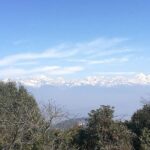
Day 5 is Poon Hill morning. You start with a short hike to the viewpoint at 3,210m. It’s often the best early photo chance on the trek: big angles, dramatic mountain silhouettes, and prime conditions for pictures.
Why I like adding Poon Hill to an ABC trek: it gives you a “win” before you reach the base camp area. Even if the later days feel tough, you already have a sunrise you can point to as a milestone.
Practical note: the Poon Hill climb is short, but it’s still on mountain time. You’ll likely want to keep your layers ready and your headlamp/lighting situation sorted for early start hours.
Chhomrong to Sinuwa: where the trail gets real
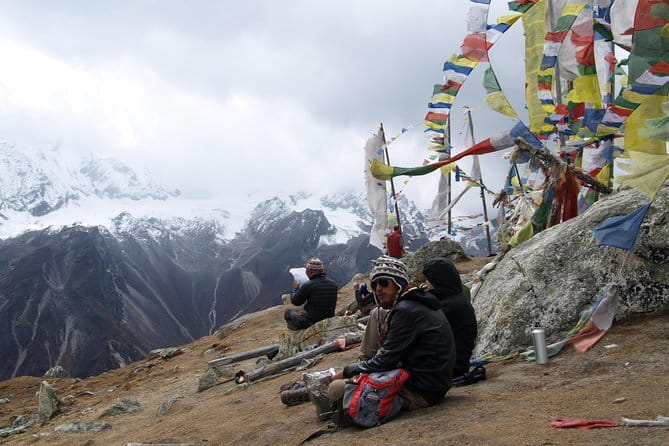
After Poon Hill, the trek turns into a steady progression through villages and forests. Day 6 starts with breakfast at Tadapani, then gradual moves through rhododendron forests, a river crossing (the Kimsung River), and climbing toward Gurung village Gurjung. From there the trail pushes up to Chhomrong, a key village stop known for its position on the route and the way it sets up your next hiking stages.
Day 7 is a mix of descent and climb. You take stone steps from Chhomrong down to Chhomrong Khola, cross a suspension bridge, then face a steep climb toward Sinuwa. From Sinuwa you walk on to Bamboo.
Day 8 shifts into a very particular feel. The walk from Dovan to Himalaya is described as silent in a jungle area because of a temple setting on the way—so expect a calmer, more respectful vibe than you might see on louder paths elsewhere. Route-wise, you start in bamboo forests, then transition into rhododendron forests.
This stretch is where pacing matters most. You’ll feel the effort most in the uphill moments (the steep climb after the suspension bridge), and you’ll appreciate the teahouse rhythm because it keeps recovery built into the plan.
Machhapuchhre Base Camp day: serious views without getting lost
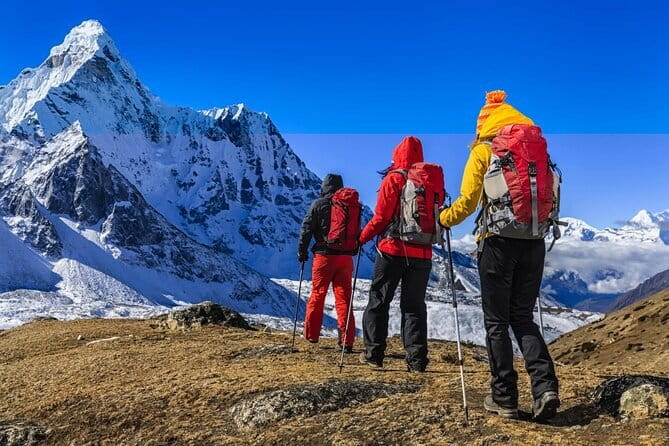
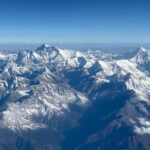
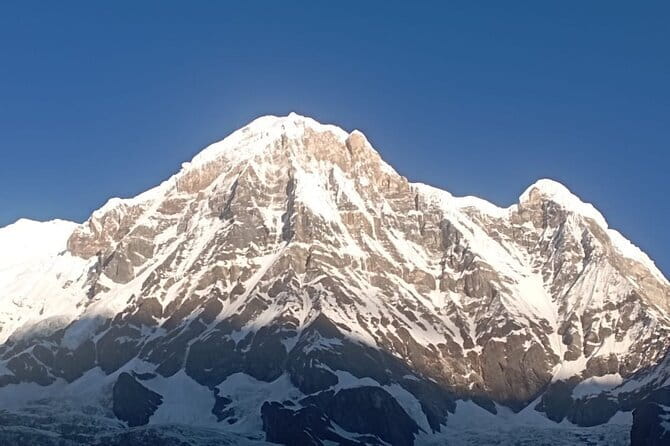
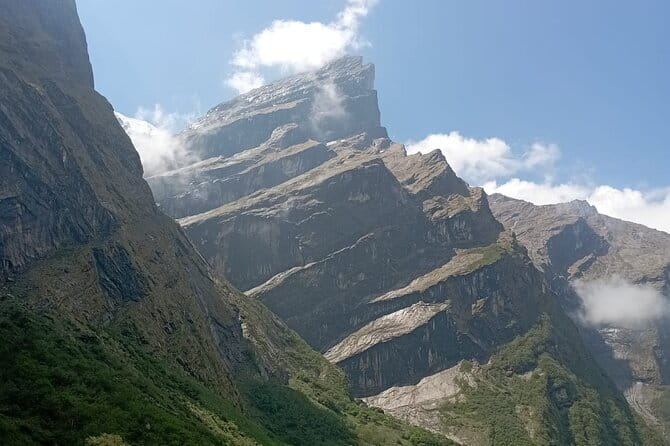
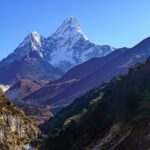
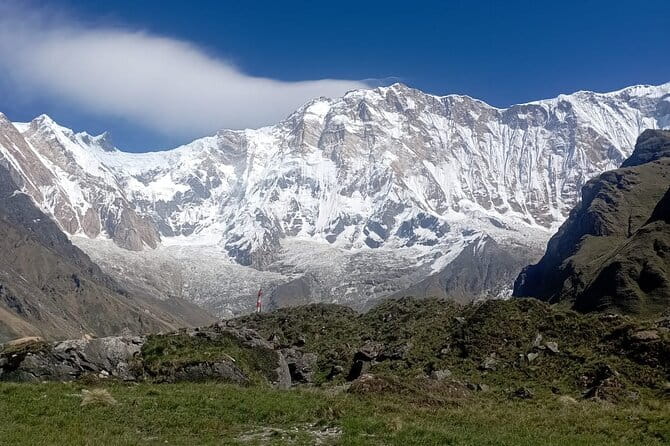
On Day 9, after reaching Deurali, the route passes through a river bed, then involves a tedious climb to Machhapuchhre Base Camp. The reward is a wide set of mountain views around you—named peaks like Annapurna, Machhapuchhre, Gangapurna, and Himchuli are part of what you’re looking at from this area.
This is also one of those points where a guide’s value becomes obvious. When you’re tired and the air is thinner, it’s easy to start second-guessing turns or trying to shortcut. With a professional guide, you can focus on your own pace and breath without constantly thinking about the route.
Then Day 10 brings the other major sunrise payoff. You view a spectacular sunrise from ABC, then you head back on a return route through MBC, Deurali, Himalaya, Bamboo, all the way to Sinuwa. Mostly downhill, the day is described as an easy walk—use that time to recover, hydrate, and enjoy the scenery before the trek compresses back into village travel.
One more detail I appreciate: the plan doesn’t ask you to tackle every “hard thing” at once. It gives you viewpoint rewards and recovery days in between the tougher segments.
Chhomrong, Jhinu Danda hot spring, and the trip’s calmer closing days

After the ABC peak days, you’ll continue to Chhomrong again on Day 11, with lunch stops planned in Chhumrung. Day 12 moves toward Jhinu Danda, famous for its natural hot spring ponds where you can bathe. It’s located by the Modi River, and the hot spring area is about 20 minutes walking distance from your hotel.
I like this section because it turns the trek from pure effort into a full-body reset. After days of walking, a soak is one of the few “luxury” things you can count on without paying tourist prices.
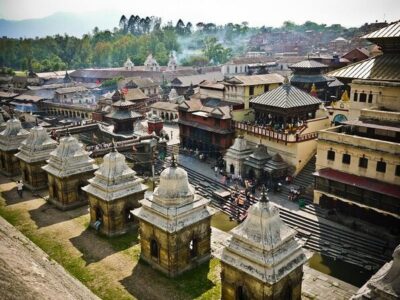
Day 13 includes a stop in Malekhu for lunch about 30 minutes in a spot known for fish species and fish products. Then your final day, Day 14, ends with a drive via Pashupatinath Temple, with a short photo stop.
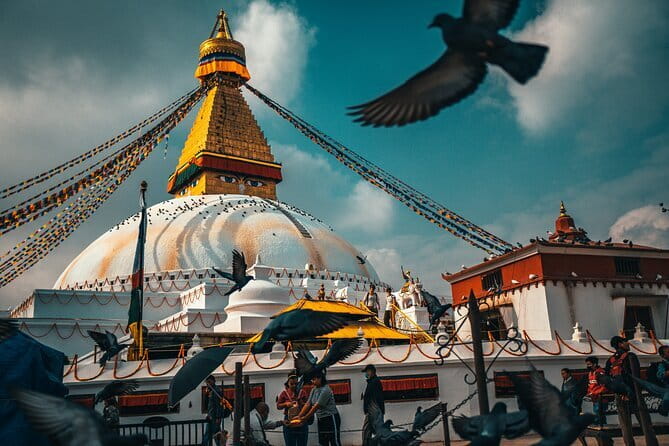
If you’ve never seen Pashupatinath from the road, it’s a striking cultural punctuation mark at the end of a Himalayan trek—fast, memorable, and worth a quick look while you’re already here.
Meals, teahouses, and city nights: what’s included (and what you’ll still pay for)
The included meals structure is one of the best reasons to choose a guided itinerary like this. The tour includes:
- Breakfast (13)
- Lunch (10)
- Dinner (10)
The important catch: lunches and dinners in Kathmandu and Pokhara aren’t included. You’ll want to budget for a few meals in those cities, and you’ll also want to enjoy that you get freedom there—try a different place than your trek food schedule.
On the trail, your sleep options are teahouses, which typically means you can count on basic warmth and meals during designated stop times. In practice, this matters because it keeps you from spending your energy searching for “the best bed” instead of walking.
In Kathmandu and Pokhara, you’re in included accommodation—hotels or guesthouses depending on the stop—so your arrival and transfer days aren’t chaotic.
Guides like Krishna, Tulsi, Arjun, Suvi, and Anil: what to look for
Small-group trekking lives and dies with the guide’s day-to-day attitude. In the feedback you shared, a few names come up with consistent themes: clear communication, caring check-ins, and strong knowledge of the peaks and route.
Some guide names tied to these Annapurna trek experiences include Krishna, Tulsi, Arjun, Suvi, and Anil. A couple of comments also mention porters by name, like Sumon, and highlight moments where the team adjusted plans when someone wasn’t feeling well.
Even if you don’t get the exact person you’re imagining, the key thing to take from the pattern is this: you’ll want a guide who can explain what’s coming, help manage your pace, and stay calm when the hike shifts from plan A to real-world conditions.
Value check: transfer logistics, group size, and the comfort of not improvising
Let’s talk logistics, because they matter a lot on trekking trips. You get round-trip shared transfers, airport pickup/drop-off handling through the representative system, and an itinerary that connects Kathmandu → Pokhara → Nayapool → trek route → back into Kathmandu.
Shared transfers won’t feel like a private limousine, but that’s part of the value. You save cost and still get the big “figure it out” pieces taken care of.
And with a maximum of 10 travelers, you’re not stuck in a line of people. That translates into more flexibility around pacing and fewer bottlenecks at tea house stops.
Who should choose this Annapurna Base Camp trek (and who should be cautious)
This trek is best for active travelers who feel comfortable hiking 4–7 hours a day in moderate high-altitude terrain. If you enjoy walking for long blocks of time and you like structured days where someone else handles the sleeping and meals, this suits you.
It may be less ideal if:
- you’re new to hiking and aren’t used to daily long walks,
- you prefer minimal stair-and-climb days,
- or you want total freedom to change stops, because the itinerary keeps you on a planned path.
One more honest note: weather matters on mountain trips. The experience requires good weather, and if conditions are poor, you’ll be offered a different date or a full refund.
Should you book this Annapurna Base Camp trek?
If you want an ABC trip that’s focused on walking, sunrise views, and steady pacing—with teahouse comfort, included trail meals, and a guide who can keep things moving—this is a strong choice.
I’d book it if you’re the kind of person who’d rather spend money on good logistics than time on figuring out routes and meals yourself. I’d hesitate only if daily hiking time at moderate high altitude worries you more than it excites you.
FAQ
FAQ
How long is the Annapurna Base Camp trek on this itinerary?
The itinerary runs for about 14 days.
Where does the experience start?
It starts at Tribhuwan International Airport in Kathmandu, Nepal.
What group size is this trek?
It’s a small group with a maximum of 10 travelers.
Is pickup offered from the airport or hotel?
An airport representative meets you at Tribhuwan International Airport and arranges a drop to your hotel by private tourist vehicle. Pickup is also listed as offered.
Are meals included during the trek?
Yes. All meals on the trek are included, and some meals are included in Kathmandu and Pokhara. Lunch and dinner in Kathmandu and Pokhara are not included.
Where do you sleep during the trek?
You stay in teahouses on the trek and in hotels/guesthouses in Kathmandu and Pokhara, as included in the itinerary.
Does the itinerary include Poon Hill?
Yes. There is a Poon Hill viewpoint hike (at 3,210m) as part of the route.
How much hiking should I expect each day?
The trekking days are described as moderate high-altitude hiking, with about 4 to 7 hours per day.
What happens if weather is bad?
The experience requires good weather. If it’s canceled due to poor weather, you’ll be offered a different date or a full refund.
What’s the cancellation window?
You can cancel up to 24 hours in advance for a full refund. If you cancel less than 24 hours before the start time, the amount paid is not refunded.