REVIEW · 1-DAY TOURS
1 day with our women empowerment and children development project
Book on Viator →Operated by Human welfare committee · Bookable on Viator
A cooking lesson and kids games in Kathmandu. This private day at the Human Welfare Committee pairs hands-on Nepali food and bead jewelry making with a real look at daily life for women and children working toward brighter futures. You start with a program led by local women, eat lunch together, then move into the center where the kids return from school and share games, sports, walking, dancing, and singing.
The best part is how participatory it all feels. You are not just watching; you are stirring dal, shaping momo, stringing colorful beads, and joining the energy when school day ends. One thing to consider is that this is a long, hands-on day (about 8 to 10 hours), so it is not a quick sightseeing break if you want to keep things low-key.
In This Review
- Key highlights to know before you go
- One day with Human Welfare Committee: how the schedule works
- Meeting at Paknajol and finding your people quickly
- Nepali cooking: dal bhat or momo the hands-on way
- What to expect in the kitchen
- Lunch together: the pause that makes the learning stick
- Bead jewelry workshop: making something you can keep
- A practical tip for the workshop
- The 30-minute walk: transitioning from workshop mode to community mode
- Playing with kids: sports, games, dancing, singing, and painting
- How to make the connection feel respectful
- Dinner with the children and the farewell moment
- Price and value: what $120.13 buys you in real terms
- Who this experience is best for (and who might not love it)
- Practical expectations for a smooth day
- Should you book this day at Human Welfare Committee?
- FAQ
- What is the duration of the experience?
- How much does the tour cost?
- Where do we meet?
- Where does the program end?
- What happens during the day?
- Is lunch and dinner included?
- Is it a private group experience?
- Where do we start and how do we get to the center?
- Is there free cancellation?
- When should I expect the confirmation?
Key highlights to know before you go
- Women-led cooking: you’ll learn a traditional Nepali dish like dal bhat or momo and cook alongside the instructors
- Your own jewelry: make a beaded piece you can wear or take home as a souvenir with a story
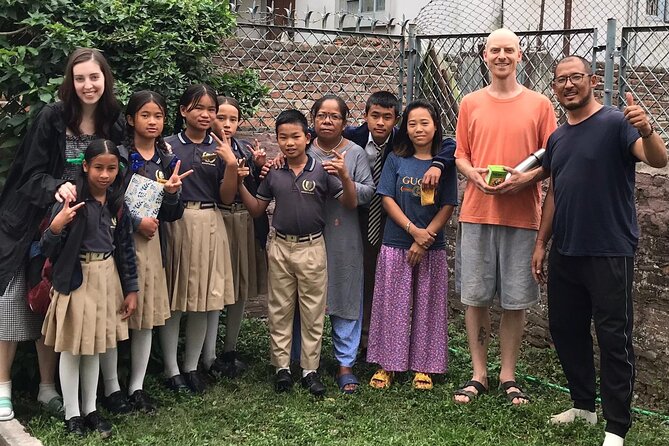
- Built-in connection time: the afternoon shifts from workshops to games and activities when children arrive from school
- A shared meal, not a pass-through stop: lunch is part of the program, and dinner happens with the kids too
- Human-scale pace: the day includes transitions (including a short walk) that keep it from feeling rushed
One day with Human Welfare Committee: how the schedule works
This is the kind of experience where the day stops looking like a checklist and starts looking like a rhythm. You spend your morning and early afternoon learning from women at the Human Welfare Committee. Then the focus shifts. Later, when the children return from school, you step into playtime and conversation with the kids—and yes, that means you will probably be running at least a little.
Expect a full block of time. The program runs roughly from late morning into the evening, ending around 8:00 PM. If you are the type who likes to pack in views between transfers, this will feel different: you are there to spend time, not to tick off landmarks.
You can also read our reviews of more tours and experiences in Kathmandu

Meeting at Paknajol and finding your people quickly
Your day starts at We Handicraft in Paknajol (Kathmandu). It is a practical spot because it is near public transportation, which matters in Kathmandu where traffic and routes can turn into a puzzle. Once you arrive, you will be gathered with your private group and guided through the day’s flow.
The tour is private, meaning it is only your group participating. That is a big deal for a hands-on program like this. It makes it easier to talk, ask questions, and feel comfortable joining in without feeling like you are on stage for a crowd.
Nepali cooking: dal bhat or momo the hands-on way

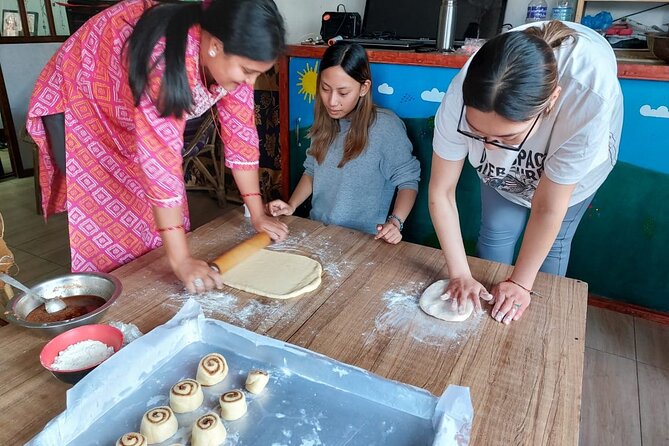
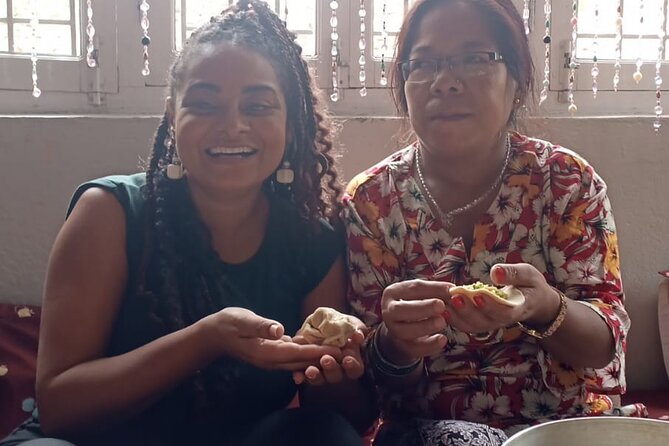
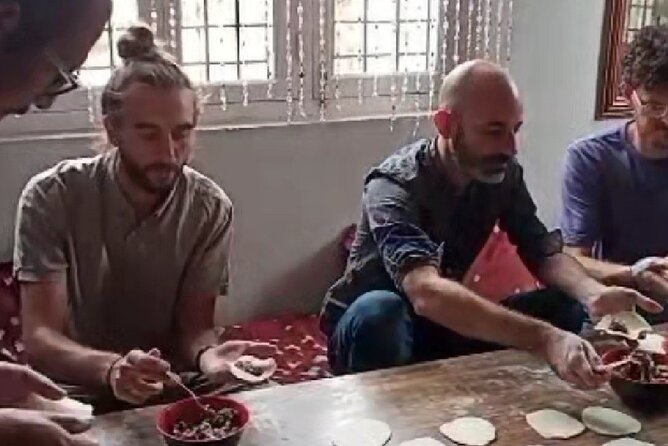
From about 11:00 AM to 1:00 PM, you join a Nepali cooking class led by the women. You may cook either dal bhat or momo (both are staples in Nepal, and both come with that comforting, everyday feeling).
Here is what makes this more than a “try local food” moment. Cooking classes work best when you do the actions yourself, and this is structured for that. You will follow the steps, learn how ingredients and flavors come together, and leave with a better understanding of why these foods are daily favorites rather than tourist snacks.
What to expect in the kitchen
- You’ll cook with local women guiding you through the process
- You’ll spend time learning, not just eating
- You will likely get a bit of mess on your hands, because that is how cooking works
If you have dietary restrictions, you should plan to ask clearly and early. The day is built around shared meals, so communication helps you make it work smoothly.
Lunch together: the pause that makes the learning stick
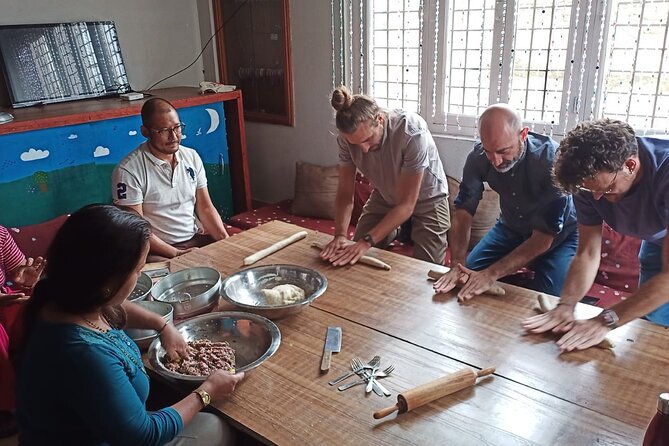
Lunch runs from about 1:00 PM to 2:00 PM. This is not just fuel between activities. It is part of the program’s social glue. You eat what you cooked (or at least what you learned), and the shared meal creates an easy opening for conversation.
I like lunch blocks like this because they turn a workshop into something personal. Instead of moving on immediately, you get that short window to ask questions and hear stories in a relaxed setting.



Bead jewelry workshop: making something you can keep
From about 2:00 PM to 4:00 PM, you shift into jewelry-making with colorful beads. Again, the women lead this part, and again, you are doing the work. You’ll make your own beaded jewelry, either for yourself or as a souvenir.
This is one of the best parts of the day for a simple reason: you leave with a tangible item that points back to the people and the moments you shared. A bracelet or necklace is easy to forget, but it is also easy to remember if you made it with your own hands.
A practical tip for the workshop
Bring patience. Jewelry-making takes small, careful movements. If you get frustrated quickly, focus on the process rather than perfection. The goal here is participation, not a gallery-quality finish.
The 30-minute walk: transitioning from workshop mode to community mode
At about 4:00 PM, the children return from school. The program then includes a short walk together (around 30 minutes) from the workshop area to the main Human Welfare Committee center in Manjushree Galli.
This walk matters. It is not random downtime. It is a transition moment that helps you shift from learning with women to connection with children. In Kathmandu, walking also gives you a chance to slow down, look around, and adjust to the neighborhood pace.
Wear comfortable shoes. You are moving through the city and you will also be joining activities later, so your feet will thank you.
Playing with kids: sports, games, dancing, singing, and painting
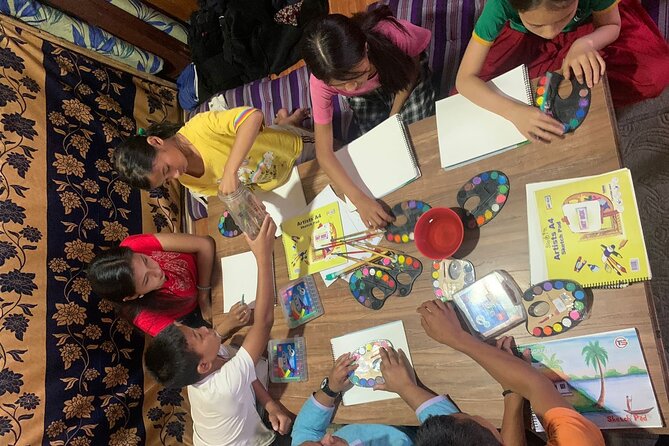
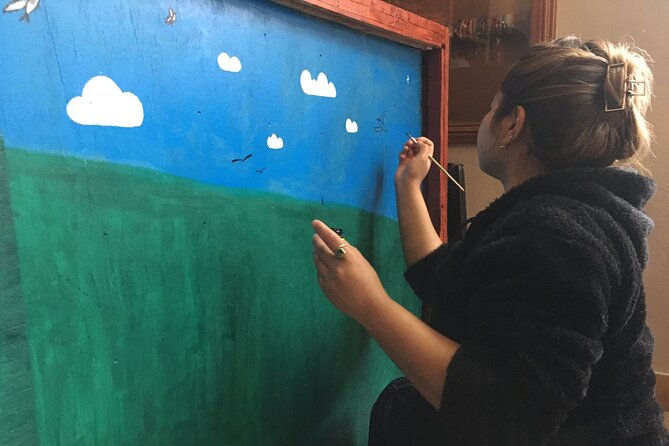
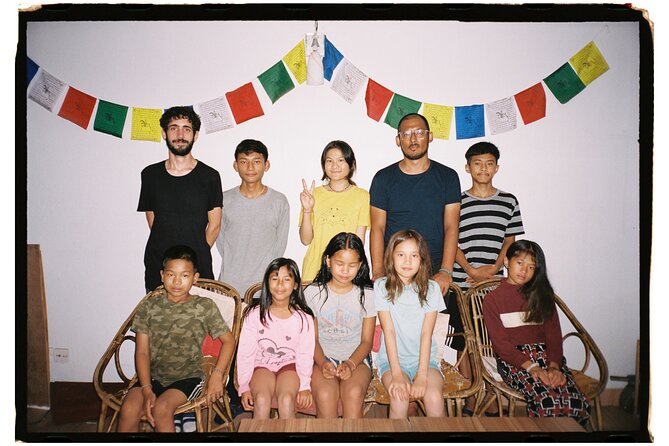
From about 5:00 PM to 7:00 PM, the focus becomes the children. This is not a scripted performance. You connect through games, sports, walking, dancing, singing, and painting—activities that make it easy for kids to include you even if your Nepali is limited.
One review highlighted a day that ran from late morning into the evening with a lot of conversation with Tenzing, the person running the organization. That kind of talk can help you understand what you’re seeing. But even without deep conversation, the playtime itself teaches you a lot about everyday life outside the big city.
How to make the connection feel respectful
- Follow the kids’ lead. If they want to play a quick game, go with it.
- Keep it friendly and simple. Big, complicated games can fall flat.
- Treat the time like you’re joining their afternoon, not taking over it.
If you are someone who enjoys hands-on interaction and you do not mind being “in the action,” this part will feel like the heart of the day.
Dinner with the children and the farewell moment
Dinner runs from about 7:00 PM to 8:00 PM, and then the program ends with a farewell around 8:00 PM.
Eating with kids changes the tone. It is quieter than play, but it still feels connected. This is the part where you realize the day is designed to be shared from start to finish: cooking, lunch, making jewelry, then a school-day reunion, then dinner, then a wrap-up.
Farewell time matters too. When programs end well, it is easier to feel like you contributed something human rather than just collected an experience.
Price and value: what $120.13 buys you in real terms
The price is $120.13 per person. For Kathmandu, that is not pocket-change, so it helps to think about what you are paying for.
You are paying for:
- A full-day, structured experience lasting about 8 to 10 hours
- Private participation for your group
- Women-led instruction in both cooking and bead jewelry making
- Lunch and dinner as part of the program
- Time that’s specifically designed to connect you with children through games and activities
The value here is not just the activities. It is the access to a community setting and the time you spend with people on their terms. If you want a day that feels like involvement instead of observation, this price starts to make sense.
Also, since the meeting point and the center are tied to specific locations in Kathmandu, the day is organized rather than improvised. That saves you hassle, which is worth real money in a city where logistics can drain your energy.
Who this experience is best for (and who might not love it)
This program fits best if you like:
- Hands-on learning (cooking and crafts)
- Spending time with children in an active, friendly way
- Experiences that support women and child development through direct community involvement
- A full day where the schedule is structured and you are part of it
It might be less satisfying if you want a sightseeing-heavy day. This is about community time, not scenic stops. And because it runs late into the evening and includes walking and play, you should plan for energy.
Practical expectations for a smooth day
Here is how to set yourself up for success, using only what the program format implies.
You will likely spend most of your daylight hours at the two main phases: workshops first, then children activities later. That means:
- Bring comfortable clothes you can move in
- Plan for hands-on activities (cooking and beadwork)
- Keep your schedule flexible so you are not rushing at the transitions
- Be ready for an active afternoon when kids are involved
If you show up calm, curious, and willing to participate, the day tends to flow.
Should you book this day at Human Welfare Committee?
If you want a Kathmandu day that feels personal and productive—where you cook, make something by hand, and share real time with kids—this is a strong choice. The private format helps you connect without feeling crowded, and the workshop-to-children structure makes the day feel purposeful.
I would skip it only if you are looking for a quick, low-energy sightseeing tour. This program is active, social, and full-day. In the best way, it asks you to be present.
FAQ
What is the duration of the experience?
It runs about 8 to 10 hours.
How much does the tour cost?
The price is $120.13 per person.
Where do we meet?
You meet at We Handicraft, Paknajol, Kathmandu 44600, Nepal.
Where does the program end?
It ends at Human Welfare Committee, Manjushree Galli, Kathmandu 44600, Nepal.
What happens during the day?
The day includes a Nepali cooking class (dal bhat or momo), lunch, a jewelry-making workshop, a walk to the main center, activities with children, dinner with the children, and a farewell at the end.
Is lunch and dinner included?
Yes. Lunch is included after the cooking class, and dinner is included with the children.
Is it a private group experience?
Yes. It is private, and only your group will participate.
Where do we start and how do we get to the center?
After lunch, there is a walk together of about 30 minutes to the Human Welfare Committee main center.
Is there free cancellation?
Yes. You can cancel for a full refund up to 24 hours before the experience’s start time.
When should I expect the confirmation?
You should receive confirmation at the time of booking.