REVIEW · 3-DAY EXPERIENCES
3 Days Chisapani Nagarkot Trek
Book on Viator →Operated by himalayan sanctuary adventure private limited · Bookable on Viator
Most mountain treks start slow. This one starts with a view.
You’ll hike from Sundarijal to Chisapani, then continue on to Nagarkot, with big Himalayan sights built into the schedule. The timing matters here: the route is short enough to keep it relaxed, but long enough to feel like a real mountain trip, not a quick walk with a bus.
Two things I really like: meals are taken care of on the hike (so you’re not constantly hunting for food), and you get both an English-speaking guide and a porter for luggage. One thing to consider: you’ll be on the trail roughly 4–7 hours per day, and day two is the longest.
In This Review
- Key highlights worth your attention
- Entering the Chisapani–Nagarkot vibe: an easy trek with real payoff
- Day 1: Sundarijal to Chisapani, forest air and first big views
- Day 2: Chisapani to Nagarkot, the longest day with the most payoff
- Day 3: Nagarkot sunrise, Chagunarayan temple, and Bhaktapur Durbar Square
- The guides and porters: why this trek feels manageable
- Food and permits: small details that make a big difference
- Price and value: does $320 make sense for what you get?
- Logistics you should plan for: timing, private group, and what to pack
- Who this trek is best for
- Should you book the 3 Days Chisapani Nagarkot Trek?
- FAQ
- How long is the Chisapani to Nagarkot trek?
- What time does the tour start?
- Are meals included during the trek?
- Do I get an English-speaking guide and porter?
- What sightseeing is included on the way back?
- Is the national park permit included?
- What about visa, insurance, and entrance fees?
- Can I cancel for a full refund?
Key highlights worth your attention
- English-speaking trekking guide to help you actually understand what you’re seeing
- Porter support (1 porter for 2 trekkers) so your energy goes to hiking, not carrying
- Cooked meals included during the trek, with breakfast/lunch/dinner planned across days
- Two sunrise/sunset moments built in, especially the Nagarkot viewpoint
- National park permit included for the hiking area
- Bhaktapur Durbar Square stop on the return day
Entering the Chisapani–Nagarkot vibe: an easy trek with real payoff
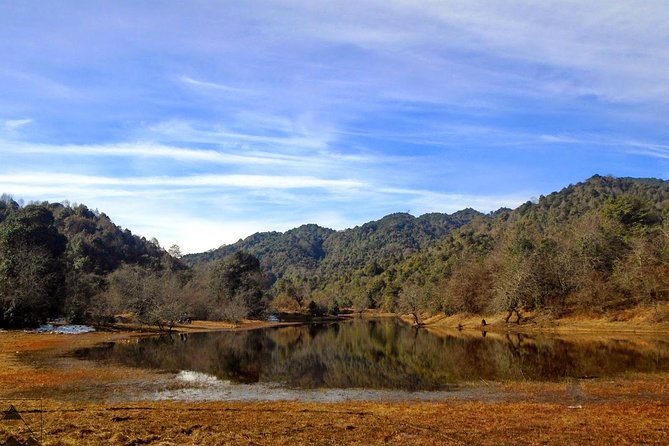
This trek hits a sweet spot for me: it’s not a technical climbing mission, but it still feels like you’re getting out into Nepal for a few proper days. You gain altitude gradually, sleep in hill towns, and spend day two moving through forests, villages, and terraced fields instead of just following one long ridge line.
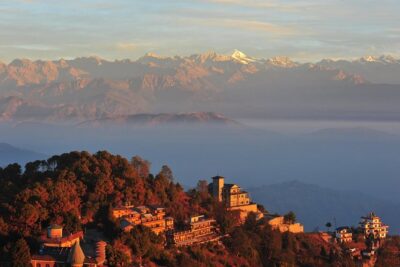
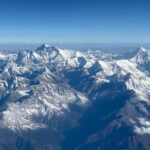
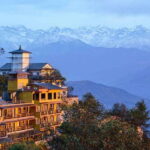
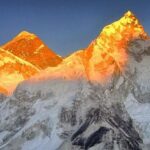
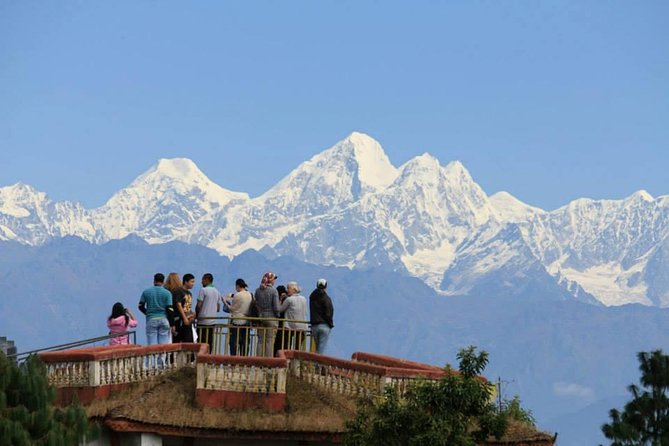
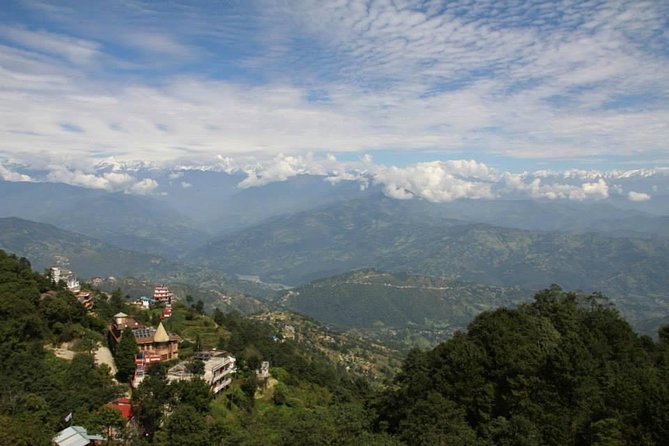
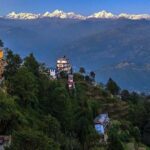
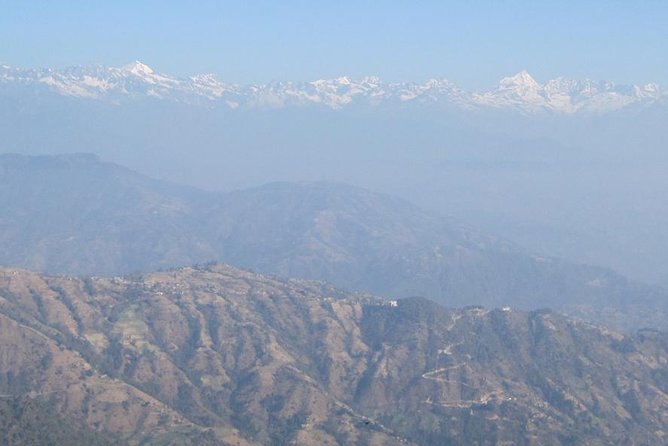
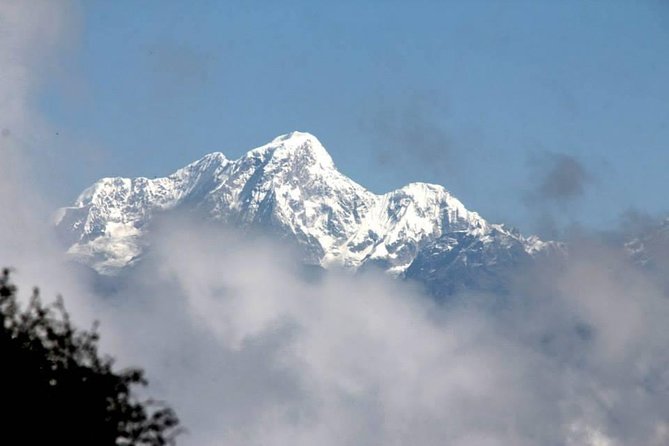
The route is also built around viewpoints. Chisapani gives you panoramic mountain and valley views, and Nagarkot is the star for sunrise and sunset. If you’re traveling for the mountains, this itinerary is set up so you’re not just walking between photos. You walk, you stop, you look, you eat, you walk again.
You can also read our reviews of more hiking tours in Kathmandu
Day 1: Sundarijal to Chisapani, forest air and first big views
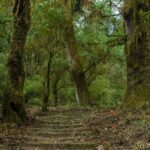
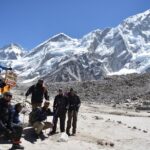
You meet at 7:45 am and start with a drive from Kathmandu to Sundarijal. From there, the hike begins with an uphill push through pine and oak forest. This is one of those first-day segments that’s pleasantly physical without feeling punishing, because the walking is broken up by scenery and birdlife.
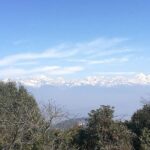
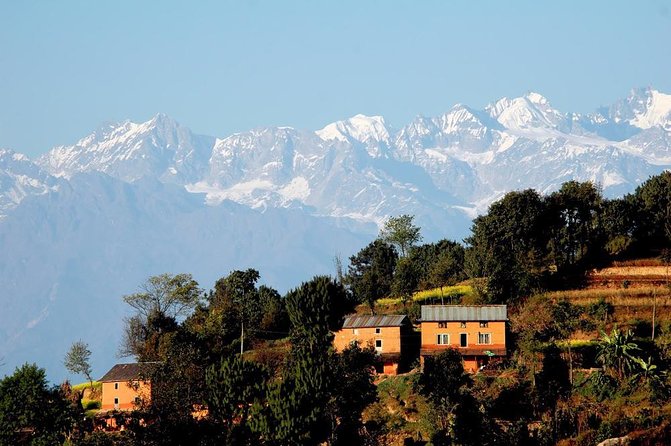
Chisapani sits at 2115m, and once you reach it, the day shifts from effort to payoff. The area is known for panoramic Himalayan and valley views, and you’ll also get a sense of local life, including the Sherpa community presence in the town area.
What you’ll do:
- Hike for about 4–5 hours (with some planning saying up to around 5–6 hours depending on pace and conditions)
- Overnight at a lodge in Chisapani
- Lunch and dinner are included during the trek
A practical note: day one is where you set your rhythm. If you like taking it slow, you’ll enjoy this more than rushing. Even if you’re fit, the forest trails can feel steady rather than steep, which makes them great for finding a pace you can keep.
Day 2: Chisapani to Nagarkot, the longest day with the most payoff
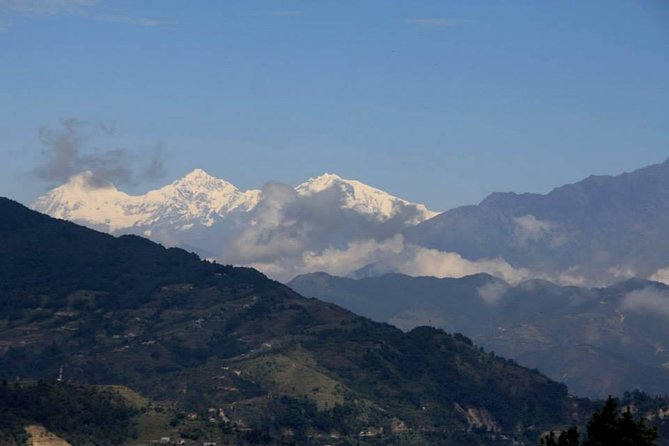
Day two is the workhorse. Expect about 6–7 hours of walking, and plan for changing scenery across the day.
After breakfast, you head out via an unsealed road for 2–3 hours, then continue through the natural corridor of birds and forest. You’ll reach Jhule and Chauki Bhanjyang area for a lunch stop. The schedule suggests lunch around the 3-hour mark of hiking, then another stretch onward.
From there, you trek through villages and terraced fields, so you’re not only moving through wilderness. You get glimpses of daily routines and farm life as the trail climbs toward Nagarkot (2195m).
Why Nagarkot is worth the effort:
- The view is described as excellent for seeing the Himalayan range that’s visible from Nepal
- You can catch both sunset views and the next morning’s sunrise views
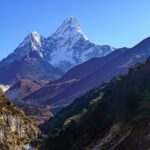
- The promise here is a wide sweep, from Annapurna and Langtang toward the Everest region, plus the broader range mentioned for what’s visible
You’ll sleep at a hotel in Nagarkot and have breakfast, lunch, and dinner included during the trek.
Small drawback to keep in mind: day two is longest, so it’s the day you’ll feel most tired. If you’re carrying a heavy backpack at home, this is where you’ll really notice you’re not supposed to. This tour helps because a porter is on hand for luggage, and an English-speaking guide keeps the day moving at a safe pace.
Day 3: Nagarkot sunrise, Chagunarayan temple, and Bhaktapur Durbar Square
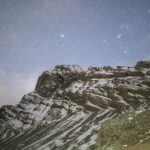
Day three starts with the big viewpoint moment. Since Nagarkot sits on a hilltop, you’re set up for sunrise viewing, then after breakfast you get moving again.
The trail plan is a mix of downhill and uphill:
- Hike downhill toward Telkot
- Then ascend a small hill to reach Chagunarayan Temple
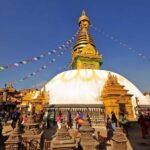
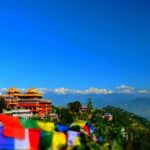
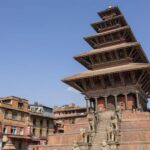
Chagunarayan is described as an old and artistic temple, listed as a UNESCO World Heritage Site. That’s a key shift in the trip: you’re not just chasing mountain views anymore. You’re switching gears into Nepal’s cultural centerpieces.
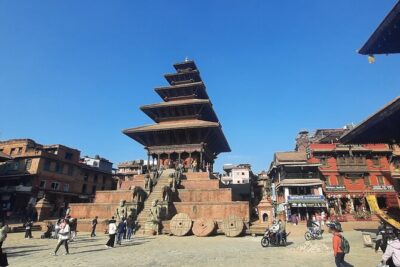
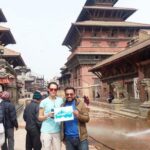
After visiting the temple, you stop at Bhaktapur Durbar Square on the way back. Then you take a car to Kathmandu and get dropped at your hotel.
Food on day three includes breakfast and lunch, and the day is shorter on pure hiking time because the drive back is part of the plan.
A practical tip: sunrise is worth planning for, but it can also be cold. If you tend to run cold, pack an extra layer even if you think you won’t need it. Nagarkot’s elevation and early timing make that a smart move.
The guides and porters: why this trek feels manageable
I like this setup because it changes the whole feel of a short trek. You’re still hiking, but the trip doesn’t turn into a logistics puzzle you have to solve yourself.
Here’s what you get:
- An English-speaking trekking guide leads the way
- A porter helps with luggage (the arrangement is 1 porter for every 2 trekkers)
- This is a private trek for just your group
In the feedback I saw, guide performance is a major reason people feel safe and comfortable. Names that came up include Bishnu Bhatta and Ganesh. Both were described in a positive way, including a focus on encouraging people to take their time. That matters on this route because day two is long enough that pace can make or break the experience.
If you’re a solo traveler, this guide-and-porter structure also gives you confidence. You’re not trying to read trails, manage timing, and carry everything yourself. You can focus on walking and on the views.
You can also read our reviews of more tours and experiences in Kathmandu
Food and permits: small details that make a big difference
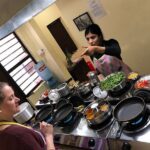
Food is included while you’re on the hiking portion, which is exactly what you want on a trek like this. You’re not stopping to compare menus, chase snacks, or negotiate meals after a long stretch of walking. Breakfast, lunch, and dinner are planned day-by-day during the trek.
Included in the trip:
- All meals while on hiking
- National park permit
- Meals and accommodation for the guide
- Bhaktapur Durbar Square sightseeing on the way back
Not included:
- Meals in Kathmandu
- Entrance fees for sightseeing
- Tips and personal drinks (alcohol, cold drinks)
- Nepal travel insurance
- Nepal entry visa fee (you can get the visa on arrival at Tribhuvan International Airport)
Why this matters for value: with trekking, your biggest stress is often simple stuff—food and movement. This plan removes both. You wake up, you hike, you eat what’s been arranged, and you keep going. It’s the kind of structure that makes a 3-day trek feel like a smooth, guided experience rather than a DIY challenge.
Price and value: does $320 make sense for what you get?
At $320 per person for a 3-day trek, the real question is what’s inside that price, and what you would otherwise pay for yourself.
Based on the details you’re given, your money covers:
- Private transportation from Kathmandu to the trail start and back from the ending point
- English-speaking trekking guide
- Porter assistance for luggage
- All meals during the hike
- National park permit
- Bhaktapur Durbar Square sightseeing stop
For a short trek, that bundle is often where value lives. If you tried to assemble it yourself—transport, guide, permit, meal planning, and porters—you’d likely spend more time and more money. Here, the price buys you reduced decision fatigue. You know what happens each day, and you know someone is responsible for keeping things on track.
The only place you’ll still spend extra is on items like entrance fees, tips, and anything personal (drinks, laundry). So it’s not a fully all-inclusive bubble. But it is a lot included for a short itinerary.
Logistics you should plan for: timing, private group, and what to pack
This is scheduled with a clear start: 7:45 am. On day one, you drive from Kathmandu to Sundarijal and then hike. On day three, the mountain portion ends with temple time and Bhaktapur, then the car back to Kathmandu.
Because it’s a private trek, your group size matters. It’s just you and your party, which can mean less waiting around. It also means your pacing depends more on your guide and your own group comfort.
What to pack (general trekking common sense, but useful here):
- Layers for mornings and evenings, especially around sunrise
- Comfortable hiking shoes you can trust on uneven paths
- A day bag for water and personal items (your porter handles luggage)
- Basic sun protection, because daylight view breaks are part of the plan
One more planning point: entrance fees for sightseeing are not included, so budget for temple and square entry when you arrive at stops like Chagunarayan and Bhaktapur Durbar Square.
Who this trek is best for
This route is a good fit if you want:
- A short Himalayan trek that still includes sunrise and sunset viewpoint time
- A guided experience with English support and porter help
- Enough hiking to feel accomplished, but not so much that you need weeks of training
It also sounds like a solid option for people who want a comfortable structure. The guidance style described in feedback includes patience and encouragement for slower pacing, which can be reassuring if you’re nervous or returning to hiking after time off.
If you’re the type who loves deep wilderness and wants day after day of remote trails, you might find day two brings you more village life than solitude. But if you want mountains plus culture in three days, this is built for that.
Should you book the 3 Days Chisapani Nagarkot Trek?
I’d recommend booking if your top goal is Himalayan views with minimal trip friction. The guide-and-porter setup, the cooked meals, and the viewpoint design around Chisapani and Nagarkot make it a practical choice for first-time trekkers or anyone who wants a short but satisfying mountain escape.
Skip it (or at least adjust expectations) if you’re hoping for very light walking every day. Day two is long, and you’ll be on your feet for a full chunk of time. Also, remember that entrance fees and personal costs like drinks and tips are on you.
If that all sounds fair, you’ll likely come away with the two things this trek is trying to deliver: a sense of Nepal beyond Kathmandu and those sunrise-sunset mountain moments from Nagarkot.
FAQ
How long is the Chisapani to Nagarkot trek?
It runs for about 3 days. Walking ranges by day, with day one around 4–5 hours (up to about 5–6 hours depending on pace) and day two around 6–7 hours.
What time does the tour start?
The tour start time is 7:45 am. You’ll have breakfast in Kathmandu, then drive to the trek starting point at Sundarijal.
Are meals included during the trek?
Yes. All meals while you are on hiking are included, including lunch and dinner on day one, breakfast/lunch/dinner on day two, and breakfast/lunch on day three. Meals in Kathmandu are not included.
Do I get an English-speaking guide and porter?
Yes. The trek includes an English-speaking trekking guide, plus a porter to help carry luggage. The arrangement listed is 1 porter for 2 trekkers.
What sightseeing is included on the way back?
On day three, you’ll visit Chagunarayan Temple and also stop for sightseeing at Bhaktapur Durbar Square on the return day.
Is the national park permit included?
Yes. The trip includes the national park permit.
What about visa, insurance, and entrance fees?
Visa fee and travel insurance are not included. The visa can be issued on arrival at Tribhuvan International Airport Kathmandu. Entrance for sightseeing is also not included.
Can I cancel for a full refund?
Yes. There is free cancellation. You can cancel up to 24 hours in advance for a full refund. Canceling less than 24 hours before the start time is not refundable.