REVIEW · 2-DAY EXPERIENCES
Explore Kathmandu in 2 Days: UNESCO Sites & Nagarkot Sunrise Tour
Book on Viator →Operated by Attractive Travels and Tours Pvt. Ltd. · Bookable on Viator
Two days, three centuries of stone and sunrise. This tour is interesting because it threads classic Kathmandu Valley UNESCO stops with the early lift to Nagarkot sunrise views of the Himalaya. I like the mix of big, iconic sacred sites (Pashupatinath, Boudhanath, Swayambhunath) and the quieter craftsmanship of Patan’s Durbar Square. I also like that you’re not stuck only on temples; you get a traditional thanka art school visit and a singing/healing bowl center stop. One drawback: the UNESCO entrance fees and your meals are not included, so your day can cost a bit more than the base price.
You’ll be on a tight, full schedule across both days, but it’s built for first-timers who want “see the musts” without doing the logistics alone. Hotel pickup and drop by tourist car, a professional guide, bottled water, and a mobile ticket help remove the friction.
Expect some early mornings and some stair climbing. Swayambhunath involves a long climb up to the stupa, and Nagarkot starts around 4am with about 1.5 hours of driving from Kathmandu.
In This Review
- Key highlights to plan around
- The value of squeezing Kathmandu Valley UNESCO into 2 days
- Day 1: Patan Durbar Square and the Newar craft you can actually see
- One practical note for Patan
- Day 1: Pashupatinath, Boudhanath, and Swayambhunath in one sacred loop
- How this loop feels day-to-day
- Day 1: Thanka painting school and singing/healing bowl center
- What to do with your time at the art center
- Day 2: The Nagarkot sunrise run and why the timing is everything
- Wear and prepare like it’s cold
- Day 2: Bhaktapur Durbar Square and the feel of a living museum
- The best way to enjoy Bhaktapur on this schedule
- Price and logistics: what you’re paying for in real terms
- Guide quality can make or break a short Kathmandu trip
- Who this tour suits best, and who should think twice
- Should you book this Kathmandu UNESCO and Nagarkot sunrise tour?
- FAQ
- Do I get hotel pickup and drop-off
- How long is the Kathmandu and Nagarkot tour
- Is the tour private
- Which UNESCO sites are included
- Are UNESCO entrance tickets included in the price
- What’s included in the price
- Are meals included
- What time does the Nagarkot sunrise part start
- How far is Kathmandu from Nagarkot
- Can I cancel for a full refund
Key highlights to plan around
- Nagarkot starts around 4am: early enough for sunrise and clear Himalaya views when the weather cooperates.
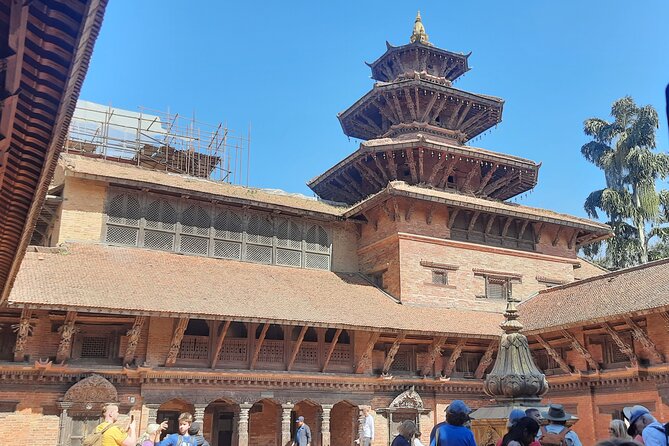
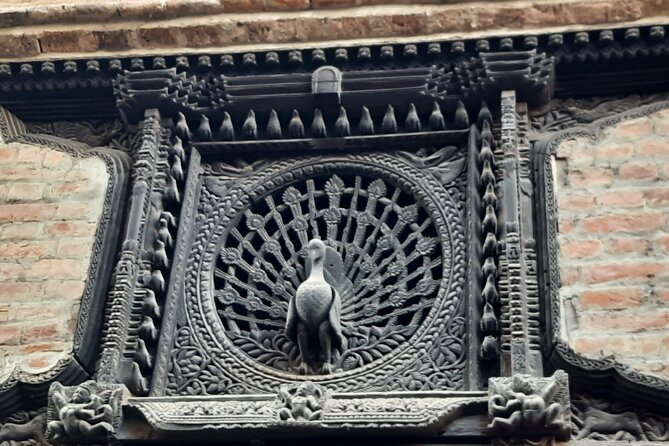
- Patan Durbar Square is about craft, not just monuments: wood and stone carvings by Newar artisans are the star.
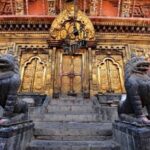
- Golden Temple (Hiranya Varna Mahavihar) is visually specific: the front is plated in golden color from its historic golden-faced fame.
- Boudha Stupa Thanka Center adds a hands-on culture moment: natural-color thanka painting on cotton cloth, with designs like mandala and wheel of life.
- Bhaktapur feels like a living museum: you visit major squares, then Nyatapola Temple and Dattatreya Temple in Nepali pagoda style.
The value of squeezing Kathmandu Valley UNESCO into 2 days
If you’re short on time, Kathmandu can feel like a blur of sights—until you choose a route that connects the places that actually make the Valley UNESCO designation work. This tour does that by pairing Kathmandu Valley’s major sacred landmarks with Patan’s Newar architecture and then finishing with Bhaktapur, another UNESCO World Heritage site.
The price is $100 per person, which is fairly strong if you compare it to paying for a guide and separate transport across multiple locations. That said, the tour’s budget reality matters: UNESCO entrance fees for 5 World Heritage Sites are listed as NPR 4600 (about USD 35) per person, and meals aren’t included. If you want a clean all-in budget, plan on the base rate plus those UNESCO tickets, plus food and any gratuities you choose to give.
There’s also a practical advantage baked in: pickup and drop by tourist car. You won’t be spending your limited vacation hours figuring out what bus goes where, or bargaining for rides between temples that are spread across different parts of the Valley.
You can also read our reviews of more tours and experiences in Kathmandu

Day 1: Patan Durbar Square and the Newar craft you can actually see
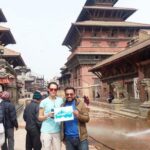
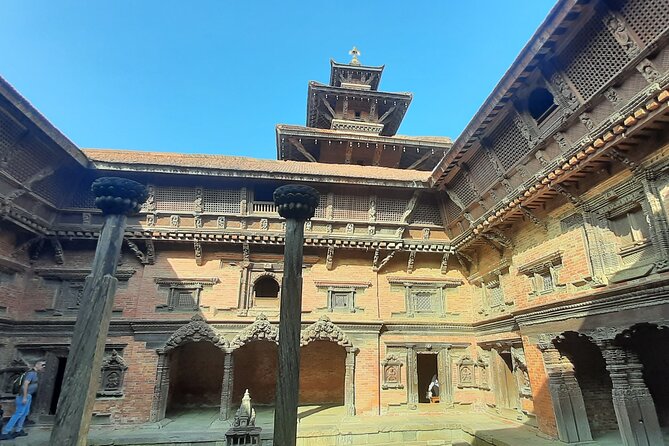
Patan Durbar Square (in Lalitpur) is where this tour shifts from “big landmark” to “look closely at details.” The focus is Newar architecture and the work of Malla kings as patrons of the arts—so you’re not just walking through a courtyard, you’re spotting the logic of the designs on temple walls, carved windows, and the way idols and motifs repeat across the complex.
You get a solid block of time here (about 2 hours), which is enough to do more than snap photos and move on. You can slow down and focus on the carvings of Hindu and Buddhist idols that cover temple walls, and you’ll see how these wood and stone details create a sense of continuity across centuries.
Then comes Golden Temple (Hiranya Varna Mahavihar), only about a 30-minute stop but worth it if you love visual specifics. The front part is known for being plated in golden color, so it’s not subtle. It’s a quick moment of “wow, that’s what people mean when they talk about Patan’s art.”
One practical note for Patan
This part of Day 1 can be mentally busy because you’re surrounded by carvings, inscriptions, and temple details. Wear comfortable shoes and keep your camera ready, but also allow room to just look. Patan rewards slow attention.
Day 1: Pashupatinath, Boudhanath, and Swayambhunath in one sacred loop
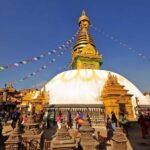
After Patan, the itinerary turns toward Kathmandu’s most recognized spiritual stops: Pashupatinath Temple, Boudhanath Stupa, and Swayambhunath (Monkey Temple). What makes this pairing smart is that each site gives you a different flavor of religious life in the Valley.
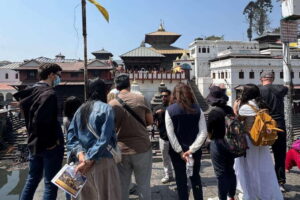
Pashupatinath Temple is described as a major Hindu temple for Shiva, famous in part for its open cremation ceremony along the Bagmati River. If this is your first time seeing Kathmandu’s religious practices up close, it can be intense. Go in with respect and a calm mindset, and remember you’re watching real faith in action, not a stage show.
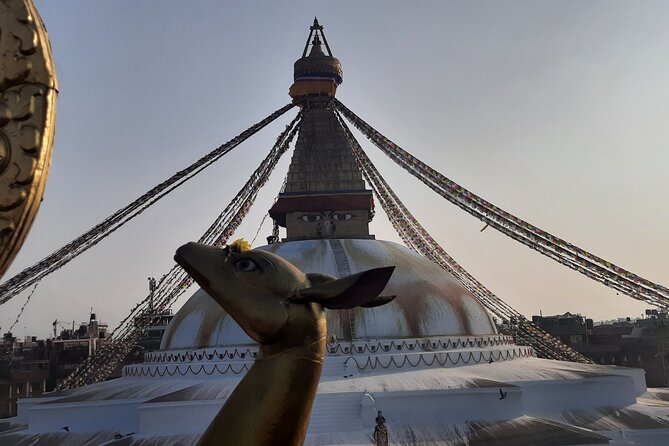
Next, Boudhanath Stupa brings a strong Tibetan influence. The area is filled with monasteries around the main stupa, so you don’t just see one monument—you feel the spiritual neighborhood around it. The stupa itself is the center of gravity for everything nearby.
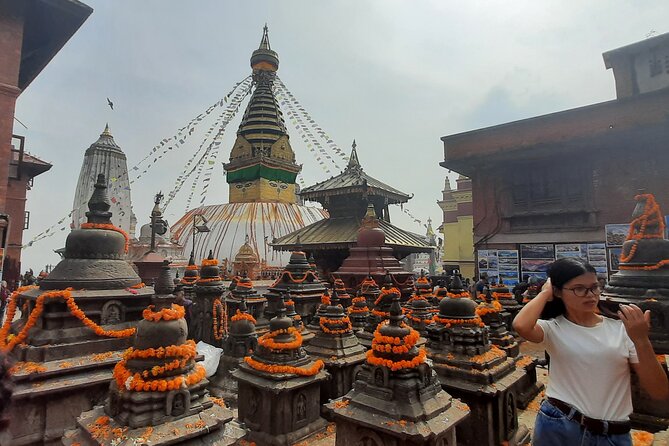
Finally, Swayambhunath (the Monkey Temple) is the hilltop payoff. You climb a long stair to reach the stupa, and the climb is part of the experience. Even if you’re not chasing big views, the ascent turns the visit into more of a journey. Expect a mix of temple activity and lots of photo opportunities.
How this loop feels day-to-day
This sequence tends to work well because you move from a Shiva-focused temple, to a Tibetan-influenced Buddhist stupa, to a hilltop stupa with an uphill approach. The religious themes shift, but the atmosphere stays spiritually active. It’s not “museum mode.” You’ll see daily life braided into worship.
You can also read our reviews of more tours and experiences in Kathmandu


Day 1: Thanka painting school and singing/healing bowl center
Not every Kathmandu tour gives you a culture workshop. Here, you get two distinct stops that focus on traditional arts and sound-based practice: a Thanka Art School visit at the Boudha Stupa Thanka Center, plus a singing and healing bowl center stop.
At the thanka school, the materials and style matter. The art described is painting on cotton clothes using natural colors. You’ll see different design themes such as mandala, the wheel of life, Buddha life story, and single point meditation painting.
This is the kind of stop that’s useful even if you don’t plan to buy anything. You learn how people translate spiritual concepts into visual patterns. It also helps break up the day so you’re not only doing temple architecture.
The singing/healing bowl center stop adds a different sensory angle. It’s included in the tour, so you don’t have to hunt down an extra activity and figure out how it fits. Just know that sound-based experiences may feel more relaxed or more structured depending on what’s happening that day.
What to do with your time at the art center
If you’re interested in purchasing art, you’ll likely have time to ask questions while you’re there. If you’re not buying, treat it as a quick crash course in symbolism and craft.
Day 2: The Nagarkot sunrise run and why the timing is everything
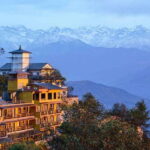
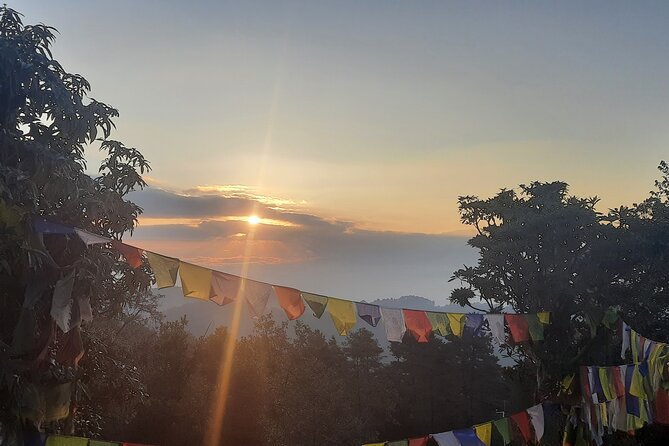
Nagarkot is the tour’s “wake up for a reason” day. The plan is early: you’re ready about 4am to drive roughly 1 hour and 30 minutes from Kathmandu, about 35 km away. That early start matters because sunrise is fleeting, and the whole point is getting you into position before the sky turns bland.
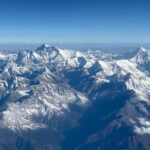
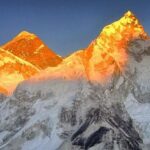
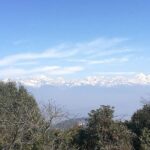
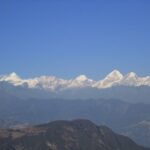
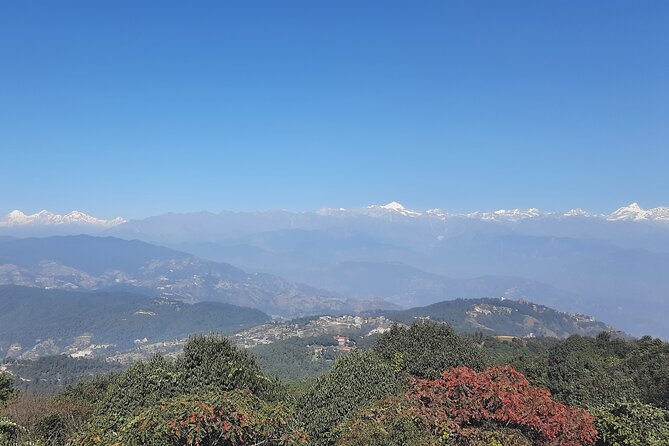
Once there, you’re looking for sunrise and Himalayas views, with mention of Mt. Everest and other mountains in clear conditions. You also get views over the Kathmandu Valley and can see the Bhaktapur city area.
Now, a balanced expectation: sunrise views depend heavily on weather and visibility. If clouds move in, the experience still has value because you’re at the right spot and you’ll see the Valley waking up, but the “Everest postcard” moment might be muted.
Wear and prepare like it’s cold
The only hard fact here is the 4am timing and early morning departure. That usually means cooler air. I suggest dressing in layers so you’re comfortable whether it’s brisk before sunrise or warmer afterward.
Day 2: Bhaktapur Durbar Square and the feel of a living museum
After sunrise, the tour shifts from mountain air back to city stone. Bhaktapur Durbar Square is described as an ancient city area known as a city of devotees and as a live museum. The idea is that the city’s major squares help you understand how culture and worship sit side-by-side.
You’ll observe four major squares (the list is partially shown, but the key point is you’re not just seeing one plaza). This matters because Bhaktapur isn’t a single “stop and go” monument. It’s a set of spaces where architecture frames public and religious life.
Then come two temple anchors that give you context for Nepali pagoda-style design:
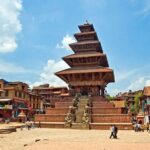
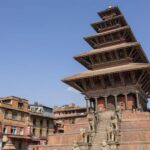
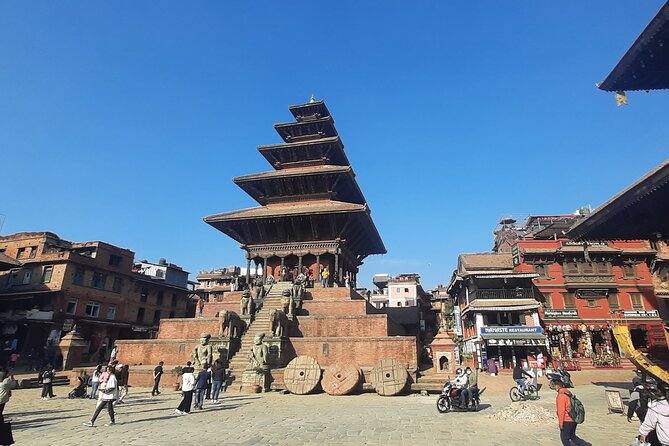
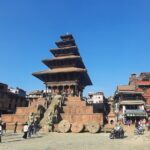
- Nyatapola Temple: described as the tallest temple in Bhaktapur, dedicated to Goddess Siddhi Laxmi. It’s an example of Nepali pagoda or pe-choda style, and it’s near the Bhairab Temple.
- Dattatreya Temple: dedicated to God Dattatreya, described as a mixed incarnation of Brahma, Vishnu, and Shiva.
You also have a short Pottery Square visit. The description is clear: pottery is made by hand, and it’s a place to pick up souvenirs from Bhaktapur. Even if you skip shopping, watching artisans at work gives you a different kind of connection than temple walking.
The best way to enjoy Bhaktapur on this schedule
Bhaktapur can be slower than Kathmandu because the spaces encourage pauses. I’d suggest you keep your walking pace steady, but don’t rush your temple viewing times. With only about two hours for the Durbar Square block, your attention is your real currency.
Price and logistics: what you’re paying for in real terms
Base price: $100 per person for a 2-day private tour (only your group participates). You’re also told it’s commonly booked about 53 days in advance, and the tour offers group discounts, pickup, and a mobile ticket.
Included:
- hotel pickup and drop by tourist car
- professional guide
- thanka art school visit
- singing and healing bowl center
- a bottle of water per person
Not included:
- meals
- gratuities (tipping is expected in Nepal)
- UNESCO entrance fee for 5 World Heritage Sites: NPR 4600 (USD 35)
So the value story is this: the base fee covers a guide, transport, and several organized experiences. The one big add-on is the UNESCO tickets, which you should treat as part of the core cost because it’s tied directly to the Valley sites you came to see. Meals and gratuities are personal choices, but they’re real budget items.
In the customer feedback, the guide Prakash is specifically praised for making the trip fun and for bringing strong local knowledge. On-time service and good communication are also mentioned, which matters when you’re chasing time-sensitive things like a sunrise.
Guide quality can make or break a short Kathmandu trip
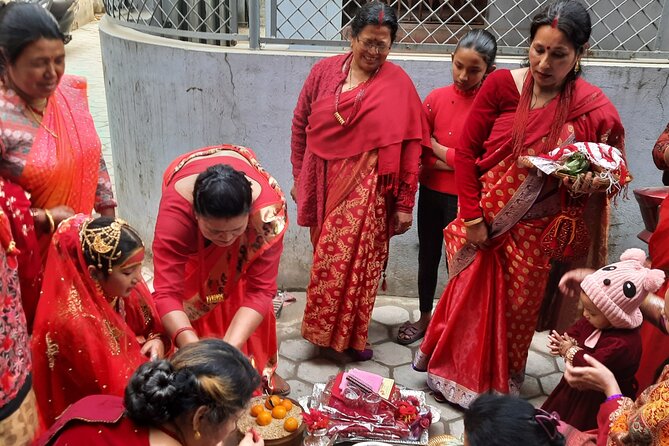
When you only have two days, the guide’s job isn’t just “show the places.” It’s about timing, explanation, and helping you interpret what you’re seeing without turning it into a lecture.
In the feedback for this exact tour, Prakash comes up repeatedly. People highlight his city knowledge and the way he keeps the day lively. That combination is exactly what you want here: you’re looking at temples, carvings, and sacred spaces where context changes your experience.
Since the tour includes a professional guide and a structured route, you also get less dead time. That means you can spend your attention where it counts: on craftsmanship at Patan, on the ceremonial reality at Pashupatinath, on the spiritual neighborhoods around Boudhanath, and on why the hilltop stairs at Swayambhunath feel like part of the ritual.
Who this tour suits best, and who should think twice
This fits you well if:
- you want Kathmandu Valley UNESCO highlights without juggling transportation on your own
- you care about both major icons and finer architectural details
- you’re okay with an early start for Nagarkot sunrise
- you like a guided route with a mix of temples and cultural experiences (thankas and bowl sound)
It may be less ideal if:
- you dislike early mornings or long days (Day 2 starts around 4am)
- you want fully free time to wander without a schedule
- you don’t want to budget for additional site entrance fees and meals
Should you book this Kathmandu UNESCO and Nagarkot sunrise tour?
I’d book it if you’re trying to make two days count in the Kathmandu Valley and you want a route that connects the UNESCO sites in a logical flow. The sunrise portion is the main reason to choose a 2-day option like this, and the Patan + Bhaktapur pair gives you more variety than a “only the icons” plan.
If you’re deciding purely on price, remember the UNESCO entrance fee is an extra cost, and meals and gratuities are on you. But if you want pickup, a guide, planned cultural stops, and transport between far-flung sites, this is a practical way to reduce hassle fast.
FAQ
Do I get hotel pickup and drop-off
Yes. Hotel pickup and drop by tourist car are included.
How long is the Kathmandu and Nagarkot tour
It’s listed as approximately 2 days.
Is the tour private
Yes. It’s described as private, meaning only your group participates.
Which UNESCO sites are included
The tour mentions entrance fees for 5 UNESCO World Heritage Sites, tied to the sites you visit in Kathmandu Valley and Bhaktapur.
Are UNESCO entrance tickets included in the price
No. UNESCO entrance fees are not included, and you’re expected to pay them separately (listed as NPR 4600 or USD 35 per person).
What’s included in the price
Included items are hotel pickup/drop, a professional guide, a traditional thanka art school visit, a singing and healing bowl center stop, and a bottle of water per person.
Are meals included
No. Meals are not included, and you’ll need to pay for food and drinks yourself.
What time does the Nagarkot sunrise part start
You’re ready around 4am to go to Nagarkot.
How far is Kathmandu from Nagarkot
Nagarkot is about 35 km from Kathmandu, and the drive is listed as about 1 hour and 30 minutes.
Can I cancel for a full refund
Yes. Free cancellation is offered if you cancel at least 24 hours before the experience’s start time for a full refund.