REVIEW · CITY TOURS
Kathmandu Valley City Day Tour
Book on Viator →Operated by Pariwar Holidays Pvt Ltd · Bookable on Viator
Five UNESCO sites, one smooth day. This Kathmandu Valley city tour is a fast way to see major Hindu and Buddhist landmarks, with private vehicle comfort and UNESCO World Heritage stops built into the route. I especially like that a real guide helps you connect what you’re seeing to the bigger picture of Kathmandu’s culture, and I also appreciate the easy, no-fuss pacing for first-time visitors. One thing to plan for: entrance fees for the sites are not included, so bring extra cash for tickets where required.
It’s designed to run about 5 to 7 hours, and you’ll get a mobile ticket for the experience. You start from the A1 Business complex area and end back there, which makes the rest of your Kathmandu day simpler. If you prefer a long, slow wander with lots of optional stops, you might want to pair this with extra time in the city—this tour is efficient, not drawn out.
In This Review
- Key Points I’d Highlight Before You Go
- Price and What $60 Really Buys in Kathmandu
- The Route That Keeps Your Day From Feeling Chaotic
- Kathmandu Durbar Square: Where “Historic Place” Becomes Personal
- Swayambhunath (Monkey Temple) and the Old Mahachaitya: Hilltop Stupa Time
- Pashupatinath Temple on the Bagmati River: Sacred Hindu Energy
- Boudhanath Stupa: A Big Buddhist Center With a Slower Pace
- Private Vehicle Comfort in Kathmandu Traffic
- Timing: How to Plan the Rest of Your Kathmandu Day
- Entrance Fees, Lunch, and Drinks: The Budget Reality
- Who This Tour Fits Best (and When It Might Not)
- Should You Book This Kathmandu Valley City Day Tour?
- FAQ
- How long is the Kathmandu Valley city tour?
- Is this tour private or shared?
- What’s included in the $60 price?
- What’s not included?
- Which main sites are visited during the day?
- Where do we meet, and where does the tour end?
- Do I need to book far in advance?
Key Points I’d Highlight Before You Go
- UNESCO World Heritage focus: You hit several of the valley’s headline cultural sites in one outing.
- Private vehicle + driver: Less time wrestling traffic, more time at the places that matter.
- A guide who brings context: Guides like Padam, Rita, Manoj, and Santosh have been praised for explaining Hinduism and Buddhism in clear, friendly ways.
- Stated site timing: Each major stop is slotted at about an hour, so your day stays organized.
- Not an all-inclusive price: Transport and guidance are included, but sightseeing entrance fees aren’t.
Price and What $60 Really Buys in Kathmandu
At $60 per person, the value here comes from what’s bundled: a driver, private vehicle transport, fuel, parking, and a tour guide. In a city like Kathmandu, that matters. You’re paying for convenience and time—because you’re not trying to coordinate rides between sites yourself.
But the trade-off is also straightforward: entrance fees are not included. That can be totally manageable if you plan ahead, but it can be annoying if you show up expecting everything to be covered. Same deal for food: lunch and drinks aren’t included (alcoholic drinks and drinks are available to purchase).
For first-time visitors, I like tours that remove friction. This one does that. You’ll still spend time walking and taking in each site, but you won’t waste energy on getting from point A to point B.
You can also read our reviews of more city tours in Kathmandu
The Route That Keeps Your Day From Feeling Chaotic
This is a private tour, meaning it’s just your group. That sounds small, but it changes everything. You can move at a human pace instead of watching a guide try to herd a crowd through narrow lanes.
The rhythm is built around major checkpoints in Kathmandu’s historic and sacred landscape. You’ll begin with a short check-in and then head out to the core sights. Each of the big stops is planned for about one hour, which is long enough to understand what you’re looking at, and short enough to keep the day from dragging.
Also, the tour is weather-dependent. It’s listed as requiring good weather, so if skies are poor, you may be offered a different date or a refund. Kathmandu days can shift fast, so if you’re visiting during a rainy stretch, don’t book this as your only daylight plan.
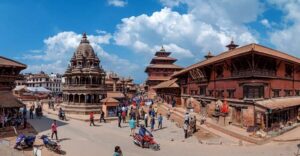
Kathmandu Durbar Square: Where “Historic Place” Becomes Personal
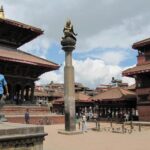
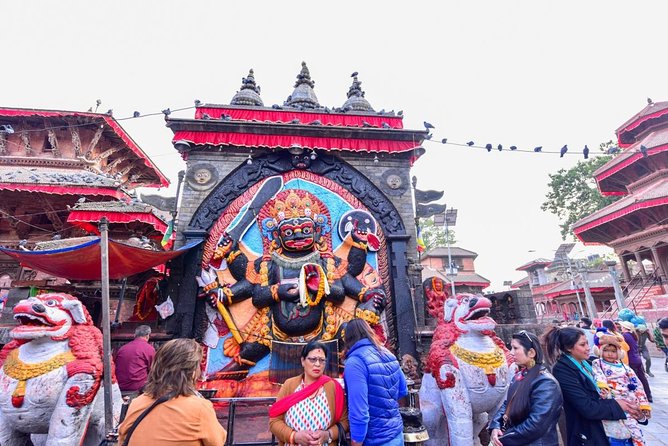
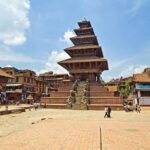
Kathmandu Durbar Square is labeled as a historical place, and that’s exactly how you should approach it: as a living slice of the city’s heritage, not a quick photo stop. You’ll typically have about one hour here, which is enough time to slow down and actually notice details instead of just moving through.
One of the best reasons to do Durbar Square with a guide is context. Even if you’re not an architecture nerd, a good explanation can turn a confusing jumble of buildings into something meaningful. This tour is set up for that kind of cultural reading. Based on guide praise in feedback for the company, you can expect someone who can connect what you see to the culture behind it.
Possible drawback: entrance fees aren’t included, so there may be ticketing steps you’ll need to handle on-site. I’d treat that as part of the experience rather than a surprise—keep a small budget ready.
Swayambhunath (Monkey Temple) and the Old Mahachaitya: Hilltop Stupa Time
Swayambhu is known as the Monkey Temple, and the tour includes Swoyambhu Mahachaitya, described as an old stupa at the top of the hill. That detail matters. Hilltop religious sites tend to reward you in two ways: the views help you orient, and the climb (some steps or uphill walking) forces you to slow down.
You’ll have about one hour for this stop. That’s a sweet spot. It’s enough time to take in the stupa setting, observe how people move through the space, and let your guide explain what the site is and why it’s important.
What I like about doing Swayambhunath as part of a structured tour is that you’re not just arriving at a landmark—you’re also comparing it to the Hindu and Buddhist sites later in the day. The contrast between traditions can be easier to understand when you’ve got a guide walking you through the differences rather than doing it all alone.
Possible consideration: since it’s on a hill, it may be less comfortable if you’re dealing with mobility issues or fatigue. The tour does say most travelers can participate, but Swayambhunath’s “top of hill” location can still mean more walking than you expect.
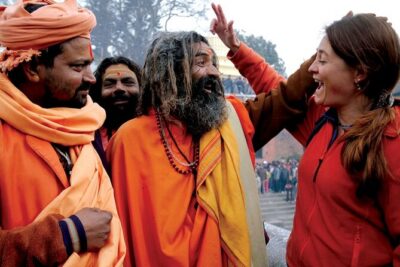
Pashupatinath Temple on the Bagmati River: Sacred Hindu Energy
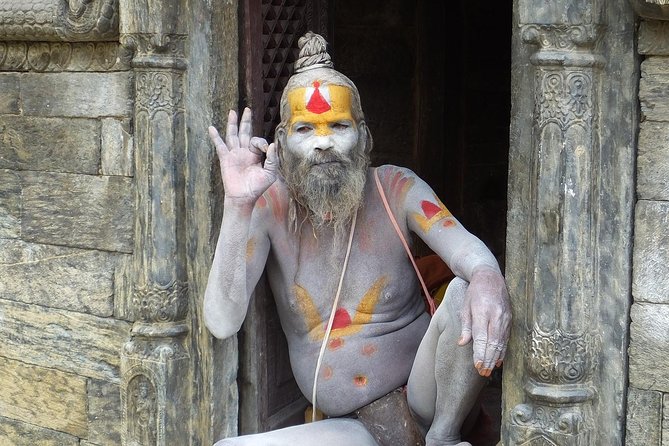
Pashupatinath is one of Nepal’s most meaningful Hindu temple complexes. In this tour description, it’s specifically noted as a sacred Hindu temple complex on the banks of the Bagmati River. That river setting isn’t a small detail—it’s part of what gives the place its identity.
You’ll get around one hour at Pashupatinath. That’s ideal for a site like this because you need time to watch patterns: how people approach, how the space feels, and how the religious purpose shapes behavior. A guide helps a lot here. In company feedback, guides have been praised for explaining Hinduism and Buddhism, which is exactly what you want at a living temple complex like this.
A practical note: entrance fees are not included, so you should plan for possible on-site ticketing or other entry steps. Also, because it’s a sacred complex, you’ll want to be mindful about time spent there and keep moving with your group.



Boudhanath Stupa: A Big Buddhist Center With a Slower Pace
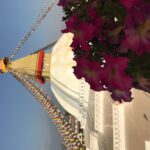
Boudhanath is described as the biggest Boudha stupa and one of the holiest Buddhist sites in Kathmandu. That alone tells you what kind of stop you’re getting: not a small shrine, but a major religious hub.
You’ll spend about one hour at Boudhanath. This is a great place to breathe. Even if you’re not fluent in the symbols, the stupa setting usually encourages calmer attention. With a guide, you can connect the dots between what you saw earlier (Hindu sites and the old stupa) and what’s emphasized here (Buddhist tradition centered on the stupa).
Why this stop feels valuable in a half-day plan: after Durbar Square and the hilltop visit, you’re at risk of feeling like you’re just hopping from place to place. Boudhanath helps reset your pace. It’s also one of the most recognizable names first-time visitors hear, which makes it a strong anchor for the entire day.
Again, entrance fees aren’t included. If you want to avoid any last-minute stress, you can budget for tickets before the day starts.
Private Vehicle Comfort in Kathmandu Traffic
Kathmandu traffic can be unpredictable, and that’s where the private vehicle option quietly saves your trip. This tour includes a driver and private transport, plus fuel and parking fees. You don’t have to bargain rides between sites or worry about how long transfers will take.
The value isn’t that the car is fancy. It’s that your day stays on track. When your stops are spaced across a few key districts, transport coordination is often the hidden challenge. This tour removes it.
One extra plus: the tour description notes that it’s near public transportation. That means if you need a backup plan that involves local transit, you’re not completely stranded—though the whole point here is that you won’t need it.
Timing: How to Plan the Rest of Your Kathmandu Day
The tour runs about 5 to 7 hours. That range is important. Kathmandu days can stretch when streets slow down or when sites have crowding and entry lines. Still, the schedule is structured enough that you can usually plan a dinner afterward without feeling like you’re racing the clock.
You’ll start at the A1 Business complex area and return there at the end. That’s a big practical benefit. You don’t need to reorganize your afternoon around a different drop-off location.
Also, the experience uses a mobile ticket, which cuts down on the usual hunt for paperwork. You’ll still want to keep your phone charged and accessible, because that’s how you’ll verify for entry to the activity.
Entrance Fees, Lunch, and Drinks: The Budget Reality
This tour includes transport, guide, driver, fuel, and parking. What it doesn’t include is just as important: lunch, drinks, and entrance fees for the sightseeing points.
Here’s how I’d handle it without overthinking:
- Bring a bit of extra cash for any required tickets at stops.
- Plan on eating on your own afterward (or decide what kind of lunch fits your day).
- If you want drinks during breaks, assume you’ll buy them.
Alcoholic drinks are noted as available to purchase, so if that’s your thing, you won’t be stuck—just remember it’s not part of the tour price.
This is one of those situations where paying attention to what’s included can save you frustration later. The tour price covers the hard parts (getting you there and explaining what you see), and you handle the on-site add-ons.
Who This Tour Fits Best (and When It Might Not)
This tour is ideal for:
- First-time visitors who want a strong overview of Kathmandu’s cultural and religious landmarks.
- People who prefer a private guide instead of trying to piece together meaning on their own.
- Travelers who want comfortable transport and a clear day plan.
It might be less ideal if:
- You want lots of free time for wandering without a schedule.
- You have limited ability for uphill walking, since Swayambhunath is at the top of the hill.
- You expect an all-in-one package where every ticket and meal is included (because entrances and lunch are not included).
If you’re traveling with kids, the tour requires that children must be accompanied by an adult, and there’s a child rate when sharing with two paying adults. If you’re unsure how child pricing will work in your exact setup, it’s worth confirming at booking so there are no surprises.
Should You Book This Kathmandu Valley City Day Tour?
I’d book it if you want a high-impact first day in Kathmandu without the stress of logistics. For $60, you’re getting private transport, a guide, and all the driving headaches removed, plus enough time at each major site to feel like you actually saw something—not just passed by it.
I’d also book it if your travel style includes learning on the go. Guides praised in feedback for explaining Hinduism and Buddhism are exactly what you want when the sites are sacred and full of meaning. This tour is built for understanding, not just checking boxes.
But if you’re traveling on a tight “everything included” budget, you’ll need to account for entrance fees and lunch. If you’re okay with that, the tour’s structure and private-transport comfort make it a smart value play.
In short: if you want Kathmandu’s big cultural names in one organized day, this is a solid choice. Just plan for a few on-site costs and wear shoes you can comfortably use for hilltop walking.
FAQ
How long is the Kathmandu Valley city tour?
The duration is listed as about 5 to 7 hours.
Is this tour private or shared?
It’s a private tour/activity. Only your group will participate.
What’s included in the $60 price?
Included items are the driver, transport by private vehicle, fuel surcharge, parking fees, and a tour guide.
What’s not included?
Entrance fees for sightseeing points are not included, and lunch and drinks are not included. Alcoholic drinks are available to purchase.
Which main sites are visited during the day?
The tour includes Kathmandu Durbar Square, Swoyambhu Mahachaitya (Monkey Temple), Pashupatinath Temple, and Boudhanath Stupa.
Where do we meet, and where does the tour end?
The tour starts at A1 Business complex, Kathmandu 44600, Nepal, and ends back at the meeting point.
Do I need to book far in advance?
On average, it’s booked about 12 days in advance. Confirmation is received at the time of booking.