REVIEW · HISTORICAL TOURS
Kathmandu Top 4 or 2 UNESCO World Heritage Sites Day Tour
Book on Viator →Operated by Attractive Travels and Tours Pvt. Ltd. · Bookable on Viator
That first step into the day is the relief. You’re picked up and dropped off, then guided through Kathmandu Valley’s key UNESCO stops without the stress of figuring out routes or meaning on your own. I love the direct hotel pickup and drop-off, because it turns a tricky logistics day into a simple checklist.
Two things I like a lot: the itinerary hits four of the big names—Pashupatinath, Boudhanath, Swayambhunath, and Patan Durbar Square—and you get real context from your guide, often Prakash (the name keeps coming up). One consideration: it’s a fast day, and Swayambhunath includes a long stair climb, plus the UNESCO entrance fee is not included in the $40 tour price.
If you want the famous sites with explanations, transport, and time to ask questions, this is a very practical way to do Kathmandu Valley in one go.
In This Review
- Key highlights that make this day tour worth your time
- Why this Kathmandu Valley UNESCO circuit feels easier than DIY
- Hotel pickup and a calm start from your own door
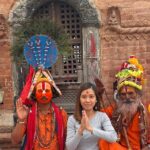
- Pashupatinath Temple: Shiva, the Bagmati River, and what to notice
- Boudhanath Stupa: Tibetan influence and the rhythm of a holy circle
- Swayambhunath Monkey Temple: stairs, viewpoints, and respectful watching
- Patan Durbar Square: Newari architecture and Malla-era artistry
- Thangka painting school: see sacred art created the right way
- Singing bowl demonstration center: healing talk you can actually use
- Time management: how they fit 4 UNESCO sites into one day
- Price and what you really pay: $40 plus UNESCO entrance fees
- Who should book this tour (and who might not love it)
- Practical tips so the day stays respectful and smooth
- Should you book this Kathmandu UNESCO day tour?
- FAQ
- Which UNESCO World Heritage sites are included?
- How long is the Kathmandu UNESCO World Heritage day tour?
- Is hotel pickup and drop-off included?
- Is the entrance fee included in the $40 price?
- What’s included in the tour price besides transportation and the guide?
- Is food included?
- Is this a private tour?
- Is a mobile ticket used?
- What is the cancellation policy?
Key highlights that make this day tour worth your time
- Hotel pickup and drop-off means you start right where you’re staying.
- Four UNESCO World Heritage sites packed into a 5–7 hour circuit by car.
- Thangka painting school + singing bowl demonstration add culture beyond temples and squares.
- Private pacing and Q&A let you ask what you actually want to know.
- Bottled water included keeps the day comfortable while you’re moving between sites.
Why this Kathmandu Valley UNESCO circuit feels easier than DIY
Kathmandu Valley can be a lot, fast. Even if you’re a confident traveler, trying to match temple etiquette, site history, and transportation timing on your own usually turns into extra time and wasted energy.
This tour fixes the big friction points: someone handles the route and car, and a guide helps you read what you’re seeing. That matters most at places like Pashupatinath and Boudhanath, where the visuals are striking, but the context is what makes it hit.
You can also read our reviews of more historical tours in Kathmandu

Hotel pickup and a calm start from your own door
The standout practical feature is straightforward: the driver meets you right at your door and then brings you back afterward. That’s the difference between enjoying the day and spending your morning hunting for where you’re supposed to go.
It’s also a private format, so your group only shares the experience with your party. That usually makes a “question-heavy” day feel relaxed, especially when you’re trying to understand what certain rituals and art styles mean.
Pashupatinath Temple: Shiva, the Bagmati River, and what to notice
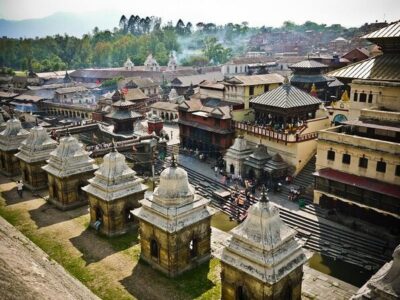
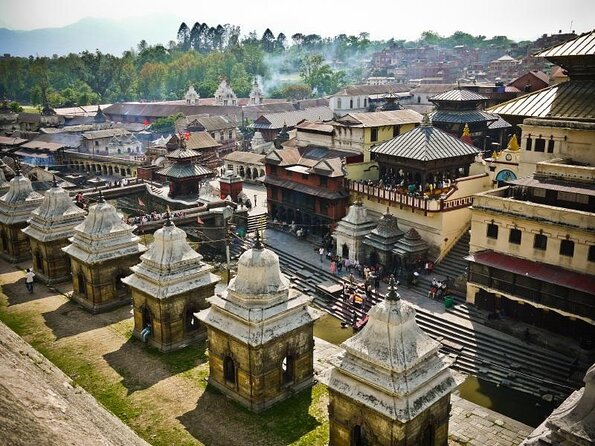
Pashupatinath Temple sits on the eastern side of Kathmandu Valley along the Bagmati River, and it’s one of Nepal’s most sacred Hindu sites dedicated to Lord Shiva. You’re allotted about 2 hours here, which is long enough to see the main activity and still have time to absorb details.
What makes this stop powerful is that you’re not just looking at architecture—you’re watching a living religious place. At Pashupatinath, cremation ceremonies are a major part of what visitors may encounter, and it’s often described as a defining moment on this kind of itinerary. If you want to observe respectfully, keep your expectations grounded: you’ll be there for the site and the meaning, not for a guaranteed schedule.
A practical tip: dress modestly and plan for crowds. Temple areas can be busy, and you’ll likely want your guide’s help with where to stand and what’s appropriate to photograph.
Boudhanath Stupa: Tibetan influence and the rhythm of a holy circle
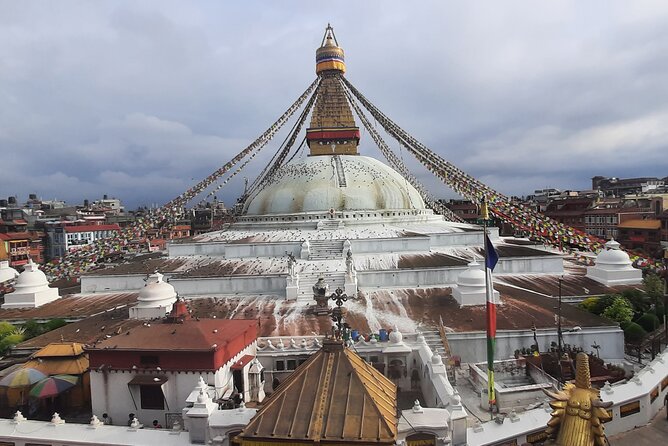
Boudhanath Stupa is one of those places where the visuals do the talking. With monasteries around the main stupa and a strong Tibetan culture influence, it feels like a different spiritual atmosphere than the Hindu sites you visit elsewhere in the valley.
You’ll spend about 1 hour at Boudhanath. That’s enough time to circle your way around the stupa, notice prayer practices, and understand why this UNESCO site matters to multiple communities.
The main value here is guided interpretation. A stupa can look simple at first glance, but a good guide helps you connect the symbolism to the way people move through the space. If you’re the type who likes to know what you’re seeing before you take photos, this stop plays to that.
Swayambhunath Monkey Temple: stairs, viewpoints, and respectful watching
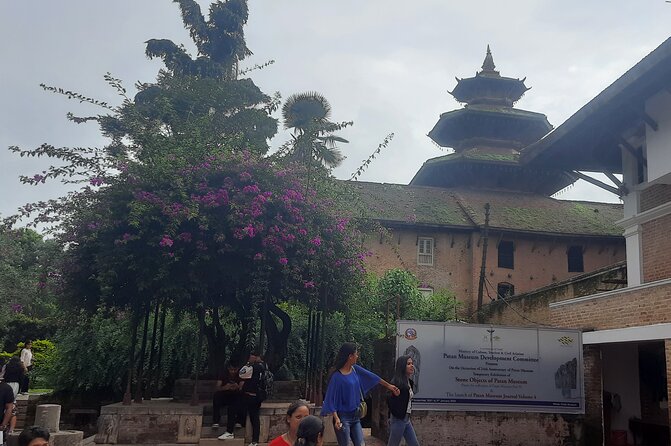
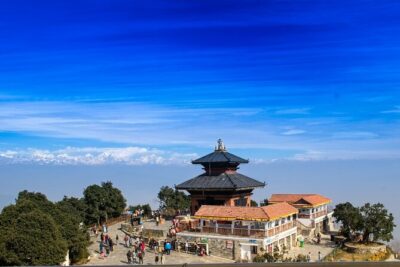
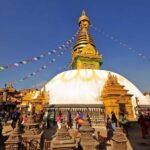
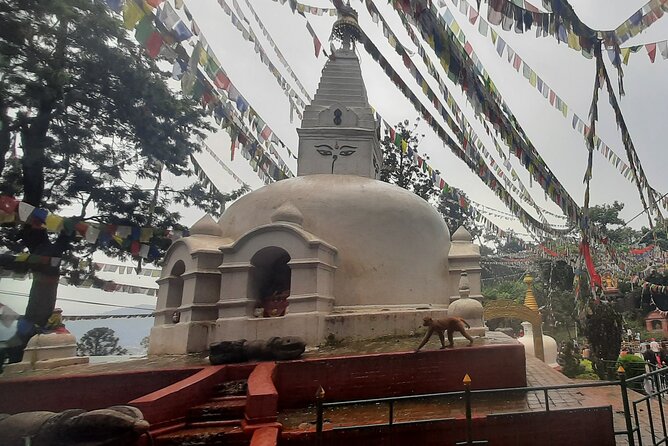
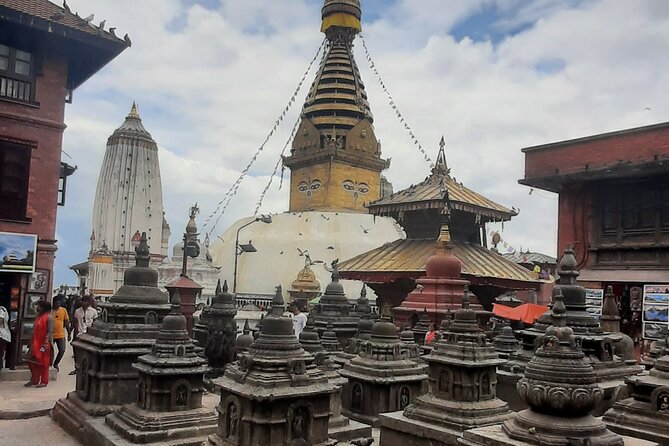
Swayambhunath, also known as the Monkey Temple, sits atop a hill, and yes—you climb a long set of stairs. The tour schedules about 2 hours here, and it usually helps to think of it as a small mission: take your time going up, then enjoy the view and the temple areas once you’re there.
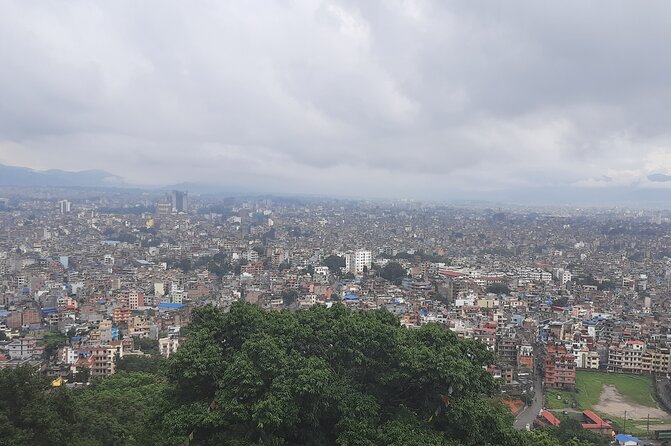
This stop rewards patience. You’ll see Buddhist stupa elements and a commanding perspective over the city, and it’s one of the best places in Kathmandu Valley for orientation—your brain starts building a map of where things are.
One consideration: the stairs aren’t described as optional, so if mobility is a concern, think about how you handle uphill climbs and uneven steps. Also, be mindful around monkeys and follow the guide’s instructions for what to do with your hands, snacks, and camera behavior.
Patan Durbar Square: Newari architecture and Malla-era artistry
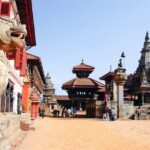
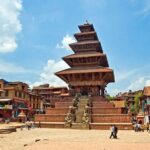
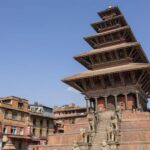
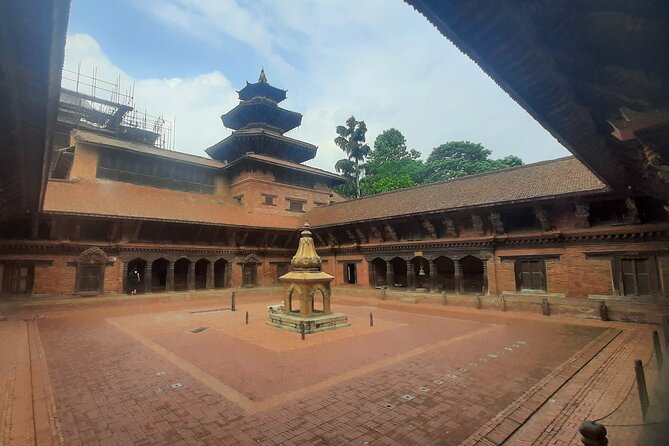
Patan Durbar Square is where the Newari design language really shows off. This area represents Newari architecture at a high point during the reign of the Malla kings, who were known as patrons of arts and architecture—so you’ll feel like the stonework is telling a story.
You typically get about 1 hour at Patan Durbar Square. That’s a practical slot: enough time to walk the main palace-area corridors, take in the temple fronts, and understand key elements without racing.
The biggest benefit of going with a guide here is interpretation. Durbar squares can blend together if you only skim. With context, you can spot what’s significant and why certain structures look the way they do.
Thangka painting school: see sacred art created the right way
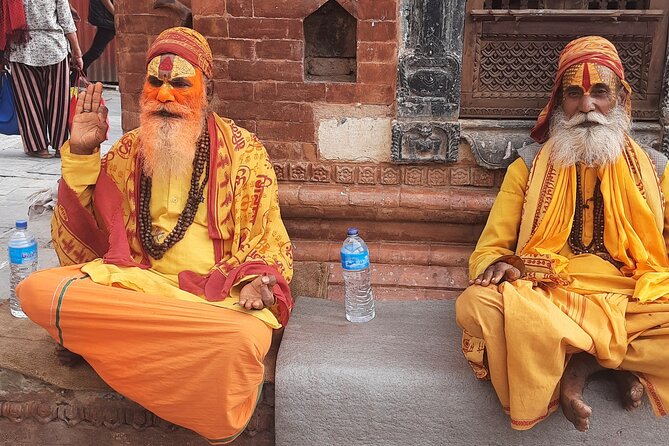
Between UNESCO stops, the tour adds a craft layer that most temple-only days miss. You visit a thangka painting school, which is focused on traditional art, not just shop displays.
What I like about this part is the implied pace: it’s not only walking past souvenirs. You’re there to explore how the art works, and you get behind-the-scenes access—exactly the kind of detail that makes a cultural day feel real rather than transactional.
If you’ve ever wondered why thangkas look so patterned and symbolic, this is the moment to connect the visual style to the process behind it. It’s also a nice break from all the walking between religious complexes.
Singing bowl demonstration center: healing talk you can actually use
After the thangka visit, the tour includes a healing and singing bowl demonstration center. This isn’t framed as a gimmick; it’s presented as a cultural practice linked to the sound-and-mind tradition many people associate with the region.
You’ll spend time watching and learning how singing bowls are demonstrated. The value here is not forcing you to believe anything specific—it’s giving you a cultural explanation and letting you experience the ritual atmosphere with guidance.
If you like hands-on moments or you enjoy learning how traditions are performed, this stop adds variety. It’s also a good way to slow down the day after a few high-energy temple visits.
Time management: how they fit 4 UNESCO sites into one day
This tour runs about 5 to 7 hours. That range matters because it determines how much attention you can give each site without feeling like you’re sprinting through history.
You can expect a typical flow: drive from one major UNESCO site to the next, spend a focused window at each, then add the craft and singing bowl experiences. The fact that you have set time blocks—2 hours at Pashupatinath, 1 at Boudhanath, 2 at Swayambhunath, and 1 at Patan Durbar Square—helps you mentally prepare.
One smart strategy for your side: wear comfortable shoes and accept that you won’t do everything at full museum depth. The payoff is that you leave Kathmandu Valley with the big-picture connections made.
Price and what you really pay: $40 plus UNESCO entrance fees
The tour price is $40.00 per person, with transport, a professional guide, visits to the thangka painting school and singing bowl demonstration, and bottled water included.
But the UNESCO entrance fees are separate. The data provided lists an entrance fee of $20 per person for 4 sites, or $10 per person if you’re doing only 2 sites. So for the full four-site day, plan on around $60 total per person after adding that entrance fee.
Is it good value? For me, the math is simple: you’re paying for a guide, a car-based circuit that links distant sites, and two cultural demonstrations that don’t happen on many “just temples” days. If you were to hire a driver and a guide for the day plus hunt down craft activities yourself, you’d likely spend your time (and energy) instead of spending your money.
Also note what’s not included: food and tips are on you. Entrance tickets are separate as mentioned above.
Who should book this tour (and who might not love it)
This is a strong fit if you’re short on time, first-timers to Kathmandu Valley, and you want a guided path to the sites that matter most. It’s also ideal if you like asking questions—private touring makes that easier.
It may not be ideal if you want a slow, unstructured day. With multiple big stops, you’ll be moving through a schedule, and Swayambhunath’s stairs can be a limiting factor for some.
If you’re traveling solo, couples, families, or a small group, the private format helps you set the tone. Just be honest with yourself about stamina and the reality of a condensed UNESCO day.
Practical tips so the day stays respectful and smooth
A few small choices make a big difference on these sites.
- Bring modest clothing for temple areas and expect crowds at major stops.
- Wear shoes you trust for stairs and uneven ground, especially for Swayambhunath.
- Keep some cash for the UNESCO entrance fee, since it’s not included in the tour price.
- If you’re sensitive about observing cremation rituals, decide in advance how you want to handle it. You can still enjoy Pashupatinath’s spiritual and architectural meaning without forcing yourself to watch more than you feel comfortable with.
Your guide (often Prakash is mentioned) can steer you on what to look for and where it’s appropriate to stand. That alone is a good reason to go this way rather than trying to piece together everything by yourself.
Should you book this Kathmandu UNESCO day tour?
I’d book it if you want the top Kathmandu Valley UNESCO experience without the logistics headache. The combination of hotel pickup, a guide who can explain what you’re seeing, and extra cultural stops like thangka painting and singing bowls gives you more than the usual temple-photo circuit.
I’d think twice if stairs and a tight schedule aren’t your style, or if you’re not ready for extra onsite entrance fees. For most people, though, it’s an efficient, culturally grounded way to see Kathmandu Valley’s most important sacred sites in one day.
FAQ
Which UNESCO World Heritage sites are included?
The tour includes Pashupatinath Temple, Boudhanath Stupa, Swayambhunath (Monkey Temple), and Patan Durbar Square.
How long is the Kathmandu UNESCO World Heritage day tour?
It’s listed as about 5 to 7 hours.
Is hotel pickup and drop-off included?
Yes, pickup and drop-off are offered.
Is the entrance fee included in the $40 price?
No. The entrance fee is listed separately: $20 per person for 4 sites, or $10 per person if only 2 sites are visited.
What’s included in the tour price besides transportation and the guide?
You also get a visit to a thangka painting school and a healing and singing bowl demonstration center, plus bottled water (one bottle per person).
Is food included?
No, food is not included.
Is this a private tour?
Yes. Only your group participates.
Is a mobile ticket used?
Yes, the tour includes a mobile ticket.
What is the cancellation policy?
Free cancellation is allowed up to 24 hours in advance for a full refund.