REVIEW · HISTORICAL TOURS
Kathmandu Private Sightseeing Tour | UNESCO World Heritage Sites
Book on Viator →Operated by Mount Glory Treks & Expedition Pvt.Ltd. · Bookable on Viator
UNESCO in Kathmandu fits into one big day. I like how this tour turns scattered holy stops into a clear route you can actually manage, with an AC private vehicle and an English-speaking guide who gives context as you go. When Manoj was on the job, rain and heavy traffic didn’t derail the plan. You still got the sites, and you still understood what you were seeing.
My only real heads-up is the cost of monument entrance fees, which are not included. If you choose the full seven UNESCO sites option, the day can feel tiring fast, even with smart timing and guide guidance.
In This Review
- Key things to know before you go
- What this UNESCO day tour gets right
- Your day plan: the UNESCO stops, in practical order
- Kathmandu Durbar Square: Hanuman Dhoka Palace and the royal layout
- Swayambhunath: Monkey Temple on the hilltop
- Pashupatinath Temple: Shiva’s sacred river area
- Boudhanath Stupa: the large spherical UNESCO icon
- Patan Durbar Square: Lalitpur’s monument zone
- Bhaktapur Durbar Square: Khopa Lyaku and octagonal pillars
- Changunarayan: the oldest temple angle
- Price and value: what your $35 actually covers
- Comfort and logistics: pickup, timing, and weather reality
- Who this tour suits best
- Tips that make a difference (based on what the day demands)
- Should you book this Kathmandu UNESCO private tour?
- FAQ
- FAQ
- What’s the duration of the Kathmandu Private Sightseeing Tour?
- Does the tour include pickup from Kathmandu’s Thamel area?
- Is the tour private or shared?
- Which UNESCO sites are included on the route?
- Are monument entrance fees included in the price?
- What is included with the tour price?
- Is lunch included?
- What happens if the weather is poor?
Key things to know before you go
- Thamel hotel pickup means you start fast, not frantic, and you avoid the early-day guessing game.
- English-speaking city guide adds meaning to each stop, not just photos and names.
- Two to seven UNESCO site options let you match your energy level to your vacation schedule.
- AC private car + bottled water make long transfers through Kathmandu’s traffic more tolerable.
- Flexible pacing for weather and roads is a real advantage—your guide will help you keep it realistic.
What this UNESCO day tour gets right
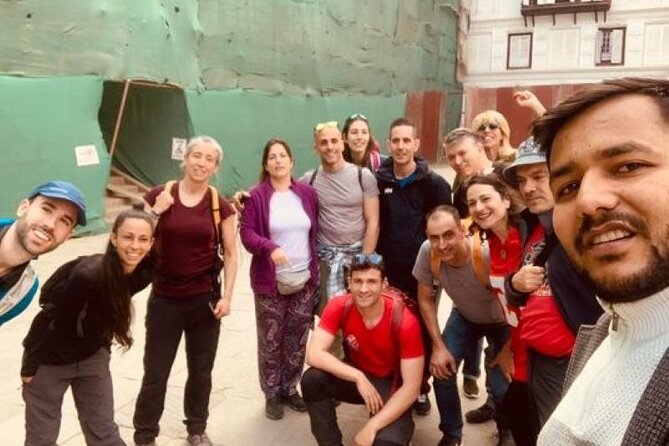
Kathmandu can be overwhelming in the best way. Temples, palaces, stupas, and sacred courtyards all overlap, and if you try to freestyle it, you’ll spend more energy on directions than on the places. This private sightseeing tour fixes that with a simple promise: you’ll see major UNESCO World Heritage Sites in one day, with pickup from Thamel and an experienced English-speaking guide.
The value sits in the mix of comfort and coverage. For $35 per person, you’re not paying for “just a ride.” You’re paying for a private car with AC, bottle mineral water, and official taxes taken care of—so your day doesn’t fall apart because someone forgot a small detail. Add a guide who can translate the symbolism and the local religious logic, and the sites start to click.
I also like that you can choose how many UNESCO stops you want. Doing seven in one day is a workout. Doing four feels like a full, satisfying day. Doing two is for when you want photos, reading time, and fewer time checks. That choice matters, because Kathmandu is not a place where you want to rush every turn.
You can also read our reviews of more private tours in Kathmandu
Your day plan: the UNESCO stops, in practical order
This tour is built around Kathmandu Valley’s UNESCO-heavy center of gravity. You may do all of the stops listed below, or a shorter version depending on the package you pick (with different entrance-fee totals for 2, 4, and 7 UNESCO sites). Either way, the flow is designed to keep the day logical—at least compared to the chaos that happens on your own.
Here’s what each major stop is, and what you should pay attention to.
Kathmandu Durbar Square: Hanuman Dhoka Palace and the royal layout
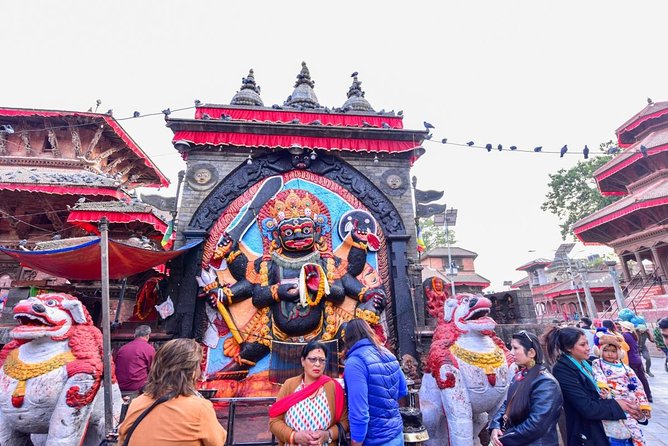
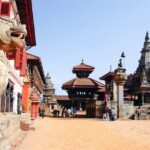
Your day often starts at Kathmandu Durbar Square, known for Basantapur Durbar and the Hanuman Dhoka Palace area. This is an old Royal Palace complex, and it’s a UNESCO World Heritage Site. Even if you’re not a palace person, this place helps you understand how Kathmandu worked historically: power was spatial, and religion was public.
Expect to see the core palace zone and move through the square at a steady walking pace. Two things you’ll likely notice quickly:
- The way courtyards and gates create a sense of layered entrances.
- How the area blends Hindu royal heritage with everyday religious life.
You’ll also make room for the Living Goddess stop: Kumari. The Living Goddess is one of the most famous traditions here. You don’t need a lecture to see why people pay close attention. Still, a good guide helps you understand what you’re looking at and why it matters.
Don’t miss the Buddha Park area where you can see giant three Buddha statues. It’s a shift in tone from royal Hindu space to Buddhist imagery. That contrast is part of what makes Kathmandu special—you get multiple spiritual languages in one neighborhood.
Time note: plan for around 2 hours at the Durbar Square area, and remember that gates and crowd flow can slow you down even with a private tour.
Swayambhunath: Monkey Temple on the hilltop
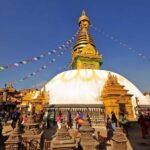
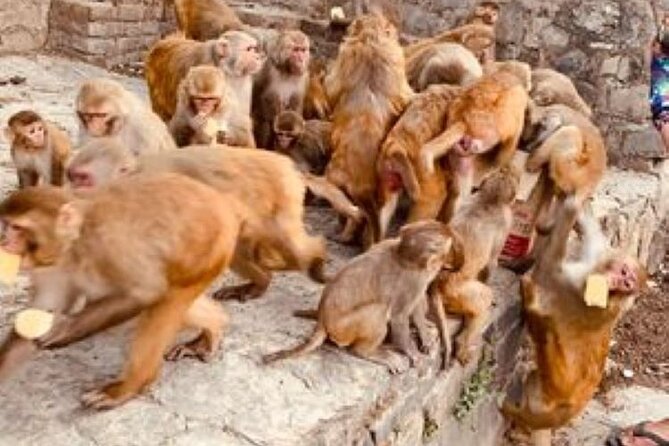
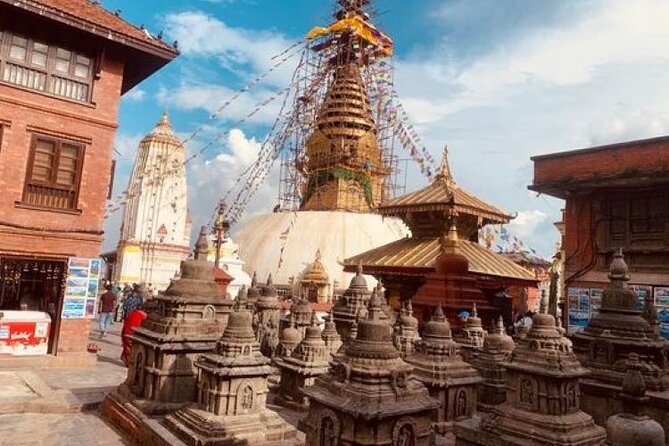
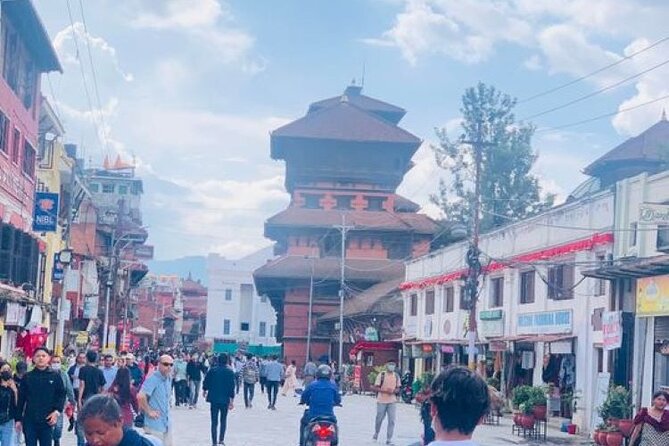
Next up is Swaymbhunath, sometimes called the Monkey Temple. It sits on a hill, and the walk up is part of the experience. This ancient stupa is packed with small stupas, arranged like a layered map of devotion.
The star detail here is the main stupa’s Buddha eyes. They’re visible from multiple angles and act like a visual anchor while you wander. If you like taking photos, this is the stop where your camera will earn its keep.
What I’d watch for:
- The small stupas: they look similar at first, but your guide can help point out what makes them distinct.
- The monkey presence: it’s not a gimmick. You’re in their territory, so be mindful and keep your belongings secure.
Time note: about 1 hour is typical here. If you want longer for photos, you can ask your guide to adjust—especially if you chose a shorter UNESCO count.
Pashupatinath Temple: Shiva’s sacred river area
Pashupatinath Temple is one of Nepal’s most famous Hindu pilgrimage sites and a UNESCO Heritage site. It’s tied to Shiva, often described as a sacred land of Shiva. The temple complex is close to Kathmandu’s international airport area, so it’s not “hidden away.” It’s active, public, and intensely meaningful to worshippers.
You’ll also pass by or visit Guhyeshwari Temple during this section. Guhyeshwari is linked in tradition to the larger Pashupatinath sacred area. Your guide’s commentary helps you connect why both places matter in the same day.
Time note: around 1 hour at this stop. If you’re sensitive to crowds or very busy religious spaces, come in with patience. The payoff is seeing a living pilgrimage site rather than a quiet museum.
You can also read our reviews of more historical tours in Kathmandu

Boudhanath Stupa: the large spherical UNESCO icon
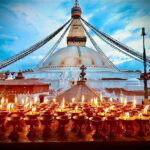
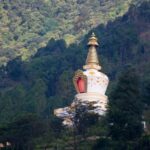
Then comes Boudhanath Stupa, described as the largest spherical stupa in the world and a UNESCO World Heritage Site. It’s built around the 5th century, and it draws thousands of local and international visitors every day.
This stop is different from the palace-and-temple style of the Durbar Square and Pashupatinath. Here the main action is around the stupa itself. People circle, pause, and pray. The spiritual rhythm is more about repetition and atmosphere than about a single focal ceremony.
Look for:
- The scale of the stupa from different angles.
- The way surrounding activity builds a steady “current” of movement.
- The mix of locals and visitors, which helps you feel the stupa’s role as a shared spiritual landmark.
Time note: about 1 hour. This is a great place to slow down and just watch, even if your itinerary is busy.
Patan Durbar Square: Lalitpur’s monument zone
Next is Patan Durbar Square in Lalitpur. It’s described as a major attraction of Kathmandu Valley with Buddhist and Hindu monuments and historic palaces under UNESCO protection. Patan is often where people realize Kathmandu Valley isn’t one city—it’s a connected set of cultural worlds.
As you move through Patan’s square, the architecture and symbolism can feel different from Kathmandu Durbar Square. That’s the point. You’re comparing how different city centers expressed power and devotion.
Time note: about 2 hours. Use this time to notice details in carvings and courtyard layouts. A guide helps you avoid the “I saw a temple” feeling and turn it into “I understand the structure.”
Bhaktapur Durbar Square: Khopa Lyaku and octagonal pillars
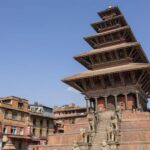
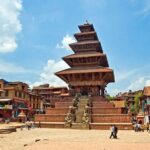
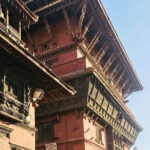
If you go further, the tour reaches Bhaktapur Durbar Square, also called Khopa Lyaku. This is the royal palace of the Bhaktapur kingdom. It sits at 1350 meters above sea level, and the design includes fourteen octagonal pillars and architecture above its cornice.
This is the stop that often feels most “palace-like” in a visual sense. The geometry shows up in the details. Your guide can explain how those architectural choices fit religious and royal identity.
Time note: around 2 hours. It’s also a place where good footwear matters because you’ll spend a fair bit of time walking across uneven ground.
Changunarayan: the oldest temple angle
Finally, Changunarayan (Changu Narayan) is a hilltop ancient Hindu temple and described as the oldest temple in this area, with distinctive construction and long-standing Hindu religious importance. If your plan includes it, this is a powerful closer because it feels more timeless and less “square-and-street” than some of the other stops.
Time note: around 1 hour. If you’ve been walking hard all day, you’ll still likely enjoy it because it’s a more contained, singular stop.
Price and value: what your $35 actually covers
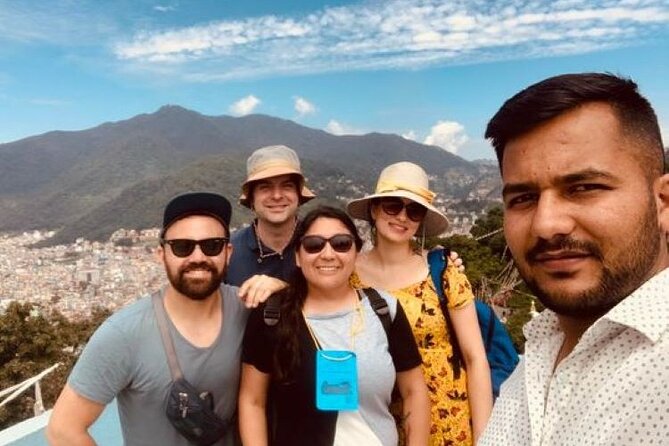
The headline price is $35 per person. That number can feel surprising for a day with private AC transport and an English-speaking guide—but it makes sense when you see what’s included versus what’s extra.
Included:
- English-speaking city tour guide
- All government taxes and official expenses
- Full day sightseeing tour by private car with AC
- Bottle mineral water
Not included:
- All monument entrance fees (with stated costs depending on how many UNESCO sites you choose)
- Lunch
- Tips for guide and driver
- Personal expenses
- All fees and taxes (as listed)
The monument entrance fees are the big variable. The stated totals are:
- 6000 Nepali Rupee for 7 UNESCO sites
- 2600 Nepali Rupee for 4 UNESCO sites
- 1200 Nepali Rupee for 2 UNESCO sites
So the value question becomes: how much are you paying for time, not just transport? When you choose four sites, you usually get a good balance. You see enough variety without trying to cram your brain full of sacred architecture before your legs quit. When you choose seven, you’ll likely need your guide’s help pacing and prioritizing, because the day becomes a marathon.
If you hate rushing, pick fewer sites. If you love checklists and photos, go for seven—but accept that it’s tiring even with AC car rides between them.
Comfort and logistics: pickup, timing, and weather reality
Pickup is from your Thamel hotel. That’s a practical win in Kathmandu, where finding the right start point can be more effort than the tour itself. You’ll also have a mobile ticket, which reduces the “where is that confirmation” stress.
The tour duration is about 8 to 10 hours. That sounds straightforward, but the day can stretch if:
- Traffic is heavy
- Rain complicates walking
- Crowd flow slows entry areas
In one of the guide stories from the real world, Manoj managed to keep the plan moving despite rain and challenging traffic. That’s what you’re paying for: not magic, but competence under messy conditions.
Weather matters here. The experience notes that it requires good weather. If weather cancels it, you’ll be offered a different date or a full refund. In other words, it’s not “we’ll go no matter what.” You have some protection if the day turns bad.
Who this tour suits best
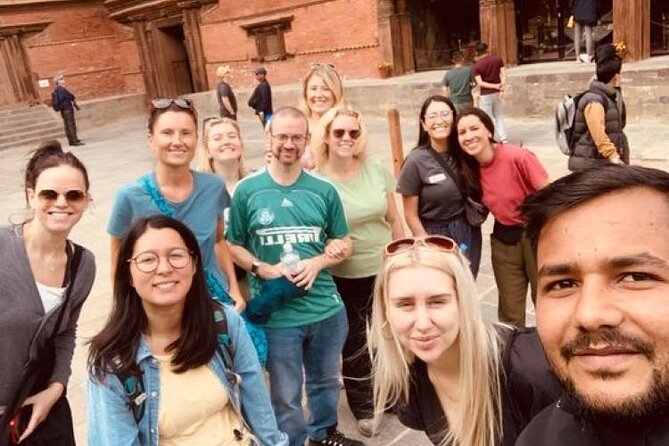
This is a strong fit if you want UNESCO highlights without navigating alone. Private transport and an English-speaking guide help you understand what you’re looking at while keeping the schedule tight.
I’d especially recommend this for:
- First-timers in Kathmandu who want the “big hits” in one day
- People who want a private setup (your group only)
- Travelers who prefer AC breaks and a clear route over guesswork
If you’re the type who wants a slow spiritual pace and deep reading time, you might like the 2 or 4 UNESCO site option more than the full seven. Kathmandu’s sites are worth attention, and rushing is the easiest way to miss why they matter.
Tips that make a difference (based on what the day demands)
You don’t need a lot of secret tactics. You need a few basics.
- Wear shoes you can walk in comfortably for stairs and uneven surfaces.
- Bring a light layer. Hilltop and temple areas can feel different from street-level heat.
- Plan for entrance fees and have cash ready for tickets, since those aren’t included.
- If you choose the seven-site version, keep lunch simple or plan to eat on the go; the day is long.
Also, if your guide is Santos or Manoj, listen closely. The guide skill isn’t just answering questions. It’s knowing how to pace the day so you still enjoy it instead of counting minutes until the car.
Should you book this Kathmandu UNESCO private tour?
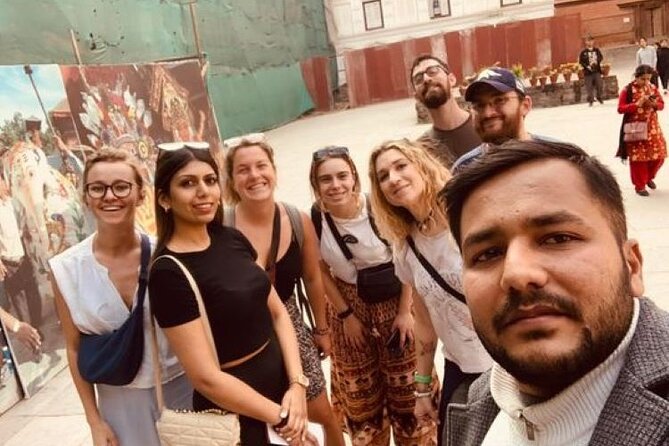
If your goal is to see Kathmandu’s UNESCO sites in a single, well-managed day, this is a solid booking choice. The biggest selling points are Thamel pickup, private AC transport, and an English-speaking guide who can explain what you’re seeing rather than leaving you to guess.
Skip it or choose fewer sites if you know you get tired easily, dislike long walking stretches, or hate paying extra on top of the base price. The entrance fees aren’t included, and the seven-site plan can feel exhausting.
My practical advice: if it’s your first time in Kathmandu and you want maximum value from limited time, pick 4 UNESCO sites. If you love a full-on day and can handle crowds and walking, go for 7. Either way, go in with the mindset that you’re here for perspective, not just selfies.
FAQ
FAQ
What’s the duration of the Kathmandu Private Sightseeing Tour?
It runs about 8 to 10 hours, depending on how many UNESCO World Heritage Sites you visit and how the day goes.
Does the tour include pickup from Kathmandu’s Thamel area?
Yes. The tour offers hassle-free pickup from your Thamel hotel.
Is the tour private or shared?
It’s a private tour/activity. Only your group participates.
Which UNESCO sites are included on the route?
The tour route can include Kathmandu Durbar Square (Hanuman Dhoka), Living Goddess Kumari, a stop at Buddha Park with giant three Buddha statues, Swayambhunath, Pashupatinath Temple (and Guhyeshwari Temple), Boudhanath Stupa, Patan Durbar Square, Bhaktapur Durbar Square, and Changunarayan.
Are monument entrance fees included in the price?
No. Monument entrance fees are not included, and the tour lists set costs depending on how many UNESCO sites you choose (7, 4, or 2).
What is included with the tour price?
You get an experienced English-speaking city tour guide, all government taxes and official expenses, full-day sightseeing by private AC car, and bottle mineral water.
Is lunch included?
No. Lunch is not included.
What happens if the weather is poor?
The experience requires good weather. If it’s canceled due to poor weather, you’ll be offered a different date or a full refund.