REVIEW · HIKING & TREKKING
Kanchenjunga Circuit Trek 19 Days
Book on Viator →Operated by Nepal Nirvana Trails · Bookable on Viator
A trek like Kanchenjunga Circuit hits different. You’ll move through jungle woodland, quiet villages, rhododendron forests, and high Himalayan terrain with north and south base camp views from multiple angles. Two things I really like here: you get a less-crowded trail (the route is newer and villages are still developing), and the support is built for real trekking—permits, licensed guides, and porter help. One thing to consider up front: you’re trading “comfort shortcuts” for remoteness, including long jeep/4×4 rides to reach the trail.
You start with Kathmandu admin done the simple way, then fly to the far eastern trekking gateway and spend the rest of the trip earning your mountain time. The route gives you acclimatization breaks that actually make sense, especially the pause at Khambachen. And if you get a guide like Raj or Jangbu—names that have shown up in past client experiences with this operator—you’ll likely appreciate the steady, hands-on guidance and day-to-day problem solving rather than just a walk with a map.
In This Review
- Quick Hits: Should You Care About This Trek?
- Kanchenjunga Circuit: Why This 19 Days Feels Like the Real Himalaya
- Kathmandu Setup: Permits, Hotels, and Getting Your Bearings
- Eastbound Flights and the Long Jeep Push to Taplejung
- From Sekathum to Ghunsa: Bridges, Forests, and Small Village Rhythm
- Khambachen Rest Day: The Acclimatization That Actually Helps
- Lhonak and North Base Camp (Pang Pema): The Mountain from the Other Side
- Ghunsa Backtrack to Sele Le: Quiet Trails and Chances to See Leopards
- High Pass Day: Sinion La, Mirgin La, and Sinelapche Bhanjyang
- Yalung Glacier Day: Close Views Toward Rathong and Kabru
- Descent to Tortong, Yamphudin, and Kanyam: The Part People Underestimate
- Bhadrapur Wrap-Up: Tea Gardens, Flight Home, and a Real Finish
- Price and Value: What $2,000 Buys (and What It Doesn’t)
- Food, Comfort, and Tea-House Reality Check
- Who Should Book This Trek (and Who Might Rethink It)
- Should You Book This Trek?
- FAQ
- How long is the Kanchenjunga Circuit trek?
- Where does the trek start and end?
- What’s included in the price for this trip?
- Are flights included or do I need to book them myself?
- What type of accommodation will I have during the trek?
- How does the porter system work?
- Do I need travel or health insurance?
- What food should I expect on the trail?
- Is free cancellation available?
Quick Hits: Should You Care About This Trek?
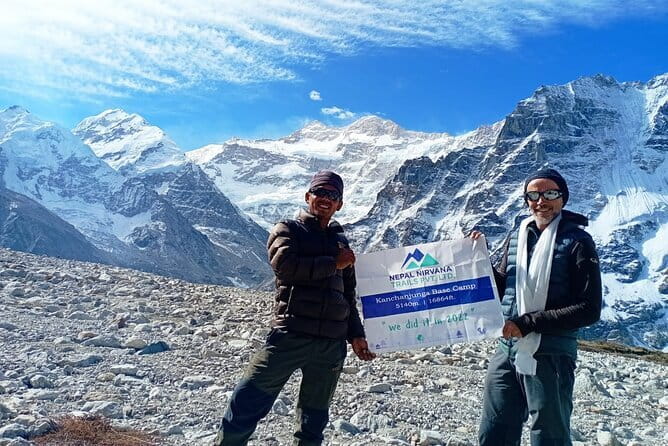
Quiet by design: The circuit runs through a route that’s still relatively new, so it’s typically far calmer than Nepal’s headline trails.
Big mountain angles: You’ll visit both North Base Camp and South Base Camp, so you see Kanchenjunga from more than one “side.”
Real support on the ground: Tea-house stays, a government licensed guide, and porter help (between 2 trekkers for 1 porter).
Altitude strategy is built in: You get an explicit rest/adjustment day at Khambachen before pushing higher.
Remote access means long drives: Plan for substantial jeep time before and after trekking days.
Kanchenjunga Circuit: Why This 19 Days Feels Like the Real Himalaya
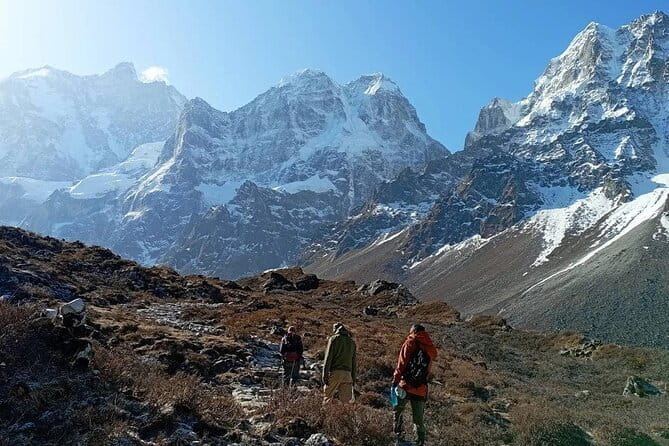
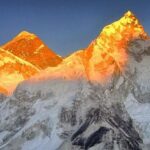
Kanchenjunga is Nepal’s “bigger than the photo” mountain. On this circuit, the trail doesn’t just chase views—it threads you through changing environments: crystal-clear river crossings, dense woodland, and villages that still feel like they belong to locals, not crowds. That’s a big part of the appeal if you like your trekking to feel human-paced, not stamped by mass tourism.
The other reason this works well is structure. You’re not thrown onto a random path with a compass and vibes. The trip includes necessary permits, a licensed guide, porter support, tea-house accommodations, and the key transport legs (flights plus jeep transfers). That means you can spend your attention on pace, altitude, and food choices—things that actually affect whether you feel strong at the end of each day.
The “quieter than other routes” claim isn’t marketing fluff here. The description you’re given points to a less-developed area compared to older trekking corridors. Translation: fewer teahouse-heavy bottlenecks, more chances to walk and think, and a better shot at experiencing villages at a slower tempo.
You can also read our reviews of more hiking tours in Kathmandu
Kathmandu Setup: Permits, Hotels, and Getting Your Bearings
Your Kathmandu base is practical: 3 nights in a 3-star hotel with breakfast. Day 2 is about paperwork—management meets you around 9 am, then collects your passport to prepare your trekking permit. Later, you’ll meet the team again in the evening to get your passport back.
I like this setup because it removes a lot of stress. Trek permits can be a messy first-day problem when you’re still adjusting to Nepal time. Here, the goal is straightforward: you do the admin once, then you move on.
Also, the operator states pickup is offered and you’ll use a mobile ticket. In real life, that usually means fewer surprises when you arrive—especially if you land late or you don’t want to immediately figure out local transport.
Eastbound Flights and the Long Jeep Push to Taplejung
Early on, you’ll fly from Kathmandu to Bhadrapur (Chandragadhi Airport) in about 45–50 minutes. From there, the trip uses a local jeep/ground drive to reach the trail area via Kanyam and the Mechi Highway corridor.
This is where you need to be mentally ready. One past experience with this operator called out the long 4×4 jeep ride since trekking areas are remote from civilization. That’s exactly what you should expect on a remote circuit: you trade a short “get-to-trail” time for the chance to walk in places that feel less handled.
The benefit is that once you’re moving on foot, the trail actually feels like the main event, not a short detour between car rides.
From Sekathum to Ghunsa: Bridges, Forests, and Small Village Rhythm
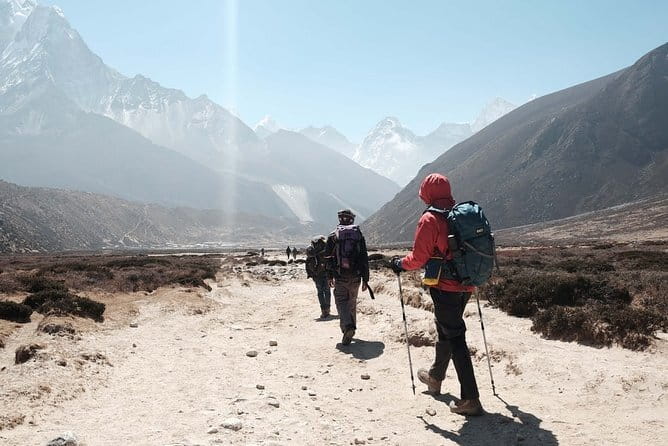
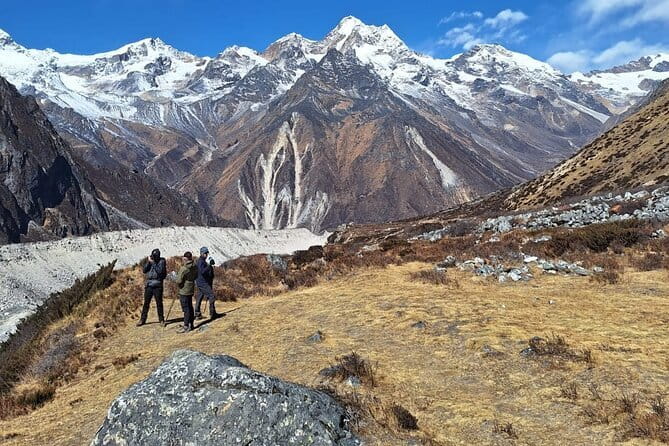
After breakfast, you start the walking days from Sekathum (reachable by drive, with an option some trekkers prefer of walking up from Taplejung—though on this specific trip, the transport is part of the plan). The trek begins with an ascent along the Ghunsa Khola and continues over many bridges. Expect that “working day” feeling—enough effort to keep you warm, but not so technical you feel off-balance.
Then you move into a more remote stretch: Amjilosha to Gyabla (also known as Kyapra). This part matters because it’s when the scenery begins to feel bigger than the villages. The route is described as dense forest with sections without human settlement—so you’re trading frequent teahouse civilization for a wilder, quieter feel.
By the time you reach Ghunsa village, it’s not just scenic. Ghunsa is highlighted as a common acclimatization stop, and that makes sense. You’ll likely feel it in your breathing if you’ve climbed steadily, even before the real high-country passes.
Practical takeaway: this segment is where you set your pace. If you go too hard early, later days cost you. If you keep it steady, the circuit feels more doable.
Khambachen Rest Day: The Acclimatization That Actually Helps
Khambachen is one of the smarter design choices on this route. You arrive after several walking days, and you get time for adjustment. The plan includes a short hike to nearby glaciers, viewpoints, and lakes.
I like rest days that still move your body a little. You’re not just lying around while altitude creeps upward. The description you’re given specifically frames this as body adjustment, which is exactly what you want before pushing toward base camp territory.
You’ll also be walking through open pine forest on the way in, with a chance of spotting blue sheep and even snow leopard—though you should treat wildlife sightings as a bonus, not a goal. Still, the fact that the area is described with that kind of wildlife credibility is a good sign you’ll see more than just pretty trees.
One more detail to keep on your radar: the route passes through landslide-prone areas. That doesn’t mean you need to panic—it means you should expect changeable trail conditions and stick with your guide’s pacing and warnings.
Lhonak and North Base Camp (Pang Pema): The Mountain from the Other Side
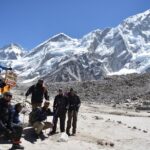
As you continue, you reach the trail toward the Kanchenjunga glacier and Lhonak. This section is tied to main trekking season traffic, meaning you may meet other trekkers coming and returning from Kanchenjunga North Base Camp. That’s not a bad thing; it can help break the monotony with familiar faces, but it’s still not the crowded circus feel of the most popular trails.
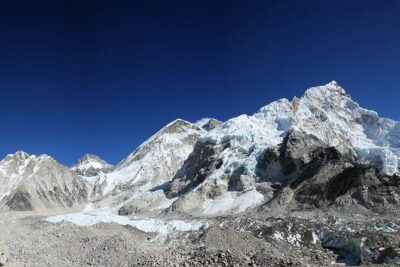
Then you hike to North Base Camp of Mt. Kanchenjunga, also known as Pang Pema. The walking is described as gradual following moraines, which usually means steady effort without constant steep scrambling. You’re out here to get those big, layered angles of the mountain—one of the core reasons this circuit is so appealing.
Afterward, you turn back to Ghunsa. That might sound like “just retracing,” but from a trekking standpoint it’s valuable. Retreat gives your body recovery time, and it helps you mentally reset before higher passes later.
Ghunsa Backtrack to Sele Le: Quiet Trails and Chances to See Leopards
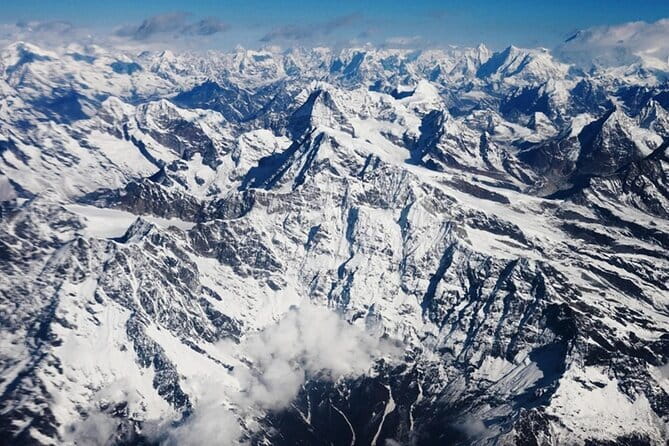
The return route is still active. You move from Ghunsa toward Sele Le, leaving the trail that goes toward Gyabla. The description notes possible snow leopard sightings as you pass dense forest, plus that there are isolated human settlements with a few teahouses open only in certain seasons.
This is one of those real-world trekking truths: in quieter regions, you may not have the same constant teahouse grid you’re used to on established routes. Your guide and porter system helps you handle this uncertainty, but you’ll still want to plan to be flexible.
For you, the upside is the feeling of solitude. For the trail itself, it’s a reminder that you’re on a living landscape, not a controlled walkway.
High Pass Day: Sinion La, Mirgin La, and Sinelapche Bhanjyang
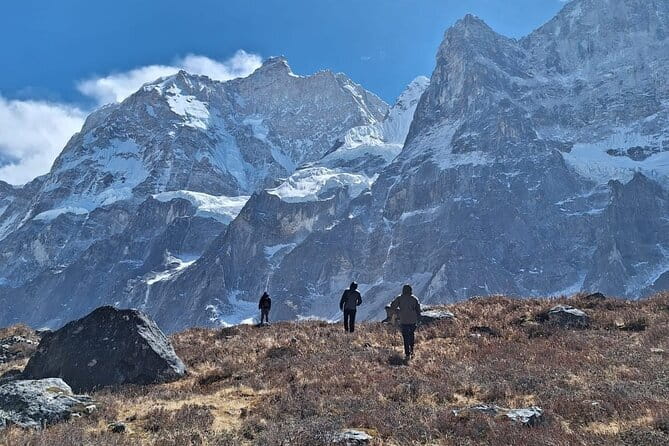
Then comes the high pass push. After leaving Sele Le Pass, you hike up through three named passes: Sinion La (4440m), Mirgin La (4480m), and Sinelapche Bhanjyang (4645m). The description promises spectacular panoramic views, and at these elevations you should expect the “wide open” feel—less fogging up your view, more sky, more stark mountain lines.
This is also the portion of the trek where you need to trust your pacing. High passes often feel deceptively calm early in the day and then get harder as cold and altitude stack up. If you keep your steps slow and consistent, your body handles it better than if you sprint to the top.
The route is described as hiking up and over passes, meaning you’ll be working both uphill and transitional terrain. This is where having an experienced guide matters. In past client experiences shared around the operator, names like Raj and Jangbu showed up in connection with strong support and careful pacing, not just “leading the group.”
Yalung Glacier Day: Close Views Toward Rathong and Kabru
After the passes, you head toward the Yalung glacier. The plan is early breakfast, then forward movement through the glacier area getting higher and closer to vistas.
You’ll pass the Yalung which provides views of Rathong (6682m) and Kabru (7412m). That’s a big deal for mountain lovers: seeing multiple peaks referenced along the route helps you track what you’re looking at instead of just watching “a wall of snow.”
If you like trekking days where the view changes with almost every bend, this is one of those stretches.
Descent to Tortong, Yamphudin, and Kanyam: The Part People Underestimate
After the higher country, the trek starts downhill and ends at Tortong, passing through Simbuwa Khola with encha—your provided notes cut off mid-word there, but the key idea is clear: you’re transitioning into descent terrain and village pathways.
Then it continues to Yamphudin by descending further, passing Lasiya/Lamite Bhanjyang (3415m) and Dhupi Bhanjyang (2665m), and reaching Yamphudin village. Finally, you explore landscapes through trails trekking alongside Kabeli Khola, and leave mountain villages by drive to Kanyam.
Descent is when sore knees start writing their complaint letters. Your legs may feel okay on day 14–16 type effort, but the final trekking days are about controlled footing. If you’re carrying your own daypack and you’ve kept your pace reasonable, you’ll likely enjoy this part more than you expect.
Bhadrapur Wrap-Up: Tea Gardens, Flight Home, and a Real Finish
On the last day, you have breakfast and then explore a green tea cultivation area for a while. After that it’s a 2–3 hour drive to Bhadrapur, followed by the flight back to Kathmandu in the late part of the day.
This is one of those “soft landings” that helps after a long trek. You’re not jumping straight from high passes to airport stress. A short walk around tea cultivation areas is a nice way to cool down your mind before you fly.
Price and Value: What $2,000 Buys (and What It Doesn’t)
At $2,000 per person for roughly 19 days, this isn’t a bargain trek. But it is also not a “barebones guide and prayers” situation.
Here’s what’s included:
- Trekking permits
- Kathmandu hotel: 3 nights in a 3-star place with breakfast
- Tea-house accommodations on the trek
- A government licensed guide and a first-aid kit with basic medication
- Porter support (between 2 trekkers, 1 porter)
- Jeep transfers (Bhadrapur–Taplejung–Sekathum and Yamphudin–Kanyam–Bhadrapur)
- Flights Kathmandu → Bhadrapur and Bhadrapur → Kathmandu
- Most meals counted across the trip (breakfast 18, lunch 17, dinner 16)
- Local taxes and VAT
What’s not included:
- International flights and Nepal entry visa
- Travel and health insurance, especially for emergency rescues/evacuations
- Personal expenses (snacks, water, charging, hot showers, Wi‑Fi)
- Tips (appreciated, though not included)
- Any extra Kathmandu nights beyond what’s already included
For value, the key is the package logic. You’re paying for access (permits, flights, jeep legs) plus human support (guide + porter ratio) plus lodging and a big share of meals. If you tried to assemble this yourself, those moving parts are exactly what become expensive or stressful.
Food, Comfort, and Tea-House Reality Check
You’ll get basic food on tea-house nights, and the trip guidance suggests opting for the veg foods available while you’re trekking. That’s not a small tip. High-altitude and remote food choices can affect your energy and your stomach, especially if you’re tired.
Also plan your hydration and snacks as personal tasks. The “not included” list specifically calls out water, charging, and extras. In practical terms: bring a strategy for what you’ll pay for day-to-day and how you’ll keep your phone alive long enough to call home.
If you’re the type who needs a reliable meal plan, you’ll feel better if you go with simpler options that sit well and repeatable meals you can tolerate.
Who Should Book This Trek (and Who Might Rethink It)
This trek fits well if:
- you’re in good physical shape and ready for a multi-day mountain hike
- you want a route that feels less crowded and more village-based
- you care about mountain views from multiple angles, not just a summit chase
- you like structure: guides, permits, and realistic acclimatization built into the schedule
You might rethink it if:
- you don’t want long road time (jeeps/4×4 access is part of the deal)
- you prefer fully comfortable trekking (tea-house style is basic by nature)
- you’re not comfortable managing altitude and pace without rushing
One nice detail: the group size has a maximum of 8 travelers. That tends to keep things manageable, and it usually helps the guide keep an eye on individuals when the trail gets tricky.
Should You Book This Trek?
I’d book this Kanchenjunga Circuit if your dream is less crowded Himalaya with real villages and a strong chance to see Kanchenjunga from both base camp angles. The included flights, jeep logistics, permits, and licensed guide/porter support are exactly what make a remote trek feel safer and less chaotic.
But go into it with eyes open. Plan for long drives, basic tea-house food, and the fact that altitude and passes are real work. If that sounds like the kind of challenge you want, this is a solid value choice at $2,000—especially compared with “DIY costs” once you add permits, transport, and experienced human support.
If you’re deciding between routes, Kanchenjunga’s quieter feel and the dual base camp focus are the two strongest reasons to pick this one.
FAQ
How long is the Kanchenjunga Circuit trek?
It runs for about 19 days.
Where does the trek start and end?
It starts in Kathmandu (meeting point listed as Nepal Nirvana Trails in Kathmandu) and ends back in Kathmandu, with drop-off at your hotel.
What’s included in the price for this trip?
The price includes trekking permits, a 3-star hotel in Kathmandu for 3 nights with breakfast, tea-house accommodations during the trek, a government licensed trekking guide and porter support, private jeep transfers, domestic flights between Kathmandu and Bhadrapur, and most meals during the trek.
Are flights included or do I need to book them myself?
Domestic flights are included: Kathmandu to Bhadrapur and Bhadrapur back to Kathmandu. International flights are not included.
What type of accommodation will I have during the trek?
You’ll stay in tea houses during the trekking days, while Kathmandu nights are in a 3-star hotel.
How does the porter system work?
You have porter support with a ratio stated as between 2 trekkers for 1 porter.
Do I need travel or health insurance?
Travel and health insurance covering emergency rescues and evacuations is not included, so you should arrange it separately.
What food should I expect on the trail?
Food on the trek is described as very basic. The guidance suggests choosing the veg foods available while trekking.
Is free cancellation available?
Yes. You can cancel for a full refund if you cancel at least 24 hours before the experience’s start time. Within 24 hours, there is no refund.