REVIEW · EVEREST BASE CAMP TREKS
Everest Base Camp Trek
Book on Viator →Operated by Himalayan Holyland Treks and Expedition · Bookable on Viator
Everest starts with a short hop. This trek blends a classic Lukla flight with high-altitude Kala Patthar panoramas and day-by-day teahouse comfort in Sagarmatha National Park. I love how the plan keeps you moving without making you guess logistics: airport pickups, a professional guide, porter support, and meals along the route.
The one real consideration is the altitude rhythm and the day timing around it—plus the Lukla flight can feel tense when conditions aren’t perfect.
In This Review
- Key highlights at a glance
- Your Everest Base Camp trek: what the experience actually feels like
- Kathmandu to Lukla: the start that sets your expectations
- Phakding to Namche Bazaar: the climb you’ll remember
- Acclimatization day in Namche Bazaar: don’t rush it
- Tengboche: monasteries and rhododendron walking days
- Dingboche and Lobuche: the trail turns more alpine
- Gorakshep and Everest Base Camp: the day of the big payoff
- Kala Patthar: why this viewpoint is worth the early effort
- The return trek: Tengboche, Namche, and the Dudh Koshi river crossing
- Lukla to Kathmandu: closing the loop without stress
- Price and logistics: does $2,500 feel fair for what you get?
- Guides and porters: what support looks like on the ground
- Comfort on a tea-house trek: basic, but predictable
- Who this trek fits best (and where it might not)
- Should you book this Everest Base Camp trek?
- FAQ
- What time and where do we meet in Kathmandu?
- How long is the Everest Base Camp trek?
- Is airport pickup and drop included?
- Where do you stay during the trek?
- Are meals included?
- Do I get porter support?
- What’s not included in the price?
- Can I cancel for free?
Key highlights at a glance
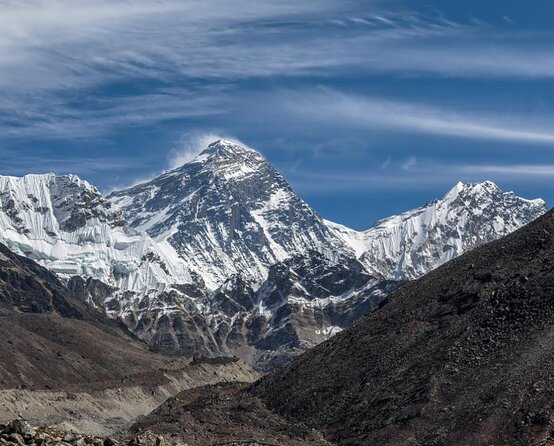
- Kala Patthar is built into the schedule for the region’s best views
- Tea house accommodation plus three meals a day on trek (and hot soup high up)
- Porter service included (2 trekkers per 1 porter) to reduce weight strain
- A guide-led route through major stops like Namche Bazaar, Tengboche, Dingboche, and Gorakshep
- Private tour format, so you’re not sharing the experience with random people
Your Everest Base Camp trek: what the experience actually feels like
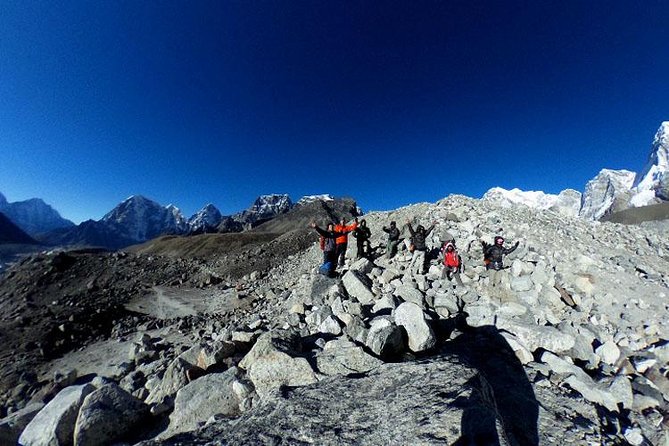
If you want the Everest story in the real-world version—the one measured in steps, cold mornings, and slow-breathing altitude—this Everest Base Camp trek hits the right notes. It’s famous for a reason, but fame doesn’t make the mountains smaller. What makes this specific version attractive is the way the schedule is structured around the classic Everest arc: Lukla lift-off, Namche acclimatization, monastery valleys, the high-glacier day, and the Kala Patthar viewpoint that everyone talks about.
Let’s start with the overall flow. You begin in Kathmandu and then fly to Lukla, where the trek proper starts fast. From there, you climb in steady chunks through Sherpa hubs (Namche Bazaar), spiritual sites (Tengboche monastery), and high villages (Dingboche and Lobuche). The big day for many people is the push from Gorakshep to Everest Base Camp and then the return to your sleeping spot. Then comes the pre-dawn (or early) viewpoint mission for Kala Patthar—shorter in hours than the trekking days, but it’s the kind of climb that turns your legs into elevators.
And you get support baked in. You’ll travel with a professional guide through trek and sightseeing, and you get a porter setup designed to keep your load reasonable. Meals are covered, including three meals during the trek and hot soup in high places. That matters more than it sounds, because at altitude your body cares about timing and calories, not about your snack stash.
You can also read our reviews of more hiking tours in Kathmandu
Kathmandu to Lukla: the start that sets your expectations
Day 1 is all about switching from city energy to mountain reality. The meeting point is Tribhuvan Airport in Kathmandu with a very early start time of 5:15 am. Then you have private vehicle pickup and drop for international and domestic flights (so you’re not trying to find transport at 6 in the morning with a backpack and a head full of jet lag).
You fly from Kathmandu to Lukla, then you start trekking to Phakding. The schedule gives you a tight but realistic buffer: about 25 minutes of flying, then roughly 3 hours of trekking. That first walk is where you feel the terrain changes. You go past forests, Buddhist monasteries, and local landmarks while you settle into the rhythm.
There’s also a built-in “weather depends” moment. The plan notes that if visibility is good, you might spot Kanguru Peak on this early section. You can’t treat that as guaranteed, but it’s a good reminder: in the Everest region, the mountains are in charge of the timing.
What I like here is how the day doesn’t overload you. You don’t go straight into high altitude misery. You ease in, arrive at Phakding (listed at 2650 meters), eat, and sleep at teahouse style accommodations.
Phakding to Namche Bazaar: the climb you’ll remember
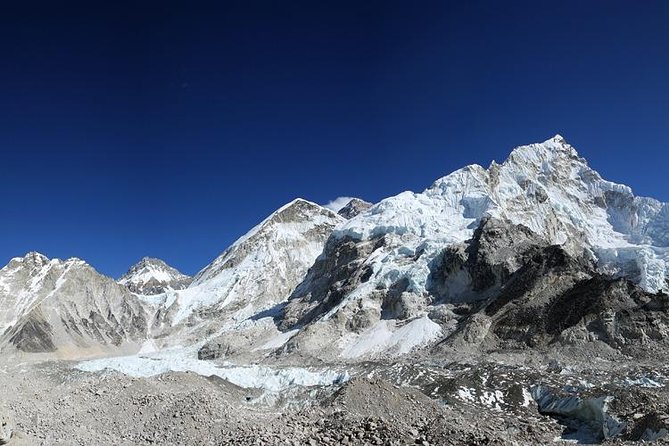
On Day 2, you head to Namche Bazaar, with about 6 hours of trekking. This is the kind of day where the “effort” is real but manageable—you’ll be walking through rivers, waterfalls, and villages, and you’ll start seeing why Namche is the Everest region’s main hub.
Namche sits higher (the plan lists about 3440 meters), and that elevation shift affects everything: your breathing, your pace, and even how quickly you get tired. You’ll lunch along the route (with lunch mentioned at Monje or Jorsalle), and you’ll reach Namche Bazaar in time to settle in for the night.
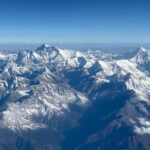
Here’s a practical detail that helps: the schedule also mentions viewpoints near Namche, including Top Danda where you might get a view of Mount Everest. Again, it’s weather dependent, but the plan sets you up to chase that “first real Everest moment” without turning the day into a sprint.
Acclimatization day in Namche Bazaar: don’t rush it
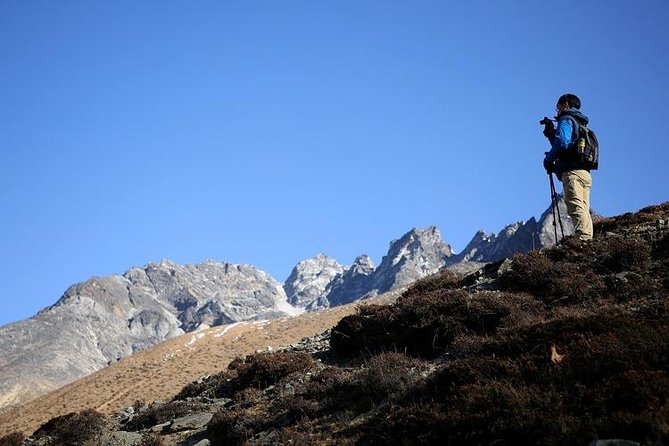
Day 3 is your acclimatization day. This is a big deal, not a free day. The itinerary gives you time to explore Namche Bazaar and the surrounding viewpoints so your body has a chance to adjust while you keep moving at a gentler pace.
The plan specifically mentions hikes or excursions around Namche that can include Kusum Kanguru, Taboche peak, Khonde peak, and Everest View Point. It also notes the Sagarmatha National Park museum in Namche Bazaar—useful if you want context for what you’re seeing instead of just chasing photos.
This is also where you can do practical things you’ll thank yourself for later: souvenirs, re-checking gear needs, and getting comfortable with how teahouses and village routines work. If you’ve ever regretted rushing an altitude itinerary, this day is your anti-regret insurance.
Tengboche: monasteries and rhododendron walking days
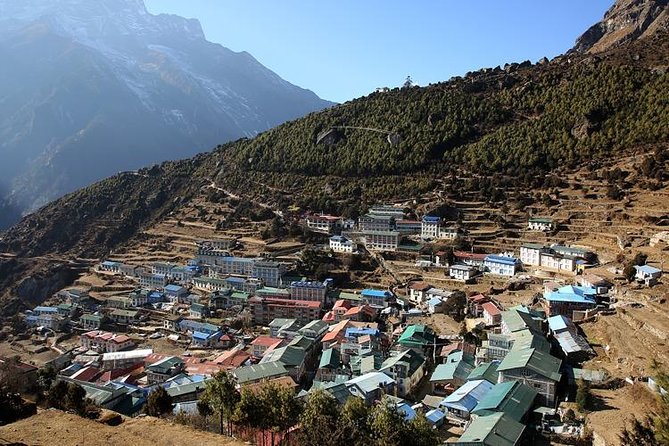
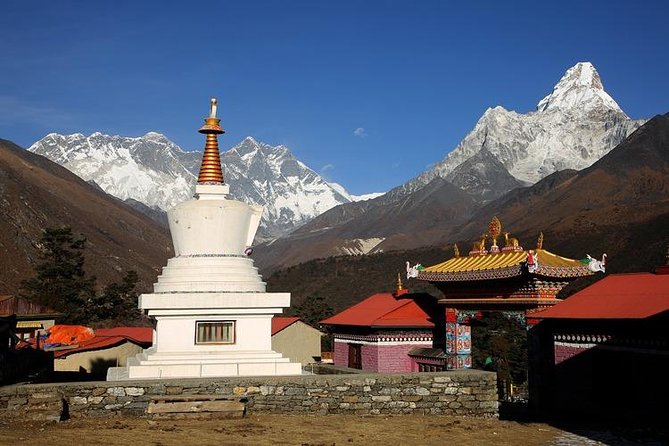
Day 4 covers the trek from Namche Bazaar to Tengboche, about 5 hours. The route crosses rhododendron forest and follows the river-adjacent trail as you climb toward Tengboche (listed around 3860 meters).
The highlight here is the monastery culture. The itinerary calls out the Tengboche monastery as the main attraction. This isn’t just a landmark stop—it’s the kind of place where the community rhythm becomes visible. You’ll be walking in a landscape of rituals and daily life, with monks and locals practicing traditions that have existed far longer than any trekking itinerary.
Teahouse nights are part of the package here, and in practice that means your day ends with the comfort of a predictable place to eat and sleep. That steadiness matters after multiple elevation changes.
Dingboche and Lobuche: the trail turns more alpine
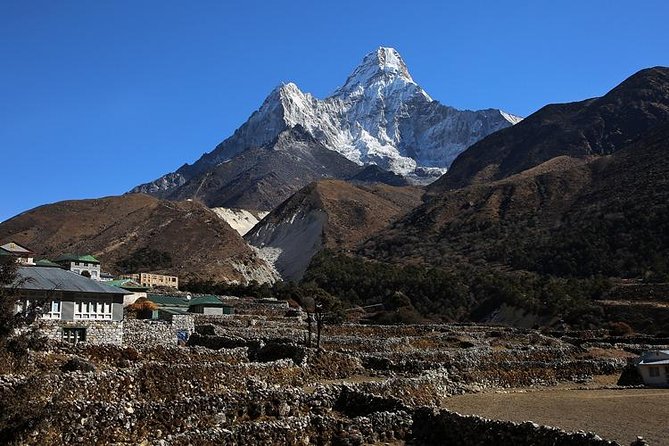
Day 5 goes to Dingboche (about 4400 meters). The walk is listed around 5 hours, with lunch at Pangboche or Somare. This is a transition day: you’ll still see villages, but the higher terrain makes the scenery feel more raw and open.
Then Day 6 moves from Dingboche to Lobuche (around 4910 meters), again about 5 hours in the plan. This stretch is described with big mountain viewpoints in mind—Mt. Nuptse, Island peak, Lobuche peak, and Taboche peak are all mentioned as things you may see. Even if the exact visibility changes, the planning tells you what the route is meant to deliver: bigger views, higher stakes.
At this point, you’re deep in the Everest region’s “almost glacial” feel. It’s not just walking higher—it’s walking where the environment looks more severe and less forgiving.
Gorakshep and Everest Base Camp: the day of the big payoff
Day 7 is the push to Gorakshep (about 5150 meters) and then out to Everest Base Camp and back to Gorakshep. The plan lists about 3.5 hours to reach Gorakshep, then time to hike to Everest Base Camp (5364 meters) and return.
This is the day that earns the trek’s reputation. The itinerary describes the route with a key image: glacier views, including the Khumbu Glacier, and the Kala Patthar reference point that’s already waiting for you on Day 8. In other words, your work today sets up your reward tomorrow.
Practical takeaway: plan on the fact that Everest Base Camp isn’t a “quick stop and go.” It’s the kind of place where you’ll want time—photos, pauses, and the simple act of realizing you made it here. After that, you return to Gorakshep for the night, so you’re not done with the day when you reach the base area.
Also, remember that the plan includes hot soup in high places. That’s one of those “small” inclusions that can make a big difference on a day like this.
Kala Patthar: why this viewpoint is worth the early effort
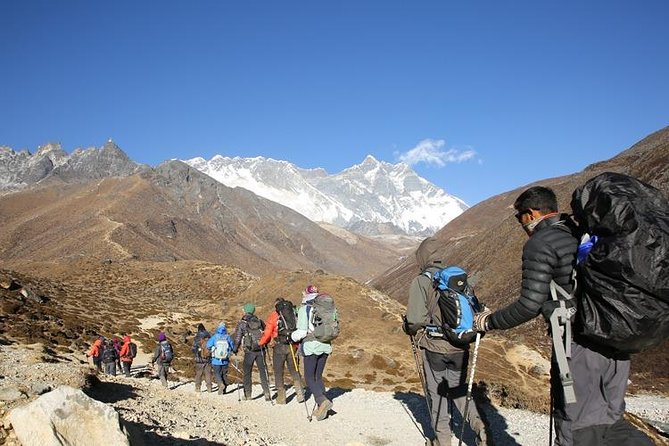
Day 8 is built around Kala Patthar. You hike up early, with the schedule stating about 3 hours to reach the viewpoint, then descend back toward Lobuche (with trekking time listed as about 2.5 hours).
The reason people talk about this day is simple: the plan explicitly calls Kala Patthar the best-fit viewing platform for the Everest region’s best vistas. So instead of spreading that payoff across many days, this itinerary concentrates the viewpoint mission into one structured outing.
What helps is the pacing logic. You come from Gorakshep with the high-region acclimation behind you, you move early for the best chance at clear views, and you still get a descent and a place to sleep afterward.
If you want a quick mental model: this is the Everest day you can’t really replace. Even if you see plenty of mountains earlier, Kala Patthar is where the whole region’s shape tends to “click” in a way you’ll remember.
The return trek: Tengboche, Namche, and the Dudh Koshi river crossing
Days 9 and 10 start the long unwind. Day 9 goes from Labuche back to Tengboche (about 5.5 hours). Lunch stops are mentioned at Pangboche or Deboche village, and the scenery changes as you descend—monasteries, stupas, bridges, and river sections show up more often as you go down the valleys.
Day 10 covers Tengboche to Manjo via Namche Bazaar, around 6 hours. Namche is a key stop here because it’s your “big hub” reminder: you’re not just moving through high terrain—you’re passing the places that made the region feel navigable.
Day 11 goes from Manjo back to Lukla via Phakding, roughly 5 hours. The itinerary specifically mentions crossing the Dudh Koshi river on a suspension bridge, then walking alongside a drive for a few hours to reach Phakding before continuing on to Lukla. That suspension bridge moment is one of those practical travel details that turns into a real memory—because it’s visual, it’s scenic, and it’s also where you feel your legs shifting from uphill mode to downhill stability.
You sleep your final trek night in Lukla, then fly back.
Lukla to Kathmandu: closing the loop without stress
Day 12 is the flight from Lukla to Kathmandu, listed at about 25 minutes. After the domestic flight, the itinerary notes an escort to a hotel via private car. Then you can refresh and explore Thamel in Kathmandu after you’ve had time to recover.
This kind of wrap-up is underrated. Many treks throw you straight back into chaos. Here you get an escort and a hotel overnight, so you can reset before the next steps.
Price and logistics: does $2,500 feel fair for what you get?
At $2,500, the biggest question isn’t just price—it’s value. The included items are doing real work here:
- Airport pickup and drop in a private vehicle for both international and domestic flights
- Domestic transport between Kathmandu and Lukla as part of the trek schedule
- Tea house accommodation during the trek
- Three meals a day during the trek, plus hot soup in high areas
- A professional guide for trek and sightseeing
- Porter service (2 trekkers : 1 porter)
- Insurance for guide and porters
- Government and local taxes
- Trekking map, completion certificate, and a T-shirt
- Farewell dinner in Kathmandu
What’s not included is also clear, and you should budget for it:
- Nepal visa
- International flights to and from Kathmandu
- Travel and rescue insurance for clients
- Personal expenses like hot shower, battery charge during the trek, bar bills, laundry, and water
- Tips for your guide and porters
- Extra nights in Kathmandu beyond what the plan covers
My take: if you want a trek where meals, lodging, and porter support are handled, this package is priced like a proper service, not a bare-bones plan. The “extra” costs mostly come down to personal comfort items and your own insurance/tips, which is normal for trekking logistics.
Guides and porters: what support looks like on the ground
Support is one of the best reasons to choose this kind of organized trek. You’re not just getting a name and a route. You’re getting a professional guide for trek and sightseeing and a porter setup designed for the group size.
The porter service matters because the trek is high and long. The itinerary specifically states 2 trekkers share 1 porter, which usually means you can keep your pack lighter than you would solo. That reduces fatigue and keeps you freer to adjust your pace if altitude hits harder than expected.
In feedback tied to this operator, guide Ajay was praised for being attentive from the time clients were picked up at the airport through to drop-off. That’s not Everest specific proof, but it does point to a pattern: the company appears to take the whole trip seriously, not just the walking days.
And across other treks offered by the same company, a guide named Jangbu was singled out as supportive. Since guide assignments can vary by trek and season, treat names as signals of service quality, not guarantees.
Comfort on a tea-house trek: basic, but predictable
This trek uses tea house accommodation throughout. That usually means simple rooms, shared dining spaces, and a steady flow of meals. The upside is predictability: you know the plan includes lodging plus three meals during the trek and hot soup in higher places.
What you should plan for is that comfort costs extra. The not-included list calls out hot showers and battery charging as personal expenses. So if you want those perks, assume they’re add-ons.
Also, bring realistic expectations. This is not a hotel tour. It’s village infrastructure meeting high-altitude constraints. Still, a guided, included plan can make it feel less stressful because you’re not negotiating for food or lodging each step of the way.
Who this trek fits best (and where it might not)
This trek is listed for people with moderate physical fitness. The itinerary includes many days around 4 to 6 hours of trekking, plus two big effort sections: Everest Base Camp day (out and back) and the Kala Patthar viewpoint hike.
So this is a good fit if you:
- Want the classic Everest route with planned acclimatization
- Appreciate a structured pace and included meals
- Like having a guide and porter support handling logistics
- Are okay with early mornings, long walks, and altitude effects
It may be a weaker fit if you:
- Want a low-effort trek (this is not that)
- Get anxious about the possibility of flight discomfort around Lukla timing and conditions
- Don’t want to manage personal expenses like charging or hot showers
Should you book this Everest Base Camp trek?
I’d say book it if you want the classic Everest story with solid structure: guide, porter support, tea house lodging, meals, and the big viewpoint day at Kala Patthar built into the plan. The value case is strong because so much is covered, not just “a route on paper.”
Hold off or consider alternatives if you’re uncomfortable with the altitude pacing and the fact that the itinerary depends on a short Lukla flight and clear hiking-day timing. Also, double-check your own travel and rescue insurance needs since it’s not included.
If your goal is to walk into Everest in a way that feels organized and supported, this plan is the kind you’ll feel grateful for on Day 7 and Day 8—when the mountains finally stop being theory and turn into a real, breathing daily challenge.
FAQ
What time and where do we meet in Kathmandu?
You meet at Tribhuvan Airport in Kathmandu at 5:15 am.
How long is the Everest Base Camp trek?
It’s listed as about 12 days, including flights between Kathmandu and Lukla.
Is airport pickup and drop included?
Yes. The package includes private vehicle pickup and drop for both international flights and domestic flights.
Where do you stay during the trek?
You stay in tea house accommodation during the trek.
Are meals included?
Yes. The trek includes three times meal during the trek and hot soup in the high places.
Do I get porter support?
Yes. Porter service is included, with a setup of 2 trekkers to 1 porter.
What’s not included in the price?
Not included are the Nepal visa, international flights to and from Kathmandu, travel and rescue insurance for clients, personal expenses like hot shower and battery charge, extra Kathmandu nights beyond the plan, and tips.
Can I cancel for free?
Yes. You can cancel up to 24 hours in advance for a full refund.