REVIEW · HIKING & TREKKING
Kathmandu: Shivapuri Hill Day Hike with Lunch box
Book on GetYourGuide →Operated by Relax Getaways Pvt. Ltd · Bookable on GetYourGuide
City noise to birds and mountains within hours. This Shivapuri Hill day hike is one of the cleanest ways to step out of Kathmandu’s streets and into protected park terrain, with real payoff views.
I especially like how the route earns your attention step-by-step, rather than just giving you one viewpoint and calling it a day.
Next, I love the mix of nature and culture. You hike through green forest and bird habitat, then you get a meaningful stop at Budhanilkantha Temple, famous for its reclining Vishnu statue.
One drawback to plan for: this isn’t a stroll. Expect stairs and climbing, and cloudier or hazy weather can reduce how far the Himalayan panorama reaches.
Key points before you go
- Kathmandu-to-nature in a single day: you get a real park experience without multi-day trekking.
- Forest trail with bird potential: keep an eye out for pheasants, parakeets, and hornbills.
- Budhanilkantha Temple is a standout: an open-air cultural landmark during the climb.
- Summit views depend on the sky: clear days can show Langtang and even distant ranges.
- A guide who helps you pace: known for adjusting to hikers who aren’t regular trekkers.
- Lunch box included (with bottled water): a ready-made boost, but I’d still pack a backup snack.
In This Review
- Shivapuri National Park: Why This Day Hike Works From Kathmandu
- Getting Started in Thamel: Pickup, Timing, and a Smooth Start
- The 6-Hour Climb: Forest Steps, Bird Calls, and How Hard It Really Is
- Budhanilkantha Temple: The Cultural Pause That Makes the Hike Mean Something
- The Summit Views: Kathmandu Valley, Langtang, and When the Sky Plays Nice
- Lunch Box Strategy: What You Get and How to Pack Smarter
- Price and Value: Is $70 Worth It for This Kind of Day?
- Who Should Book This Hike (and Who Should Skip It)
- Practical Tips That Make the Day Better
- Should You Book Shivapuri Hill With Lunch?
Shivapuri National Park: Why This Day Hike Works From Kathmandu
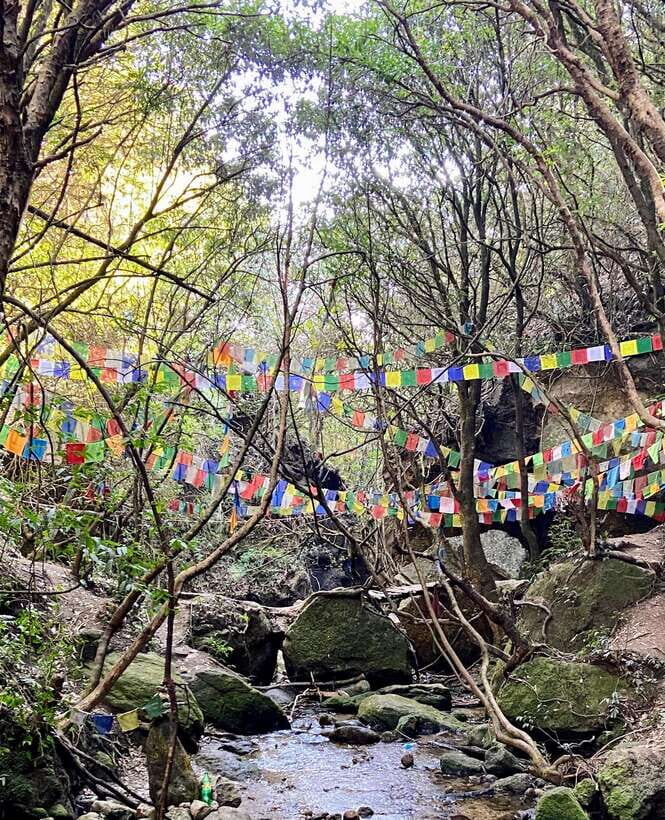
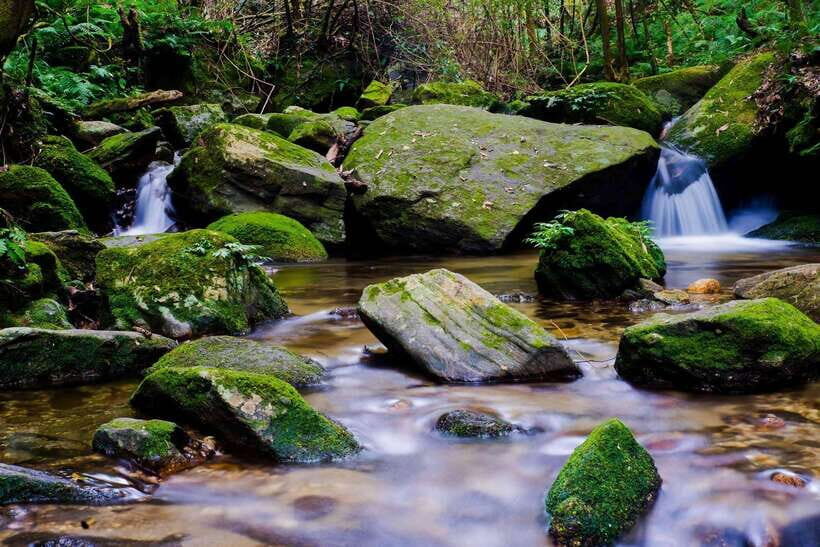
Shivapuri National Park sits right against Kathmandu’s edge, which means the “getting away from it all” part happens fast. One moment you’re dealing with city energy, and the next you’re walking under tree cover with fresh mountain air in your lungs and birds cutting through the quiet.
This hike also hits a sweet spot for many people. It’s described as a moderate climb with well-maintained trails, which usually means you get footpath clarity and fewer “uh-oh” moments—compared to rougher off-trail routes. You’re not being asked to do technical climbing, but you do have to respect that it’s still uphill.
And the best part? You’re not just chasing scenery. The day is built around moments that feel different from each other: shaded forest walking, then temple time, then the big payoff at the hilltop when conditions allow.
If you want a Kathmandu day trip that feels authentic and grounded in real local terrain, this one delivers.
Getting Started in Thamel: Pickup, Timing, and a Smooth Start
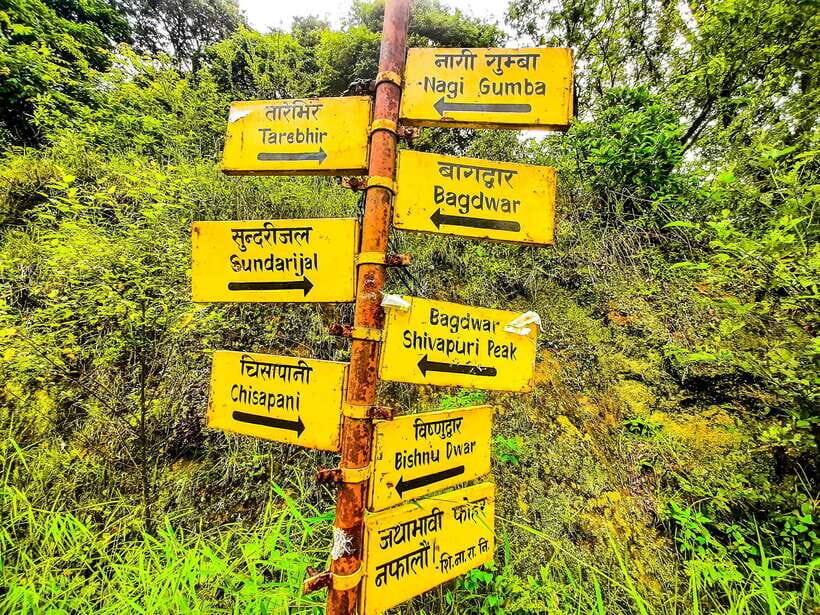
Most people start from Thamel (with an alternate pickup option in Kathmandu). It runs about 7 hours total, with around 6 hours devoted to hiking inside the park area.
Your operator includes hotel pickup and drop-off. About the timing: you’ll be contacted on WhatsApp the day before with your pickup time. If you don’t use WhatsApp, you’ll want to leave a local number so the team can reach you easily. That matters, because this is a day hike—showing up late usually means losing the best light and messing with the flow.
I also like that the tour includes the park entry permit fee. It saves time and keeps the day focused on walking and viewpoints instead of paperwork.
You can also read our reviews of more tours and experiences in Kathmandu

The 6-Hour Climb: Forest Steps, Bird Calls, and How Hard It Really Is
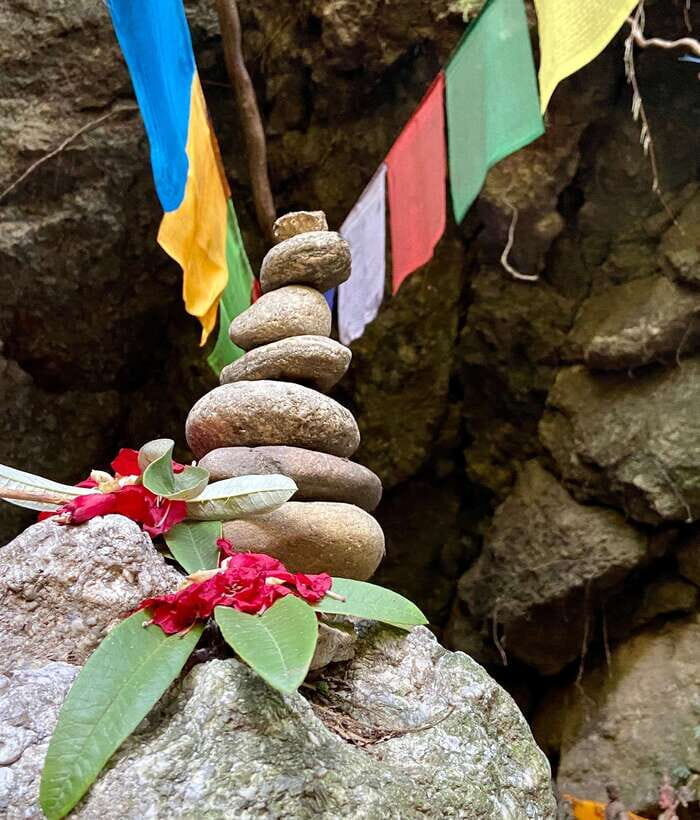
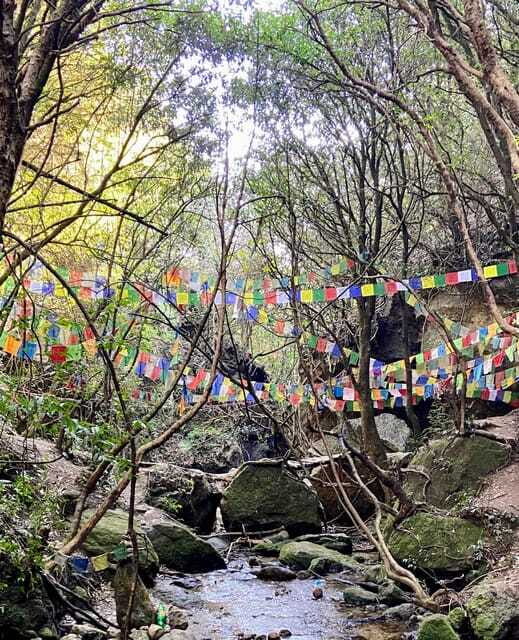
The core of the experience is the hike through Shivapuri’s forests. Expect a steady climb rather than a flat warm-up. You’ll be on a well-maintained trail, but there can still be a lot of steps and climbing. One guide named Sajan and another named Sumit have both been praised for how they handle different fitness levels, which is a big deal on a route like this—because the trail asks for effort, and pacing makes it enjoyable.
Here’s what to listen for while you’re walking: the park is known for bird activity, including pheasants, parakeets, and hornbills. You don’t need to be a birder to enjoy it. The point is that nature here is active. If the air is clear enough, the soundscape often becomes part of the hike—chirps, calls, and that shift from city background noise to something more rhythmic.
A quick reality check: if you’re not used to hills, you’ll feel the ascent. The good news is that the route is designed for a day outing. It’s hard enough to feel earned, but not so extreme that it becomes a full-blown trek.
If the weather turns gloomy, it can still be a great hike. Gloom doesn’t automatically ruin the experience—you’ll still get the forest walking and the satisfaction of reaching the top. Just understand that visibility can drop, and the far-distance views may be muted.
Budhanilkantha Temple: The Cultural Pause That Makes the Hike Mean Something
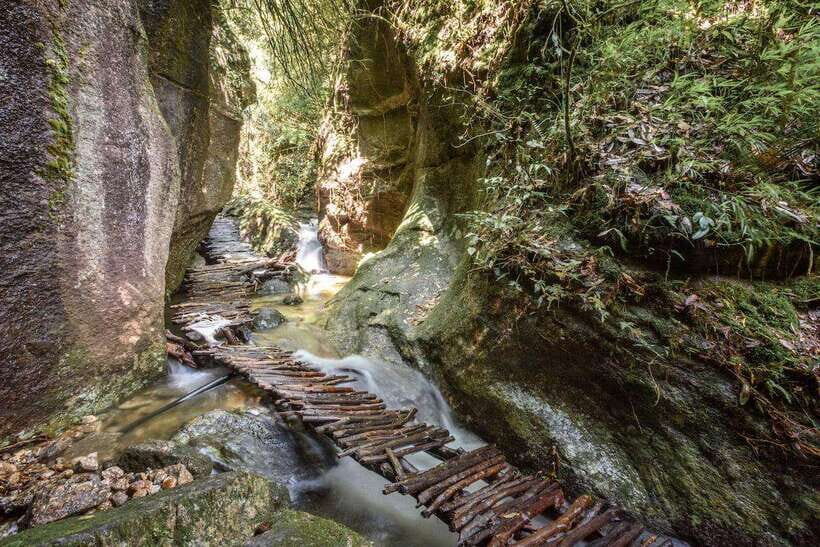
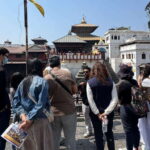
Mid-hike (after you’ve warmed up with the climb), you’ll reach Budhanilkantha Temple, an open-air stop featuring the reclining statue of Vishnu. This is one of those places where you don’t need a lecture to feel the atmosphere. It’s a direct cultural landmark tied to Hindu tradition, right in the middle of your “nature day.”
Why this matters on a hiking tour: it breaks the mental monotony of “up, up, up.” It also gives the day texture. Without cultural stops, many hill hikes can feel like exercise with occasional photos. With this temple included, your brain gets a checkpoint. You’ll also get better context for why this region is meaningful to local life, not only to hikers.
If you care about small details, watch how your guide explains what you’re looking at—guided interpretation turns a quick photo into something you remember later.
The Summit Views: Kathmandu Valley, Langtang, and When the Sky Plays Nice
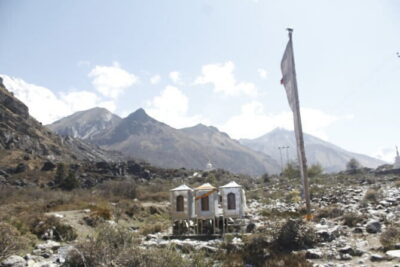
At the top of Shivapuri Hill, the reward is the panoramic sweep over the Kathmandu Valley. On a clear day, you can see the Langtang mountain range stretching out in the distance. There’s also a chance—conditions permitting—that you might catch views that reach farther toward major ranges like Everest or Annapurna.
But here’s the honest part: this depends on weather. Some days have haze or clouds, and your view can shrink from “epic panorama” to “beautiful but limited.” That’s still worthwhile because even partial viewpoints can show how close Kathmandu is to the Himalayan foothills.
I suggest treating the summit as a mood check, not a guarantee. Your goal is to get up there, breathe the air, and take in what the day offers. If the sky clears, you’ll feel lucky. If it doesn’t, you’ll still get the sense of distance and elevation that you worked for.
Also, don’t rush the view. Take a few minutes to settle your breathing and look around slowly. When you’re finally above the canopy, the whole experience clicks.
Lunch Box Strategy: What You Get and How to Pack Smarter
Lunch is included as a boxed set that comes with 500ml bottled water, a muffin, donut, banana, seasonal fruit, and juice. For a day hike, that’s a solid baseline—sweet energy, hydration, and some fruit.
Still, I’d plan for extra fuel. One piece of practical advice from real experience: bringing your own lunch if you can. Even if the included box is enough for many people, your appetite might run higher if the climb feels steeper that day, or if you’re moving slower and spending longer in the sun.
So my best-value approach:
- Eat the included lunch, but keep a small backup snack.
- If you tend to get low on energy, add a quick energy bar you like.
- If you’re sensitive to sugary foods, you may want something more neutral.
And remember: you’ll be hiking for a long chunk of the day. The best time to eat is when you’re settled and not racing for the summit.
You can also read our reviews of more hiking tours in Kathmandu



Price and Value: Is $70 Worth It for This Kind of Day?
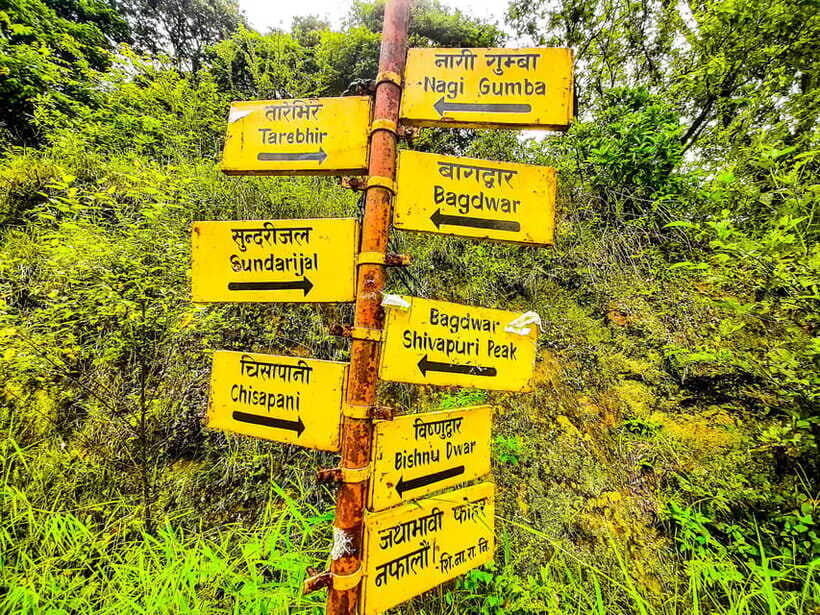
At $70 per person, you’re paying for a day that wraps the essentials into one package. Here’s what you actually get in the value math:
- Hotel pickup and drop-off (you’re not figuring out transport on your own)
- National park permit fee included
- English-speaking local hiking guide
- A complete lunch box with bottled water
- Government taxes and VATs included
That combo matters. Hiring a guide and paying permits separately adds up, and transport in Kathmandu can eat time and effort. When those pieces are bundled, you spend your energy on the hike instead of logistics.
Are there cheaper ways to do a similar walk? Sure. But if you want a smooth day that’s organized around a real route in the park—and you value having someone who can keep the hike enjoyable—this is priced in the “pay for convenience and local know-how” zone.
Also, guides help you pace. In reviews tied to this hike, guides named Sajan and Sumit were specifically praised for working with hikers who aren’t regular trekkers, which is exactly the kind of value you notice only after you’ve started climbing.
Who Should Book This Hike (and Who Should Skip It)
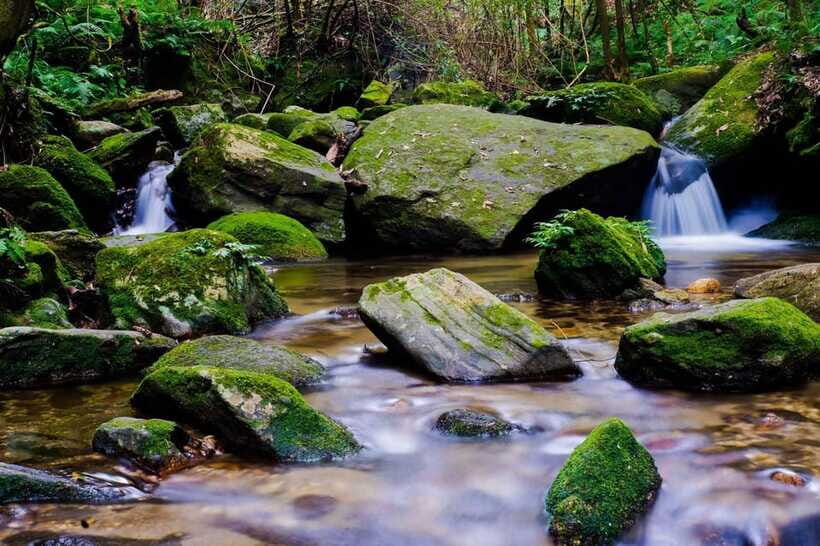
This is a great fit if:
- You want a moderate hike without committing to multiple days.
- You like birdlife and shaded forest walking.
- You want at least one cultural landmark during the outdoors time.
- You’re comfortable with a climb that includes stairs and uphill effort.
You should think twice if:
- You’re looking for something flat or stroller-friendly. This is uphill and active.
- You’re pregnant. The activity is listed as not suitable for pregnant women.
- You’re extremely weather-sensitive. Gloomy or hazy conditions won’t ruin the hike, but they can soften visibility at the summit.
If you’re an in-between hiker—someone who can handle hills but wants help pacing—this tour style is designed for you.
Practical Tips That Make the Day Better
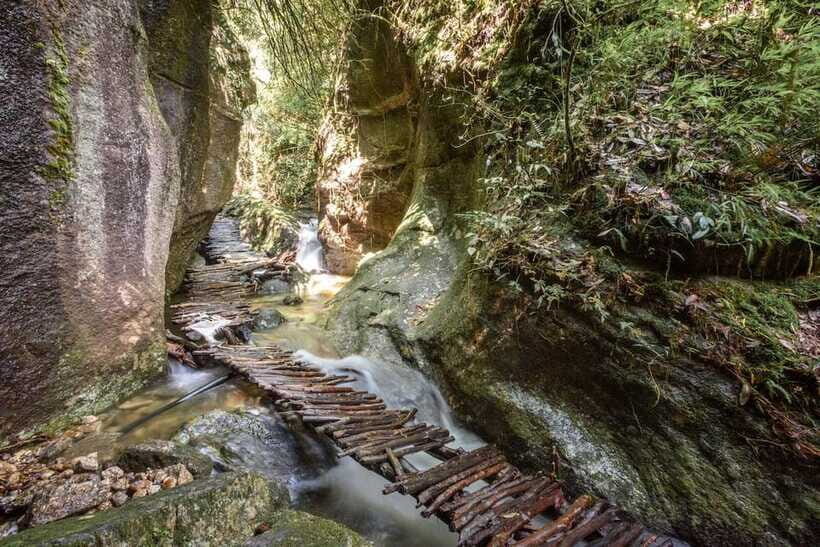
These are small but real upgrades that protect your day:
- Wear shoes you trust on steps. The route includes climbing and many steps.
- Bring a light layer. Even in warmer months, morning shade under trees can feel cooler.
- Keep your eyes up. Birds show up when you’re not staring only at the ground.
- Have a backup snack idea. The included lunch box is helpful, but extra food can prevent a late-day slump.
- Don’t obsess over summit photos. If clouds roll in, adjust your expectation and enjoy the elevation and forest atmosphere instead.
And one more tip: when your guide offers pacing, take it. The best hiking day isn’t the one where you suffer the most. It’s the one where you still have energy to enjoy the view and temple stop.
Should You Book Shivapuri Hill With Lunch?
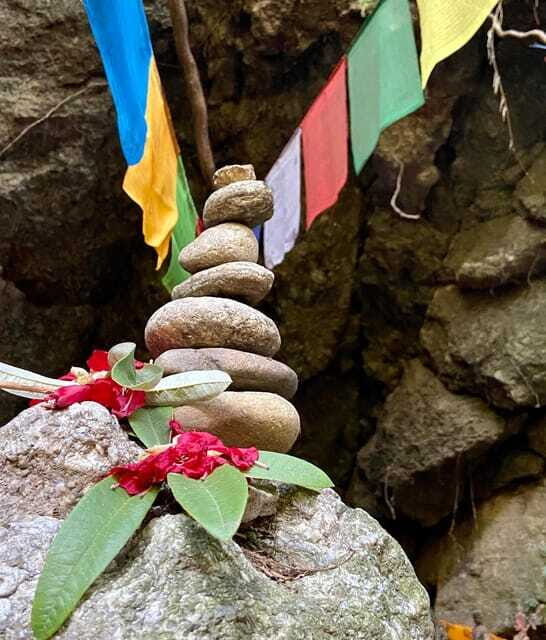
If your goal is a well-organized Kathmandu day hike that blends nature, a major cultural stop, and panoramic rewards, I’d book it. The value is strong because you’re not juggling transport, permits, guide time, and lunch all separately.
I’d especially recommend it if you want:
- an active day with real climbing, not a pretend workout
- a guide who can adapt to different fitness levels
- the combination of forest bird habitat and Budhanilkantha Temple
Skip it if you need a flat, easy walk, or if it’s not suitable for your situation (including pregnancy, based on the tour info).
If you’re okay with the fact that summit visibility depends on the sky, this is an excellent way to see what Kathmandu looks like when the mountains finally get the last word.