REVIEW · NEPALI COOKING CLASSES
Traditional Nepali Momo Making Classes
Book on Viator →Operated by Classic Nepal · Bookable on Viator
Momo-making sounds simple until you try rolling and shaping dough the Nepali way. This class in Thamel turns it into a guided, hands-on mini lesson in comfort-food technique, flavor, and kitchen culture. I like how the school is women-run and keeps the focus on Nepal’s indigenous flavors by sourcing ingredients from local farmers, not generic shortcuts. I also love the warm start with masala chai and the way you get a spice walkthrough before your hands hit the dough. One thing to consider: it’s about a 1.5-hour session, so if you want a long, step-by-step cooking “deep course,” this may feel brief.
You’ll begin at a clear time (12:30 pm) and leave with a recipe book you can actually use later. The group stays small (up to 16), and the class is in English with lunch included, so it’s a solid value meal-and-skill combo. If you’re arriving in Kathmandu expecting to just stumble into the experience, plan ahead—this one tends to be booked fairly early.
In This Review
- Key things that make this momo class worth your time
- Thamel momo class with a local-ingredient mission
- 12:30 pm start: chai, welcome, and menu choices
- The spice primer that makes your momos taste like Nepal
- Hands-on momo cooking: learning by doing
- Lunch included: you eat what you made (and it’s the payoff)
- Price and logistics: $18, English teaching, small group flow
- Weather, timing, and what can affect your session
- Who this class suits best (and who might want a different plan)
- Should you book Namaste Cooking School’s traditional momo class?
- FAQ
- How long is the momo-making class?
- What is the price, and what’s included?
- Where do I meet for the class?
- Is the class taught in English?
- How many people are in a group?
- Do they accommodate dietary restrictions or allergies?
Key things that make this momo class worth your time
- Women-led teaching with a patient, practical pace in a small group.
- Masala chai on arrival to set the tone before you cook.
- Menu selection up front with dietary/allergy questions during the session.
- Spice primer first, so the flavors make sense when you’re cooking.
- You take home a recipe book, built for real-world re-tries later.
Thamel momo class with a local-ingredient mission
Kathmandu’s food scene can be chaotic. In the middle of that, Namaste Cooking School keeps the class grounded in Nepal’s own culinary identity, run by women with an emphasis on local sourcing. The big idea here is straightforward: if you want authentic Nepali momo flavor, you start with ingredients that match the way Nepali kitchens actually taste at home.
That “why it matters” shows up in how the class is structured. You don’t just get thrown into a task. You get context first—what spices are common in Nepali momo cooking and how they affect the final bite. The school also notes that ingredients are sourced directly from local farmers, which is a practical way to keep flavors connected to place rather than turning them into a tourist-version dish.
And location helps. Being in the heart of Thamel means you can fit this into an afternoon without a big commute. You’ll also likely find it easier to get back out for dinner plans afterward, because the start and end both come back to the same meeting area.
You can also read our reviews of more tours and experiences in Kathmandu
12:30 pm start: chai, welcome, and menu choices
The class begins at 12:30 pm at Bhagwati Marg, Kathmandu 44600, Nepal. You’ll get a warm welcome and a traditional cup of masala chai—a classic sign you’re in good hands here. If you don’t want chai, the format is still designed around comfort and hospitality, and you’ll be guided from there.
Before cooking, you’ll choose from curated menus for your momo experience. This matters more than it sounds. Menu choice can affect filling, flavor balance, and how spicy or mild your final momos will be. The session also asks about dietary restrictions and allergies, which helps you avoid the common problem of “guessing what’s in the food” once you’re already in the cooking process.
The pace is designed so you can arrive as a beginner and still leave feeling competent. You’ll get enough explanation to follow what’s happening, without turning the class into a lecture that drags.
The spice primer that makes your momos taste like Nepal
A lot of cooking classes skip the flavor logic. Here, you get an overview of the regional spices that are integral to Nepali momo cuisine. This is the difference between copying a recipe and understanding why a dish tastes the way it does.
When you know which spices create the backbone of Nepali flavor, you can adjust more confidently later. For example, if you make the filling at home and it tastes flat, you’ll know what direction to correct. If it tastes too sharp, you’ll know how to rethink balance instead of starting over from scratch.
You should treat this spice part like a map. It helps you connect the steps you’re doing with the result you’re tasting. That’s also why the class feels “informative” without becoming overwhelming.
Hands-on momo cooking: learning by doing
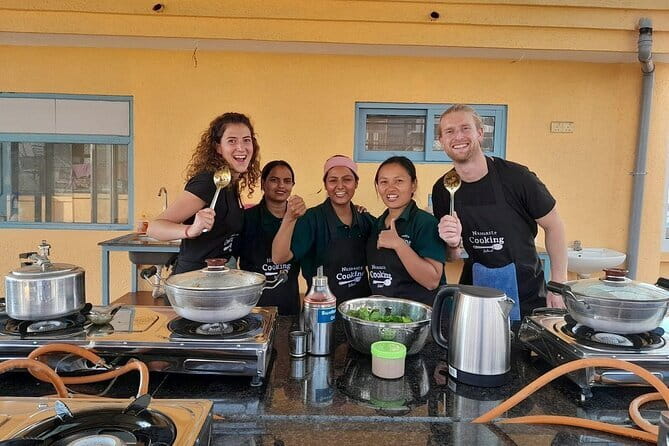
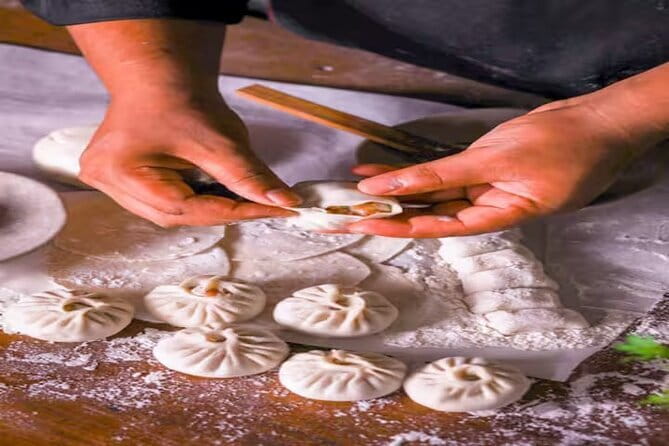
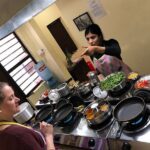
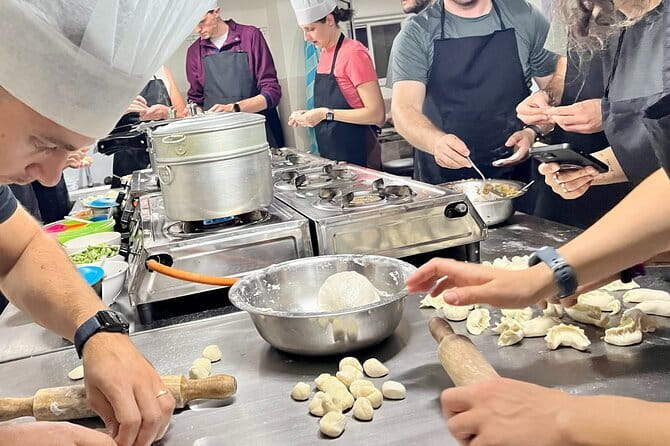
This is a practical hands-on class, and that’s the point. After the welcome and menu selection, you move into preparing your momos with guidance. You’ll learn the process directly at the counter and work through dough and filling steps as part of the session.
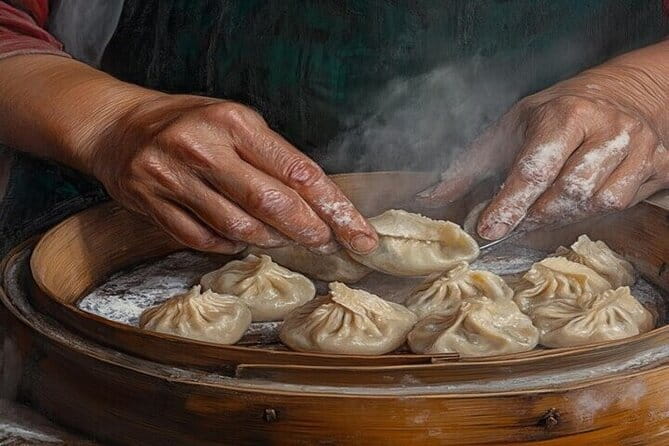
You’ll also learn how to shape. In momo-making, shaping isn’t just aesthetics—it affects how the filling stays sealed and how the dumpling cooks evenly. The teaching style seems to focus on technique you can repeat, which is exactly what you want if you’re not just eating, but trying to bring the skill home.
For many people, the big “aha” is realizing that momos are not only about ingredients. It’s about handling the dough and forming dumplings with the right care. A class like this helps you build that muscle memory while someone is there to correct you.
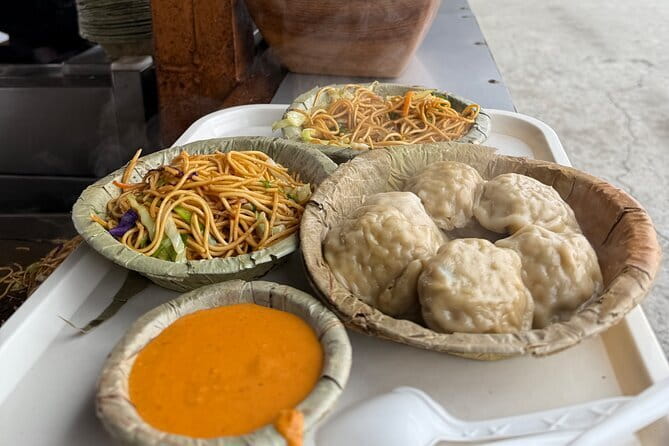
It’s worth noting that most people end up making vegetable momos based on what’s been shared from the experience. Still, your menu selection drives what you actually cook, so you should choose based on your preferences and comfort with flavors.
Lunch included: you eat what you made (and it’s the payoff)
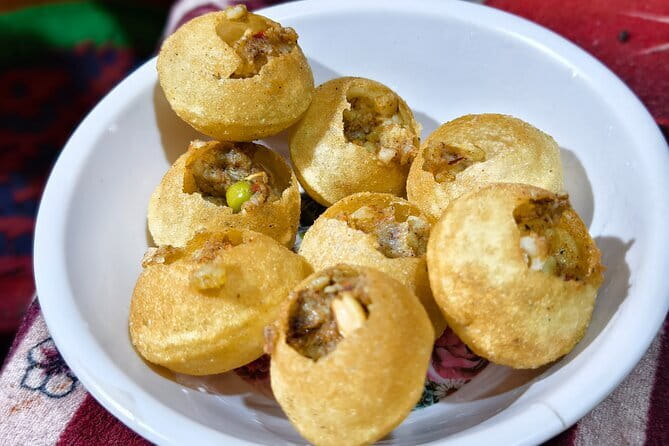
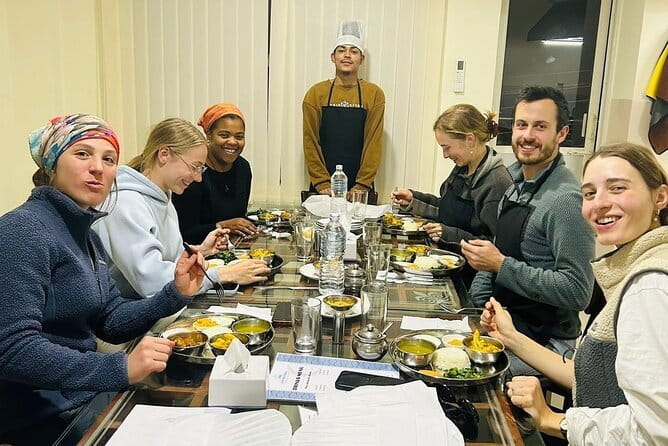
The package includes lunch, and in this case that means you’re eating a meal you prepared yourself. That changes the experience. You don’t feel like you’re paying for a “show.” You feel like you’re paying for a real-food lunch with an added skill layer.
If you care about cleanliness and comfort, you’ll likely appreciate that the setup is described as clean and well-organized. There’s also a mention of a rooftop setting with views of Kathmandu, which adds a nice change from eating in a typical indoor restaurant after a long day.
The result is a full, satisfying midday meal. And because you’re eating soon after cooking, you get immediate feedback on what you did well. That’s the easiest time to learn: after tasting your own work, you can understand what adjustments would improve the next batch.


Price and logistics: $18, English teaching, small group flow
At $18.00 per person for about 1 hour 30 minutes, this fits the “value meal” category in Kathmandu. You’re paying for more than ingredients. You’re paying for guided technique, English instruction, lunch included, and a recipe book afterward.
The school keeps group size capped at 16 travelers. That’s a sweet spot for getting personal attention without feeling like you’re in a one-on-one private lesson. If you’re a confident cook, you’ll still benefit from the shaping tips. If you’re a beginner, you won’t get lost in a crowd.
You’ll also get a mobile ticket, and confirmation happens at booking time. The location is near public transportation, which helps if you’re not staying within easy walking range of Thamel.
If you’re budgeting tightly, this is one of those options that can replace eating out plus paying for a separate activity. In practical terms, you’re buying lunch and learning a skill that can stretch into multiple home-cooking evenings.
Weather, timing, and what can affect your session
This experience requires good weather. The listing notes that if it’s canceled due to poor weather, you’ll be offered a different date or a full refund. In Kathmandu, that’s a useful detail to keep in mind even when you’re planning well.
Because the class is time-specific (12:30 pm start), you’ll want to avoid scheduling it as a “maybe.” Treat it like a fixed plan: clear your afternoon buffer and plan your day so you’re not sprinting across town right when cooking starts.
Who this class suits best (and who might want a different plan)
This class is great if you want a hands-on Kathmandu experience without needing cooking background. You’ll do better if you’re open to learning by doing and you’re curious about spice flavor logic, not just following steps.
It also suits families and mixed ages, since the class has worked well for people bringing children into the kitchen setting. The small group and teaching approach seem built for patience and repeat learning.
A possible mismatch: if you’re searching for a long, in-depth culinary training day, 1.5 hours may feel short. Also, if your main goal is simply eating a meal without any cooking involvement, a restaurant might be easier and less time-bound.
Should you book Namaste Cooking School’s traditional momo class?
I think this is a smart booking for most first-timers in Kathmandu who want a memorable food activity that still feels useful later. The combination of women-run local sourcing, masala chai welcome, a spice primer, hands-on shaping practice, and lunch included hits a lot of boxes for a very reasonable price.
Book it if:
- You want an activity that ends with a meal you helped make.
- You like learning fundamentals you can reproduce later.
- You want something in Thamel that fits neatly into your day.
Consider skipping or comparing if:
- You need a longer class to feel confident with technique.
- Your schedule is too tight to handle a potential weather change.
- You don’t care about cooking process and just want a quick eat.
If you’re aiming for an authentic Kathmandu afternoon that doesn’t feel like a tourist performance, this momo class is one of the most practical ways to spend your time.
FAQ
How long is the momo-making class?
It’s about 1 hour 30 minutes.
What is the price, and what’s included?
The price is $18.00 per person, and lunch is included.
Where do I meet for the class?
Meet at Bhagwati Marg, Kathmandu 44600, Nepal. The activity ends back at the meeting point.
Is the class taught in English?
Yes, English is offered.
How many people are in a group?
The class has a maximum of 16 travelers.
Do they accommodate dietary restrictions or allergies?
Yes. During menu selection, you’ll be asked about dietary restrictions or allergies.